




Top 20 Most Common Insects in Rajahmundry
Insects, those often tiny yet fascinating creatures, are abundant across varying geographical locations in Rajahmundry. These diverse habitats, from moist forests to arid deserts, foster a wide range of insect species. Beyond their exquisite beauty, insects play crucial roles in our ecosystem, both as pests and beneficial organisms. This list unveils the top 20 common insects in Rajahmundry, reflecting the vibrant interplay between local environments and their insect inhabitants.

Most Common Insects
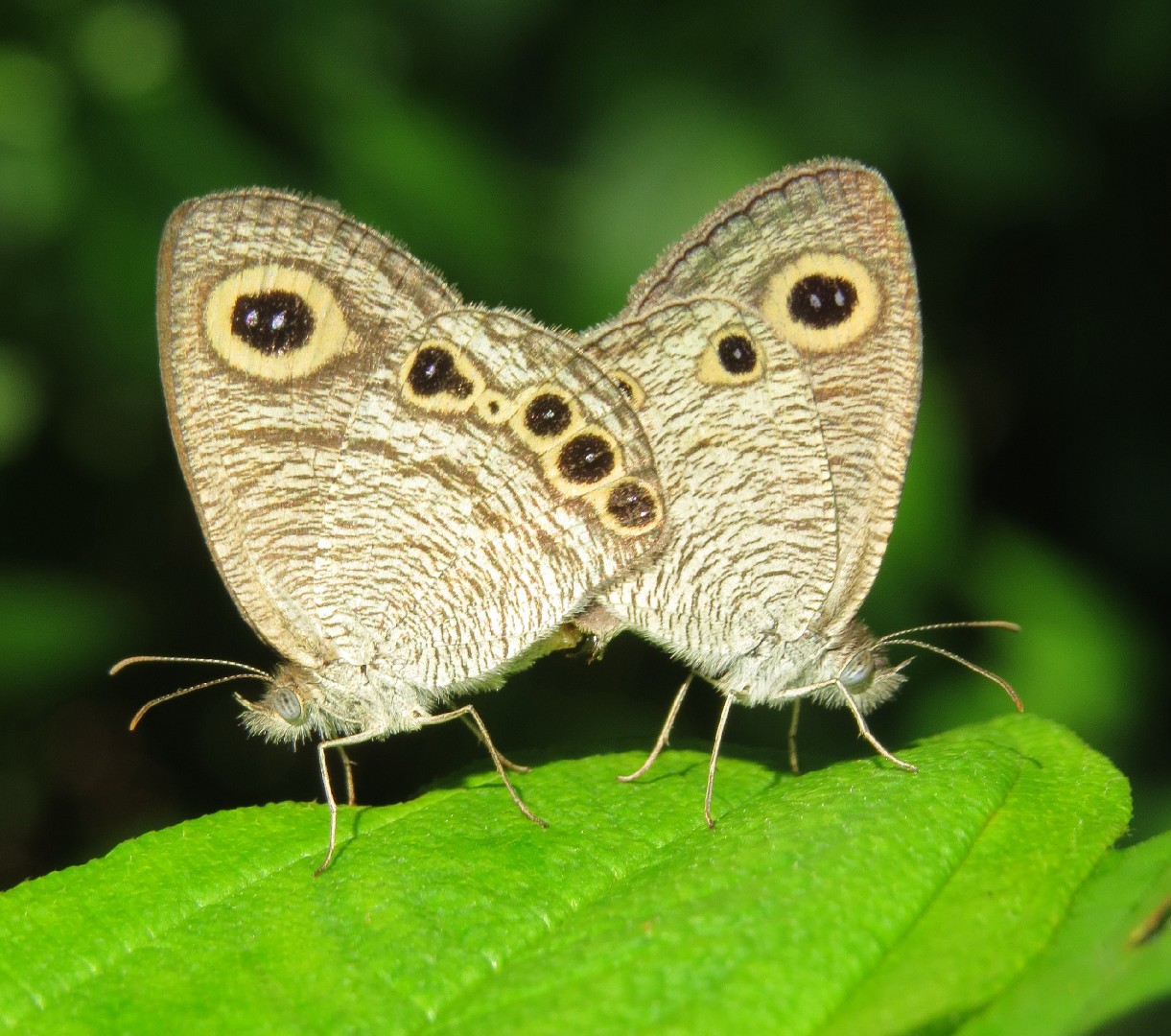
1. Common four-ring
Wet-season form: Upperside greyish brown. Forewing with the usual comparatively large, bi-pupilled, yellow-ringed, black preapical ocellus. Hindwing usually with two, sometimes with three, very rarely without any, smaller similar uni-pupilled postdiscal ocelli. Underside greyish white, not very densely covered with transverse short brown striae. Forewing with the preapical ocellus as on the upperside, obscure discal and subterminal dull brown transverse fasciae and a narrow brown ring round the ocellus diffusely produced posteriorly. Hindwing with one apical and typically three postdiscal posterior ocelli placed in a curve; traces of transverse brown discal and subterminal fasciae in most specimens. Antenna, head, thorax and abdomen greyish brown, the abdomen paler beneath. Male without secondary sex-mark. Dry-season form: Similar, somewhat paler on both upper and under sides; the discal and subterminal transverse fasciae more pronounced; the ocelli on the underside of the hindwing minute or absent. Adults have a wingspan of 4 - 4.5 cm. 
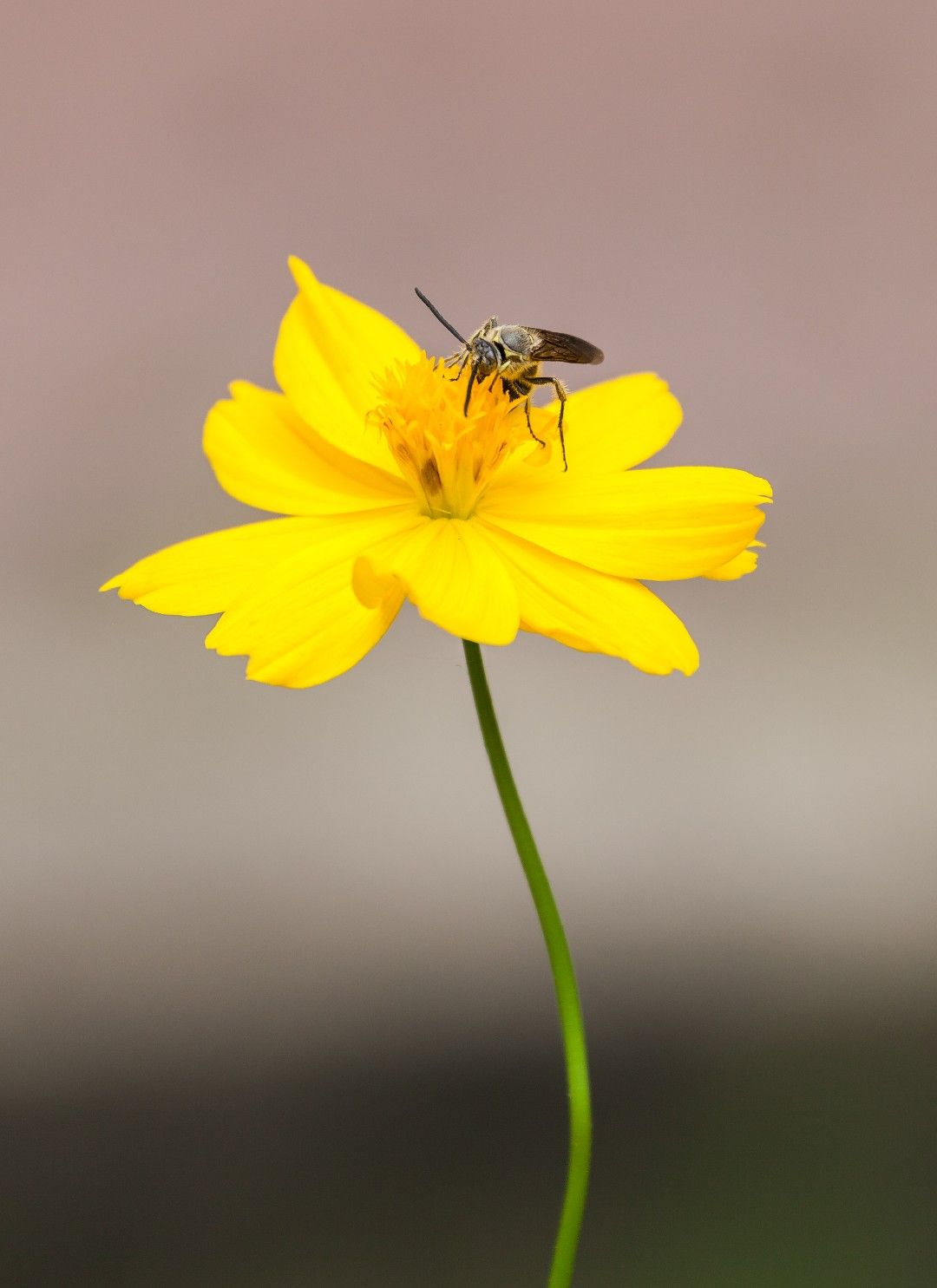
2. Chlorion lobatum
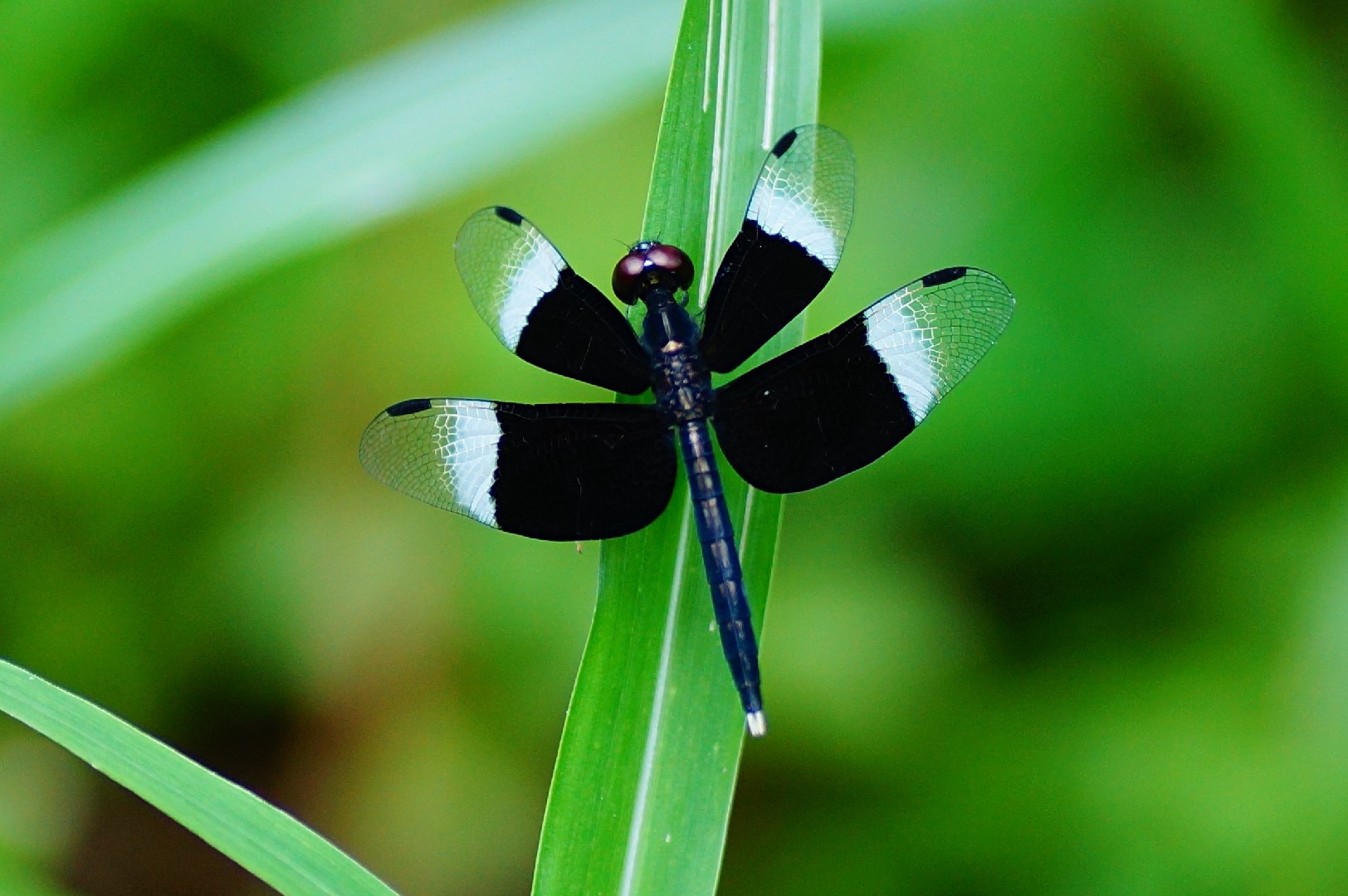
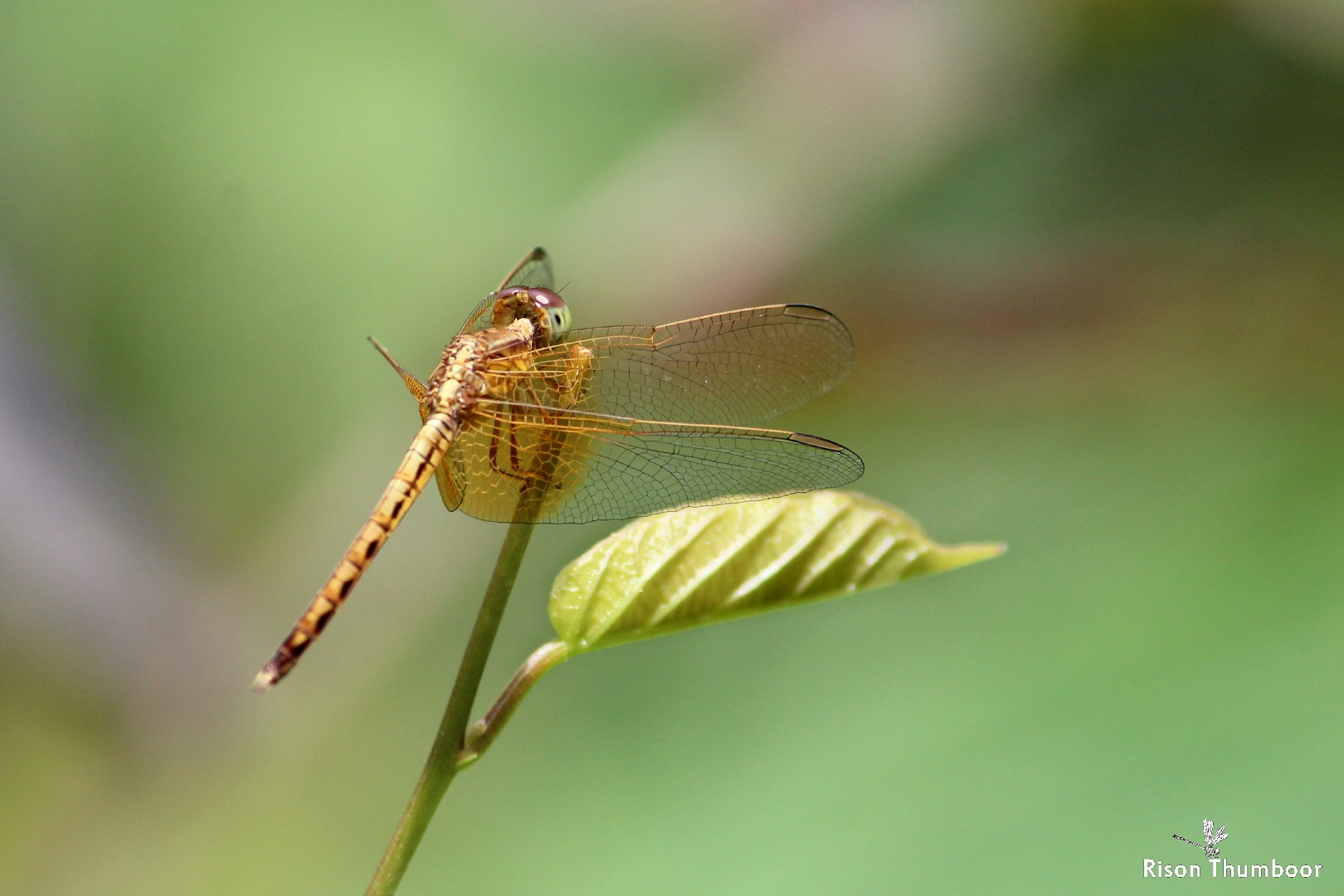
3. Pied paddy skimmer
The species is on the IUCN Red List as not endangered, year of assessment 2007.
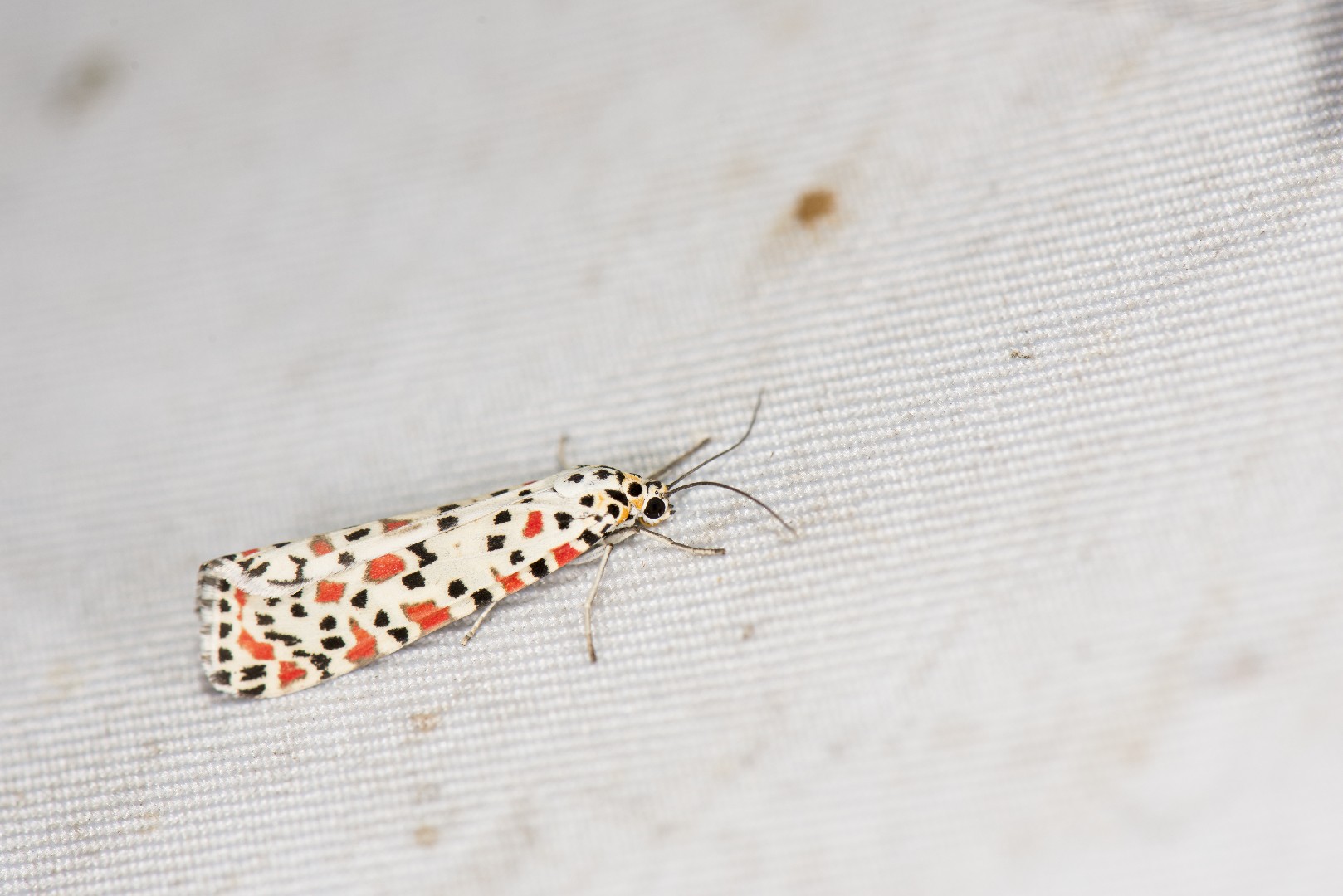
4. Rattlebox salt-and-pepper moth
Utetheisa lotrix, the salt-and-pepper moth or crotalaria moth, is a moth of the family Erebidae. The species was first described by Pieter Cramer in 1777. It is found in most of the Old World tropics. The wingspan is about 30 mm. The larvae feed on Crotalaria species.
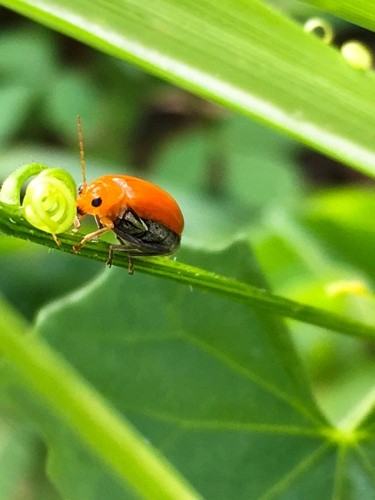
5. Cucurbit beetle
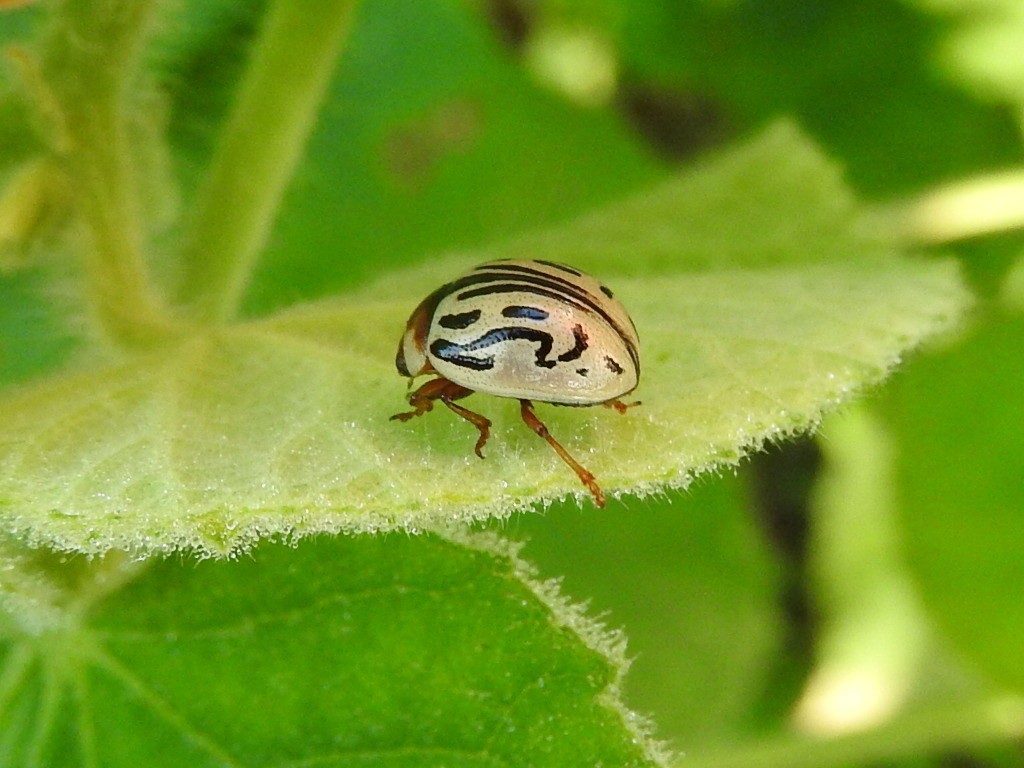
6. Mexican beetle
Z. bicolorata is a small lead beetle with a brown head, brown and yellow graduated pronotum and yellow elytra marked with characteristic elongated brown stripes. The pattern on the elytra is greatly variable - in a study of 478 beetles, 29 variations on this pattern were identified.
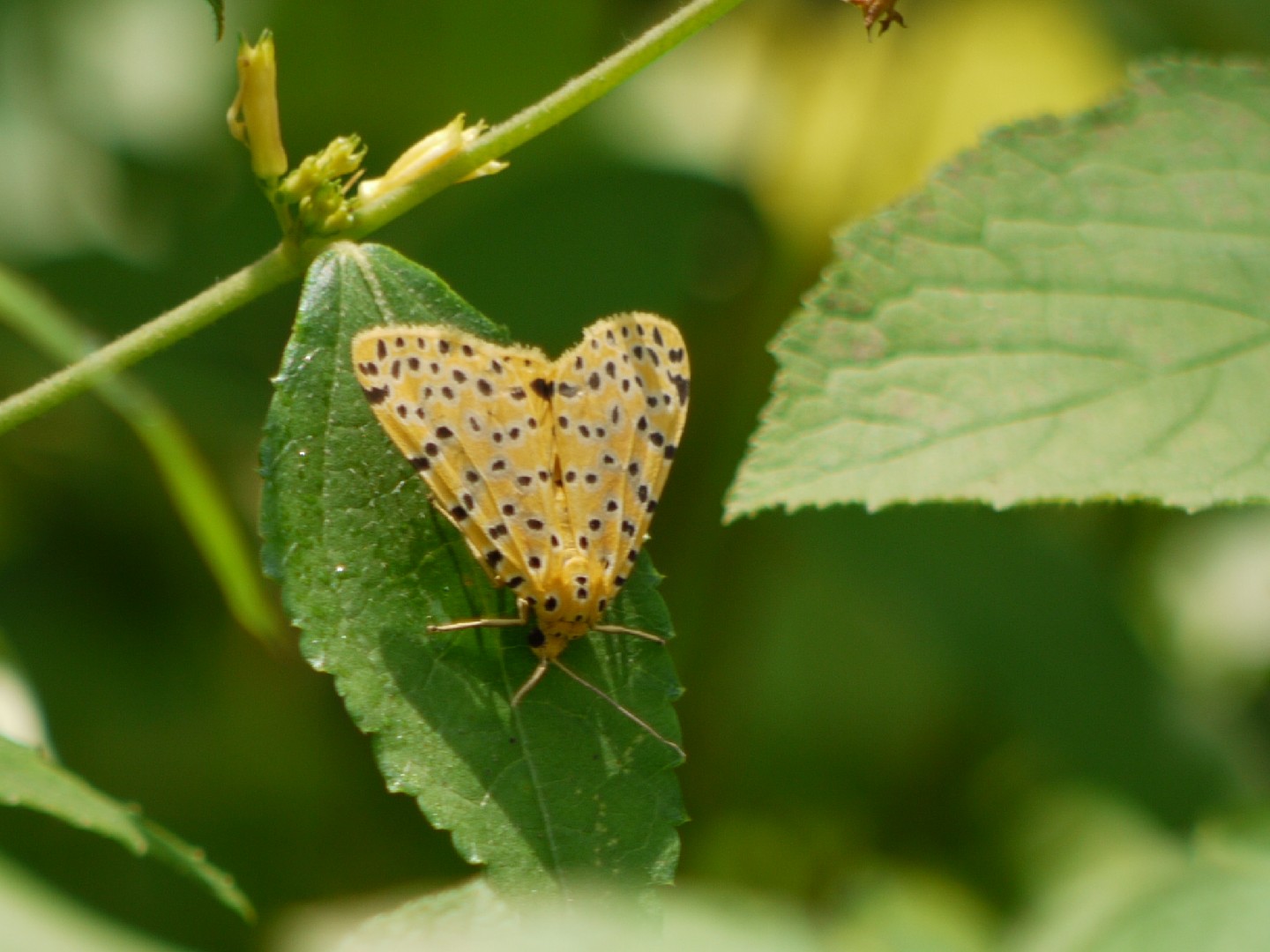
7. Crotalaria pod borer
The wingspan is about 40 mm. The species is extremely variable in wing pattern as well as ground colour. It differs from Mangina argus in the head, thorax and forewing being orange yellowish or whitish. The abdomen and hindwings are bright orange. Markings and spots are similar to its neighbor species. The head of the caterpillar is reddish brown when fully grown. Its body is black with white intersegmental rings that contain broken black transverse lines. Spiracles are in orange patches.
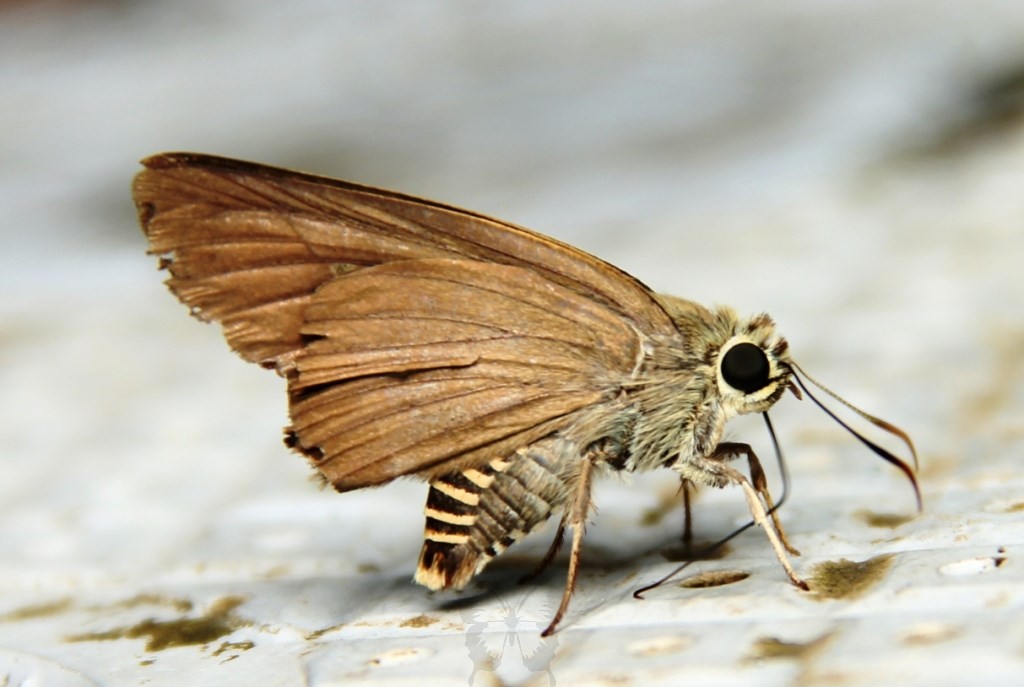
8. Brown awl
Badamia exclamationis is a butterfly from the family of Badamia exclamationis (Hesperiidae). The scientific name of the species was first validly published in 1775 by Johann Christian Fabricius.
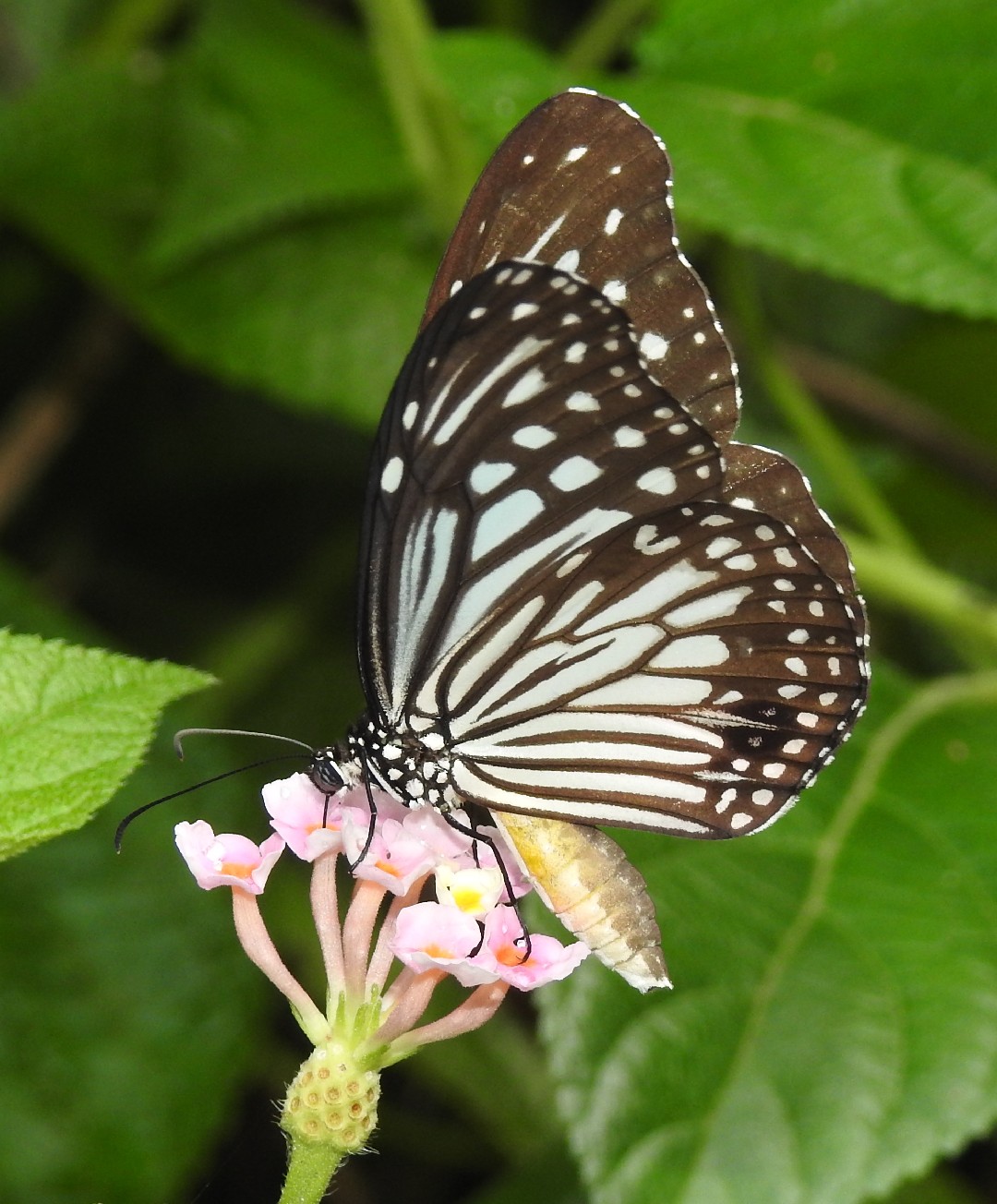
9. Glassy tiger
The scientific name of the species was first validly published in 1782 by Caspar Stoll.
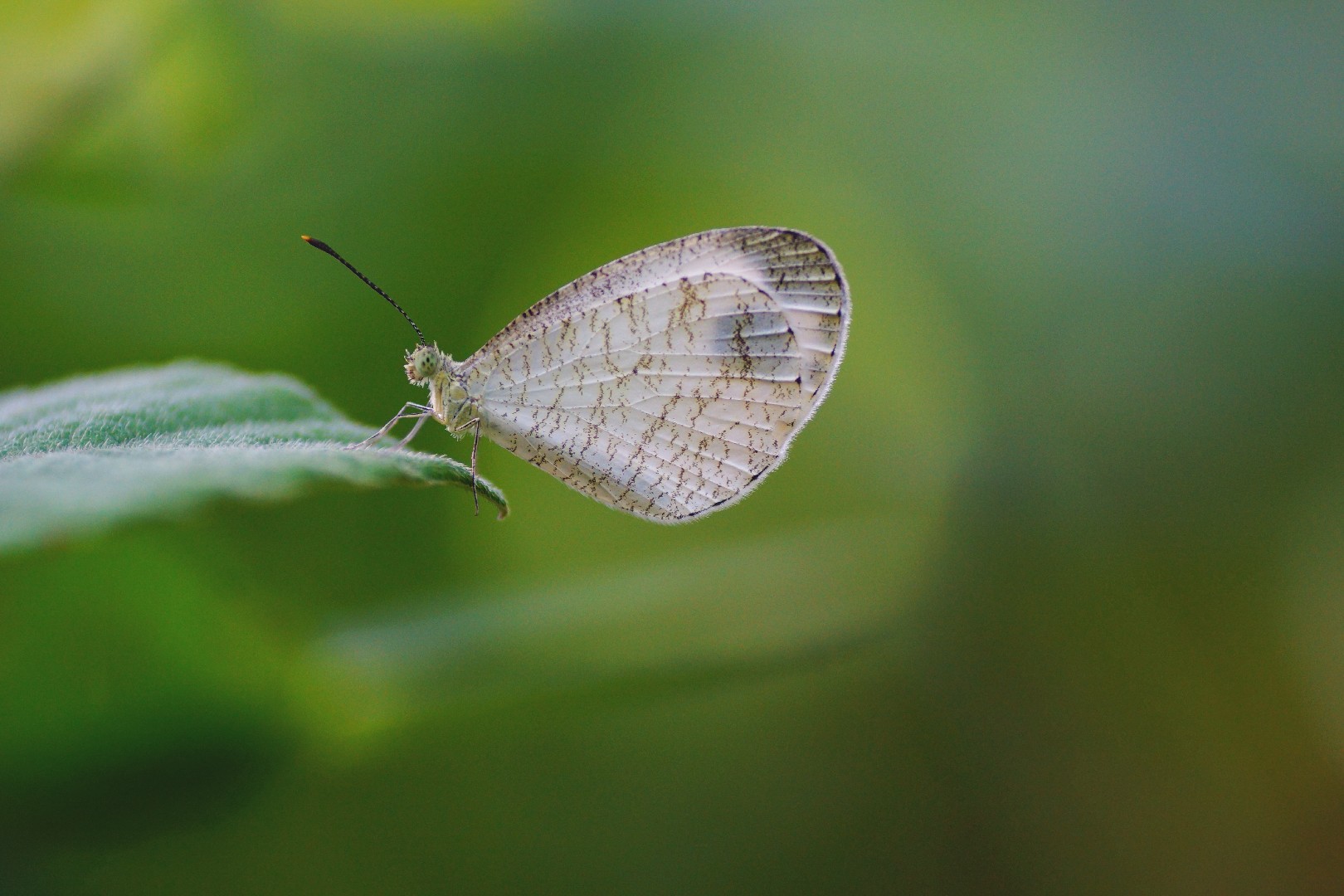
10. Psyche
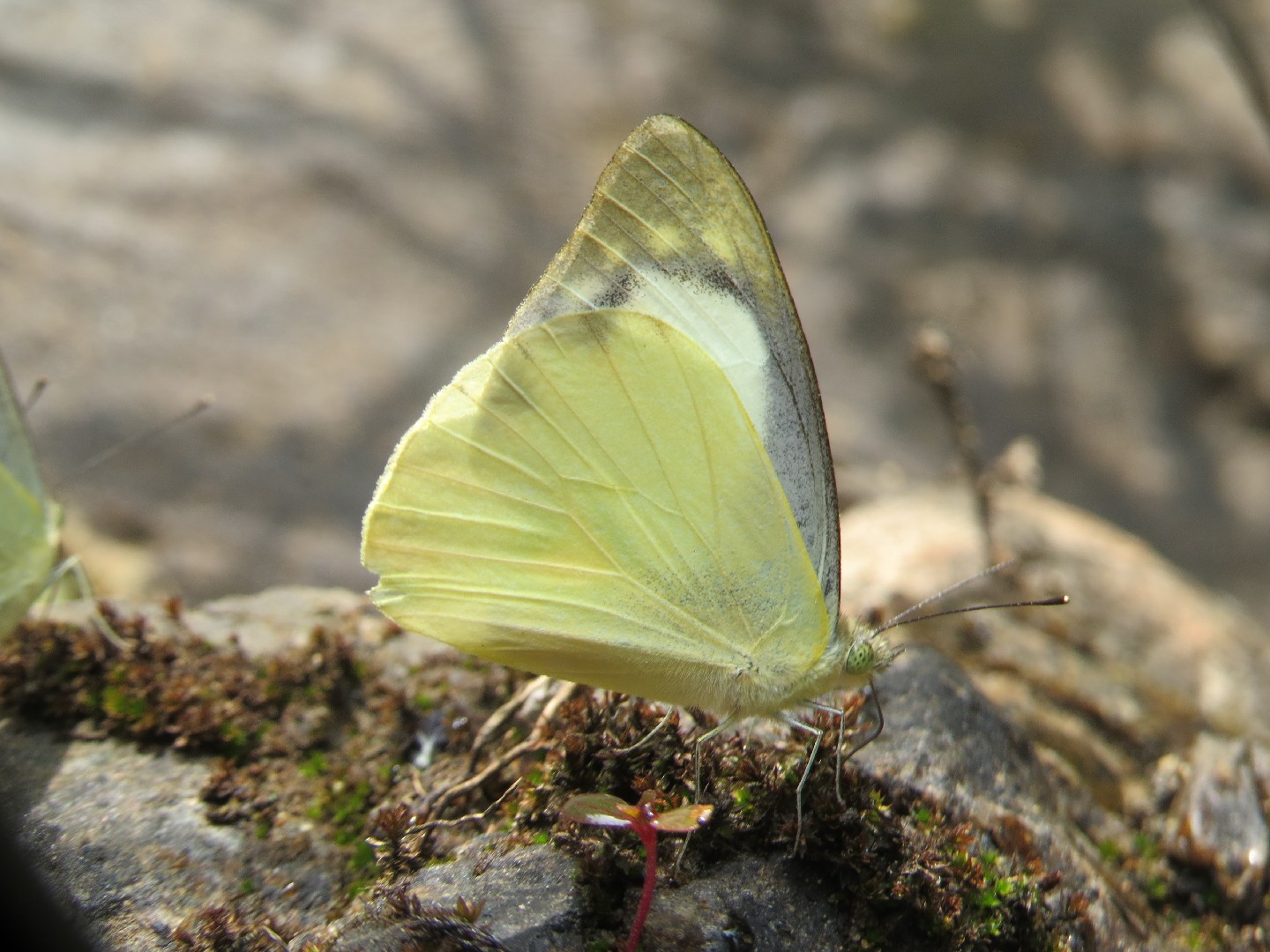
Upperside is white,base of wings are very slightly powdered with minute black scales.The costa of forewing is speckled obscurely with black; apex black, the inner margin of this inwardly angulate; a very large somewhat pear-shaped post-discal spot also black. Hindwing is white,in most specimens an obscure, extremely slender, terminal black line. Underside is white; costal margin and apex of forewing broadly, and the whole surface of the hindwing irrorated (speckled) with transverse, very slender, greenish strigae and minute dots; these on the hindwing have a tendency to form sub-basal, medial and discal obliquely transverse obscure bands; the postdiscal of forewing is black,spot as on the upperside; terminal margins of both forewings and hindwings with minute black, short, transverse slender lines at the apices of the veins, that have a tendency to coalesce and form a terminal continuous line as on the upperside. Antennae dark brown spotted with white, head slightly brownish, thorax and abdomen white. Female is similar as male, the black markings on the upperside of the forewing on the whole slightly broader, but not invariably so. Wingspan is 2.5 - 5 cm. Larva is green with a pale glaucous tinge about the bases of the legs and slightly hairy. Pupa sometimes green, but more often of a delicate pink shade.

More