




Top 20 Most Common Insects in Bihar
Insects are a kaleidoscope of biodiversity found within the varied geographies of Bihar, each with distinct roles in local ecosystems. Geographic specifics of Bihar influence insect diversity, shaping the balance between helpful and harmful species. Our list of '20 Most Common Insects in Bihar' highlights this delicate balance, emphasizing the significance of these often-overlooked inhabitants of our state.

Most Common Insects
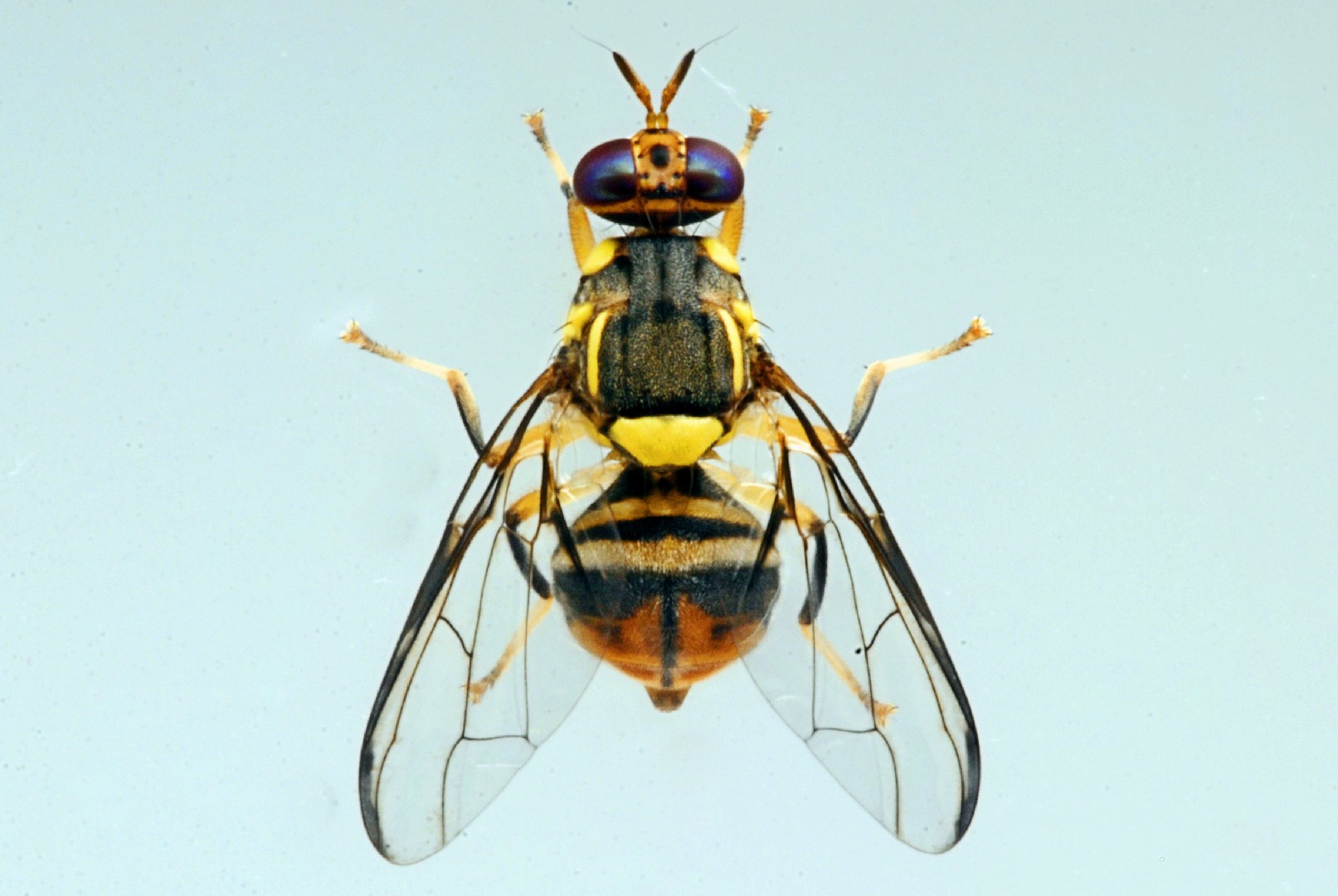
1. Oriental fruit fly
Bactrocera dorsalis is a fly species from the family of the drill flies (Tephritidae). The scientific name of the species was first validly published in 1912 by Hendel.
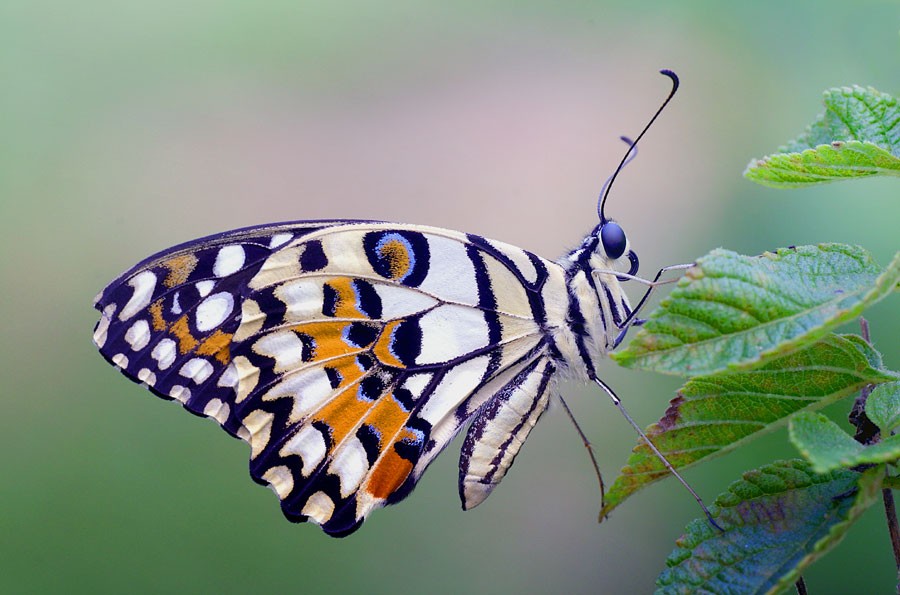
2. Lime swallowtail
The lime swallowtail (Papilio demoleus) has a beautiful black and white pattern, but it's considered a major pest to citrus trees. It feeds on nearly any type of citrus, including oranges and limes. This butterfly's small, green larvae are capable of defoliating an entire nursery grove. They are truly trouble makers in the citrus orchard.
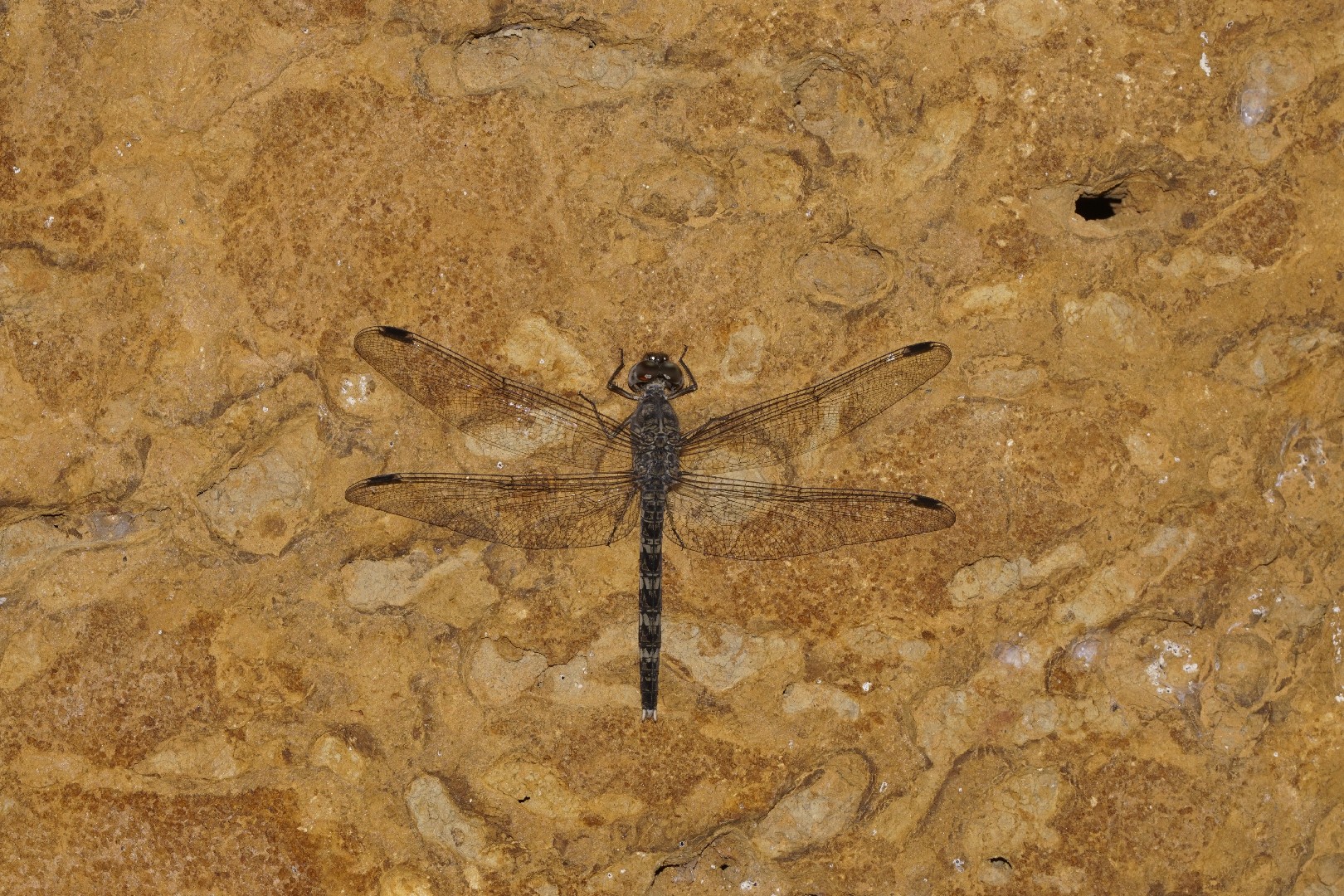
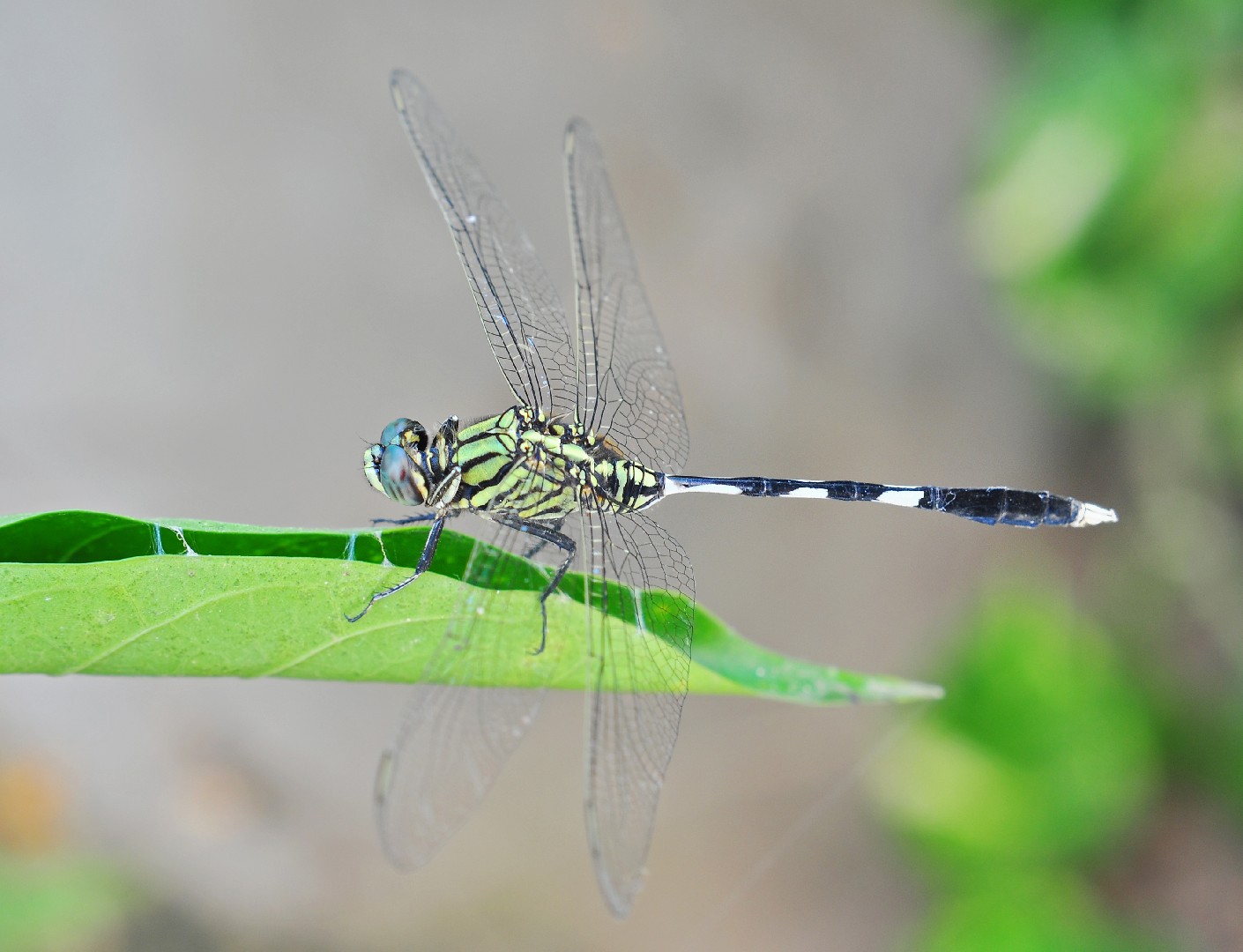
3. Granite ghost
The species is on the IUCN Red List as not endangered, year of assessment 2010.
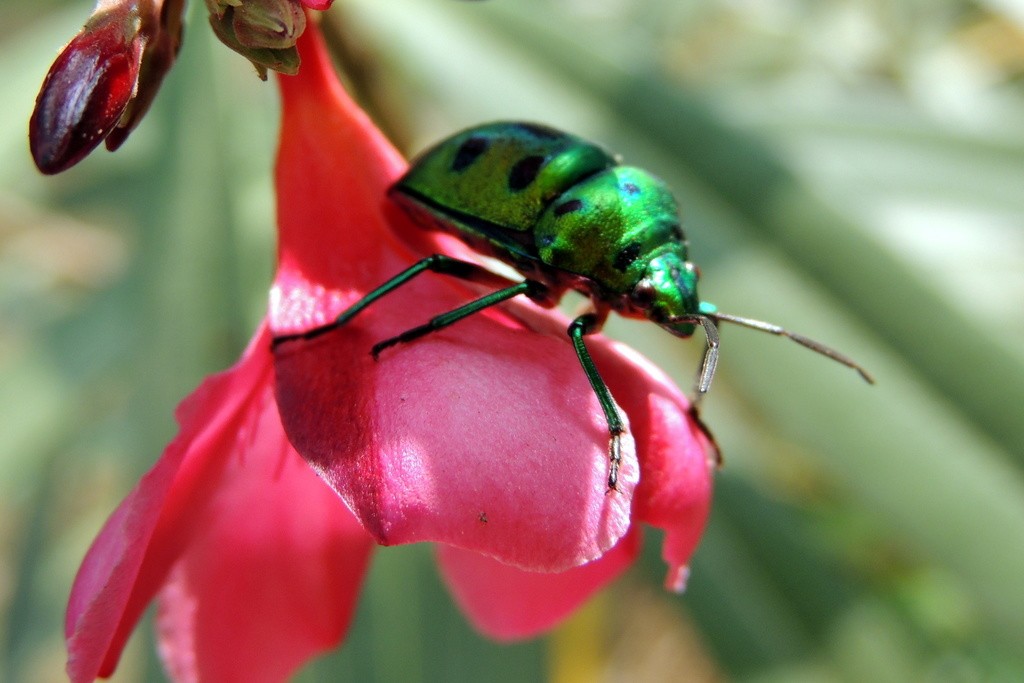
4. Chrysocoris stollii
General colour of dorsum metallic blue, green, or purple; abdominal venter yellow, broadly margined with purple laterad to spiracles, spiracles II–VII each surrounded by a rounded black spot; pro-, meso- and metepimeroids together with the supracoxal lobes yellow; coxae and trochanters pale yellow, femora with an apical annulus and longitudinal bands black, tibiae and tarsi black. 
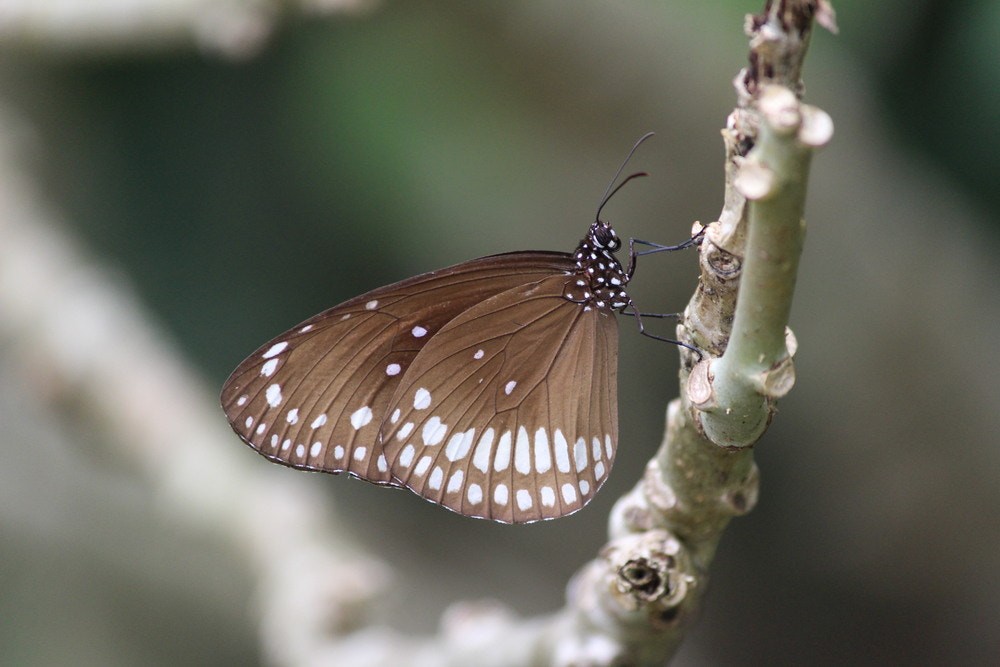
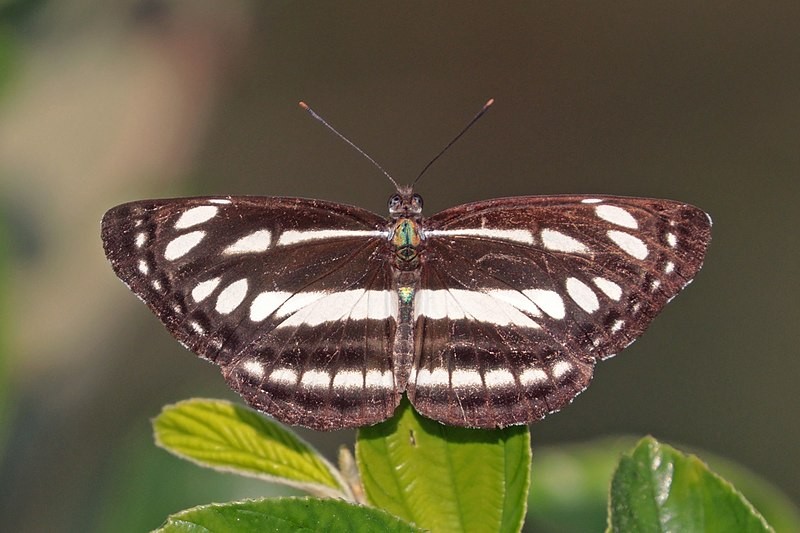
5. Common crow
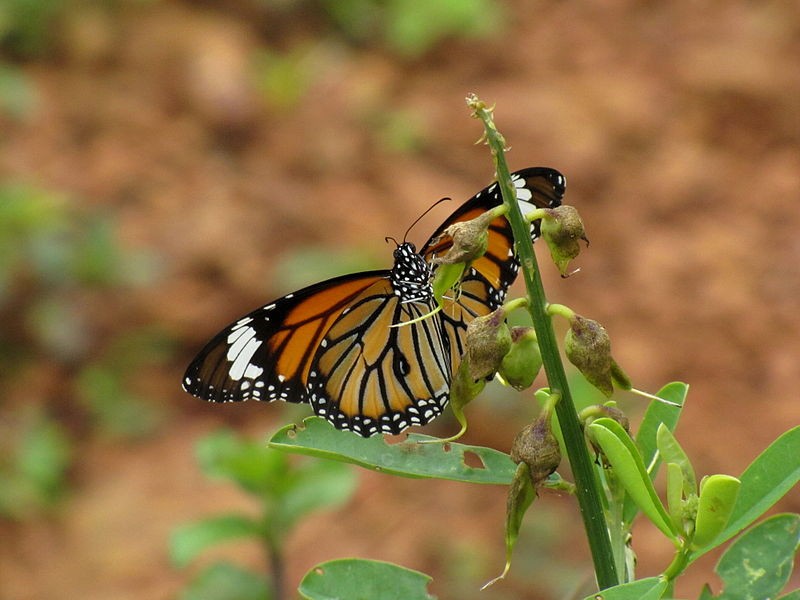
The common crow is a glossy-black butterfly with brown undersides with white markings along the outer margins of both wings. The wingspan is about 8–9 cm and the body has prominent white spots. The male has a velvety black brand located near the rear edge on the upperside of the forewing. On the underside there is a white streak in the same location. This white streak is present in both male and female. Upperside dark brown, broadly paler along terminal margins; Fore and hind wing with subterminal and terminal series of white spots; on fore wing the former more or less oval, curved inwards opposite apex, the latter series often incomplete, not reaching apex, the spots smaller; often there is a small costal spot, and very rarely a spot in apex of cell and one or more discal spots; on the hind wing the inner series of spots are elongate, the outer conical.Underside similar, but ground-colour more uniform; cell, costal and discal spots on both fore and hind wing nearly always present.
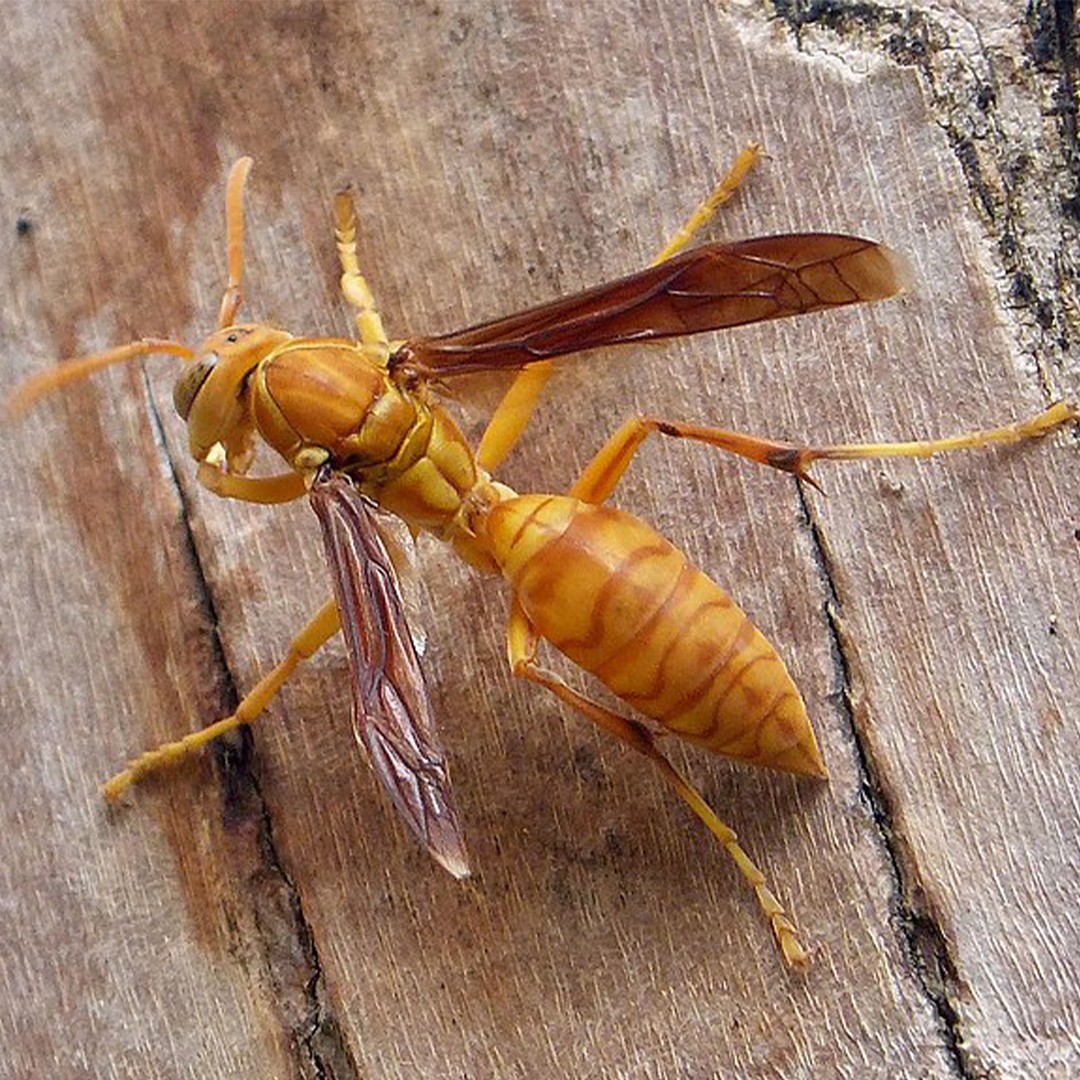
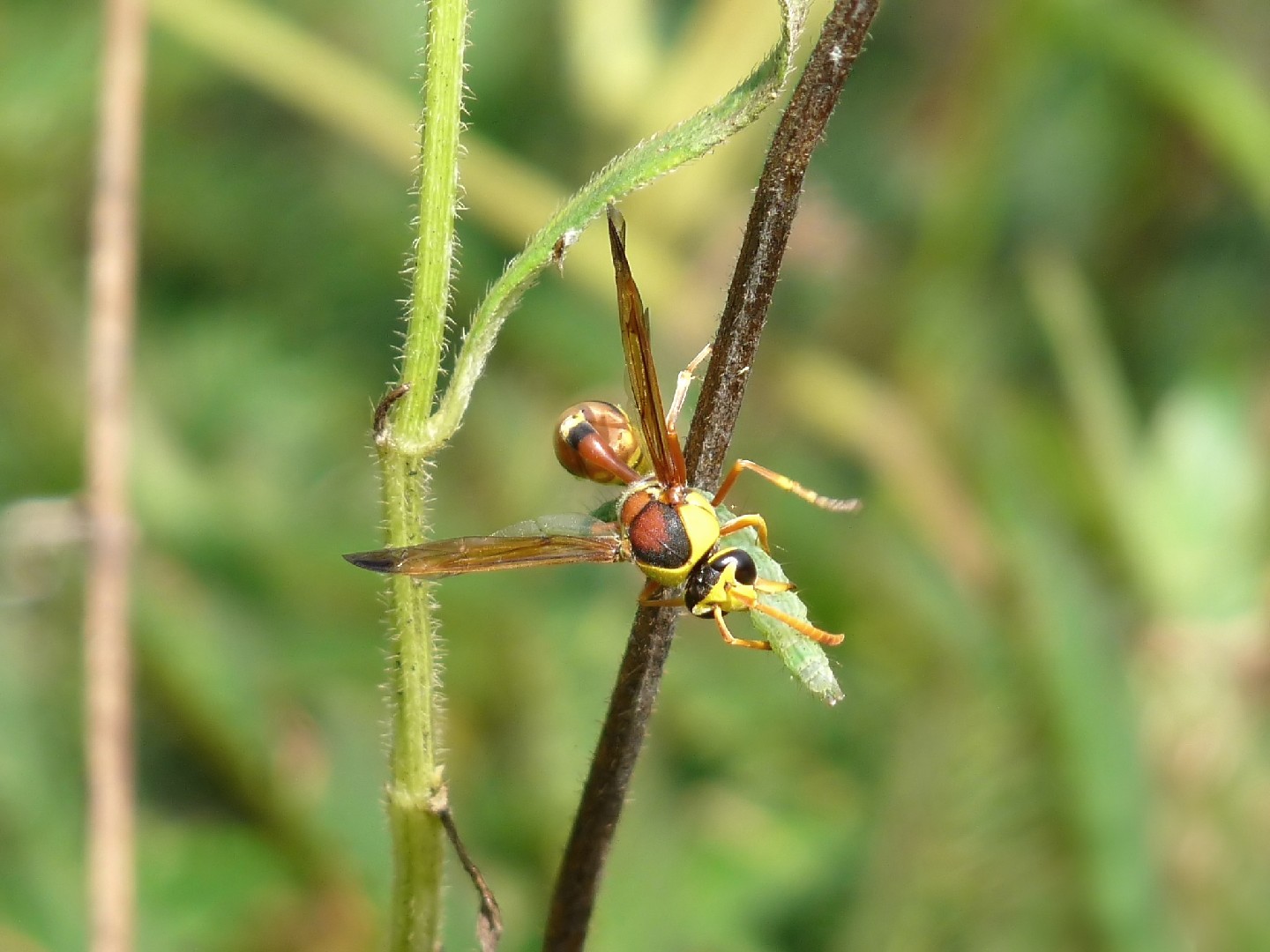
6. Arabian paper wasp
Distinctive for its complex communication tactics, arabian paper wasp exhibits an advanced social hierarchy within its colonies. This wasp plays a pivotal role in regulating pest populations, feeding primarily on caterpillars. Unlike other wasps, arabian paper wasp prioritizes constructing nests in shaded areas, showing a preference for specific microclimates. As pollinators, they indirectly aid in plant propagation, strengthening the overall health of their ecosystem.
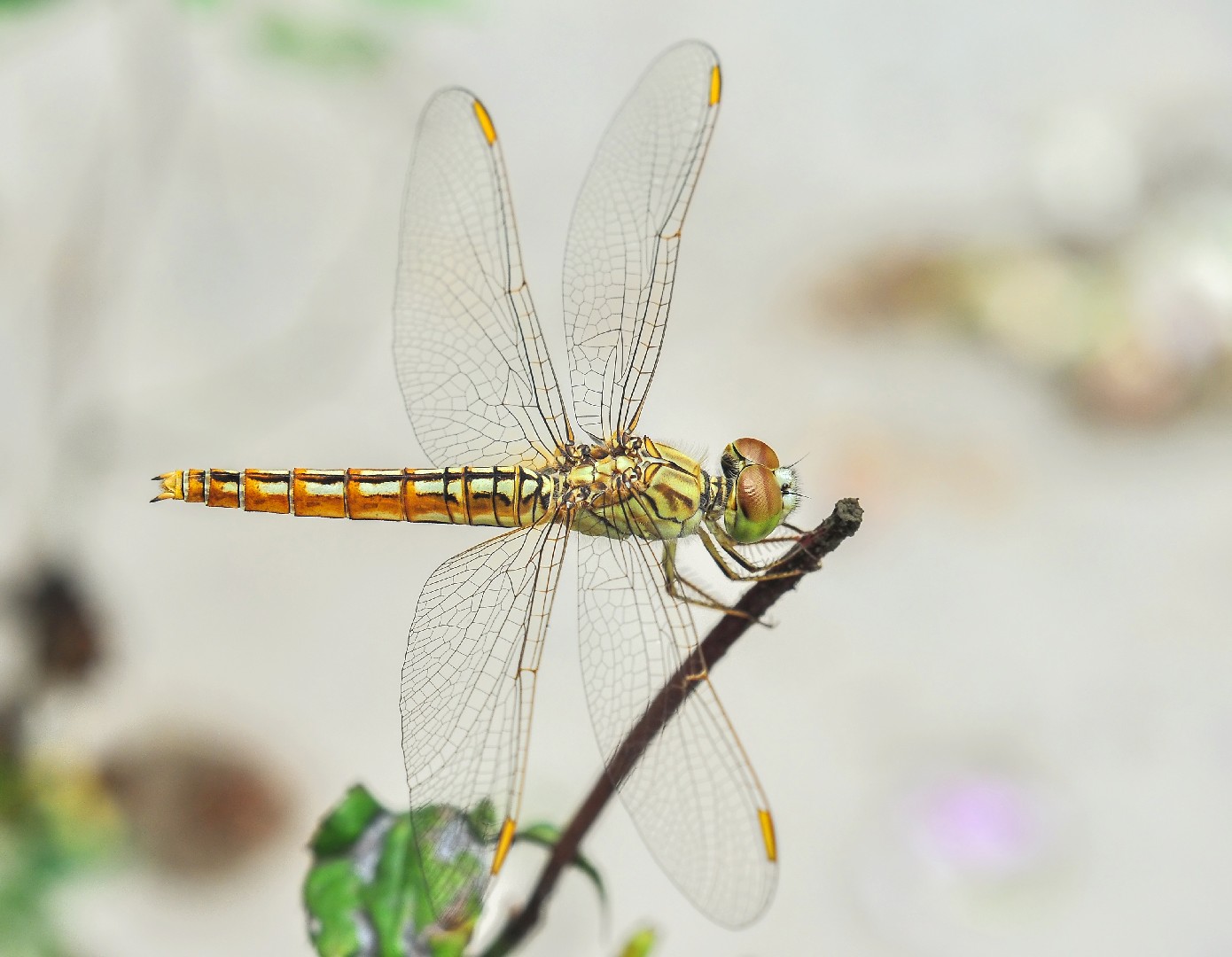
7. Ditch jewel
The species is on the IUCN Red List as not endangered, year of assessment 2010.

8. Common mormon
The common mormon (Papilio polytes) is a beautiful, black butterfly with unique hindwings that have orange and white colorings and two spots jutting out. They are named after the Mormon religion, as the butterflies participate in polygamy, which is a common practice for Mormons. They are also known to mimic red-bodied swallowtail, who are inedible.

9. Heliotrope moth
Hindwing of male with no fold or glandular tuft on inner margin. Head and thorax yellowish. Collar and tegula each with two black spots. Each thoracic segment with one each black spot. Third joint of palpi black and abdomen whitish. Forewing white with five interrupted scarlet bands with series of black spots between them. A marginal series of black spots present. Hindwings are semi-diaphanous white, but some specimen with black on the discocellulars. A very irregular black sub-marginal band, broad at apical area and between veins 1b and 3. Larva dark grey with a dorsal white band and sub-dorsal series of red spots. Head yellow. It pupates in a loose cocoon that spun in the leaf litter on the ground below the food plant.
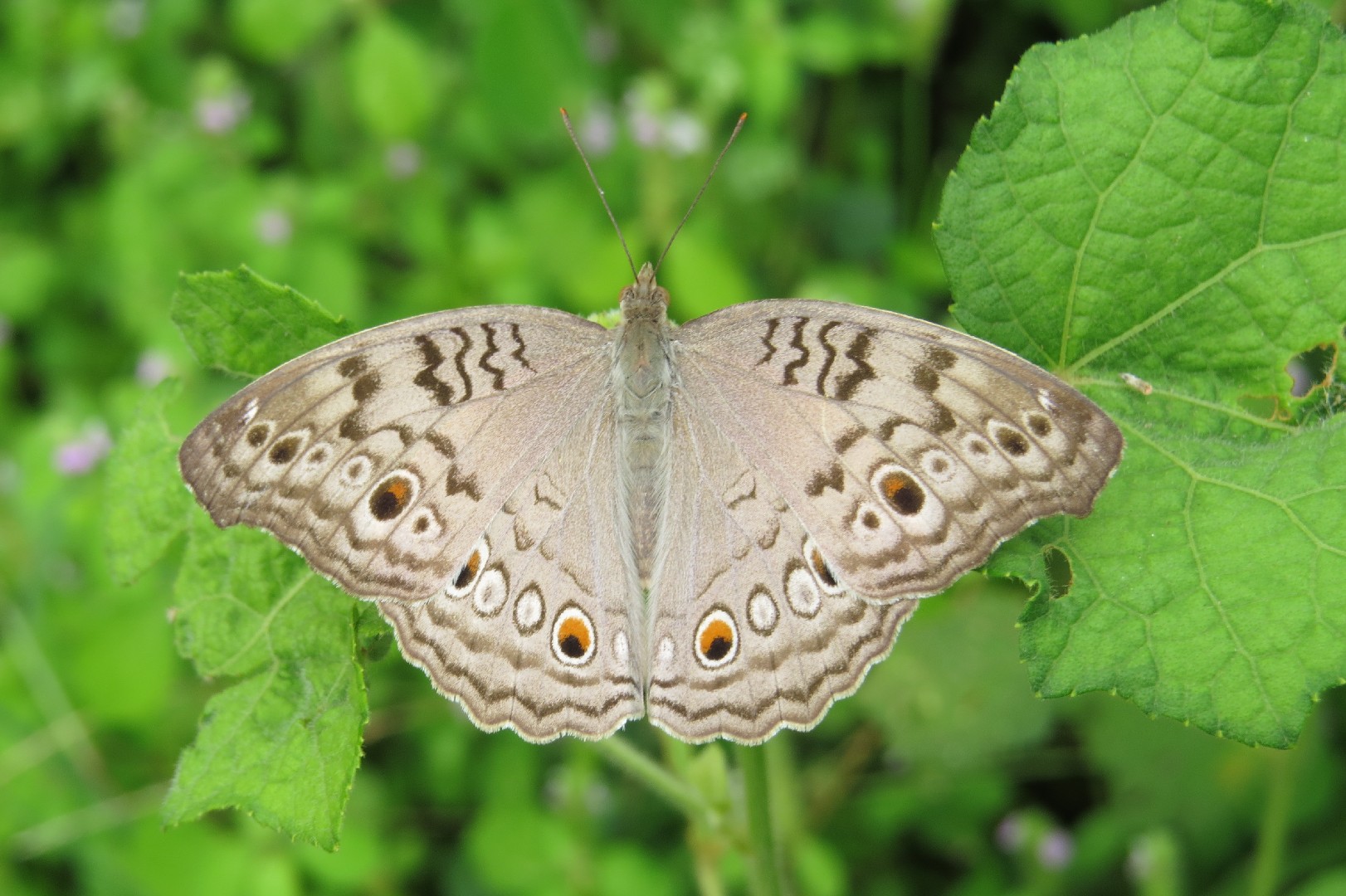
10. Grey pansy
Upperside of both sexes pale lavender brown, apical half of wings paler. Forewing: cell with, three transverse, short, sinuous black bands, the outermost defining the discocellulars; a similar short, somewhat broader band beyond the apex of the cell; two transverse discal dusky black fasciae, the inner highly sinuous and outward, angulate above vein 4, the outer straighter, somewhat lunular, bordered by a series of whitish ovals with dusky or black centers. The black-centered spots in the ovals in interspaces 2, 5, and 6 margined posteriorly with rich ocherous yellow. Beyond this series of ovals is a lunular, narrow, transverse dark band, followed by sinuous subterminal and terminal broad dark lines. Apex of wing slightly fuliginous. Hindwing: a short slender black loop from veins 6 to 4 at apex of cell-area; two discal sinuous transverse dark, fasciae in continuation of those on the forewing: followed by a series of dark-centered ovals in interspaces 2–6, the ovals in interspaces 2, 5, and 6 with the dark centers inwardly broadly bordered with ochreous yellow; postdiscal, subterminal and terminal dark lunular lines as on the forewing. Underside lilacine white markings as on the upperside but very delicate, slender and somewhat obsolescent. In the dry-season forms of the males the rows of oval ocelli are only indicated by the yellow-centered ovals. The most prominent marking is the inner discal fascia crossing the wings; this is much less sinuous than on the upperside and not angulated on the forewing. In the females the markings are all heavier and more distinct, the space between the various transverse fasciae tinged with ocherous.



More







