




Top 20 Most Common Insects in Gujarat
Insects, a diversified class of arthropods, are an essential part of Gujarat's ecosystem. Their habitats range from lush greens of Gir to the sandy Rann, contributing to the area's remarkable insect diversity. In Gujarat, both pests and beneficial critters play crucial roles, indicating the subtle yet significant connection between the state’s environment and its insect inhabitants. Get ready as we unravel 20 of the most common insects thriving in this biologically rich state!

Most Common Insects
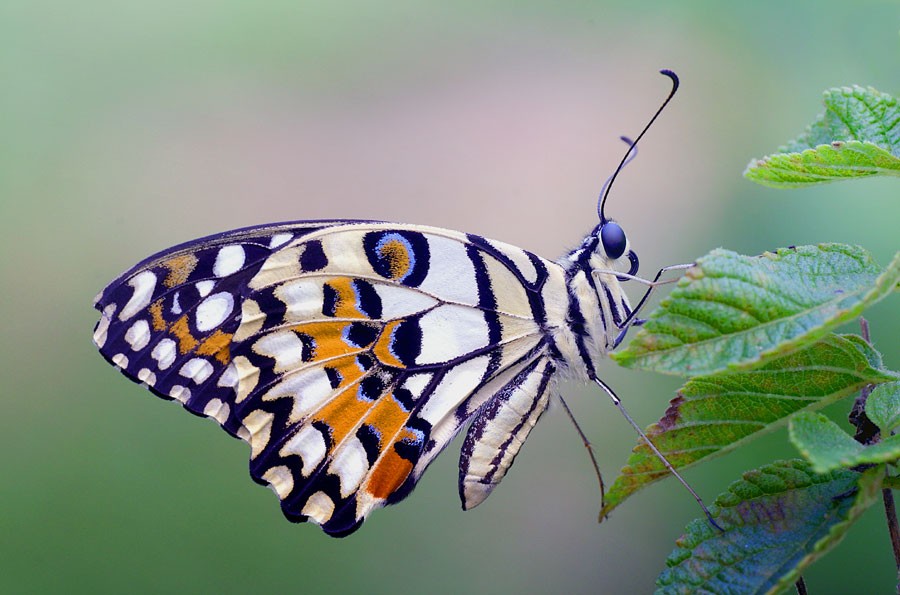
1. Lime swallowtail
The lime swallowtail (Papilio demoleus) has a beautiful black and white pattern, but it's considered a major pest to citrus trees. It feeds on nearly any type of citrus, including oranges and limes. This butterfly's small, green larvae are capable of defoliating an entire nursery grove. They are truly trouble makers in the citrus orchard.
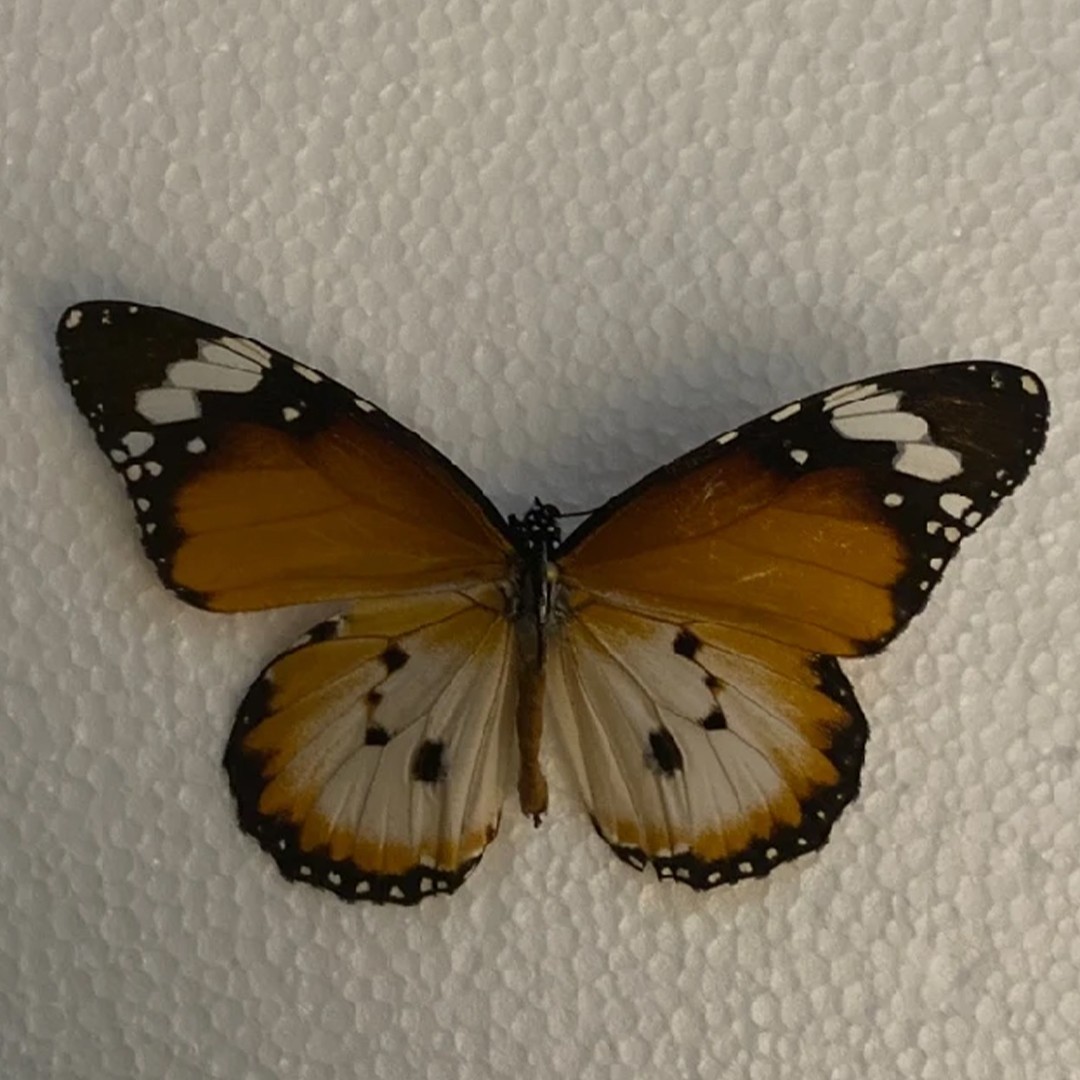
2. Plain tiger butterfly
D. chrysippus is a medium-sized butterfly with a wingspan of about 7–8 cm (2.8–3.1 in). The body is black with many white spots. The wings are orange, the upperside brighter and richer than the underside. The apical half of the forewing is black with a white band. The hindwing has three black spots in the center. The wings are bordered in black and outlined with semicircular white spots. This species exhibits slight sexual dimorphism, as the Male has large scent glands on his hindwings, which the female lacks. They appear as a large black spot with a white centre if viewed from the underside D. chrysippus is a polymorphic species, so the exact coloring and patterning vary within and between populations. It is similar in appearance to the Indian fritillary (Argynnis hyperbius), which may coexist with it. 
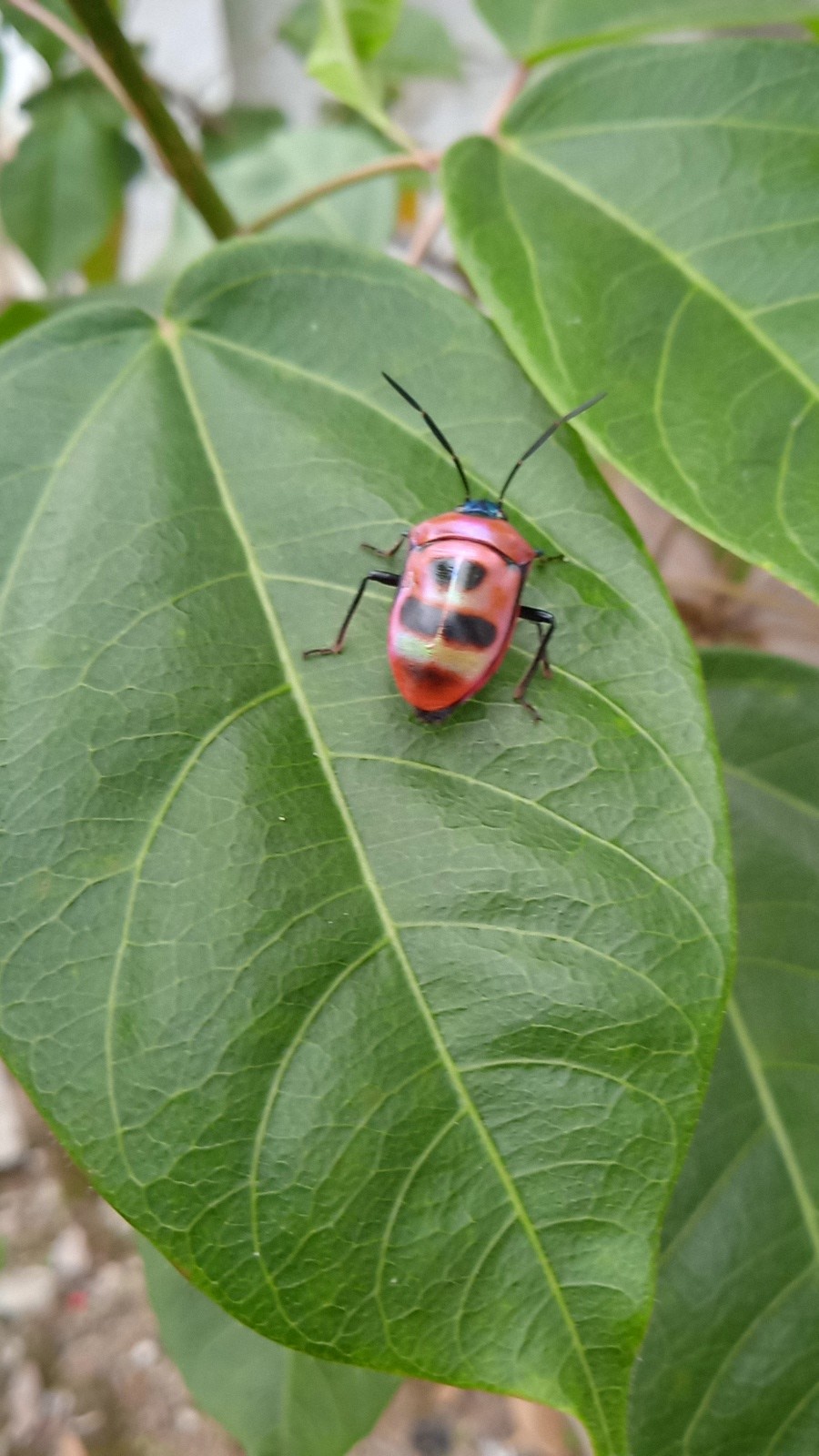
3. Coridius ianus
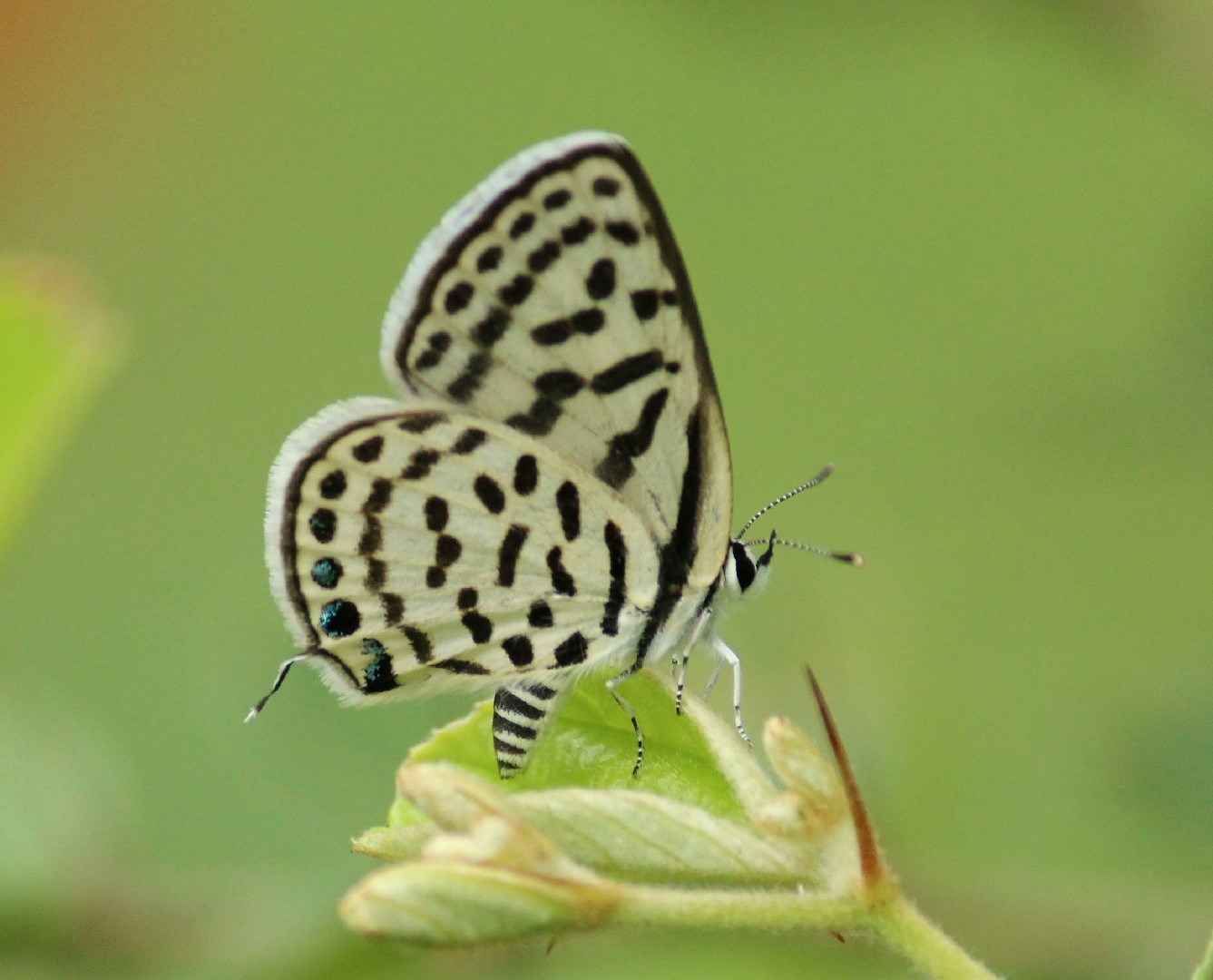
4. Striped Pierrot
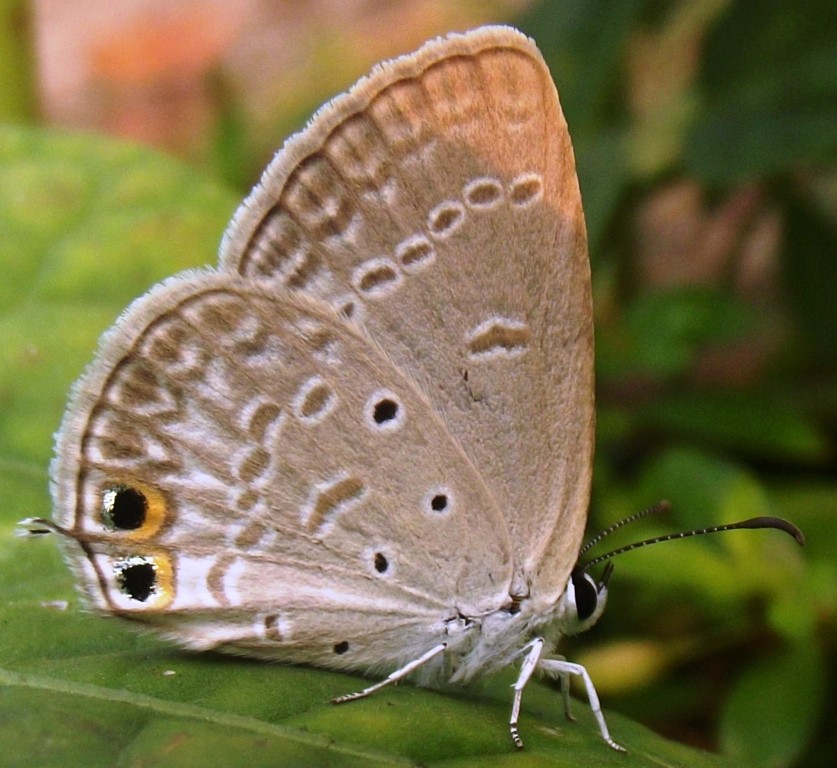
Tarucus nara, the striped Pierrot, is a small butterfly found in Sri Lanka and south India that belongs to the lycaenids or blues family.
5. Ditch jewel
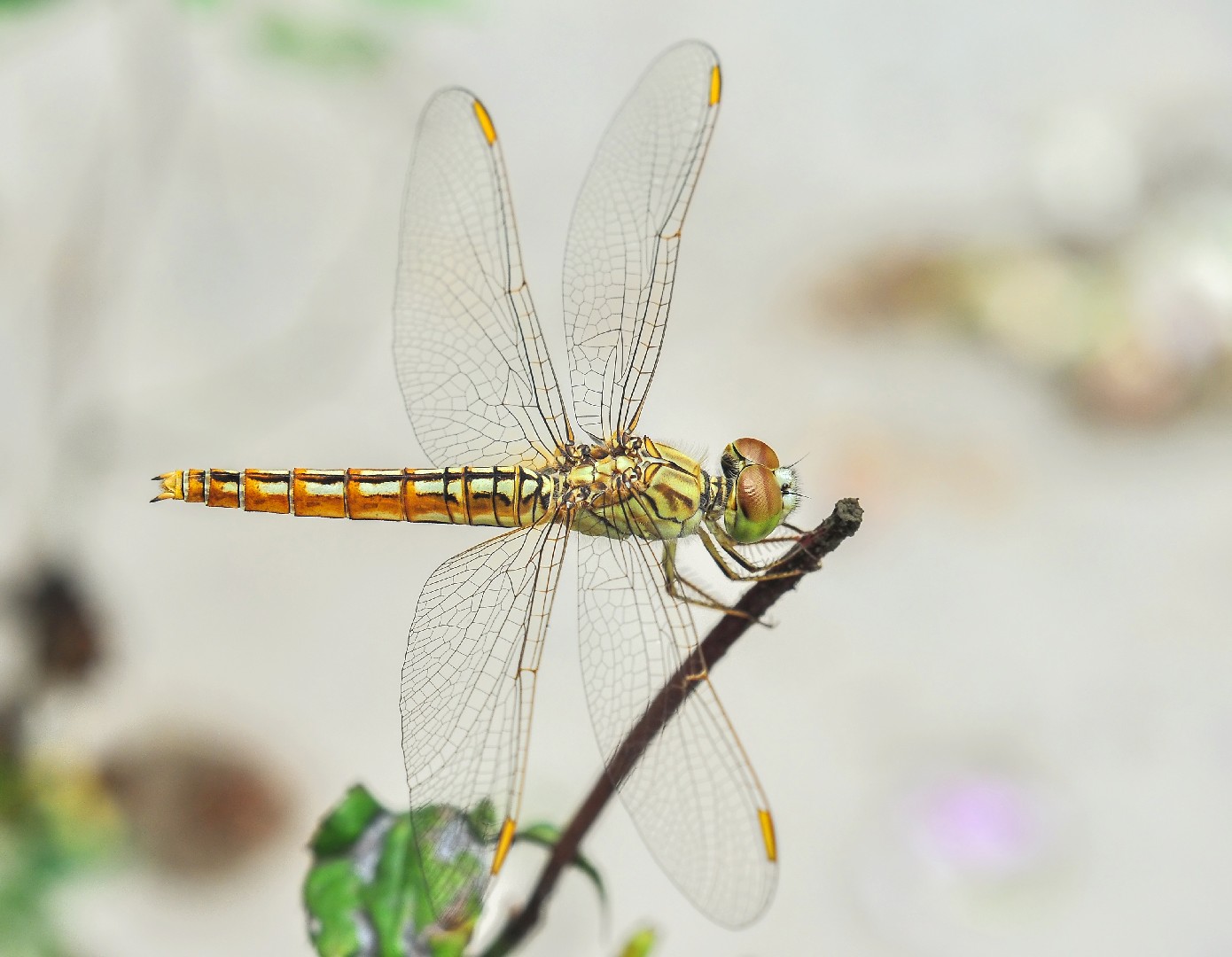
The species is on the IUCN Red List as not endangered, year of assessment 2010.

6. Common mormon
The common mormon (Papilio polytes) is a beautiful, black butterfly with unique hindwings that have orange and white colorings and two spots jutting out. They are named after the Mormon religion, as the butterflies participate in polygamy, which is a common practice for Mormons. They are also known to mimic red-bodied swallowtail, who are inedible.
7. Small salmon arab
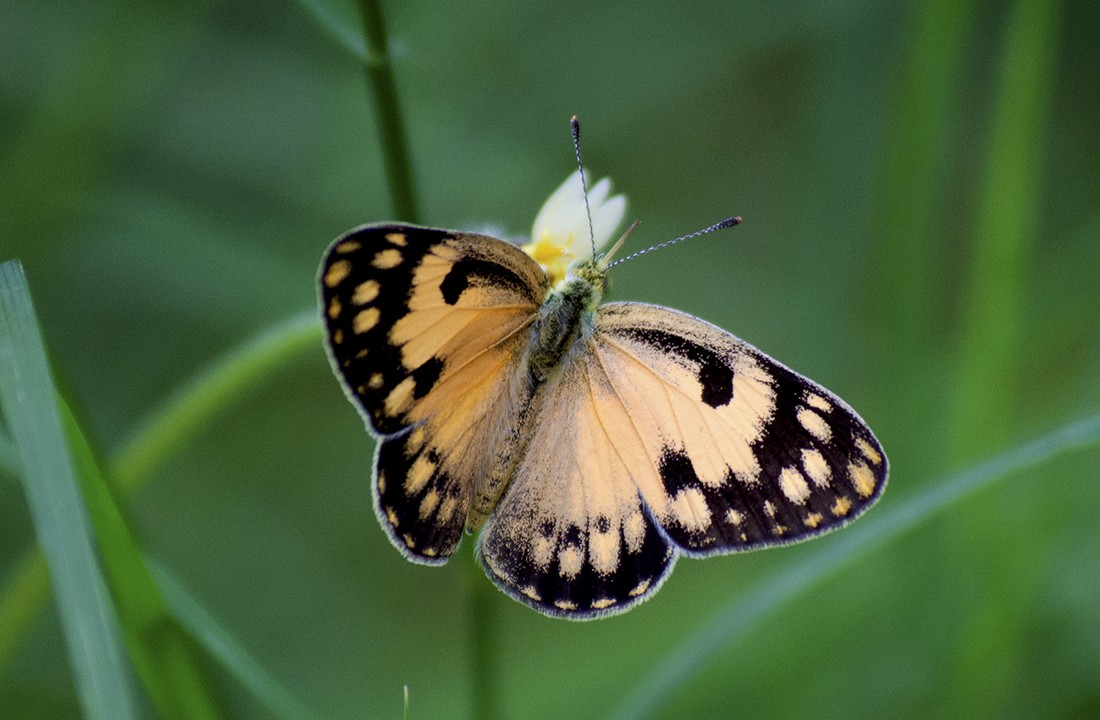
Male upperside has a salmon-pink ground colour. The costa on the forewing is black and thickly overlaid with greyish or pinkish scales; a black spot at apex of cell, which may be large and quadrate or smaller and lunate; the spots in the outer series are variable in number, but generally there is one in each interspace, these are more or less linear in shape. Hindwing: a band on costal margin extended to just within the upper margin of the cell, covered with dense black specialized scales; this black band joined onto a broad similarly-coloured terminal band of ordinary scales, that becomes more or less diffuse and powdery posteriorly, and encloses a double series of small spots of the ground colour the inner series often obsolescent, in some specimens entirely absent; dorsum heavily irrorated with fuscous scales, the irroration extended onto the disc, which has therefore generally a greyish appearance. Underside: greenish yellow; an anteciliary fine black line on both forewing and hindwings; the black markings of the upperside show through by transparency. Forewing: a black spot, variable in size and intensity, in some specimens absent altogether, at apex of cell; disc faintly, dorsal margin broadly very pale salmon pink. Hindwing: the whole surface sparsely irrorated with minute black scales; a small black discocellular spot. Cilia of both forewings and hindwings pale salmon pink. Antennae, head, thorax and abdomen black, the antennae speckled with white, the head and thorax covered with greenish-fuscous hairs; beneath: the palpi green, thorax and abdomen white. Female is polymorphic. Upperside: ground colour paler than in the male, in some specimens quite ochraceous outwardly; all the markings similar, but duller in tint. The hindwing, of course, without the black costal band of specialized scales, the ground colour extended up to the costal margin. Underside similar to that of the male, but the ground colour very much paler and more ochraceous than green.
8. Green-striped grass dart
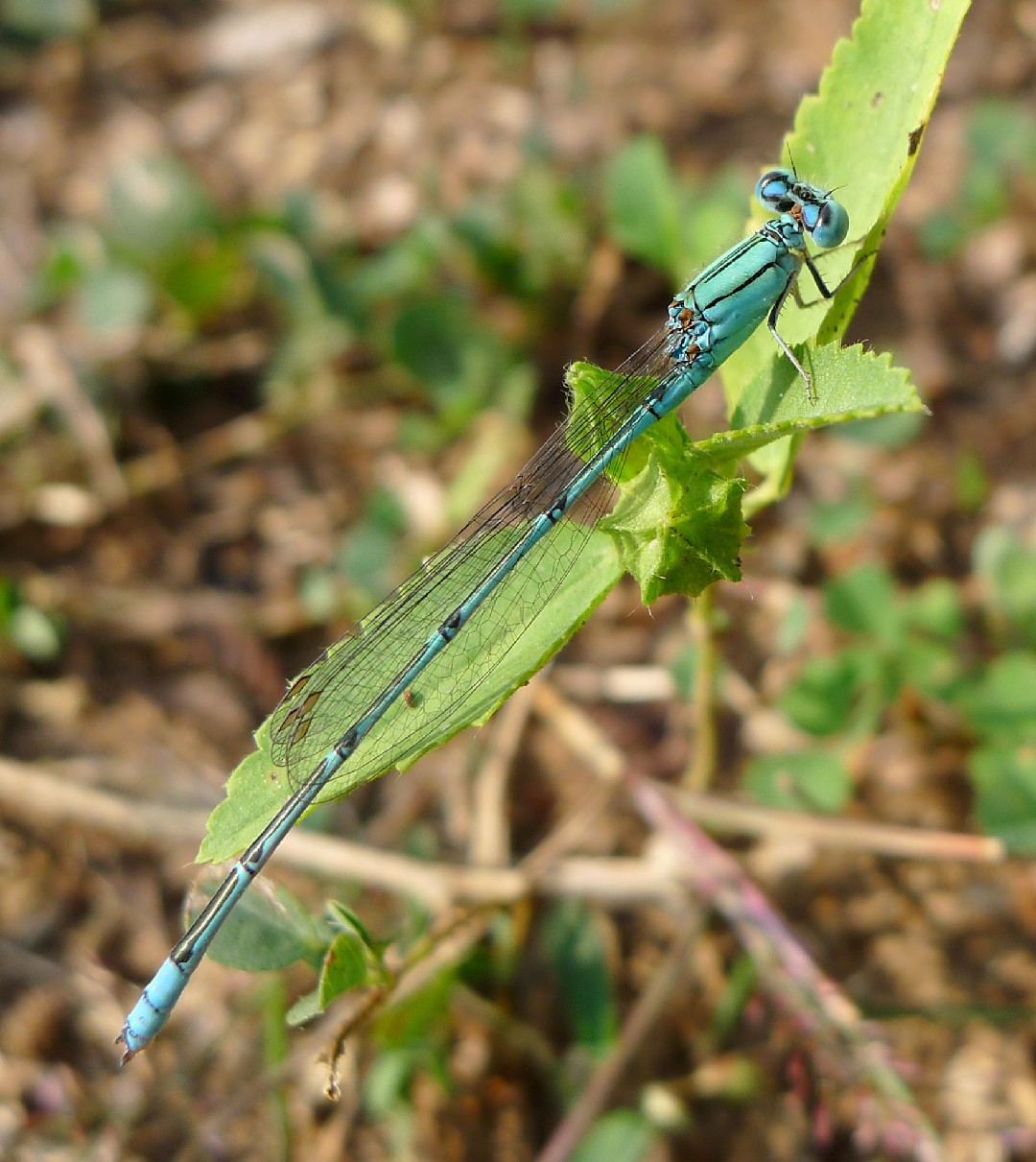
It is a medium sized damselfly with bluish green eyes with a tiny black spot on the top, paler below. Its thorax is bluish green on dorsum, and azure blue on the lower sides. There is a very thin and black mid-dorsal carina, bordered with equally narrow black lines, running close and parallel to it on each side. There is a narrow black humeral stripe and a short black point at the upper part of postero-lateral suture. Winqs are transparent with diamond-shaped pterostigma. Abdomen is azure blue with dorsal black mark up to segment 7. Segments 8 to 10 have only narrow apical black lines. Superior anal appendages are azure blue with black tips. Female has dull colored thorax and abdomen, mid-dorsal black stripe extended to the last segment. It breeds in slow flowing marshy streams and lakes in the lowland. Commonly seen along shoreline or on emergent vegetation; seen from hilly areas only during the migration.
9. Spot swordtail
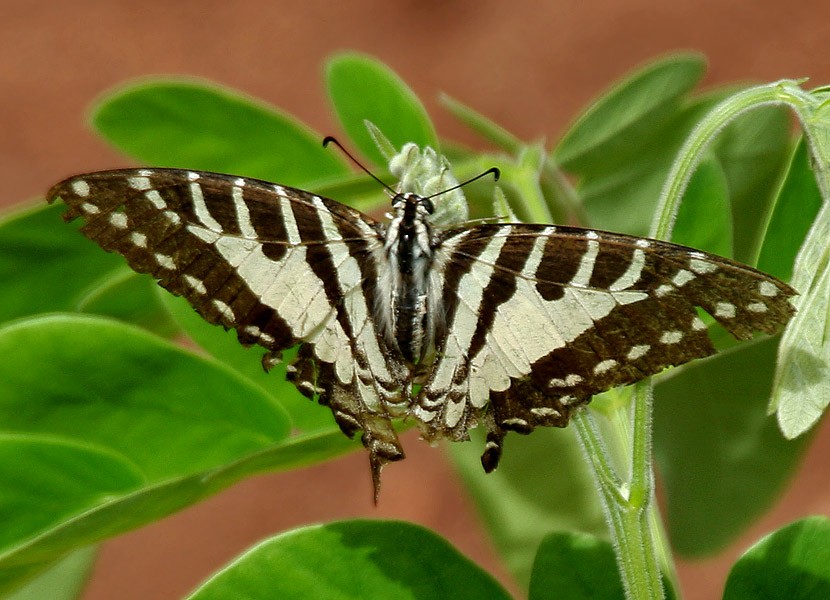
It differs from Graphium antiphates chiefly in the greater width of the black markings on the upperside, especially of the basal and subbasal bands that cross the forewing, both of which also extend to the dorsum. On the hindwing the black markings of the underside on the basal and discal areas are not only seen by transparency from below, but are actually represented, though only partially, by black scaling; the width of the dark grey terminal portion is also greater, and it has a tendency to turn to dusky black anteriorly, so that the sub-terminal series of black lunules are obscured anteriorly and are difficult to make out. Underside: markings similar to those of the typical form, but broader; forewing with the discal transverse band that reaches from costa to vein 1; hindwing: the black bands that cross the cell broader and proportionately closer together. It has a 94–100 mm expanse. Males and females. Upperside bluish-white. Forewing: cell with five broad transverse black bands, the basal and subbasal bands produced to the dorsum, the medial band generally extended into interspace 2, the preapical ended on the median rein, and the fifth or apical from costa along the discocellulars extends on both sides of these and terminates at lower apex of cell; beyond the fifth band is a short macular transverse bar of the ground colour that terminates on vein 5, followed by a very broad black terminal band that occupies about one-third of the width of the wing and is traversed by a transverse subterminal series of rounded spots of the ground colour. Hindwing: ground colour along dorsum and above vein 7 whitish; a streak along the dorsum, a subbasal and an inner discal transverse band from costa across cell, and a very broad terminal band, black; the former two joined near the tornus by cross lunular black marks, the terminal band traversed by a series of slender lunules of the ground colour; a small black spot in interspace 1 above tornus and another at base of interspace 4; the black at the apices of interspaces 2 to 4 and the lunules of the ground colour thereon suffused with grey; tail black, edged and tipped with white. Underside white, the black markings very similar but of a bronze brown with the following exceptions: Forewing: extensions below the median vein of the basal, subbasal, and median transverse bands crossing the cell, and the inner portion below vein 4 of the terminal broad band, black: on the hindwing the inner discal band is broken, irregular and black, and is bordered by a series of red spots outwardly edged with black; the subterminal series of lunules of the ground colour are broadly edged on the outer side with black; the grey patch in the caudal region is replaced by ochraceous grey. Antennae black; head, thorax and abdomen creamy white, with a medial broad longitudinal stripe; beneath, the abdomen with lateral black stripes. It has a wingspan of 68–95 mm.
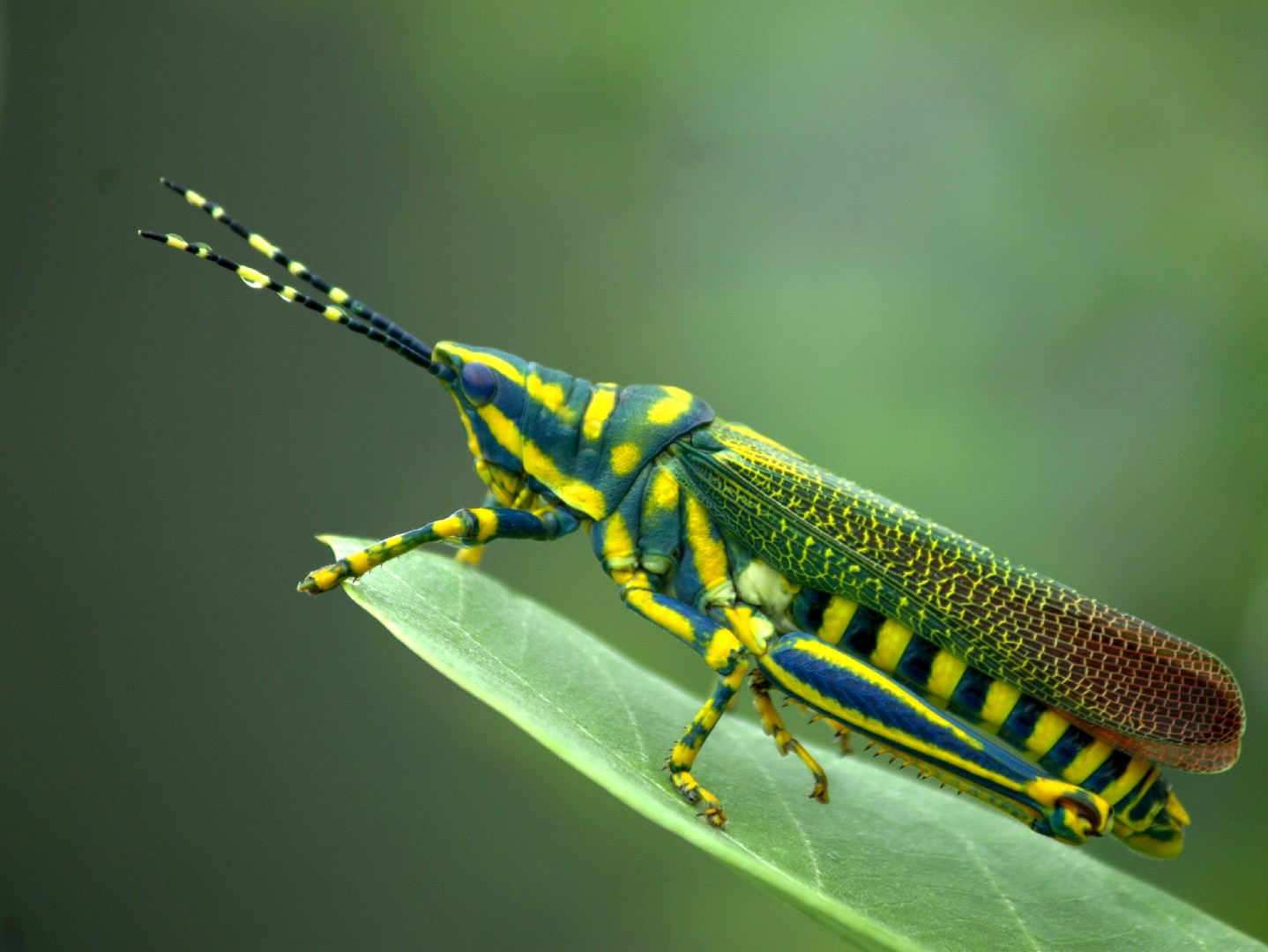
10. Aak grasshopper
The half-grown immature form is greenish-yellow with fine black markings and small crimson spots. The mature grasshopper has canary yellow and turquoise stripes on its body, green tegmina with yellow spots, and pale red hind wings.




More







