




Top 20 Most Common Insects in Murree
Insects, with their diverse characteristics and habitats, are intriguing creatures that inhabit every nook and cranny of Murree. As Murree's landscapes differ, so does the insect diversity, showcasing an impressive array of species. These little creatures play an essential role in our ecosystem, from being pests affecting agricultural productivity to beneficial insects aiding in pollination. Our list, 'Top 20 most common insects in Murree', will not just identify species, but will amplify our understanding of how our environment molds their lives.

Most Common Insects
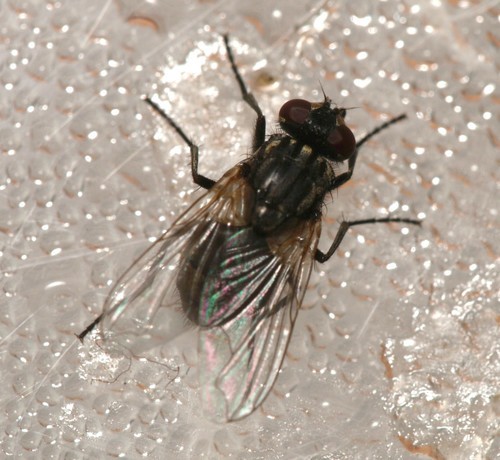
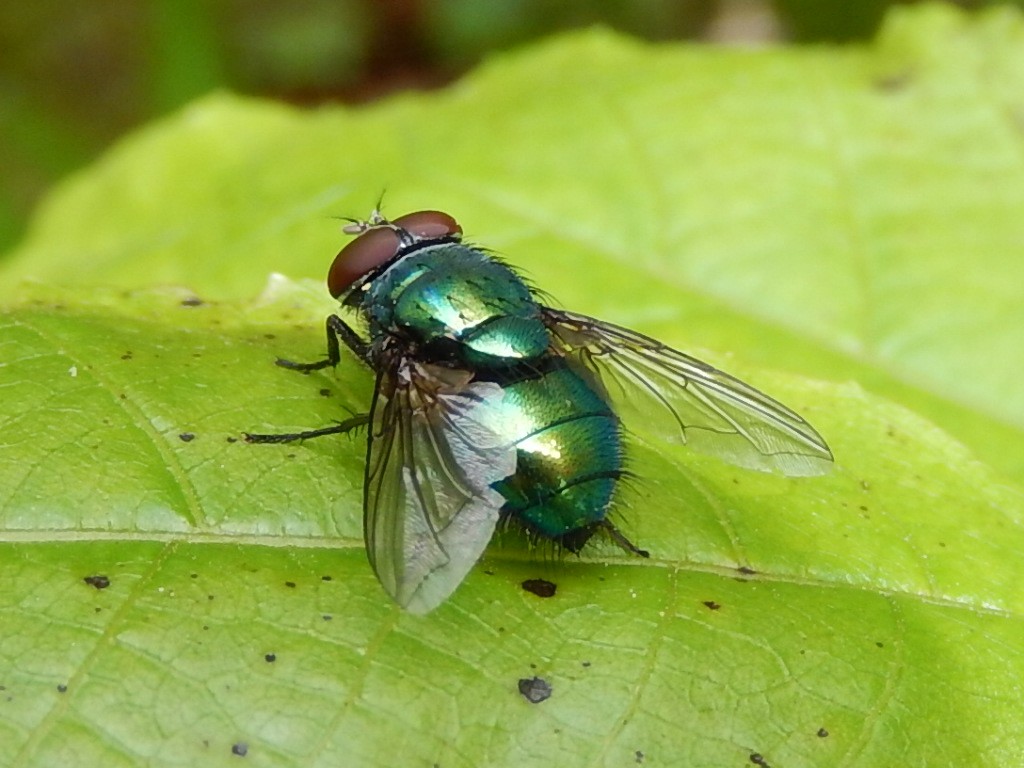
1. Common house fly
The female common house fly mates once and can store the sperm for multiple batches of eggs throughout her life. She will lay anywhere between 75 to 150 eggs at a time, usually in rotting organic matter, where the larvae will feed. The adults feed on feces and animal matter, making them important ecological composters. However, they can also transmit pathogens to human food and are considered pests and health hazards in human-occupied areas.
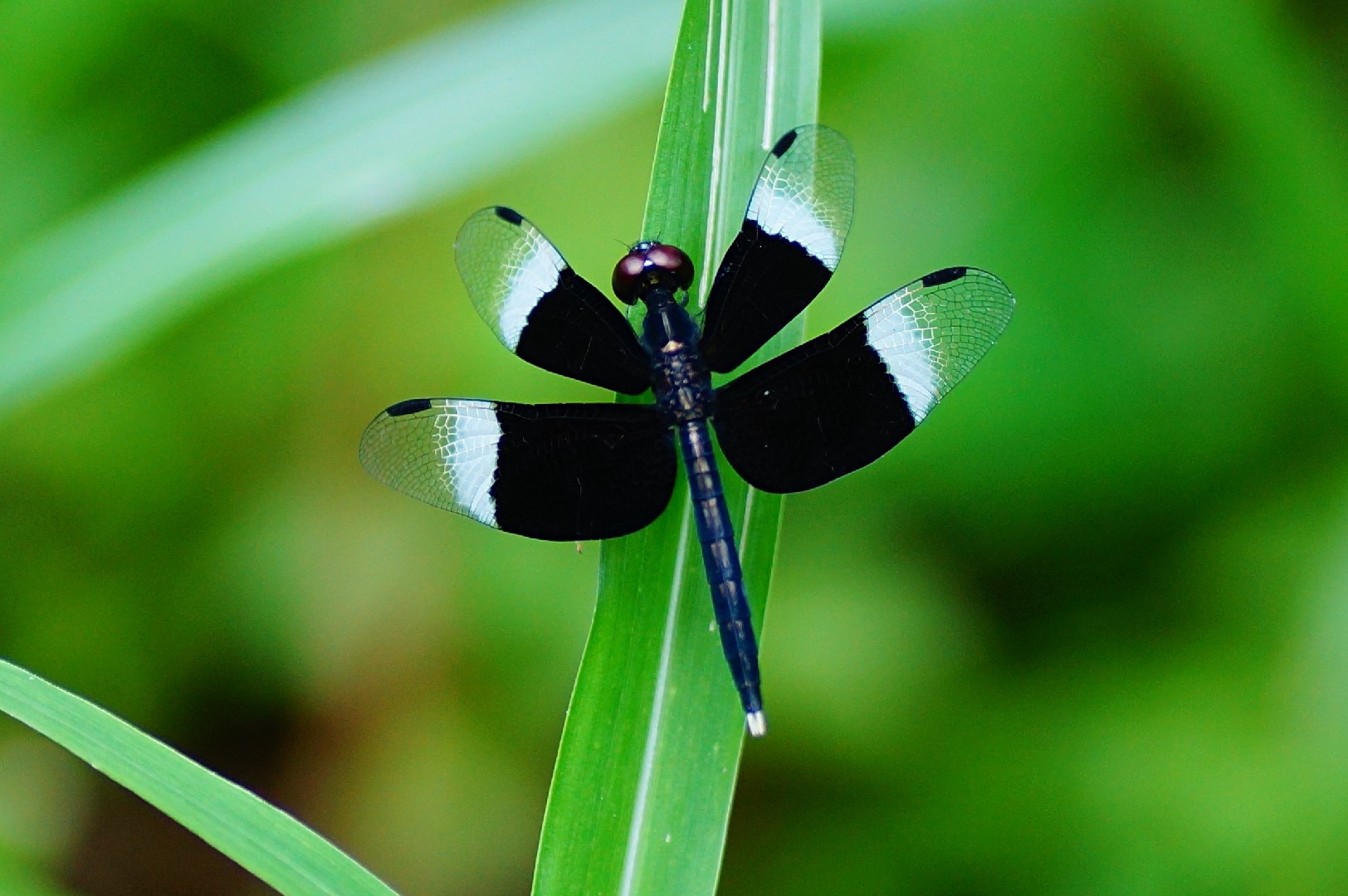
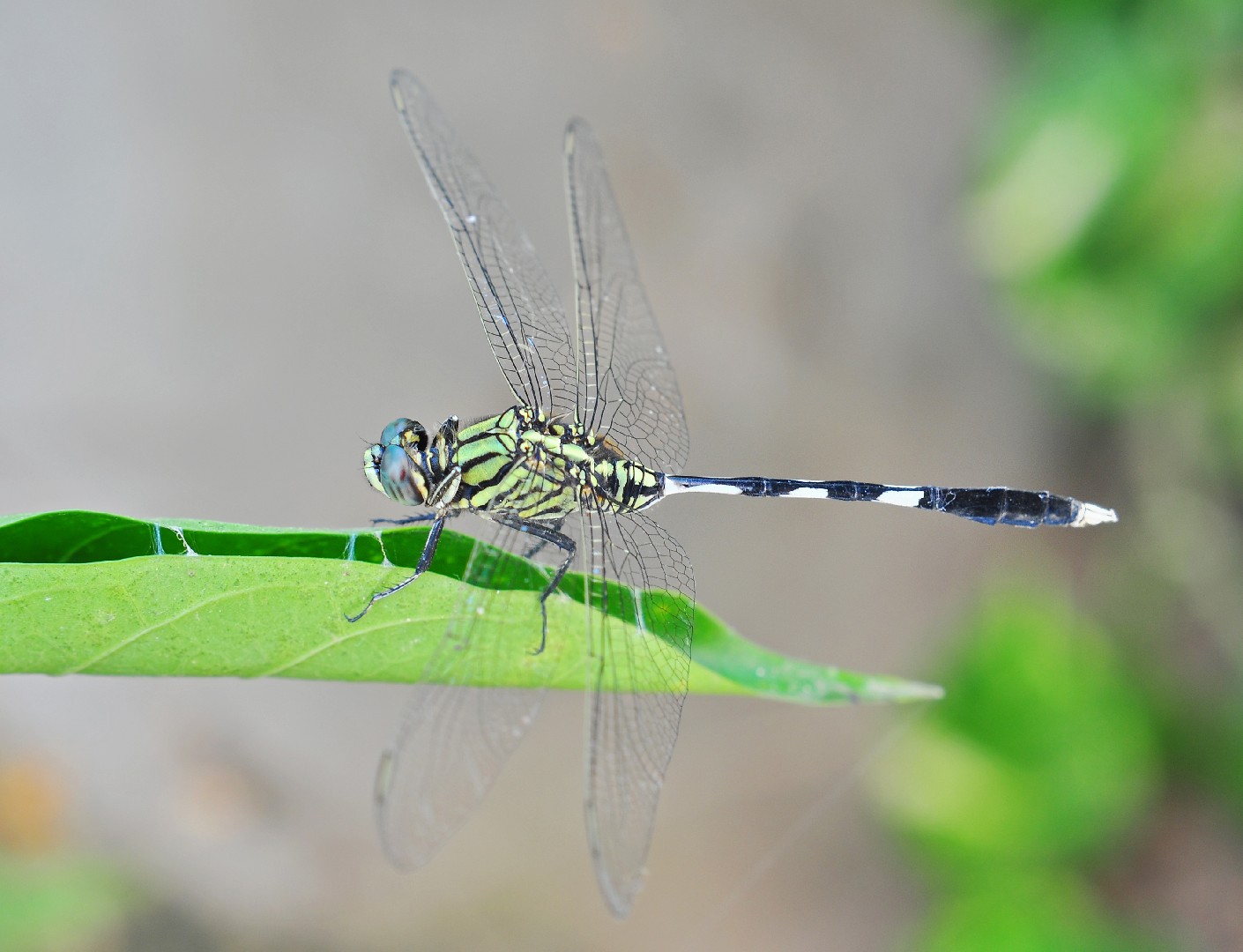
2. Pied paddy skimmer
The species is on the IUCN Red List as not endangered, year of assessment 2007.
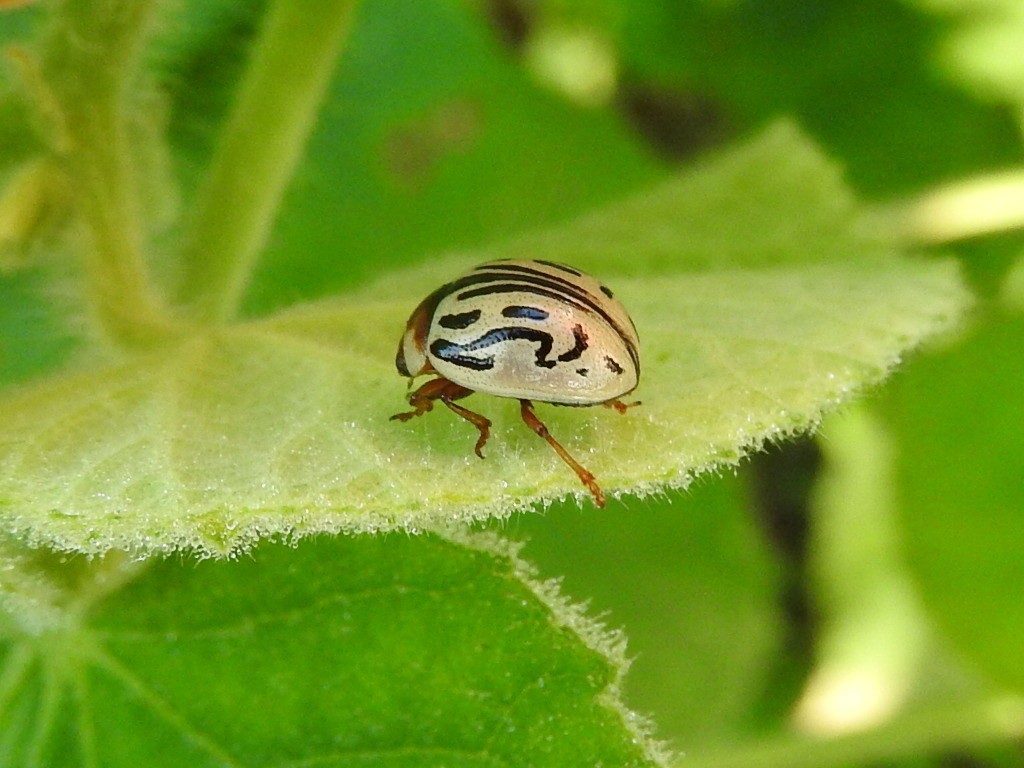
3. Mexican beetle
Z. bicolorata is a small lead beetle with a brown head, brown and yellow graduated pronotum and yellow elytra marked with characteristic elongated brown stripes. The pattern on the elytra is greatly variable - in a study of 478 beetles, 29 variations on this pattern were identified. 

4. Scalloped spreadwing
It is a medium-sized damselfly with the male have an abdomen length 32 to 35 mm compared to the similar looking species, Lestes dorothea having an abdomen length 36–40 mm. Its head is black and matured males have deep sapphire-blue eyes as in L. dorothea. Its thorax is black, pruinosed white laterally, yellowish beneath. The dorsum of the thorax is marked with a pair of metallic green antehumeral stripes shaped like those seen in L. dorothea. There are several irregular spots present on both sides. The thorax of matured males are heavily pruinosed, obscuring all these markings. Abdomen is blue marked with black on dorsum. Segments 2 to 7 have very narrow bluish basal rings. Segment 8 has a thin apico-lateral blue spot. Segment 9 has a very large lateral spot of blue on each side which may get pruinosed to form an apical ring in adults. Segment 10 also has a blue spot on each side, get pruinosed to form an apical ring in adults. Anal appendages are pale yellow with black on apices. Female is similar to the male with pale yellowish green colors. It breeds in well vegetated ponds, marshes and lakes. This damselfly can be found quite commonly in shaded lowland swamps and drains.
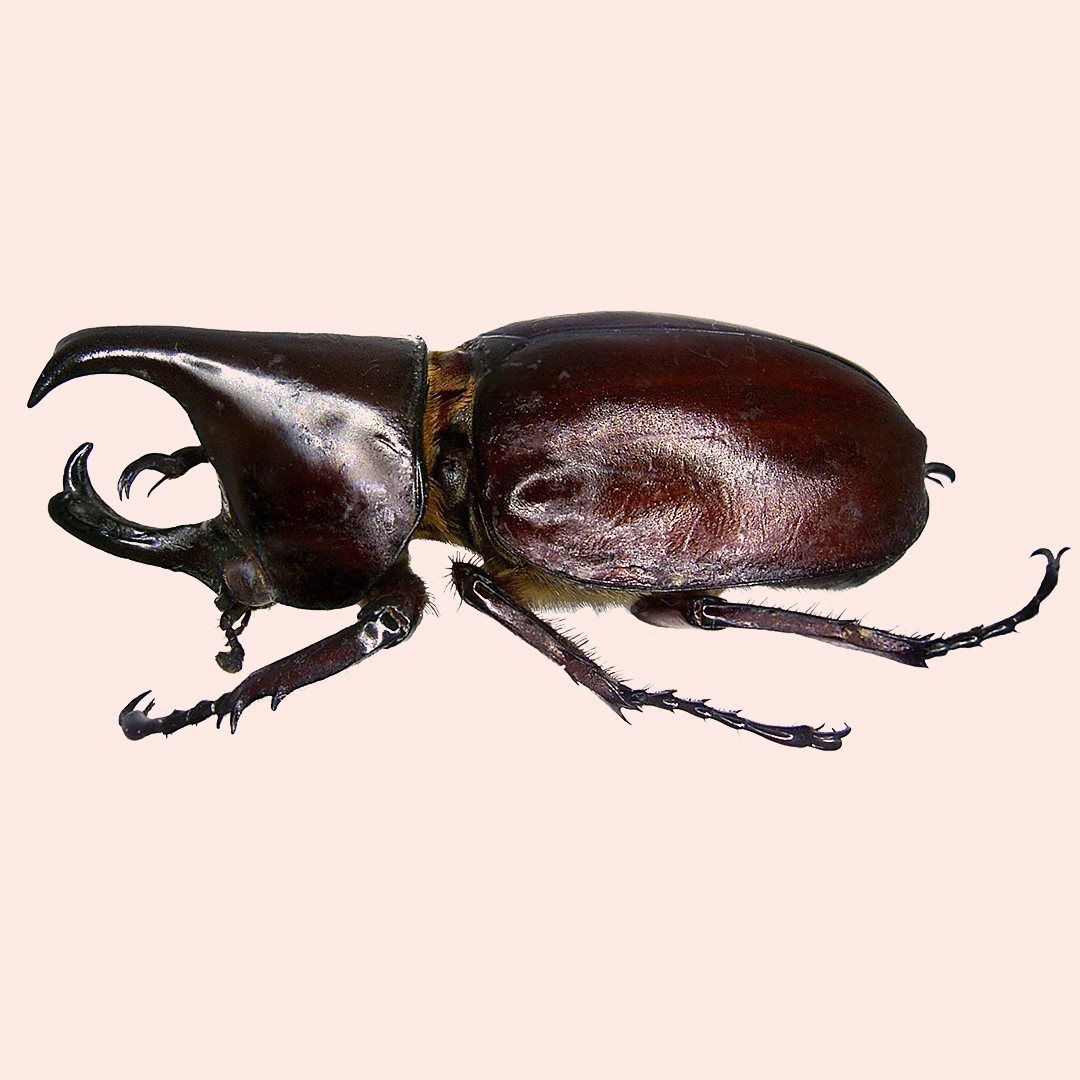
5. Elephant Beetle
Xylotrupes gideon can reach a length of 3.5–7 centimetres (1.4–2.8 in). As usual with rhinoceros beetles there is a great difference between the genders. Males are larger than females. They have two chitinous bifurcated horns, a thick thoracic horn and a smaller cephalic horn, which they use to eliminate their rivals during the mating period. These beetles are shiny dark red, dark brown, or black in coloration. The eyes are located on each side of the head. When disturbed these beetles make a hissing noise, produced by rubbing the tip of the abdomen against the edge the elytra. The larvae develop in decaying vegetable matter and take usually two years in development, the adult beetles live 2–4 months. A female can lay about 20-30 eggs but it depends on the place where they lived . 2-
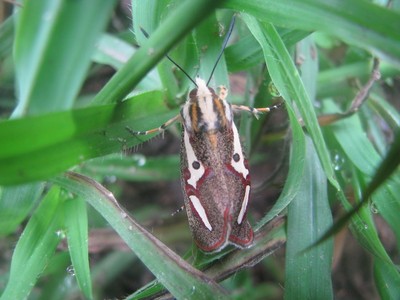
6. Red masked noctuid moth
Its wingspan is about 33 mm. Forewings of male without costal vesicles. Forewings with longitudinal white streak entire, and with an indenture on its upper edge and a small black spots near its lower edge. A red marginal line is present. Cilia of both wings white.

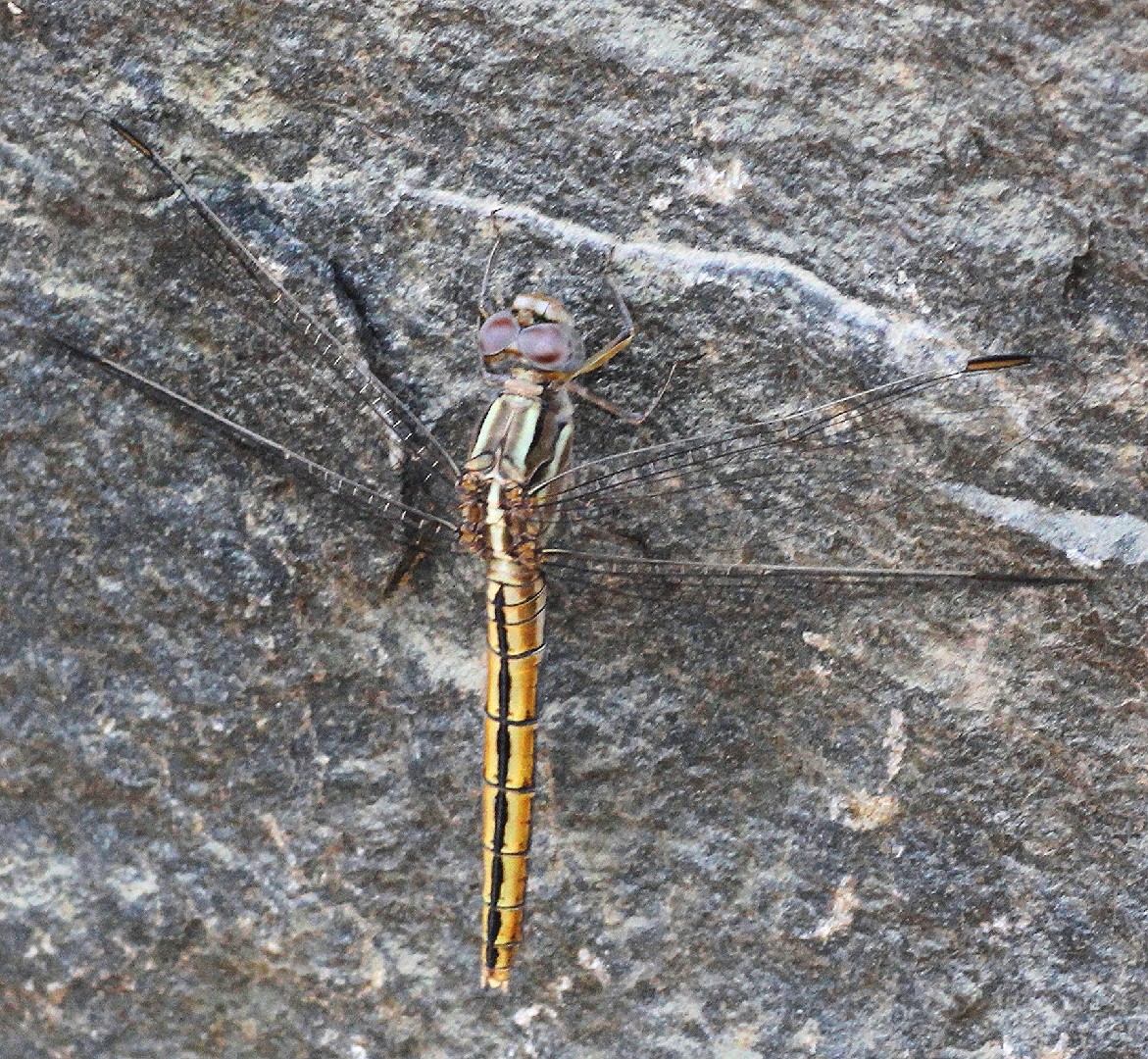
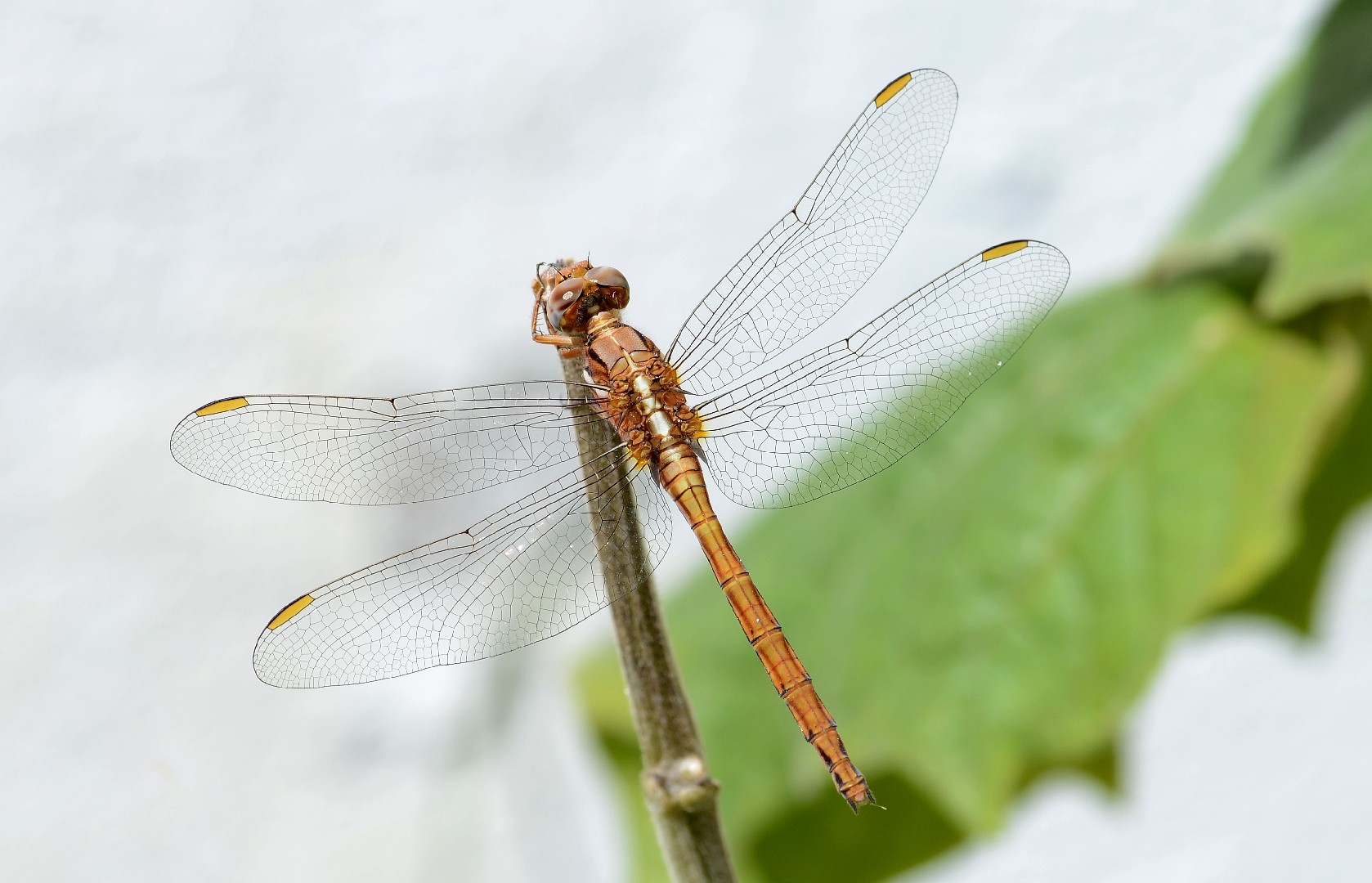
7. Scarlet skimmer
The species is on the IUCN Red List as not endangered, year of assessment 2009.
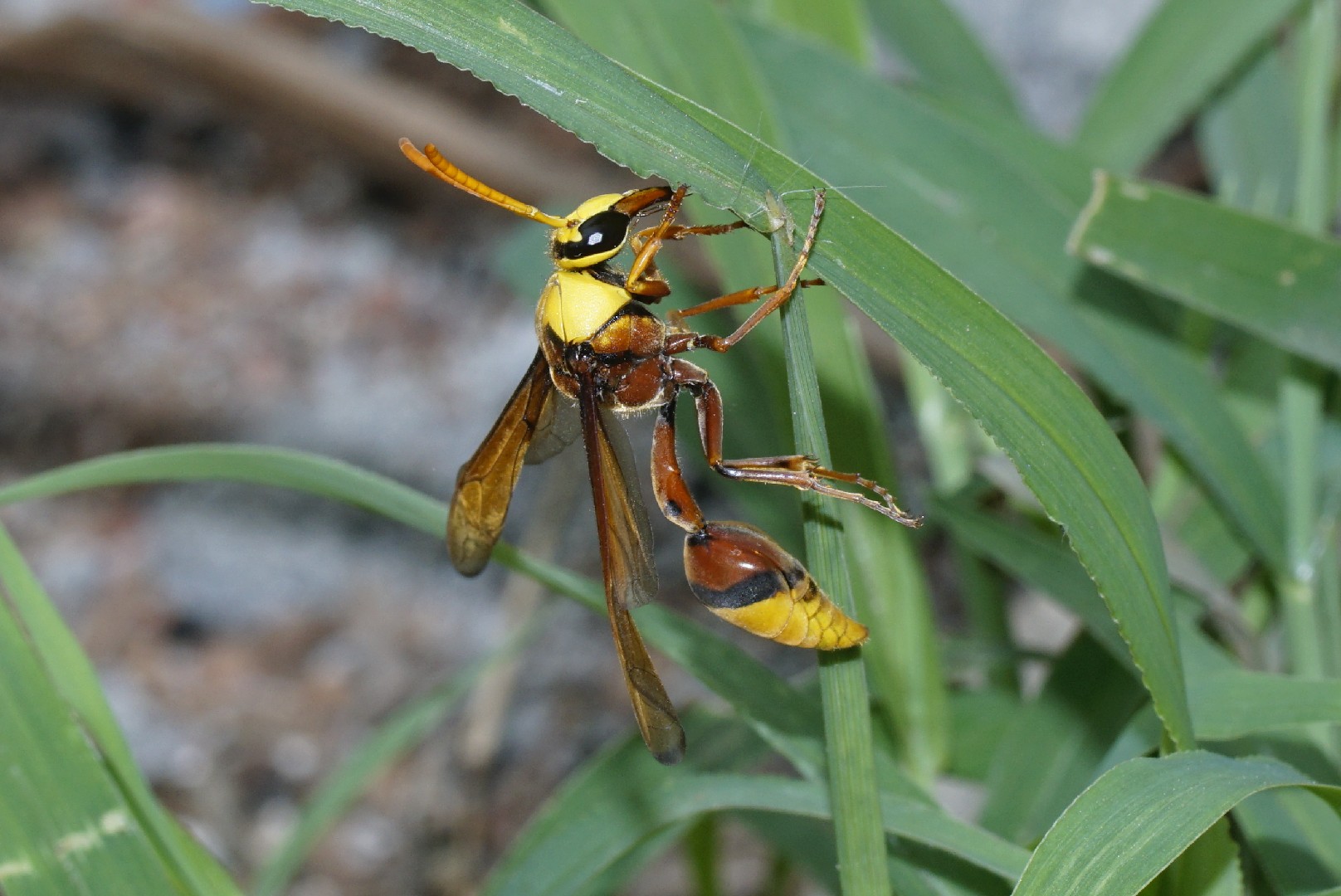
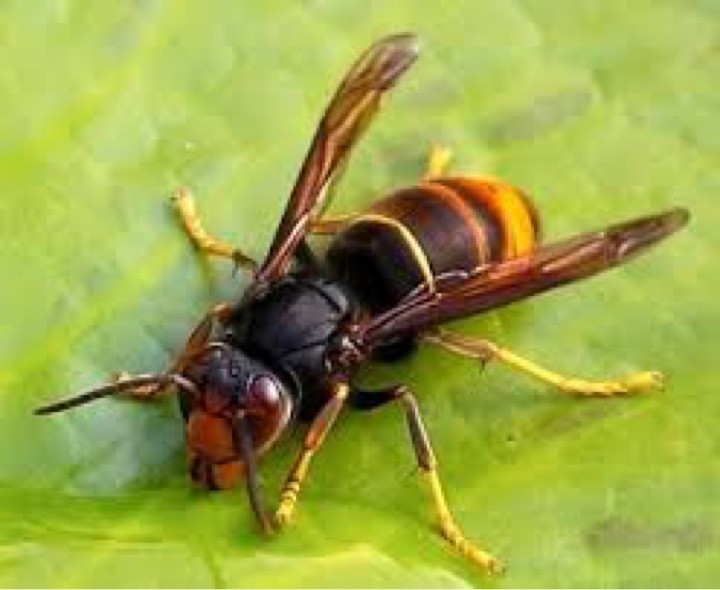
8. Black potter wasp
Distinctive in its solitary lifestyle, black potter wasp has some fascinating behaviors. It notably shapes clay nests in the form of elegant pots—a feat of nature's engineering in the insect world. Within these nests, it lays eggs and stocks caterpillars as food for its offspring. Its role in the ecosystem is vital, regulating caterpillar populations, thus contributing to maintaining the balance of the local ecological dynamics.
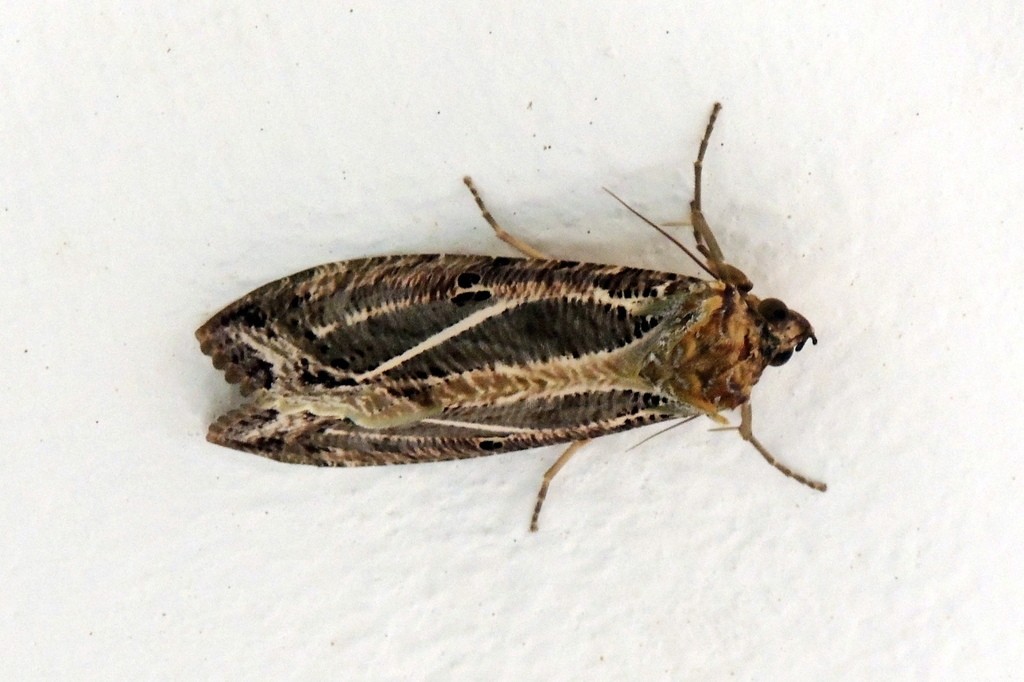
9. Fruit piercing moth
The wingspan is about 60–96 mm. Palpi with third joint long and spatulate at extremity. Forewings with crenulate cilia in both sexes. Male has greenish-grey head and thorax. Abdomen orange. Forewings greenish grey with very numerous faint striated reddish lines. There are three rufous spots which can be seen at end of cell. A dark oblique line from near apex to centre of inner margin. A silvery patch found on vein 1 and another below lower angle of cell. A marginal black band with crenulate inner edge. There is a series of white cilia spots. Ventral side is orange. Forewings with costa and apical area blotched with rufous. Oblique postmedial and sub-apical black bands can be seen. Hindwings with apical area blotched with rufous. A black spot found on costa and another beyond lower angle of cell. A marginal black band runs from vein 5 to anal angle. Female much more prominently striated with rufous coloured forewings. The silvery patches found below and beyond cell very large and conjoined crossed by white streaks above vein 2 and beyond cell.
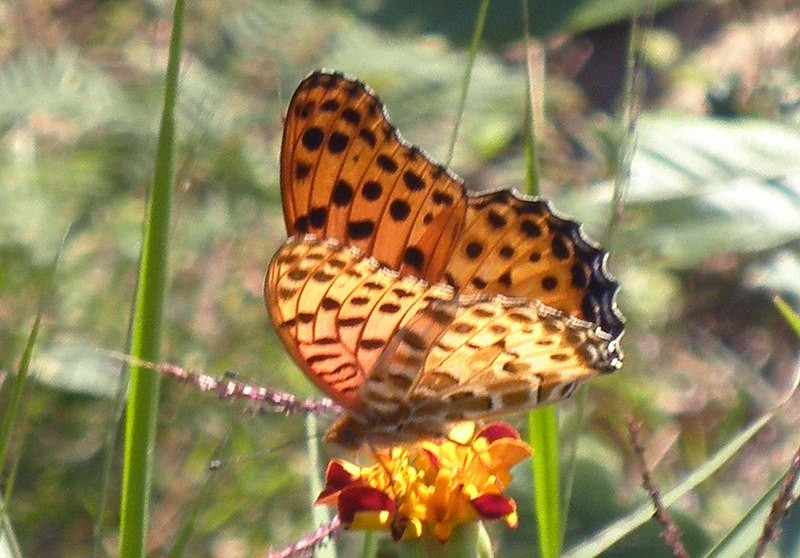
10. Indian fritillary
Male: Upperside: forewing rich orange yellow, hindwing paler yellow, with the following black markings: Forewing: cell with a basal short transverse streak, a medial broad oval loop, its outer margin sinuous; a broad transverse streak beyond cell not reaching the median nervure; a broad streak along the discocellulars; a zigzag discal series of large spots, angulated outwardly in interspace 4, inwardly in interspace 2, a minute spot at base of interspace 1; a somewhat diffuse large postdiscal spot below the costa in interspace 6; a postdiscal sinuous series of round spots, those in interspaces 1 and 4 very small; an inner complete subterminal sinuous series of round spots; an outer subterminal line, widening on the veins, and a terminal slender line. Hindwing: a basal, transverse, obscure narrow mark in cell, another above it in interspace 7, a transverse lunule across the middle of the cell; a small spot outwardly bordering the lower discocellular; a discal series of transverse spots from interspaces 1 to 7, sinuous posteriorly; a postdiscal series of five spots in interspaces 2 to 6; a subterminal series of somewhat lunular spots; finally, a narrow band on term en traversed posteriorly by a series of blue, anteriorly by a series of ochraceous lunules. Underside forewing pale terracotta red, shading into ochraceous towards the apex, the apex broadly suffused with that colour; markings as on the upperside, with the following exceptions: subcostal spot in interspace 6, upper two spots of postdiscal series, upper four spots of the inner subterminal series, and the anterior portions of the outer subterminal and of the terminal line olivaceous brown; the upper two postdiscal spots centred with white, with a white spot on each side; the upper four spots of the sub terminal series connate (united), forming a short curved band. Hindwing variegated with ochraceous, olivaceous-brown and silvery-white markings, the last for the most part narrowly margined on the outer side by short black lines; the veins prominently pale ochraceous; the medial silvery markings form a well-marked sinuous discal series, followed by a curved postdiscal series of five olivaceous round spots; each spot and the olivaceous-brown quadrate patch near base of cell with a minute white central spot; a slender black subterminal line widening at the veins, as on the forewing, followed by an ochraceous narrow lunular band and an outer slender black anteciliary line; the subterminal black line margined on the inner side by a series of: slender white lunules, bordered inwardly by a series of broad olivaceous-brown markings in the interspaces. Antennae brown above, ochraceous red beneath; head, thorax and abdomen olivascent tawny; beneath, palpi, thorax and abdomen pale ochraceous. Female similar. Differs from the male as follows: Upperside: apical half of forewing from about the middle of the costa obliquely to just above the tornus black, inwardly suffused with purple, crossed by a broad white band from costa to the subterminal series of black spots; four preapical white spots, the upper three bordering on each side and above a very obscure ocellus scarcely visible on the black background, an inner and an outer subterminal transverse series of slender white lunules. Underside: forewing markings similar to those on the upperside, but the apex of the wing beyond the white oblique band ochraceous green. Hindwing as in the male, but the markings slightly broader. Antennae, head, thorax and abdomen as in the male, the abdomen paler beneath. Wingspan: 80–98 mm (3.1–3.9 in). Var. taprobana, Moore, is a slightly darker race from Ceylon, with markings similar in both sexes to those of hyperbius. Moore, however, states that taprobana is an intermediate between the south Indian form (castetsi) and typical hyperbius specimens from Ceylon that do not differ from upper India, Assam, and Burmese specimens, except in the very slightly darker ground colour on the upperside. Race castetsi, Oberthur: The females of this remarkable form seem to be locally dimorphic. Male closely resembles the male of hyperbius but differs as follows: Upperside: ground colour a richer brighter shade of orange yellow; black markings similar but distinctly smaller, of a deeper black: subterminal transverse series of slender lunules traversing the terminal black margin on the hindwing of the same shade of orange yellow as the ground colour, not blue on the posterior half of the wing. Underside: the olivaceous brown at apex of forewing and variegating the hindwing more of a greenish golden tint. A sex-mark of specialized raised scales along middle of vein 1 on the upperside of the forewing very prominent. Female Nilgiri form: resembles the female of typical hyperbius differs as follows: Upperside: ground colour pale golden yellow; basal half of both forewings and hindwings shaded with metallic green in the forewing; in some specimens this tint is slightly olivaceous; black markings and the white oblique band on the apical area of the forewing as in hyperbius, but proportionately smaller, the purplish-blue shading along inner margin of the white band much less conspicuous, as is also the bluish tint; on the white preapical spots and subterminal markings on the forewing and on the posterior half of the subterminal line of limules on the hindwing. Underside as in hyperbius but the ground colour on the forewing a paler shade of terracotta red; the olivaceous brown variegating the hindwing of a distinctly greener tint. Female typical form as described from Trichinopoly. Similar to the male differs as follows: Upperside: ground colour pale golden yellow; basal half of the wings suffused with dark olivaceous green; black markings as in the male but larger; on the forewing the spots of the subterminal series very large, coalescent or nearly coalescent with one another and with the dentate spots on the veins in the inner terminal line; the upper two spots also of the postdiscal series very large and coalescent, the upper of the two joining on above and below to the inner postdiscal lunate spot in interspace 6, thus enclosing a prominent lunule of the ground colour. Underside as in the male but paler.
More







