




Top 20 Most Common Insects in Jaipur
Insects, nature's smallest warriors, have carved their niche into every corner of Jaipur, standing testament to the diversity afforded by varied geographical landscapes. These creatures, typically seen as pests or allies, play significant roles within Jaipur's ecosystem, their presence signaling the health of our environment. Prepare to discover the 20 most popular insects that call Jaipur their home.

Most Common Insects

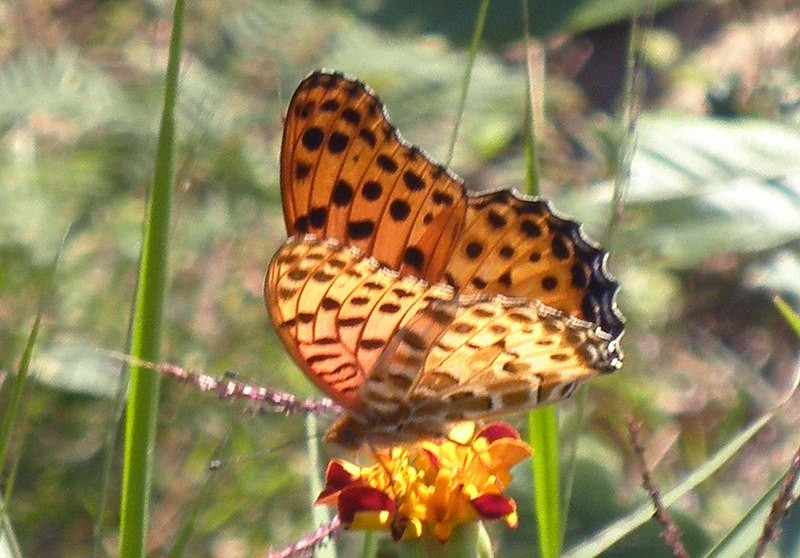
1. Lemon pansy
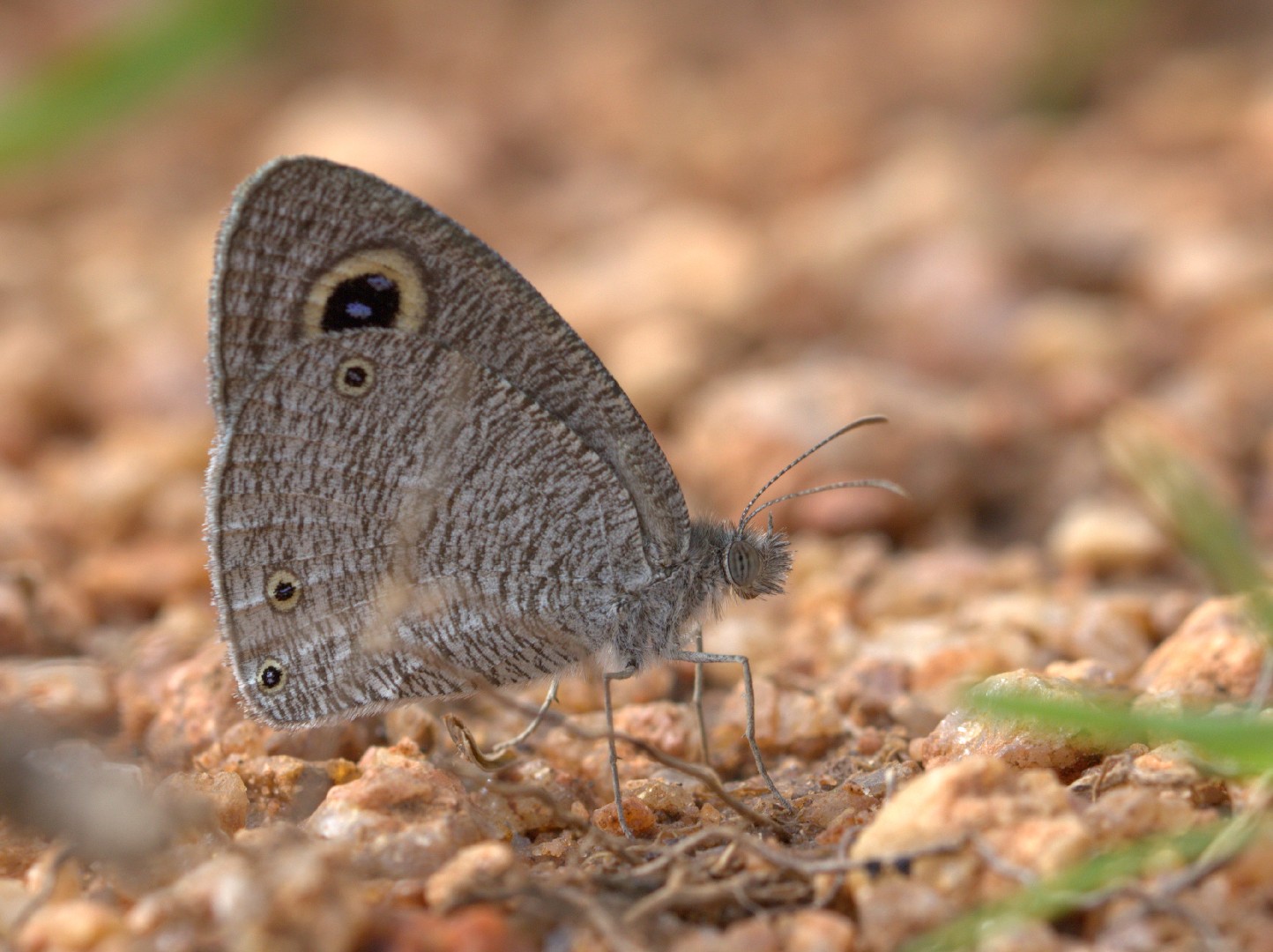
It is brown with numerous eyespots as well as black and lemon-yellow spots and lines on the upperside of the wings. The underside is a dull brown, with a number of wavy lines and spots in varying shades of brown and black. There is also an eyespot on the lower side of the forewing. The wet- and dry-season forms differ considerably in coloration and even shape. In the wet-season form the markings are distinct and vivid and the wing shape is a little more rounded. In the dry-season form the markings are obscure and pale especially on the underside and the wing margin is more angular and jagged. 
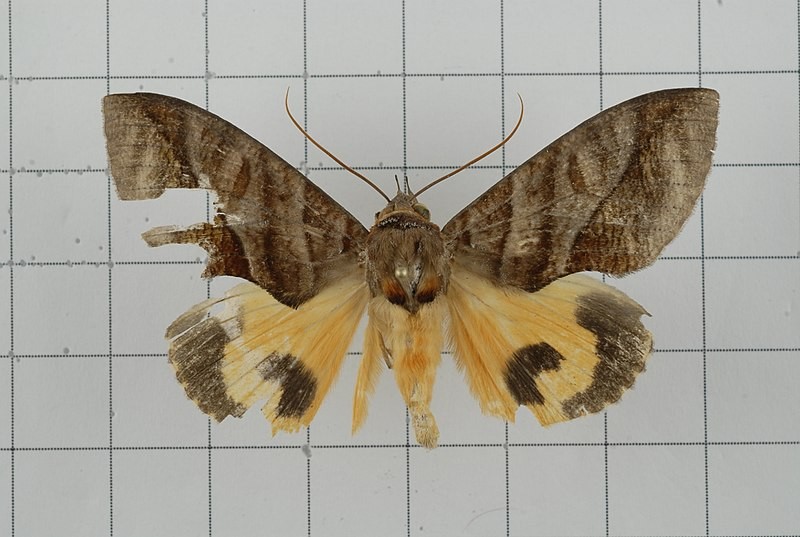
2. Eudocima homaena
Its wingspan is about 80 mm. Palpi with third joint long and spatulate at extremity. Forewings with apex not produced. Outer margin rounded. Forewings with non-crenulate cilia. Male has fulvous brown head and thorax. The collar, metathoracic tufts and tibia with an orange tinge. Head and collar with a purple bloom. Abdomen orange. Forewings olive green, suffused with purplish red-brown and striated with rufous. Dark sub-basal and antemedial lines and slightly curved postmedial line present. There are traces of some waved medial lines. An indistinct reniform stigma and dentate sub-marginal line can be seen. Hindwings orange, with large black lunule beyond lower angle of cell. A submarginal band with waved edges runs from costa to vein 2. Ventral side of forewings with orange postmedial band. Female has much darker forewings, with deep purple and chocolate tones. A broad verditer-green fascia found below the cell, sending bars to inner margin near base and outer angle, and conjoined to the green reniform spot. Larva purplish brown with many blue specks and large yellow patch on 3rd, 4th and 5th somites. Fourth and fifth somites form ocelli with yellow iris and azure-blue black edged pupil. Somites 8 and 9 with irregular yellow patches. A dorsal tubercle found on 11th somite. Pupa orange colored, roughened and burnished. The larvae feed on Achyranthes, Cocculus, Cyclea peltata, Menispermum and Tiliacora species. Gallery
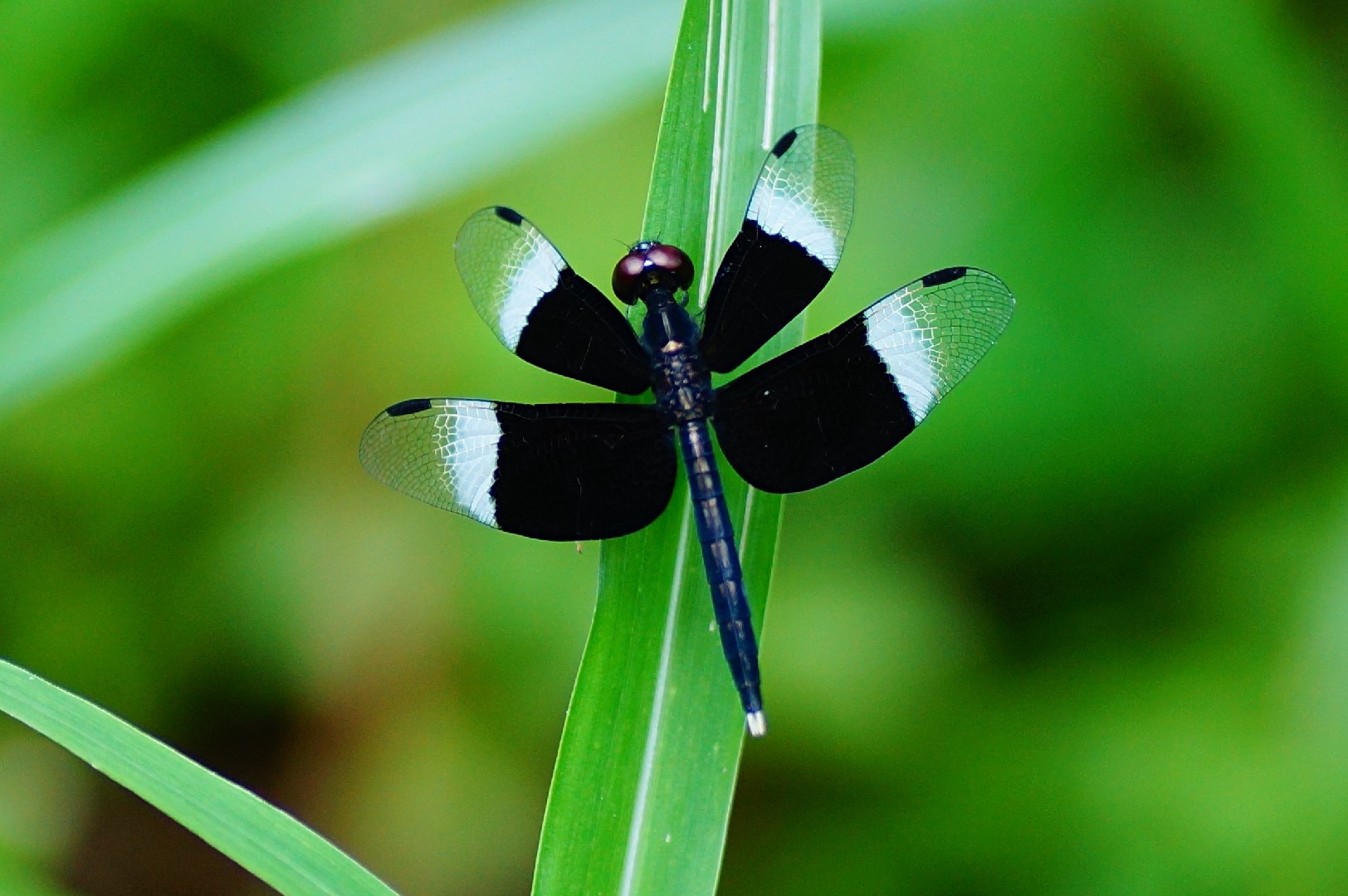
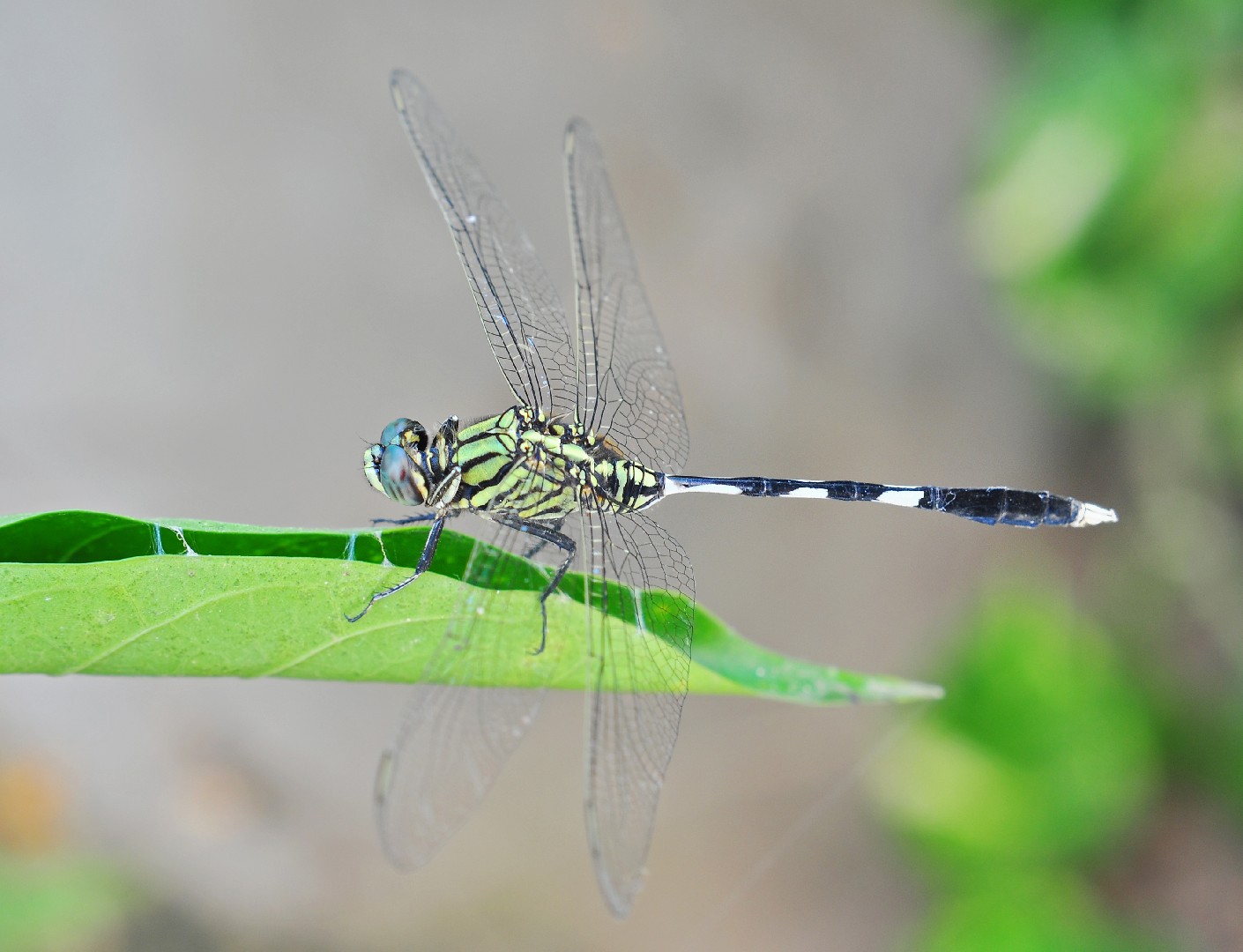
3. Pied paddy skimmer
The species is on the IUCN Red List as not endangered, year of assessment 2007.
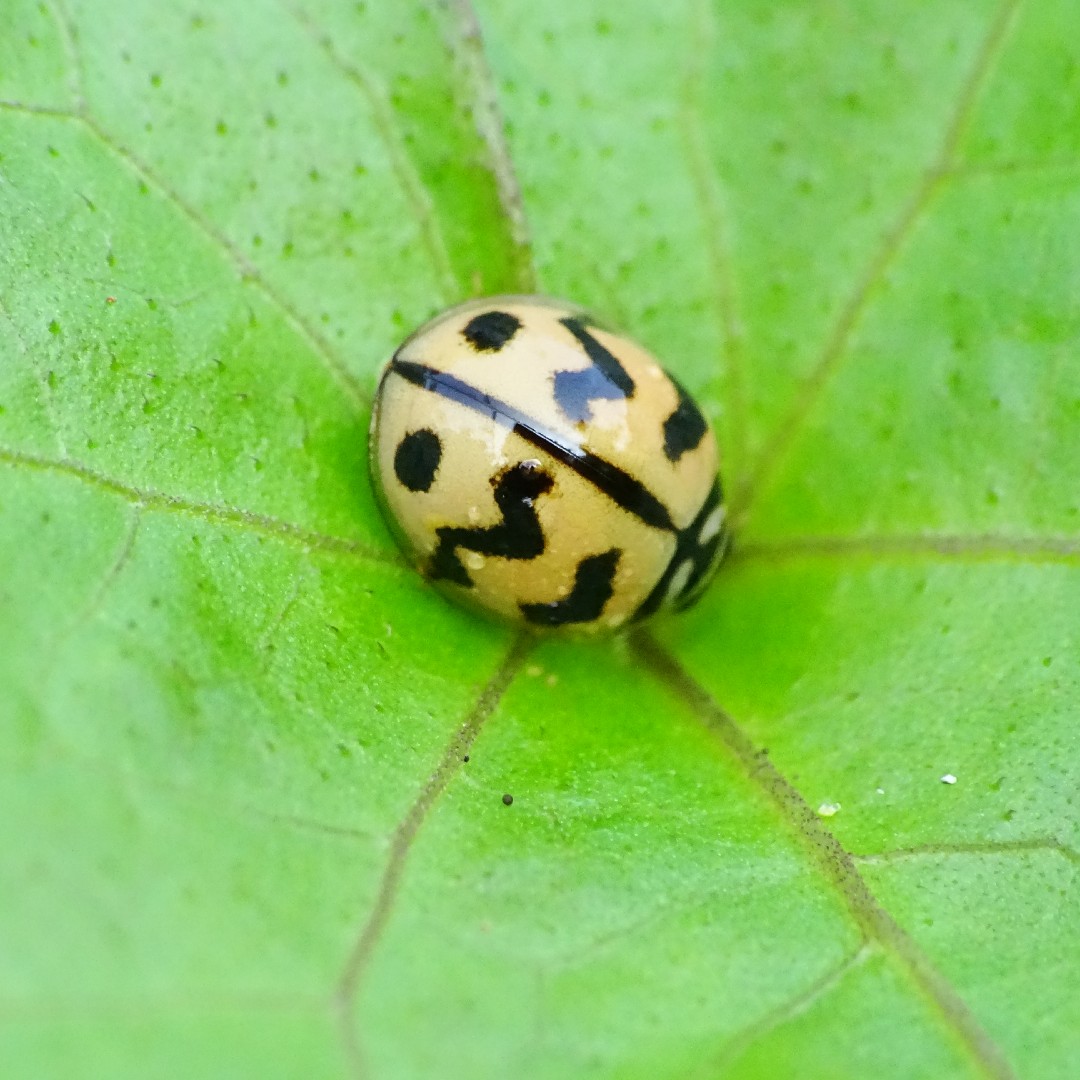
4. Six-spotted zigzag ladybird beetle
The six-spotted zigzag ladybird beetle is a common visitor to agricultural fields in India where it is considered a beneficial insect. It preys on several insects that reduce crop yield and is a more cost-effective and environmentally friendly method of pest control. The insect hibernates in cold temperatures, only appearing from spring through fall.
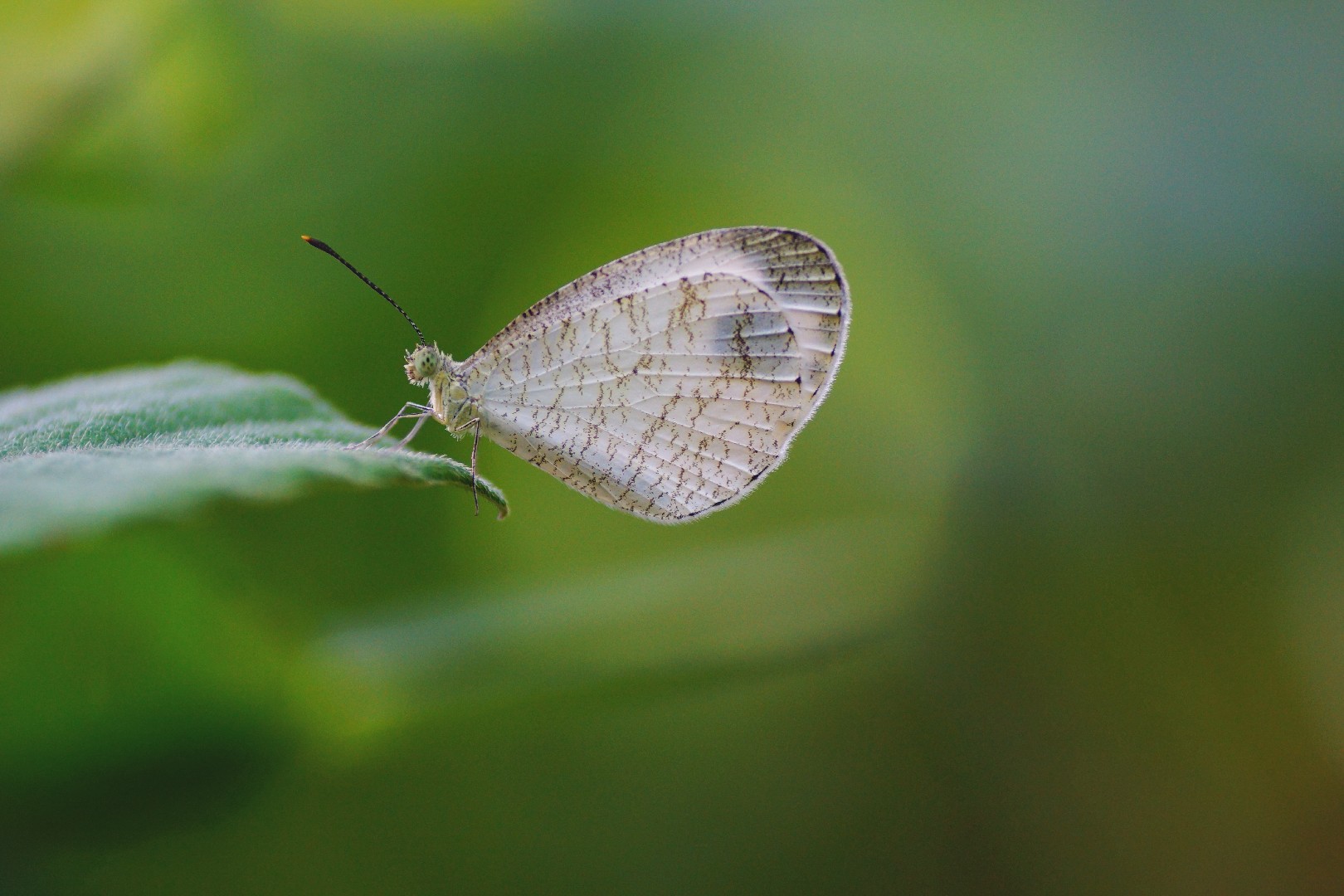
5. Psyche
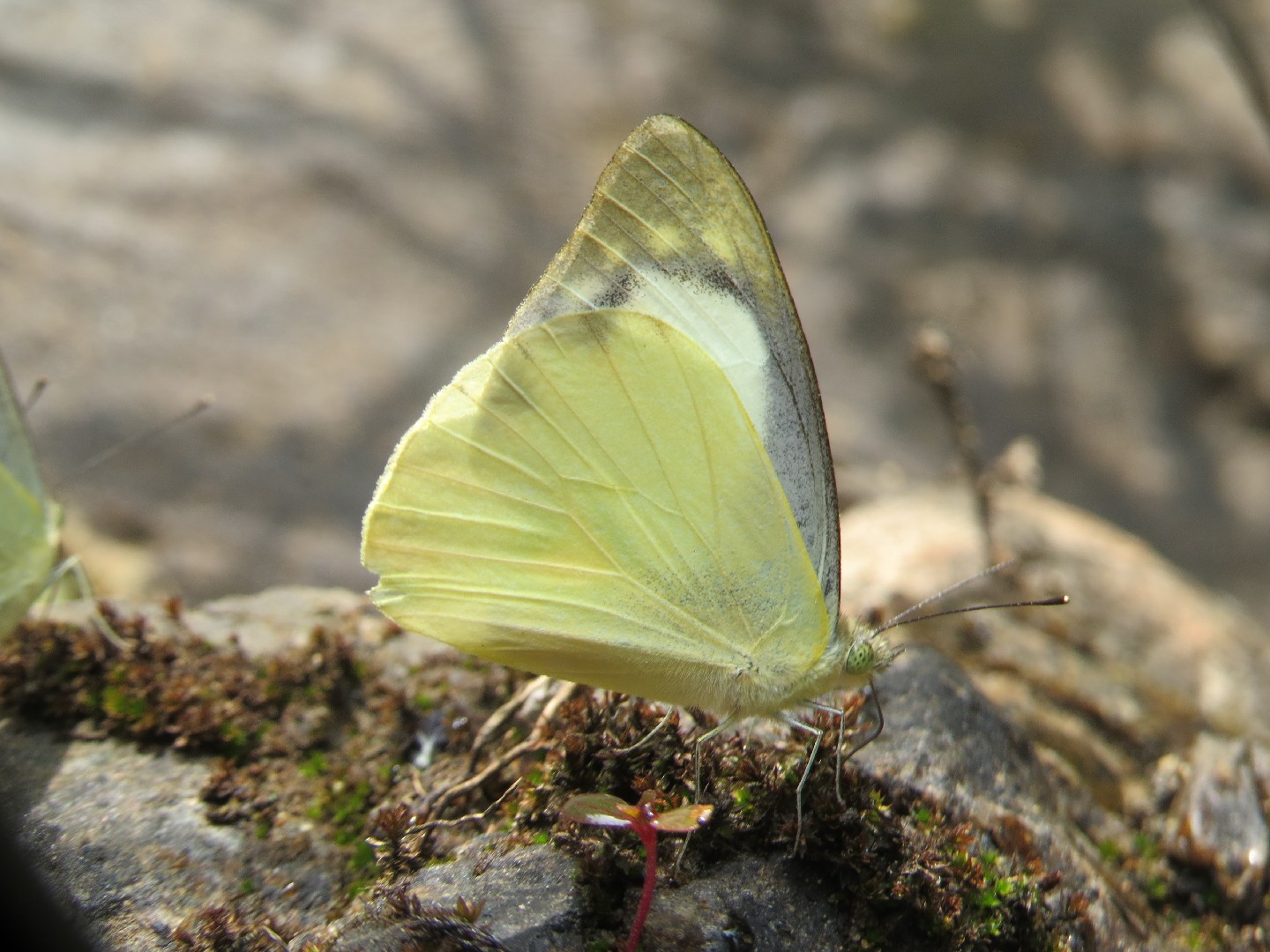
Upperside is white,base of wings are very slightly powdered with minute black scales.The costa of forewing is speckled obscurely with black; apex black, the inner margin of this inwardly angulate; a very large somewhat pear-shaped post-discal spot also black. Hindwing is white,in most specimens an obscure, extremely slender, terminal black line. Underside is white; costal margin and apex of forewing broadly, and the whole surface of the hindwing irrorated (speckled) with transverse, very slender, greenish strigae and minute dots; these on the hindwing have a tendency to form sub-basal, medial and discal obliquely transverse obscure bands; the postdiscal of forewing is black,spot as on the upperside; terminal margins of both forewings and hindwings with minute black, short, transverse slender lines at the apices of the veins, that have a tendency to coalesce and form a terminal continuous line as on the upperside. Antennae dark brown spotted with white, head slightly brownish, thorax and abdomen white. Female is similar as male, the black markings on the upperside of the forewing on the whole slightly broader, but not invariably so. Wingspan is 2.5 - 5 cm. Larva is green with a pale glaucous tinge about the bases of the legs and slightly hairy. Pupa sometimes green, but more often of a delicate pink shade.
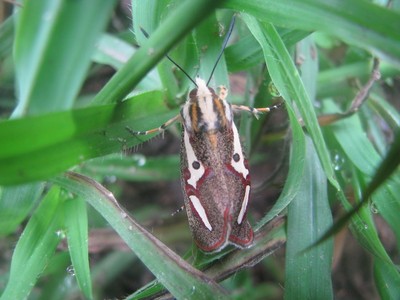
6. Red masked noctuid moth
Its wingspan is about 33 mm. Forewings of male without costal vesicles. Forewings with longitudinal white streak entire, and with an indenture on its upper edge and a small black spots near its lower edge. A red marginal line is present. Cilia of both wings white.

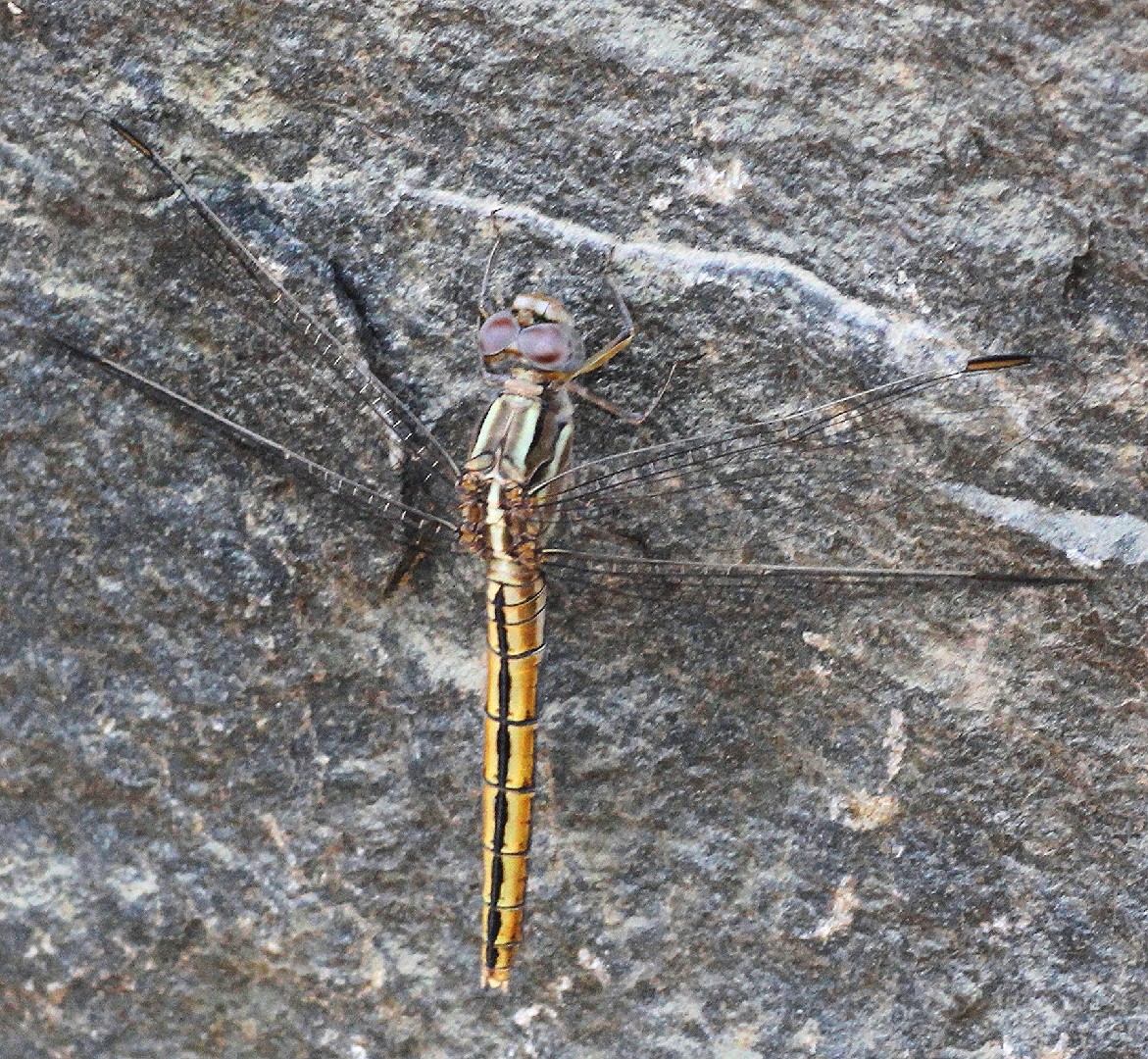
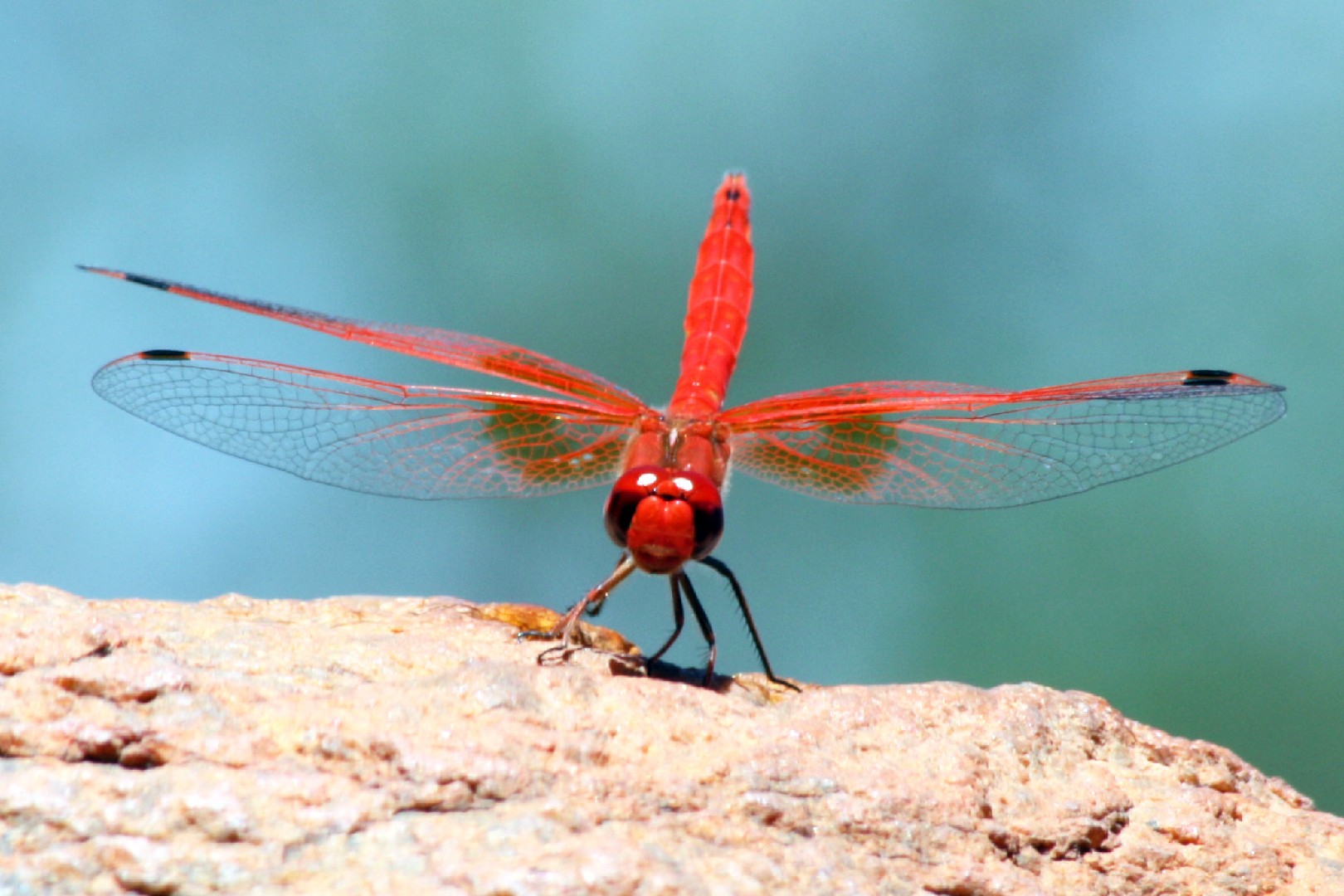
7. Scarlet skimmer
The species is on the IUCN Red List as not endangered, year of assessment 2009.
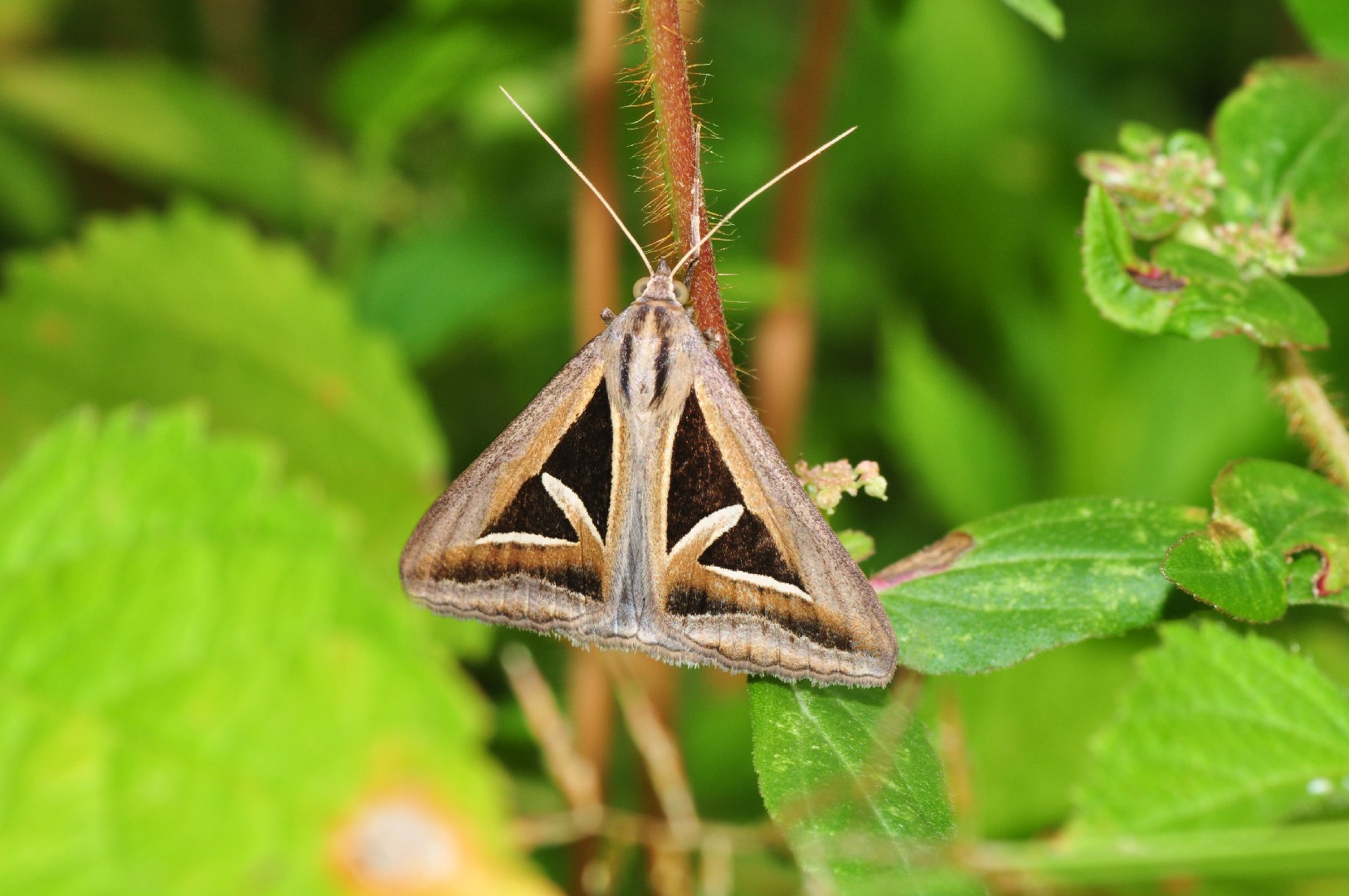
8. Triangles
The wingspan is about 3 - 4.5 cm. Antennae of male ciliated. Mid and hind tibia hairy. Body pale ochreous brown, slightly suffused with fuscous or dark grey brown. Forewings with a large black white-edged triangular patch easily distinguished below the cell from near base to towards outer angle. A similar smaller patch found beyond the cell on vein 5, with some pale fulvous behind it. A slightly sinuous submarginal pale line with patches of black suffusion found inside it and a series of black specks beyond it. A dark marginal line can be seen as well. Hindwings with indistinct medial line and fuscous suffused outer area. Larva has yellow upper half and brown ventral part. The yellow part is broken by longitudinal brown bands, which faints towards posterior and becomes intensive again in prolegs. Eggs olive green and speckled rusty red. First few instars are green with three lateral purple brown lines. Late instars are yellowish. Pupa within a slight cocoon of white silk, which spun amongst leaves.
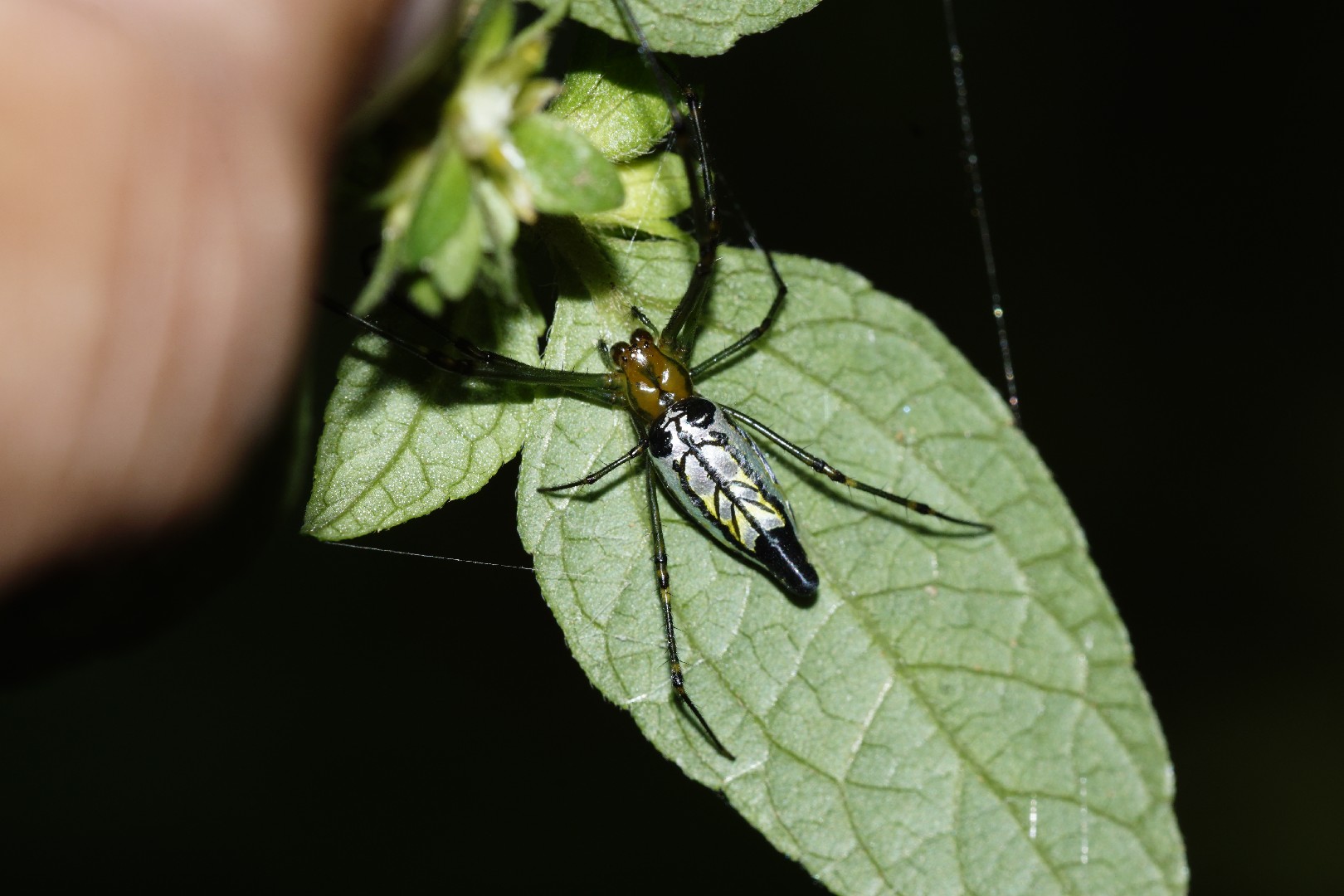
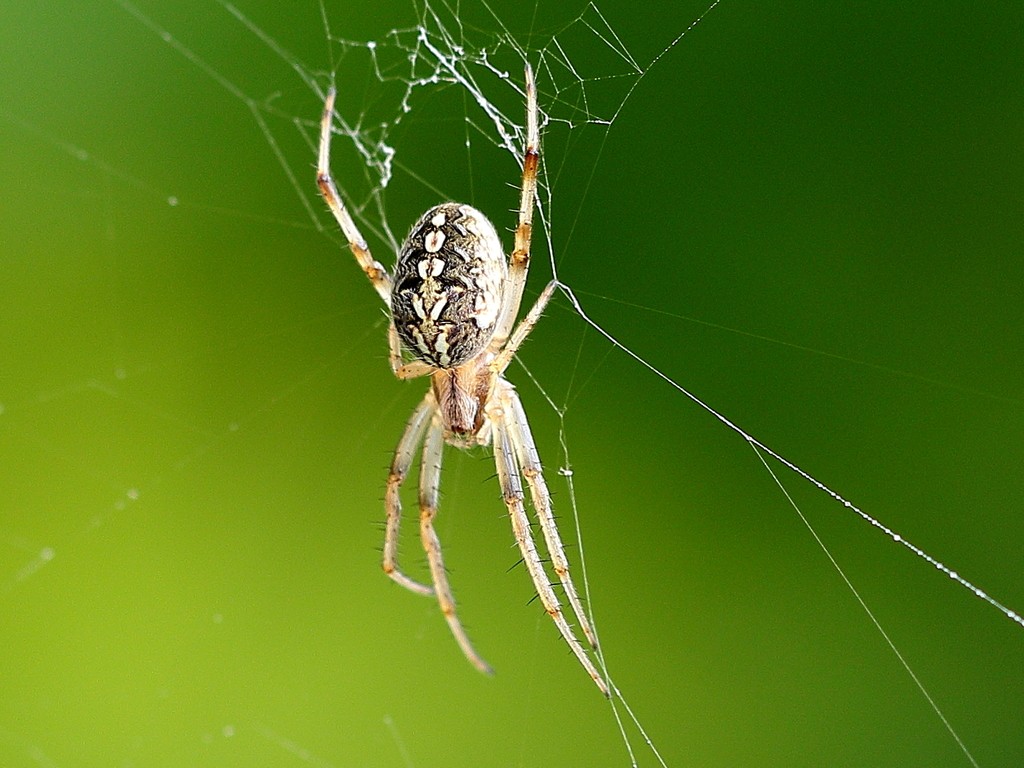
9. Decorative silver orb spider
Leucauge decorata, the decorative silver orb spider, is one of the long-jawed orb weaver spiders. A medium to large sized orb weaving spider, with a body length up to 12 mm long (female). Male to 6 mm. This species has a "point" to the end of the abdomen. Found in Africa, India, south east Asia, also to Australia.
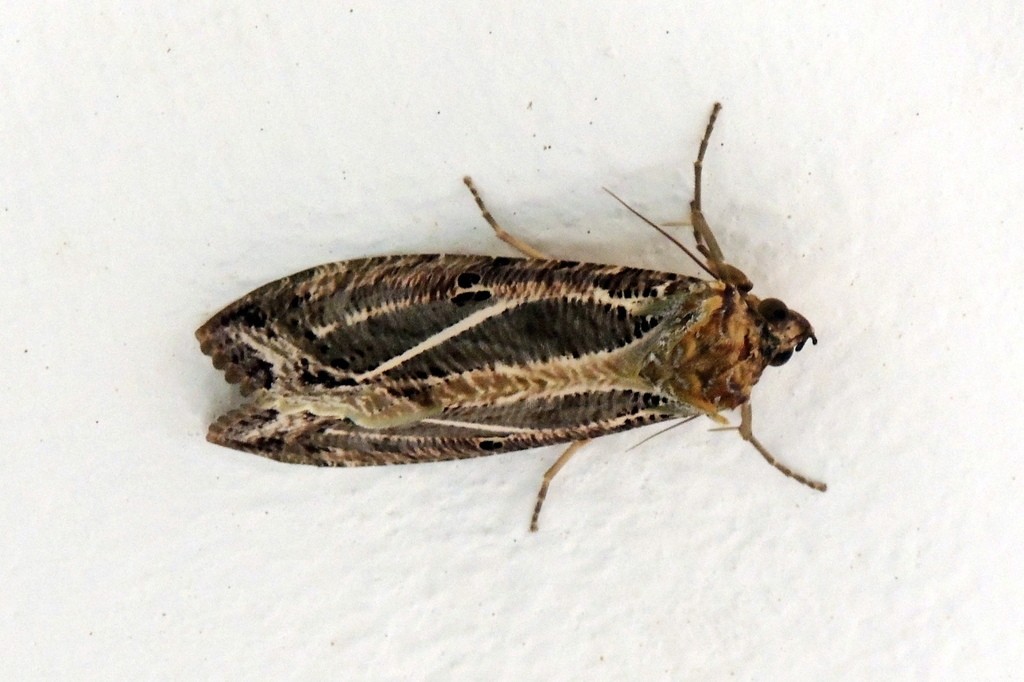
10. Fruit piercing moth
The wingspan is about 60–96 mm. Palpi with third joint long and spatulate at extremity. Forewings with crenulate cilia in both sexes. Male has greenish-grey head and thorax. Abdomen orange. Forewings greenish grey with very numerous faint striated reddish lines. There are three rufous spots which can be seen at end of cell. A dark oblique line from near apex to centre of inner margin. A silvery patch found on vein 1 and another below lower angle of cell. A marginal black band with crenulate inner edge. There is a series of white cilia spots. Ventral side is orange. Forewings with costa and apical area blotched with rufous. Oblique postmedial and sub-apical black bands can be seen. Hindwings with apical area blotched with rufous. A black spot found on costa and another beyond lower angle of cell. A marginal black band runs from vein 5 to anal angle. Female much more prominently striated with rufous coloured forewings. The silvery patches found below and beyond cell very large and conjoined crossed by white streaks above vein 2 and beyond cell.
More







