




Top 19 Most Common Insects in Kupang
From the fluttering butterflies to the industrious ants, insects have long inhabited the profound landscapes of Kupang. With variations in geographical locations, this region is a thriving home for a multitude of insect species. The existence of these creatures not only signifies biodiversity but also plays a vital role in ecological balance. As we delve into the top 19 most common insects of Kupang, we'll explore how the relationship between insect species and their environments presents a gripping story of survival, adaptation, and symbiosis.

Most Common Insects
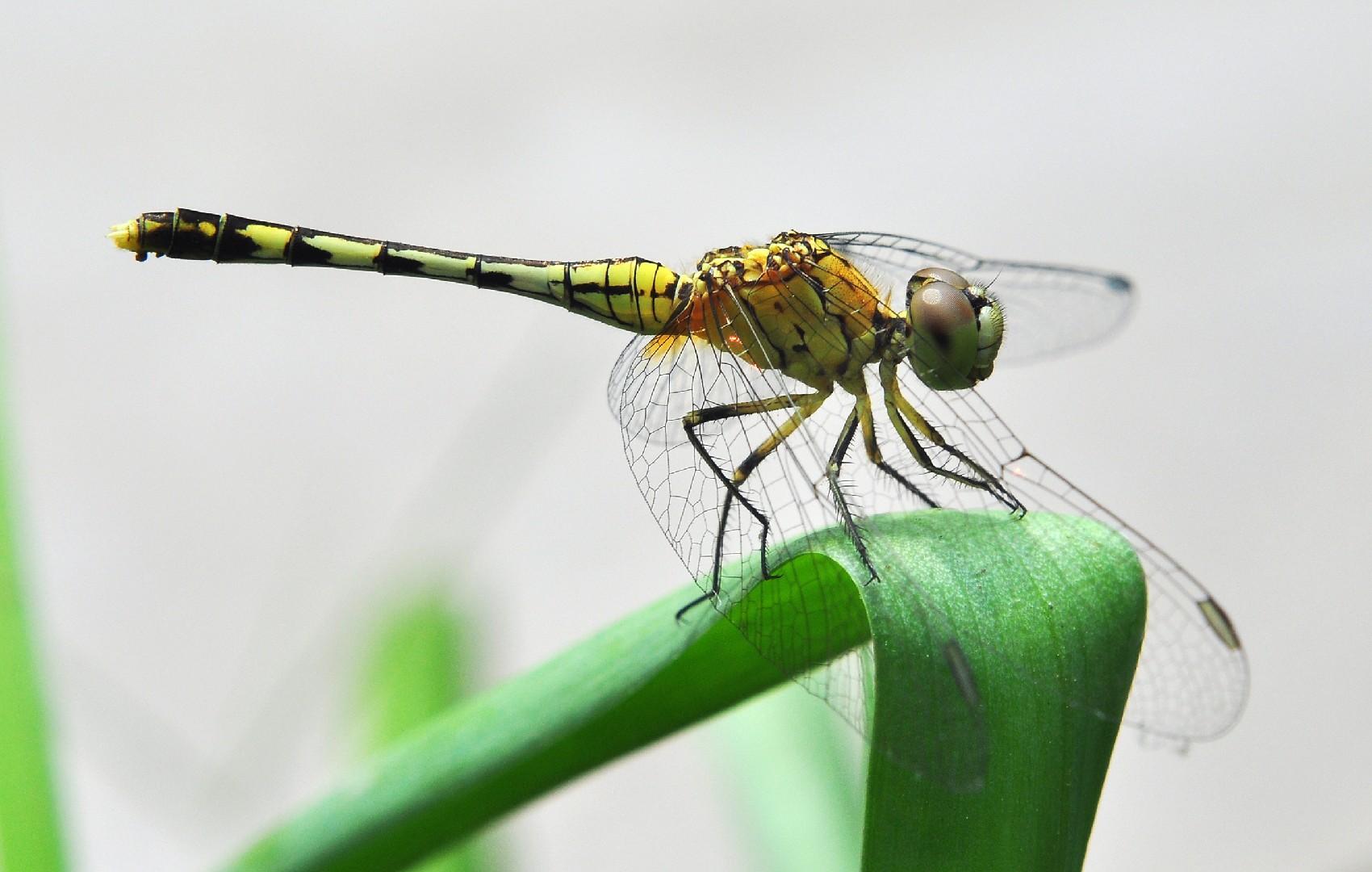
1. Chalky percher
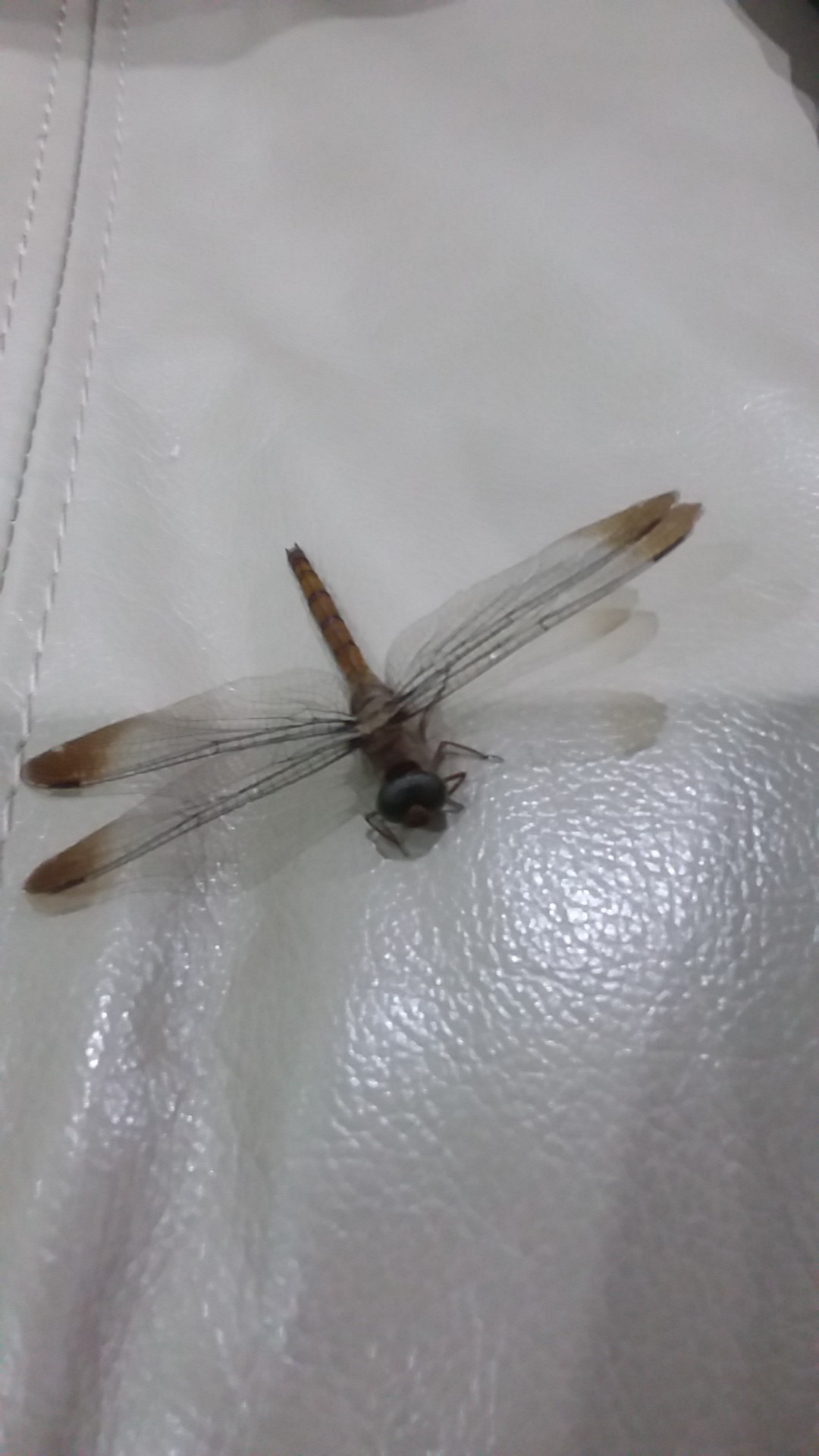
Diplacodes trivialis is small dragonfly with bluish eyes and greenish-yellow or olivaceous thorax and abdomen with black marks. In very old adults, the whole thorax and abdomen become uniform pruinosed blue. Clear wings, without apical or basal markings, and the creamy white anal appendages and deep pruinescence in adults help to distinguish this species from others in its genus. 
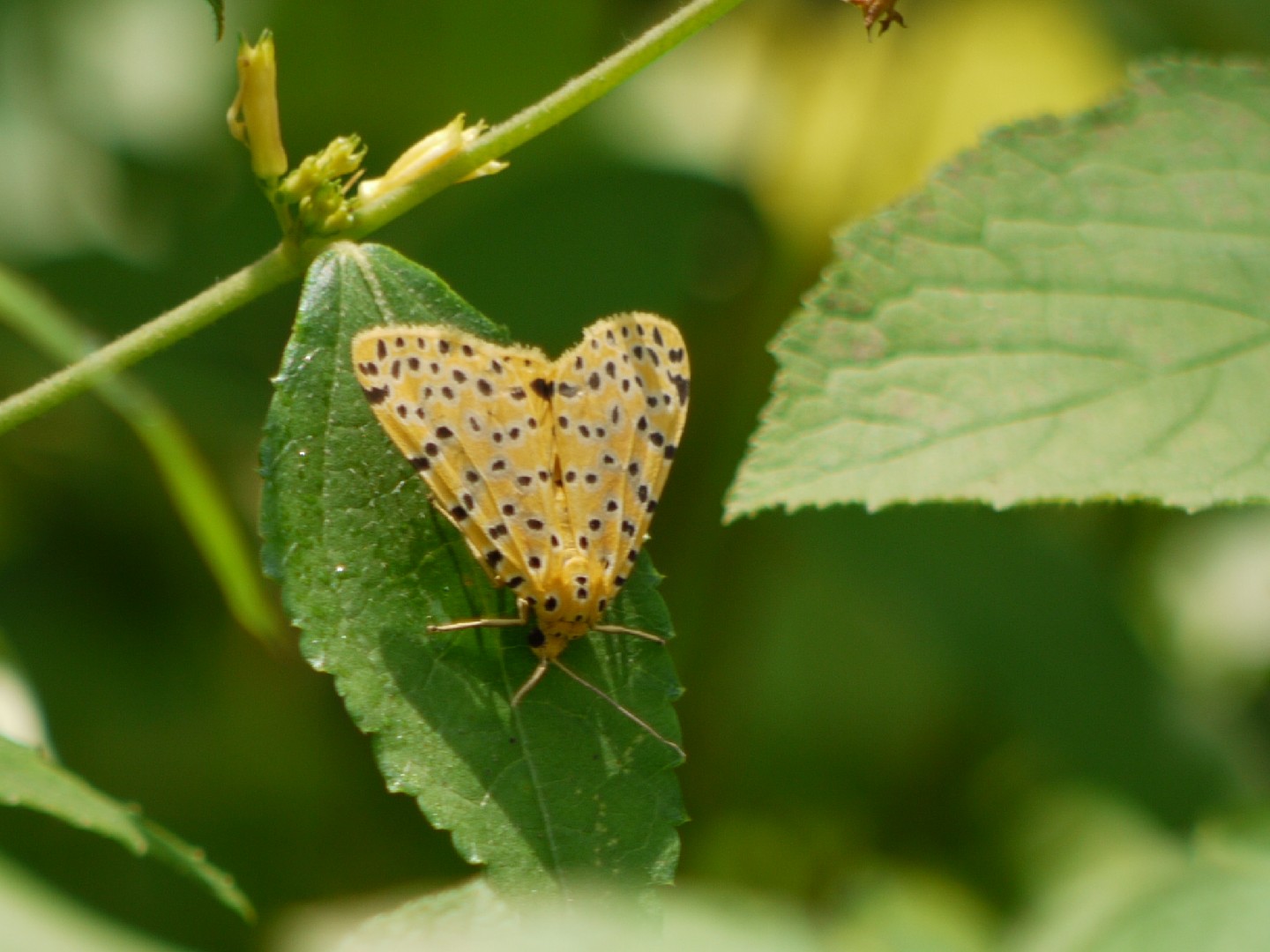
2. Crotalaria pod borer
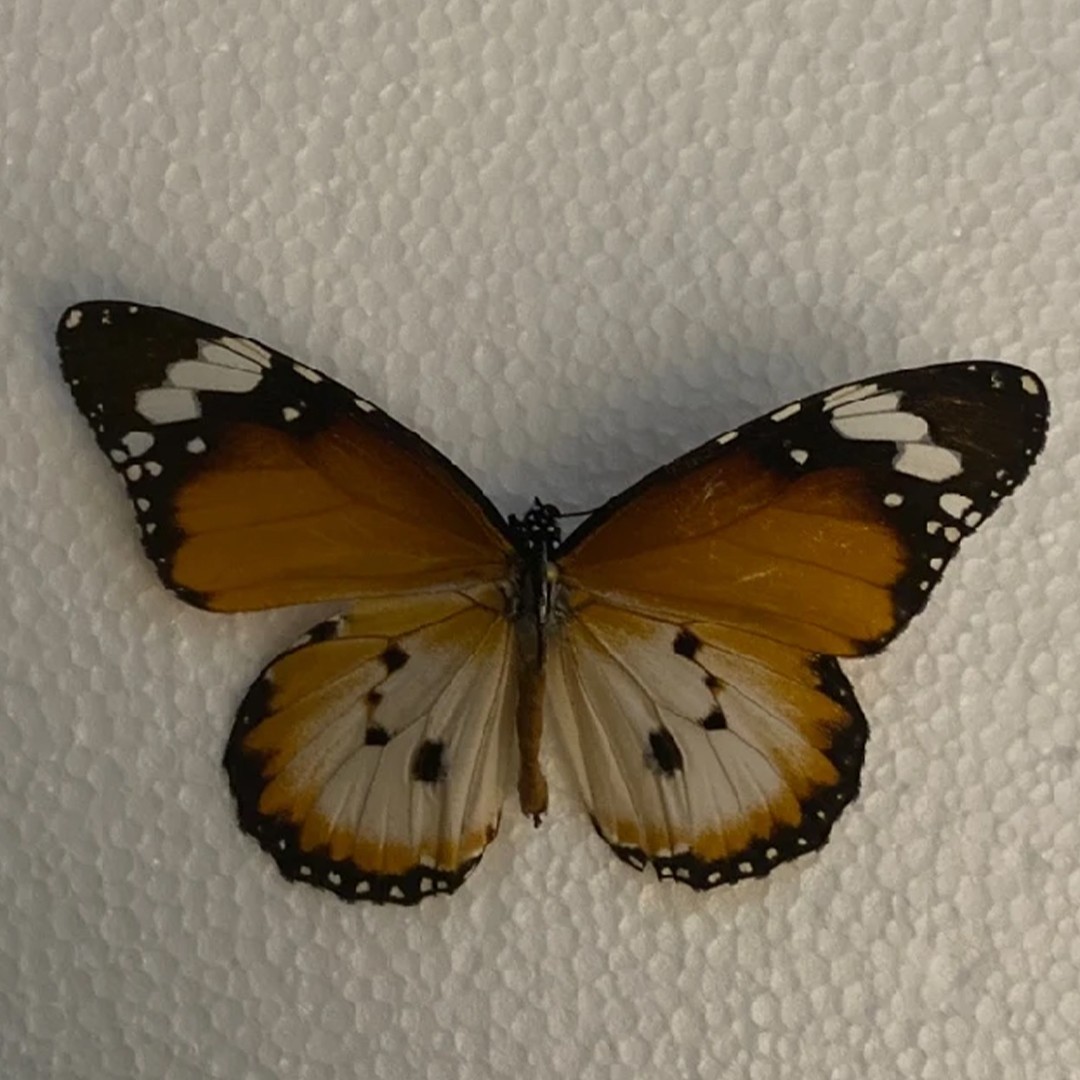
The wingspan is about 40 mm. The species is extremely variable in wing pattern as well as ground colour. It differs from Mangina argus in the head, thorax and forewing being orange yellowish or whitish. The abdomen and hindwings are bright orange. Markings and spots are similar to its neighbor species. The head of the caterpillar is reddish brown when fully grown. Its body is black with white intersegmental rings that contain broken black transverse lines. Spiracles are in orange patches.
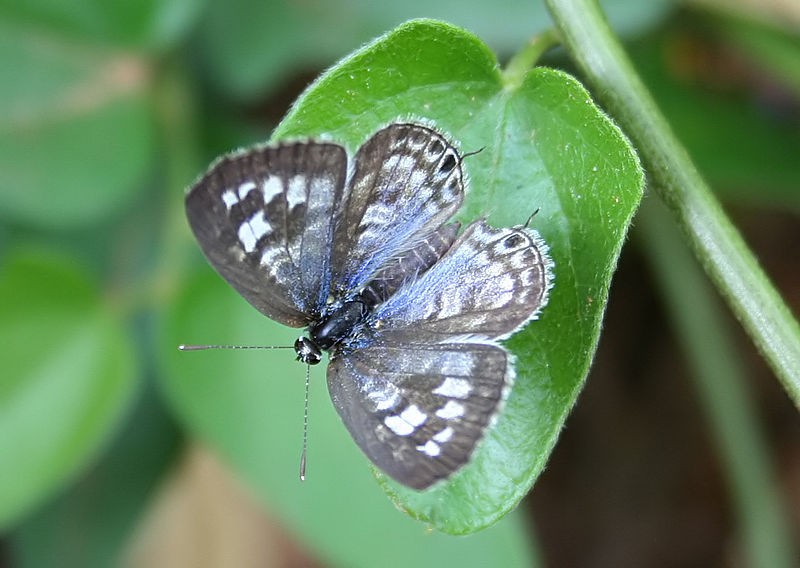
3. Zebra blue
This form closely resembles, in both sexes, on the upperside of Tarucus theophrastus, but the character and disposition of the markings on the underside are completely different. Male upperside: dark violet with, in certain lights, a rich blue suffusion. Forewing: no discocellular black spot so conspicuous as in T. theophrastus; terminal margin with a narrow edging of fuscous black, widest at the apex, gradually decreasing to the tornus, followed by an inconspicuous anteciliary jet-black line. Hindwing: costal margin slightly but broadly shaded with fuscous, which is continued as a slender anteciliary black line to the tornus. Underside: white. Forewing: with the following brownish-black markings: an irregular edging along the costa to near the apex from which extends downwards a subbasal band, broadened across the cell and below it; an irregular band that extends along the discocellulars and below them to interspace 1 where it ends in a point; an upper discal curved band of more even width but dislocated below vein 4, the lower portion of it shifted inwards forms a large quadrate spot in interspace 3, below vein 3 the band is continued downwards by two small inconspicuous spots, beyond this is a very short acutely pointed comma-shaped mark; a very regular evenly curved complete transverse lunular line, a transverse series of subterminal spots and an anteciliary slender line. Close to the base of the wing extended obliquely upwards and outwards from the dorsum is a triangular mark, the edging of white colour left near the base forms above the apex of this mark an acute angle; between the band that crosses the middle of the cell and the transverse discocellular band is a more or less slender, irregular, similarly coloured line; and between the discocellular and upper discal bands another much shorter line that extends from the costa downwards but does not reach vein 4, this is slightly clavate anteriorly and posteriorly. Hindwing: mottled with brownish black that leaves only basal, subbasal, medial and discal transverse lines or bands of the ground colour; the medial and discal bands, which are highly irregular, enclose here and there small brownish markings, the bands themselves coalescing above a very irregularly shaped brown mark that is placed on the posterior half of the middle of the wing; terminal markings as on the forewing but the subterminal spots larger, the apical one especially so, the tornal two spots jet-black and each encircled by a glittering slender ring of metallic green scales. Cilia of both forewings and hindwings, the antennae, head, thorax and abdomen much as in T. theophrastus. Female. Upperside very closely resembles that of female T. theophrastus, but the extent of white on the forewing is greater so that there is a greater area of white to be seen between the brown markings superposed on it, these markings have the appearance of an irregularly formed V on a white background. Hindwing much as in T. theophrastus. Underside: similar to that of its own male but the brown bands less broken, more regular. Cilia, antennae, head, thorax and abdomen as in the male. It is found in the Ethiopian region, the north-western Himalayas to Kumaon, the plains of northern India; central and western India, Sri Lanka, Assam, Myanmar, Tenasserim in the low hot valleys of the north; extending to China and in the Malayan subregion to Java. The description given above is taken from males and females of wet-season broods. Specimens of the dry-season broods are paler on the upperside with, in the male only anteciliary black lines to the wings. On the underside the markings on the wings will, on careful examination, be found very similar but paler brown and all very much reduced in width so that a greater extent of the white ground colour is visible.
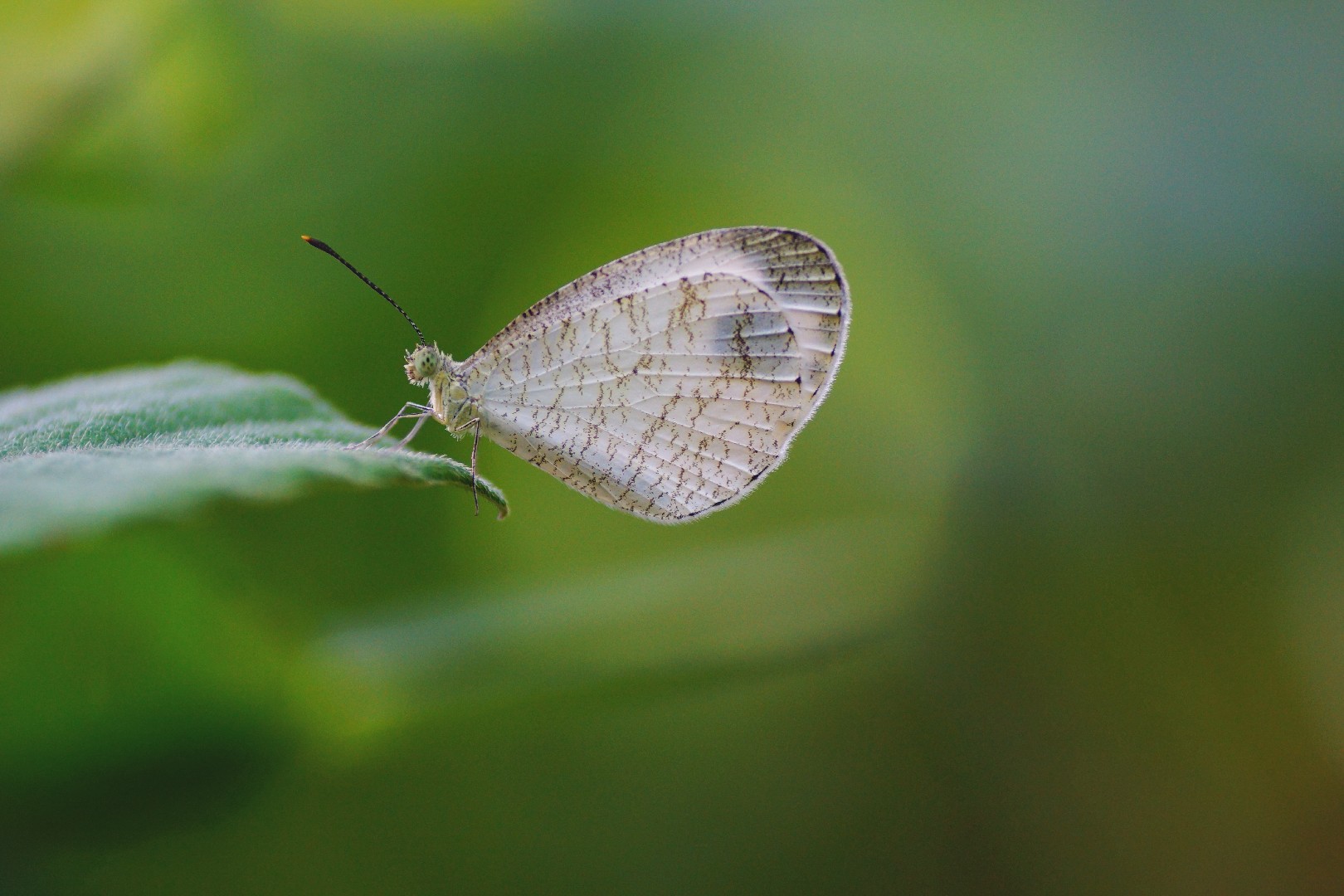
4. Psyche
Upperside is white,base of wings are very slightly powdered with minute black scales.The costa of forewing is speckled obscurely with black; apex black, the inner margin of this inwardly angulate; a very large somewhat pear-shaped post-discal spot also black. Hindwing is white,in most specimens an obscure, extremely slender, terminal black line. Underside is white; costal margin and apex of forewing broadly, and the whole surface of the hindwing irrorated (speckled) with transverse, very slender, greenish strigae and minute dots; these on the hindwing have a tendency to form sub-basal, medial and discal obliquely transverse obscure bands; the postdiscal of forewing is black,spot as on the upperside; terminal margins of both forewings and hindwings with minute black, short, transverse slender lines at the apices of the veins, that have a tendency to coalesce and form a terminal continuous line as on the upperside. Antennae dark brown spotted with white, head slightly brownish, thorax and abdomen white. Female is similar as male, the black markings on the upperside of the forewing on the whole slightly broader, but not invariably so. Wingspan is 2.5 - 5 cm. Larva is green with a pale glaucous tinge about the bases of the legs and slightly hairy. Pupa sometimes green, but more often of a delicate pink shade.

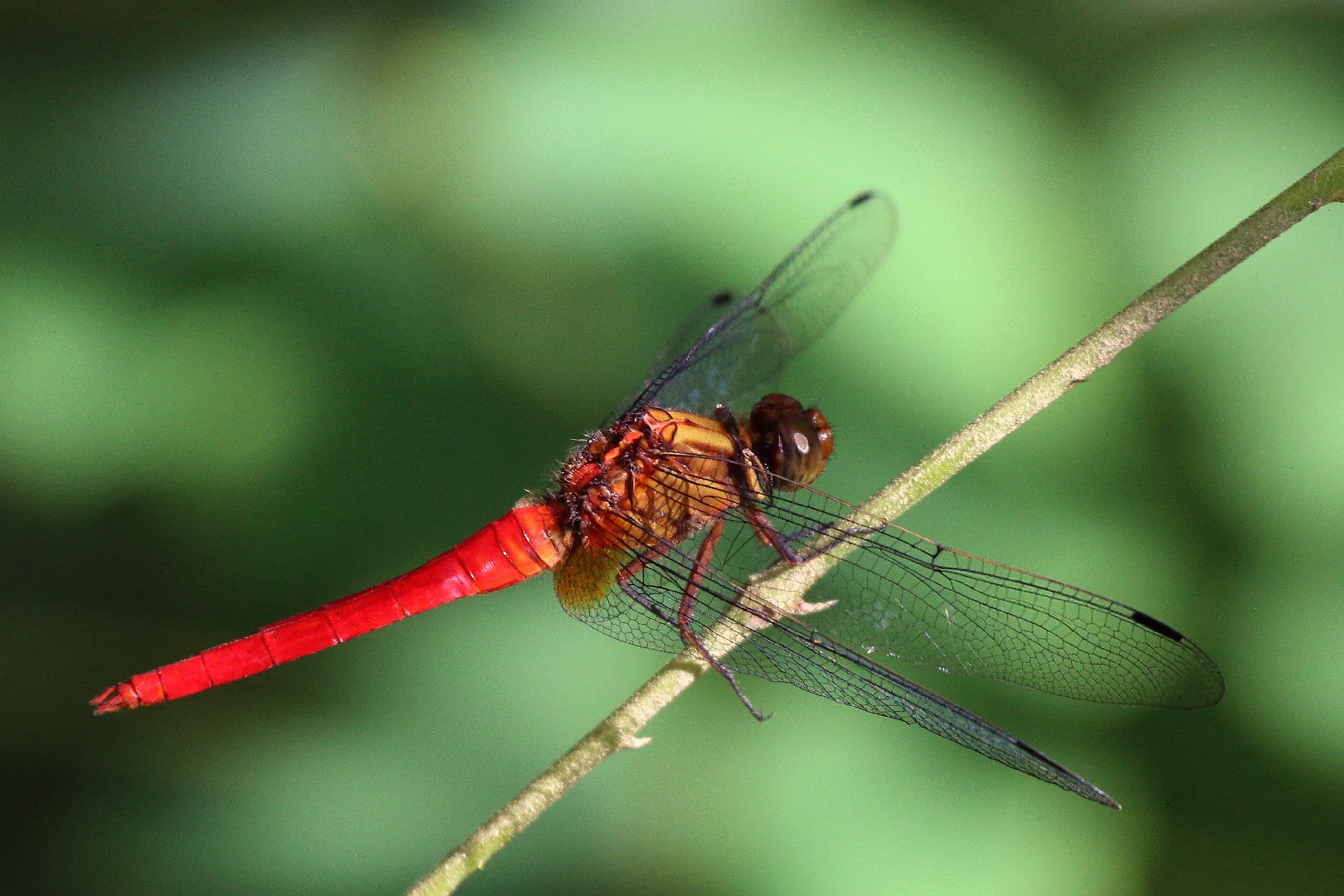
5. Scarlet skimmer
The species is on the IUCN Red List as not endangered, year of assessment 2009.
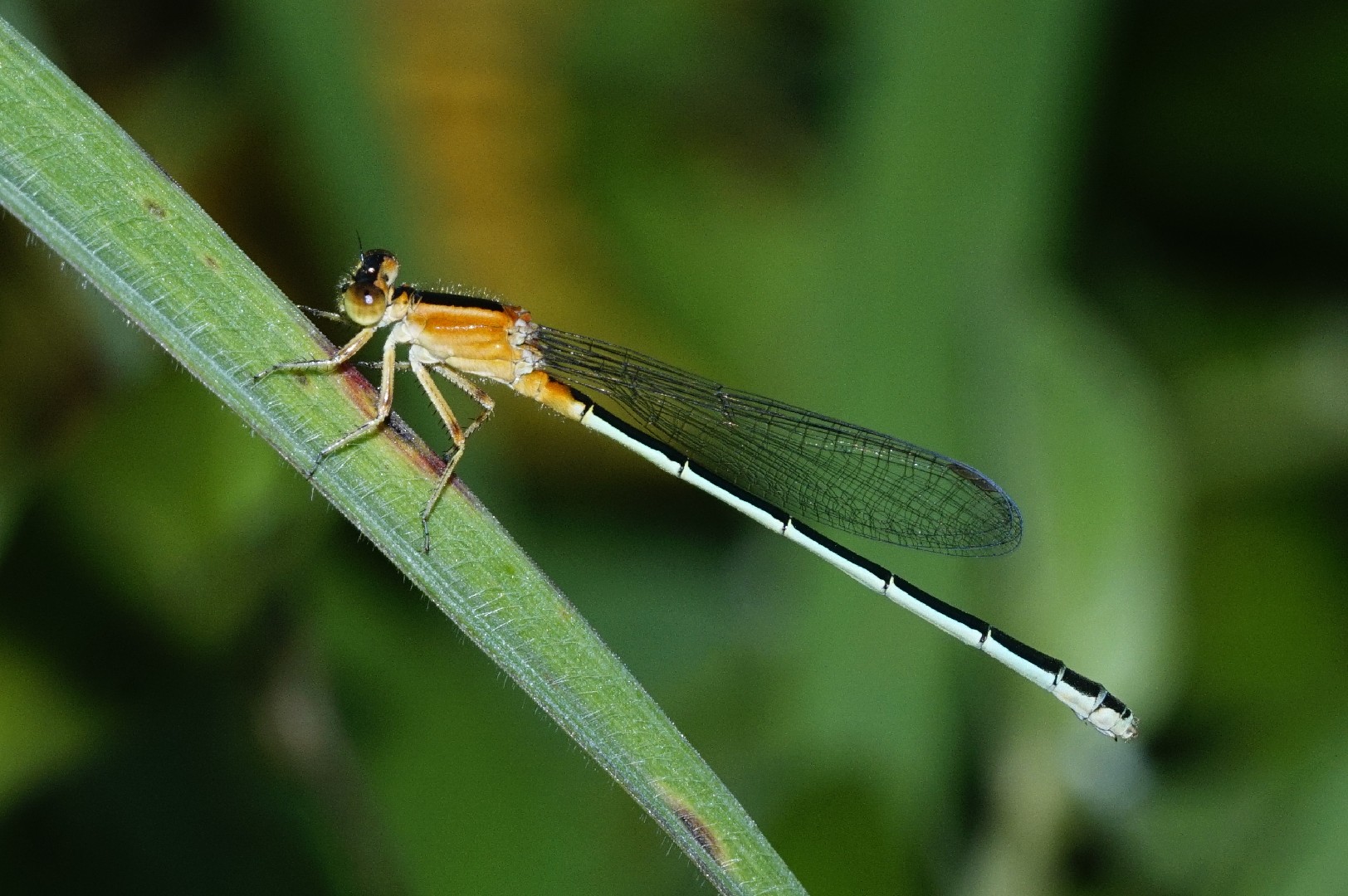
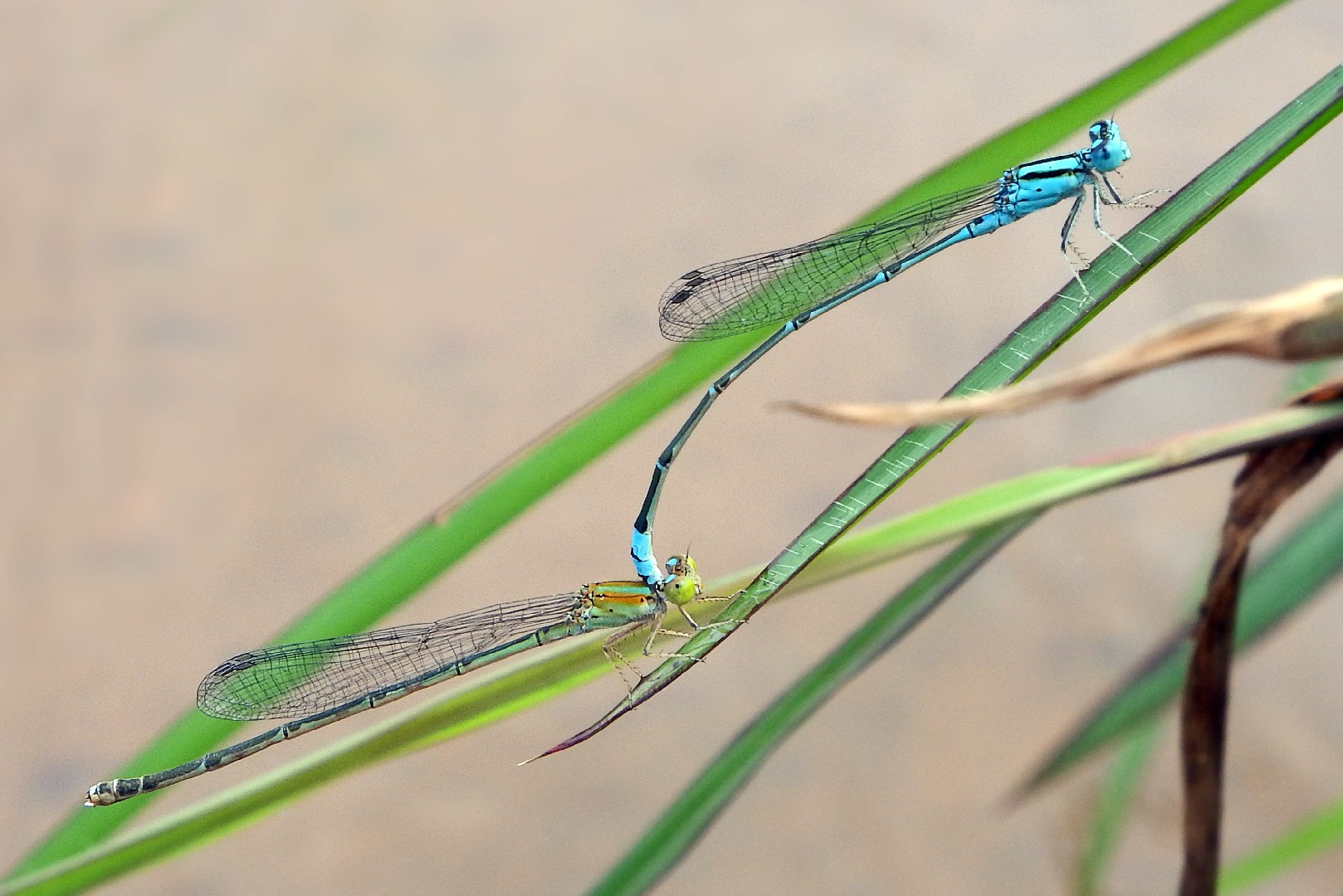
6. Common bluetail
The Senegal Pechlibelle (Ischnura senegalensis) is a dragonfly from the family of the slender dragonflies (Coenagrionidae).
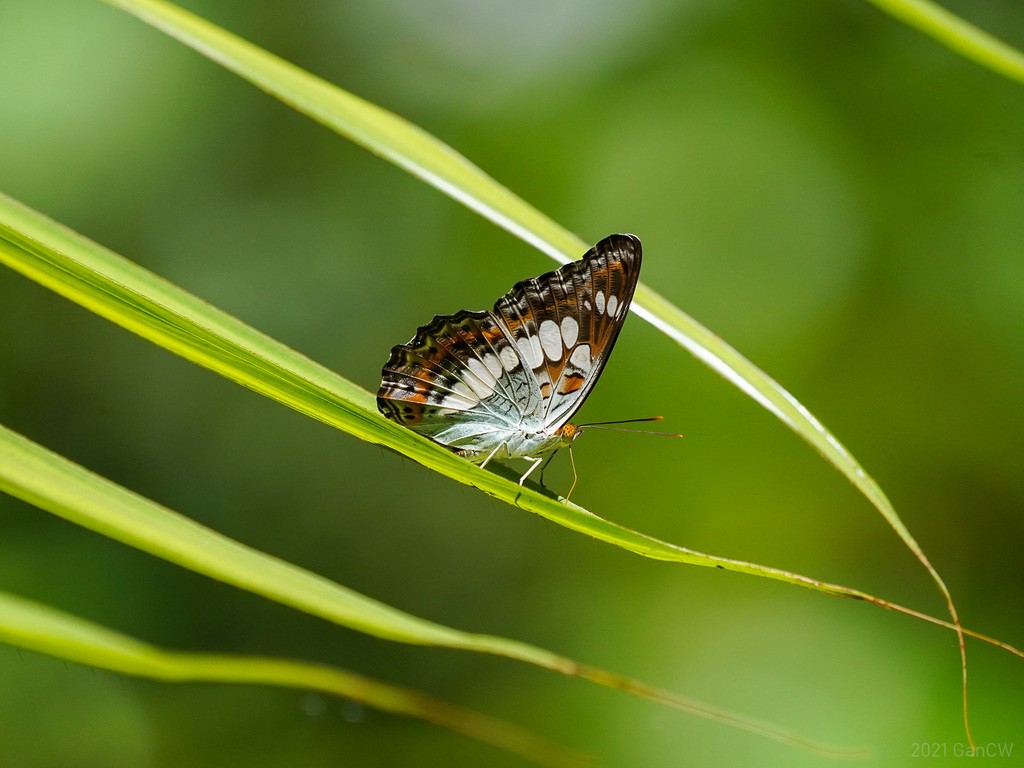
7. Commander
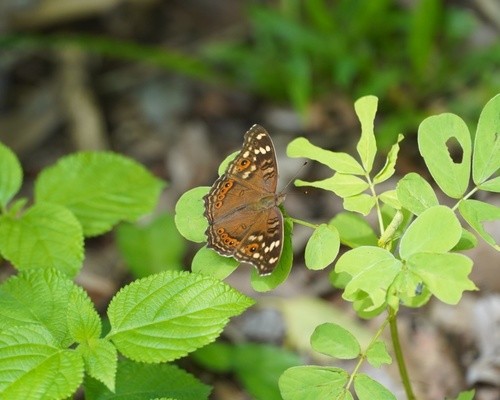
The commander has a wingspan of about 6 to 7.5 cm (2.4 to 3.0 in). The upperside of its wings are a bright reddish brown. Towards the centre of the wing are broad white spots. In flight, one can see a bright red brown butterfly with a white band forming a V shape. There are also a few white spots scattered on the wings. Its hindwings have crenulated margins. The undersides of the wings are a whitish grey toward the base and have a row of dull reddish brown and a row of black spots along the margins. The male and female are similar in appearance. Male and female. Upper side, ground colour rich ferruginous-red, the basal area slightly tinged with olivescent yellowish-ferruginous. Cilia alternately black and white. Forewing with three black slender bars crossing the cell, and three similar bars below the cell between the basal interspaces of the middle and lower medians; beyond the cell is a large outwardly-oblique pure bluish-white more or less triangulate spot followed by a transverse discal macular band, broadest in the dry-season brood, composed of a series of large broad pure bluish-white spots proceeding from the costa to the posterior margin, of which the upper five are subapical and disposed obliquely outward, the third and fourth being ovate, the upper two very slender and divided by the second subcostal branch, the fifth much the smallest; the next four are disposed somewhat obliquely inward and are much larger, the sixth (or upper) triangularly ovate, the seventh longest and bluntly ovate or somewhat quadrate, the eighth quadrate with its outer edge indented, and the lowest narrow; all these white spots are bordered with black, which colour broadly extends from the cell along the costa and thence decreases hindward; beyond is an outer marginal broad lunularly inner-edged, or occasionally dentate, black waved band, which is traversed by two contiguous slender grey sinuous marginal lines. Hindwing with three black slender bars crossing the cell, and a small spot between the basal interspaces of the veins above the cell; a transverse medial discal broad pure bluish-white macular black-bordered band terminating at the submedian, its inner edge somewhat regular and its outer edge scalloped ; followed by an outer discal row of black ill-shaped cordate spots, which are more or less obsolescent posteriorly, or occasionally entirely absent, a similar submarginal row of smaller dentate spots, and then a contiguous narrow waved black marginal band traversed by two slender grey sinuous lines. Underside. Basal area bluish or olive-grey, the outer discal area and the apical veins of forewing bright red; discocellular spot on forewing and transverse discal macular band, as above, bluish-white or greyish-white and black bordered; basal bars black, with the interspace between the middle cell bars and of those below the cell on the forewing bright red; marginal markings as above, except that the marginal sinuous fines are violet-grey, and the inner line broadly encompassing the submarginal black spots on the hindwing. Body above red; palpi above black, beneath greenish-white; body beneath and legs bluish-grey; antennse black, tip reddish beneath; eyes bronzy-brown.
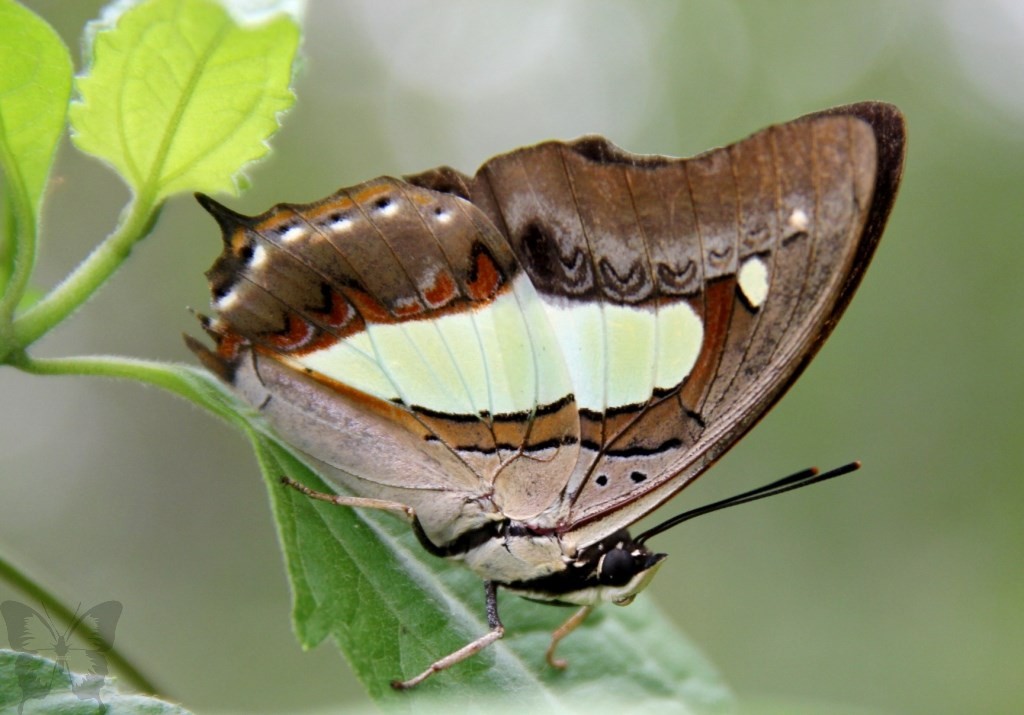
8. Common nawab
Upperside of male and female is black. Forewings and hindwings with a discal broad transverse area from below vein 4 in forewing to vein 2 on hindwing, a moderately large spot in interspace 5, a minute preapical dot beyond in interspace 6 on forewing, and a subterminal row of spots with two or three spots beyond them on the tornal angle of the hindwing, pale yellow, sometimes with an ochraceous, sometimes with a greenish tinge. The discal area on the forewing nearly as broad in interspace 3 as on the dorsum, on the hindwing narrowing to an acute point on vein 2 at two-thirds of its length from base of wing. Tails touched with bluish grey. Underside with the discal transverse area and spot in interspace 5 as on the upperside; base and costal margin of the forewing to apex, and base and dorsal margin of the hindwing broadly lilacine brown, on forewing with two small black spots near base. Bordering the transverse discal area on the inner side, where it is margined with black lines, and above, is a broad chocolate carved band, continued more narrowly along the outer side of the discal area; beyond this on the forewing is a concave series of dusky black lunules, on the hindwing the band itself is traversed by a line of obscure pale lunules; finally on the hindwing there is a subterminal series of internally white-bordered black spots followed by an obscure ochraceous terminal line, and above the tornal angle a slender transverse black line from vein 1 to the dorsal margin. Wingspan 6 - 9 cm. Caterpillar is elongated, slug-shaped, dark green; head large, wide and surmounted by four divergent curved fleshy spinous processes; anal segment with two short naked terminal points; the segments with an oblique yellowish-white lateral stripe, most prominent on the 7th, 9th and 11th segments, and beneath these a lower series of small white spots. Pupa is thick, cylindrically oval; green streaked with white; dorsum and thorax convex; head broad, truncated, obtusely pointed in front.
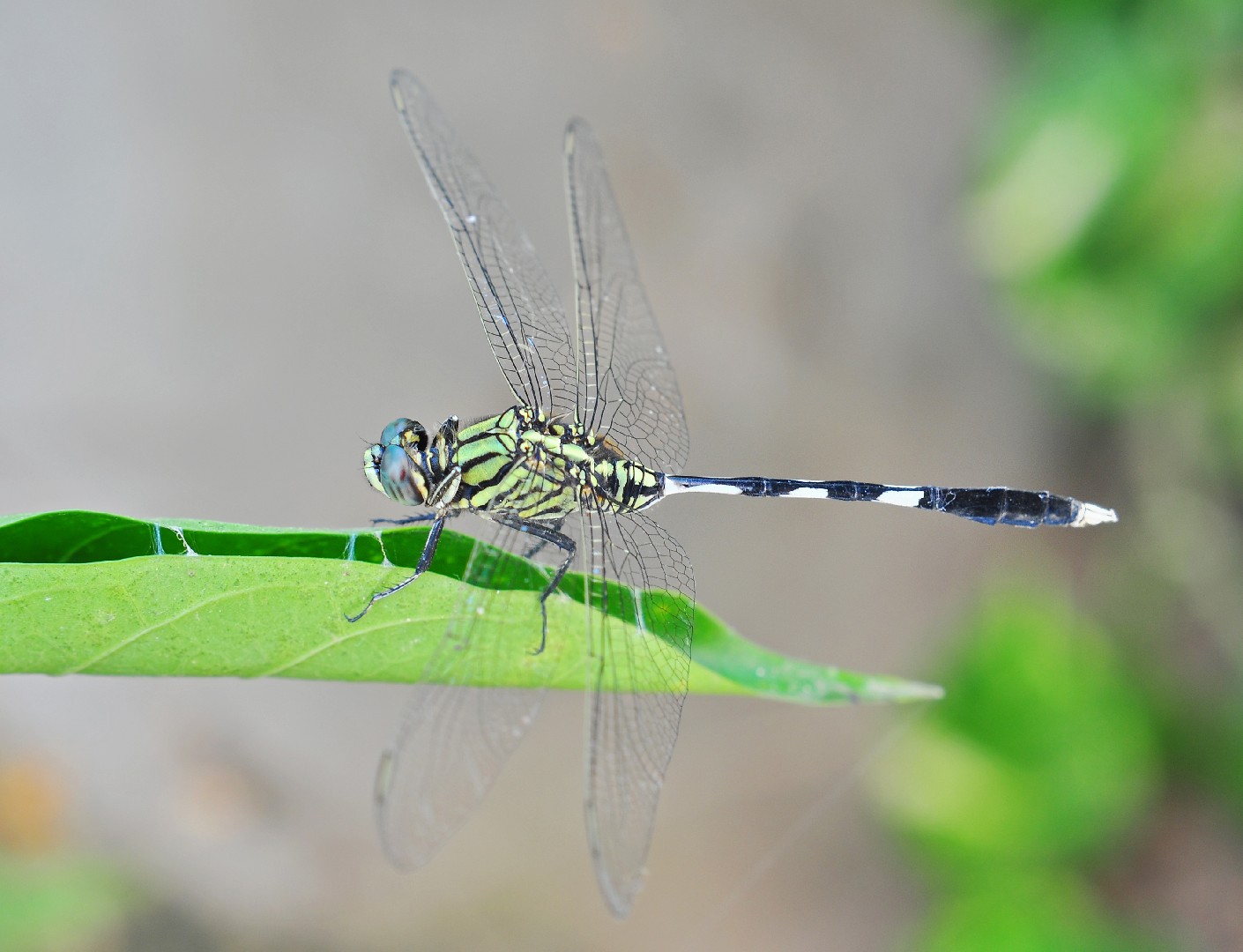
9. Slender skimmer
The species is on the IUCN Red List as not endangered, year of assessment 2009. The slender bank dragonfly occurs from Southeastern Europe and North Africa to Japan and Australia

10. Common baron
The forewing has two transverse short black lines at the base, a black loop across the middle, and another beyond the apex of the cell, with their centres dark brown, followed by an angulated discal dark brown band bordered outwardly by a series of five white spots; two preapical white spots beyond and a broad, somewhat diffuse, subterminal black band broadening over the apex and angulated inwards in interspace 1.Hindwing shaded with dark brown at base, two crescent-shaped dark brown loop-like marks in cell; a discal series of dark brown, elongate, outwardly acute, inwardly diffuse, somewhat hastate spots, followed by a subterminal series of small spots of the same colour. Underside ochraceous brown. Forewing on the underside shows five transverse slender black lines across cell; a black spot below median vein; discal and preapical white spots as on the upperside, succeeded by a postdiscal series of somewhat diffuse crescent-shaped black marks, and a broad terminal pale lilac band not reaching the apex, bordered narrowly along the termen with dark brown. Hindwing with four or five slender black loops at base, a posteriorly obsolescent postdiscal series of diffuse black marks and a subterminal series of black dots; the termen near apex touched with pale lilac. Antennae, head, thorax and abdomen dark brown, the antennae ochraceous at the tip, the body paler beneath. The female is similar but of a paler shade. Upperside forewing differs from that of the male in the absence of the dark discal and subterminal bands, and in the series of discal spots being elongate, much larger.
More







