




Top 20 Most Common Insects in Iran
Insects, arrayed in all sizes, shapes and colors, are an integral part of Iran's diverse ecosystems. From the parched desert regions to the lush Caspian hyrcanian forests, geographical variations within Iran account for an immense range of insect inhabitants. Explore the 20 most common insects in Iran to understand how the environment shapes their prevalence and roles, either as pests or as beneficial players in the maintenance of biodiversity.

Most Common Insects
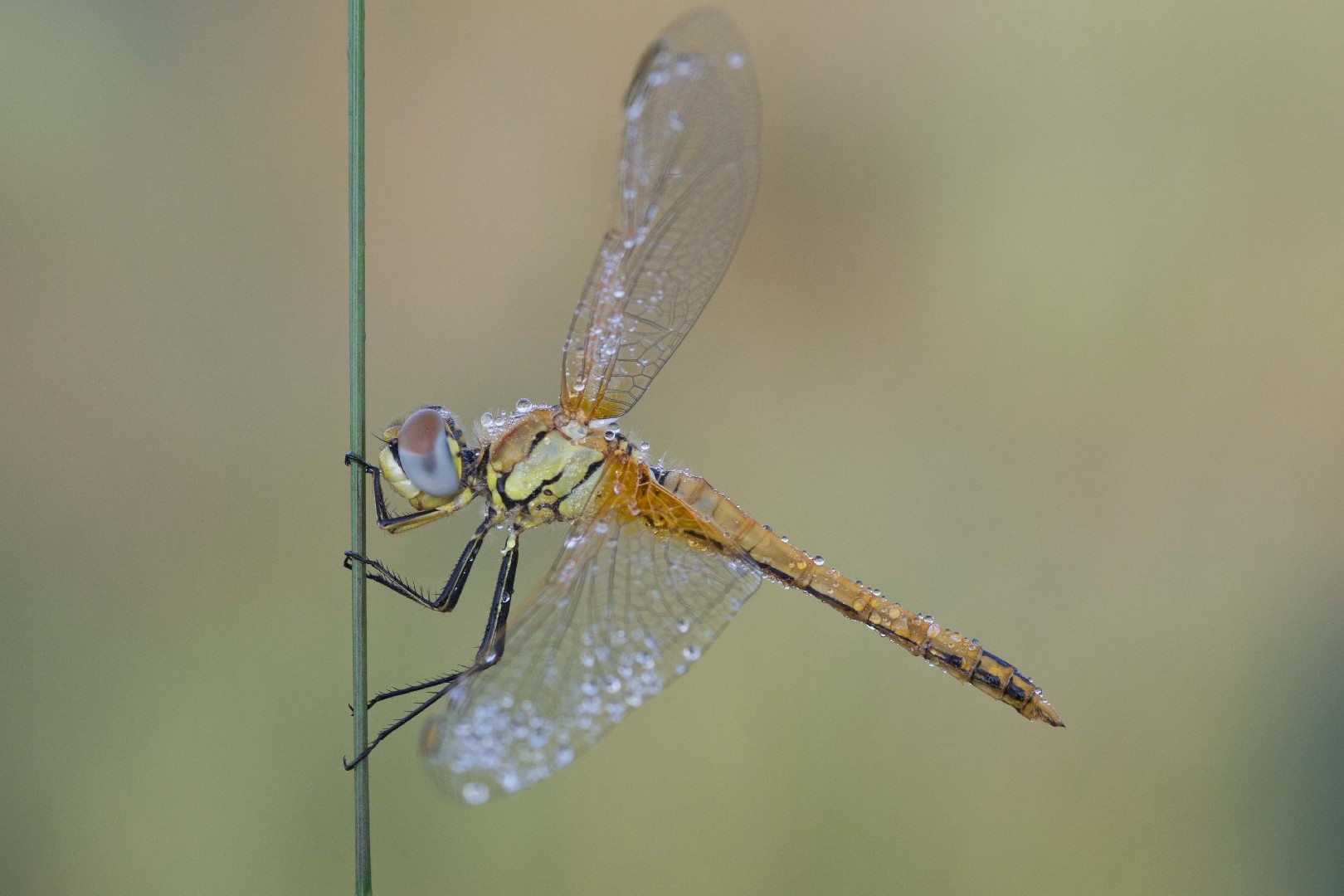
1. Red-veined darter
The Early Darter (Sympetrum fonscolombii) is a species of dragonfly in the family of the leaflets (Libellulidae), which belongs to the great dragonfly (Anisoptera).
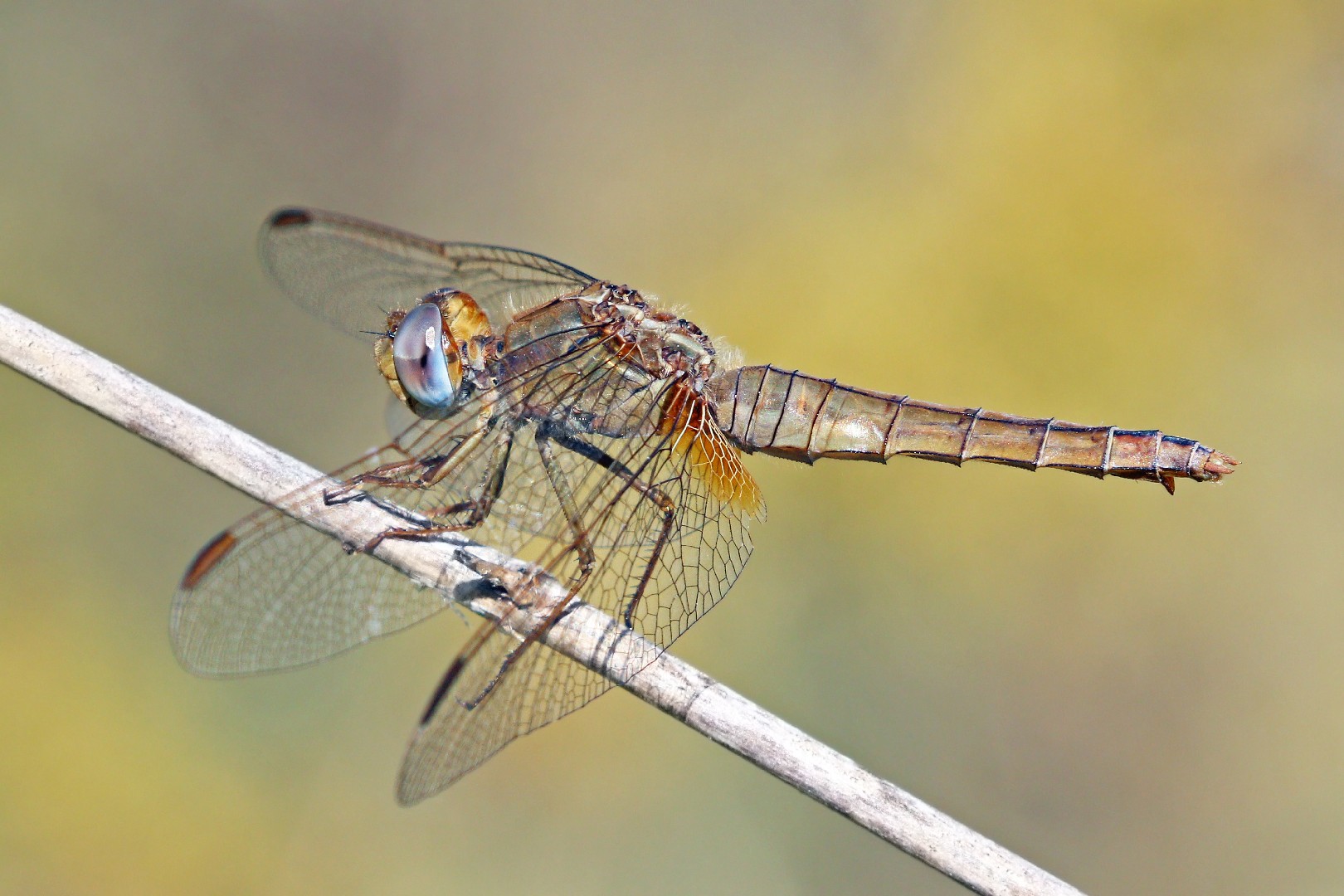
2. Scarlet dragonfly
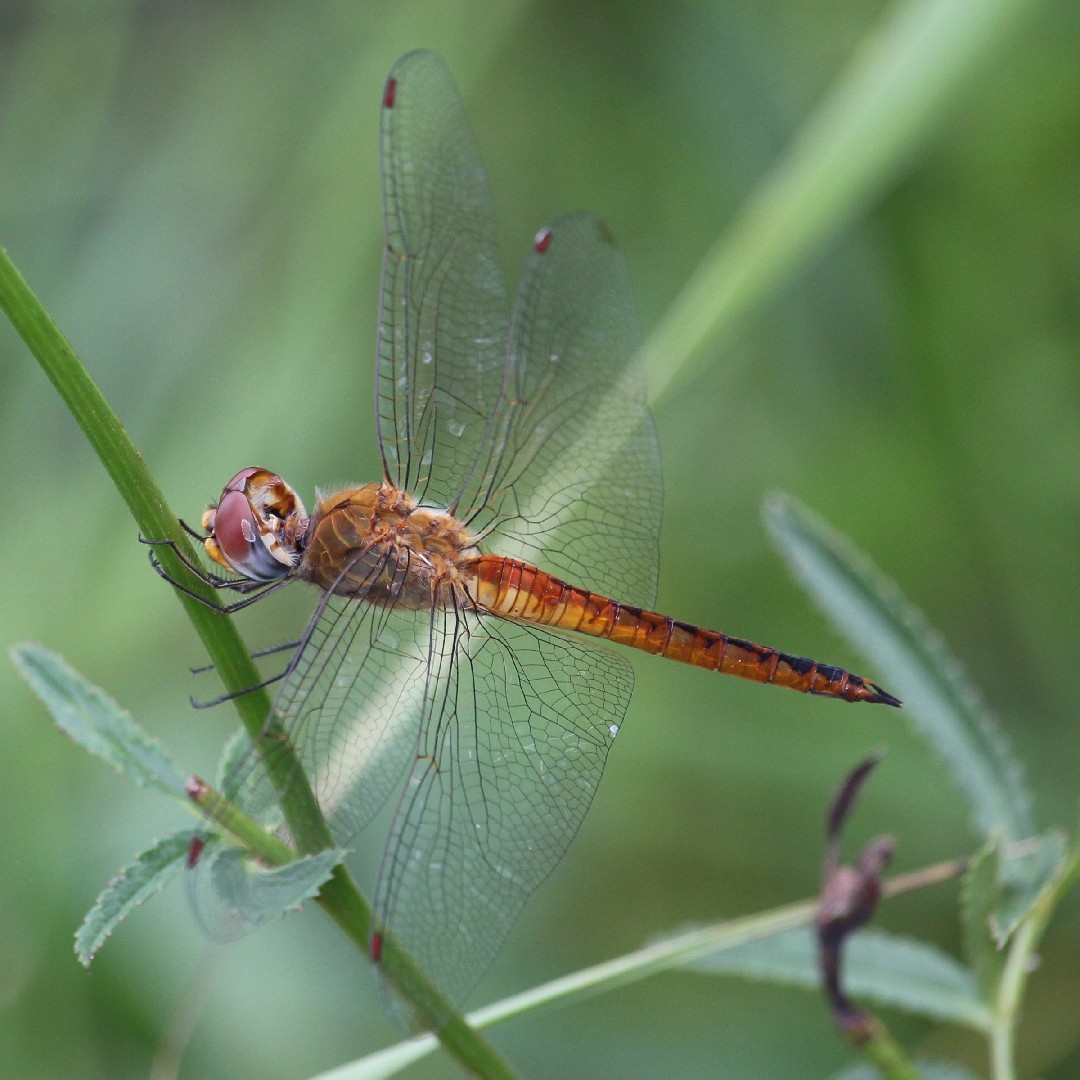
Crocothemis erythraea can reach a length of 3.5 - 4.5 cm. These dragonflies haves a flattened and rather broad abdomen. The adult male scarlet dragonfly has a bright scarlet red, widened abdomen, with small amber patches at the bases of the hindwings. Also the veins on the leading edges of the wings are red. Females and immatures are yellow-brown and have a conspicuous pale stripe along the top of the thorax. 
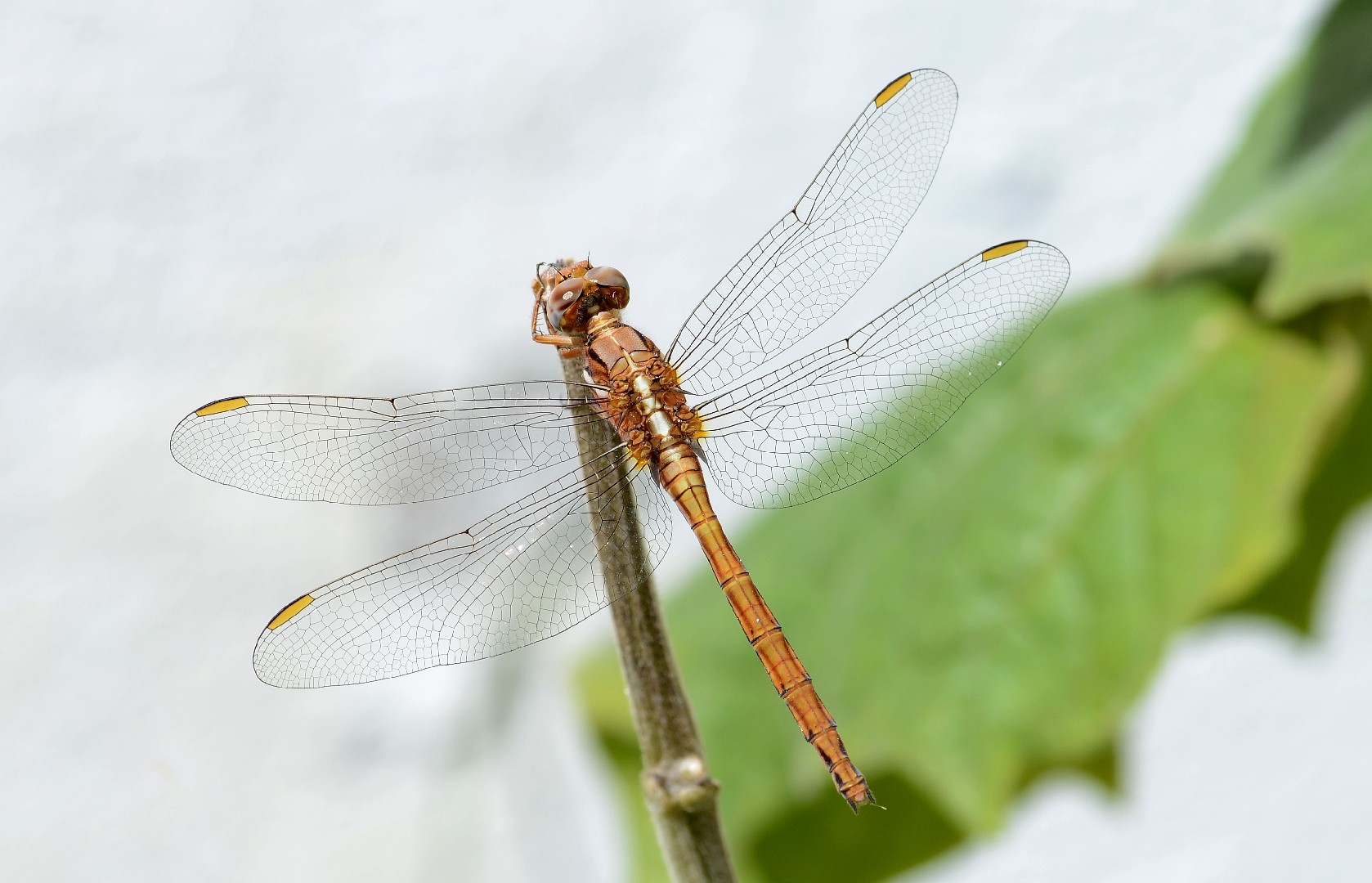
3. Keeled skimmer
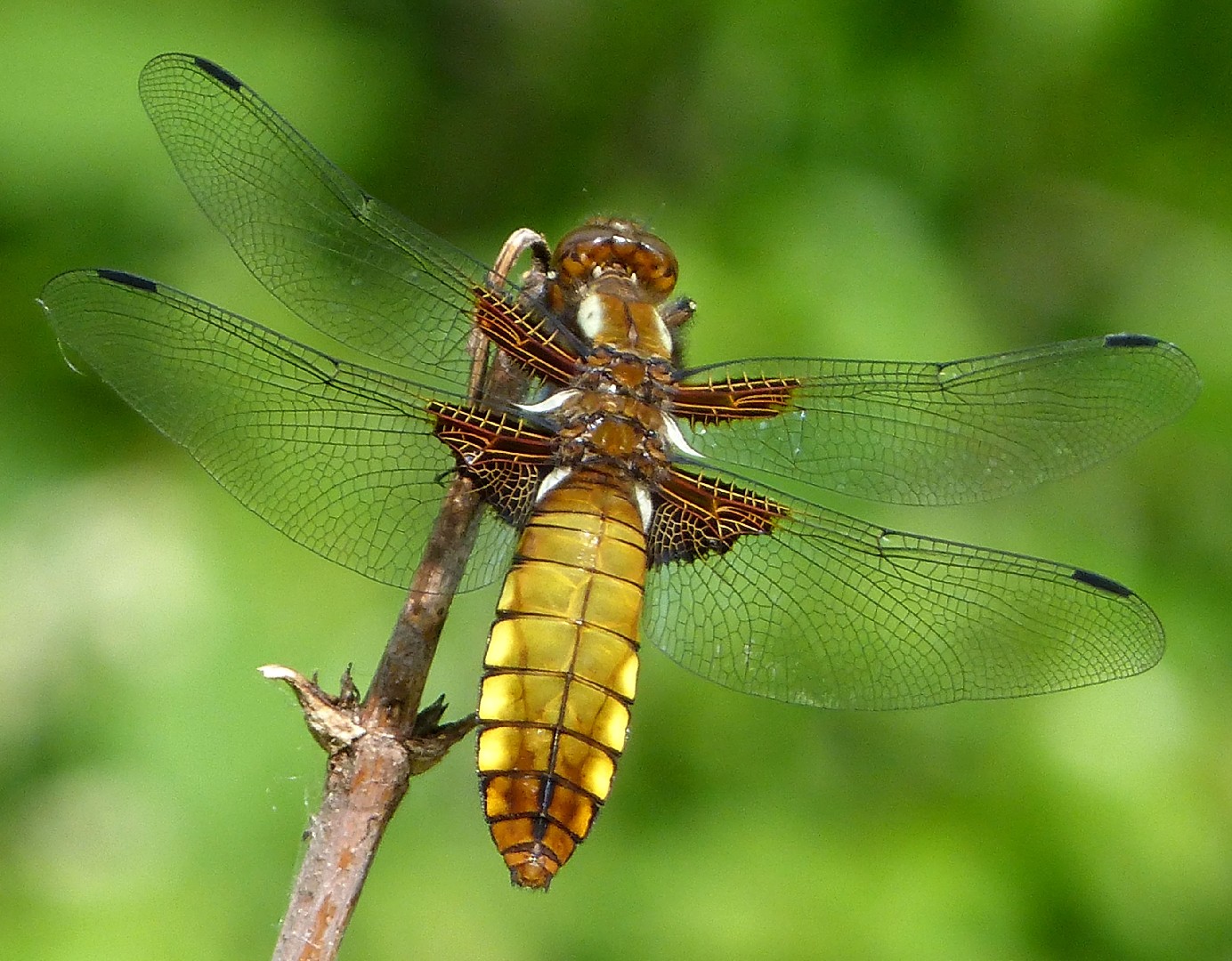
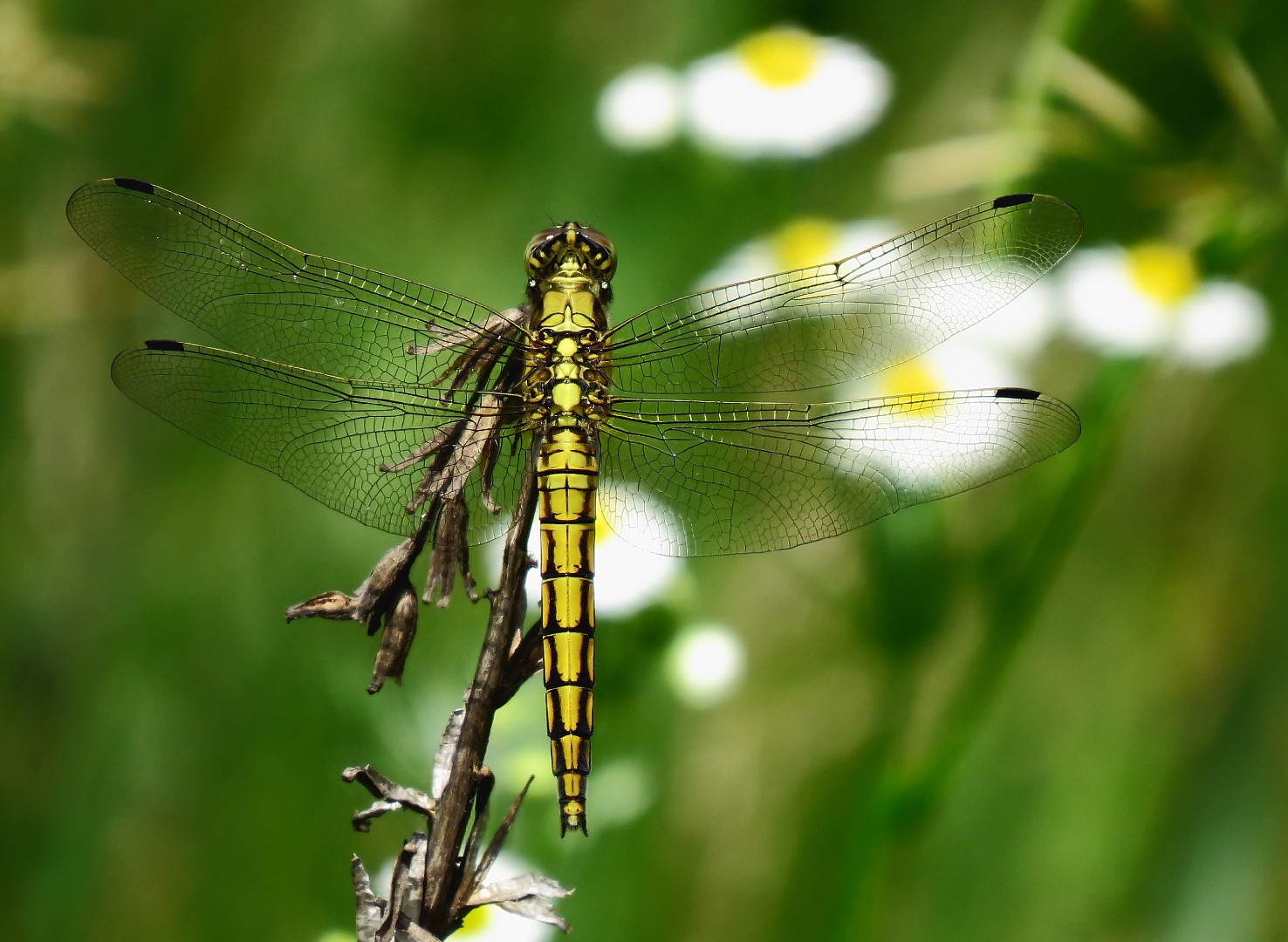
Orthetrum coerulescens can reach a body length of 4 - 4.5 cm. These dragonflies have a thorax with pale yellow ante-humeral stripes. In the males the color of these stripes fades with age. The abdomen is rather slim and shows an evident dorsal keel. Males have blue-grey eyes and a blue pruinescence on the abdomen, developed with age. Young males are yellow-brown. On the contrary some (androchrome) females at the end of the reproductive cycle assume the bluish color of the male. In the female the abdomen is yellowish-brown, with a thin median black line and small transverse lines to the connections of the various segments. The hyaline wings have yellow costa and a long yellow-brown pterostigma (about 4 mm). This species resembles the black-tailed skimmer but is smaller and slimmer and the male has no black tip. Females and immature males lack the black abdominal pattern.
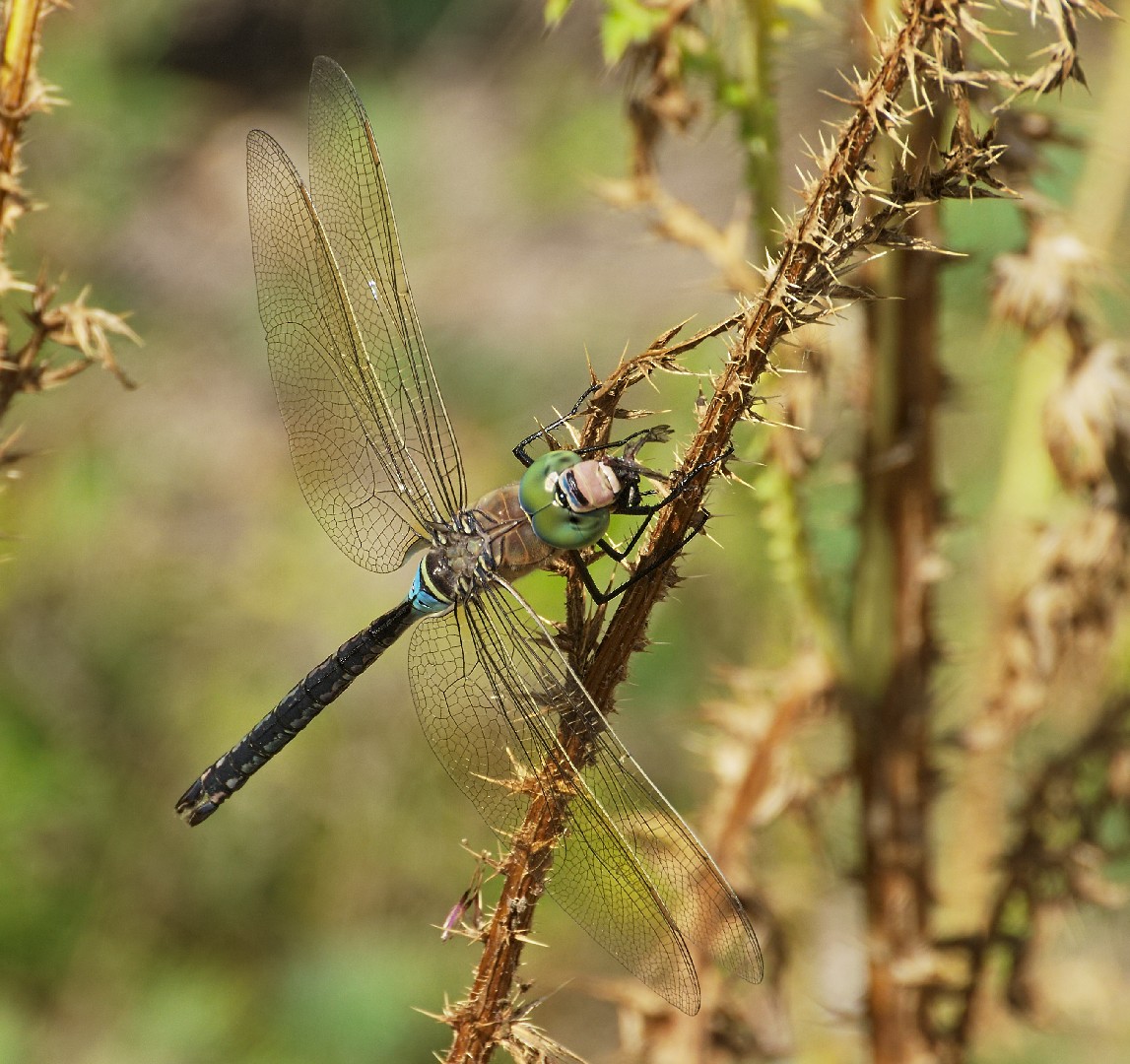
4. Lesser emperor
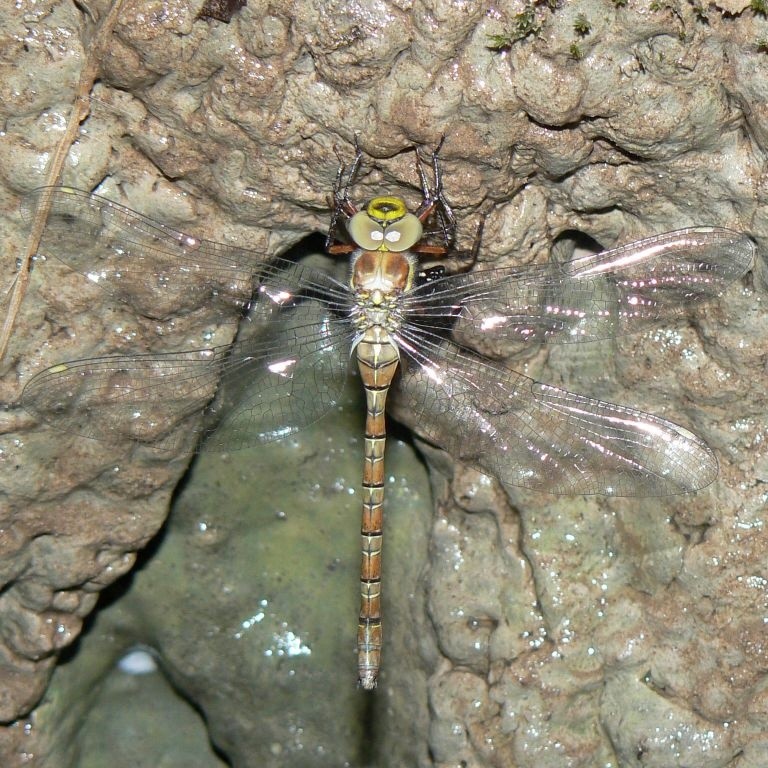
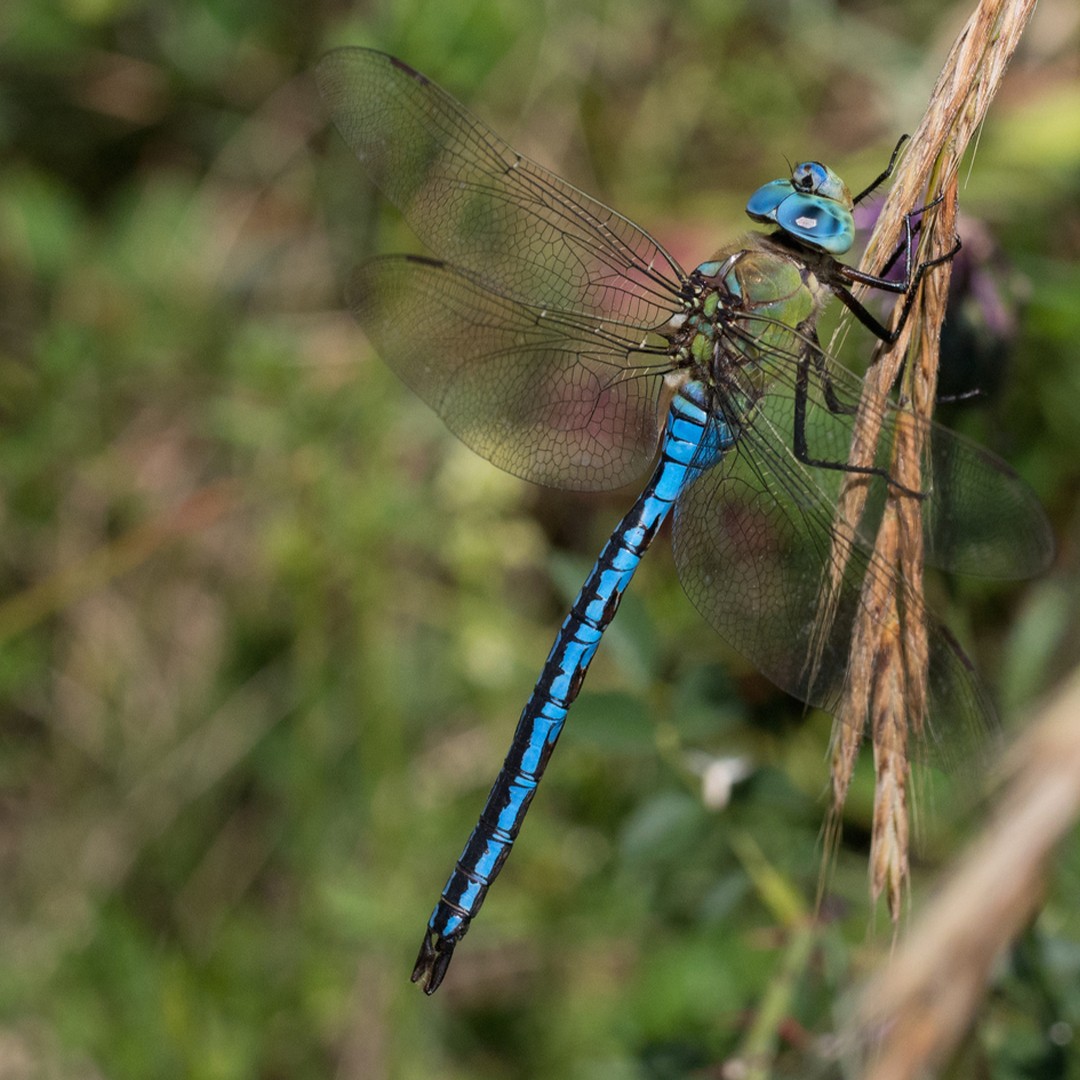
Its labium and labrum are golden-yellow and face and frons are greenish yellow and eyes are green, bluish when aged. Its thorax is pale olivaceous brown with dark brown sutures. Its segment two of the abdomen is turquoise blue. Segment three has a large blue patch at each side. Segments 4 to 9 have an irregular black middorsal stripe. Segment 10 is black.
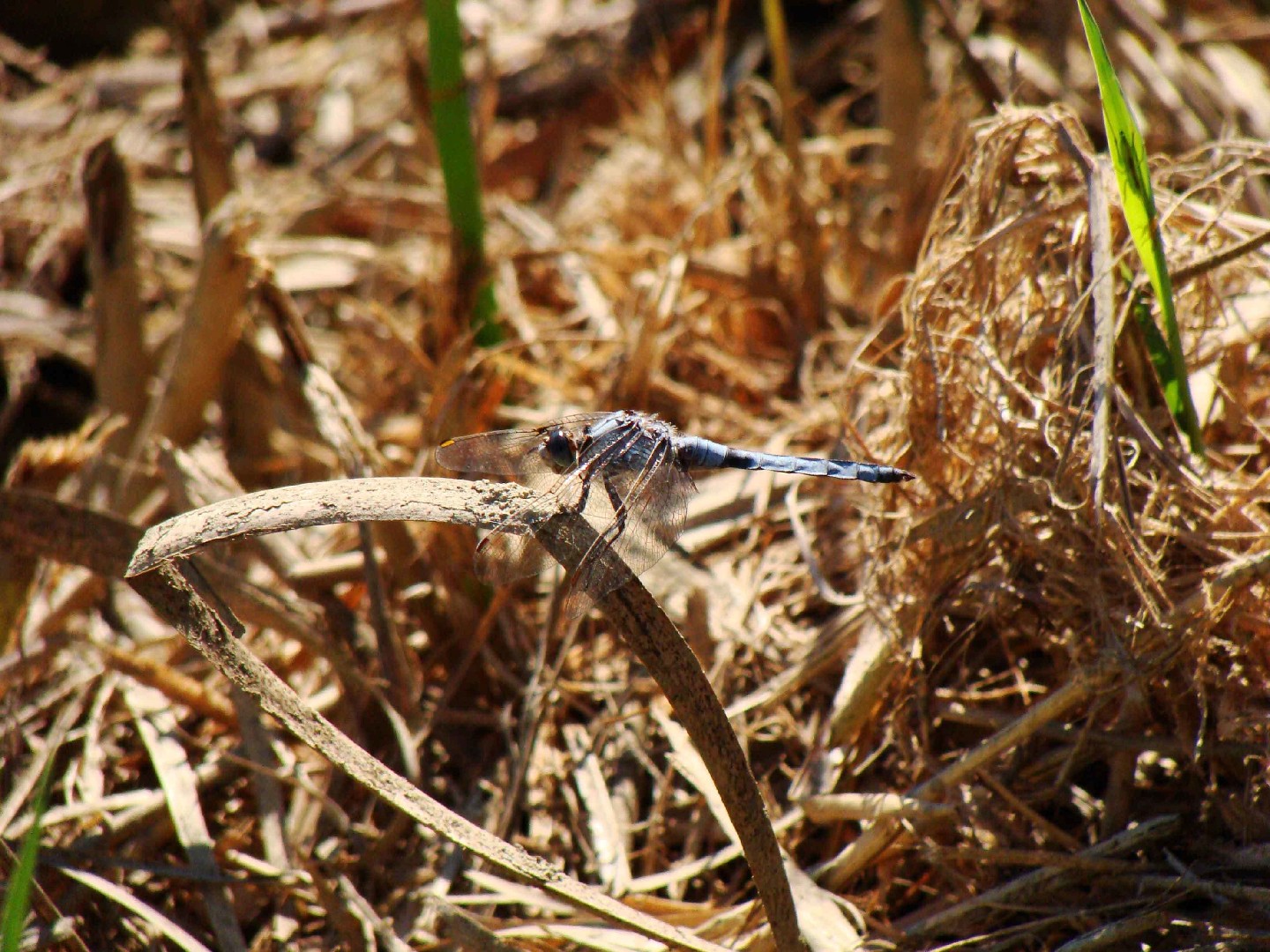
5. Southern skimmer
The adults grow up to 4 - 4.5 cm long. The thorax and the abdomen are pale blue in males, yellowish-brown or greyish-brown in females. Young males are brownish. The abdomen is relatively flattened and shows a thin middorsal black line and distinct points on each segment. The wings are hyaline, with yellow or pale brown pterostigma. The wingspan reaches 7 - 7 cm.
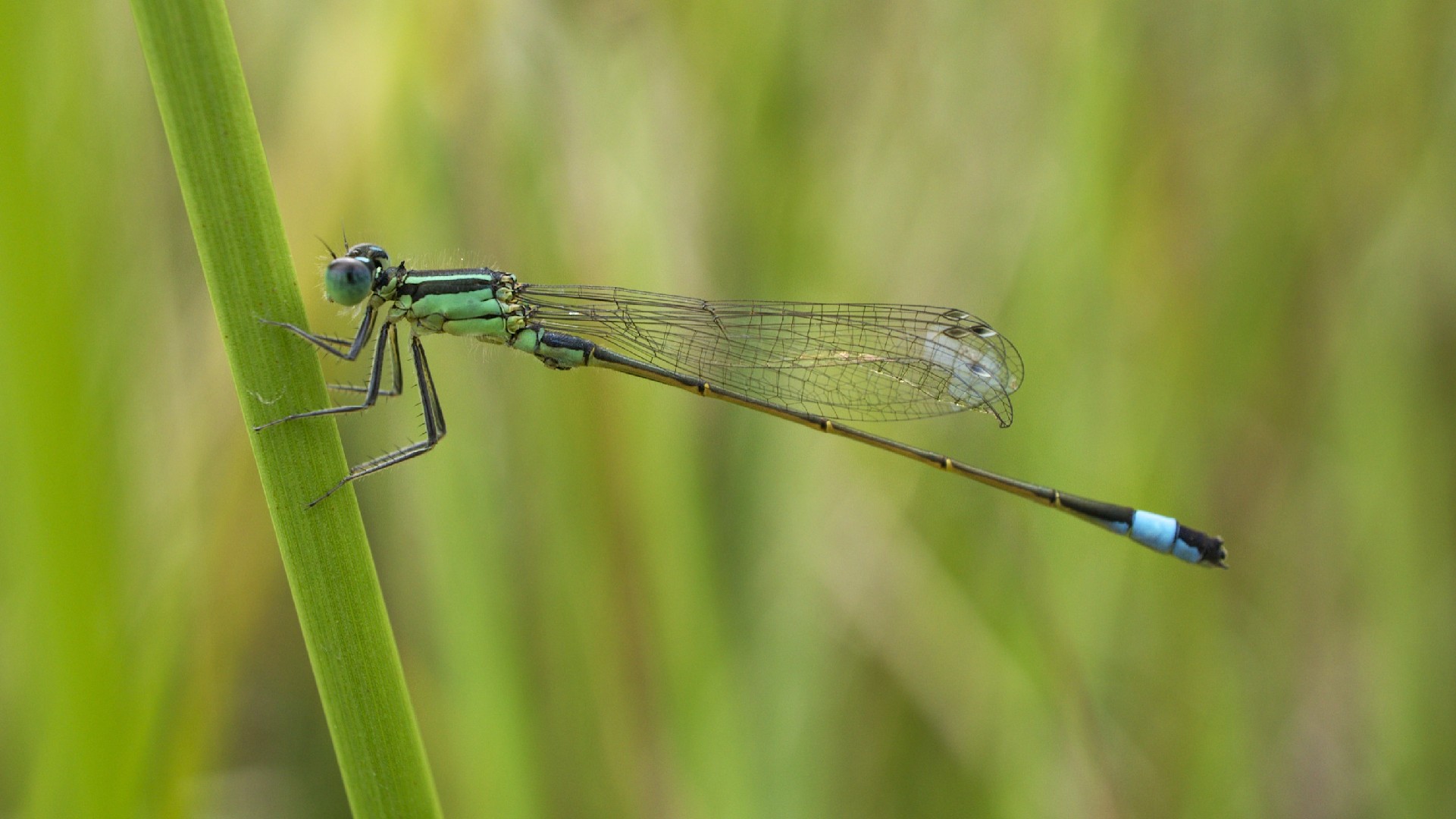
6. Blue-tailed damselfly
Ischnura elegans can reach a body length of 2.5 - 3.5 cm and a wingspan of about 3.5 cm. Hindwings reach alength of 1.4 - 2 cm. Adult male blue-tailed damselflies have a head and thorax patterned with blue and black. There is a bi-coloured pterostigma on the front wings. Eyes are blue. They have a largely black abdomen with very narrow pale markings where each segment joins the next. Segment eight, however, is entirely pale blue. At rest, the wings of most damselfly species are held back together, unlike dragonflies, which rest with their wings out flat. The thorax of juvenile males has a green tinge. Female blue-tailed Damselflies come in a variety of colour forms.Juveniles may be salmon pink, form rufescens; violet, form violacea and a pale green form. The colour darkens as the damselfly ages. Mature females may be blue like the male, form typica; olive green thorax and brown spot, form infuscans or pale brown thorax and brown spot, form infusca-obseleta.

7. Banded demoiselle
This is a large damselfly with a total length of up to 1.9 in and a hindwing length of up to 1.4 in. Male and female are variable in color and pattern. The male has translucent wings which each have a broad, dark iridescent blue-black spot (or band) across the outer part. On immature dragonflies the spot is dark brown. The body can be a metallic blue or bluish green or a combination of both colours, depending on the time of year and location. The dark wing patch of the male starts at the nodus (the slight dip midway down the upper edge of the wing) but can reach up to the wing-tip in southern races.

8. Scarlet skimmer
The species is on the IUCN Red List as not endangered, year of assessment 2009.
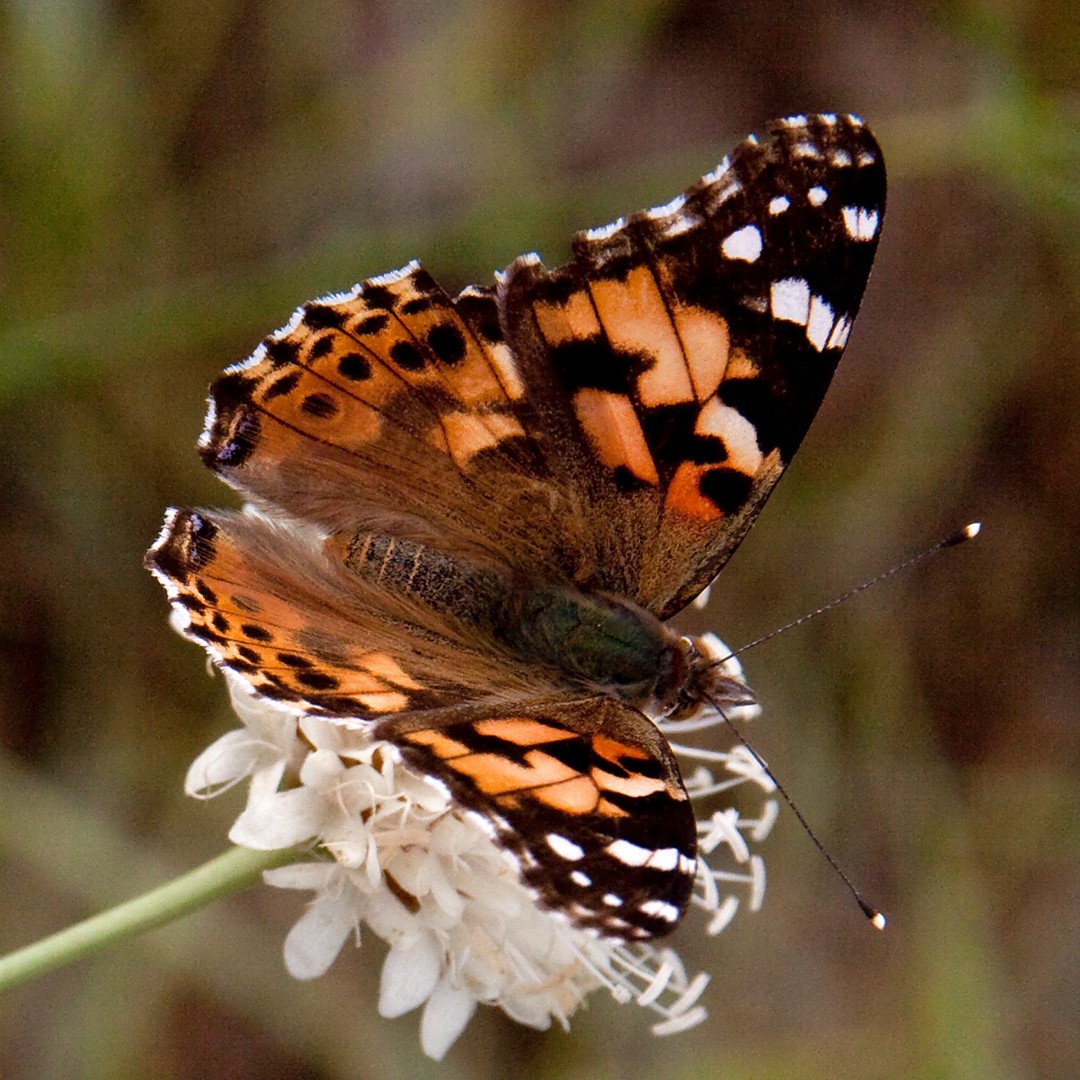
9. Painted lady
The painted lady is a migratory butterfly that spends part of the year in Northern Africa and then migrates to Europe during the warmer months. Although the adults feed on nectar from flowers, the larvae feed on the leaves of nettles and thistles.
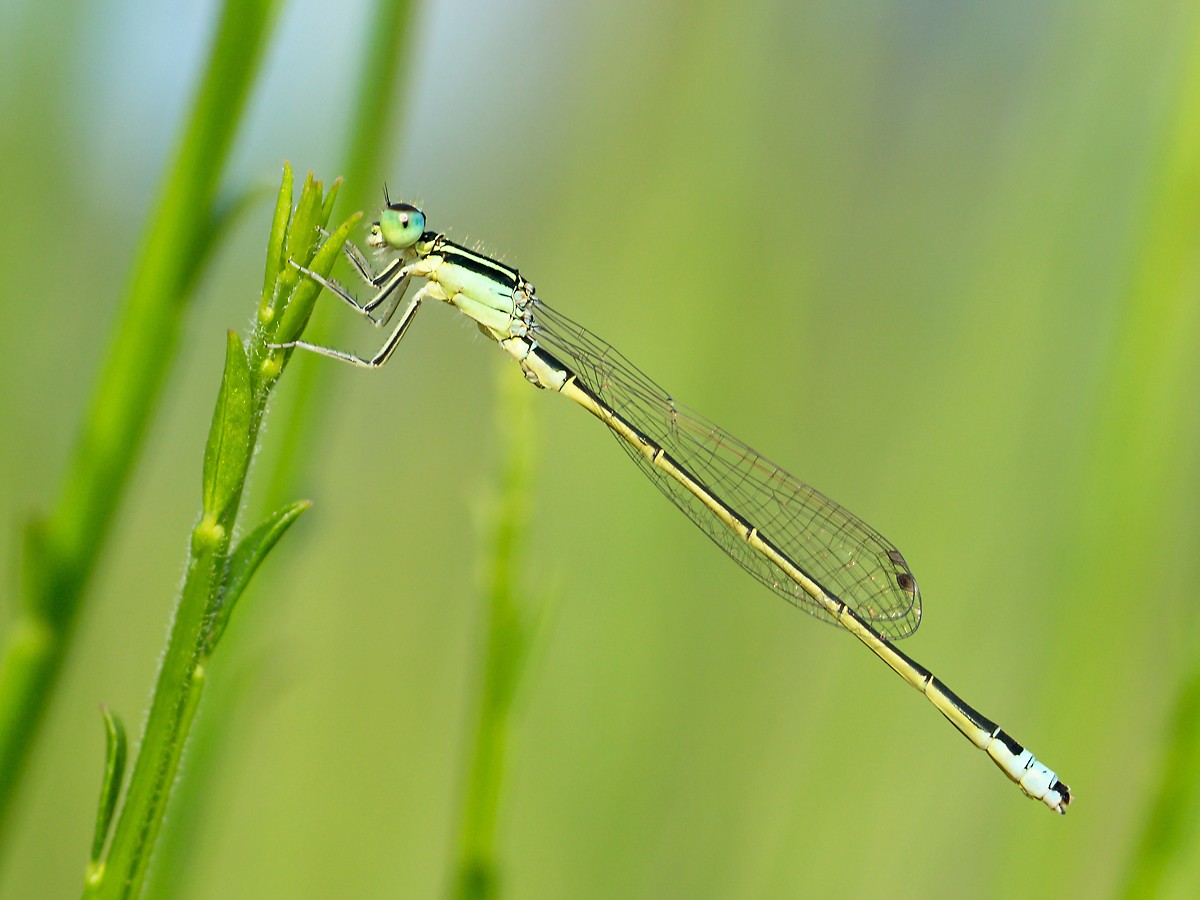
10. Scarce blue-tailed damselfly
It is very similar to the blue-tailed damselfly, Ischnura elegans but on that species the blue spot is mostly on segment 8.Females undergo a change of colour as they mature. The immature female is bright orange, the aurantiaca phase, but matures to a greenish-brown.
More