




Top 16 Most Common Insects in Al Hillah
Insects, diverse in form and function, thrive in all habitats within Al Hillah, with geography greatly influencing this biodiversity. Their importance in the ecosystem is undeniable, playing crucial roles from pest control to pollination. Our list of '16 Most Common Insects' underscores this symbiotic relationship between Al Hillah's environment and its resident insects, encompassing both helpful and harmful species alike.

Most Common Insects
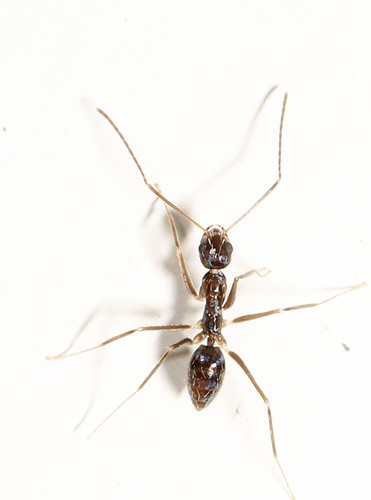
1. Longhorn Crazy Ant
The longhorn Crazy Ant (Paratrechina longicornis) has earned its name through two interesting features. First, the "longhorn" part of their name comes from the 12-segmented antennae, which is incredibly long. The "crazy" part of its name comes from its rebellious nature to move in erratic patterns. Other ants tend to stay in more orderly patterns.
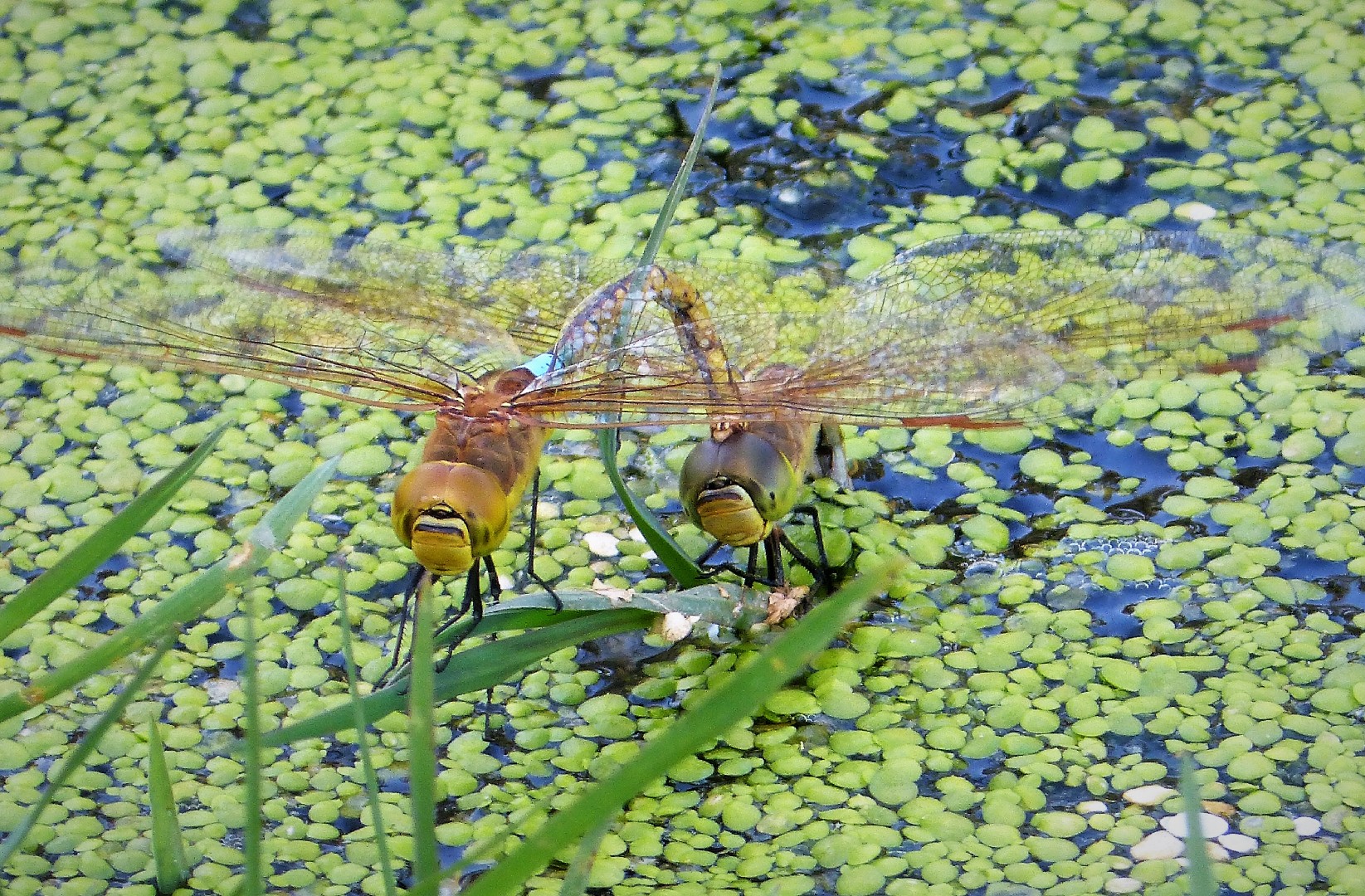
2. Vagrant Emperor
It is a large dragonfly with greenish-yellow eyes. Its thorax is olivaceous-brown, paler on sides. Wings are transparent with an amber-yellow patch. Abdomen is ochreous, marked with azure-blue and reddish-brown. Segment 2 is blue on dorsum and pale green on the sides. Segments 3 to 7 are olivaceous-yellow with irregular reddish-brown stripes on mid-dorsum and narrow black apical annules. There is a broad mid-dorsal blackish-brown stripe on segments 8 and 9, enclosing a pair of triangular yellow apical spots. Segment 10 is bright yellow, with its base and mid-dorsum broadly black. Female is similar to the male. Its natural habitats are shrub-dominated wetlands, swamps, freshwater lakes, intermittent freshwater lakes, freshwater marshes, intermittent freshwater marshes, and freshwater springs. It breeds in shallow tanks and marshes. A rare long-distance migrant to the British Isles, occasionally seen even in winter. 
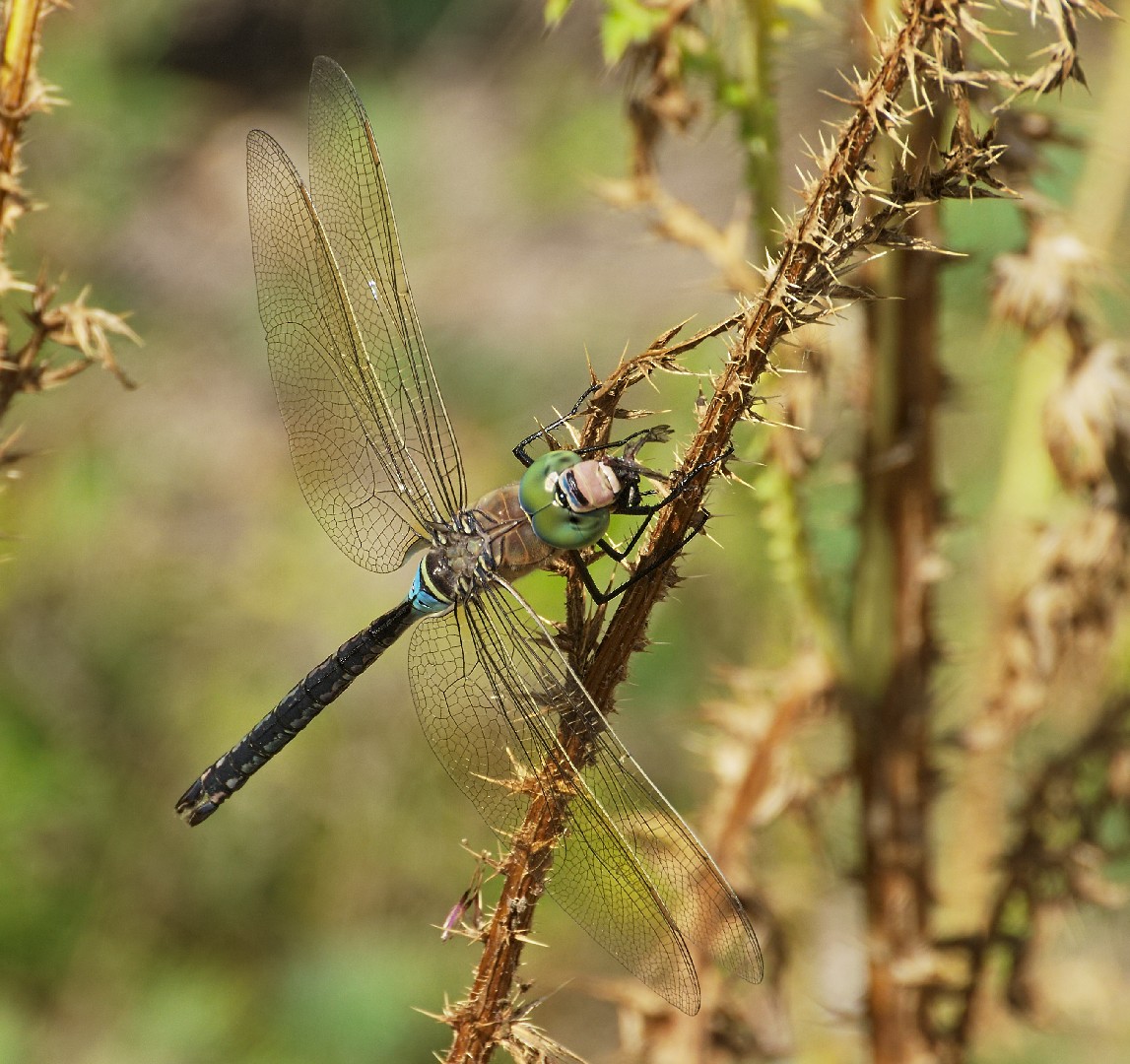
3. Lesser emperor
Its labium and labrum are golden-yellow and face and frons are greenish yellow and eyes are green, bluish when aged. Its thorax is pale olivaceous brown with dark brown sutures. Its segment two of the abdomen is turquoise blue. Segment three has a large blue patch at each side. Segments 4 to 9 have an irregular black middorsal stripe. Segment 10 is black.

4. Crimson speckled footman
The wingspan of Utetheisa pulchella can reach 3 - 4 cm. The front wings are narrow, white or cream coloured with a variable pattern of numerous small black spots located between the larger-sized bright red spots. Sometimes the red spots are merged to transversal bands. The hindwings are wide, white, with an irregular black border along the outer edge and two black markings in the middle of the cell. The head and thorax range from cream colour to buff yellow, with the same pattern as the wings. The antennae are long and monofiliform. The abdomen is smooth, with a white background. Caterpillars are warty, dark brown or greyish, with tufts of greyish hairs, an orange crossline on each segment, a wide whitish line along the back and two other lateral white lines.
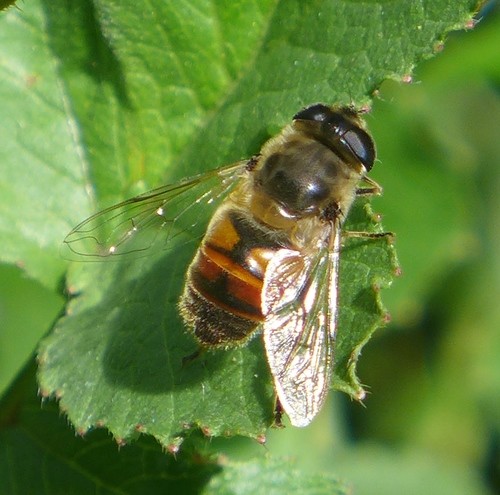
5. Common drone fly
Common drone fly (Eristalis tenax) is the most common hoverfly worldwide. Noted for its remarkable adaptability, it has spread to every continent other than Antarctica and even survives in the frigid Himalayas. It is territorial and will attack any other species that ventures into its chosen territory, and it is apt to dwell within this area for the rest of its life.
6. Thistle mantis
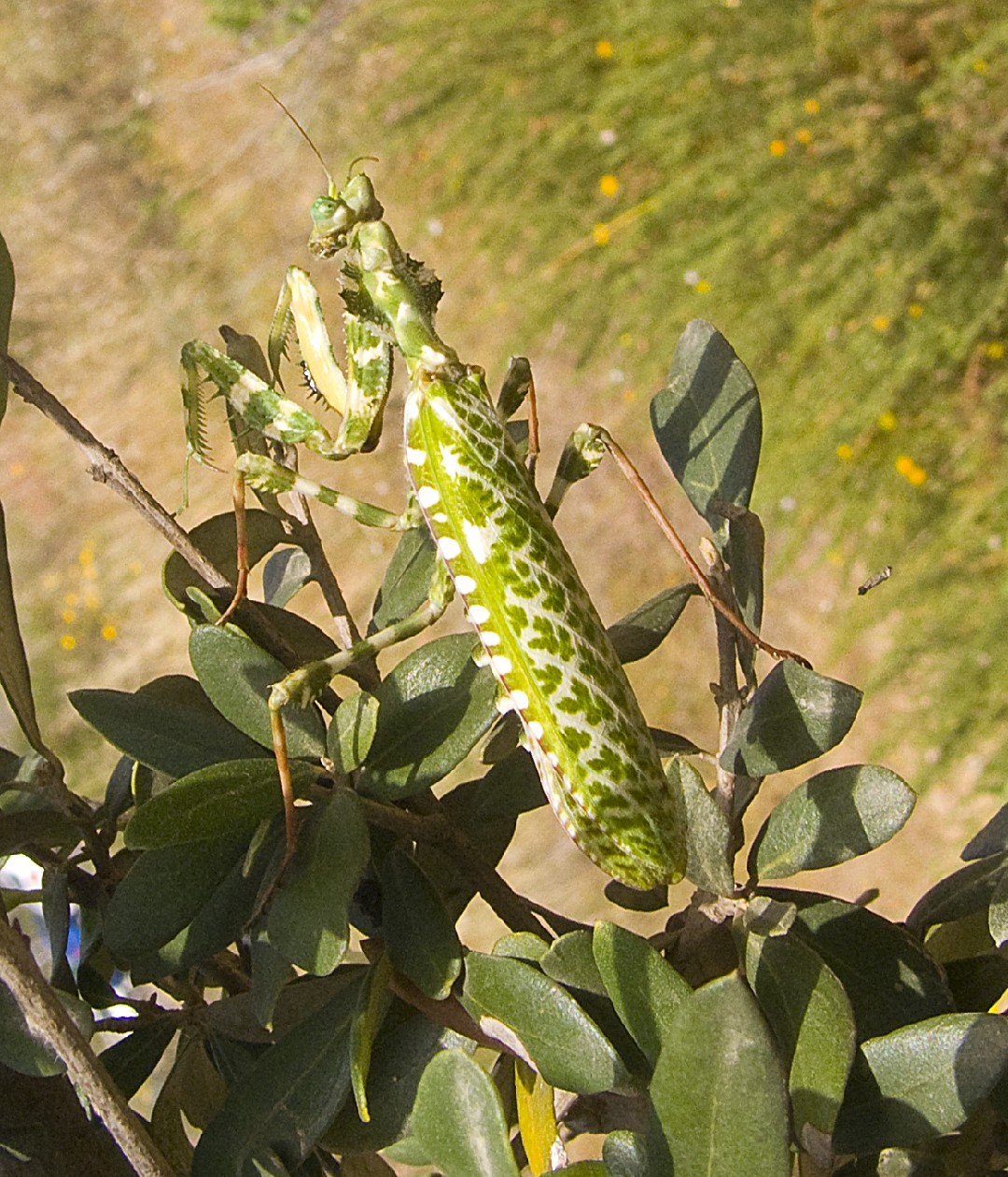
In deimatic display, the adult rotates its head and thorax to one side, displaying the bright colours on the insides of its forelegs and the undersides of its hindwings, and holds its wings slightly spread behind the body, making it seem large and threatening.
7. Lime swallowtail
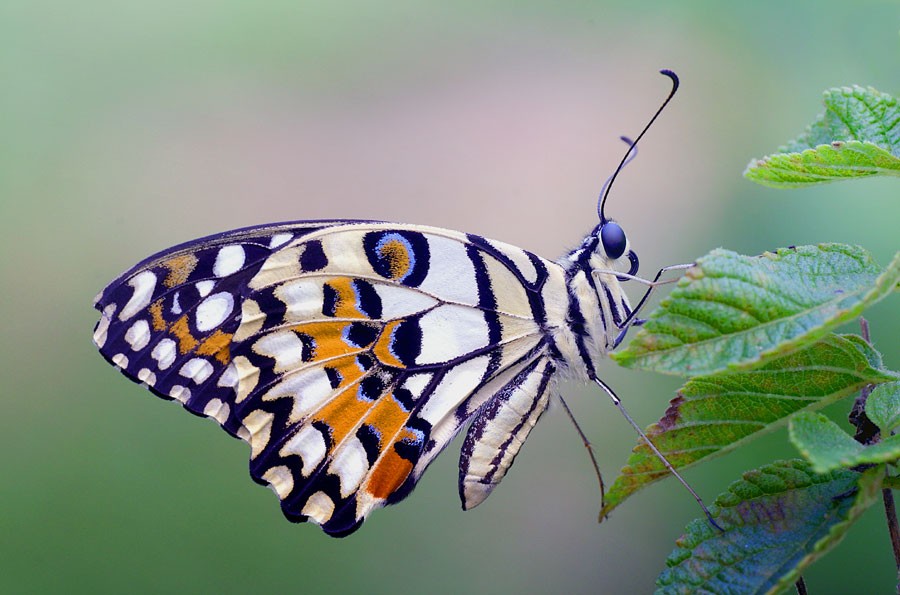
The lime swallowtail (Papilio demoleus) has a beautiful black and white pattern, but it's considered a major pest to citrus trees. It feeds on nearly any type of citrus, including oranges and limes. This butterfly's small, green larvae are capable of defoliating an entire nursery grove. They are truly trouble makers in the citrus orchard.
8. European mantis
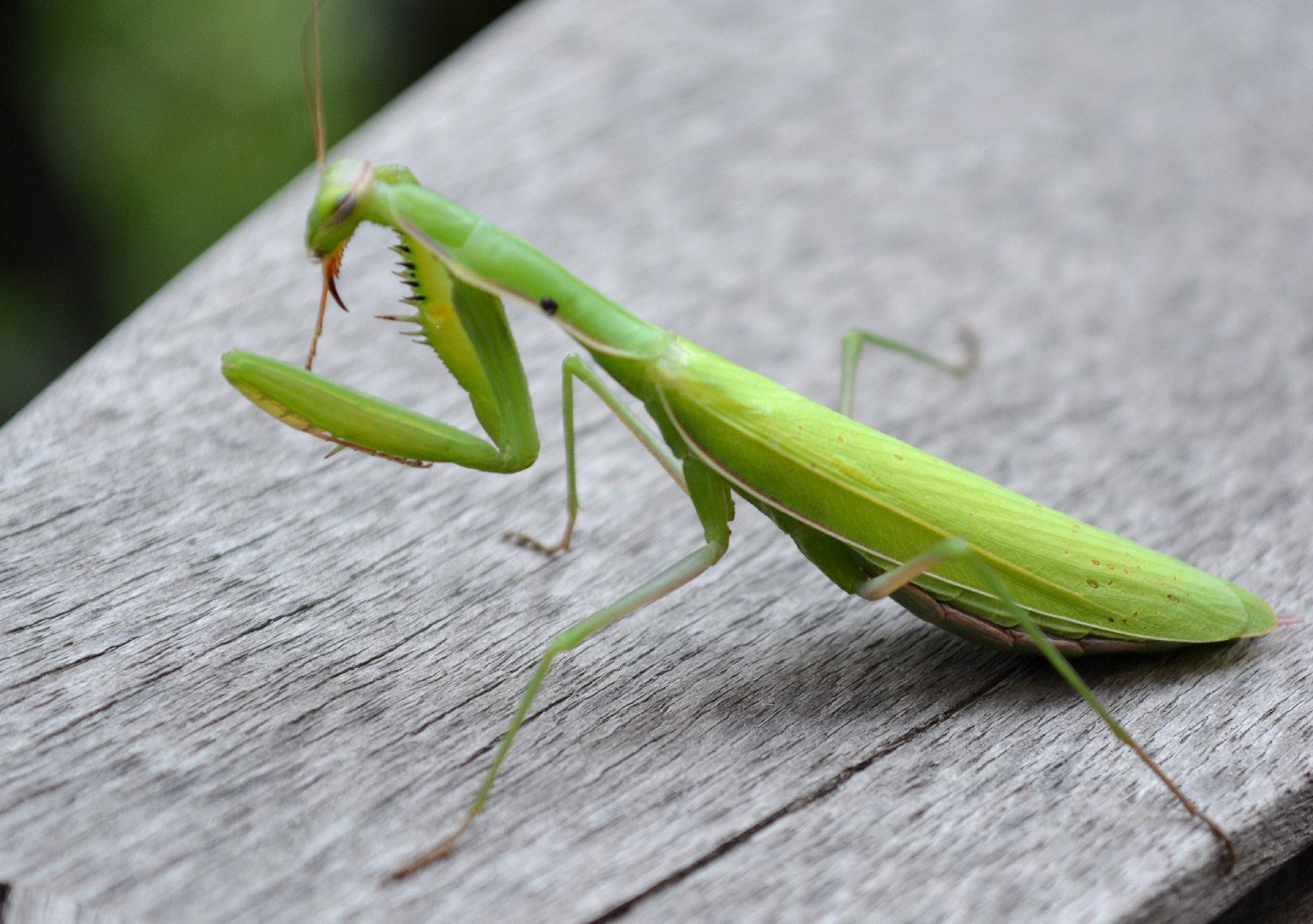
The european mantis (Mantis religiosa) is a bright green mantis that can be distinguished by the two black spots with single white spots inside on its front legs. These spots resemble the eyes of a predator. If it's threatened, it will raise its wings and show off these intimidating "eyes". Also, it's a fierce species that will chase down its prey to catch it.
9. Black pennant
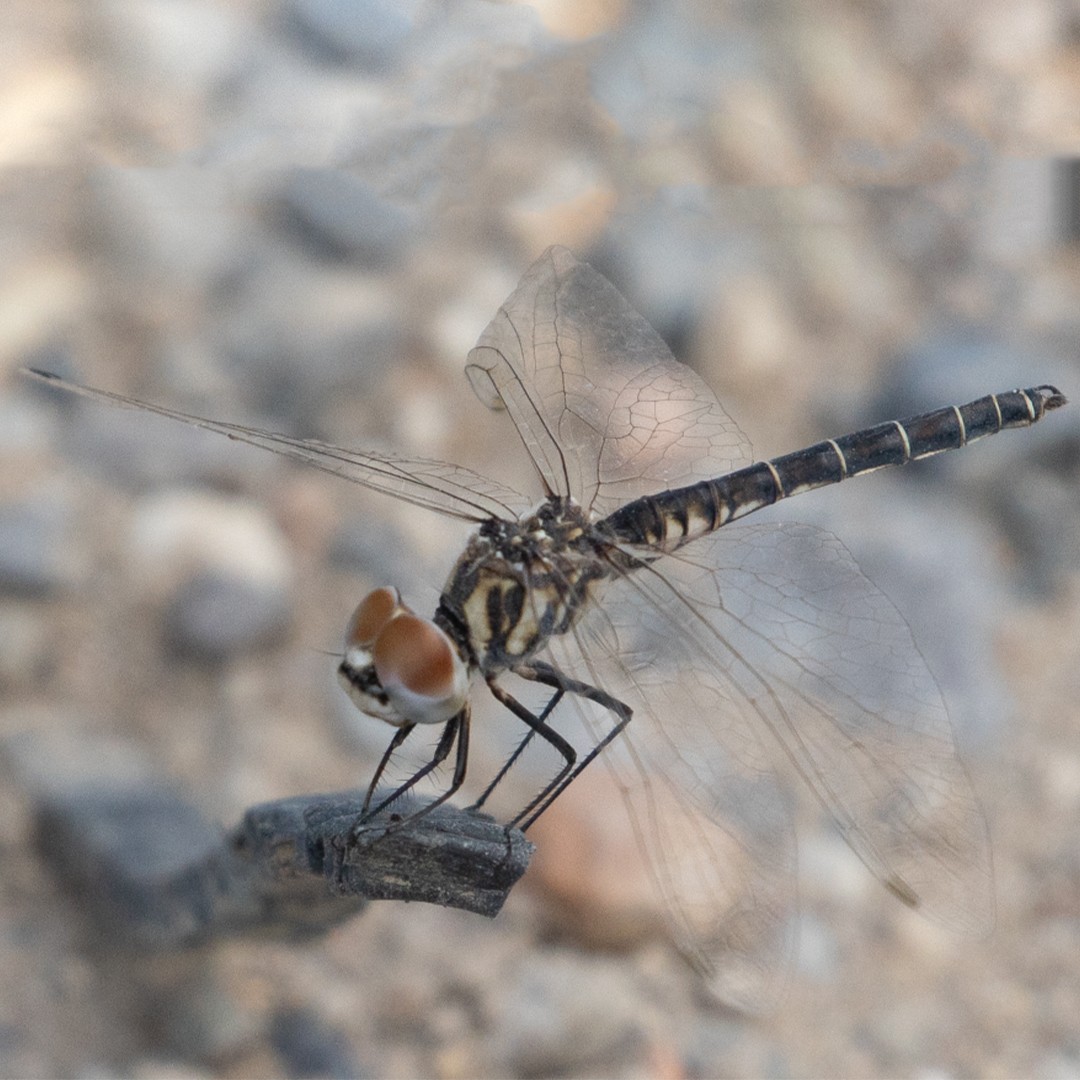
Selysiothemis nigra, the black pennant, is a monotypic species of dragonfly in the family Libellulidae. It occurs in Central Asia and the Middle East. In Europe it is mostly confined to the coastal areas of the Mediterranean and the Black Sea.

10. Scarlet skimmer
The species is on the IUCN Red List as not endangered, year of assessment 2009.
More







