




Top 20 Most Common Insects in Nuwara Eliya
Insects, with their diverse traits and habitats, play a crucial role in Nuwara Eliya's ecosystems. A region's geographical variation directly influences its insect diversity, making Nuwara Eliya home to a startling array of these tiny powerhouses. From responsible pests to unheralded heroes, each insect within these 20 common species interacts with its surroundings in unique, significant ways. Let's explore this riveting insect world, unraveling the intricate bond they share with Nuwara Eliya.

Most Common Insects

1. Weaver ant
The weaver ant can be found in silk-woven nests in the foliage of Southeast Asia and Oceania. These ants have a painful bite and prey on other small insects. Larvae have many uses for local regions, including being a popular fishing bait and a good choice of bird food.
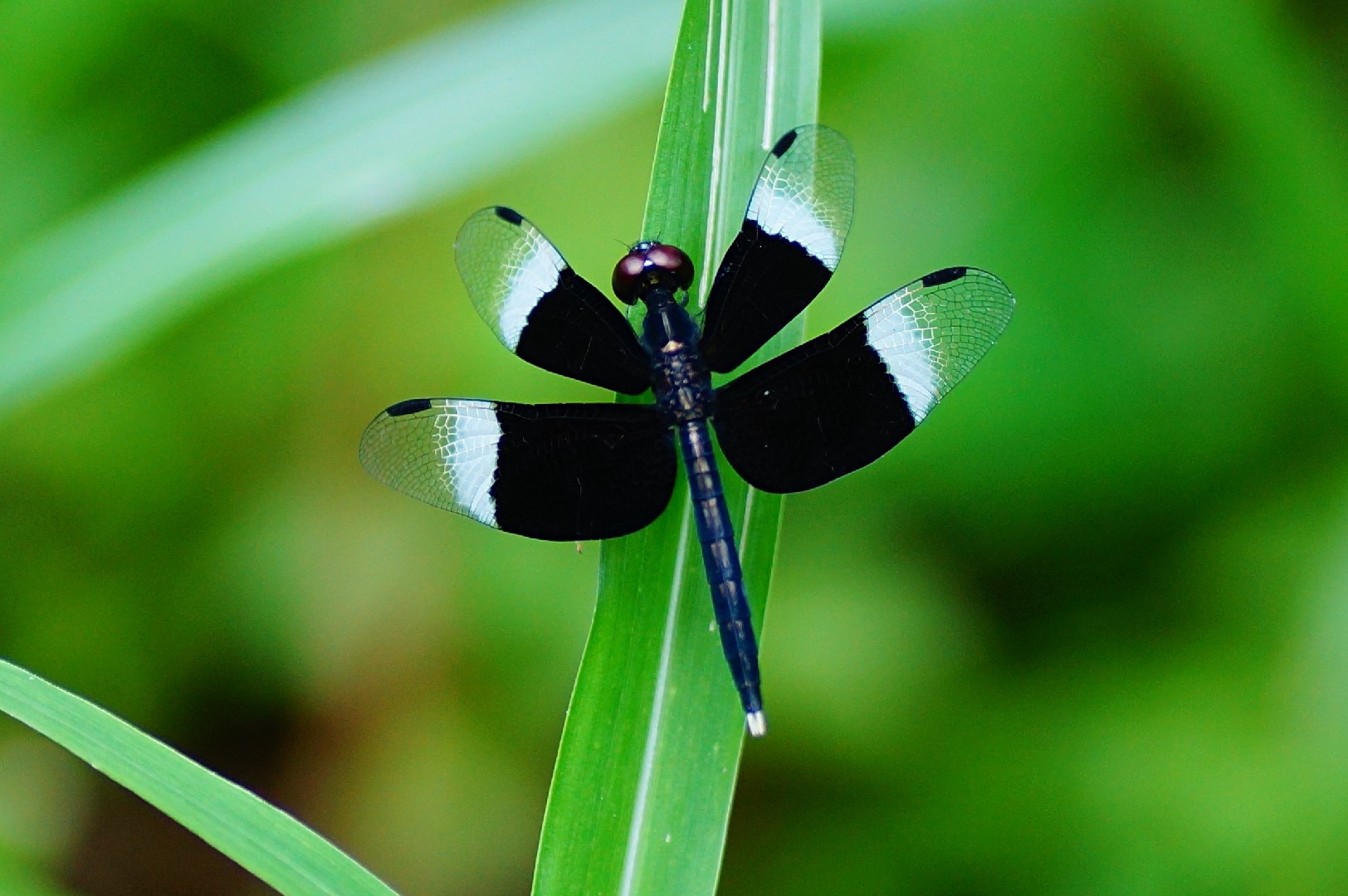
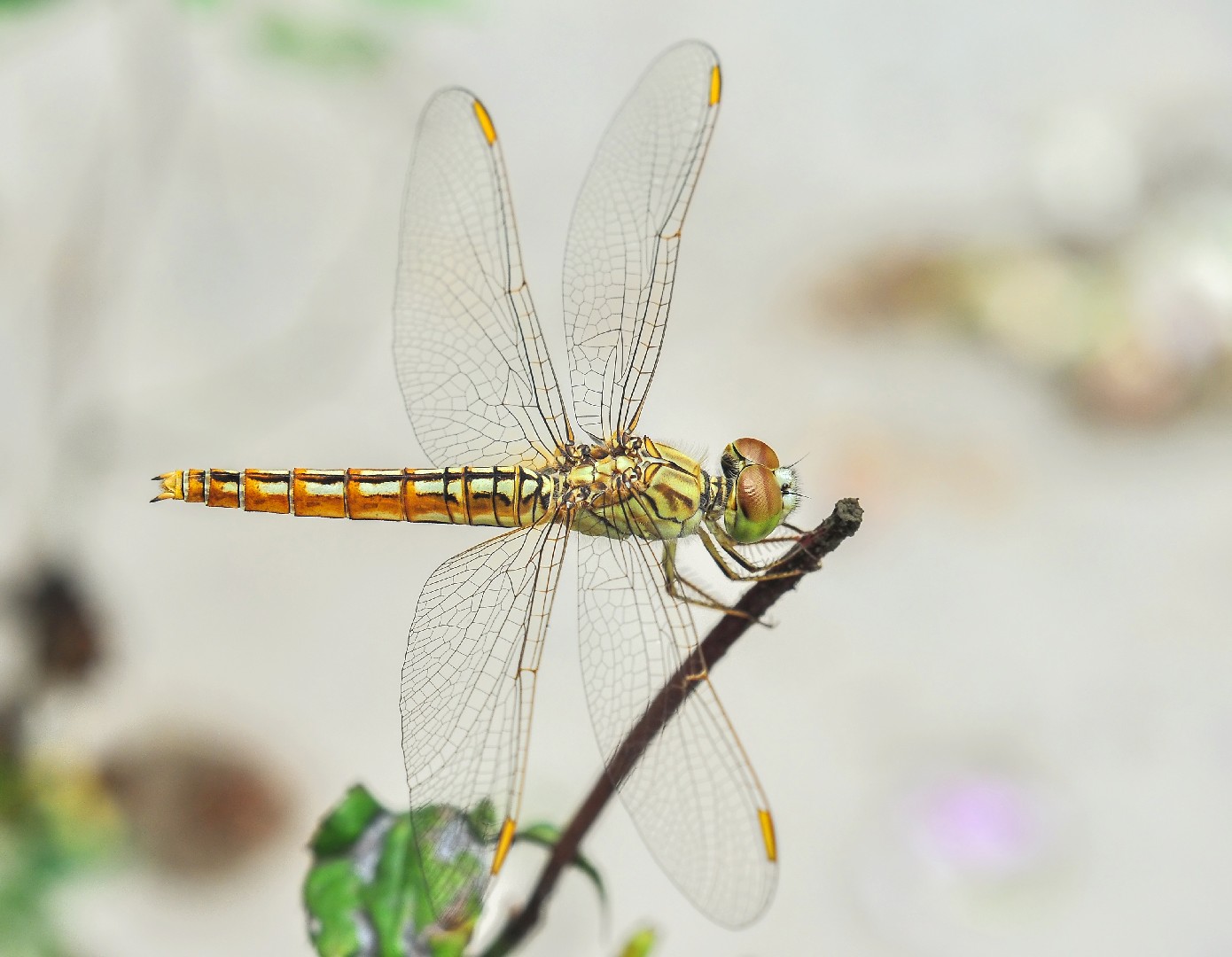
2. Pied paddy skimmer
The species is on the IUCN Red List as not endangered, year of assessment 2007.
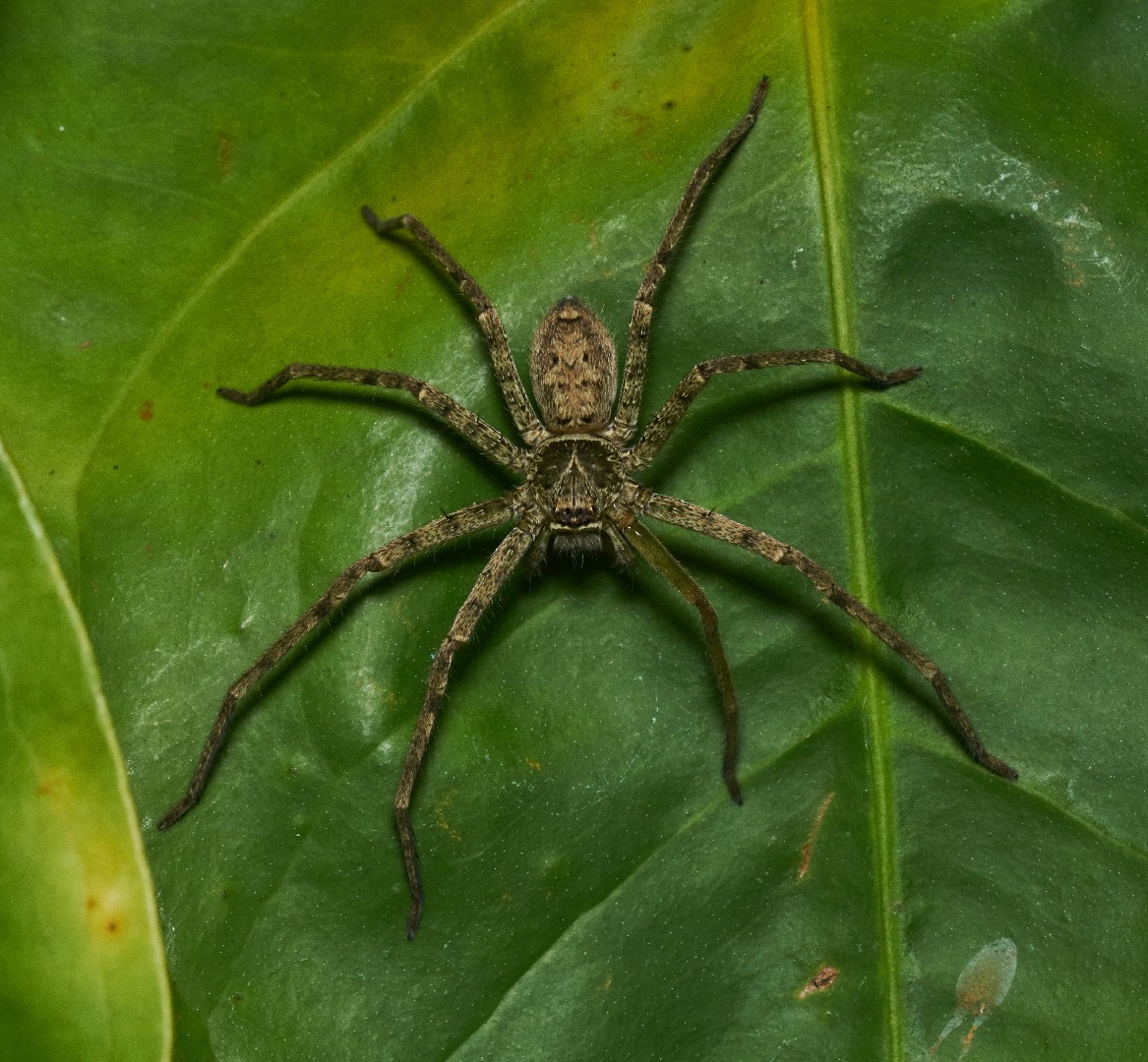
3. Giant Crab Spider
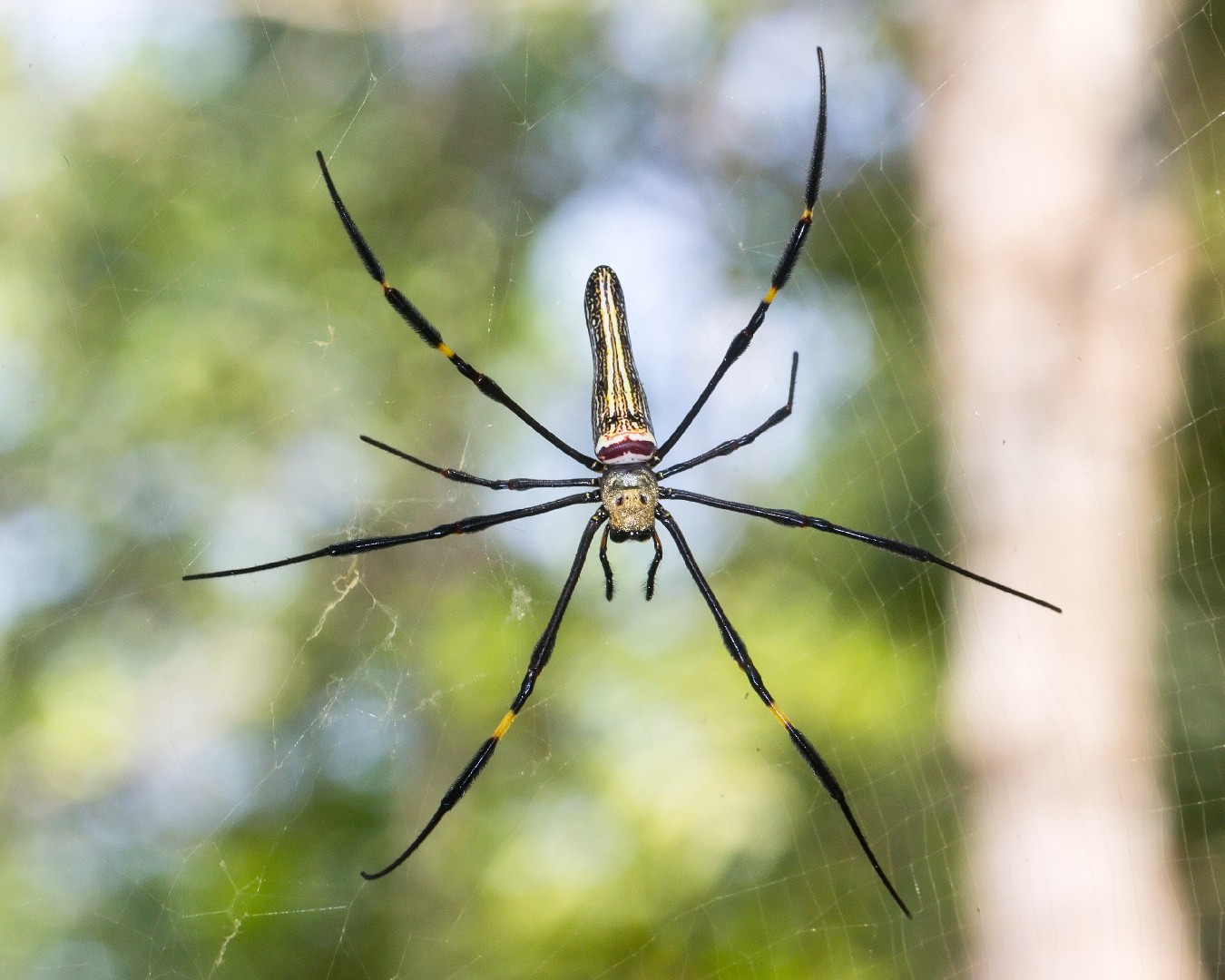
The giant Crab Spider is a large spider native to the tropics; the largest reported individual had a leg span of 30 cm. This cosmopolitan spider is highly valued in some areas, as it's able to catch cockroaches and other indoor pests. Reportedly, it hunts even scorpions and bats. This spider is venomous and sometimes bites humans, but it's considered harmless. 
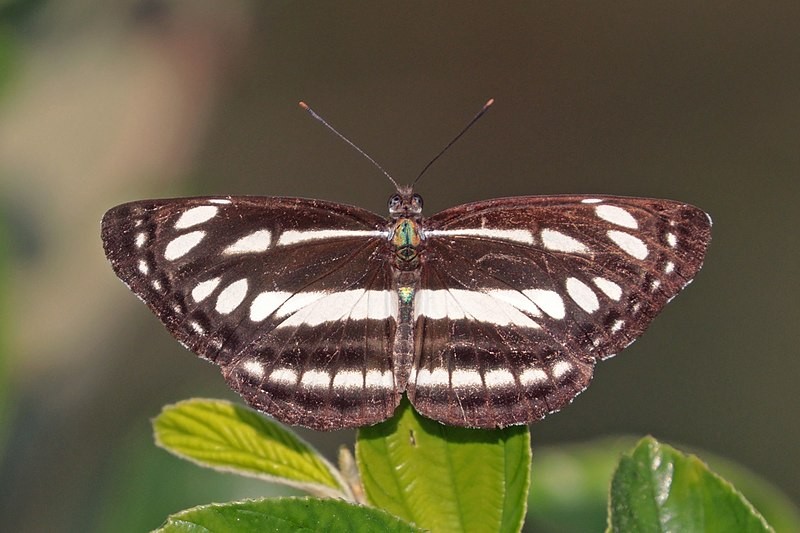
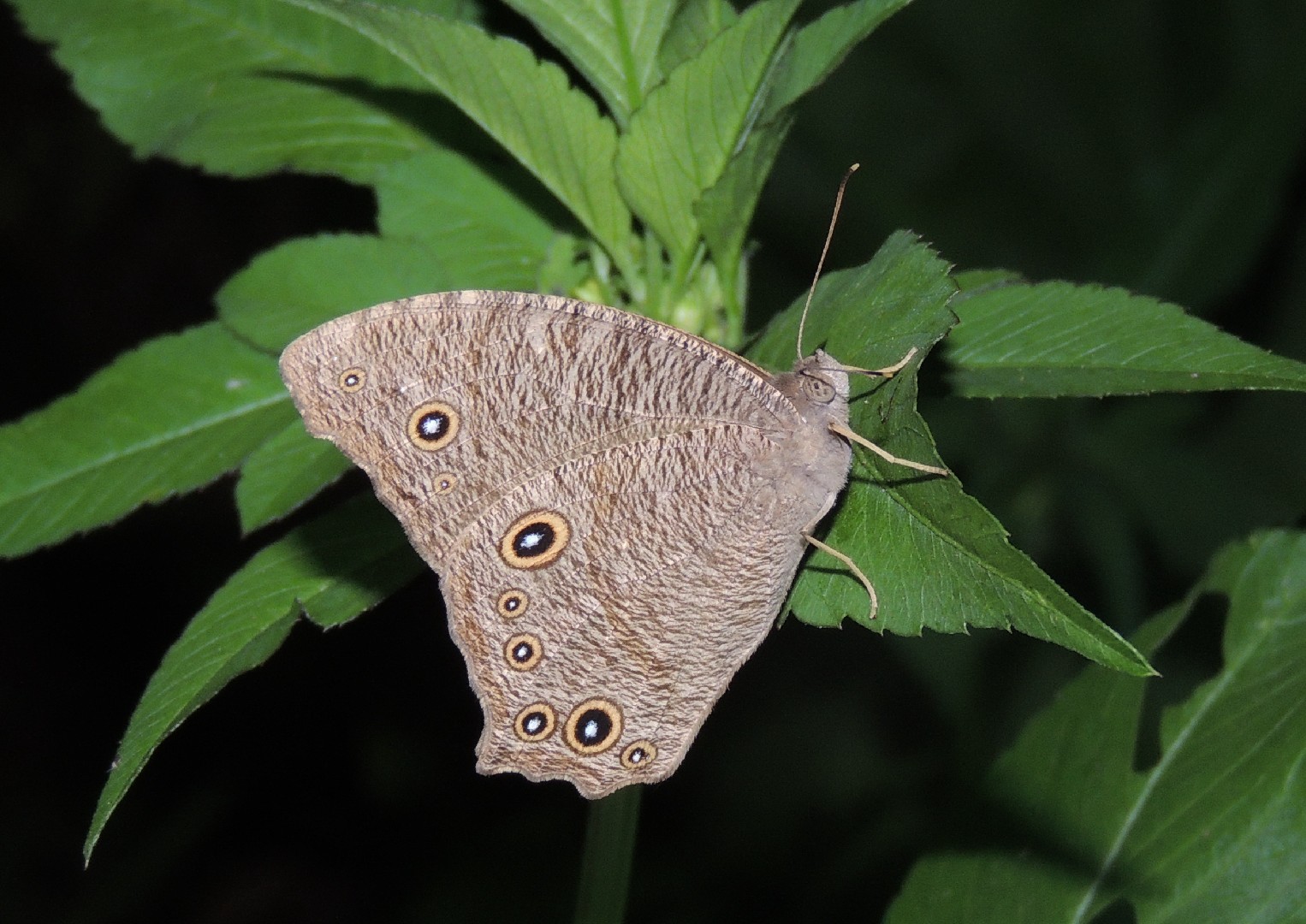
4. Common sailor
Dry-season form - Upperside black, with pure white markings. Forewing discoidal streak clavate (club shaped), apically truncate, subapically either notched or sometimes indistinctly divided; triangular spot beyond broad, well defined, acute at apex, but not elongate; discal series of spots separate, not connate (united), each about twice as long as broad; postdiscal transverse series of small spots incomplete, but some are always present. Hindwing: subbasal band of even or nearly oven width; discal and subterminal pale lines obscure; postdiscal series of spots well separated, quadrate or subquadrate, very seldom narrow. Underside from pale golden ochraceous to dark ochraceous almost chocolate; white markings as on the upperside, but broader and defined in black. Forewing: interspaces 1a and 1 from base to near the apex shaded with black, some narrow transverse white markings on either side of the transverse postdiscal series of small spots. Hindwing a streak of white on costal margin at base, a more slender white streak below it; the discal and subterminal pale lines of the upperside replaced by narrow white lines with still narrower margins of black. Antennae, head, thorax and abdomen black; the palpi, thorax and abdomen beneath dusky white. Wet-season form - Differs only in the narrowness of the white markings and in the slightly darker ground colour and broader black margins to the spots and bands on the underside. More than 20 subspecies have been described. This species has been observed to make sounds whose function has not been established.
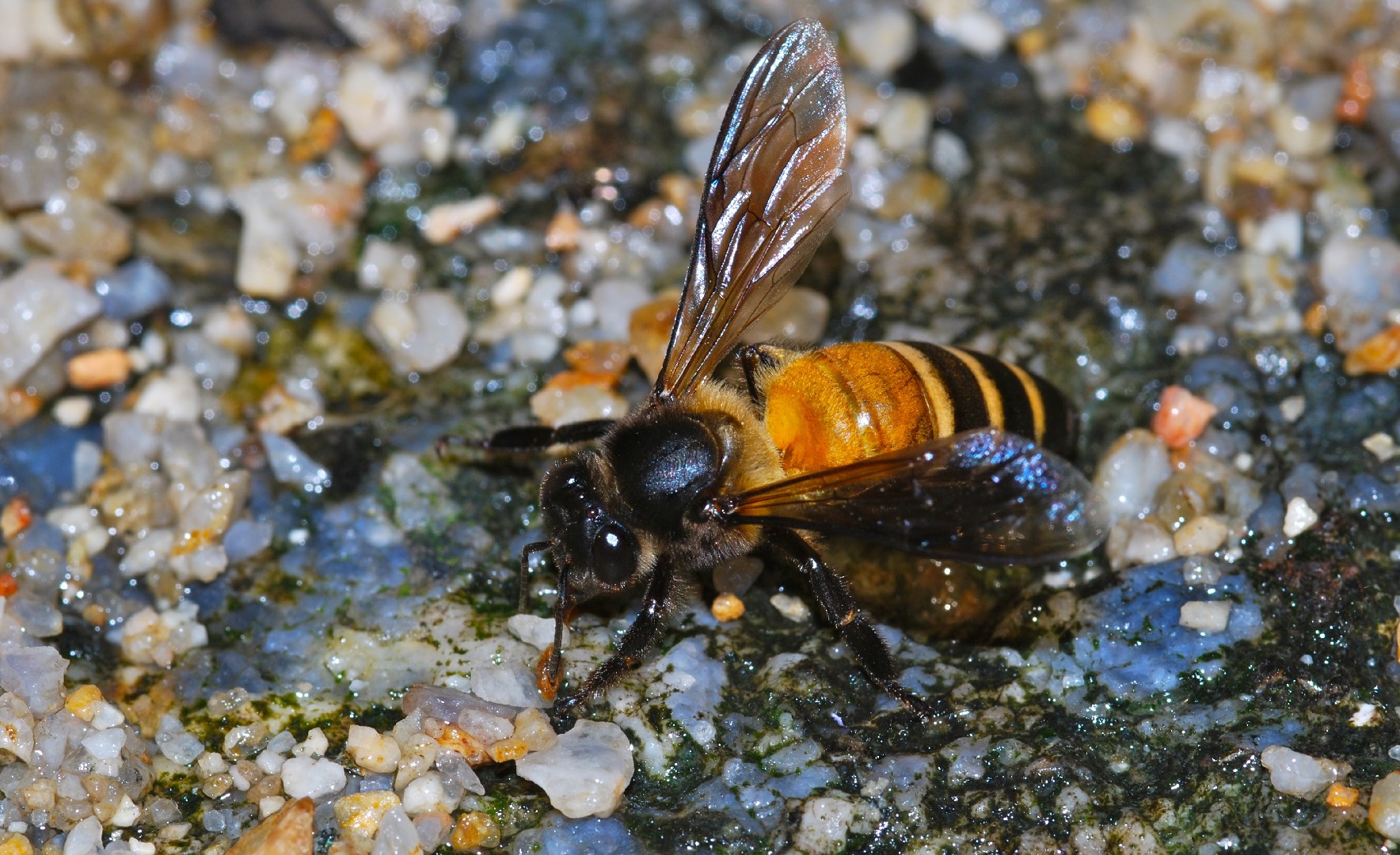
5. Giant honey bee
The giant honey bee (Apis dorsata) is incredibly defensive of their territory. This may be related to humans' honey hunting, where honey is stolen from wild bees. Their nests are built from high, overhanging locations. Much like humans, they are unlikely to build onto an old building due to safety issues. Their nests need to be sturdy, as a colony can reach up to 100 thousand workers.

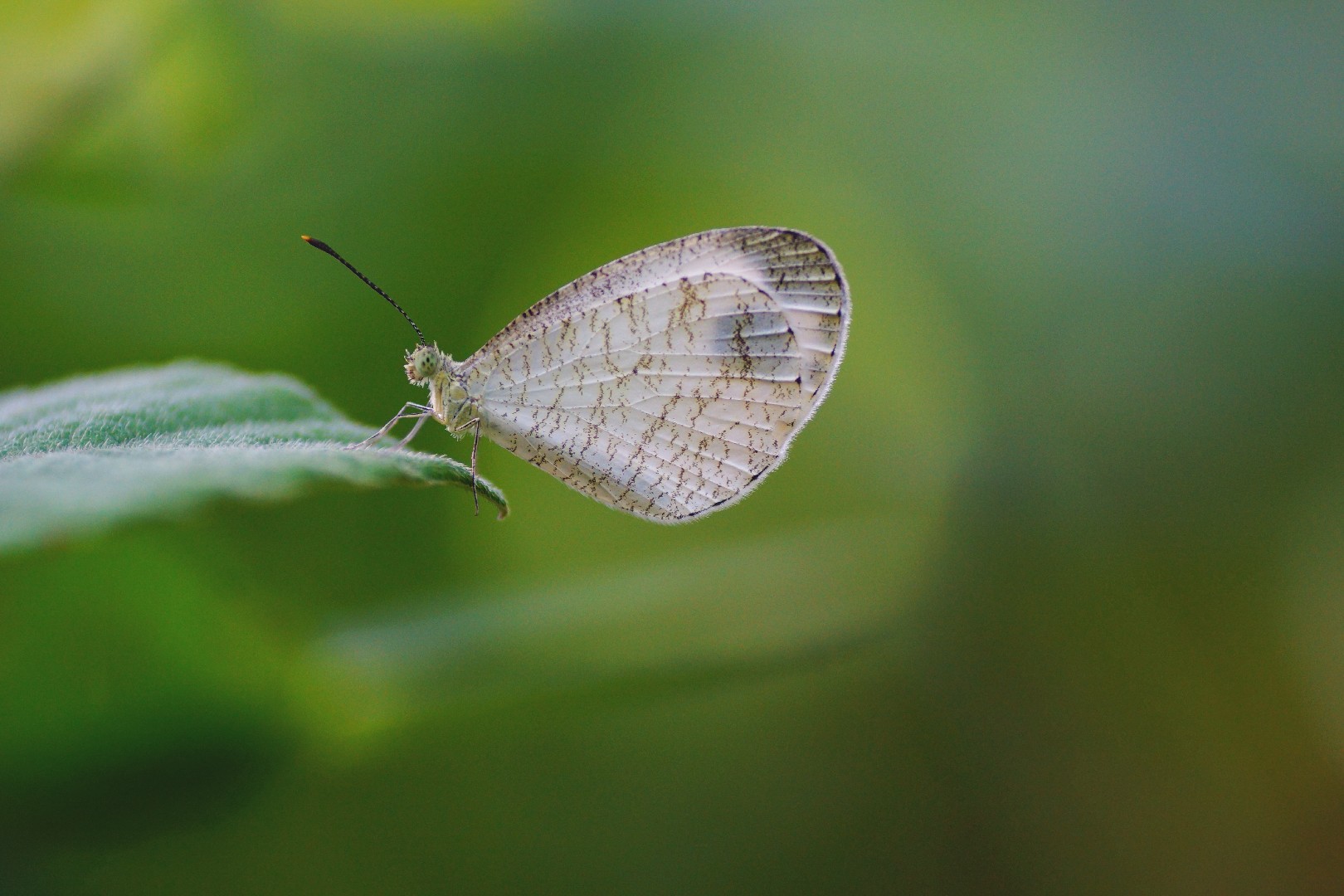
6. Common cerulean
Like many tropical butterflies, this species shows seasonal polyphenism, with the appearance differing between adults according to the season. Male upperside has the ground colour pale bluish white. The forewing has the terminal margin narrowly edged with black that broadens very slightly towards the apex of the wing; the cilia are brownish black. The hindwing is uniformly coloured, except for an anteciliary black line faintly edged on the inner side by a white line within which and touching it is a row of black spots, the anterior spots very faint, the spot in interspace 2 large and well-defined, two geminate (paired) spots in interspace 1 and a very small black lunular dot in interspace 1a; cilia brown, white at the base in the interspaces. In specimens obtained in the height of the dry season the black edging to the termen of the forewing is much reduced and the subterminal series of black spots in the hindwing is altogether missing. The underside is greyish brown. The forewing has seven transverse white bands as follows: two short bands one each side of the discocellulars, the inner one continued downwards to vein 1 and both represented at the costa by two detached spots; two parallel discal bands, the inner one broken at and the outer one terminating on vein 3; two parallel subterminal bands, the outer one slightly lunular; lastly, a more slender terminal band followed by an anteciliary slender black line; the dorsal margin narrowly white; cilia brownish black, their bases white in the interspaces. Hindwing: crossed by nine white bands or lines as follows: three between base of wing and apex of cell, those posteriorly in interspace 1 or on vein 1 abruptly turn upwards and terminate on the dorsum; the first band beyond the cell extends from vein 6 to vein 2, then curves upwards in interspace 1; the next extends straight from just below the costa to vein 4, thus overlapping the previous band for a short distance; the next or postdiscal band runs between the costa and vein 3, the subterminal two also between the costa and vein 3 but the inner one of the two bands is extended down to interspace 1 and there curves upwards towards the dorsum; both the subterminal bands are more or less lunular; in the interspace below vein 2 is a large subterminal black spot speckled with metallic blue scales and bordered inwardly by ochraceous orange; there are also in interspaces la and 1 two black dots inwardly edged by a short white streak set in an ochraceous background; lastly, there is a complete terminal white line followed by a black anteciliary line and a filamentous short black white-tipped tail at apex of vein 2; cilia as on the upperside. Antennae brownish black, the shafts as usual tinged with white; head, thorax and abdomen pale brown, bluish on thorax and base of abdomen; beneath: the palpi, thorax and abdomen white, the third joint of the palpi and the second joint anteriorly black. The female has the upperside ground colour paler than in the male, often quite white; terminal black edging to forewing very much broader, broadest at apex, its margin there diffuse. Hindwing: differs from that of the male as follows: costal margin broadly dusky black; a postdiscal transverse series of dusky-black connected lunules often more or less obsolescent; this is followed by a series of black spots each set in a background of the white ground colour; an anteciliary slender black line as in the male. The underside ground colour is paler than in the male, the markings however are identical. Antenna, head, thorax and abdomen as in the male. Closely resembles the males and females of the dry-season brood; the markings are similar but the ground colour is generally darker both on the upper and undersides, while the black edging to the forewing and the black postdiscal and terminal markings to the hindwing on the upperside are broader and more clearly defined. Antennae, head, thorax and abdomen as in the dry-season brood.
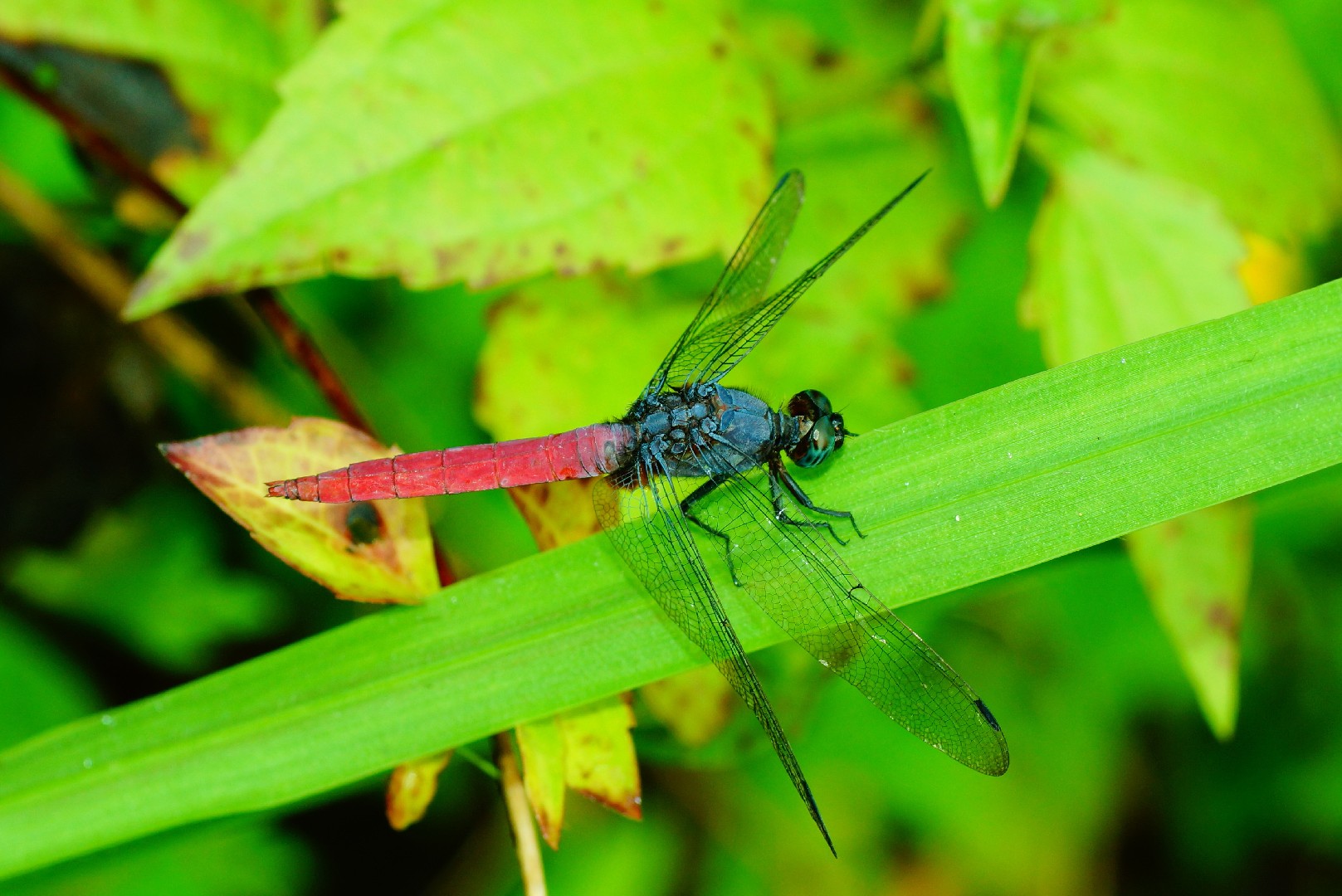
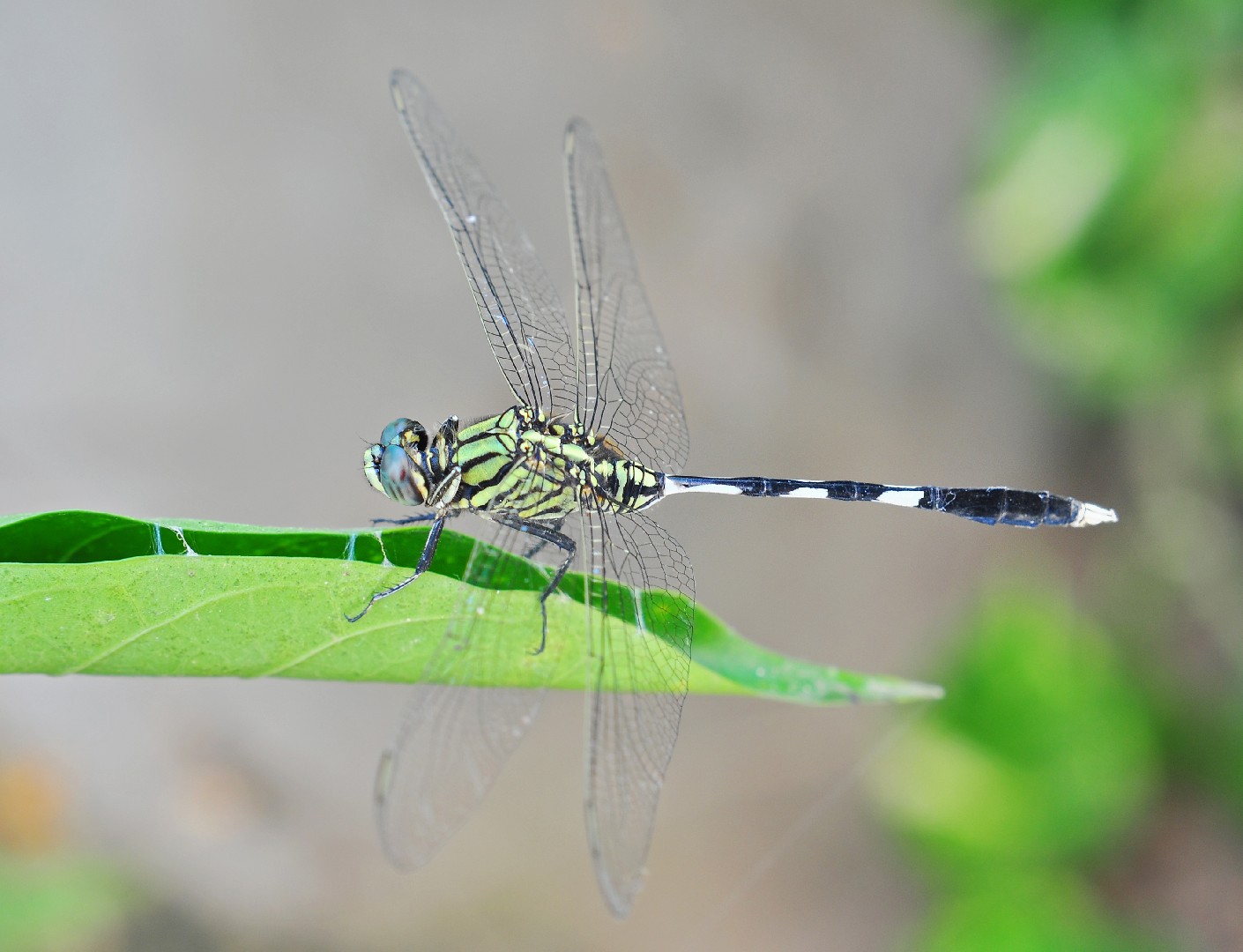
7. Crimson-tailed marsh hawk
The species is on the IUCN Red List as not endangered, year of assessment 2010.
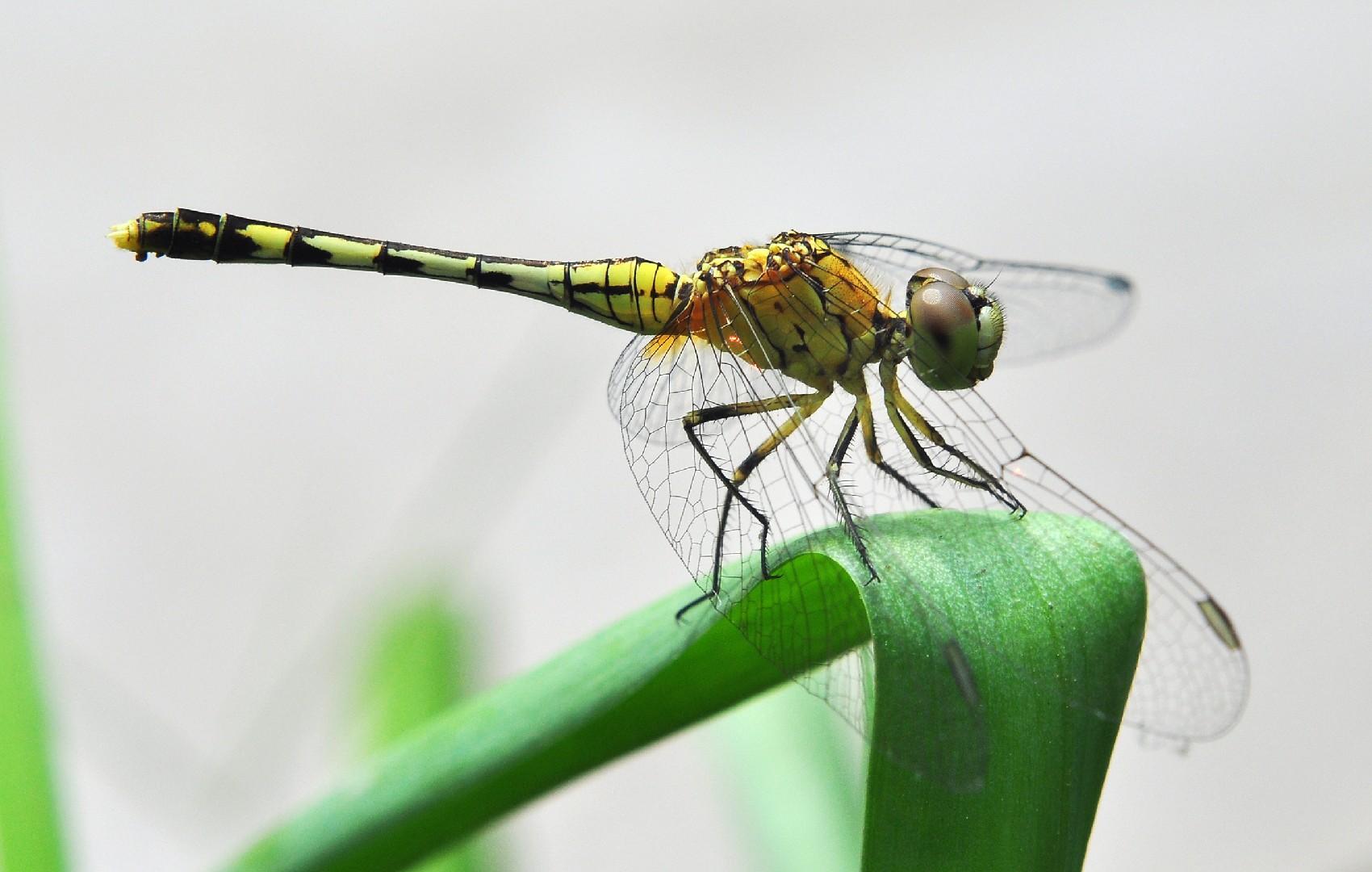
8. Chalky percher
Diplacodes trivialis is small dragonfly with bluish eyes and greenish-yellow or olivaceous thorax and abdomen with black marks. In very old adults, the whole thorax and abdomen become uniform pruinosed blue. Clear wings, without apical or basal markings, and the creamy white anal appendages and deep pruinescence in adults help to distinguish this species from others in its genus.
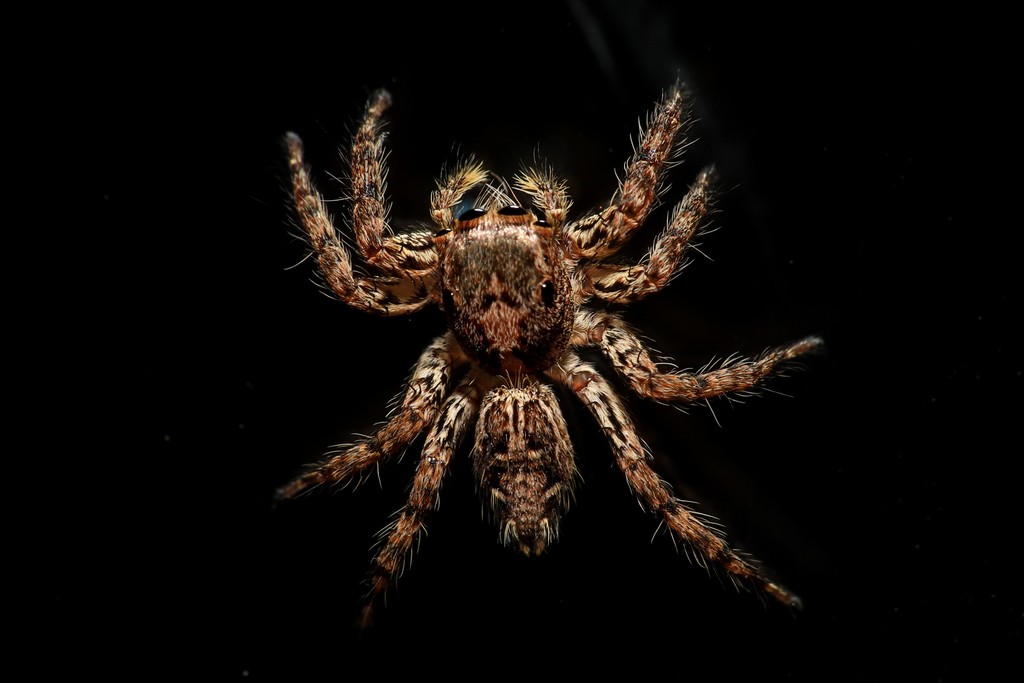
9. Tropical flycatcher
Plexippus petersi is a species of jumping spider native to Asia and has been introduced to Africa and Pacific islands.
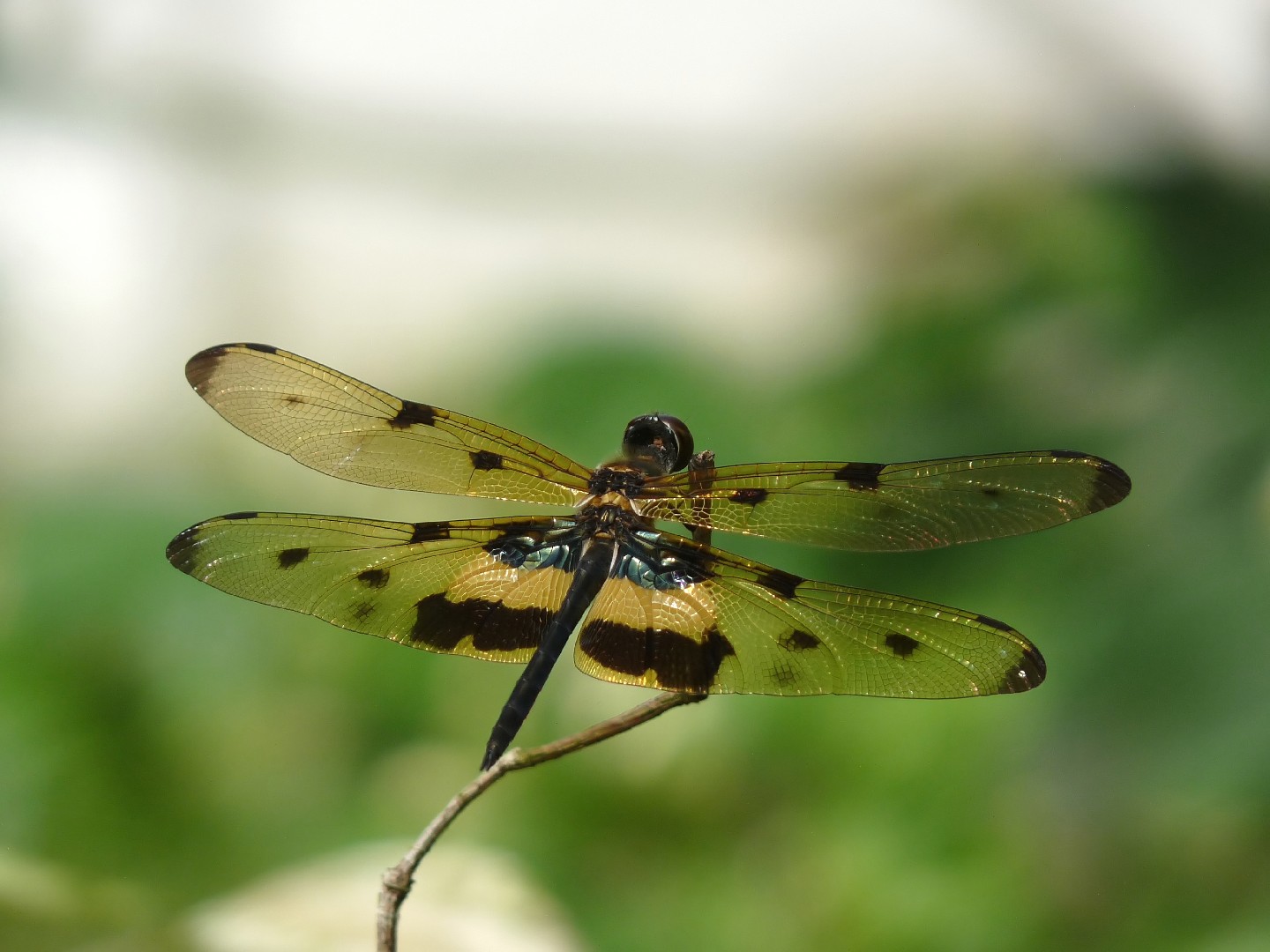
10. Common picture wing
It is a medium-sized dark bodied dragonfly with colorful wings tinted with pale yellow. There are a few black spots on the apices and nodes of the fore-wings. There is a large patch in the base of the hind-wings, marked with black and golden yellow. In females, the apical half of the fore-wings are transparent; basal half tinted with golden-yellow with black marks. The apical ends of the hind-wings are transparent; rest of wings marked with golden-yellow and black.

More







