




Top 20 Most Common Insects in Trento
Insects, distinct in their variety, excel in adaptation, including in Trento, reflecting its diverse habitats. The region's geographical nuances significantly impact this insect diversity, resulting in a unique blend of species. As critical players in our ecosystem, insects' role ranges from pest control to pollination, underscoring the intricate relationship between an area's environments and its insect inhabitants. Discover with us as we delve into the '20' most common insects found in Trento.

Most Common Insects
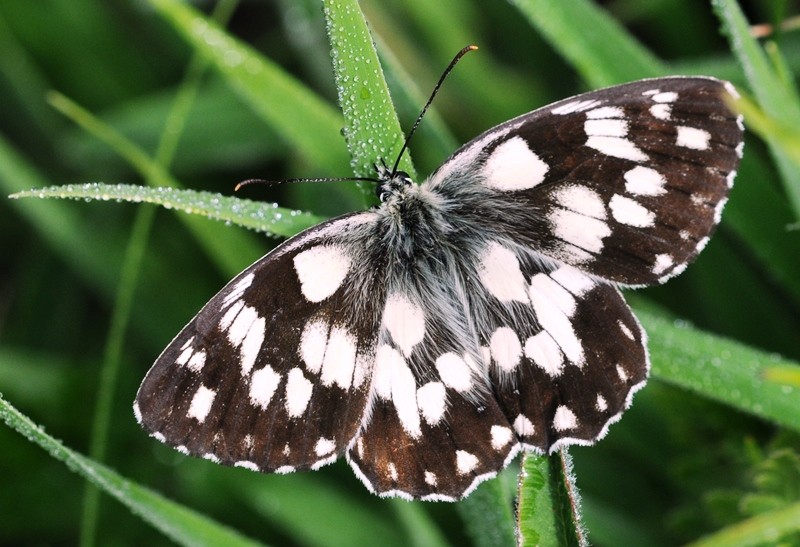
1. Marbled white
Melanargia galathea has a wingspan of 1.8–2.2 in. In these medium-sized butterflies the upper side of the wings is decorated with white and gray-black or dark brown markings, but it is always gray-black or dark brown checkered in the basal and distal areas. The underside is similar to the upper side but the drawings is light gray or light brown. On the underside of the hindwings is present a row of gray eye spots. The males and the females are quite similar, except that some females may have a yellowish nuance on the underside of the wings. The larvae are a lime-green colour, with a dark green line running down the middle of their back. The caterpillars are about 3 cm long. They are green or yellow with some lighter and darker narrow longitudinal lines. The head is always light brown. 
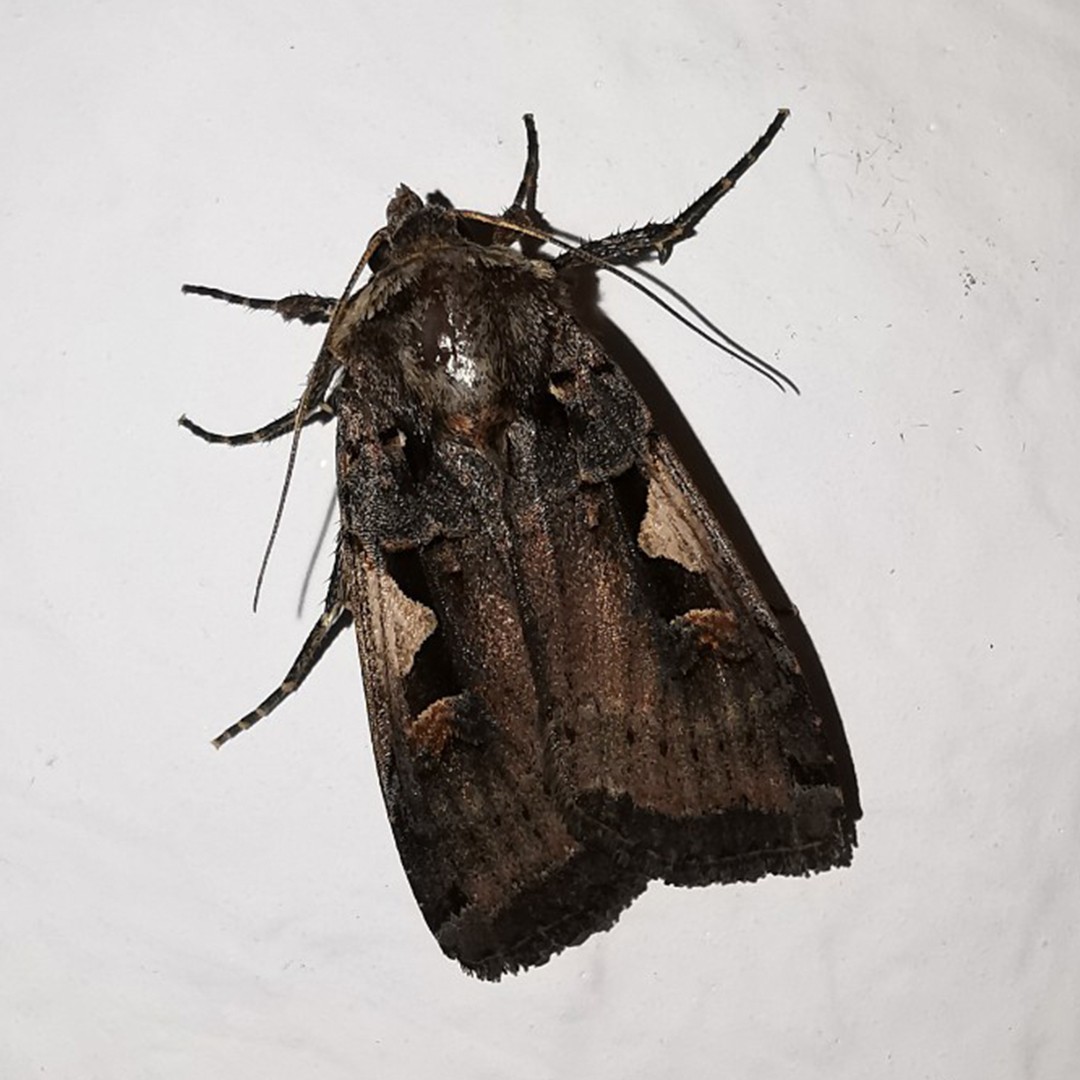
2. Setaceous Hebrew character
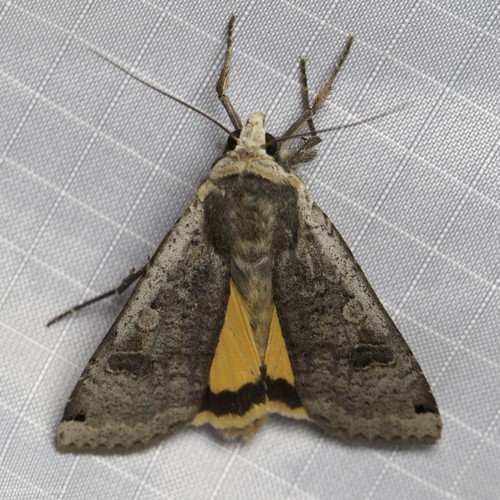
The wingspan is 35–45 mm. Forewing purplish grey or purplish fuscous with a leaden gloss; costal area at middle ochreous, merged with the bluntly triangular orbicular stigma: cell, a submedian basal blotch, and costal spot before apex purplish black; claviform stigma minute; reniform large, the lower lobe purplish; hindwing ochreous whitish, in female with the termen broadly fuscous. Lava pink with a broad dark brown subdorsal band. A lateral yellow band with a brown spot on it. Head reddish brown in color.
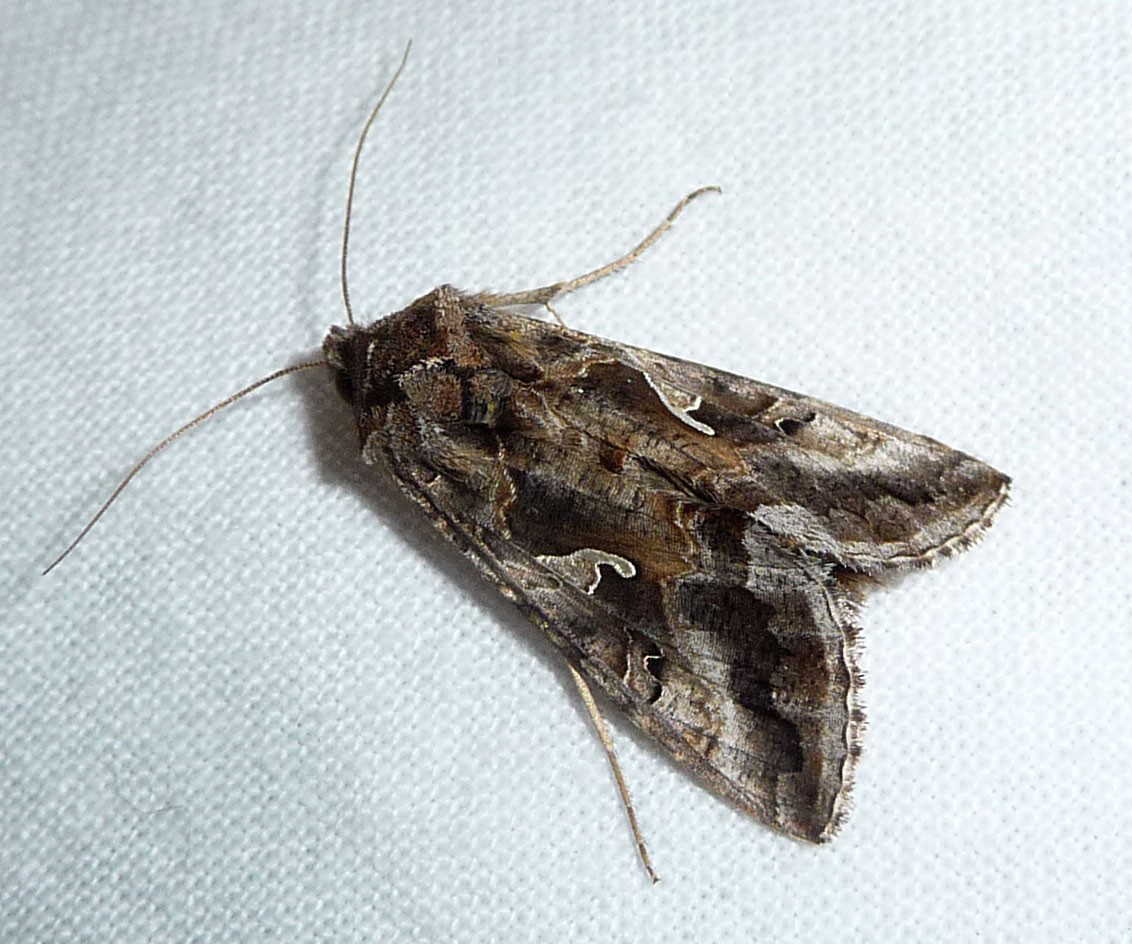
3. Silver y
The silver y (Autographa gamma) has an interesting name that comes from the silver, y-shaped patterns on each of its wings. Patterns on those wings also provide for decent camouflage. Its colors can be different depending on the local climate. You may catch them in your garden given their love of taking nectar from flowers.
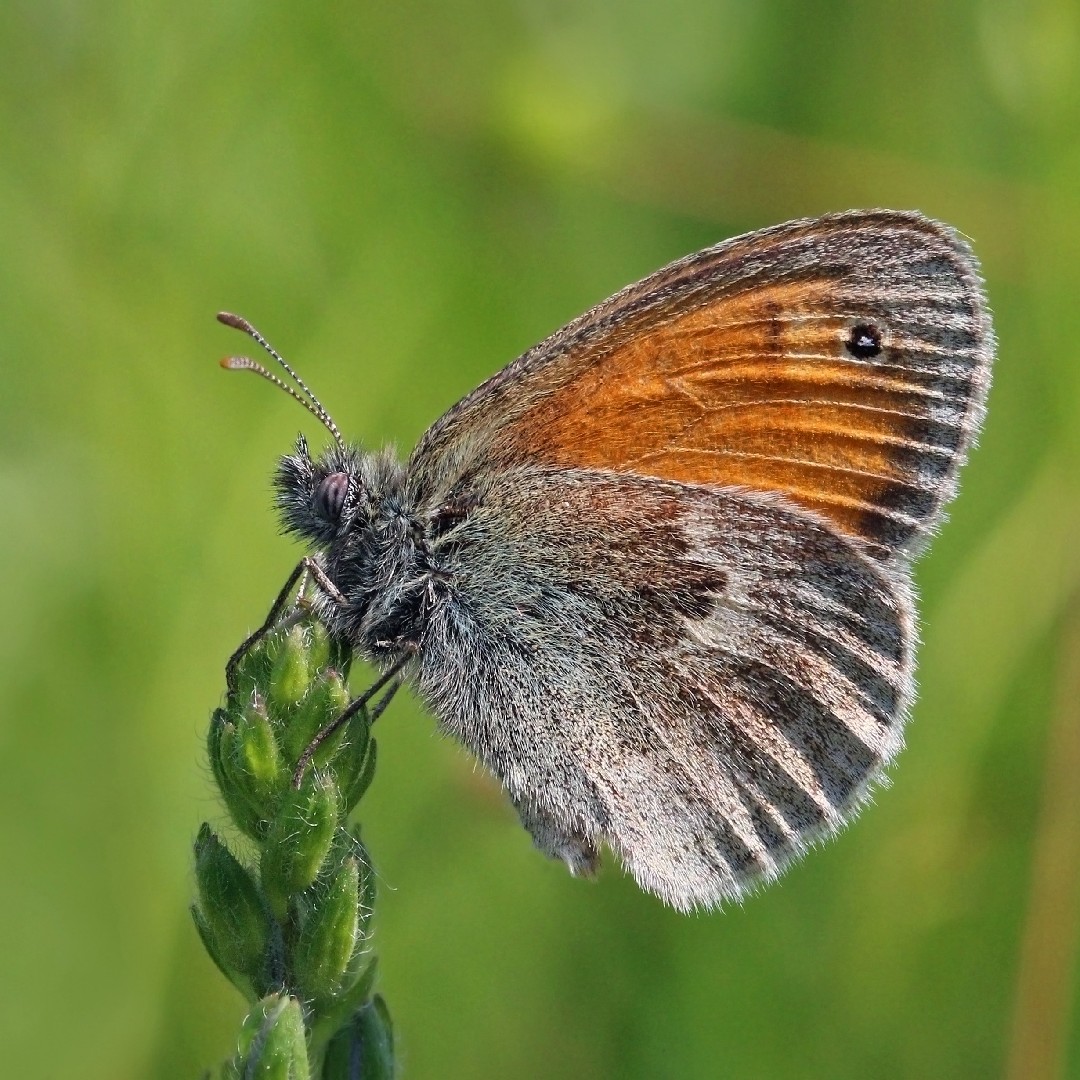
4. Small heath
It rests with closed wings when not in flight.
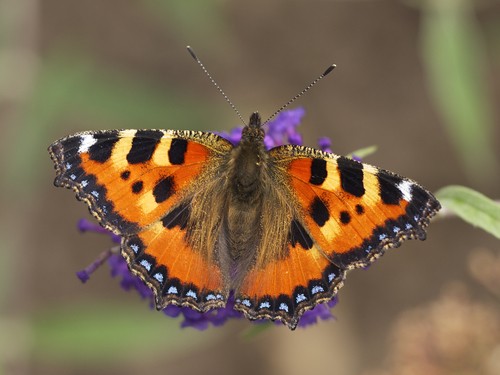
5. Small tortoiseshell
Small and colorful, small tortoiseshell (Aglais urticae) is the national butterfly of Denmark. However, it is capable of surviving anywhere the common nettle leaf may be found, which the larvae of this species depend on. Once among the most common butterflies in Europe and temperate Asia, this species is experiencing rapid declines for reasons still being investigated.
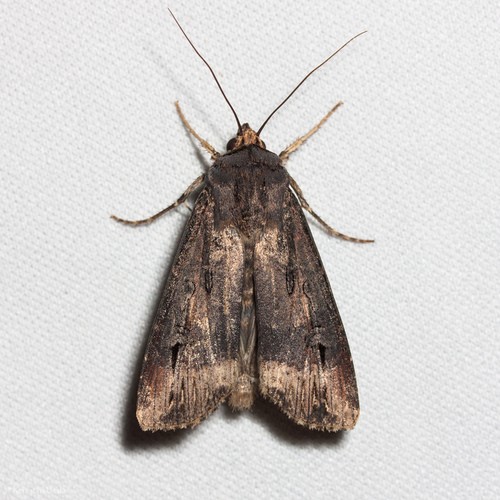
6. Dark sword-grass
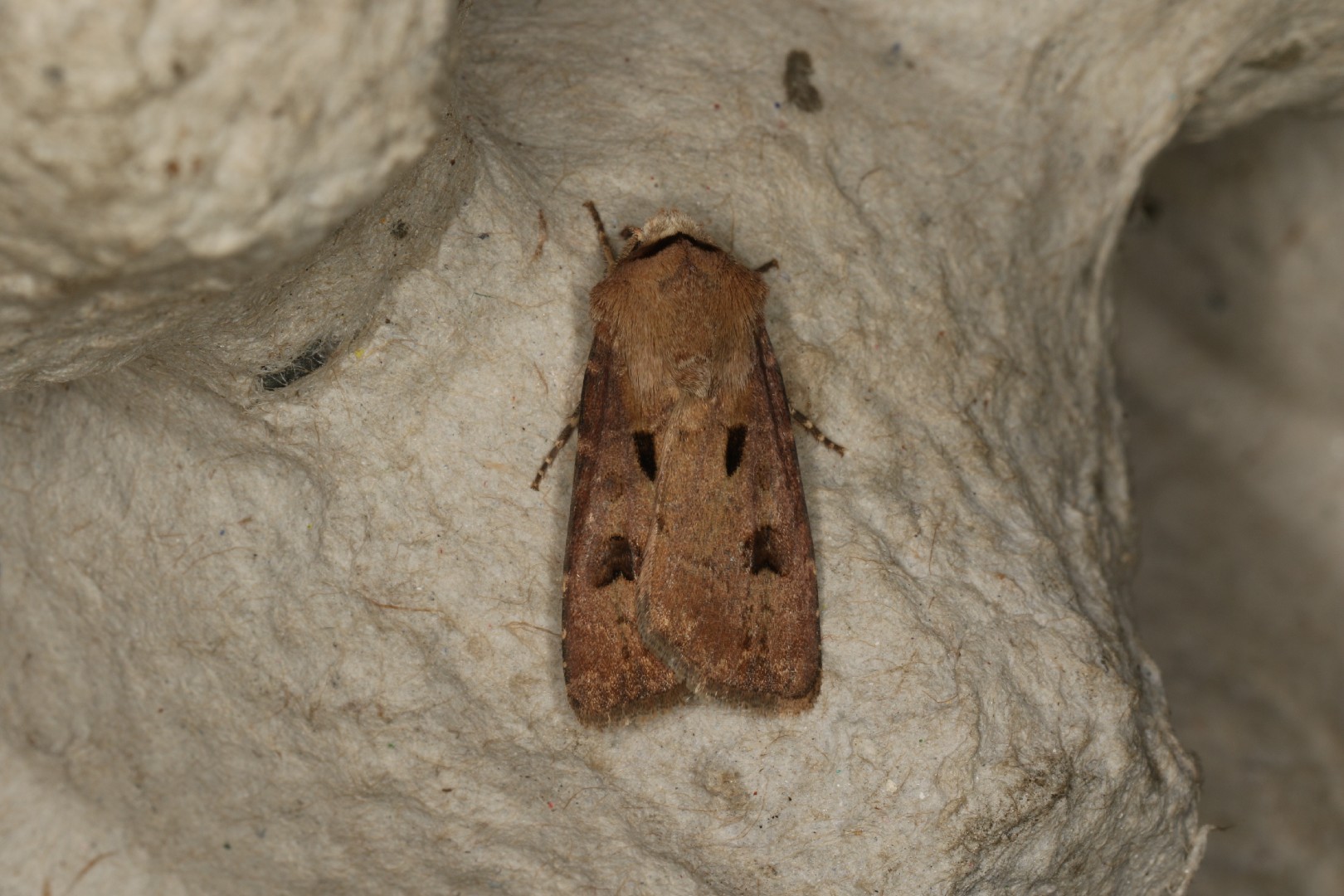
The dark sword-grass (Agrotis ipsilon) earned that name from its darker color and its ability to cut down a variety of vegetation. As a result, they can be called the Black cutworm. Another unique feature is the female's calling abilities. As they get older, females need to start to call earlier in order to appear more attractive than their younger counterparts.
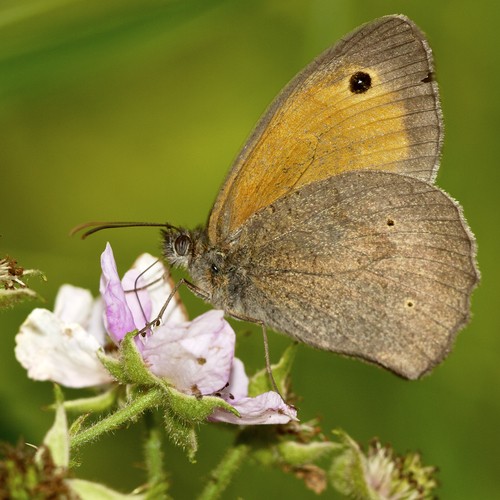
7. Meadow brown
The meadow brown (Maniola jurtina) is similar to the Gatekeeper in the way that it rests with its wings open due to the "eye spots" on either end of its wings that ward off predators. While the color is a deep brown, the caterpillar form is a beautiful bright green with little, white hairs and a dark line leading down its back.
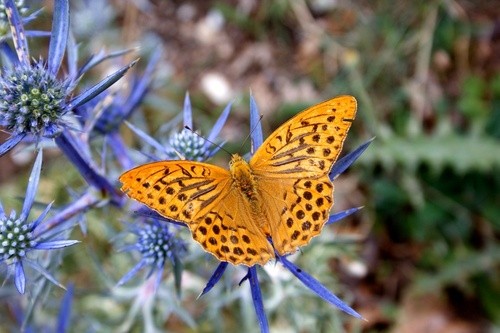
8. Silver-washed fritillary
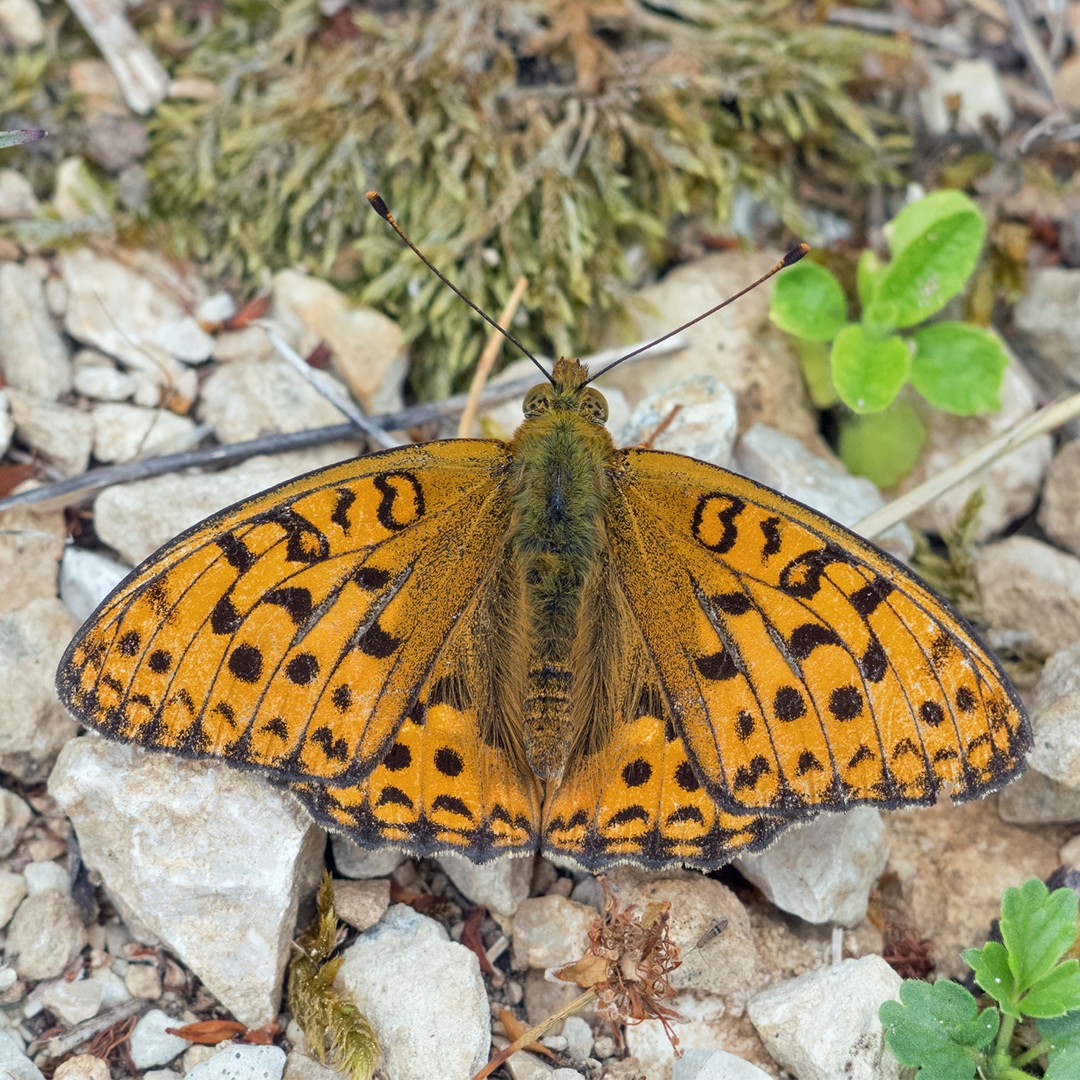
The silver-washed fritillary (Argynnis paphia) is a beautiful, orange butterfly that is covered in black spots. It earns the "silver-washed" portion of its name through silver streaks you can find running along with it. It produces a scent using "scales" that allows it to distinguish itself when females are trying to locate it.
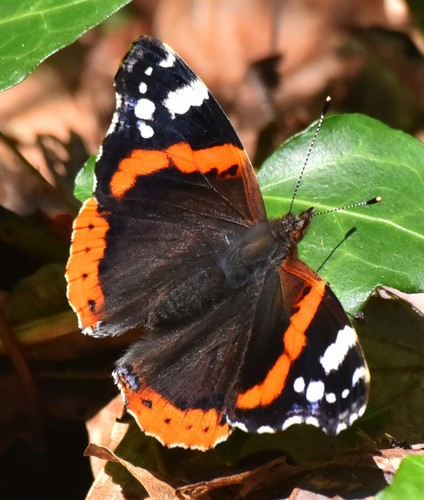
9. Red admiral
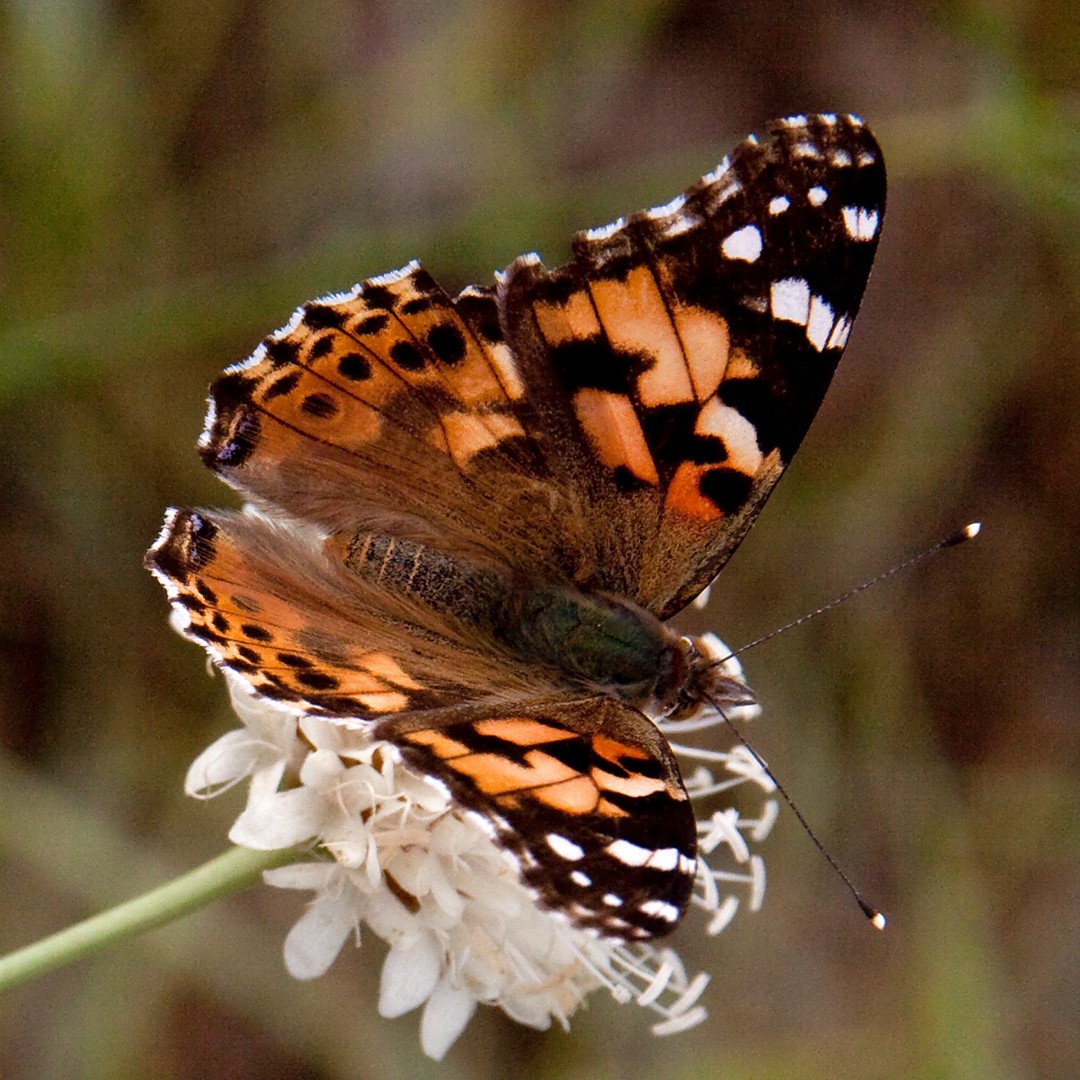
Red admiral (Vanessa atalanta) is a visually striking species of butterfly. Unusually territorial, males will compete for choice areas, and females will only mate with males that maintain their own territories. This butterfly is known for being particularly patient with human interactions, even to the point of perching on clothing or flesh.
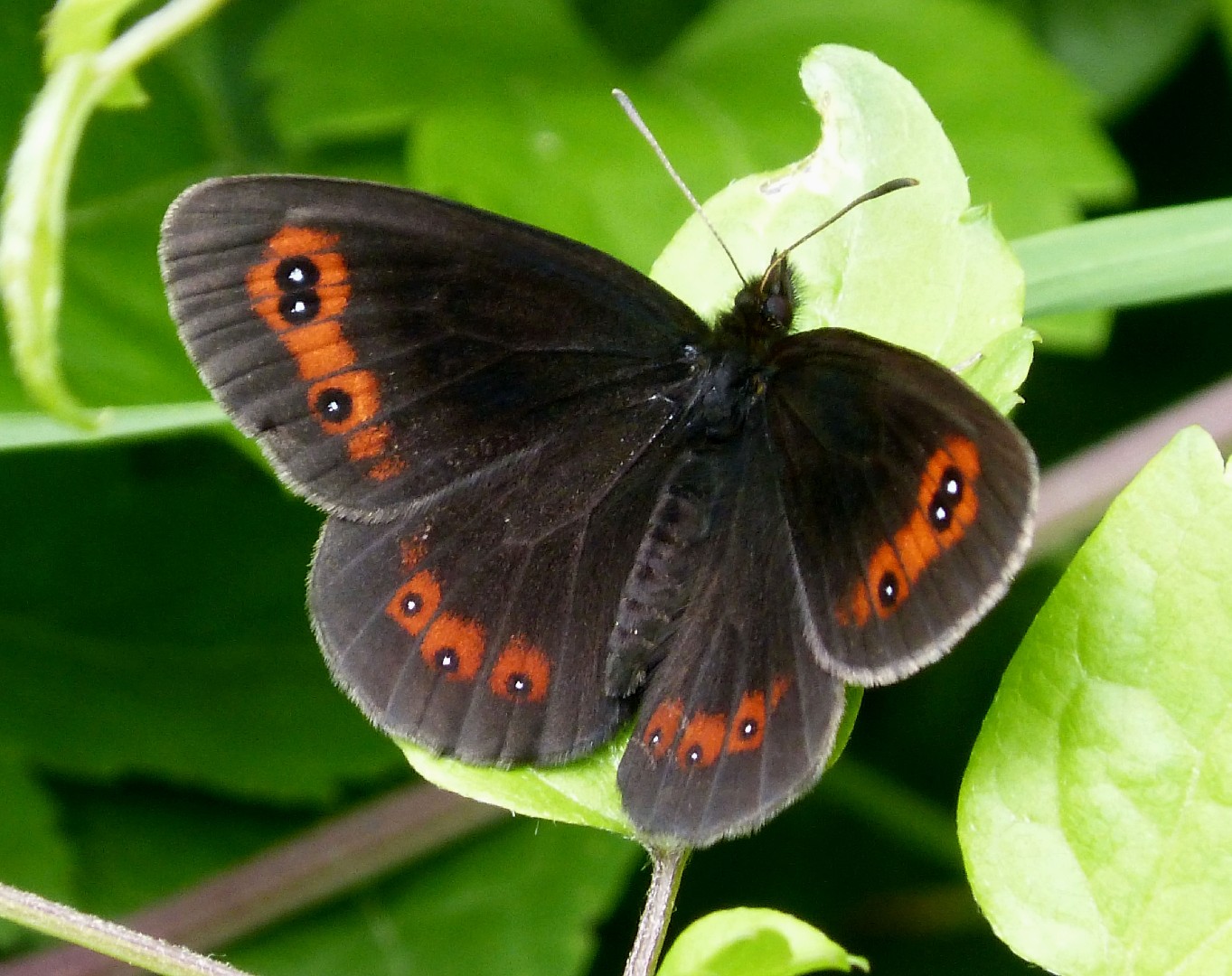
10. Scotch argus
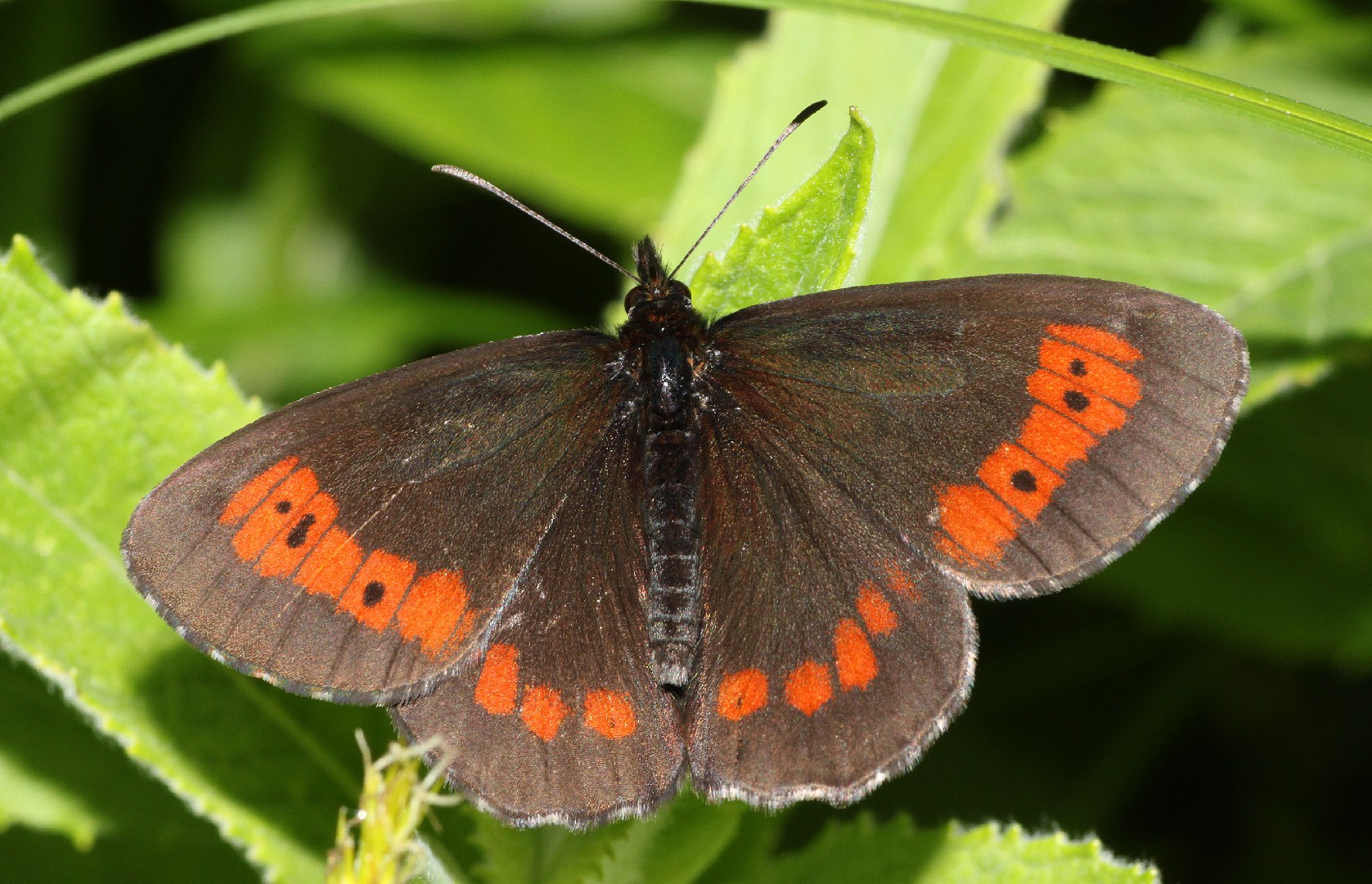
Erebia aethiops has a wingspan of 4 - 4.5 cm. Antennae are clavate (club shaped). The background colour of the wings varies from dark brown to black brown, with reddish-yellow bands, black eyespots with white pupils and greyish wing fringes, weakly chequered in the females. On the forewing there are three or four eyespots, usually two apical plus a third detached, while on the hindwings there are four or five. The underside of the hindwings shows a whitish or cream banding but there is a slightly marked sexual dimorphism. The mature caterpillar is yellow brown, with a brown head. The pupae are yellow brown and relatively short and compact, reaching a length of 1.2 - 12 cm. This species is rather similar to Erebia ligea, but the fringes on the edges of the upper side of the wings are more light grey, while in E. ligea they are white.
More







