




Top 20 Most Common Insects in Fukuoka
Welcome to the intriguing world of insects in Fukuoka, a land bustling with remarkable insect diversity. Geographic elements like climate, flora, and fauna heavily influence this array of insect species, each playing their unique roles as pollinators, pests, or nutrient recyclers. As we journey through our '20 most common insects in Fukuoka', we delve into their fascinating lives and how they distinctively contribute to our lush, vivacious ecosystem.

Most Common Insects
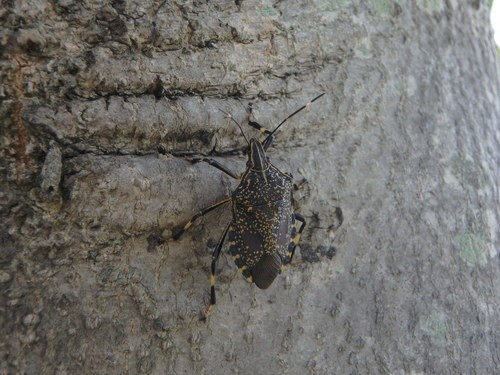
1. Yellow-spotted stink bug
The yellow-spotted stink bug has a wide distribution across Asia. In China, the insect is a pest to more than 57 plants, including fruit trees. It can damage plants and reduce crop yields. Adults overwinter in natural and manmade shelters like building crevices and underneath tree bark, emerging in the spring to feed on the tree’s new growth.
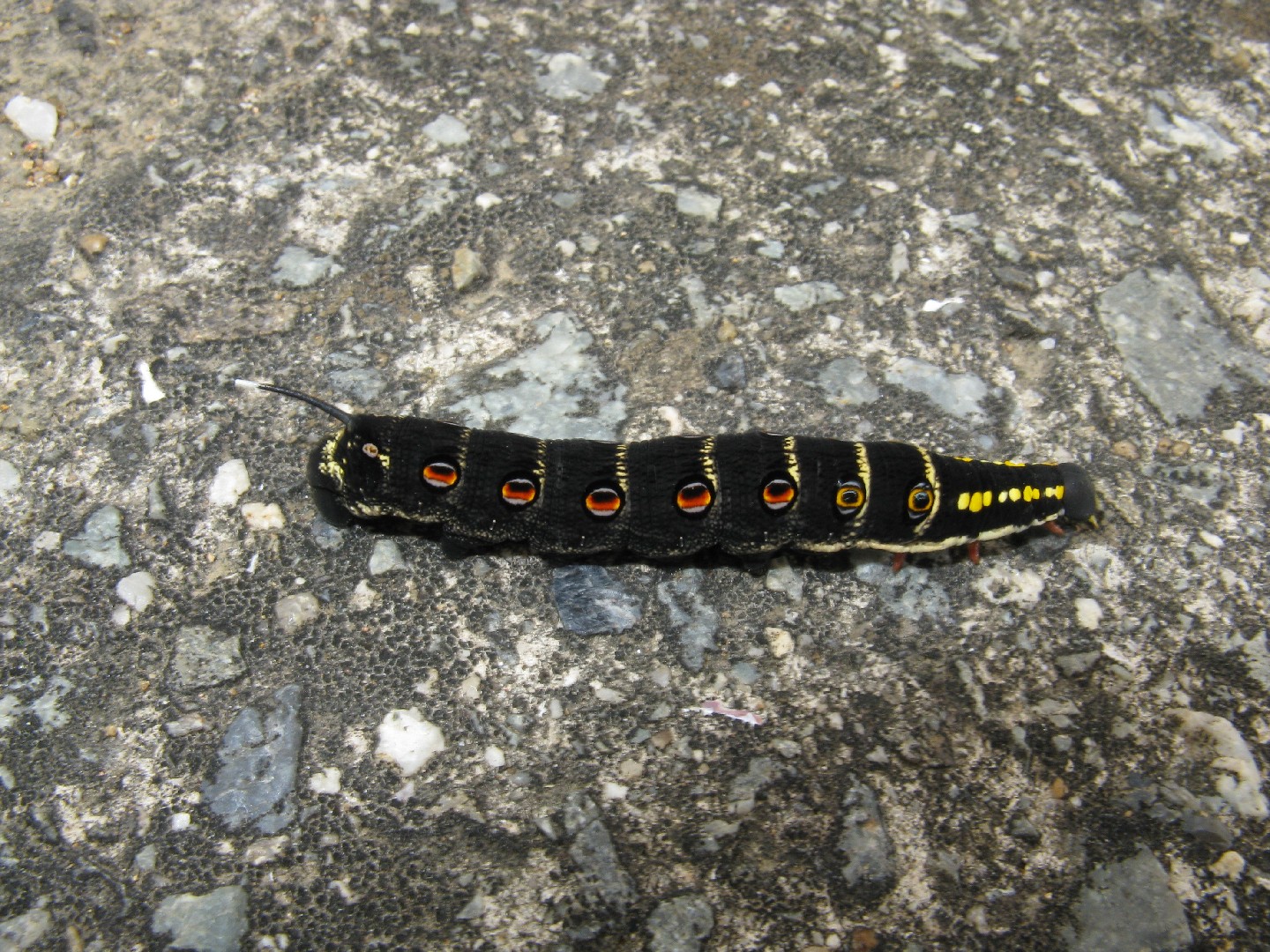
2. Impatiens hawk moth
The impatiens hawk moth can be considered a pest among commercial and residential gardeners. Both the moth and caterpillar feed on several flowering plants, including fuchsias and the Australian native violet. Adult females lay their eggs on the plant’s foliage, ensuring the hatching larvae have a ready food source.

3. Siren
Hestina persimilis, the siren, is an East Palearctic species of siren butterfly (Apaturinae) found in western China, Simla to Assam, Orissa. The larva feeds on Celtis australis. 
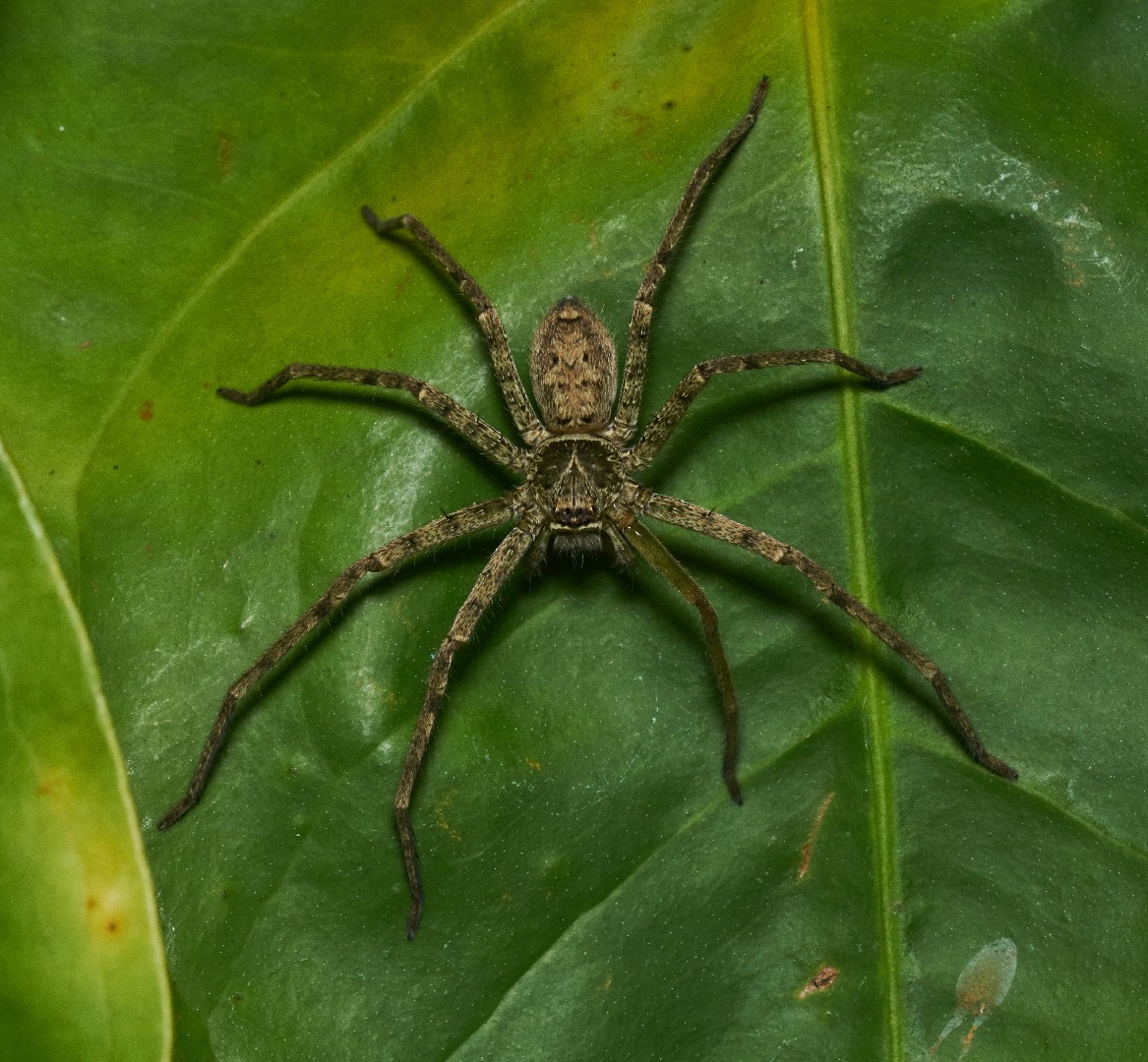
4. Giant Crab Spider
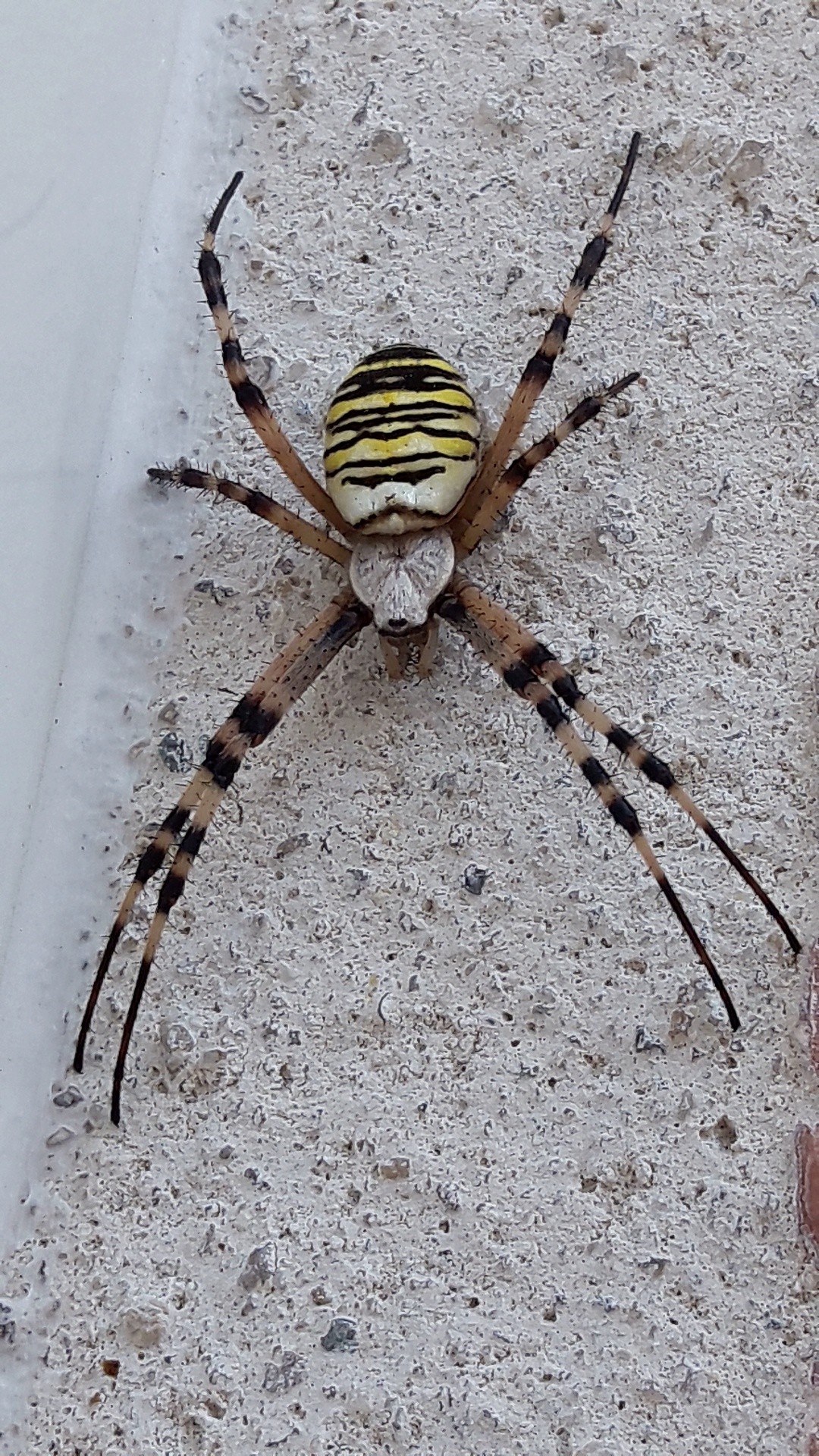
The giant Crab Spider is a large spider native to the tropics; the largest reported individual had a leg span of 30 cm. This cosmopolitan spider is highly valued in some areas, as it's able to catch cockroaches and other indoor pests. Reportedly, it hunts even scorpions and bats. This spider is venomous and sometimes bites humans, but it's considered harmless.
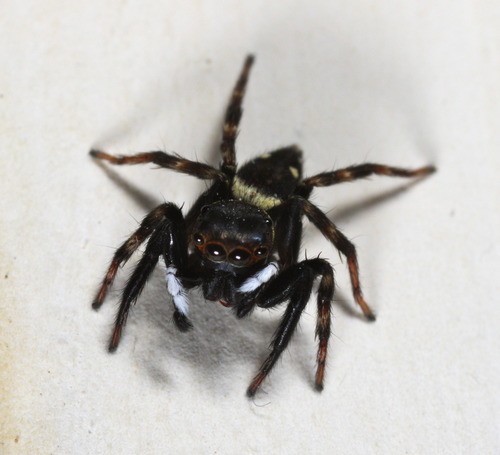
5. Adanson's house jumper
Adanson's house jumper is a type of jumping spiders that can be found in areas with a warm climate. The male spiders have sometimes been found to eat young female spiders, though it is unclear why this behavior occurs. They primarily live on walls in houses and feed on mosquitos.
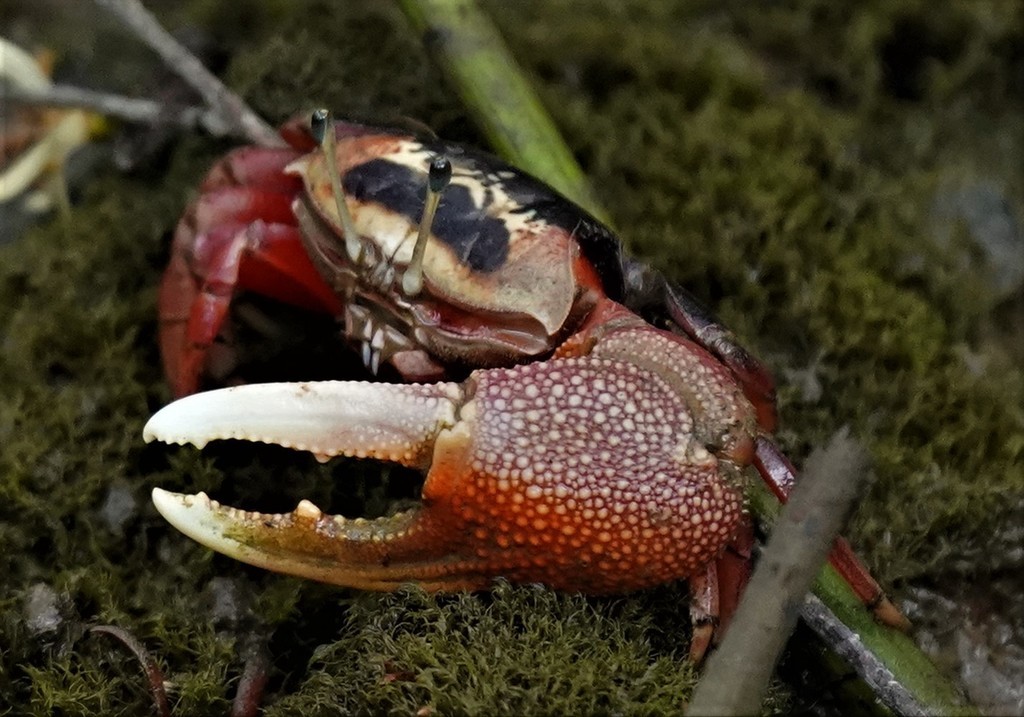
6. Bowed fiddler crab
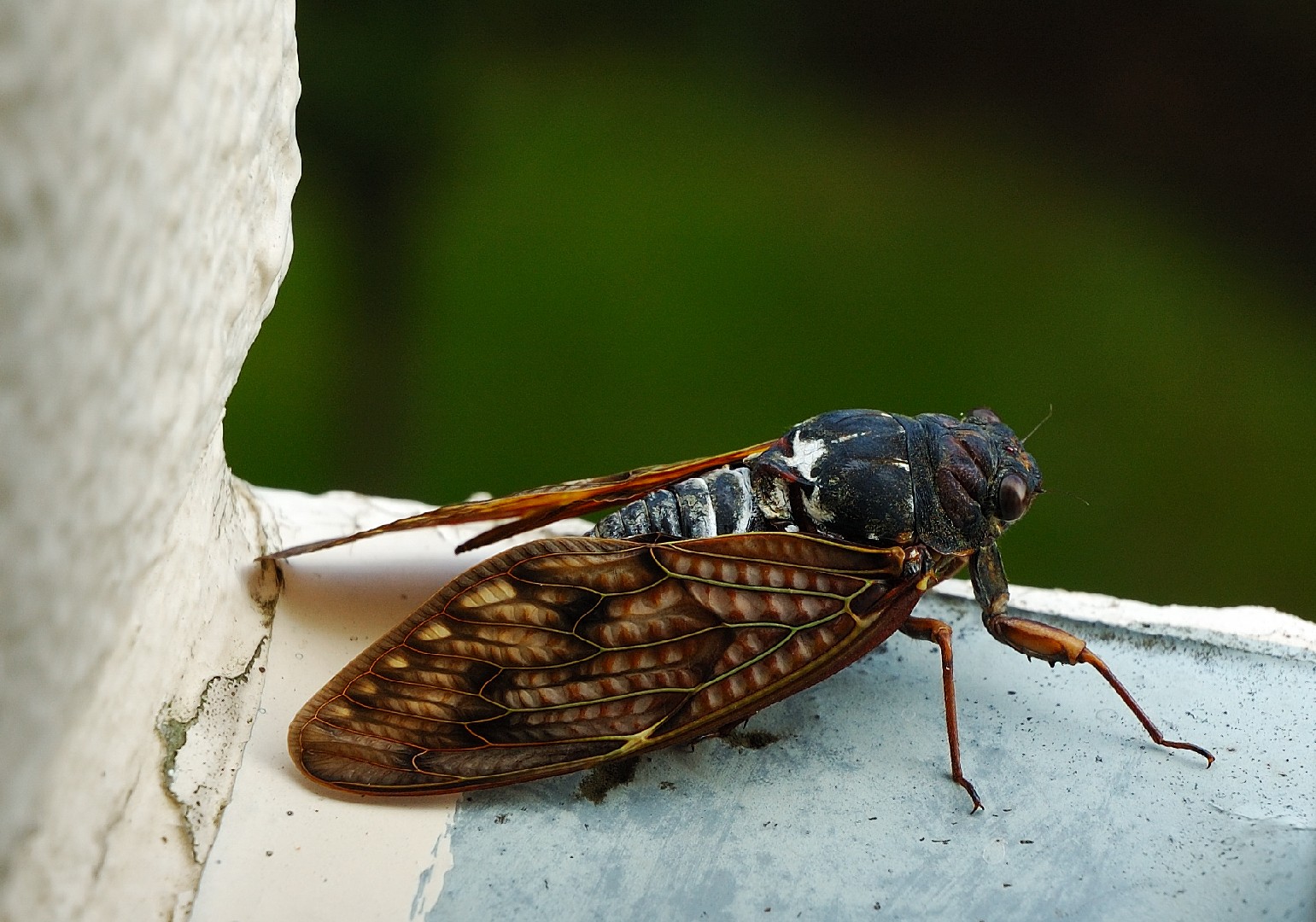
7. Large brown cicada
Large brown cicada are usually about 6 - 6 cm long, having a wingspan of roughly 8 cm.
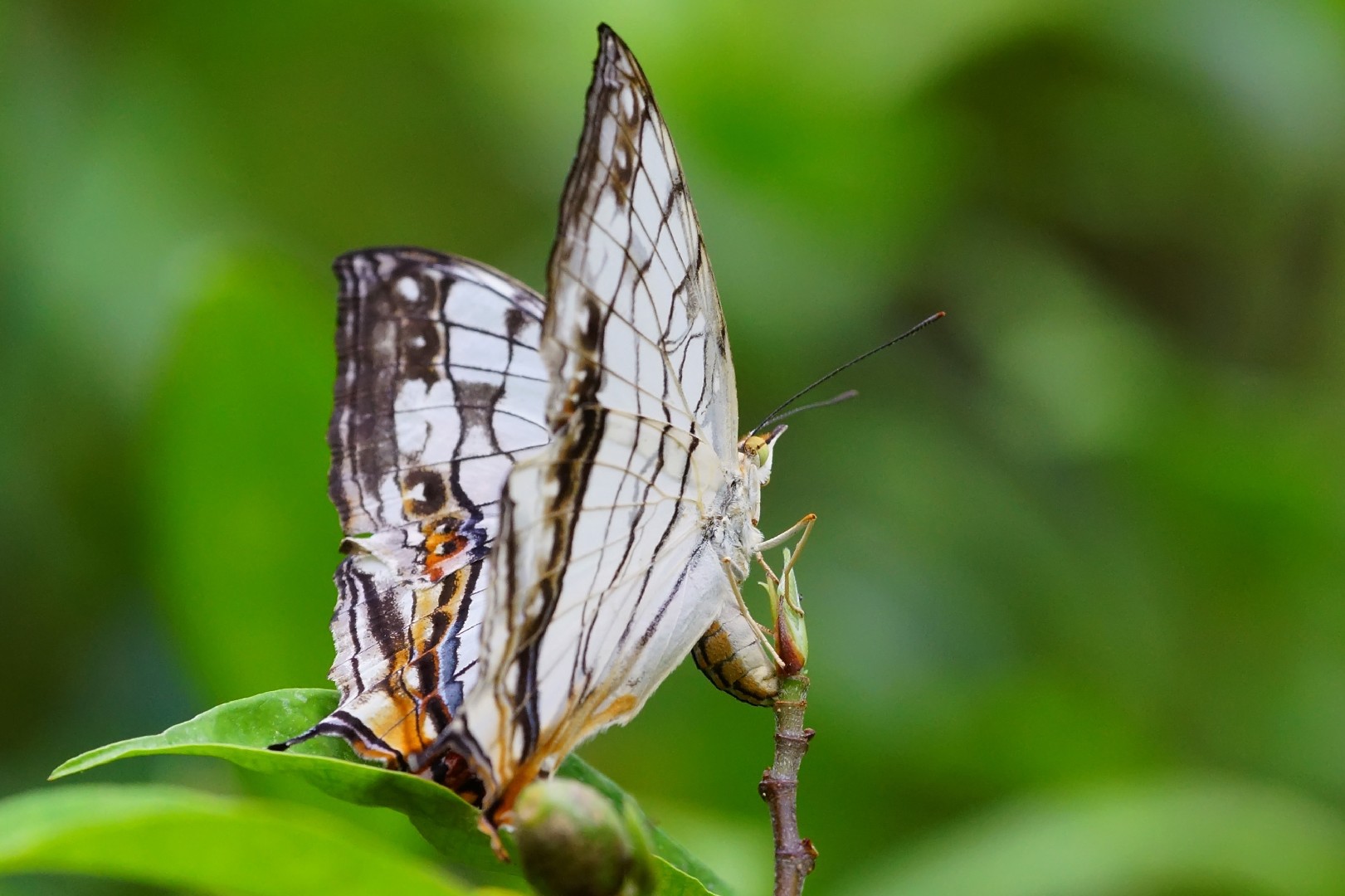
8. Common map
Males and females upperside white, in many specimens pale ochraceous yellow, veins black. Forewing with four very slender irregularly sinuous transverse black lines, the costal margin shaded with ochraceous at base and fuscous beyond; cell crossed by three or four additional short lines; a postdiscal very incomplete series of white-centred broad fuscous rings in the interspaces, tinged with ochraceous near the tornus and broadly interrupted in interspaces 3 and 4; beyond this two transverse black lines not reaching the dorsal margin, shaded with fuscous between; the apex broadly and the termen also shaded with fuscous. Hindwing with three transverse fine lines; a pair of postdiscal broad black lines shaded with light sepia brown between, forming a conspicuous band, the outer line broken and incomplete, followed by two irregular black lines, a subterminal more pronounced black line, and posteriorly a narrow black terminal margin; dorsal margin broadly fuscous at base; apical half and the tornal area and lobe rich ochraceous, with some sepia-brown and black markings. Underside similar, the markings of the upperside showing through by transparency; the ochraceous shading on dorsum and tornal area on hindwing of less extent, but the tornal lobe darker ochraceous with a central large round black spot. The markings both on upper and undersides vary a little in depth of colour and breadth. In many specimens there is a diffuse fuscous spot between the discal pair of transverse fine lines on forewing. Antennae, head, thorax and abdomen above black, thorax and abdomen with lateral greyish longitudinal stripes: beneath white. Body of the female paler than that of the male. Expanse 6 - 7 cm. The eggs were curious and beautiful, high domed-shaped or almost conical, with an aperture at the top fitted with a deeply dentate flat cap like a cogged wheel. The larva was unlike any other that, we have ever seen, slender, cylindrical and smooth; with two long curved divergent filaments or soft horns on the head, a single at outer sword-shaped one on the back at the 5th or 6th segment curved backwards and serrated on its inner edge, and another on the last segment curved forwards and serrated on its outer edge. The colour was a fine reddish brown with a broad green band on the side from the 5th to the last segment. The pupae were suspended by the tail, very much compressed, with a dorsal ridge from head to tail, high and obtusely pointed in the middle, the palpi-cases united and produced into a long somewhat recurved snout; colour brown with fine dark striae.
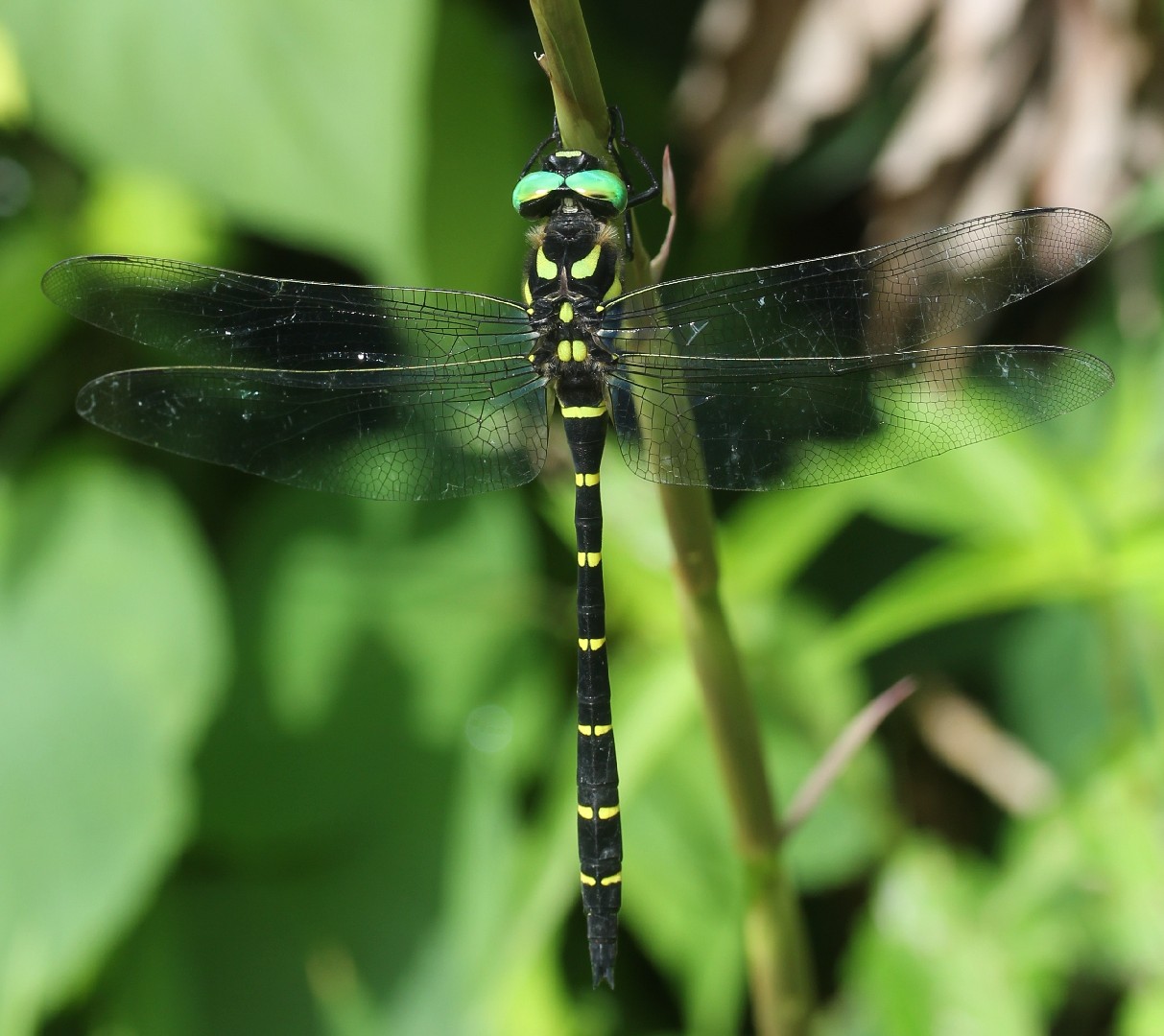
9. Jumbo dragonfly
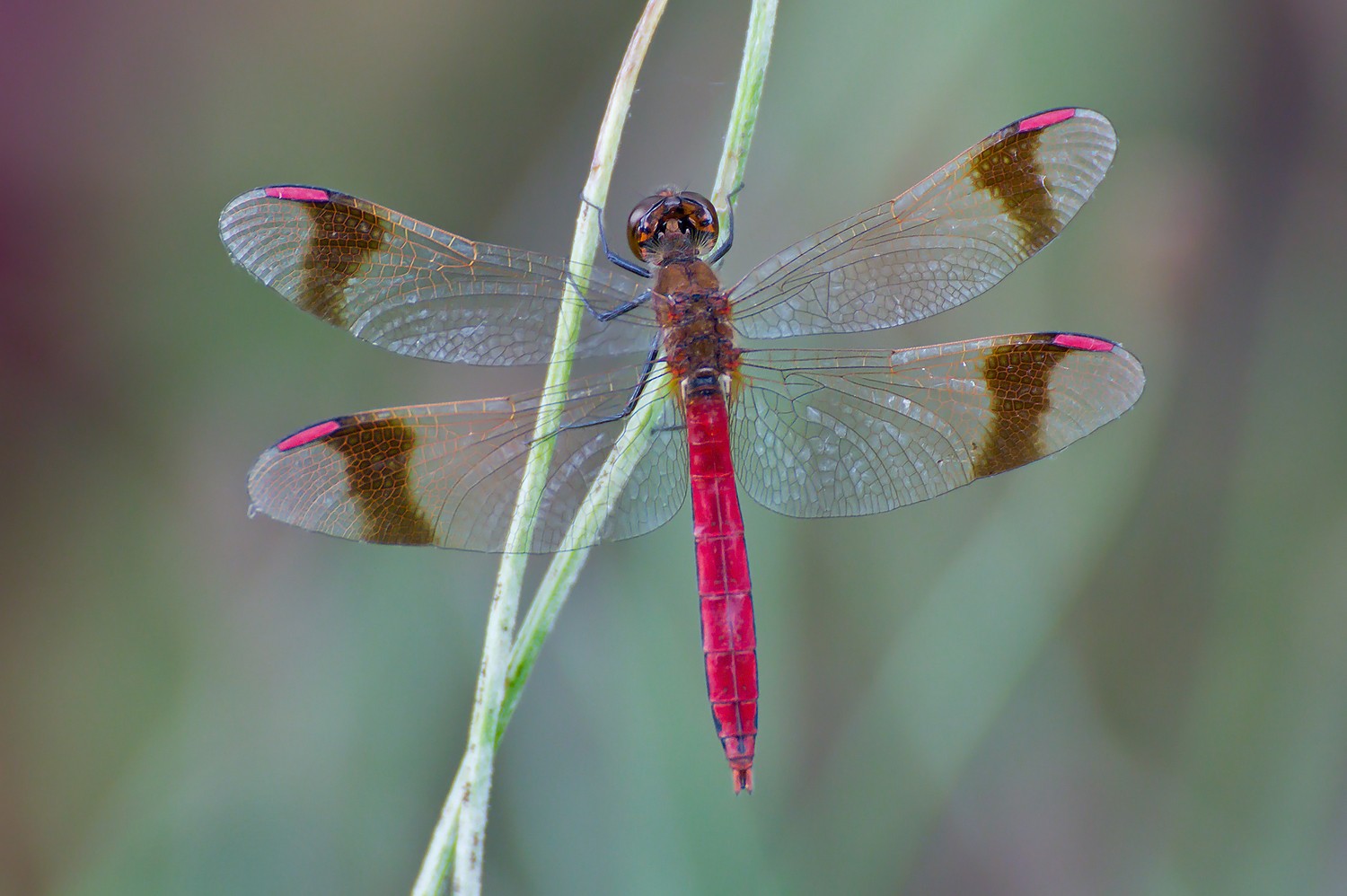
It can grow between 10 cm and 10 cm in length.
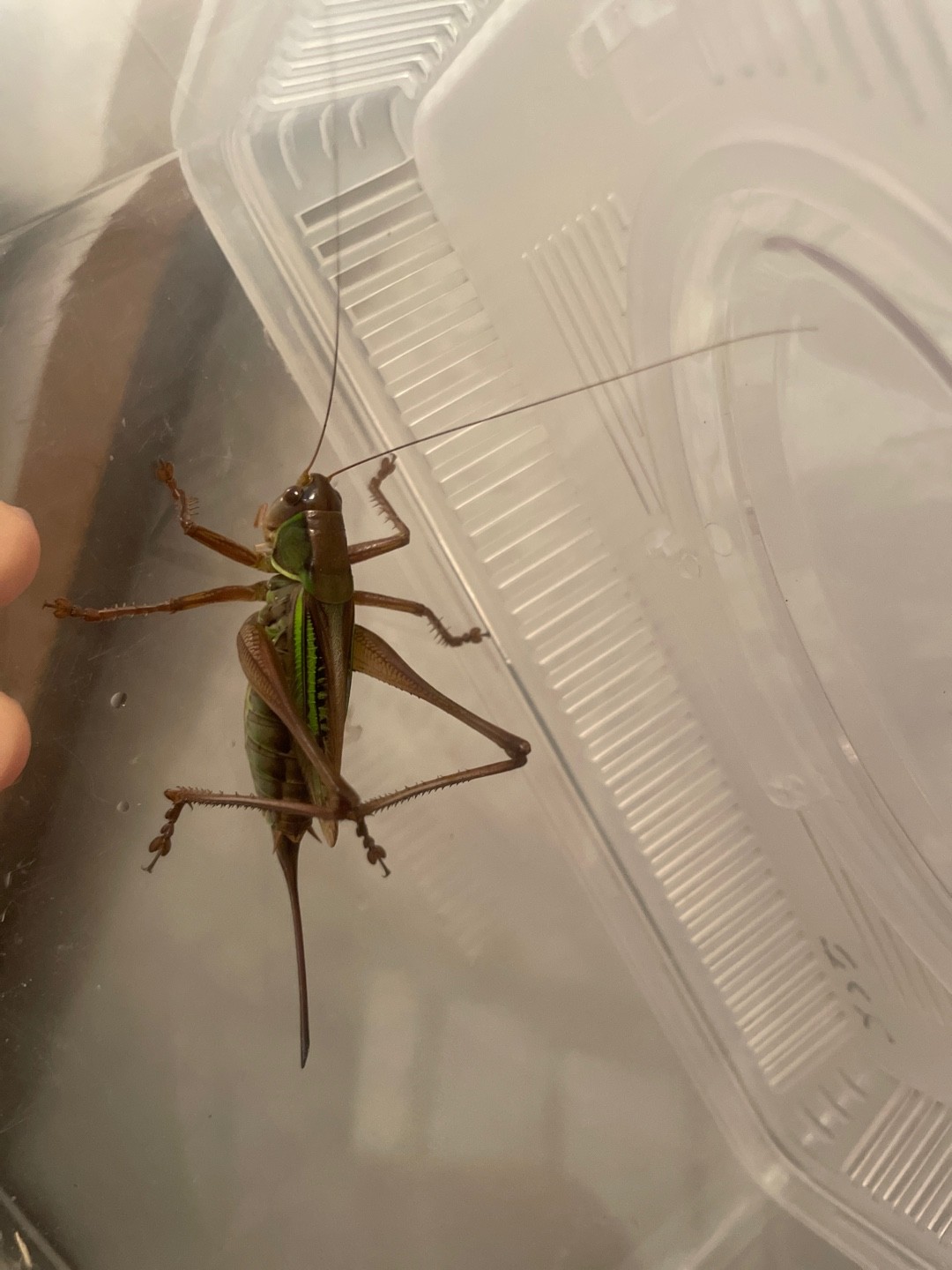
10. Gampsocleis buergeri
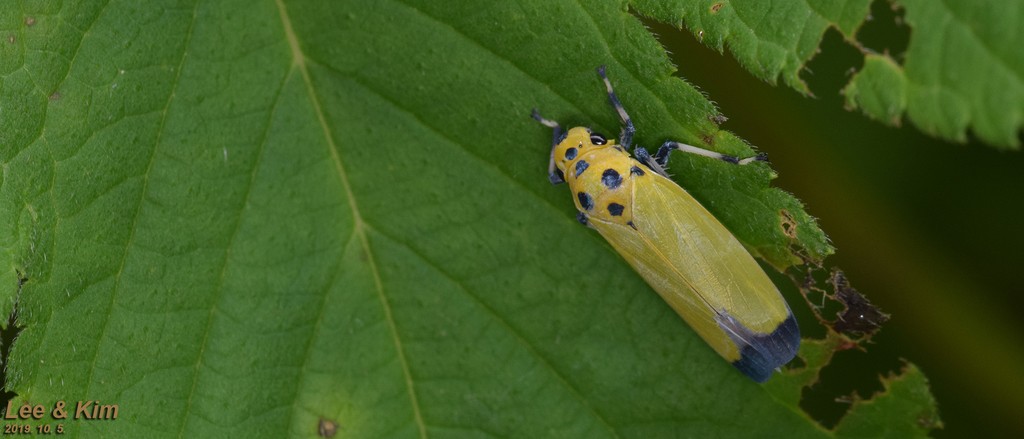
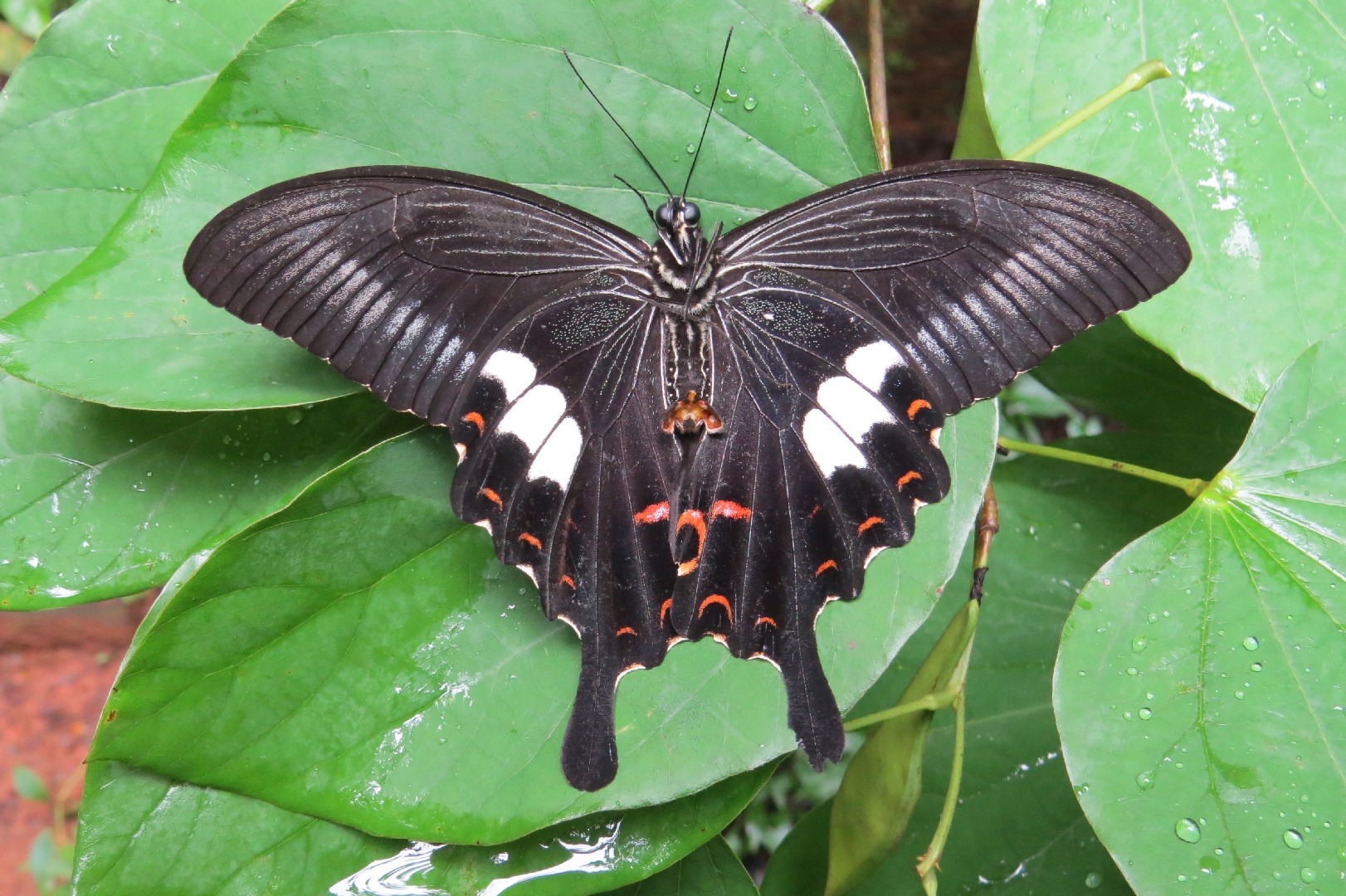
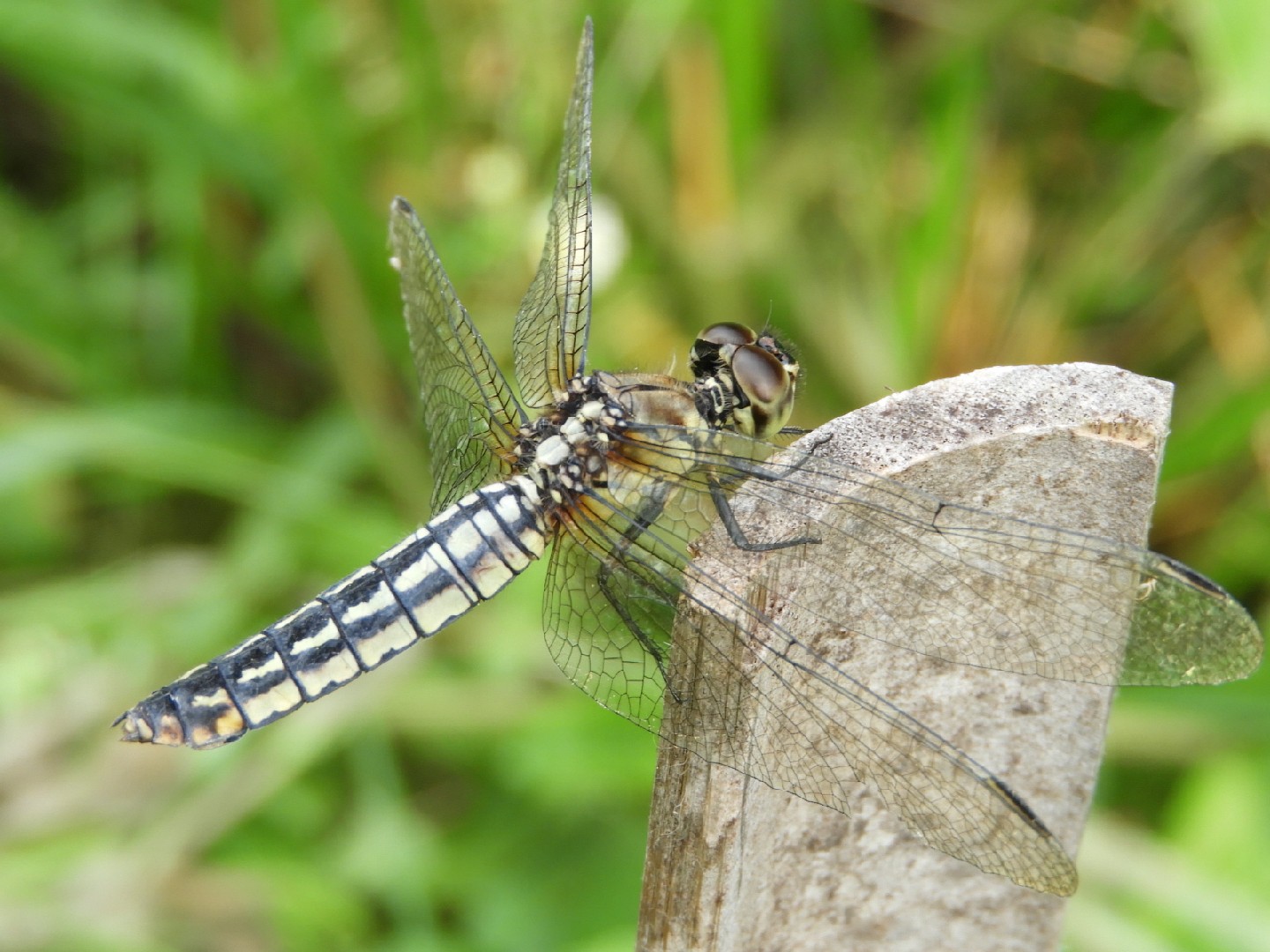

More







