




Top 20 Most Common Insects in Hiroshima
Insects, with their fascinating diversity and adaptability, form an integral part of the ecosystems in Hiroshima. The region's varying landscapes each harbour their own unique insect populations, creating a mosaic of life that directly influences the environment. These insects perform crucial duties - from pest control to pollination. Our 'Top 20 most common insects in Hiroshima' will delve into the rich variety of these creatures and unravel their roles in Hiroshima's environmental tapestry.

Most Common Insects
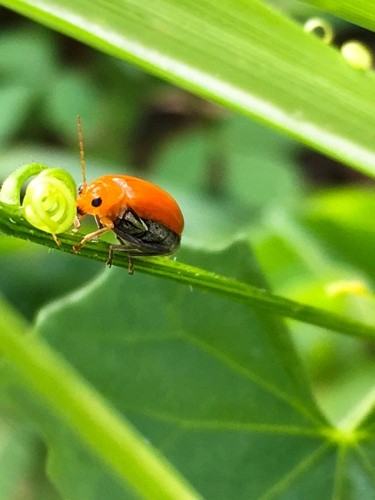
1. Cucurbit beetle
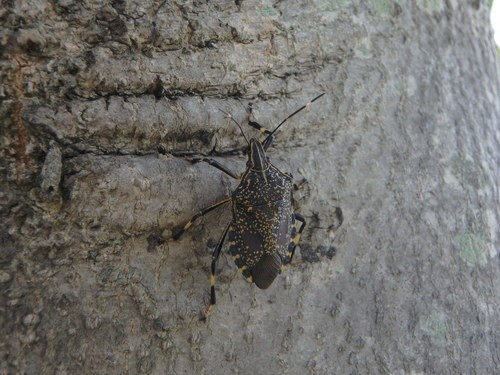
2. Yellow-spotted stink bug
The yellow-spotted stink bug has a wide distribution across Asia. In China, the insect is a pest to more than 57 plants, including fruit trees. It can damage plants and reduce crop yields. Adults overwinter in natural and manmade shelters like building crevices and underneath tree bark, emerging in the spring to feed on the tree’s new growth.
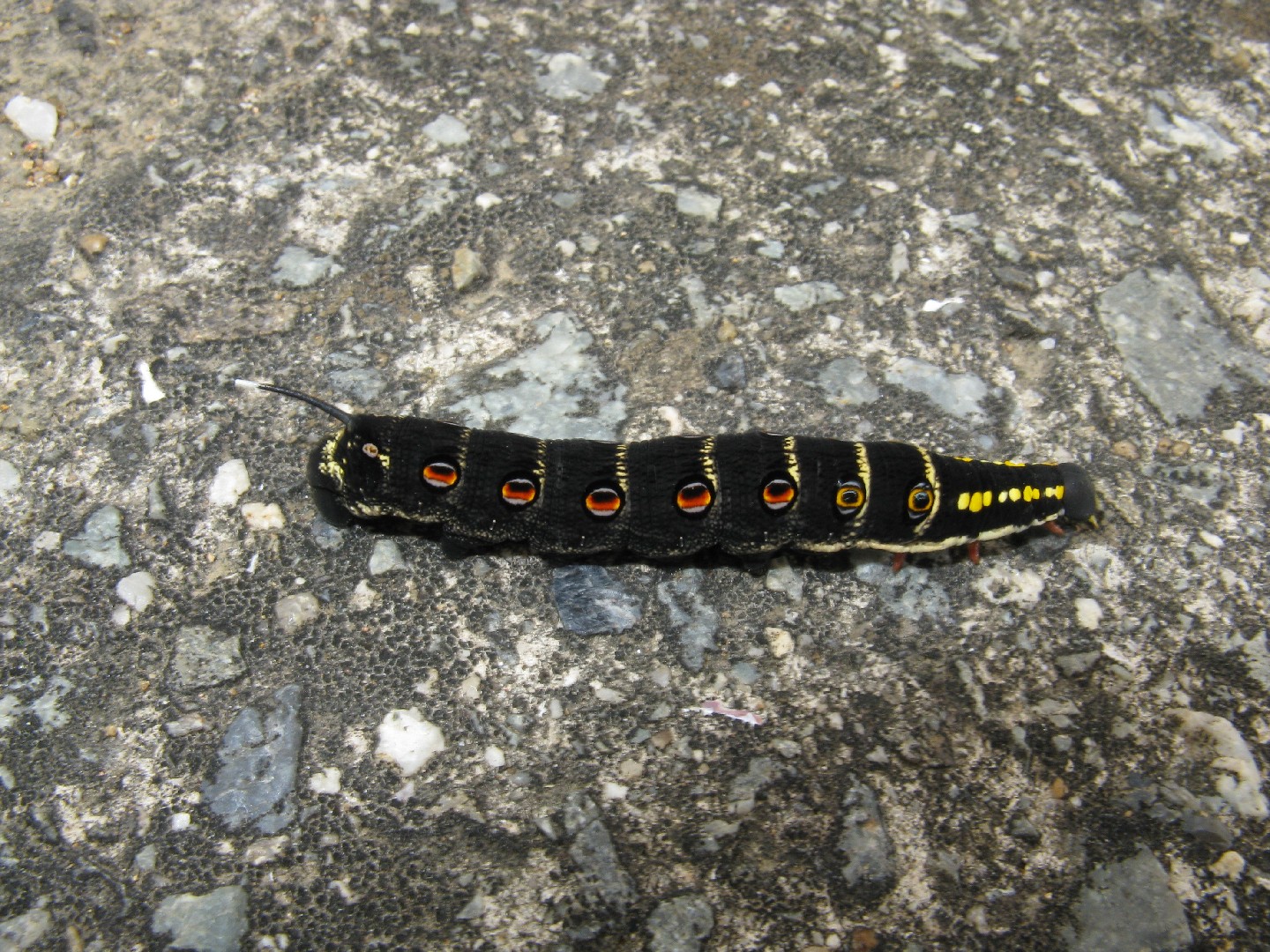
3. Impatiens hawk moth
The impatiens hawk moth can be considered a pest among commercial and residential gardeners. Both the moth and caterpillar feed on several flowering plants, including fuchsias and the Australian native violet. Adult females lay their eggs on the plant’s foliage, ensuring the hatching larvae have a ready food source.

4. Siren
Hestina persimilis, the siren, is an East Palearctic species of siren butterfly (Apaturinae) found in western China, Simla to Assam, Orissa. The larva feeds on Celtis australis. 
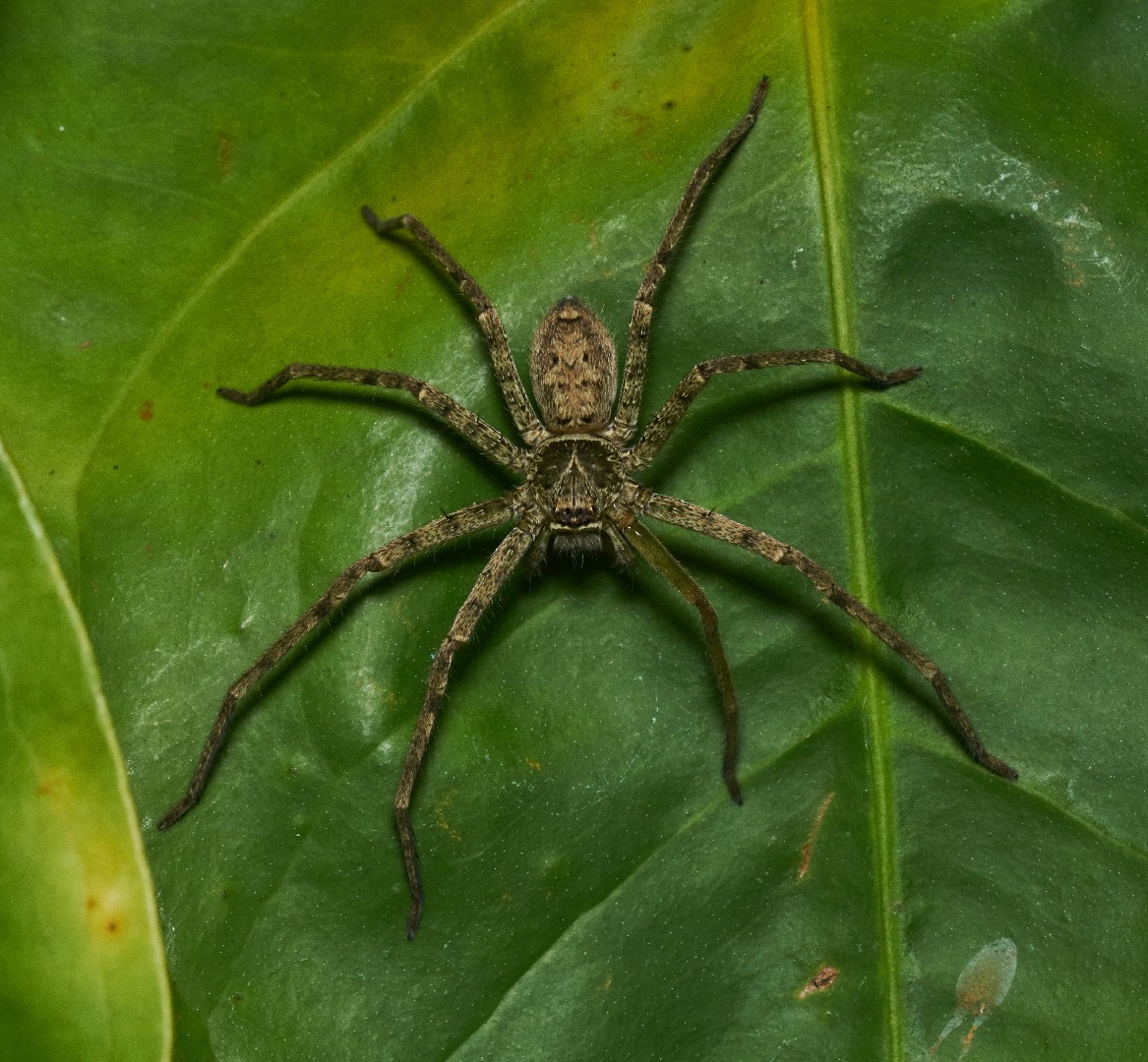
5. Giant Crab Spider
The giant Crab Spider is a large spider native to the tropics; the largest reported individual had a leg span of 30 cm. This cosmopolitan spider is highly valued in some areas, as it's able to catch cockroaches and other indoor pests. Reportedly, it hunts even scorpions and bats. This spider is venomous and sometimes bites humans, but it's considered harmless.
6. Hakka
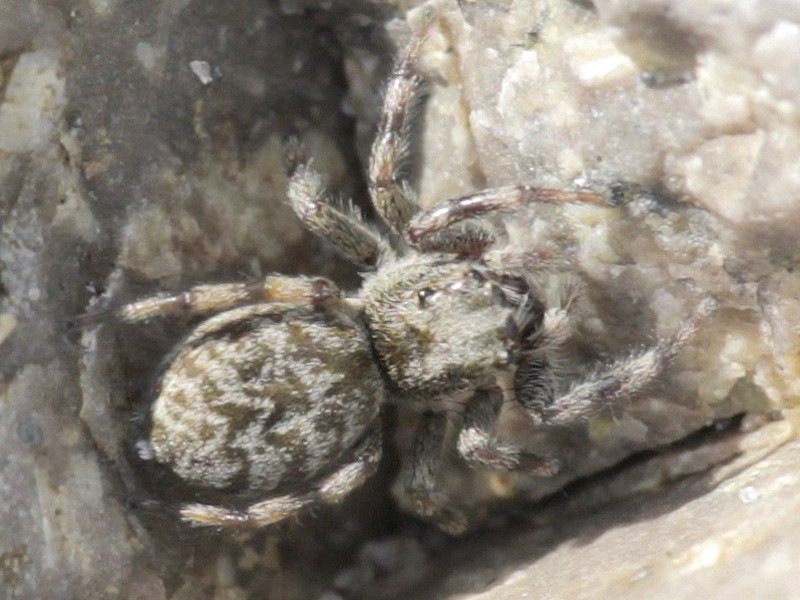
Both sexes have a body length of about 7 mm. The body and legs are uniformly dark brown. The body is covered with sparse lighter hairs. Between the eyes there are longer, reddish hairs that stand up diagonally. The chelicerae are brown and robust.
7. Golden flangetail
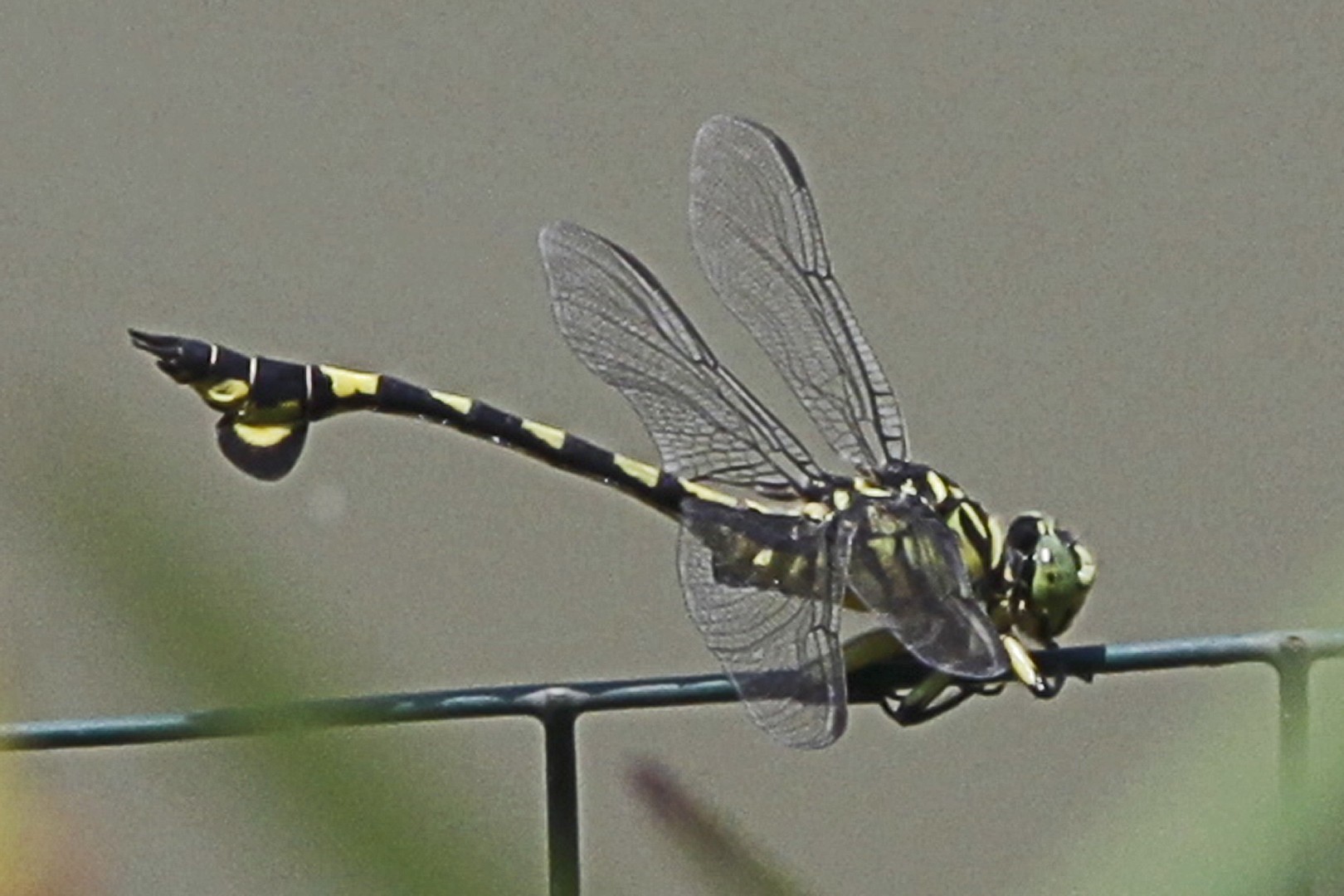
Sinictinogomphus clavatus, the golden flangetail, is a species of dragonfly in the clubtail family Gomphidae. It is the only species in the genus Sinictinogomphus. S. clavatus is common over a large range from Nepal to Vietnam and eastern Russia. Its habitat is standing or still (lentic) water.
8. Stictoleptura dichroa
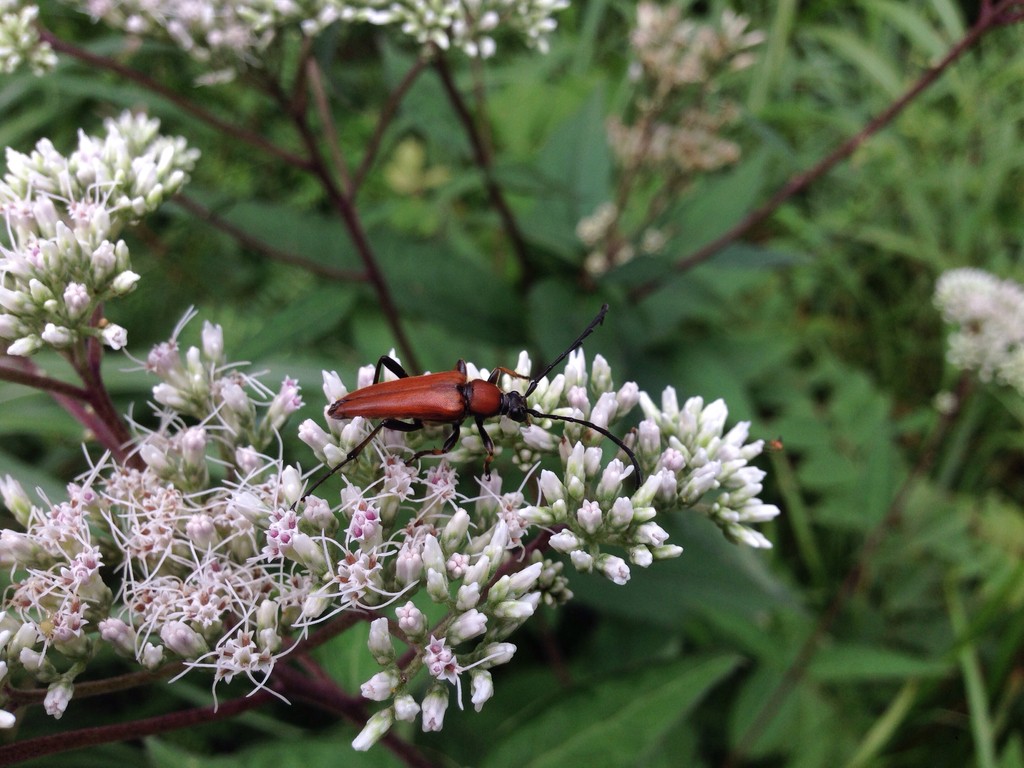
Stictoleptura dichroa is a species of beetle in the family Cerambycidae found in China, Korea and Russia.
9. Adanson's house jumper
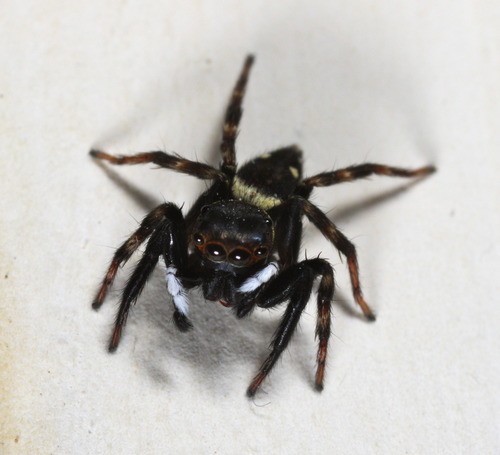
Adanson's house jumper is a type of jumping spiders that can be found in areas with a warm climate. The male spiders have sometimes been found to eat young female spiders, though it is unclear why this behavior occurs. They primarily live on walls in houses and feed on mosquitos.
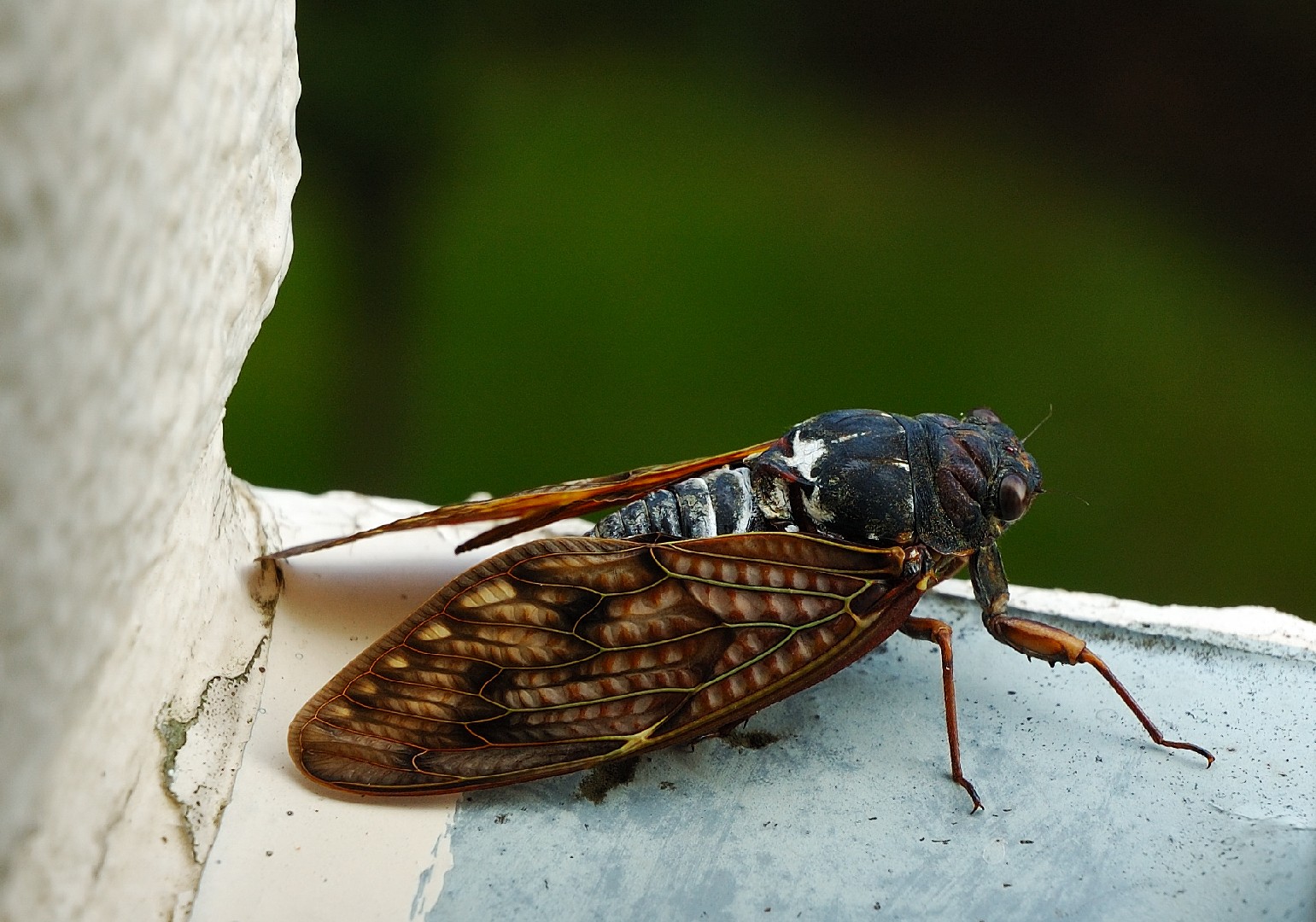
10. Large brown cicada
Large brown cicada are usually about 6 - 6 cm long, having a wingspan of roughly 8 cm.

More







