




Top 20 Most Common Insects in Miyako
Insects, renowned for their remarkable adaptability, inhabit numerous environments in Miyako, each with its unique microclimate shaping insect biodiversity. From beneficial pollinators to occasional pests, insects play essential roles within Miyako's ecosystem. By exploring the top 20 most common insects, we get a glimpse into the complex interplay between Miyako's diverse environments, and the insects inhabiting it.

Most Common Insects
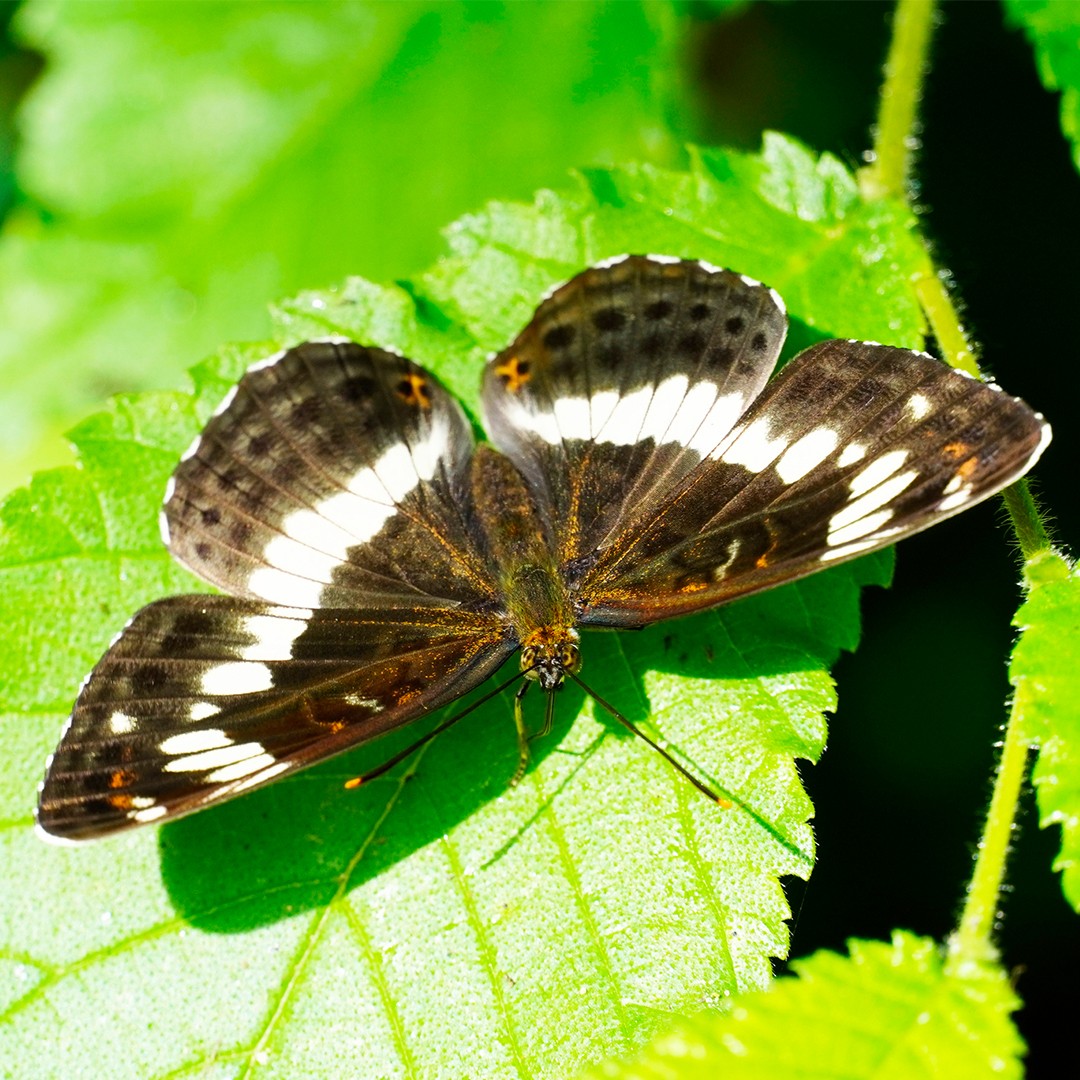
1. White admiral
L. Camilla L. (= sibilla L., aucl. cet.)(57a, b). Very similar to the preceding species [sydyi L. sydyi Led. (female 57a). Blackish brown, with white spots on the forewing and a strongly elbowed white band on the hindwing; at the apex of the forewing, especially in the female, some reddish brown smears. Underside for the most part brownish, the hindwing bluish at the base and abdominal margin, in the distal area with 2 rows of blackish spots, the spots of the outer row being lunate and forming the borders of a further row of whitish spots. The females have a less intense ground-colour, the whitish submarginal spots of the hindwing and the light and reddish patches in the cell of the forewing are more distinct.]; however, the position of the spots of the forewing is different and the band of the hindwing is but slightly curved, not elbowed; on the underside the black spots in the marginal area of the hindwing are all rounded, there being no band of light spots outside them as in sydyi. 
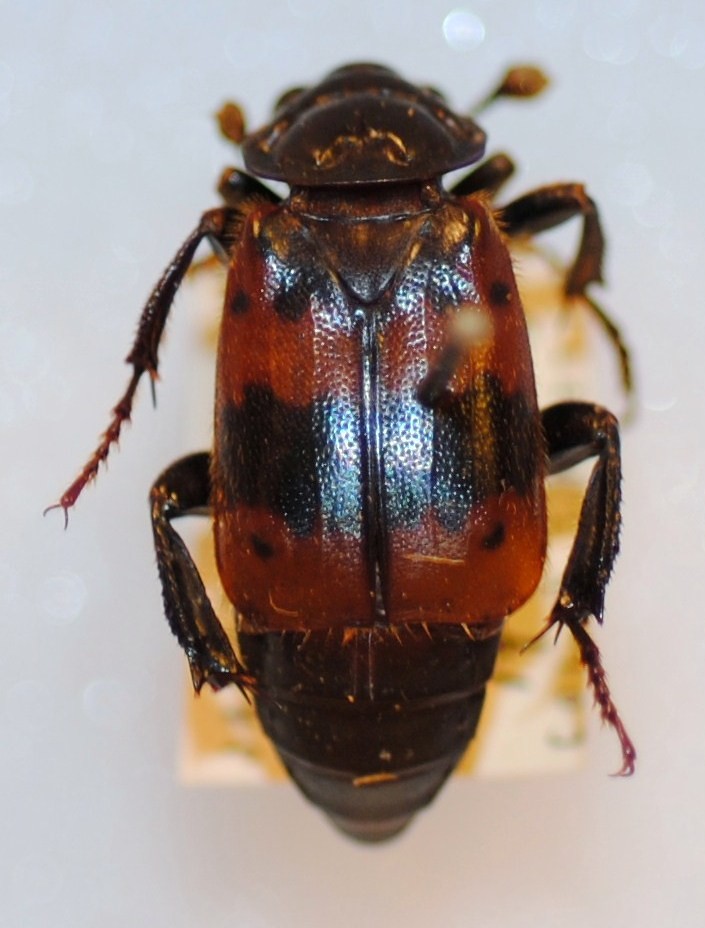
2. Nicrophorus quadripunctatus
Nicrophorus quadripunctatus is a burying beetle described by Kraatz in 1877.
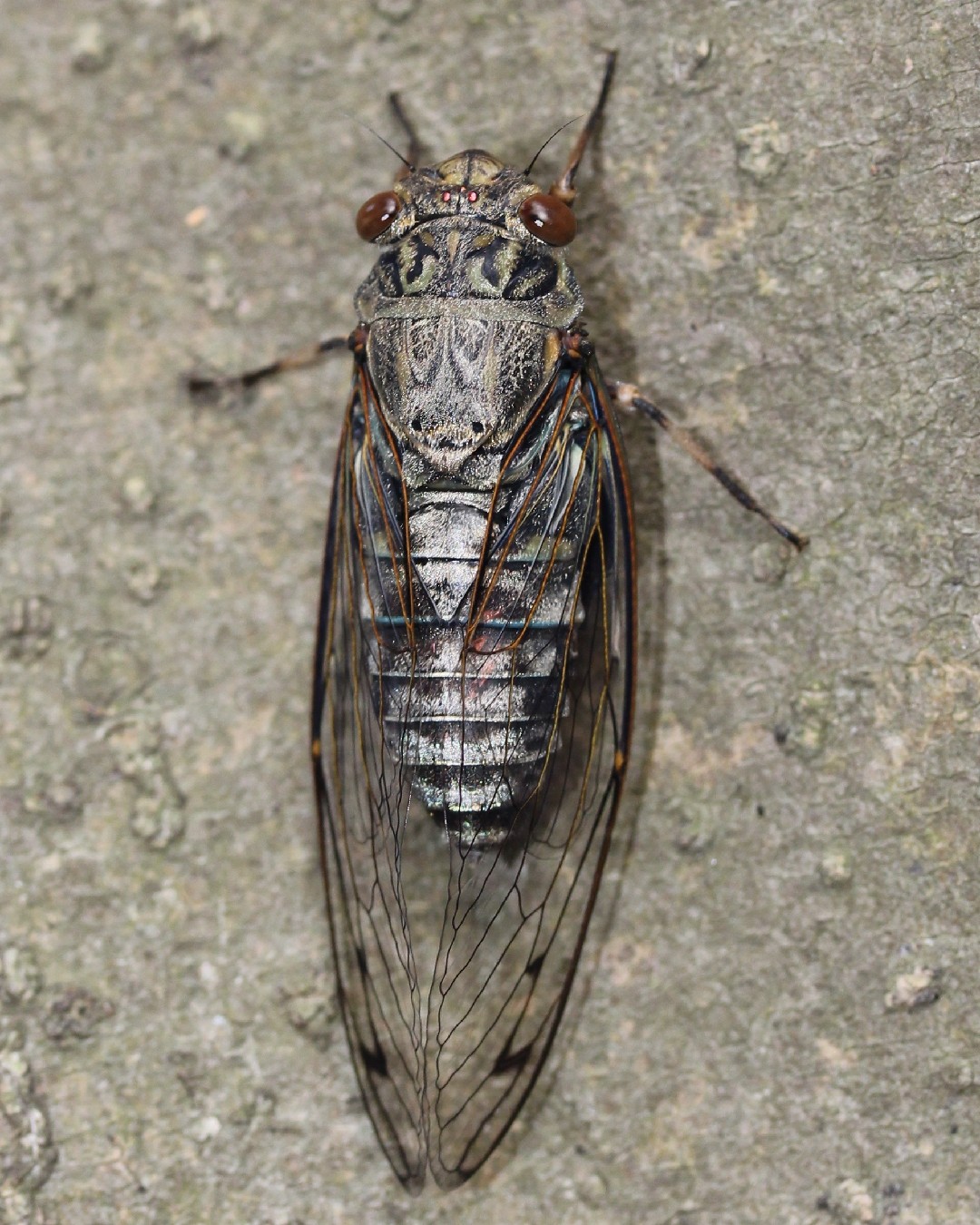
3. Walker's cicada
Male Meimuna opalifera grow to a size of about 42 to 46 mm, while females reach a size of about 40 to 44 mm.
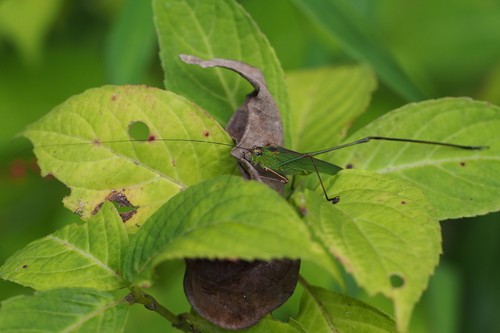
4. Black-footed bush-cricket
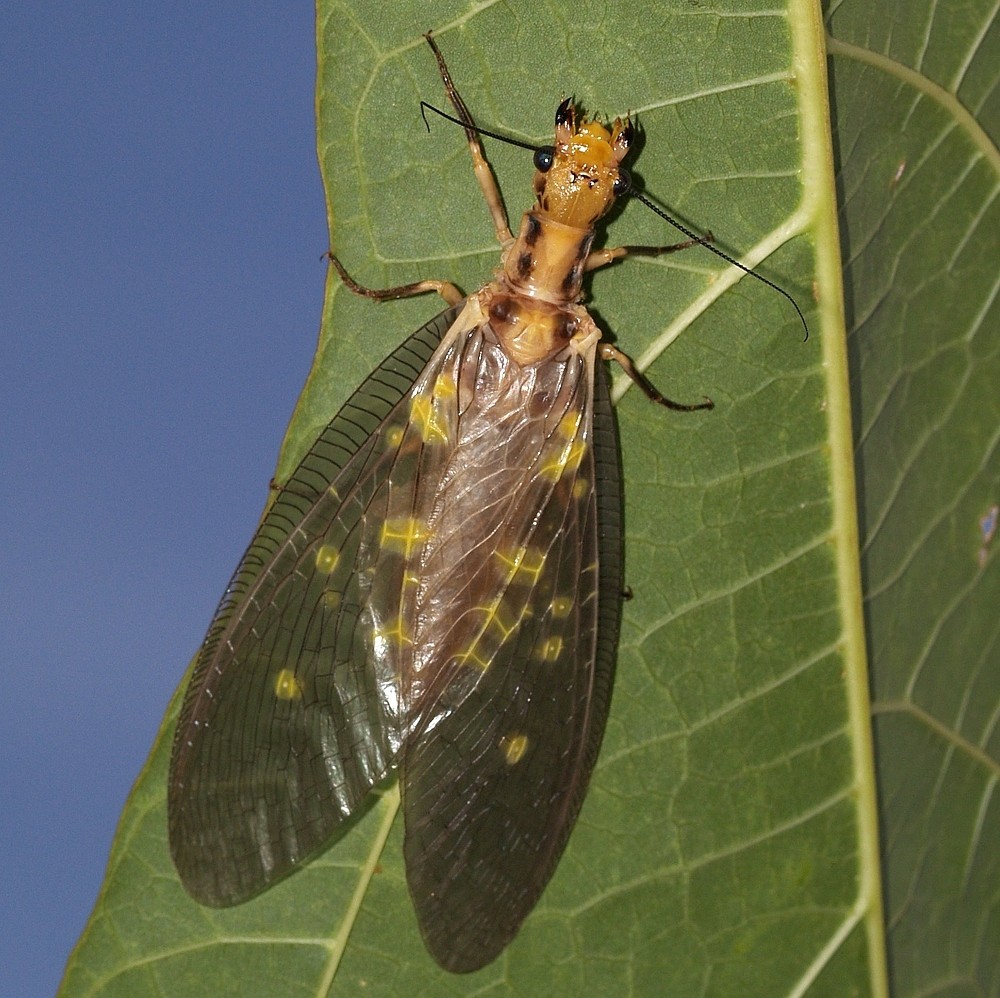
5. Protohermes grandis
Protohermes grandis is a large, colorful species of dobsonfly occurring in China, Japan, Korea, and Taiwan. “The TDF for P.grandis larvae suggests that their low TPs in nature were caused by incorporation of vascular plant-derived amino acids (with a different N-15 profile from that of algae) and not by an unusually low TDF or by the effects of the satiation/starvation on amino acid metabolism.
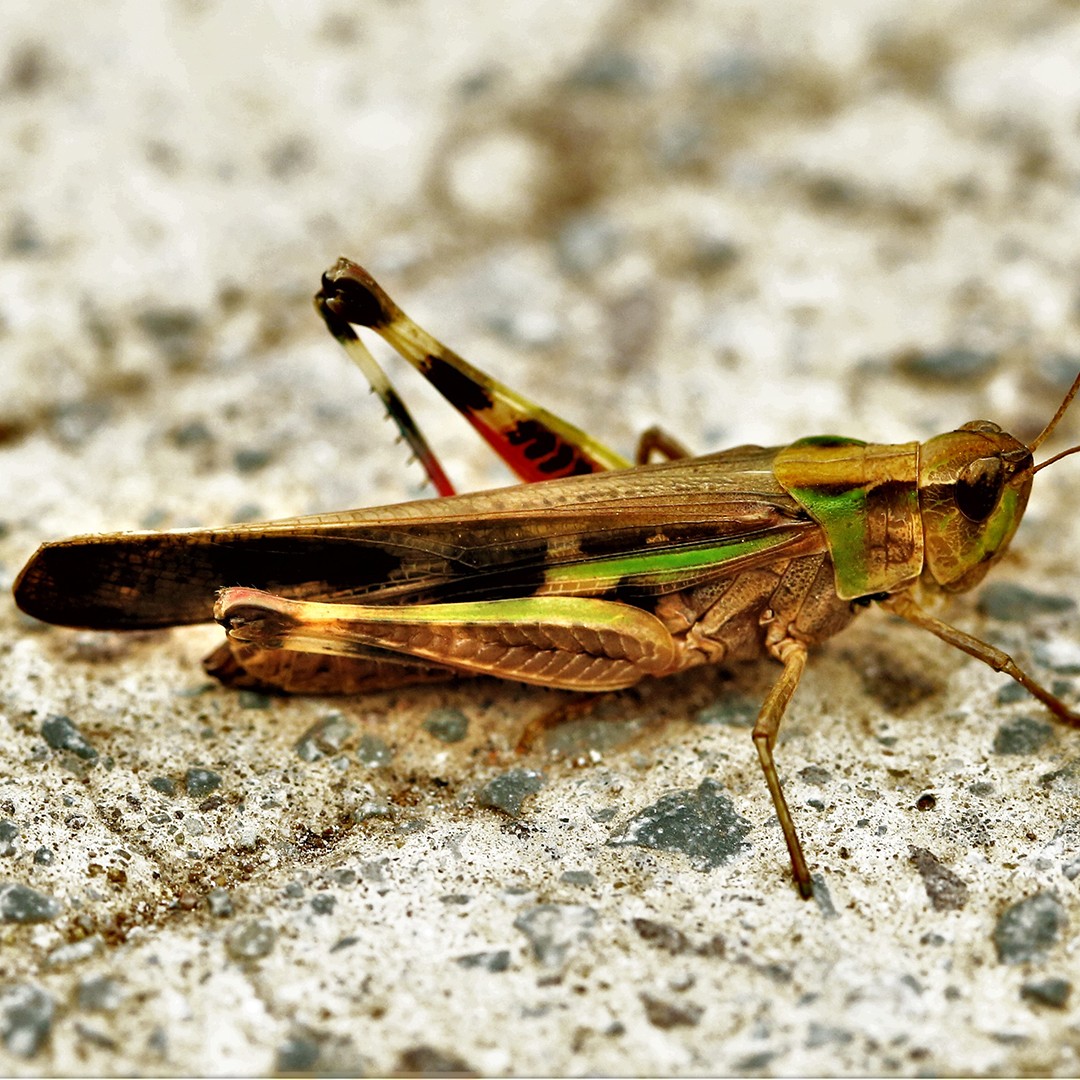
6. Long-winged grasshopper
Aiolopus thalassinus is a species of grasshopper belonging to the family Acrididae, subfamily Oedipodinae. It is present in many countries of Europe (but not the British Isles or Scandinavia), and in the Afrotropical realm to Asia and the Pacific islands. The colouration of this species is generally from clear brown to dark brown. Females have a size of 21–29 mm and males of 15–19 mm.
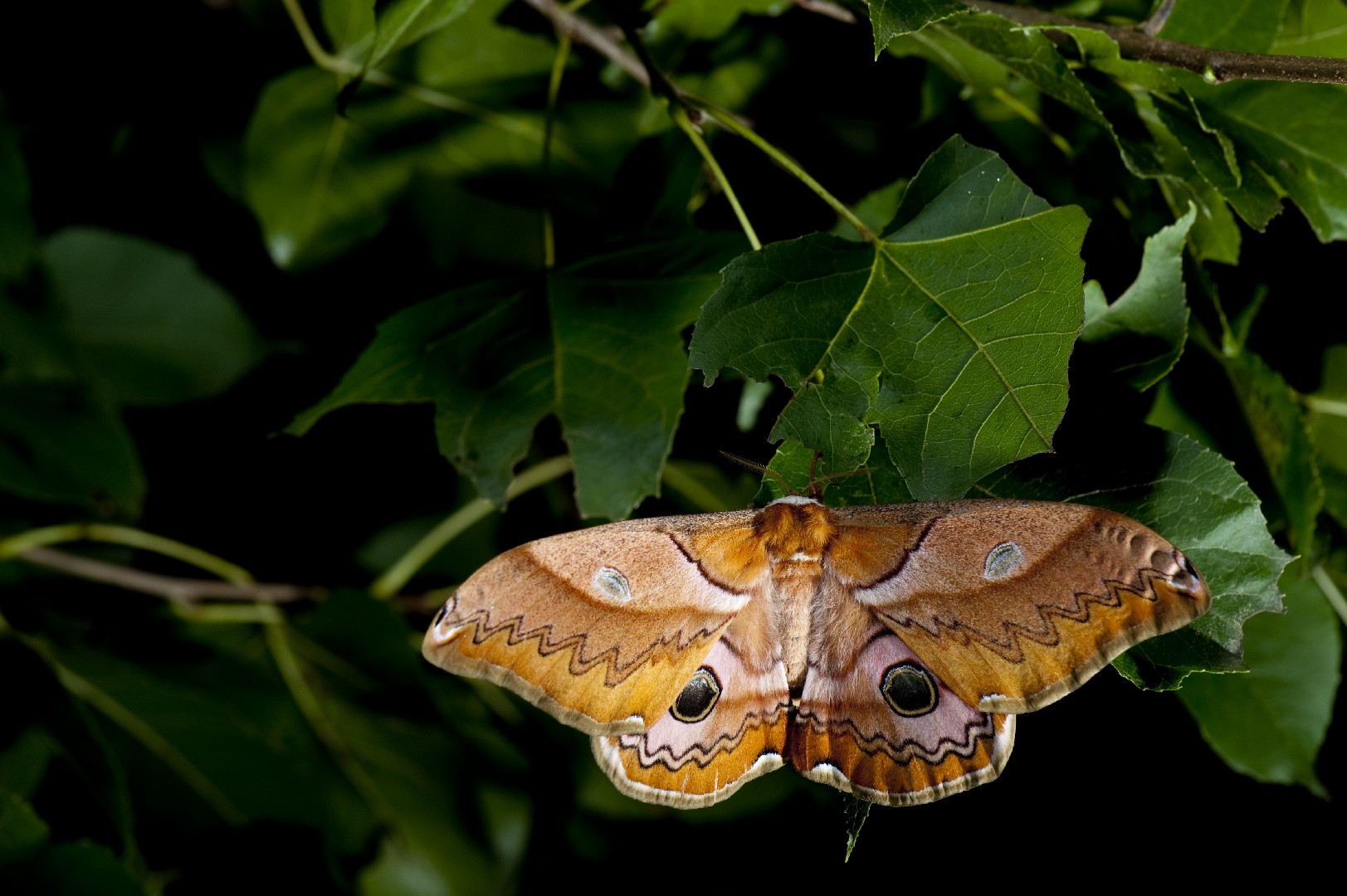
7. Caligula japonica
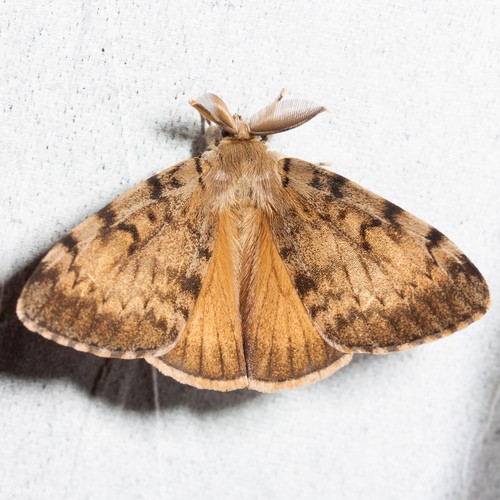
Caligula japonica, the Japanese giant silkworm, is a moth of the family Saturniidae. It was described by Frederic Moore in 1872. It is found in eastern Asia, including China, Korea, Japan and Russia. The larvae feed on various plants, including Salix, Fagus, Quercus and Juglans.
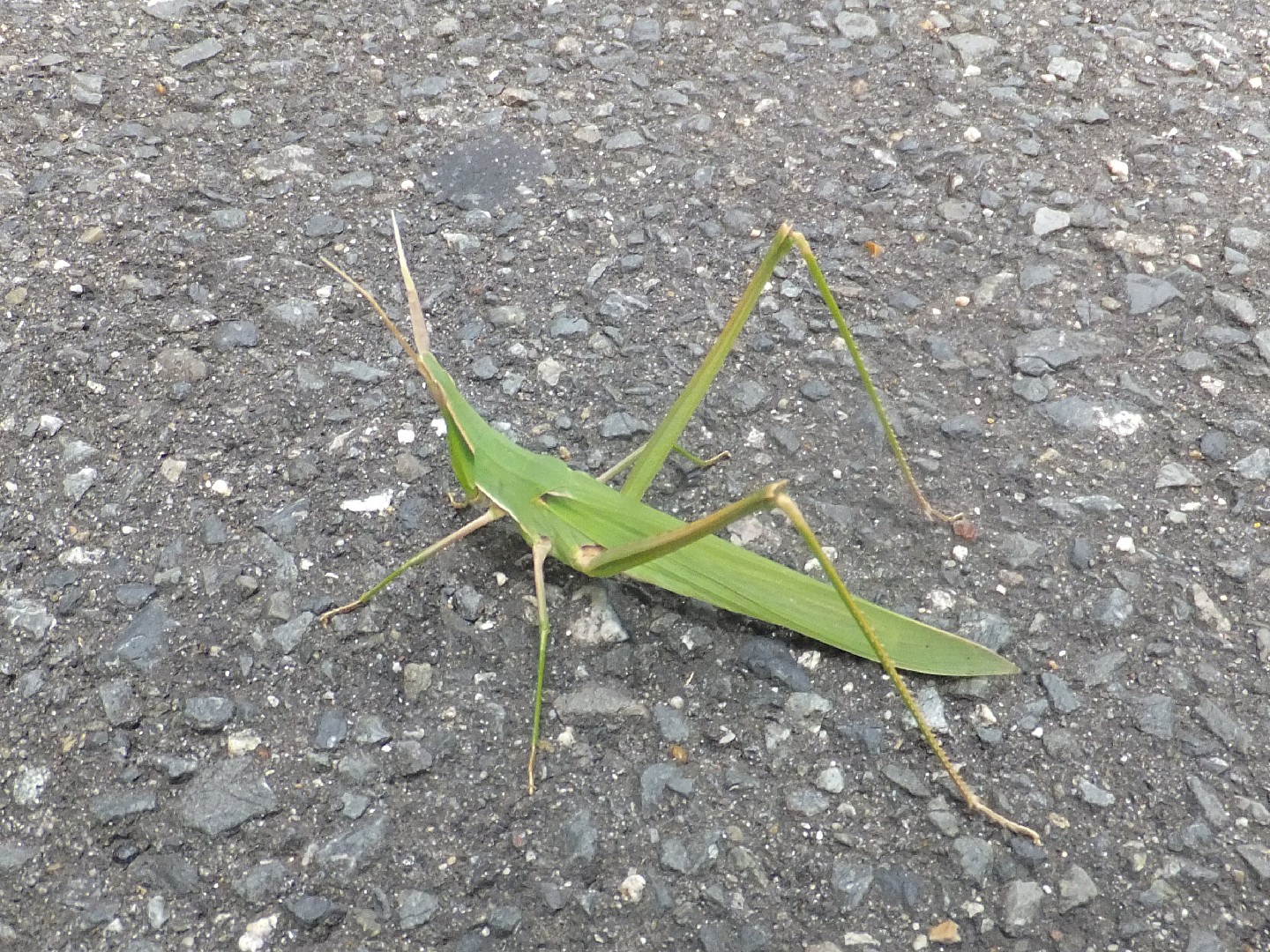
8. Oriental longheaded locust
It's easy to mistake the slender, green oriental longheaded locust for a blade of grass since it's often found among grasses and in crop fields. While it can become a pest in these crop fields, this insect has been eaten by humans and may provide nutrition for domesticated poultry.
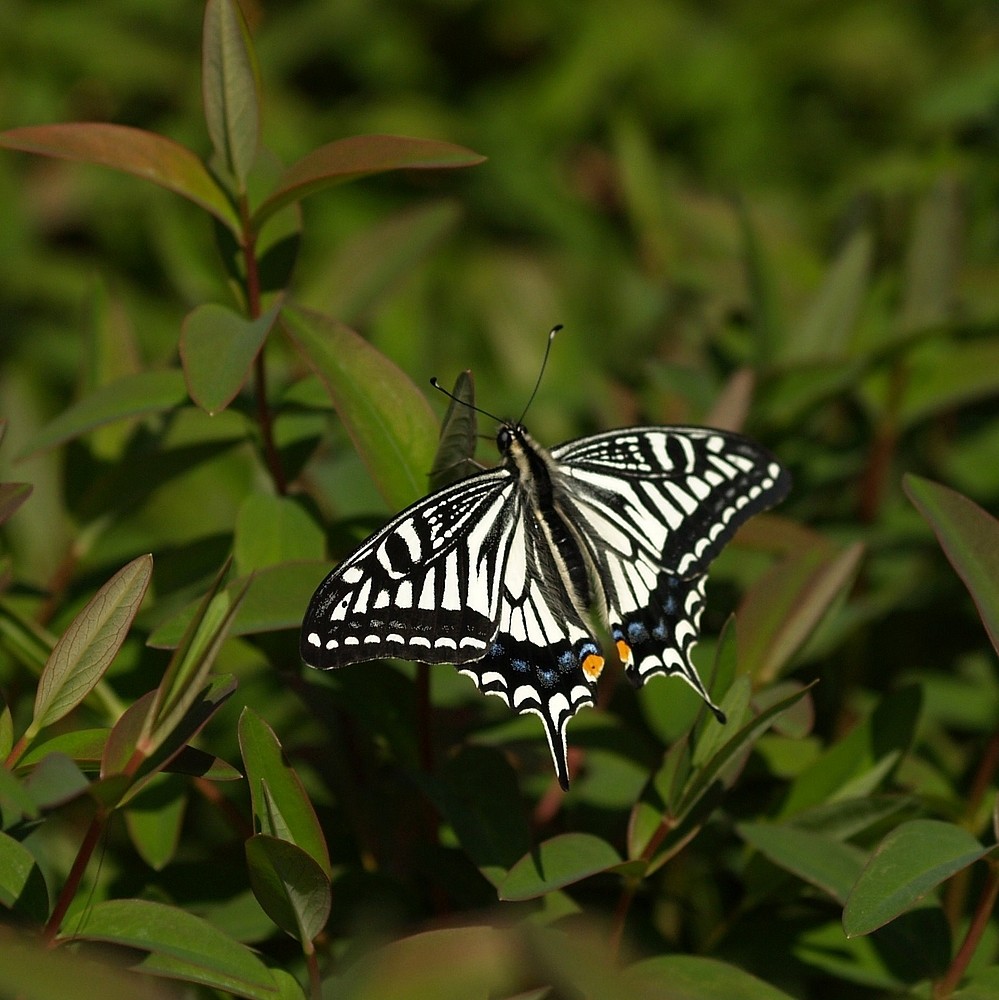
9. Asian swallowtail
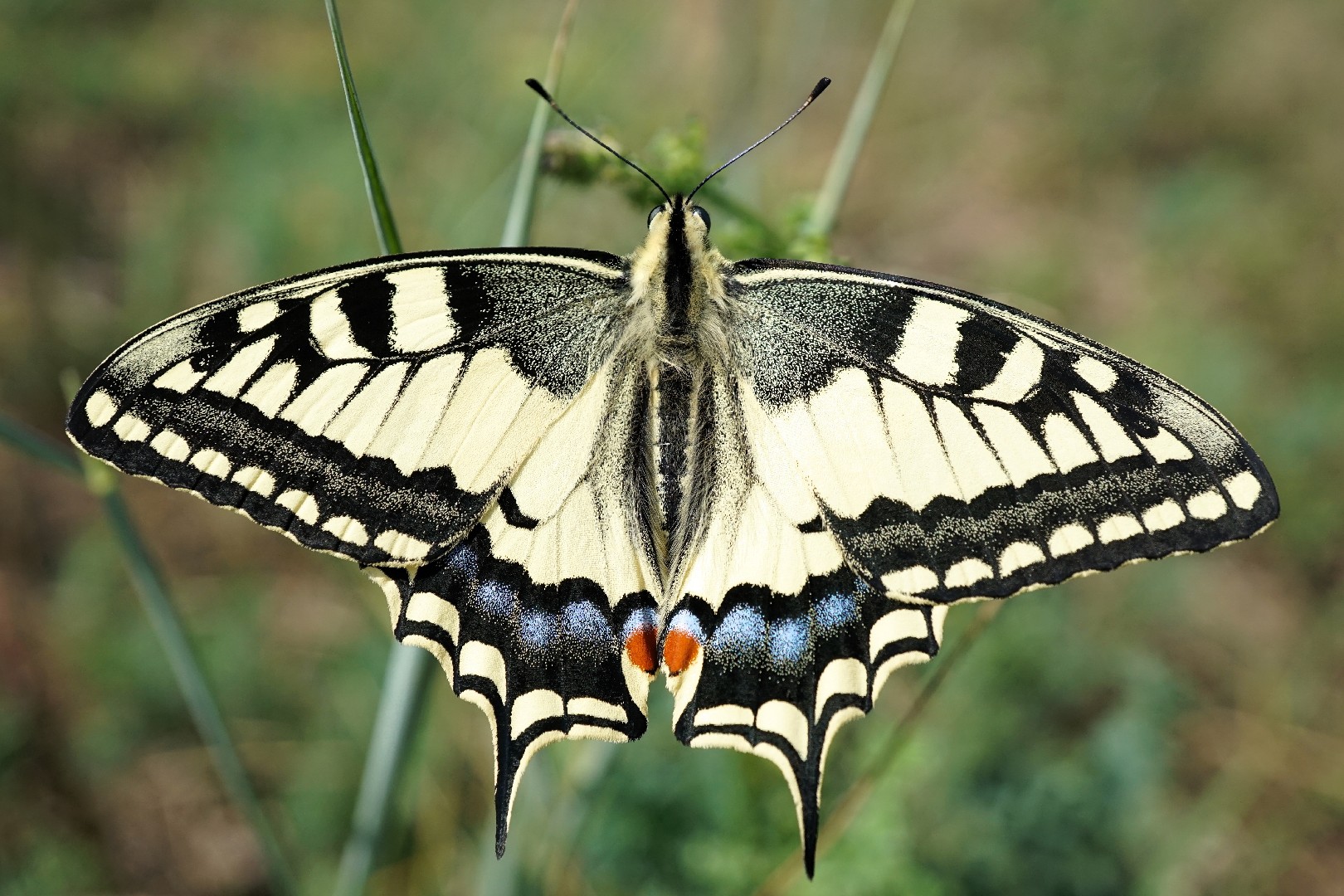
The asian swallowtail (Papilio xuthus) is a beautiful yellow and black butterfly that is pretty common. Regardless, they try and mix it up by having multiple mates during their lifetime. This habit gives them a greater chance of genetic diversity. They want to ensure their kids grow up in a good neighborhood, so they keep an eye out for habitat and food quality when looking for a place to lay their eggs.
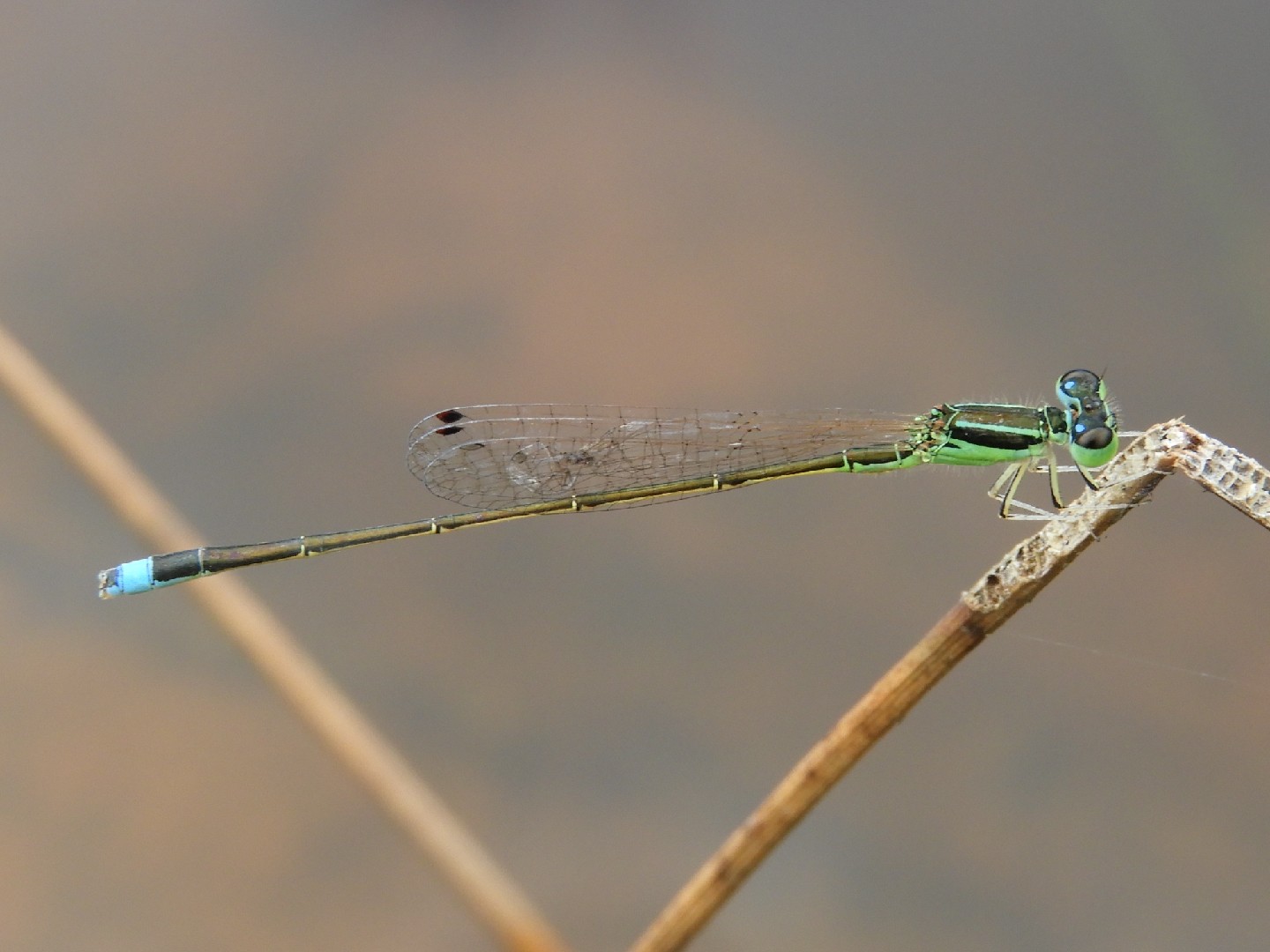
10. Asian bluetail
The scientific name of the species was first validly published in 1865 by Brauer.
More







