




Top 13 Most Common Insects in Sakura
Insects, nature's tiny wonders, are fascinatingly diverse, partaking in a multitude of roles within Sakura's ecosystem. From pollinators to pests, these creatures interact uniquely within Sakura's varying habitats, symbolizing the correlation between geographic locations and insect biodiversity. As we delve into the top 13 most common insects in Sakura, understand their significance in maintaining nature's balance, as well as our very own survival.

Most Common Insects
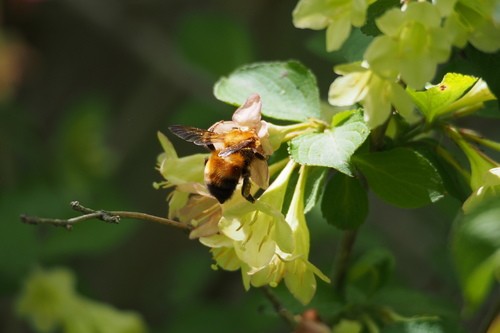
1. Diverse bumble bee
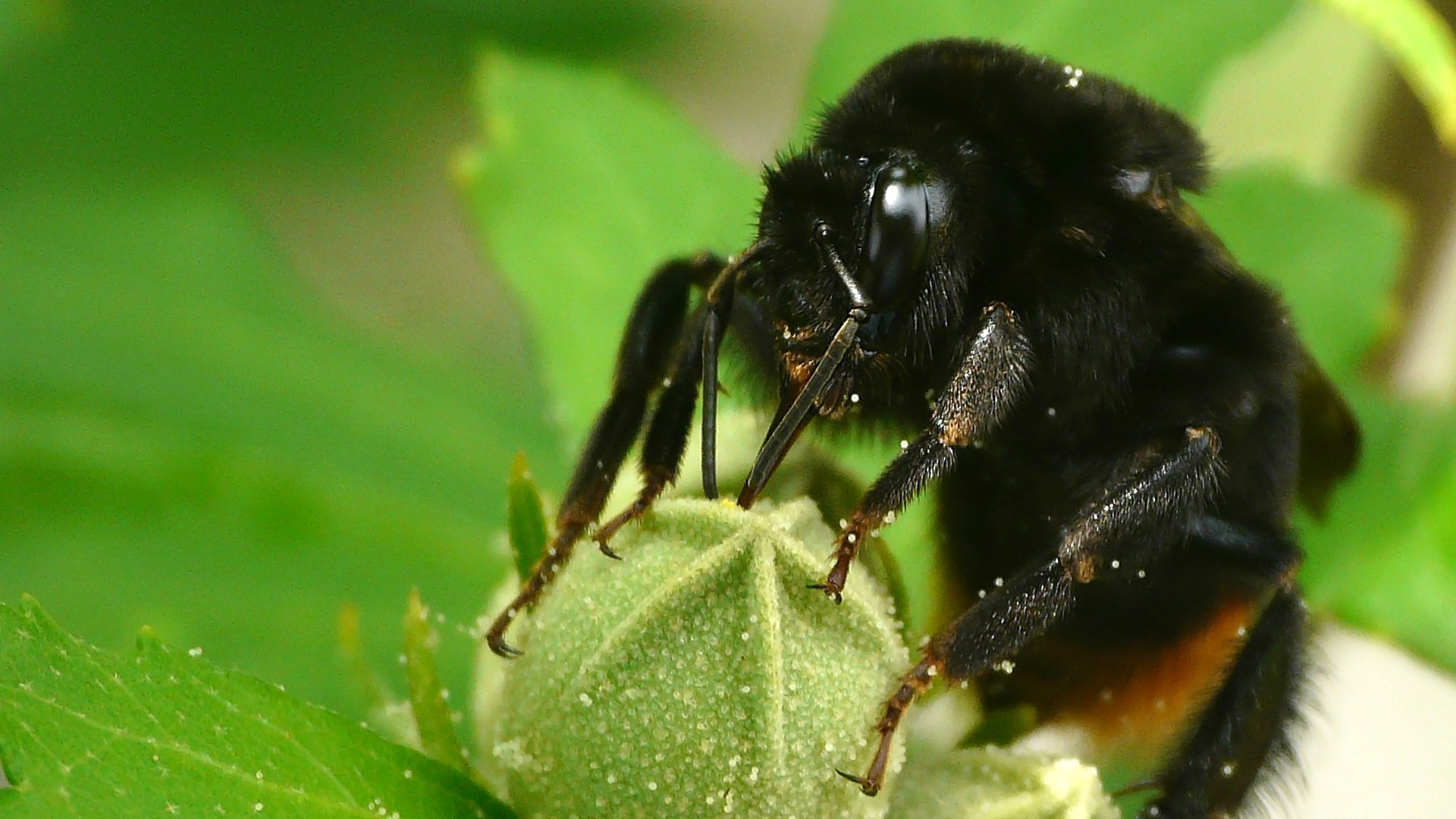
2. Fiery-tailed bumble bee
Bombus ignitus is a large bee characterized by a medium length tongue. Females have black bristles that cover the back of the thorax and the mid-legs. The abdomen is separated into five tergum. Starting from the thorax, the first three terga are black in color, whereas the fourth and fifth terga are orange-red in color. Males are characterized by golden yellow bristles that form two bands on the anterior and posterior thorax. Like the female, the male has an abdomen separated into five tergum. Starting from the thorax, the first two terga are golden yellow in color, differentiating males from females. The third tergum is black in color. The fourth and fifth terga, like the female, is orange-red in color. Compared to the female, the male compound eye is small. The antenna of males are shorter than the antenna of females, reaching only to the base of the wings. Compared to the males of other bumblebee species, the males of B. ignitus have greatly broadened penis valves that flare outwards to form a funnel shape. The queen has a body length of 19 mm. Workers have a body length of 15–17 mm. Males have a body length of 17 mm. 
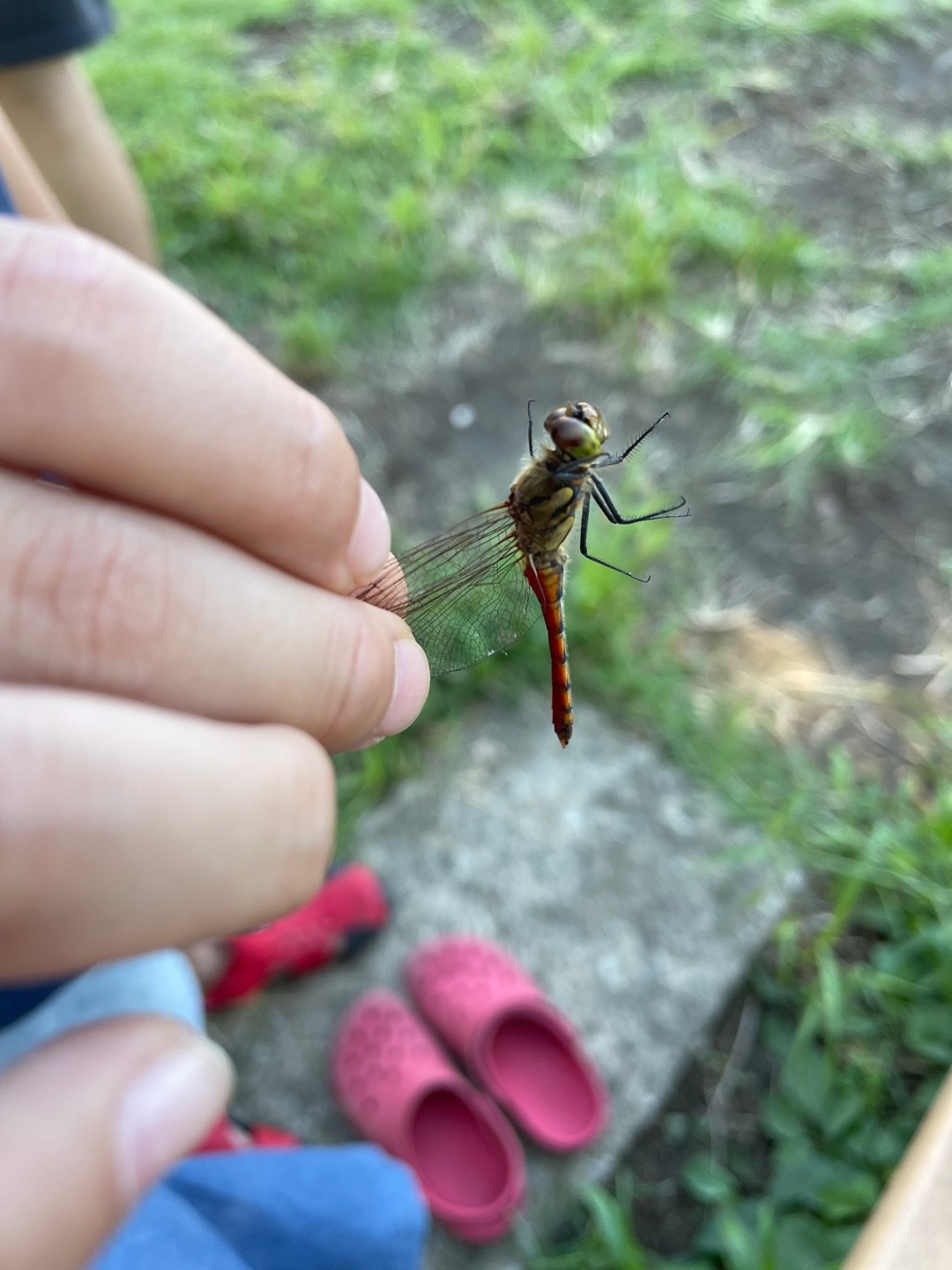
3. Spotted darter
Adults reach 29 to 34 mm in body length, of which 20–24 mm is abdomen. Males are distinguished by a flattened orange abdomen with a line of drop-shaped spots along each side and clubbed overall appearance - i.e. widest at the tip. They closely resemble males of the ruddy darter, which have more evenly flattened abdomen and noticeably darker pterostigmata. Adults fly in the late summer. They are weak fliers.
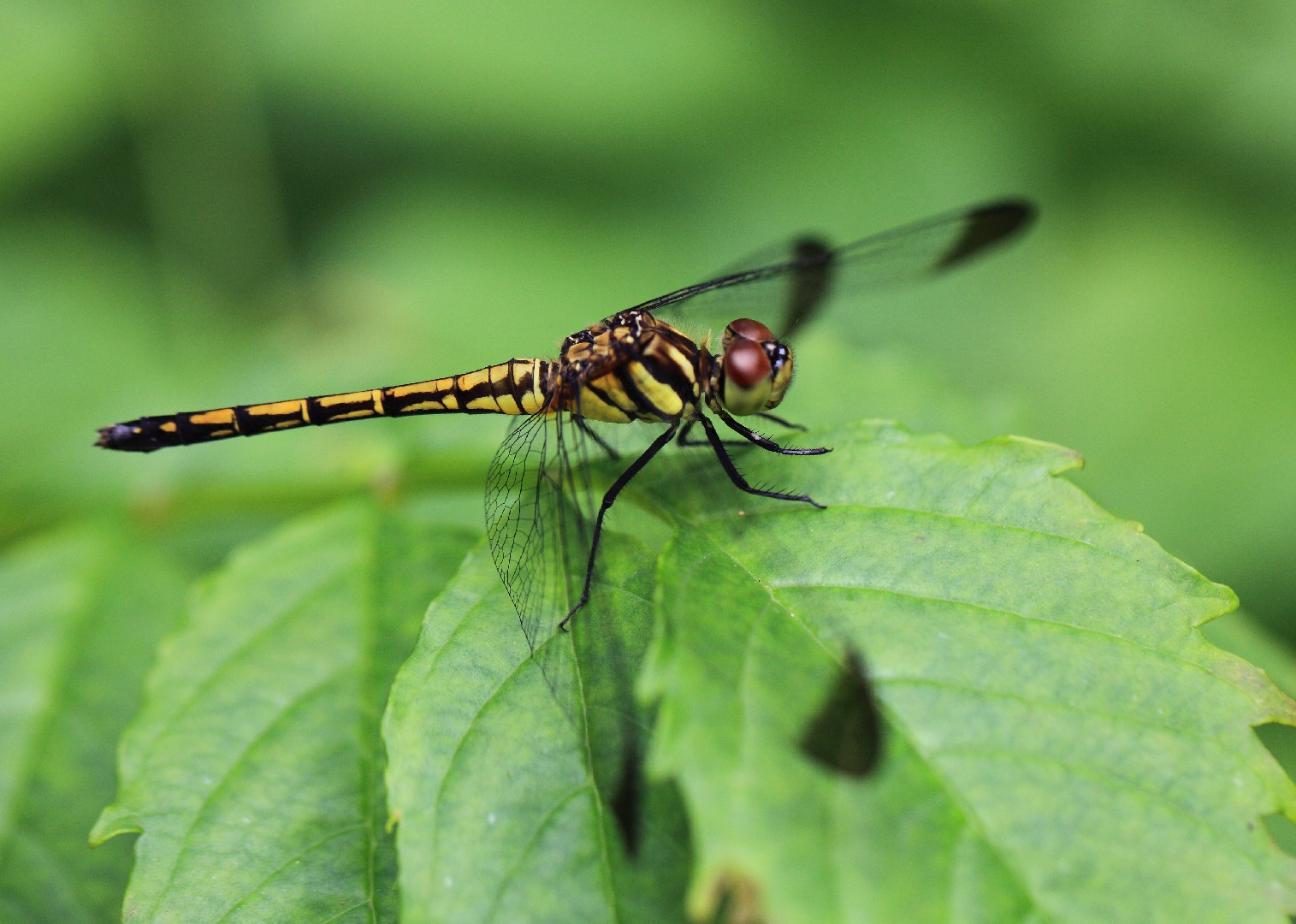
4. Sympetrum infuscatum
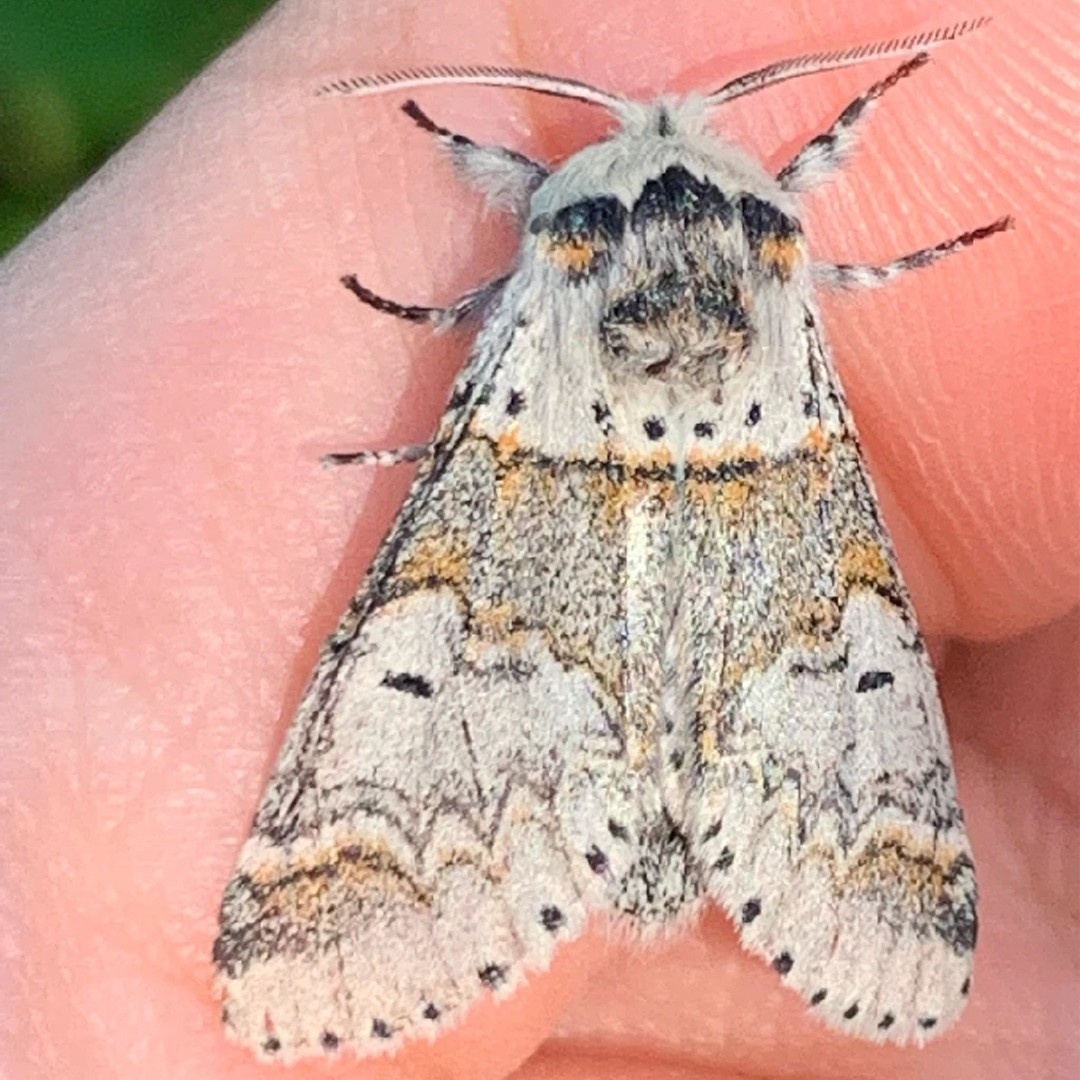
5. Sallow kitten
The sallow kitten is grey/white and has a wingspan of 27 to 35 mm. The first part of the wing has a large grey middle band. It differs from the poplar kitten (Furcula bifida) in its generally smaller size, but more especially in the shape of the black line forming the outer margin of the central band; this is always more or less angled or dentate towards the front margin of the wings, whereas, in the poplar kitten, this portion of the line forms a clean curve. The flight period ranges from April to the end of August. Depending on location the moth has one or two generations per year and is attracted to light. Ova The dark purple, hemispericle eggs are laid in batches of two or three on the upper surface of leaves in May or June and again in August. They hatch after nine days. Larva The caterpillar can grow up to 35 mm and is bright green with a purple brown marking on the saddle and can be found from May through to September. The main host plants are willow (Salix species) and occasionally aspen (Populus tremula) and other poplar (Populus species). Larvae can be found on small isolated moorland bushes. Pupa Before pupation the larva hollows out a recess. The pupa is dark purple-brown and pupation takes place in a tough cocoon constructed from a mixture of chewed wood-pulp and silk.
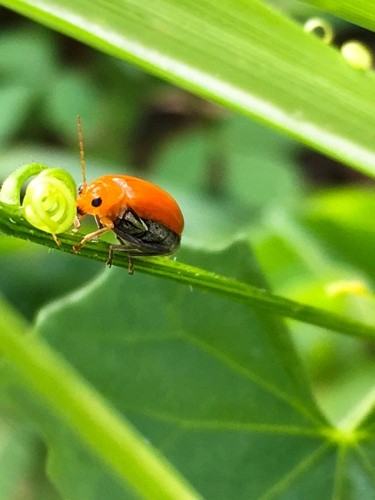
6. Cucurbit beetle
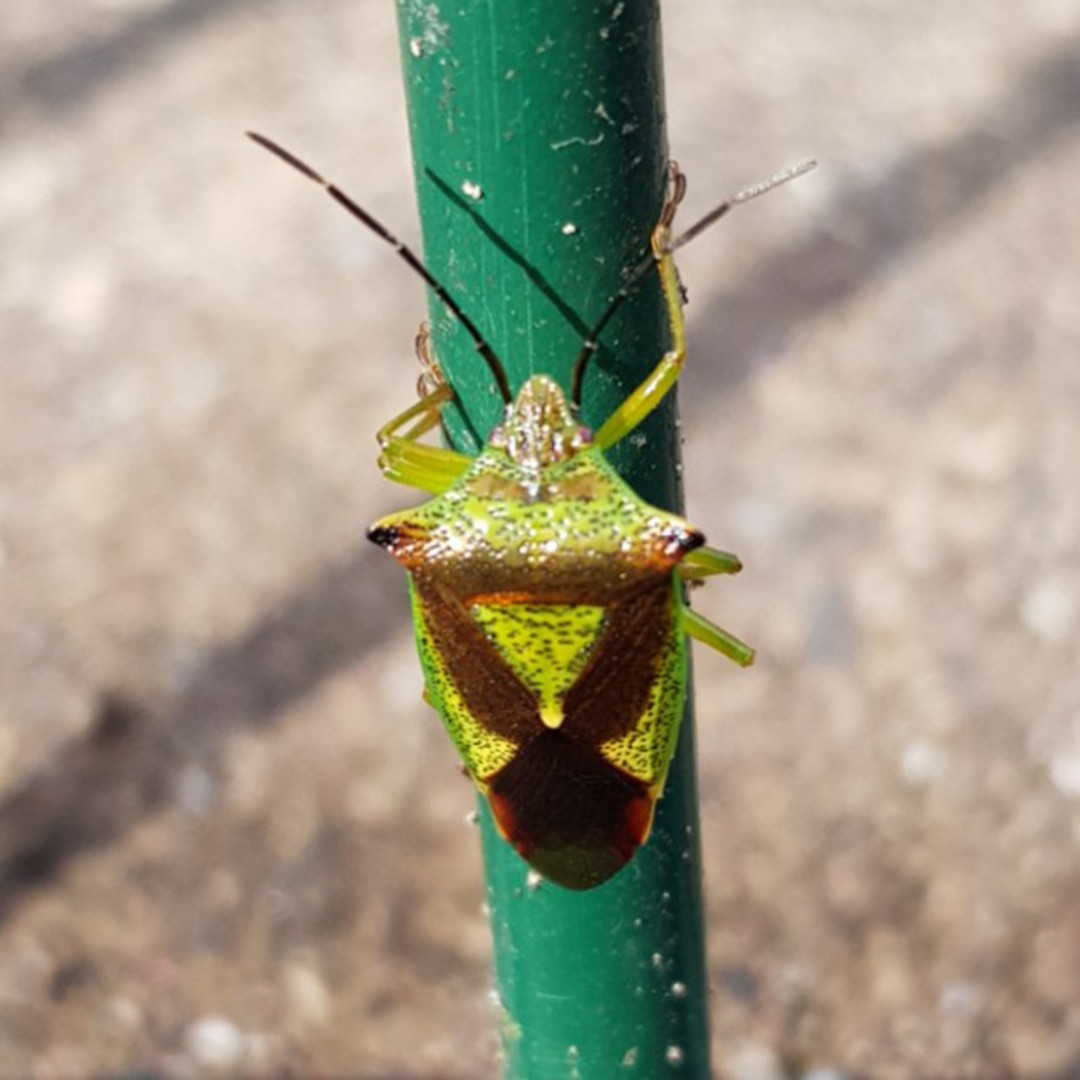
7. Hawthorn shield bug
The hawthorn shield bug (Acanthosoma haemorrhoidale) is a common European shield bug. Its chief food is haws, the fruit of the hawthorn tree, but adults can overwinter on a diet of leaves, and individuals can be found on many potential food plants, including pedunculate oak, sessile oak and whitebeam. They may grow up to 17 mm (0.67 in) long, and are camouflaged in shades of green and brown. Like many so-called "stink bugs", they may release unpleasant odours when disturbed.
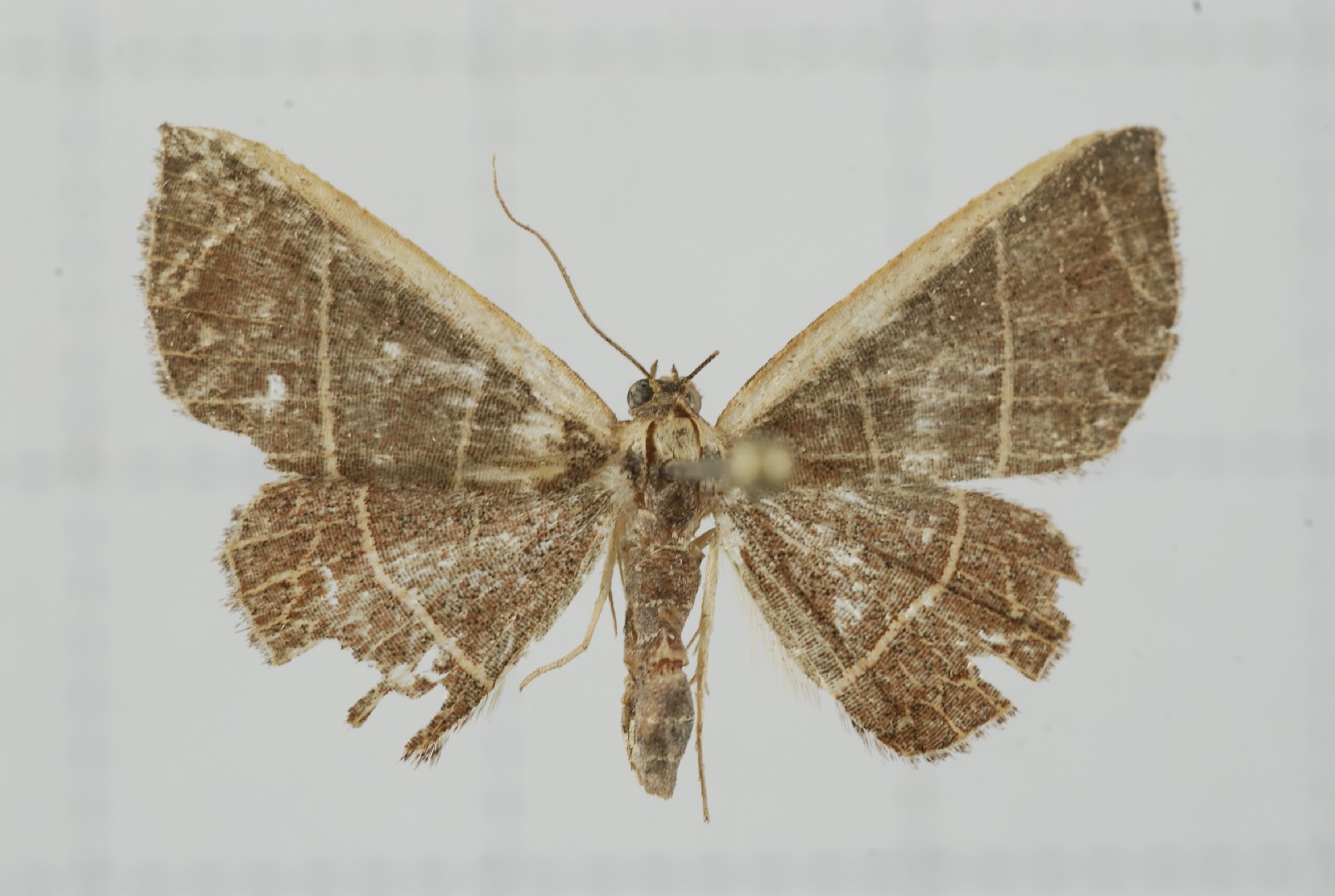
8. Oruza mira
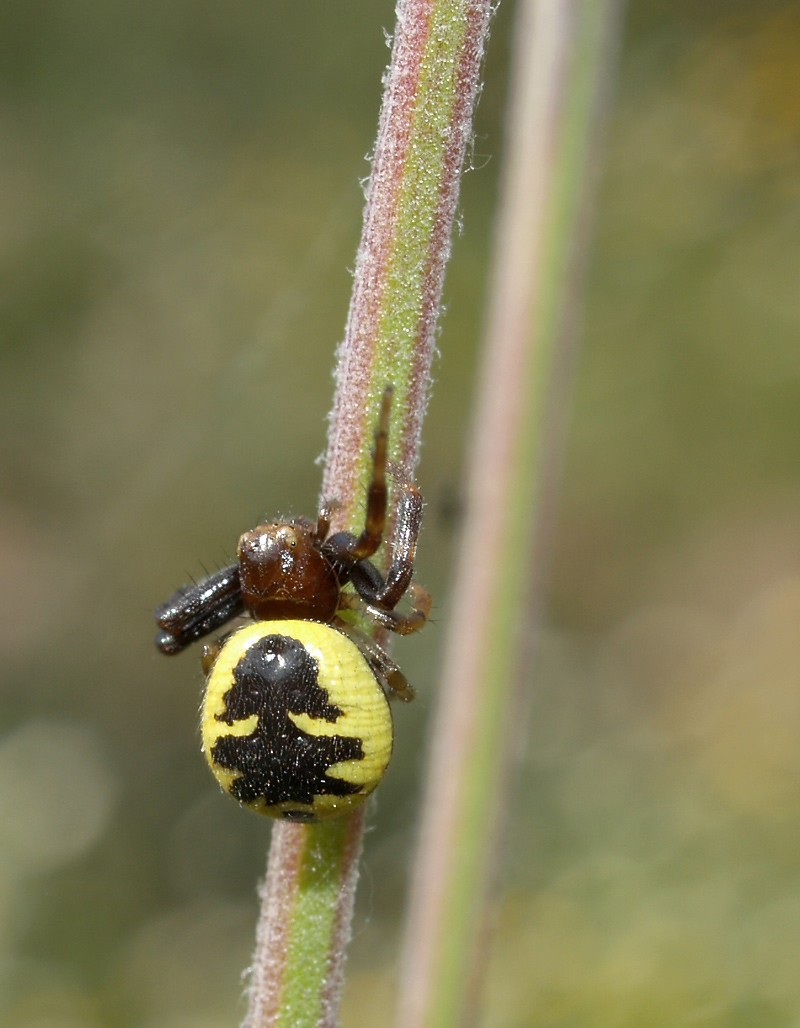
9. Napoleon spider
The adult males reach 2 - 4 mm in length, while females are 7 - 8 mm long. The two pairs of the front legs, used for hunting the flower-feeding insects, are more developed than the rear ones, which have a predominant motor function. Mature males have a black abdomen with two white marks. In mature females, the background colour of the abdomen can be red, yellow or white, with a black pattern which has been noted for a certain resemblance to the silhouette of Napoleon. Prosoma and legs are black or dark brown.
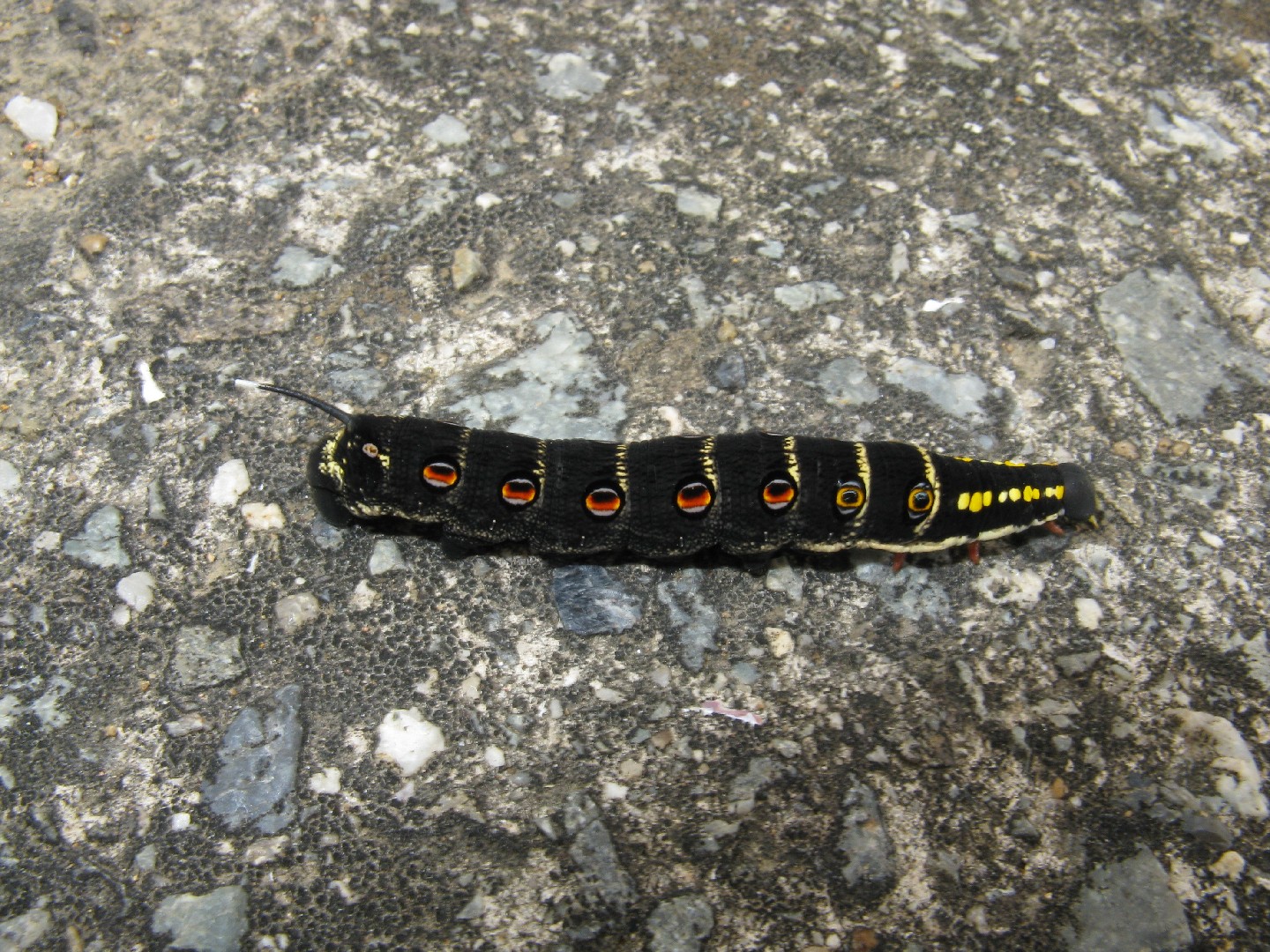
10. Impatiens hawk moth
The impatiens hawk moth can be considered a pest among commercial and residential gardeners. Both the moth and caterpillar feed on several flowering plants, including fuchsias and the Australian native violet. Adult females lay their eggs on the plant’s foliage, ensuring the hatching larvae have a ready food source.
More







