




Top 12 Most Common Insects in Liberia
Insects, known for their exoskeleton and three-part bodies, play a plethora of roles - from pests to pollinators - in Liberia's ecology. Climate, geography, and human factors contribute to the rich insect diversity across different regions of Liberia. The list, 'Top 12 most common insects in Liberia', examines these fascinating creatures' biodiverse presence influenced by distinct environments within the country.

Most Common Insects

1. Citrus swallowtail
Papilio demodocus , also known under the English name Citrus Swallowtail ("Citrus Swallowtail"), is a butterfly from the family of the knight butterflies (Papilionidae).
2. Lucia widow
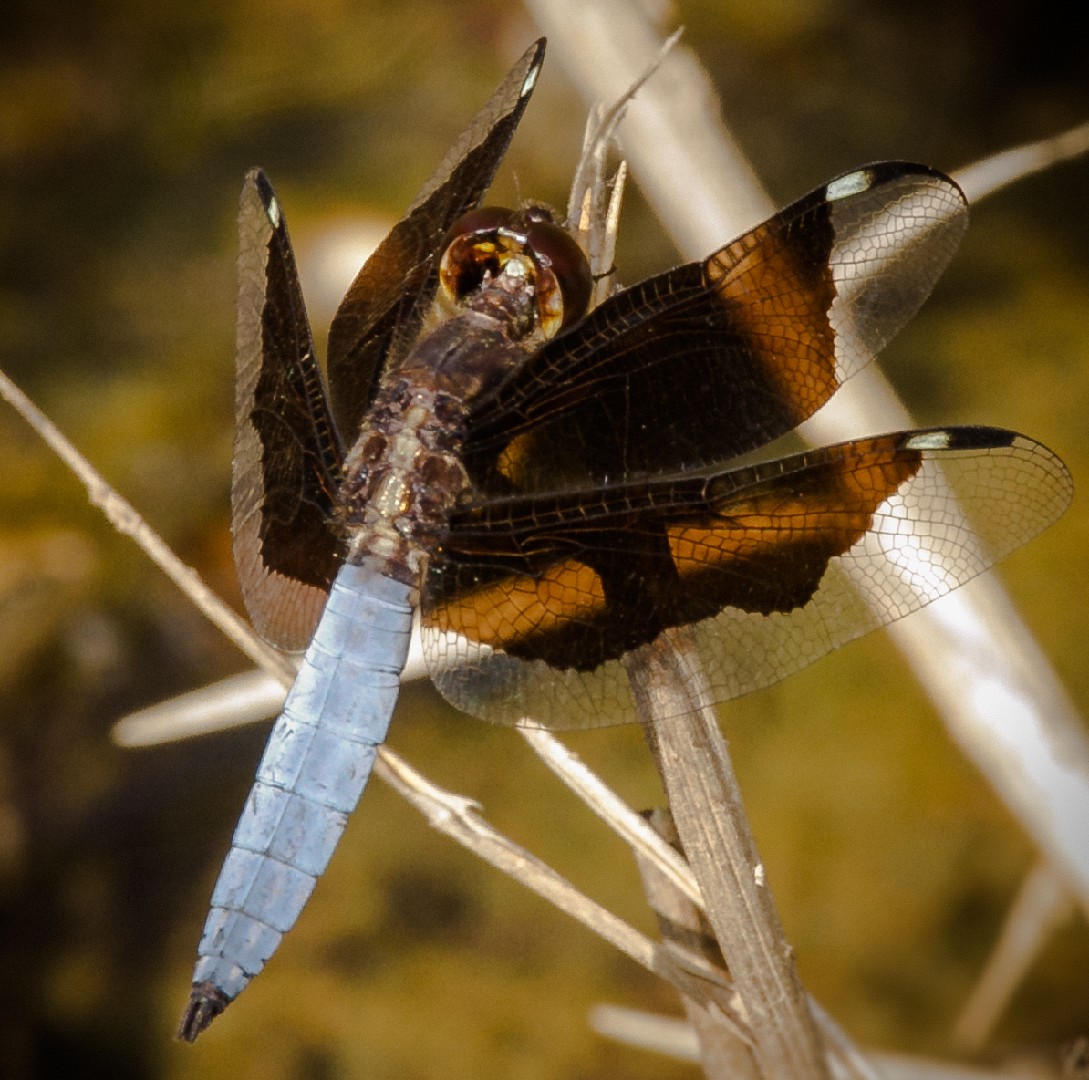
The species is on the IUCN Red List as not endangered, year of assessment 2009.
3. Pied-spot
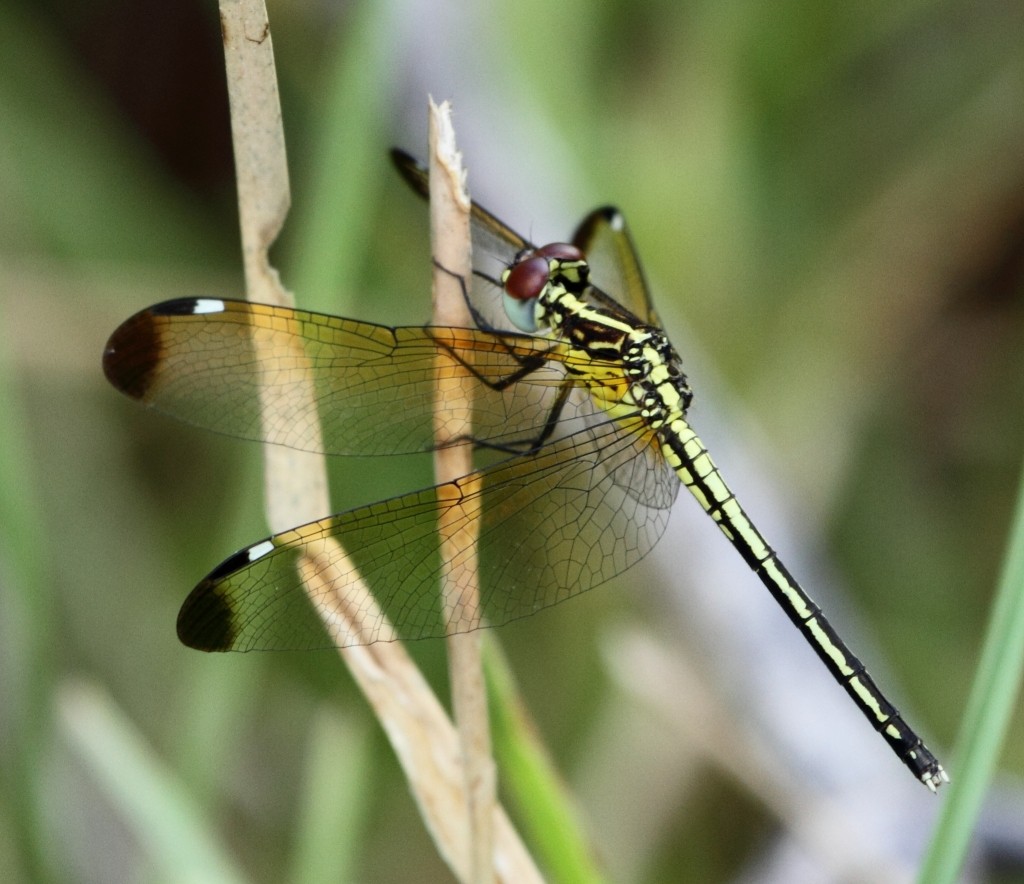
It has a wingspan of 5 cm and is slender. There is a blue bloom on the body of the male, and a black streak across the front of the forewings. There are brown spots on the wingtips of females. 
4. Emperor scorpion
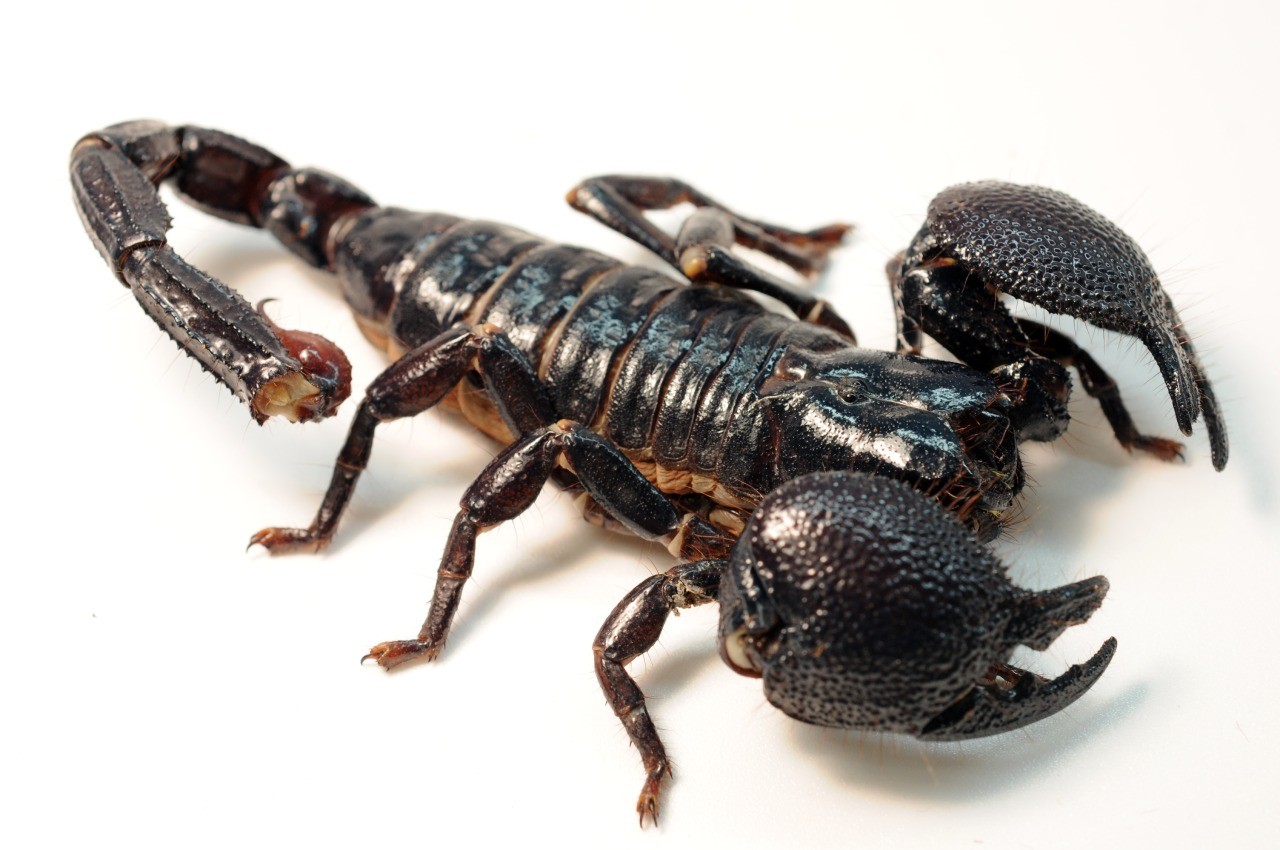
The emperor scorpion (Pandinus imperator) is one of the largest species of scorpion in the world, with adults averaging about 20 cm in length and a weight of 30 g. The large pincers are blackish-red and have a granular texture. The front part of the body, or prosoma, is made up of four sections, each with a pair of legs. Behind the fourth pair of legs are comb-like structures known as pectines, which tend to be longer in males than in females. The tail, known as the metasoma, is long and curves back over the body. It ends in the large receptacle containing the venom glands and is tipped with a sharp, curved stinger. When gravid (pregnant), the body of a female expands to expose the whitish membranes connecting the segments. The emperor scorpion fluoresces greenish-blue under ultra-violet light.They prefer to use their pincers to crush and dismember their prey, their exoskeleton is very sclerotic, causing them to have a metallic greenish black color.
5. Oleander hawk-moth
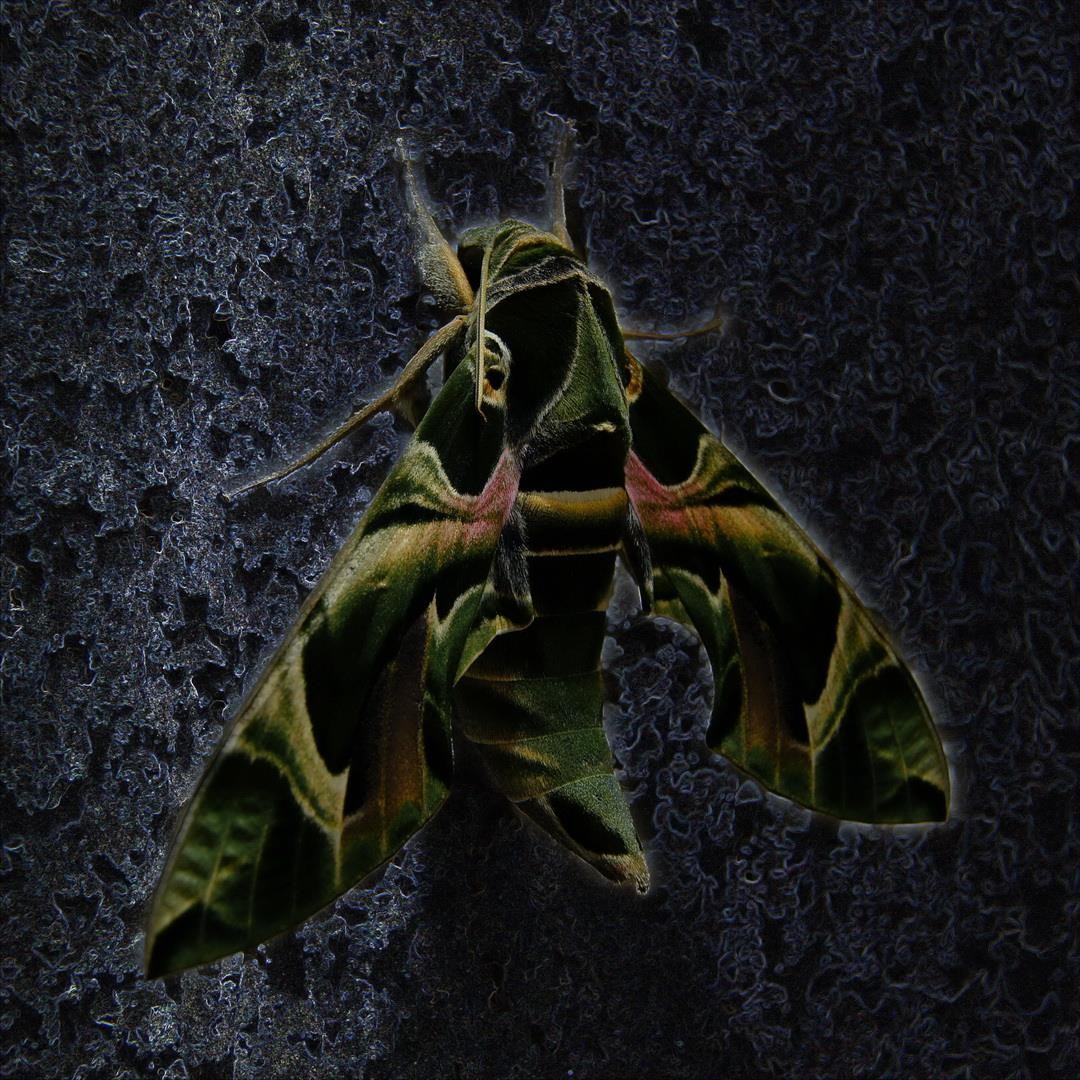
Daphnis nerii, the oleander hawk-moth or army green moth, is a moth of the family Sphingidae. It was described by Carl Linnaeus in his 1758 10th edition of Systema Naturae.
6. Plain tiger butterfly
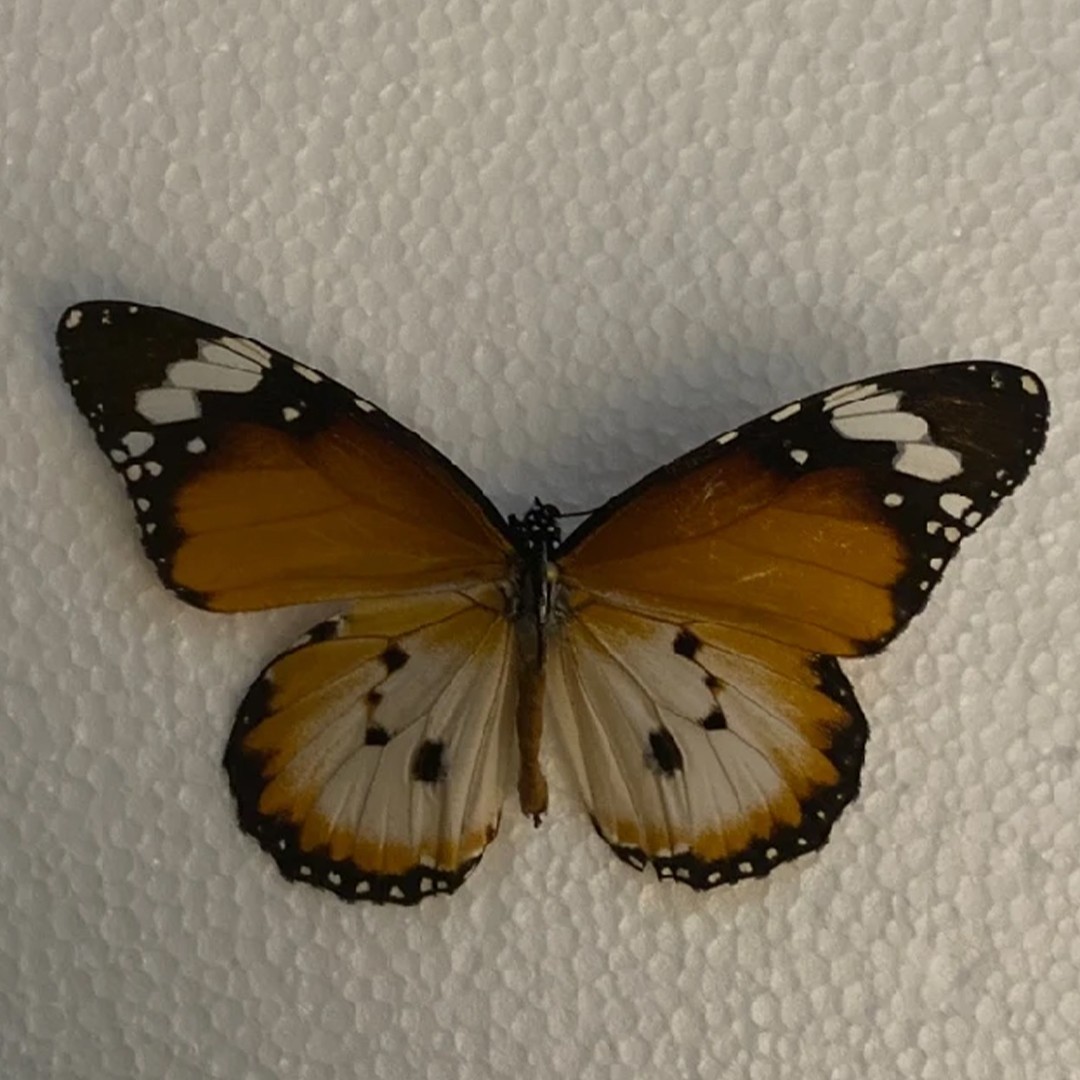
D. chrysippus is a medium-sized butterfly with a wingspan of about 7–8 cm (2.8–3.1 in). The body is black with many white spots. The wings are orange, the upperside brighter and richer than the underside. The apical half of the forewing is black with a white band. The hindwing has three black spots in the center. The wings are bordered in black and outlined with semicircular white spots. This species exhibits slight sexual dimorphism, as the Male has large scent glands on his hindwings, which the female lacks. They appear as a large black spot with a white centre if viewed from the underside D. chrysippus is a polymorphic species, so the exact coloring and patterning vary within and between populations. It is similar in appearance to the Indian fritillary (Argynnis hyperbius), which may coexist with it.
7. Trumpet tail
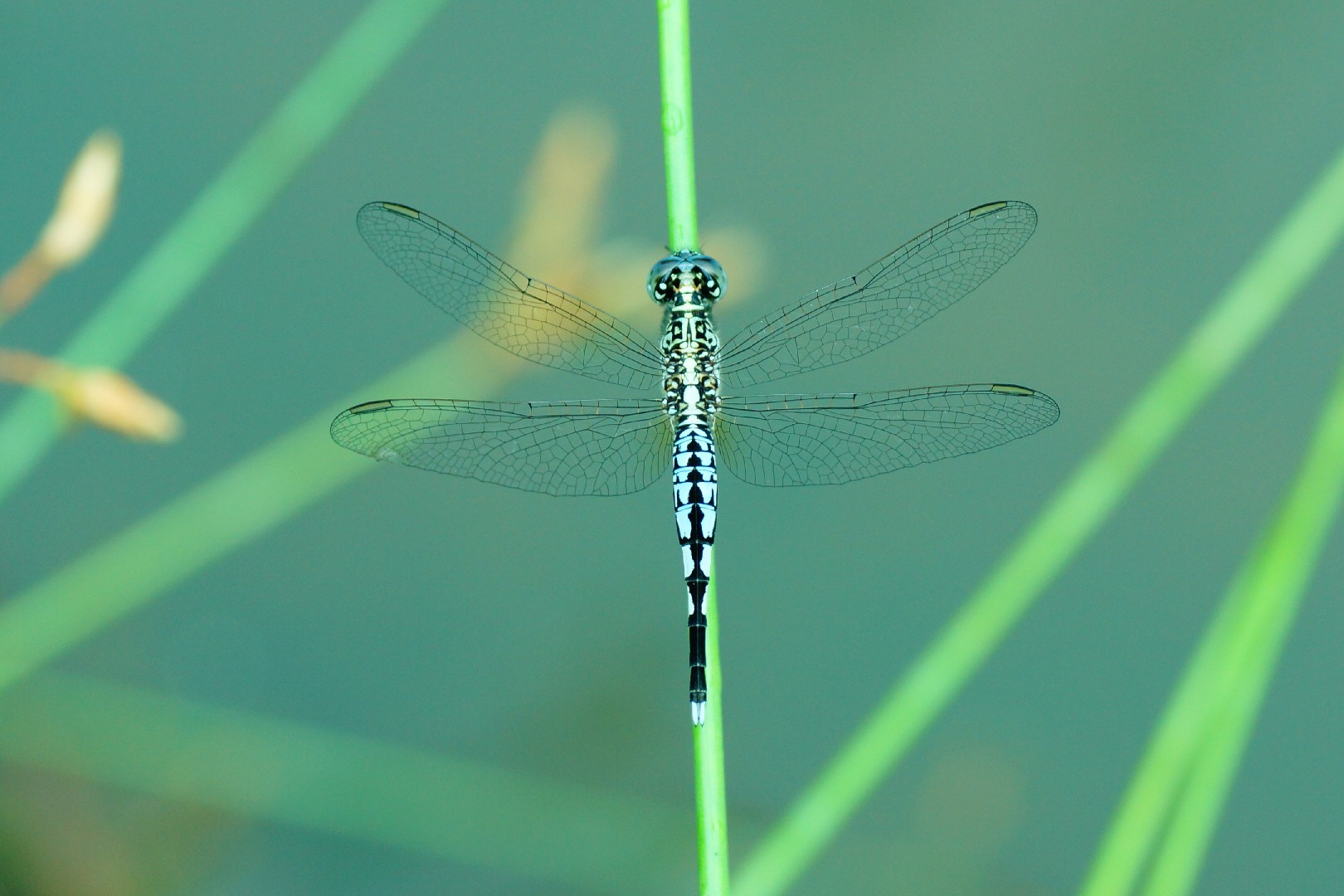
It is a small dragonfly with blue eyes. Its thorax is azure-blue marbled with black to form a beautiful pattern on the dorsum and the sides. Abdomen is azure-blue, marked with black. Segments 1 to 5 have sutures finely and ventral borders more broadly black. There is a dorsal stripe which broadens at the jugal sutures and apical borders of segments. There is a speckled stripe on sub-dorsum of segments 1 to 4. There is a large ventro-lateral spot on each of segments 3 to 5. Segments 6 and 7 are black with a large spot of blue on each side. Segments 8 to 10 are entirely black. Anal appendages are bluish-white. Female is similar to the male; but with greenish-yellow eyes, thorax and abdominal segments up to 5.
8. Gasteracantha curvispina

9. Blue pansy
The wingspan is 4 - 5 cm. The upper surface of the forewings is black with white markings towards the apex. The upper surface of the hindwings is black with white markings on the outer edge, and a characteristic large metallic-blue spot. This blue spot is smaller and more a dull purple in females. The underside of the forewings is brown with white markings corresponding to those on the upper surface. The under surface of the hindwings is almost uniform brown.
10. Weaver ant
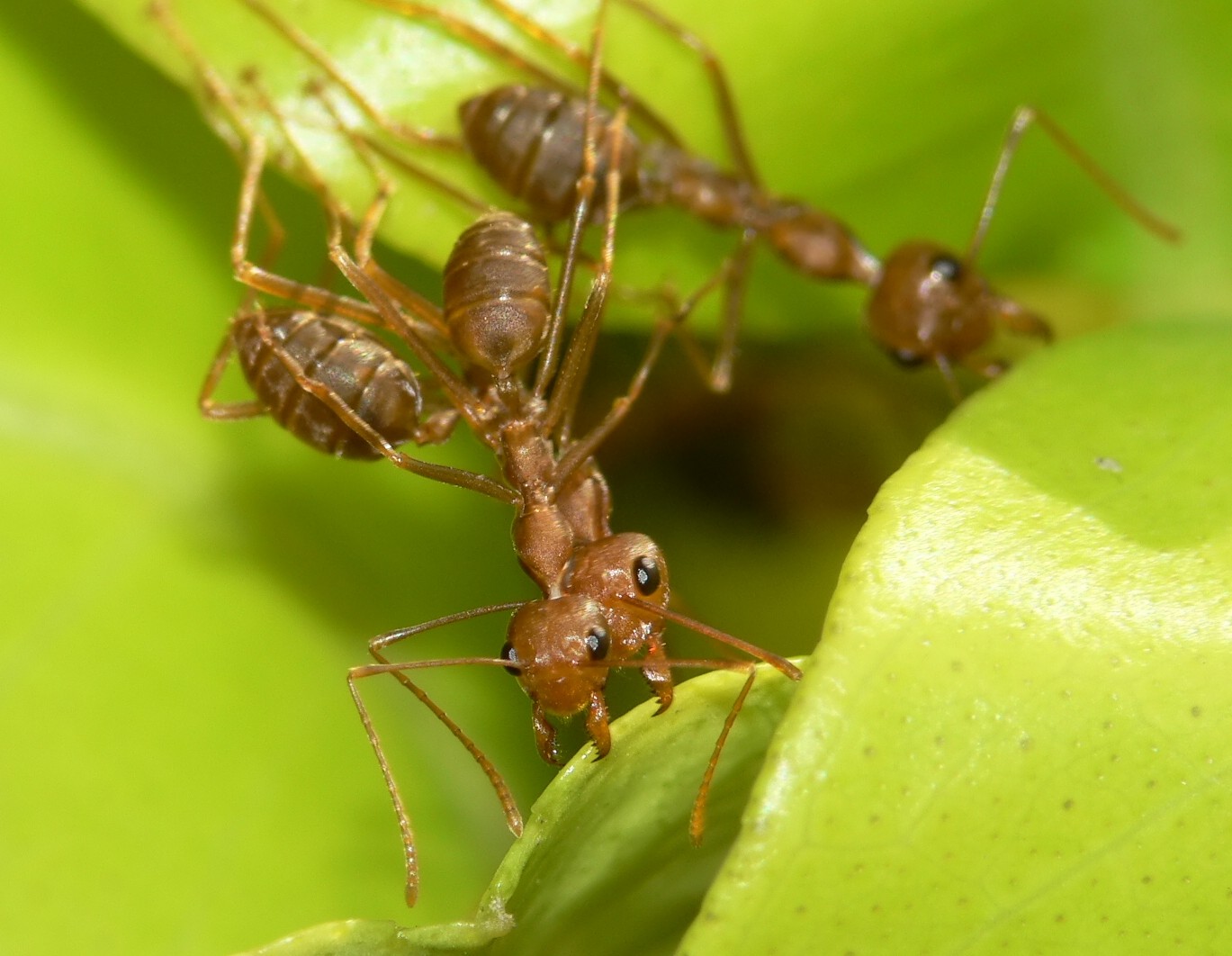
The worker is a fairly large ant with a length of 6 mm. The antennae have twelve segments, the first segment exceeding in length the second and third combined. The clypeus, at the front of the head, is large and convex and overhangs the outer edge of the mouthparts. The large mandibles have long triangular teeth which cross over one another when the ant is at rest. This ant ranges in colour from orangeish-brown to dark brown; the thorax is clad in fine pubescence while the abdomen is covered with short erect hairs. The tip of the abdomen has glands that produce pheromones. The feet have suction pads which enables these ants to cling to surfaces with a firm grip.
More







