




Top 20 Most Common Insects in Struga
Insects, complex and adaptive beings, thrive in various habitats within Struga. The impressive biodiversity is shaped by the region's diverse geographical landscape. Unseen to the common eye, these creatures play crucial roles in maintaining the ecosystem's equilibrium. From pests disrupting crop growth to beneficial pollinators, the manifold insect inhabitants of Struga portray an intriguing relationship with their environment. Stay tuned as we unveil the Top 20 most common insects in Struga.

Most Common Insects
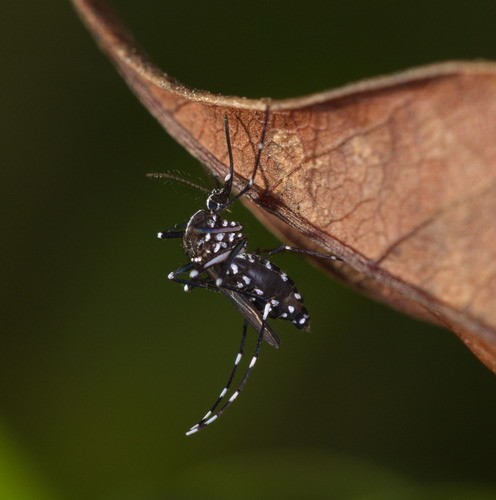
1. Asian Tiger Mosquito
The asian Tiger Mosquito (Aedes albopictus) has recently (the 1970s) infested every corner of the world through the shipment of used tired, lucky bamboo (Dracaena sanderiana), and other similar products. The asian Tiger Mosquito is known to transmit many deadly diseases that include West Nile Virus.
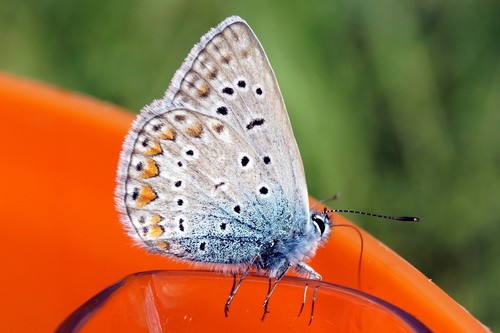
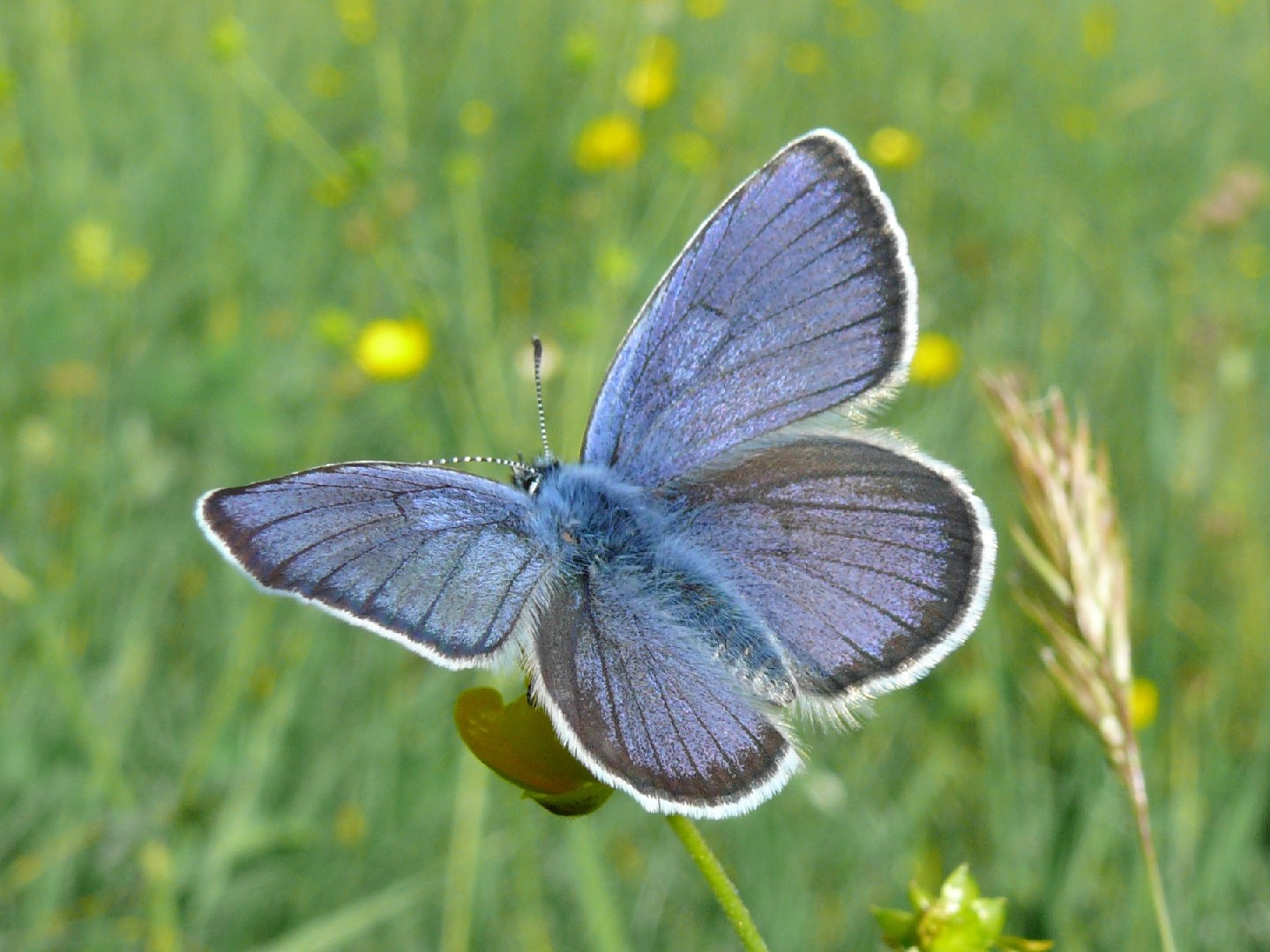
2. Common blue butterfly
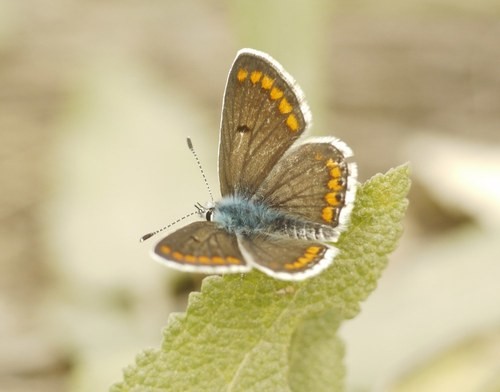
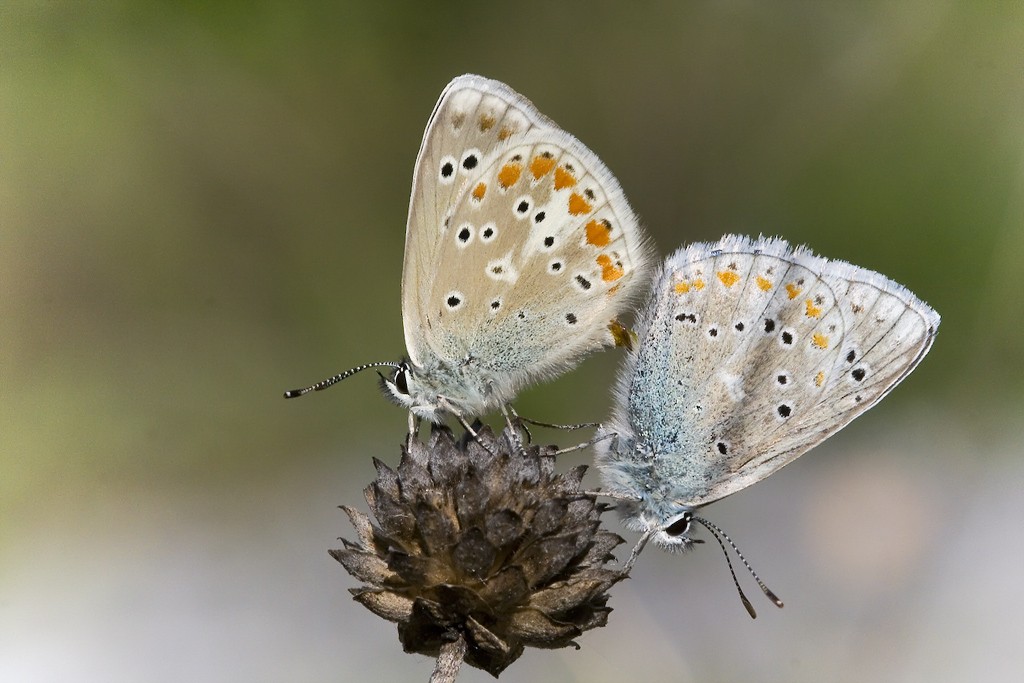
Despite its common name, only male specimens of common blue butterfly (Polyommatus icarus) can accurately be described as blue; the females are predominately gray-brown, with only a dusting of blue and a scattering of orange spots. The adults live for only three weeks before dying.
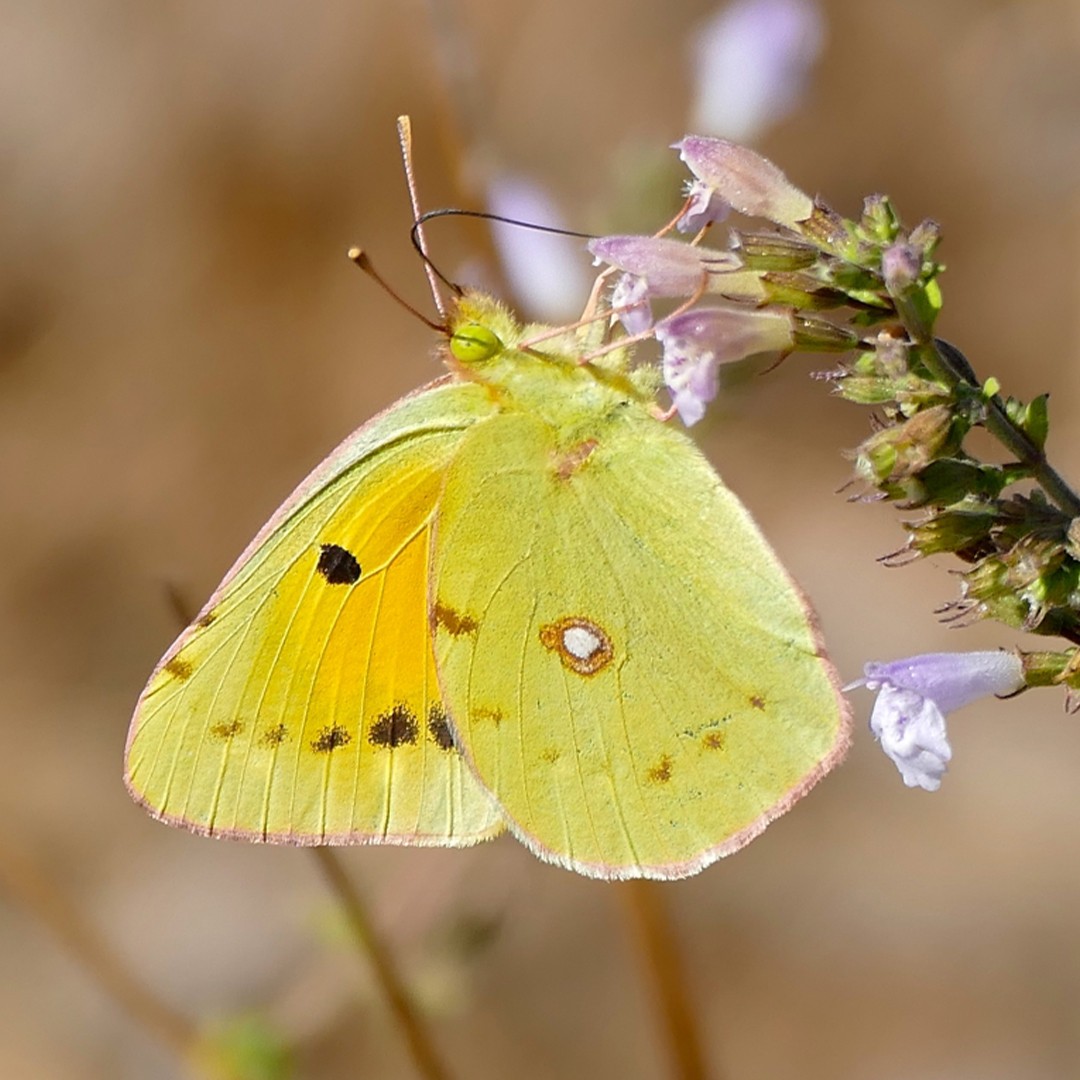
3. Clouded yellow
Colias croceus has a wingspan of 46–54 millimetres (1.8–2.1 in). The upperside of the wings is golden to orange yellow with a broad black margin on all four wings and a black spot near the centre forewing. Usually these butterflies settles with its wings closed, consequently the black margin of the uppersides of the wings is difficultly visible. The underside lacks the black borders and is lighter, with a more greenish tint, particularly on the forewings. In the forewing underside is the same dark spot as on the upperside, but often with a light centre; the hindwing underside has a white centre spot, often with a smaller white or dark dot immediately above it. Sometimes, a row of black dots occurs on the underwings' outer margins, corresponding to where the black border ends on the upperside. Females differ from the males in having yellow spots along the black borders on the upperside. In flight, Colias croceus is easily identifiable by the intense yellow colouring, much brighter than that of the lemon-yellow male common brimstone which also lacks black markings. Like all Colias species they never open their wings at rest. In a small proportion of females (about 5%) the golden upperside colouration is replaced by a pale cream colour. These females have been distinguished as form helice. The pale form helice does not seem to be that distinct as intermediates exist and the variation is to some extent related to humidity during development, with dryer conditions producing paler colouration. These pale forms helice can be confused with Berger's clouded yellow (Colias alfacariensis) and the rarer Pale clouded yellow (Colias hyale). Even the palest C. croceus tends to have more black on the upperside however, in particular on the hindwings. Young caterpillars are yellow-green, with a black head. Later they become completely dark green, with a white red spotted lateral line after the third moult. The pupae are green and have a yellow side stripe. This species is rather similar to Colias myrmidone, Colias chrysotheme, Colias erate, Colias hyale, Colias alfacariensis, Colias caucasica, Colias aurorina. 
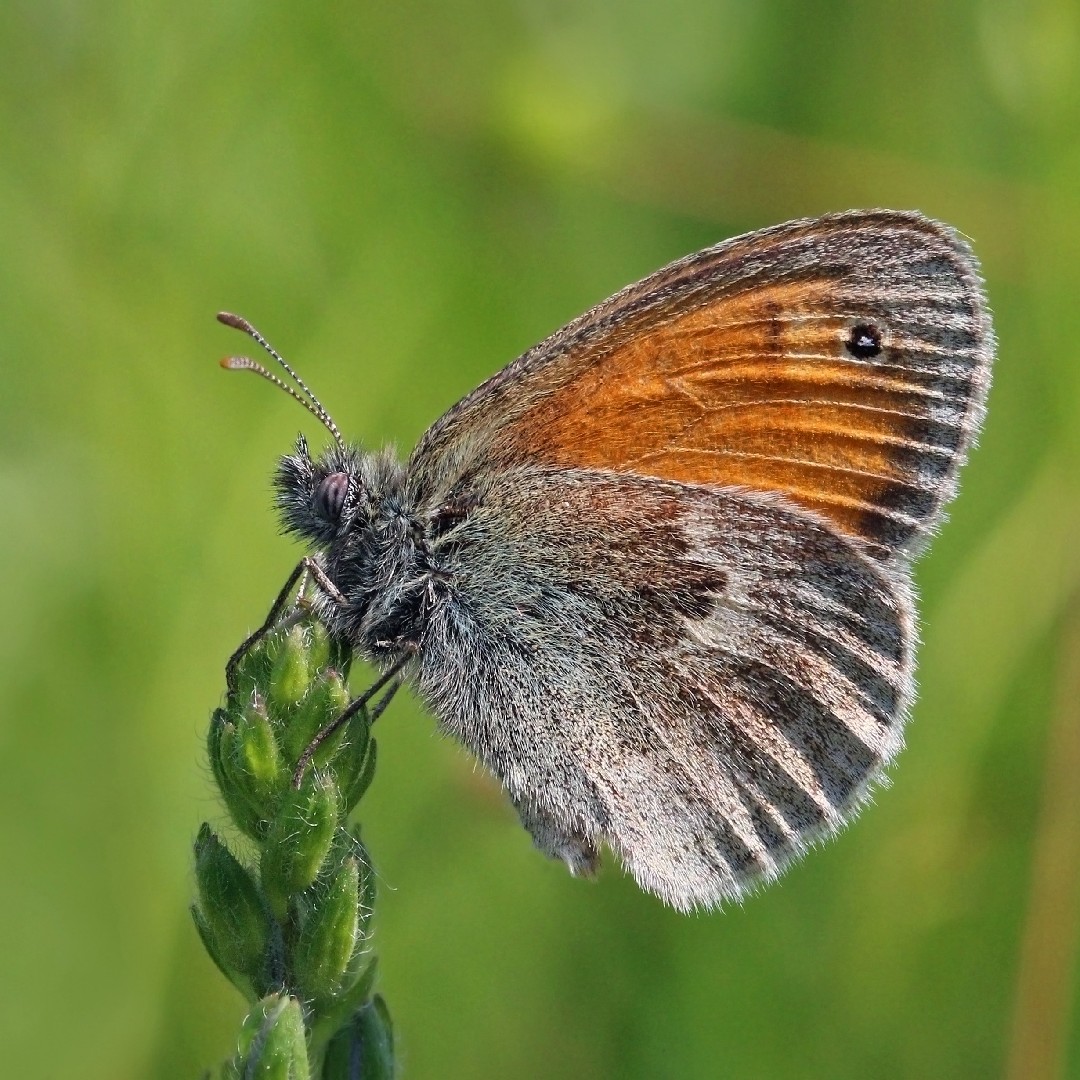
4. Small heath
It rests with closed wings when not in flight.
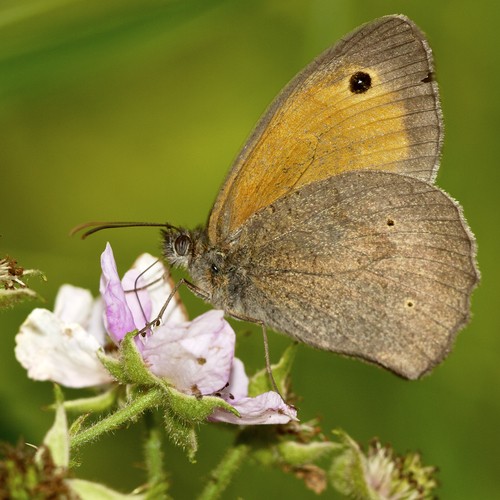
5. Meadow brown
The meadow brown (Maniola jurtina) is similar to the Gatekeeper in the way that it rests with its wings open due to the "eye spots" on either end of its wings that ward off predators. While the color is a deep brown, the caterpillar form is a beautiful bright green with little, white hairs and a dark line leading down its back.
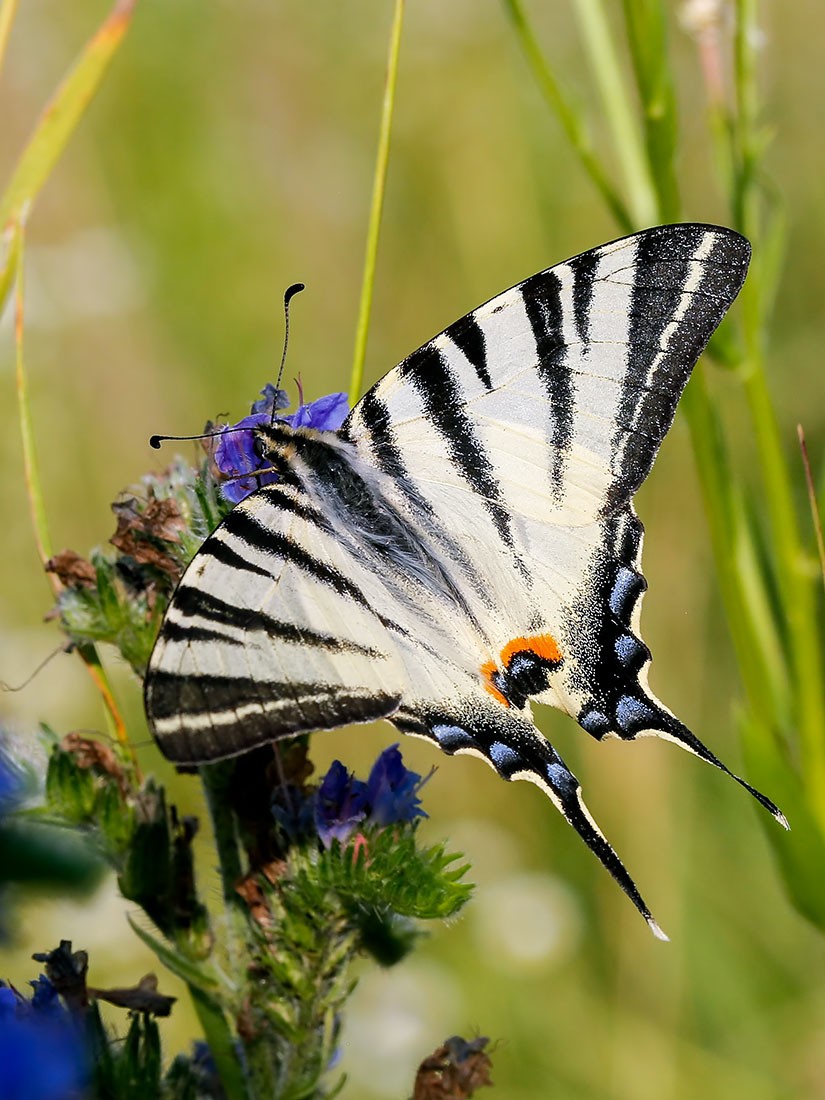
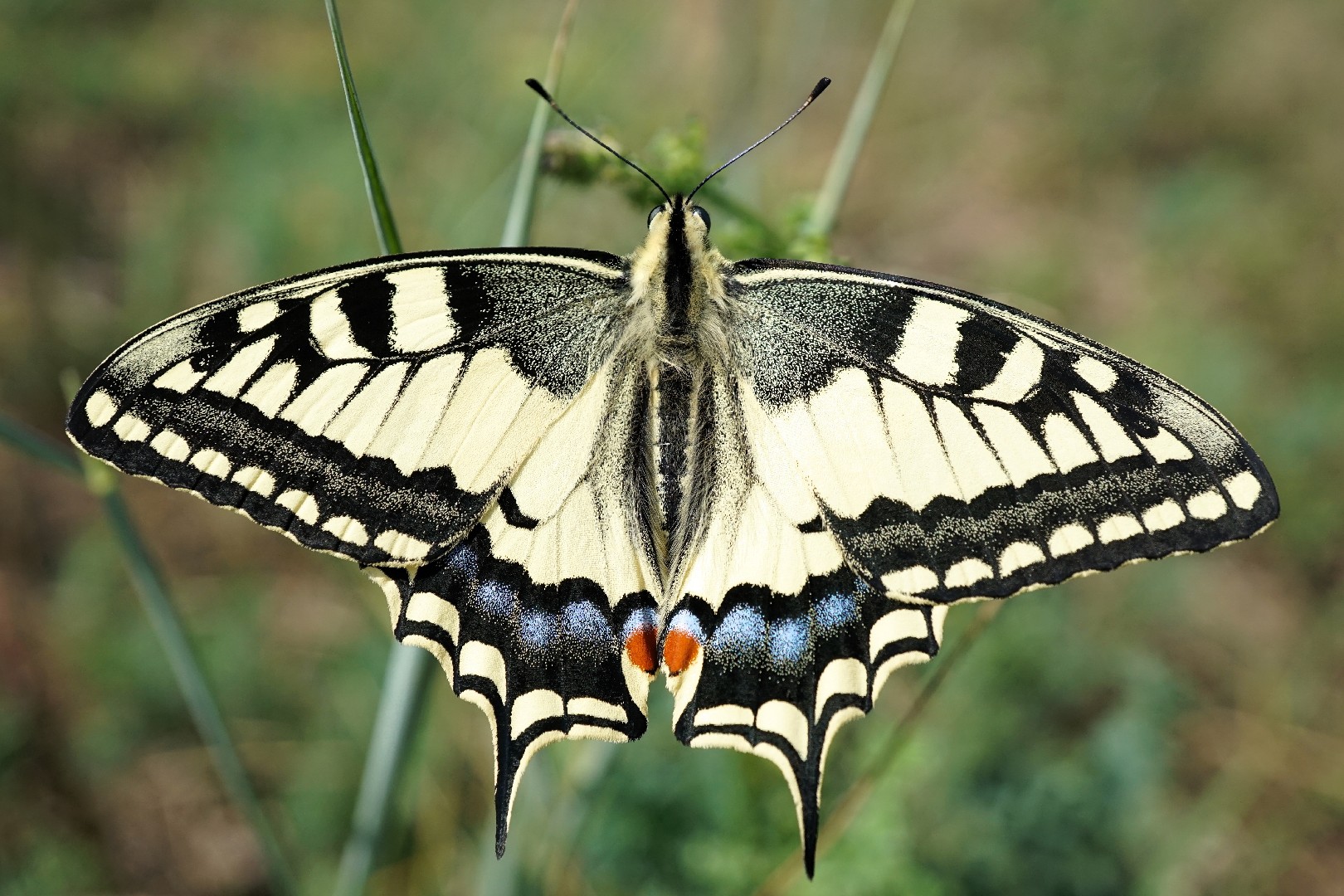
6. Scarce swallowtail
Its slow and floating flight pattern makes it easy to identify the scarce swallowtail as it soars over gardens, orchards, and scrublands. The butterfly has a large presence across Europe, the Middle East, and Asia. The adult lifespan is brief, only two or three weeks. Planting flowers like blackthorn can encourage the butterfly to visit a garden.
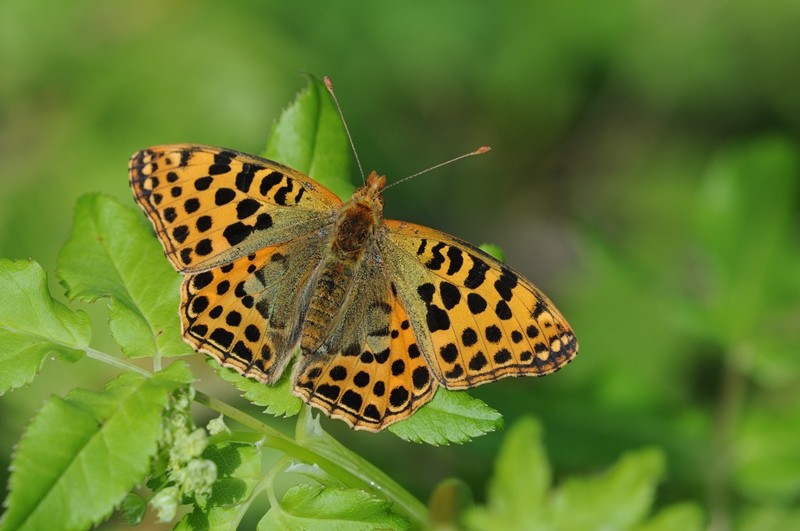
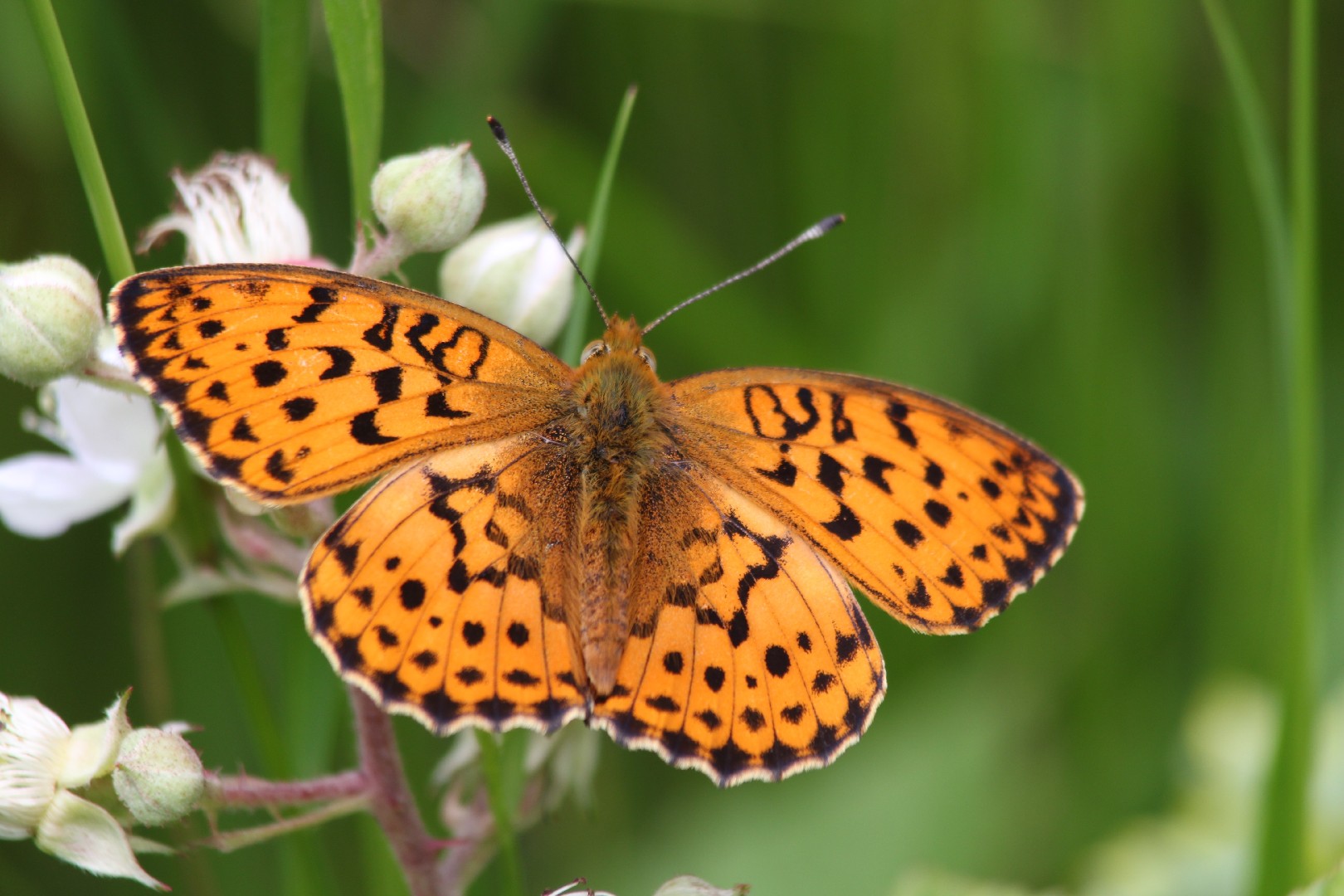
7. Queen of spain fritillary
Issoria lathonia is a medium-sized butterfly with a wingspan of 4 - 4.5 cm. The wings show a deep orange-violet background, with rounded black spots arranged in regular rows and suffused with greenish gray in the females. The underside of the hindwings is decorated with large pearly nacreous spots and it is crossed by a postdiscal row of black eyespots with pearly pupils. Some pearly spots also appear at the apex of the forewings. The caterpillar can reach a length of 3.5 cm. It is grayish brown, with black spots, and relatively short brown spines with white tip, and a double row of dorsal white streaks. The suspended chrysalis is dark brown, with a large white saddle-shaped stain and some smaller ones of the same color, resembling a bird's dropping. The imago is rather similar to Argynnis aglaja, Argynnis adippe and Brenthis daphne, which have the same orange color on the upperside of the wings, but show different markings and spots. Moreover, the underside of the hindwings does not have the large pearly spots characteristic of the queen of spain fritillary.
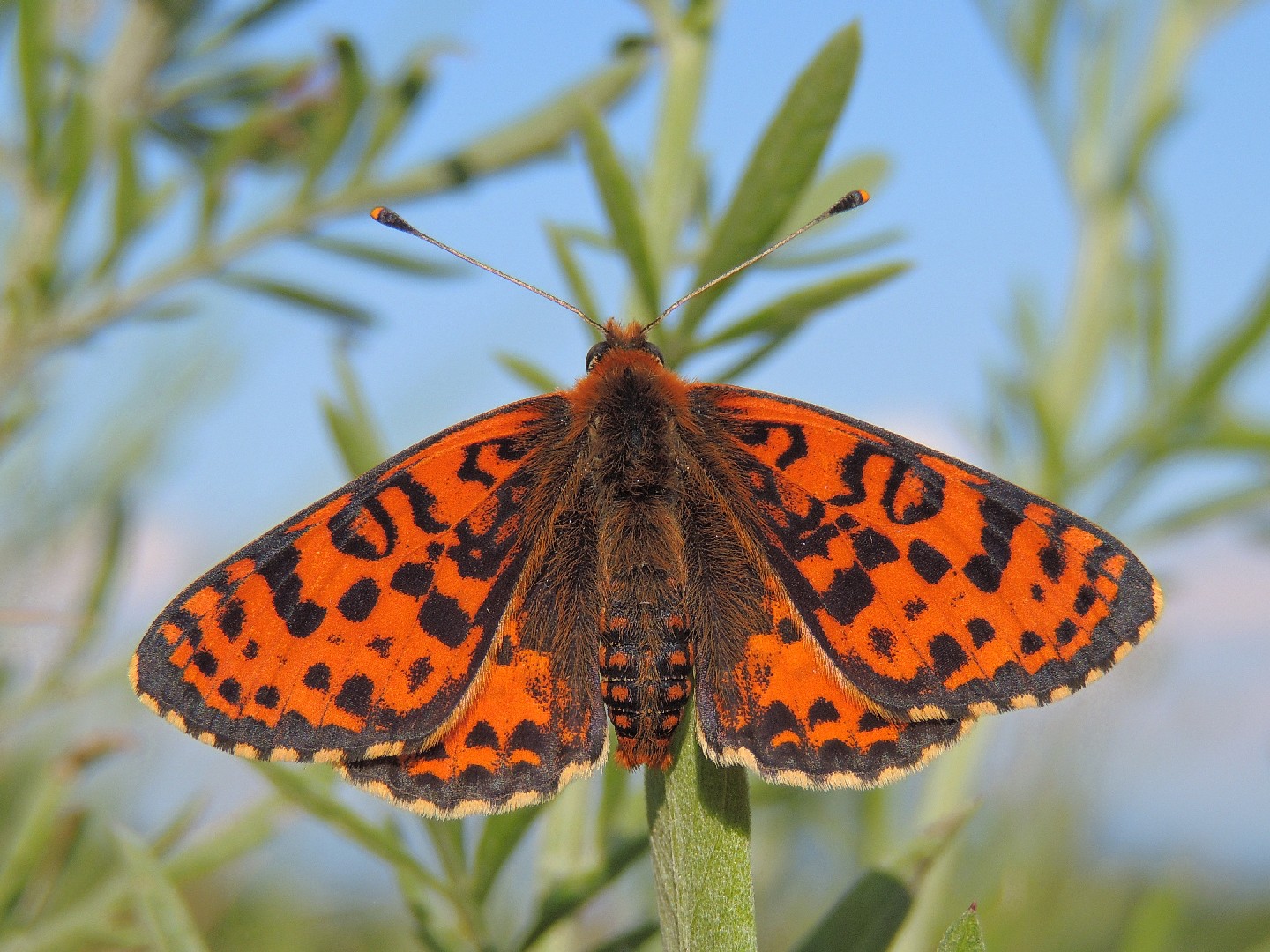
8. Spotted fritillary
Melitaea didyma is a medium-sized butterfly with a wingspan reaching 3.5 - 5 cm. The overside of the wings is a bright orange-brown with dark brown markings arranged in rows, which are quite variable in quantity and size. Sometimes the colour of the females is a duller orange, shaded with grey-green. The underside of the wings is chequered pale yellow and pale orange. Melitaea didyma has seasonal forms and sexual dimorphism.
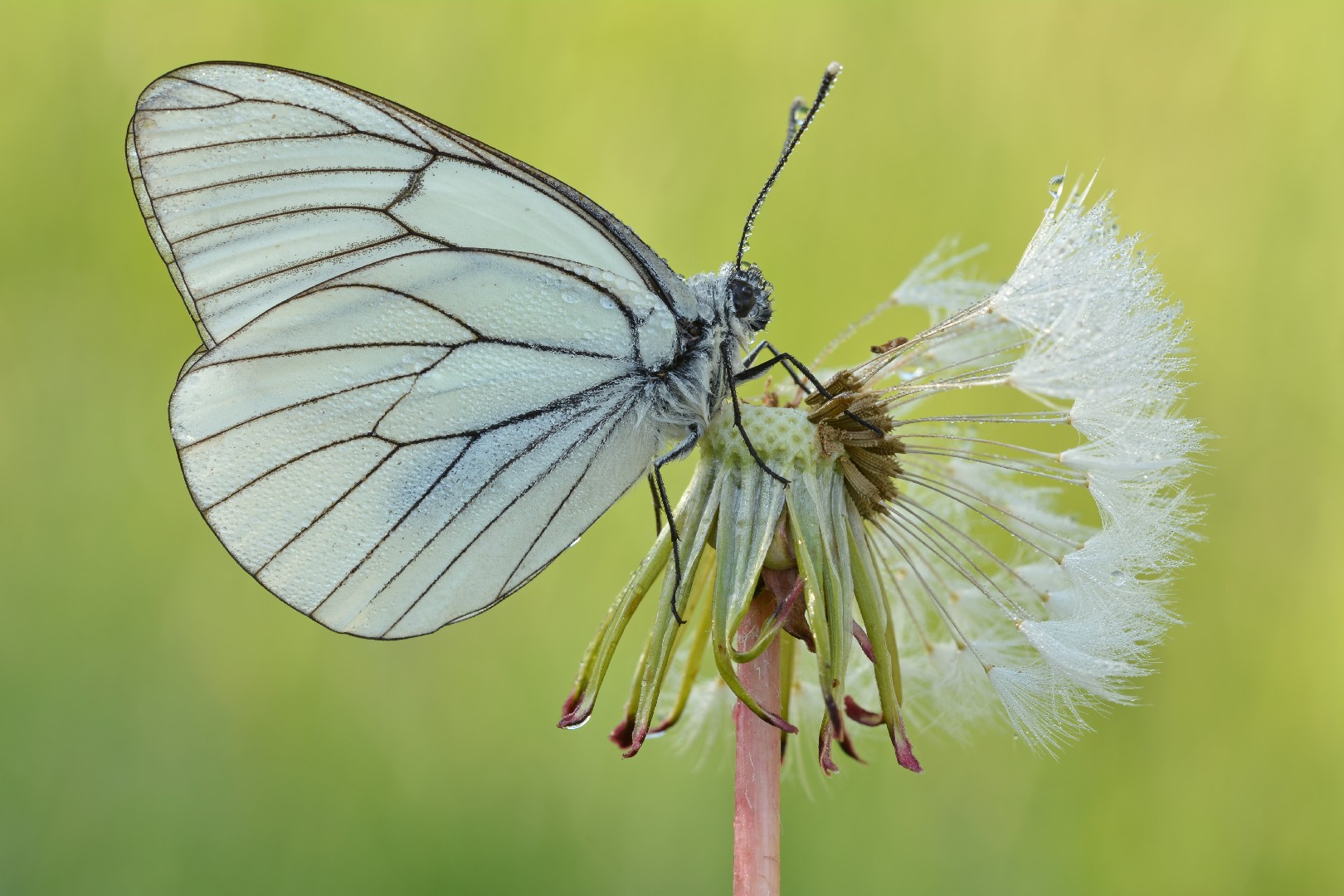
9. Black-veined white
The black-veined white has a wingspan of 5 - 7 cm. Females are commonly larger than males. The upperside of both forewings and hindwings is a translucent white boldly veined with black. The underside is similar in the male but the female has brown veining. Moreover, the female loses most of her scales by rubbing her wings together, resulting almost-transparent. This butterfly can be distinguished from other members of white butterflies of the genus Pieris by its distinctive veined wings. The eggs are yellow at first, darkening with age. The caterpillars are greenish grey with transverse banding. The pupa is creamy white, marked with black, attached by a silken girdle to a twig.
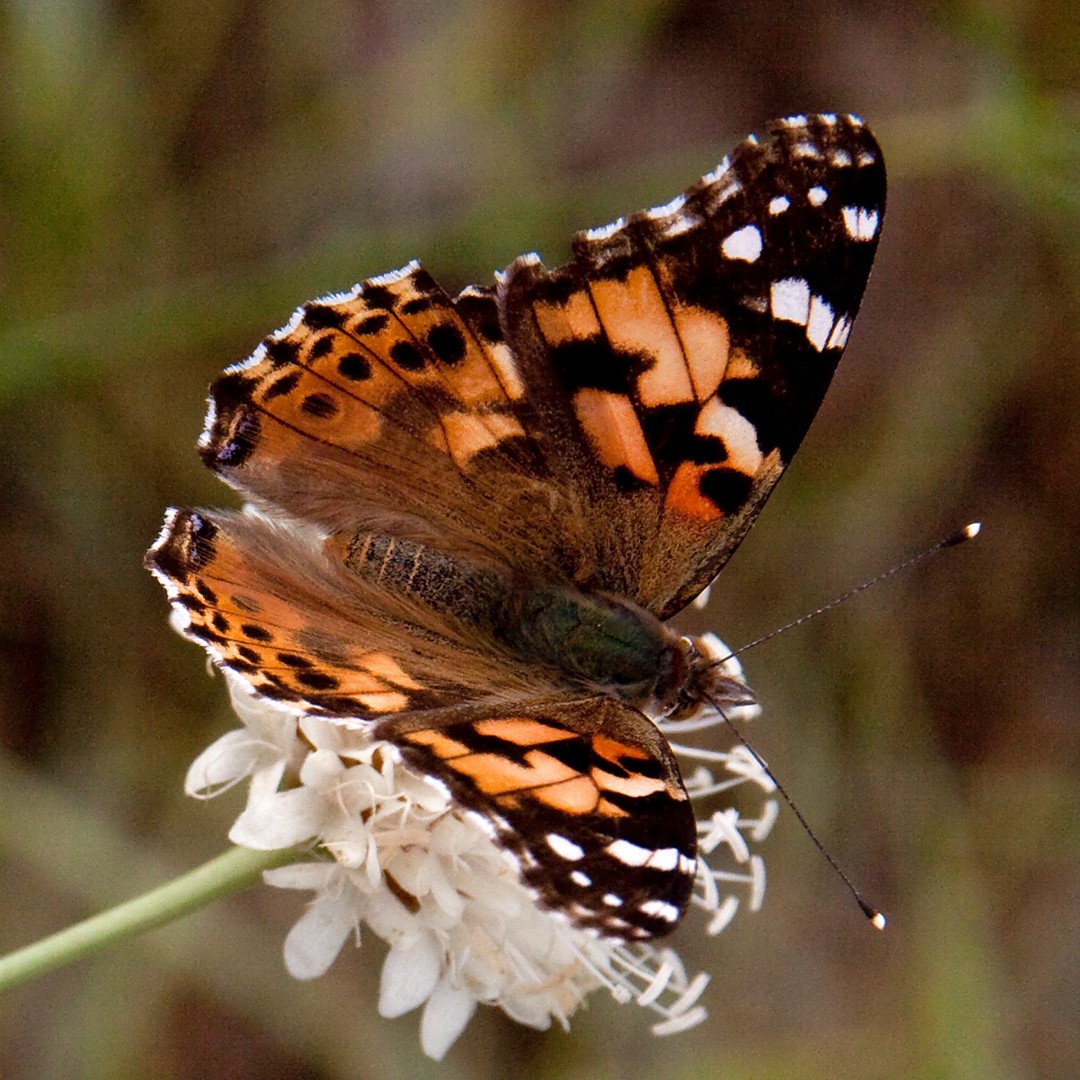
10. Painted lady
The painted lady is a migratory butterfly that spends part of the year in Northern Africa and then migrates to Europe during the warmer months. Although the adults feed on nectar from flowers, the larvae feed on the leaves of nettles and thistles.
More







