




Top 20 Most Common Insects in Malawi
Diverse and fascinating, insects, characterized by their segmented bodies and hard exoskeletons, promote balance and variability in Malawi's ecosystems. Geographic peculiarities of Malawi, such as its climate and distinct ecosystems, birth a unique melange of insect varieties. Some insects act as pests, but many are beneficial, silently fulfilling vital environmental roles. The list explores the 20 most infesting insects of Malawi, framed by the country's unique geographic influences.

Most Common Insects
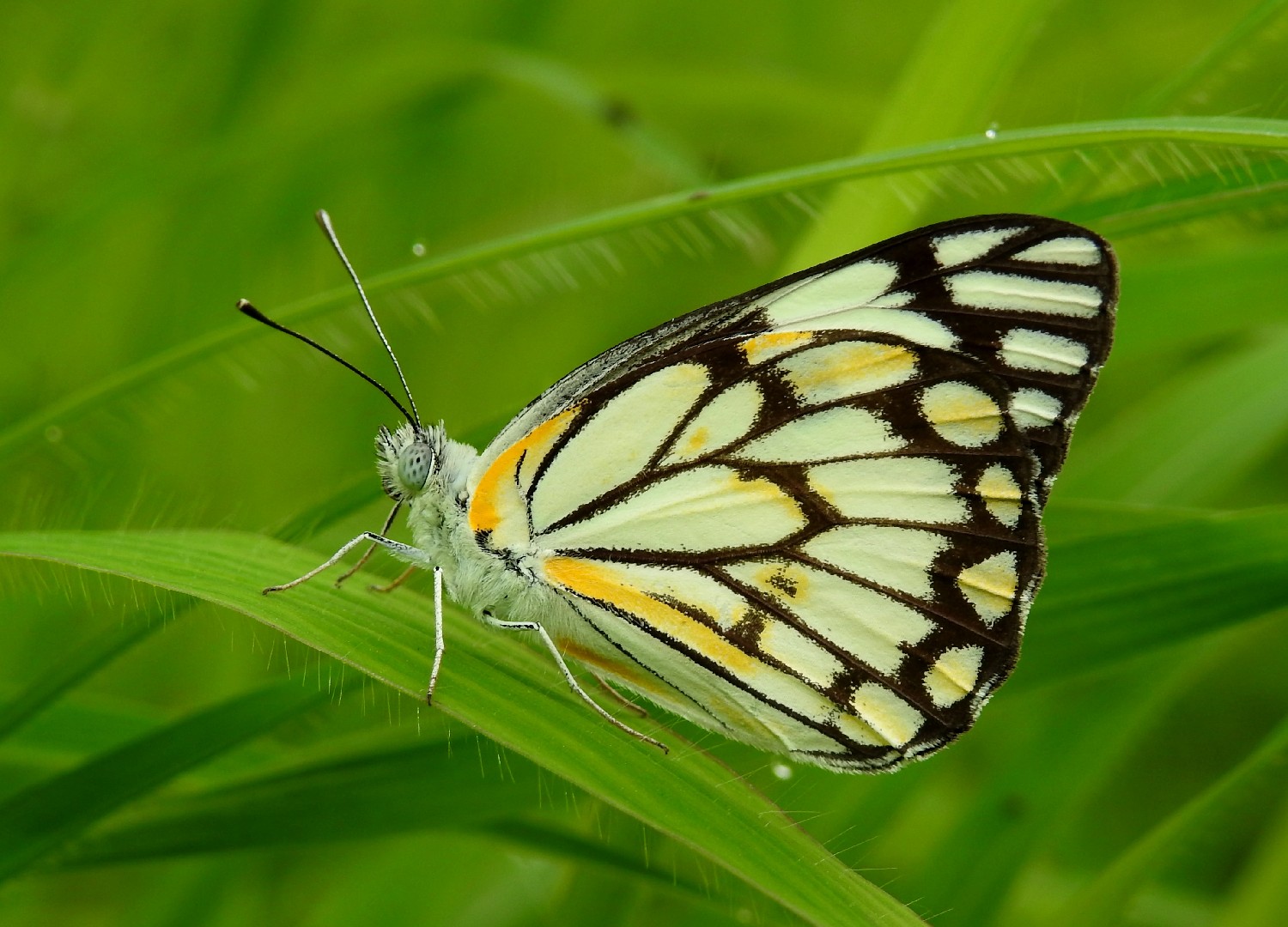
1. Pioneer white
Wet-season form. The upperside of males is white with the forewing having the costa from base to base of vein 11 dusky black and then jet black continuing into a widened and curving short streak along the discocellulars to the lower apex of the cell; apical area diagonally with the termen black, the former with six elongate outwardly pointed spots of the ground colour enclosed one in each of the interspaces 3, 4, 5, 6, 8, and 9. Hindwing: uniform, the black along the venation on the underside seen through by transparency; termen between veins 2 and 6 somewhat broadly black, with a series of four round spots of the ground colour in the interspaces; below vein 2 and above vein 6 the termen is very narrowly black. Underside: forewing white, markings similar, more clearly defined, the white spots within the black apical area larger. Hindwing: yellowish white, all the reins very broadly bordered with black; interspaces 1, 2, 6, and 7 with crossbars of black, beyond which there is a subterminal, somewhat broad, transverse band of black between veins 2 and 6. Cilia of both forewings and hindwings white alternated with black. The ground colour on both upper and undersides variable, often cream coloured above; beneath: in some specimens, the base of cell and the elongate spots in apical area of forewing, and the whole surface of the hindwing varies to rich chrome yellow. Female similar; the black markings on both upper and undersides broader, the white spots on black apical area of forewing often sub-obsolete above. Antennae in both sexes black, sparsely sprinkled with white dots; head, thorax and abdomen above and below white: thorax above often bluish grey. Dry-season form. The dry-season form is similar to the wet-season form but on the upperside the black markings are narrower, the white markings on the black apical area of forewing broader and longer, and on the hindwing the narrow inner margining to the black on the termen very narrow, somewhat obsolescent; therefore, the white subterminal spots have the appearance of opening inwards. Underside: ground colour almost pure white; on the hindwing slightly tinged with yellow. Antennae, head, thorax, and abdomen as in the wet-season form. Wingspan of 4.5 - 6 cm. 

2. Dark grass blue
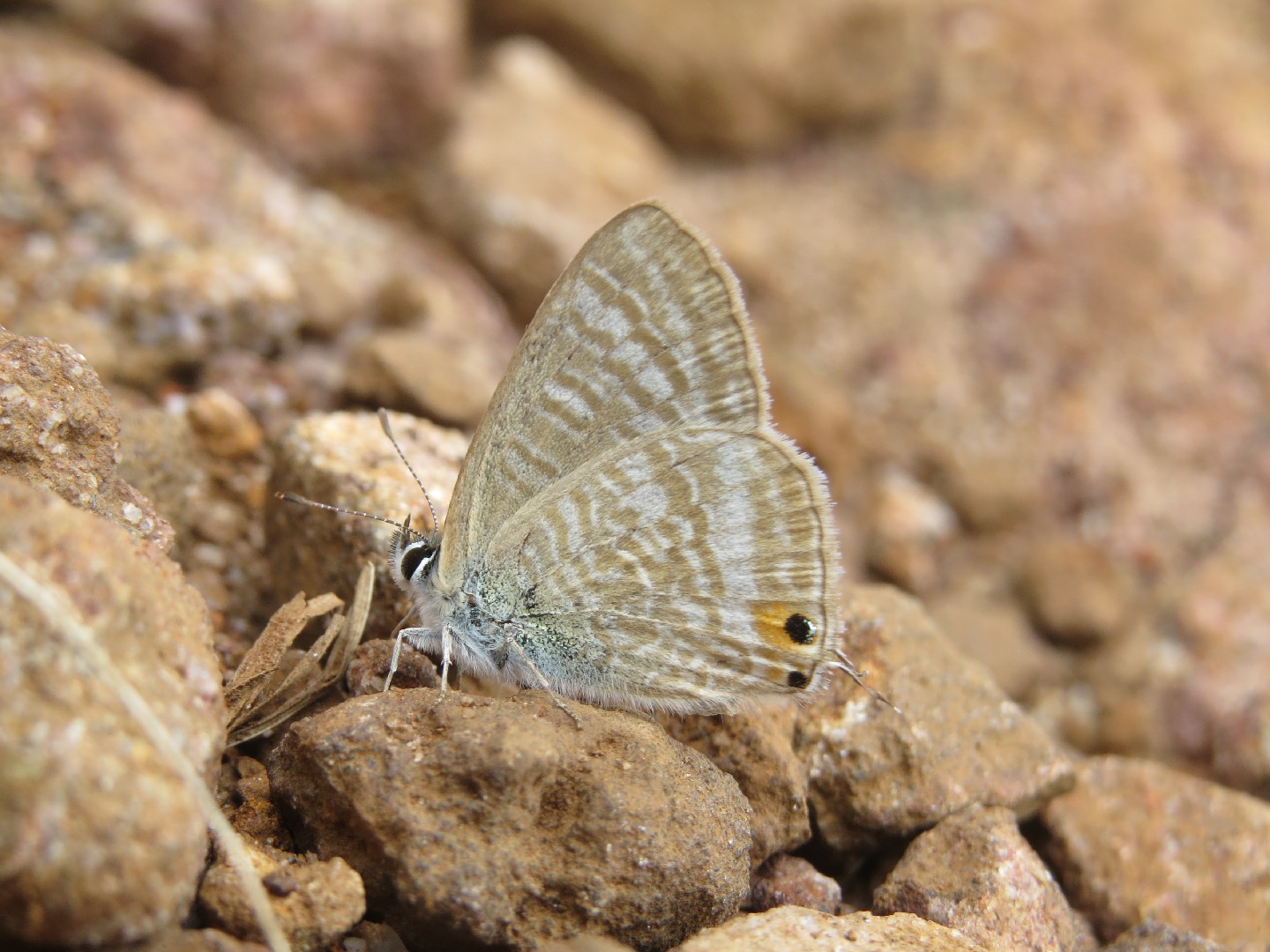
The wingspan is 1.8 - 2.5 cm for males and 2 - 2.5 cm for females.

3. Danaid eggfly
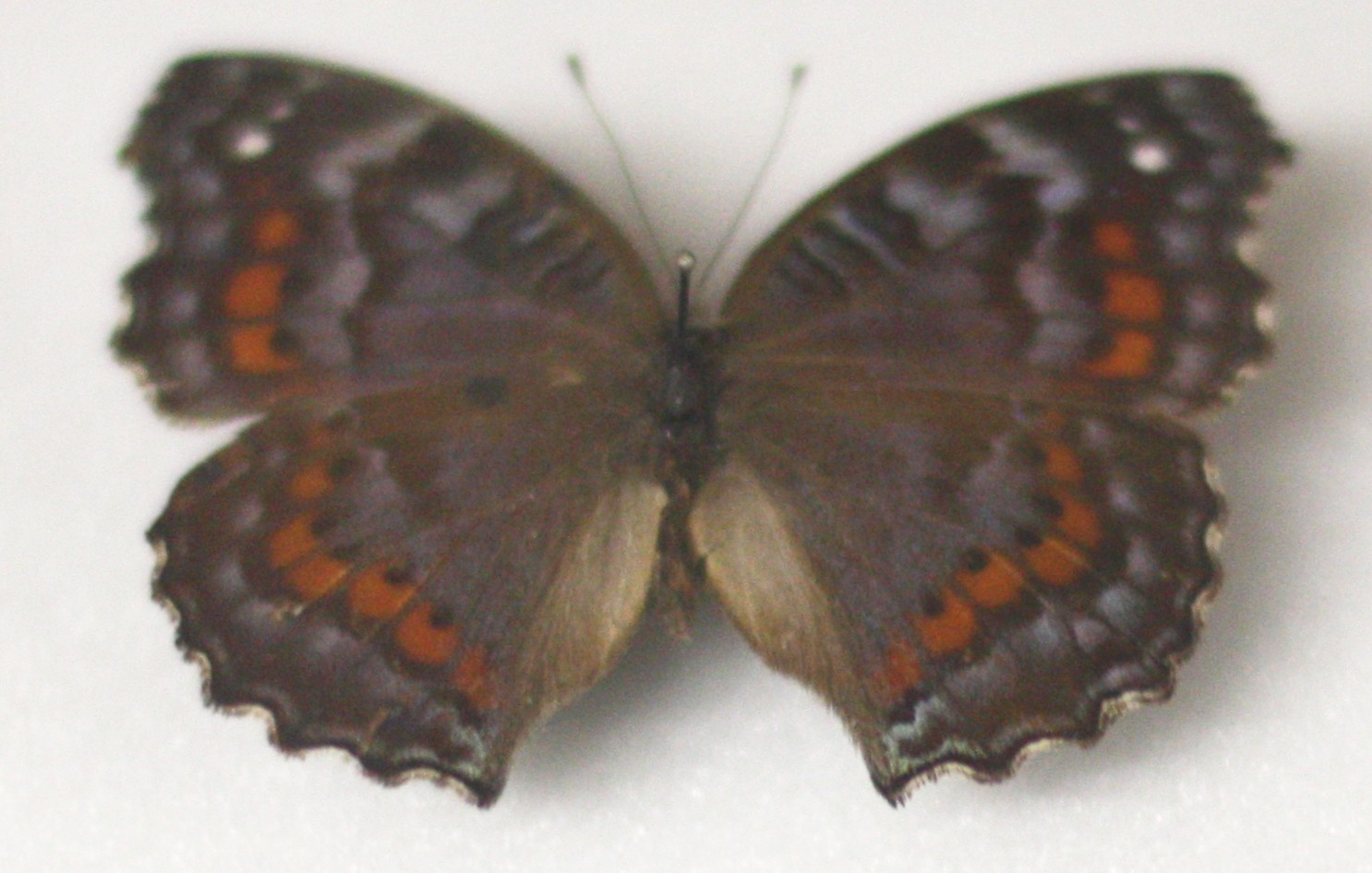
The danaid eggfly (Hypolimnas misippus) is a unique butterfly where females tend to have a strong advantage. Males are identified by being blackish with white spots. Females exhibit polymorphism, or the ability to have multiple forms. This means that they can resemble males in some cases, but also resemble toxic butterflies like the Monarch butterfly.
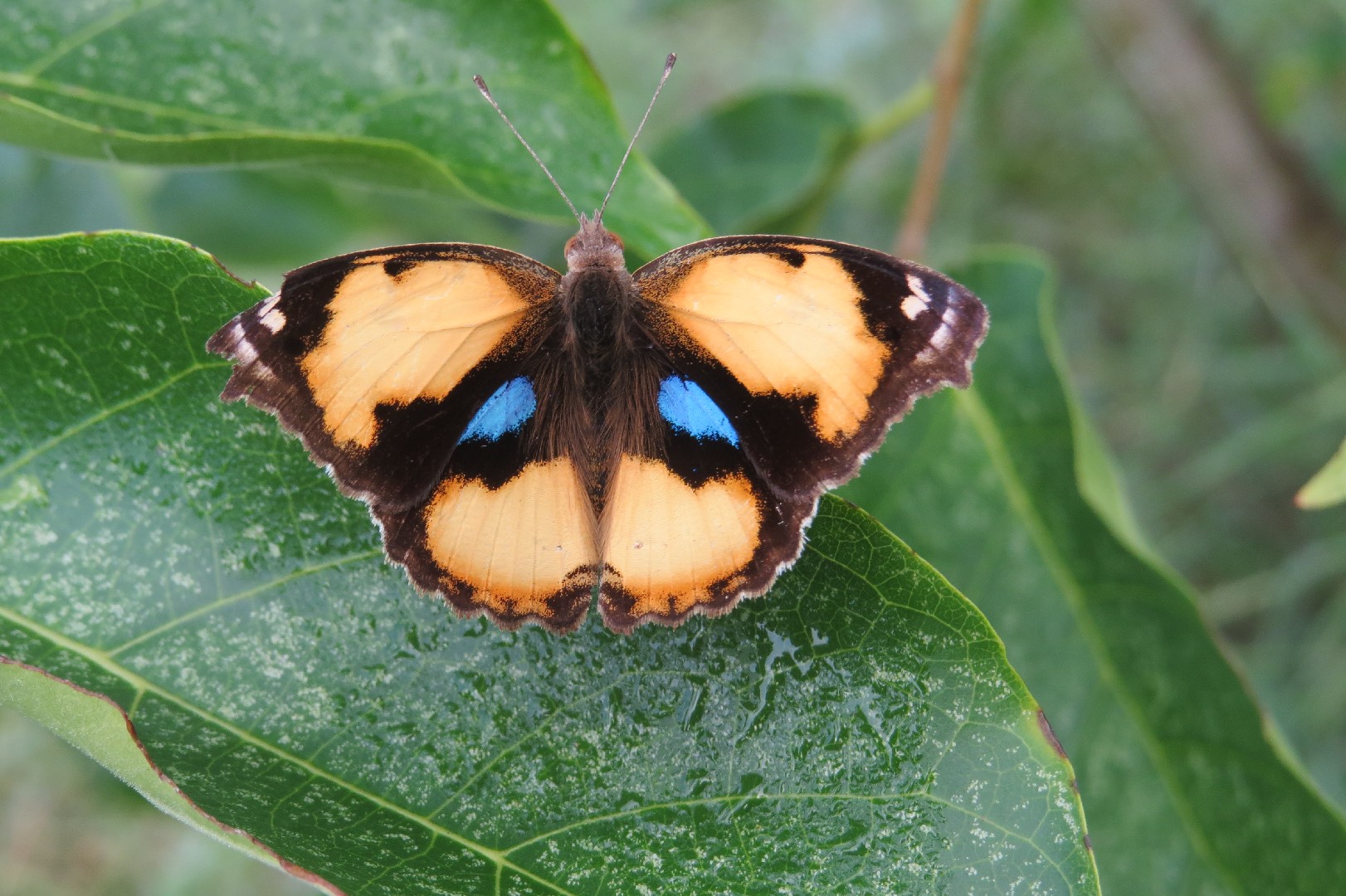
4. Yellow pansy butterfly
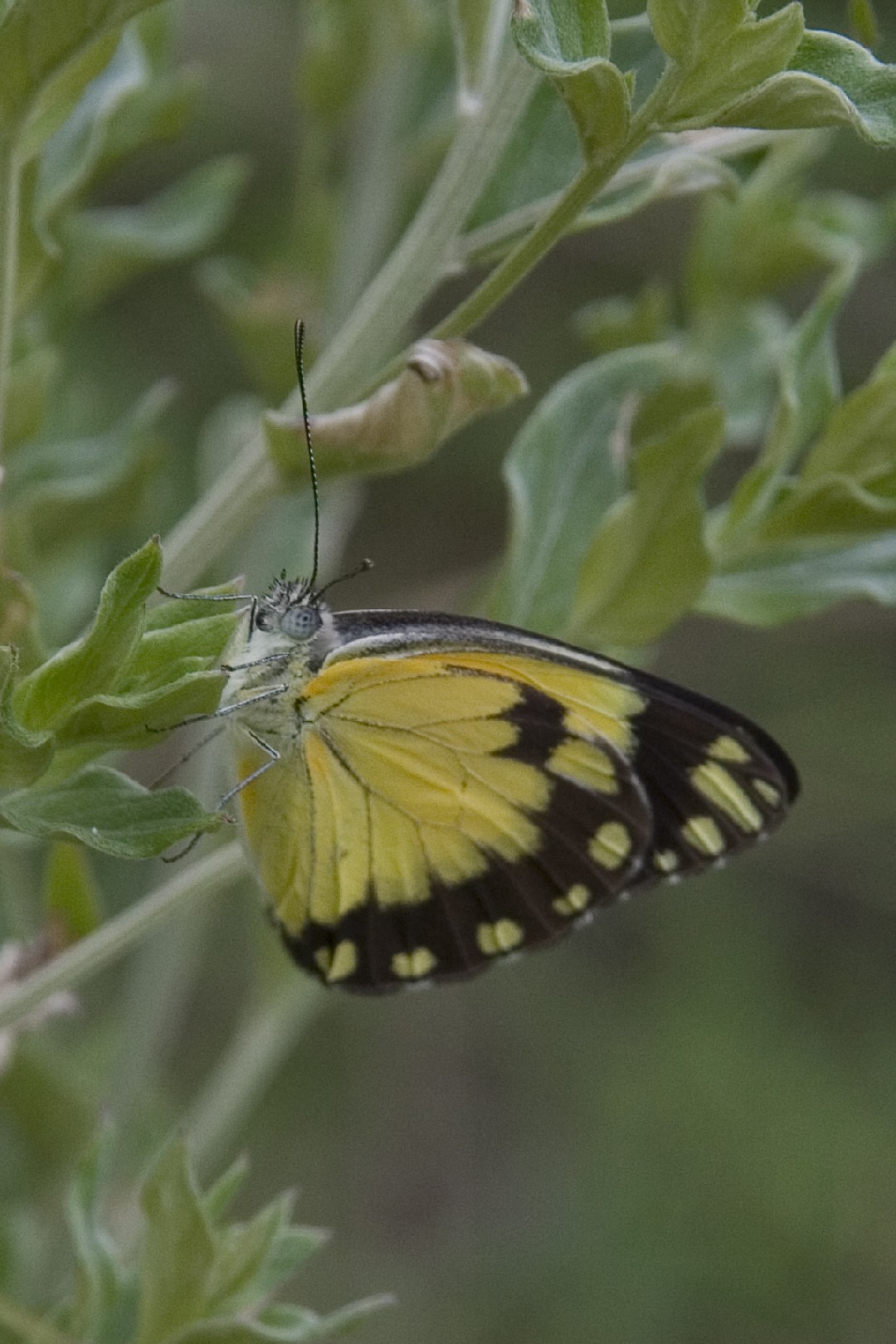
The male upperside is bright yellow. The costa of the forewing has a broad triangular jet-black projection downwards at the discocellulars, and the dorsum has a triangular projection upwards near the tornus; this black margin narrows near the middle of the termen and bears on the apex two short transverse preapical white streaks crossed by the black veins. Below these is an obscure ocellus that is sometimes absent. The anterior half and the terminal margin of the hindwing is black, and the dorsum is broadly shaded with brown while the anterior black area has a large brilliant blue spot. The cilia of both forewings and hindwings are white alternated with brown.The underside of the forewing is pale yellow. The cell is crossed by three laterally black-margined orange-yellow bars, beyond that is a short, broad, irregular jet-black oblique band from costa to base of vein 4. The hindwing is greyish yellow, and in the dry season its form is strongly irrorated (sprinkled) with dusky scales. With a prominent transverse brown discal fascia, its margins are highly sinuous. There is a brownish broad shade on the middle of the termen and some obscure lunular marks on the basal area. The antennae is pale, and the head, thorax and abdomen are dark brownish black; beneath that is a dull ochraceous white. The female is similar, although the colours are duller. The cell of the upperside forewing has a more or less complete transverse black fascia and another at the discocellulars. A blue-centred well-marked ocelli is in interspaces 2 and 5 on the disc of the forewing, and smaller ocelli in interspaces 2 and 5 on the disc of the hindwing. The forewings and hindwings have a fairly well-defined pale subterminal line, though the blue spot on the anterior black area on the hindwing is small and ill-defined; the rest is as the male. The underside is also as the male, but generally has heavier and more clearly defined markings.
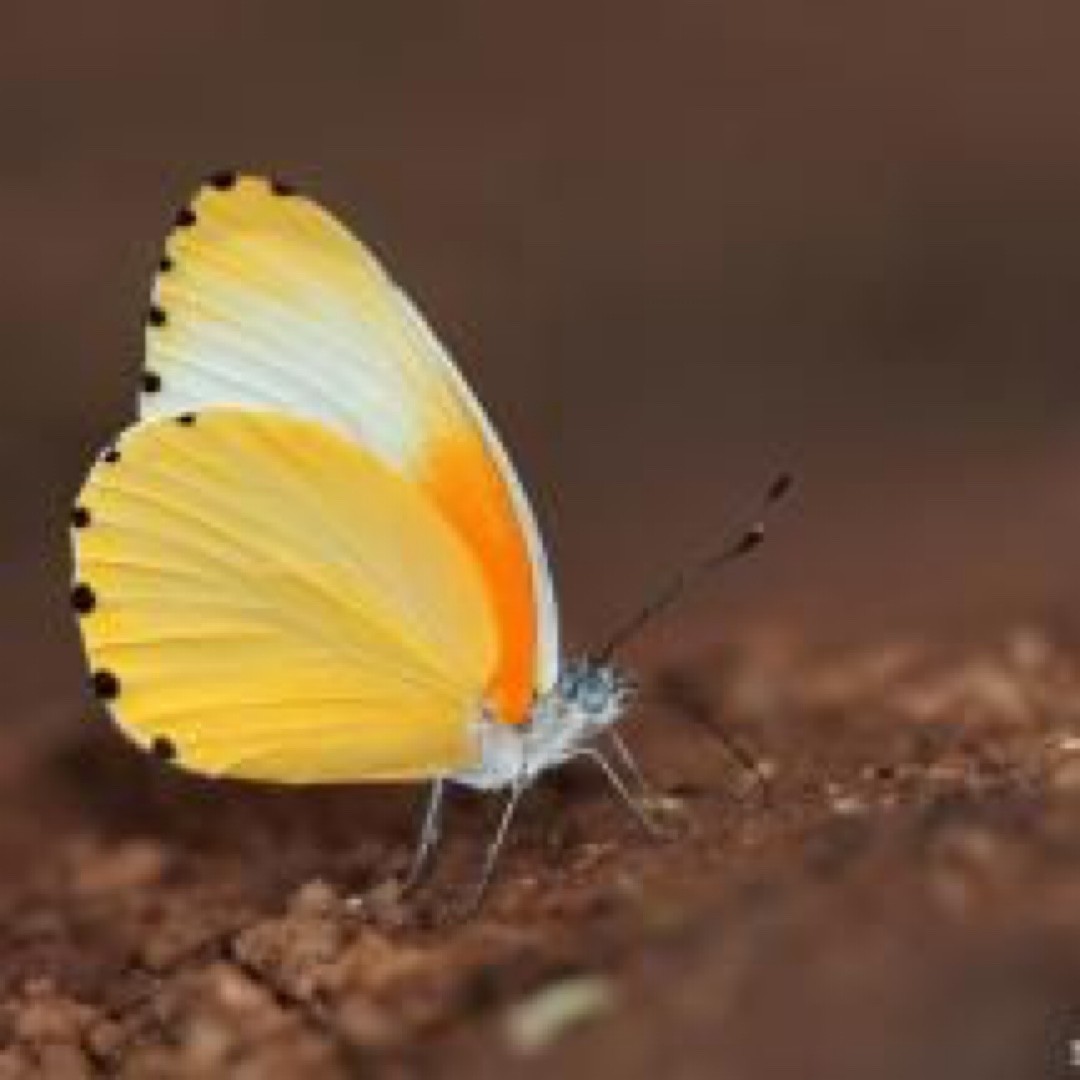
5. Eastern dotted border
The wingspan is 5 - 6 cm for males and 5 - 7 cm for females.
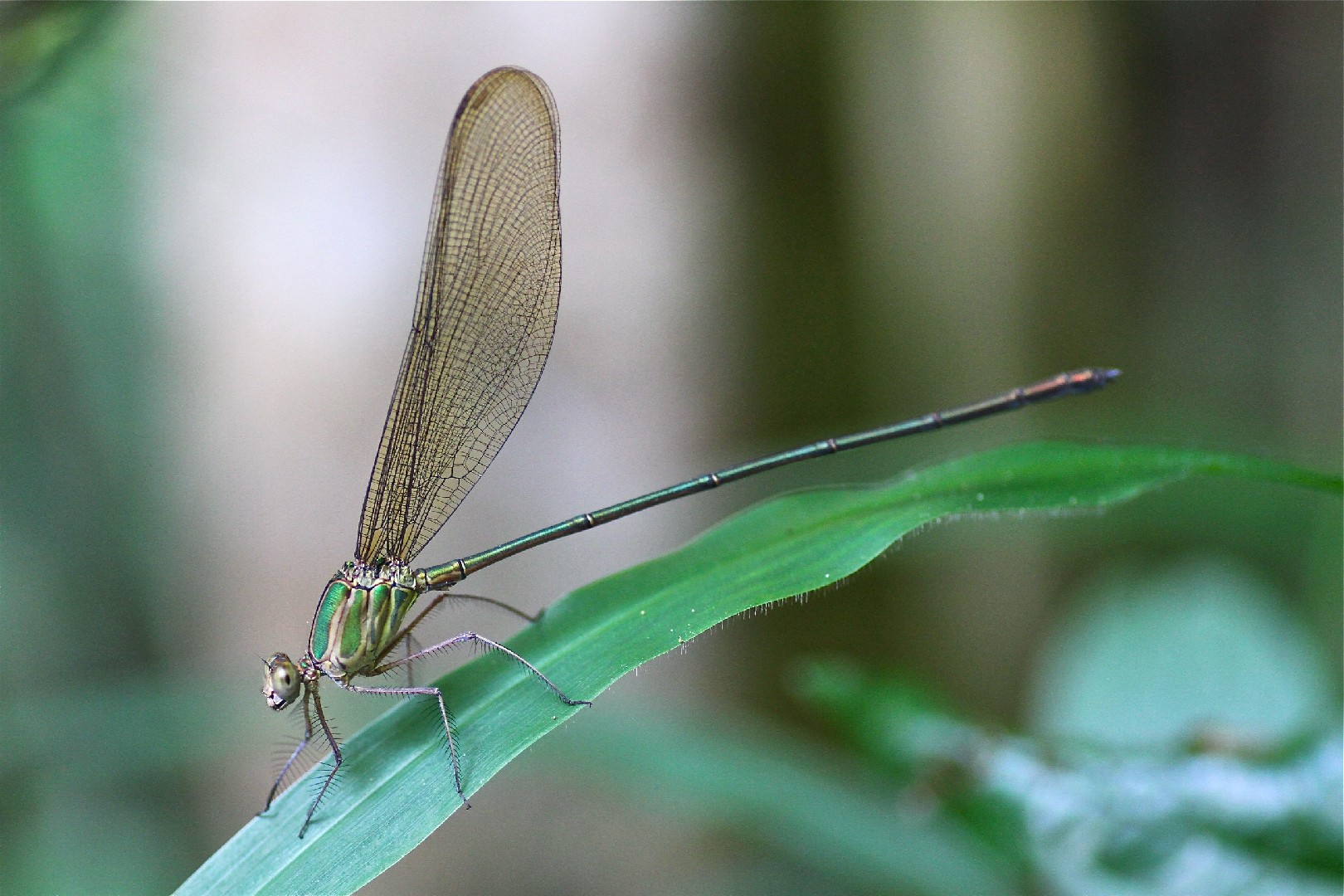
6. Glistening demoiselle
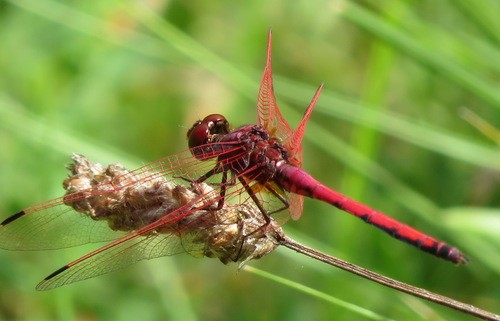
The species is on the IUCN Red List as not endangered, year of assessment 2009.

7. Broad-bordered grass yellow
Male in Wet-season form: Upper-side somewhat paler yellow. Fore-wing with the outer marginal black band; the apical edge of costa and the cilia rosy-red. Hind-wing with the black outer band somewhat narrower, macular, the decreasing portions each with a more prolonged inner-tooth, and the yellow ground-colour between each extending to the outer edge. Underside pale yellow, the fore-wing also having a very slightly defined sub-apical inwardly-oblique squamous streak. Fore-wing with the entire costal edge and outer marginal cilia, and also the outer marginal cilia of the hind-wing, rosy-red. Female. Upper-side. Apical edge between the subcostals of fore-wing, and cilia of both wings paler rosy-red. Underside with the markings on hind-wing slightly visible. Fore-wing above with the black outer band broken beneath the lower median veinlet. Hind-wing with the outer band similar to male, its portions slightly broader. Underside similar to male, the markings being slightly more defined.Male in Intermediate form: Upper-side. Fore-wing with the outer band slightly narrower than in wet form; cilia paler red. Hind-wing with the marginal macular band narrower, and composed of smaller portions. Underside similar to wet form. Female. Upperside. Fore-wing with the outer band less broken at its posterior end than in wet form. Hind-wing with the marginal macular band less distinct and narrower. Underside similar to the male.Dry-season form: Both sexes much smaller than in intermediate form. Cilia paler. Male. Fore-wing above with the inner-edge of the marginal band less sinuated than in intermediate form, its posterior end indistinctly broken. Hind-wing with the lower portions of the macular band somewhat larger and less dentate. Underside. Both wings with less defined markings than in intermediate form. Female. Upper-side. Fore-wing with the band slightly broken at posterior end. Hind-wing with the lower portions of band somewhat wider. Underside with the markings indistinct.
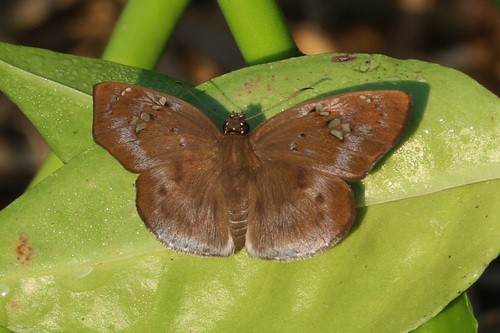
8. Clouded flat
The wingspan is 3.5 - 4.5 cm for males and 4.5 - 5 cm for females. The upper surface of the wings is brownish with translucent spots near the apex of the forewings. These spots are larger in the female than in the male. The undersurface of the hindwings is white with a semicircle of irregular black spots. The winter form is lighter in colour than the summer form.

9. Citrus swallowtail
Papilio demodocus , also known under the English name Citrus Swallowtail ("Citrus Swallowtail"), is a butterfly from the family of the knight butterflies (Papilionidae).
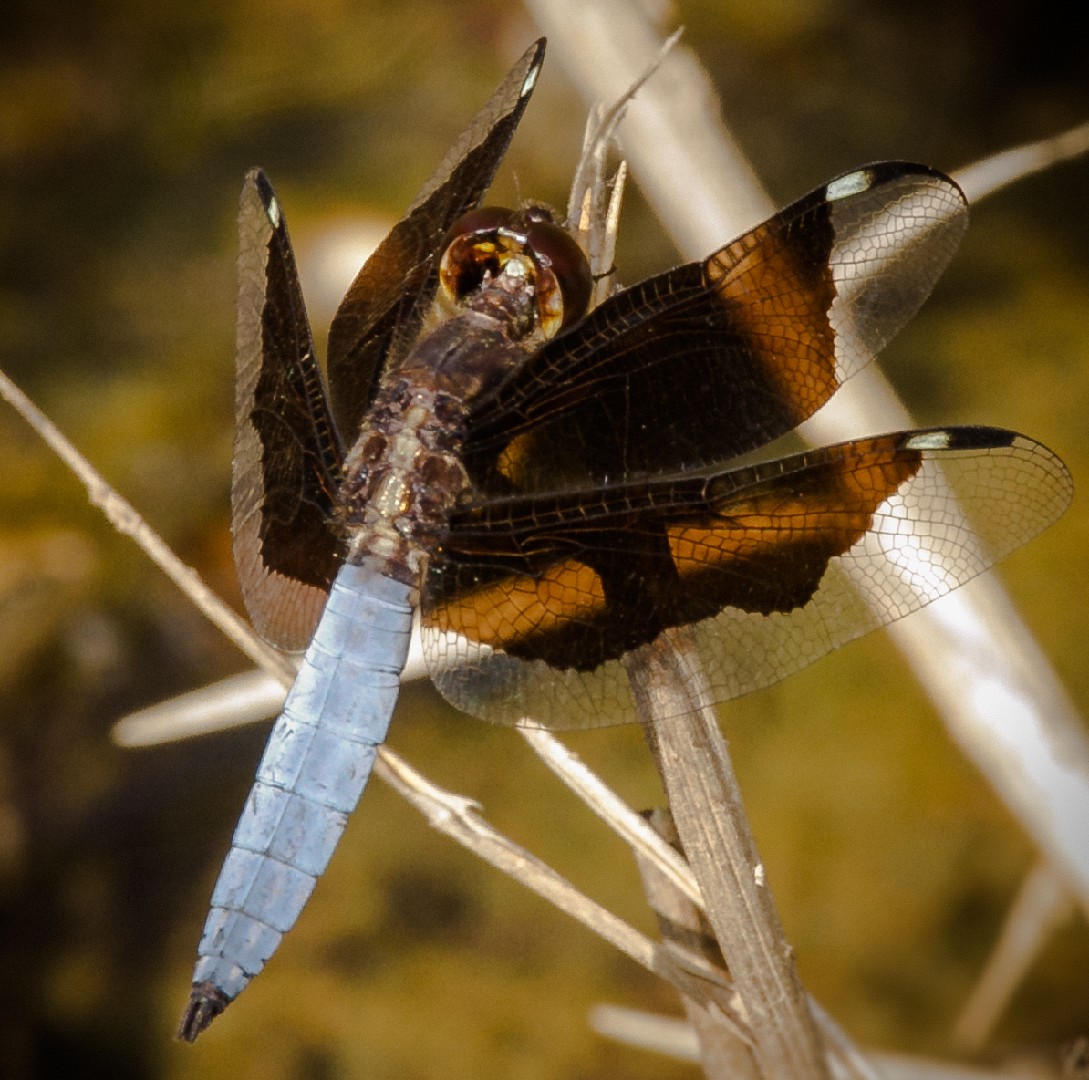
10. Lucia widow
The species is on the IUCN Red List as not endangered, year of assessment 2009.

More







