




Top 15 Most Common Insects in Mauritania
Welcome to our discovery of 15 prevalent insects in Mauritania! As marvelously diverse critters, insects adapt to various habitats across this vibrant land. Insects' diversity in Mauritania is greatly shaped by geographic location, climate, ecosystem, and human activities. Indeed, the myriad of environments nurture both a swarm of naughty pests and beneficial insects, sculpting a country's unique entomological fingerprint. Get ready to explore the buzzing world of Mauritania's insects!

Most Common Insects
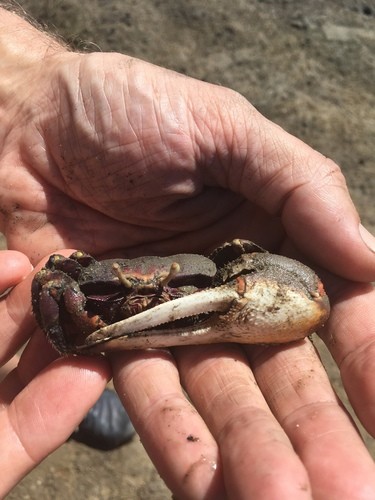
1. West african fiddler crab
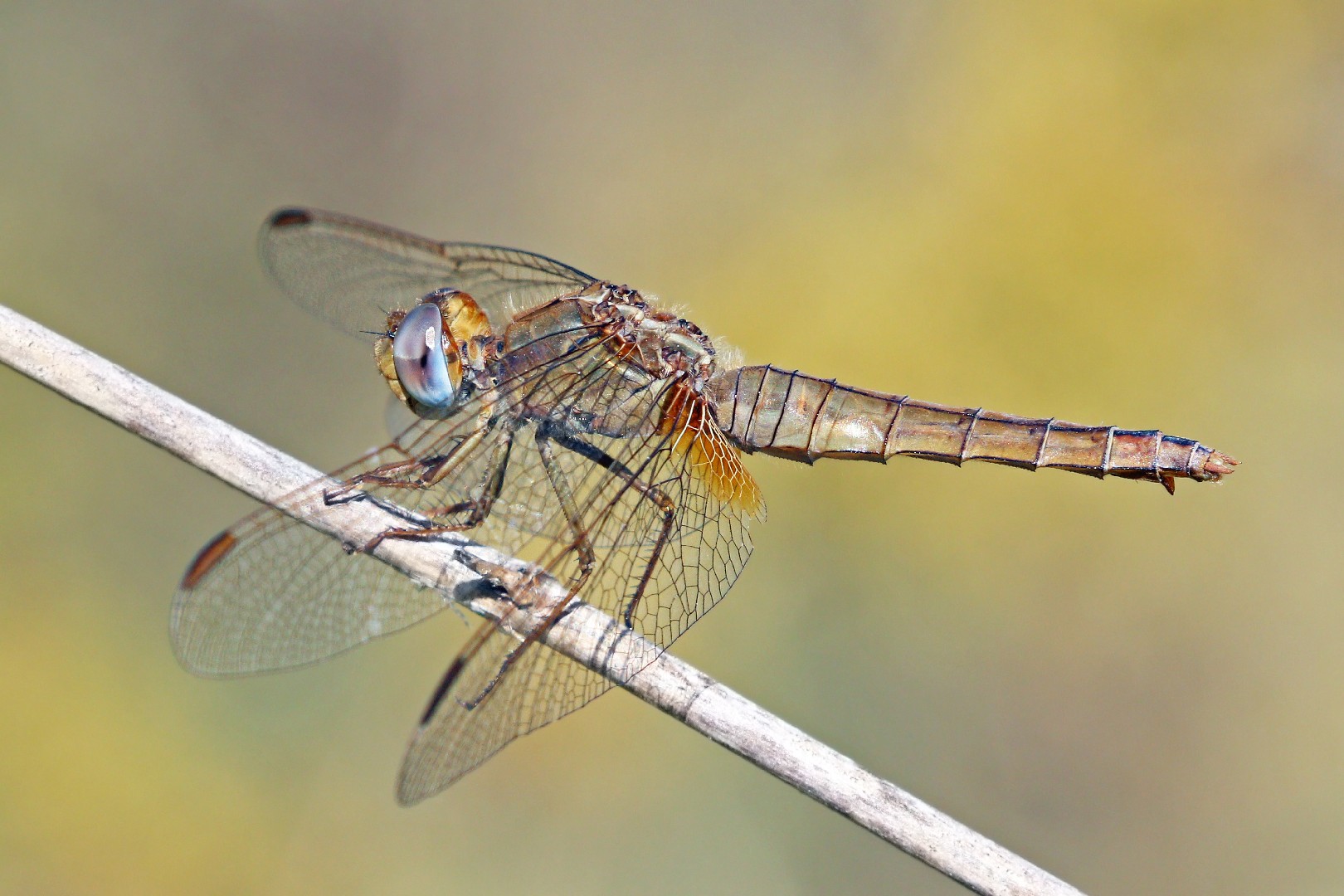
2. Scarlet dragonfly
Crocothemis erythraea can reach a length of 3.5 - 4.5 cm. These dragonflies haves a flattened and rather broad abdomen. The adult male scarlet dragonfly has a bright scarlet red, widened abdomen, with small amber patches at the bases of the hindwings. Also the veins on the leading edges of the wings are red. Females and immatures are yellow-brown and have a conspicuous pale stripe along the top of the thorax. 
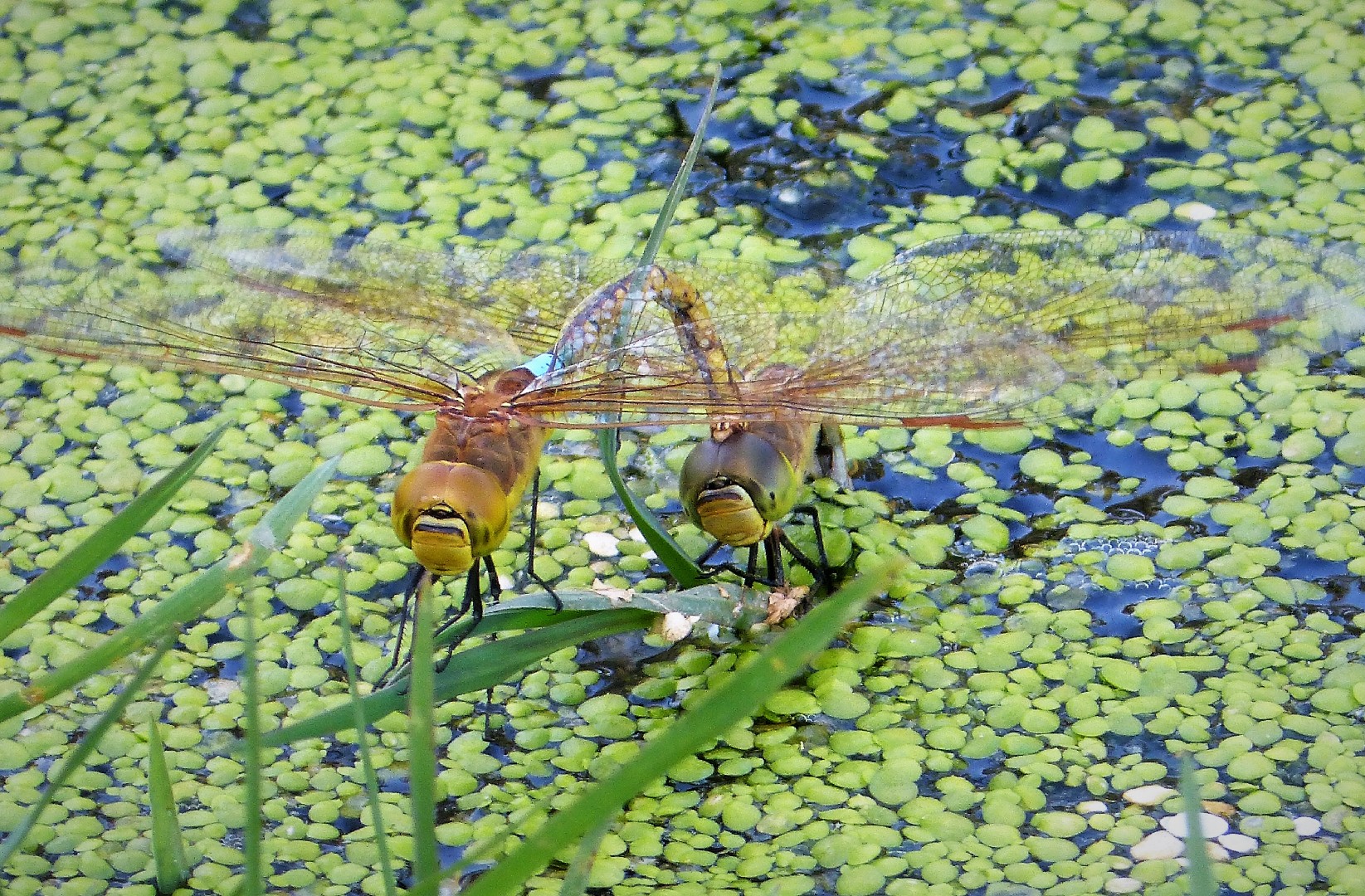
3. Vagrant Emperor
It is a large dragonfly with greenish-yellow eyes. Its thorax is olivaceous-brown, paler on sides. Wings are transparent with an amber-yellow patch. Abdomen is ochreous, marked with azure-blue and reddish-brown. Segment 2 is blue on dorsum and pale green on the sides. Segments 3 to 7 are olivaceous-yellow with irregular reddish-brown stripes on mid-dorsum and narrow black apical annules. There is a broad mid-dorsal blackish-brown stripe on segments 8 and 9, enclosing a pair of triangular yellow apical spots. Segment 10 is bright yellow, with its base and mid-dorsum broadly black. Female is similar to the male. Its natural habitats are shrub-dominated wetlands, swamps, freshwater lakes, intermittent freshwater lakes, freshwater marshes, intermittent freshwater marshes, and freshwater springs. It breeds in shallow tanks and marshes. A rare long-distance migrant to the British Isles, occasionally seen even in winter.
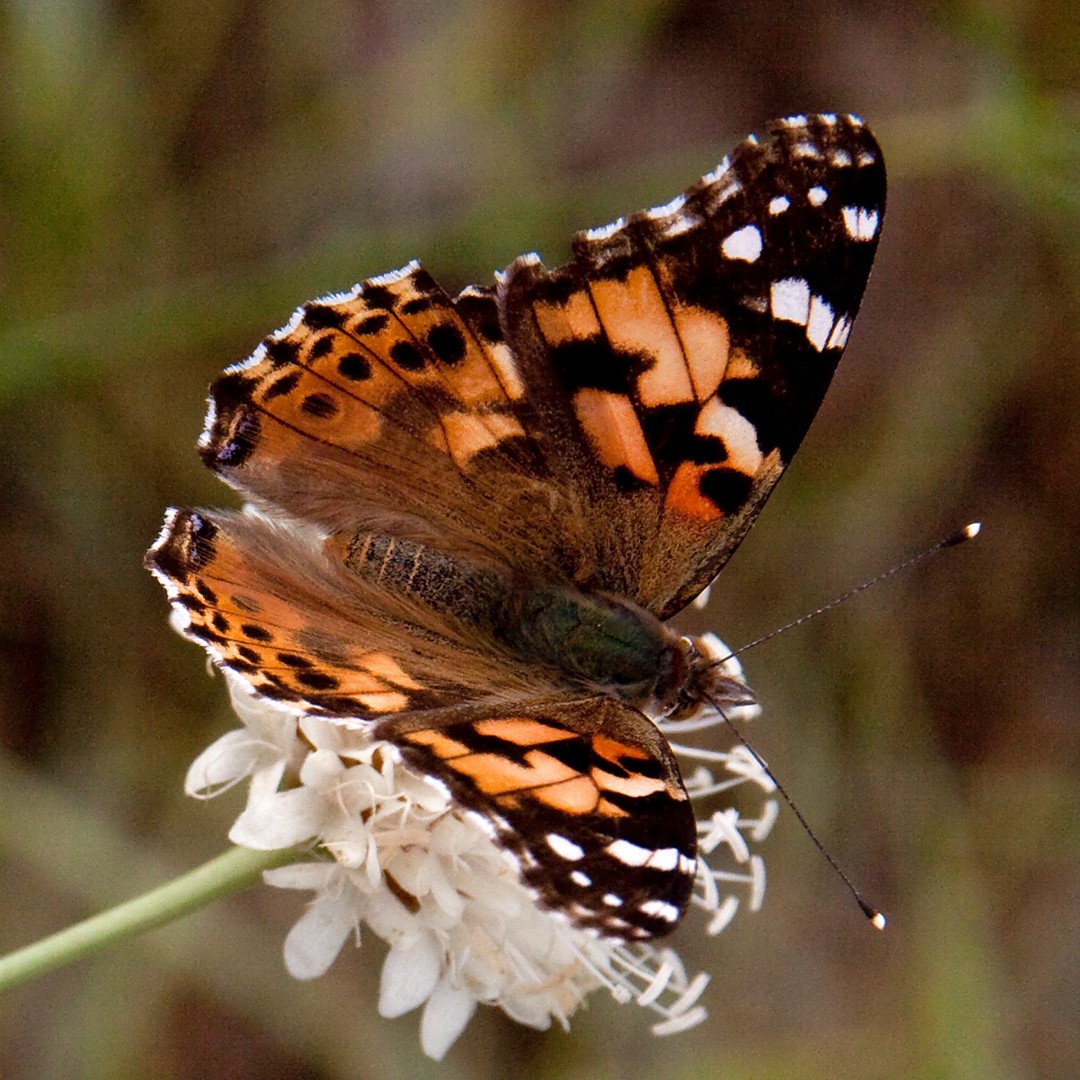
4. Painted lady
The painted lady is a migratory butterfly that spends part of the year in Northern Africa and then migrates to Europe during the warmer months. Although the adults feed on nectar from flowers, the larvae feed on the leaves of nettles and thistles.
5. Wandering glider
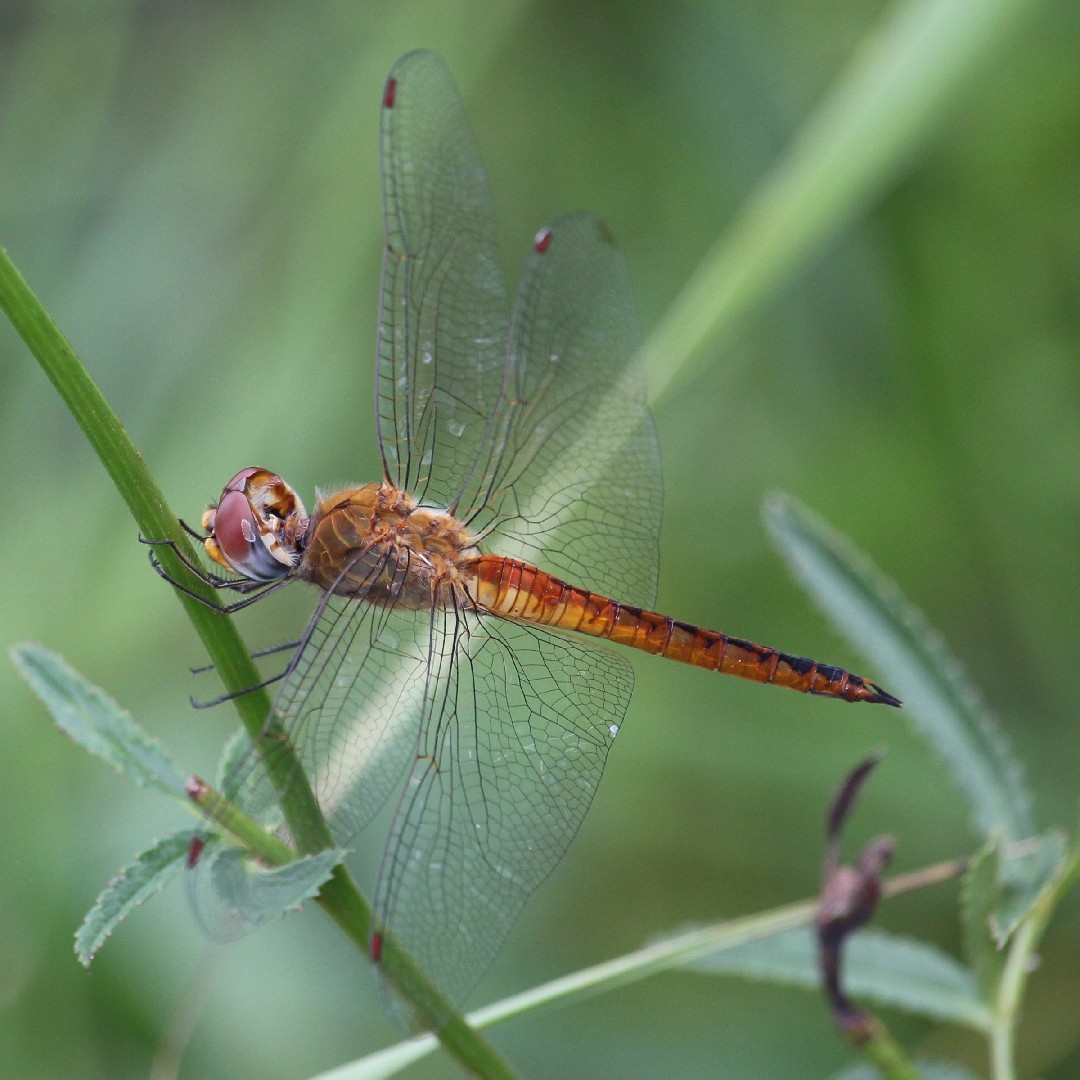
The wandering glider (Pantala flavescens) is a yellow dragonfly that migrates long distances. It's easily recognized by its elegant flight pattern, where it seems to glide across the sky effortlessly, even when it's windy outside. It often lands near still water, which includes ponds and puddles.

6. Citrus swallowtail
Papilio demodocus , also known under the English name Citrus Swallowtail ("Citrus Swallowtail"), is a butterfly from the family of the knight butterflies (Papilionidae).
7. Sundowner moth
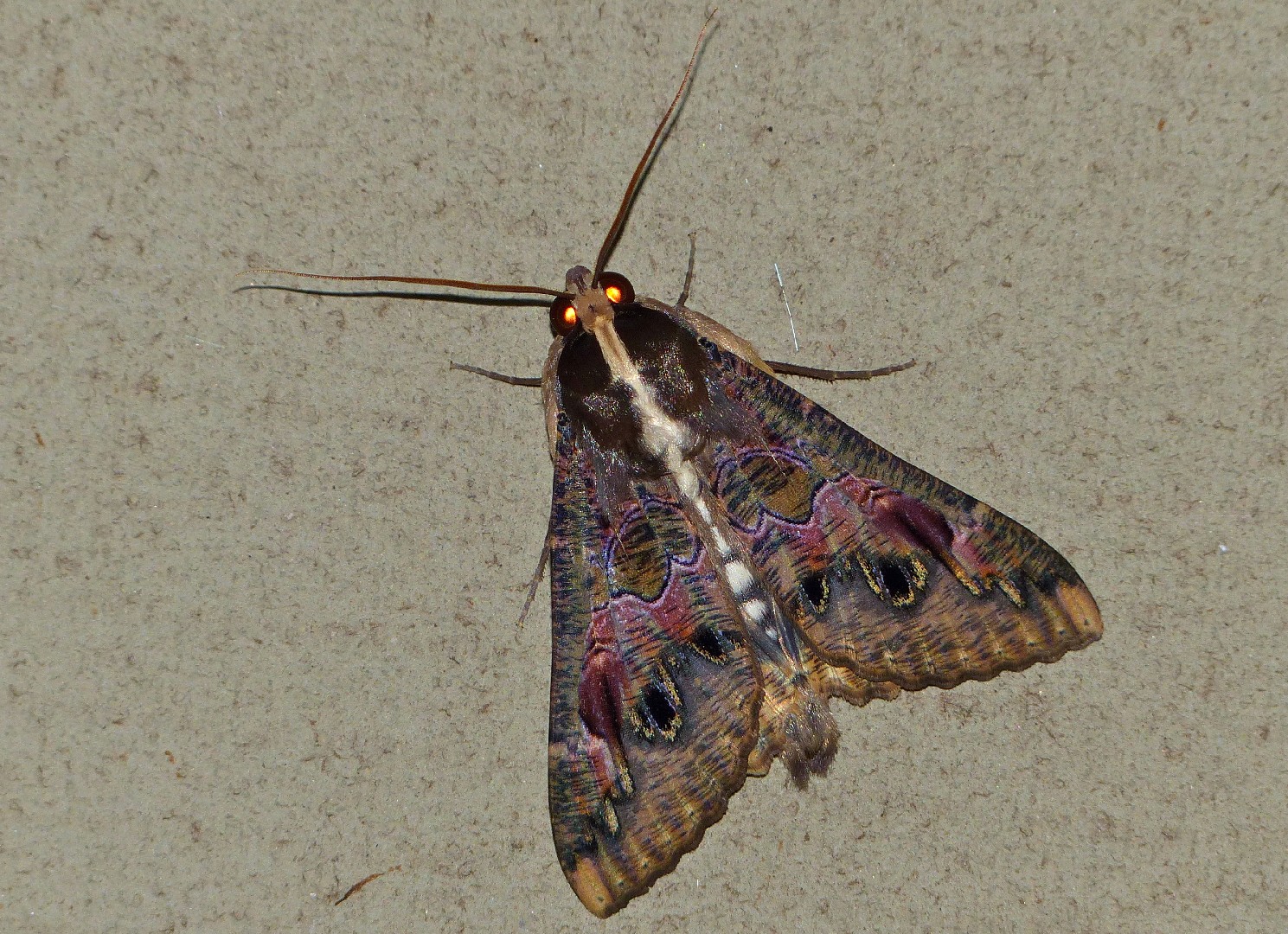
Its wingspan is about 60–84 mm. Head ochreous white, the basal joint of palpi dark brown. Thorax dark brown above with a broad ochreous-white stripe on vertex. Abdomen dark brown above, with a series of dorsal ochreous-white spots. Forewings reddish-brown with dark stria. There is a pale patch at base of inner margin and an indistinct antemedial angulate line. An irregularly waved medial line with pale outer edge and somewtimes tinged with purple and rufous. Some vinous patches beyond it. Reniform is a narrow lunule with a vinous dash beyond it. There is a crenulate postmedial line found with medial black lunules on it and one towards inner margin, and joined by a crenulate line from near apex. A marginal black specks series also present. Hindwings are fuscous brown where the base and a diffused medial irregular band are pale. An ochreous patch with black strai on it at center of outer margin. Cilia pale. Ventral side pale with fuscous submarginal band towards inner margin of each wing.
8. Blue basker
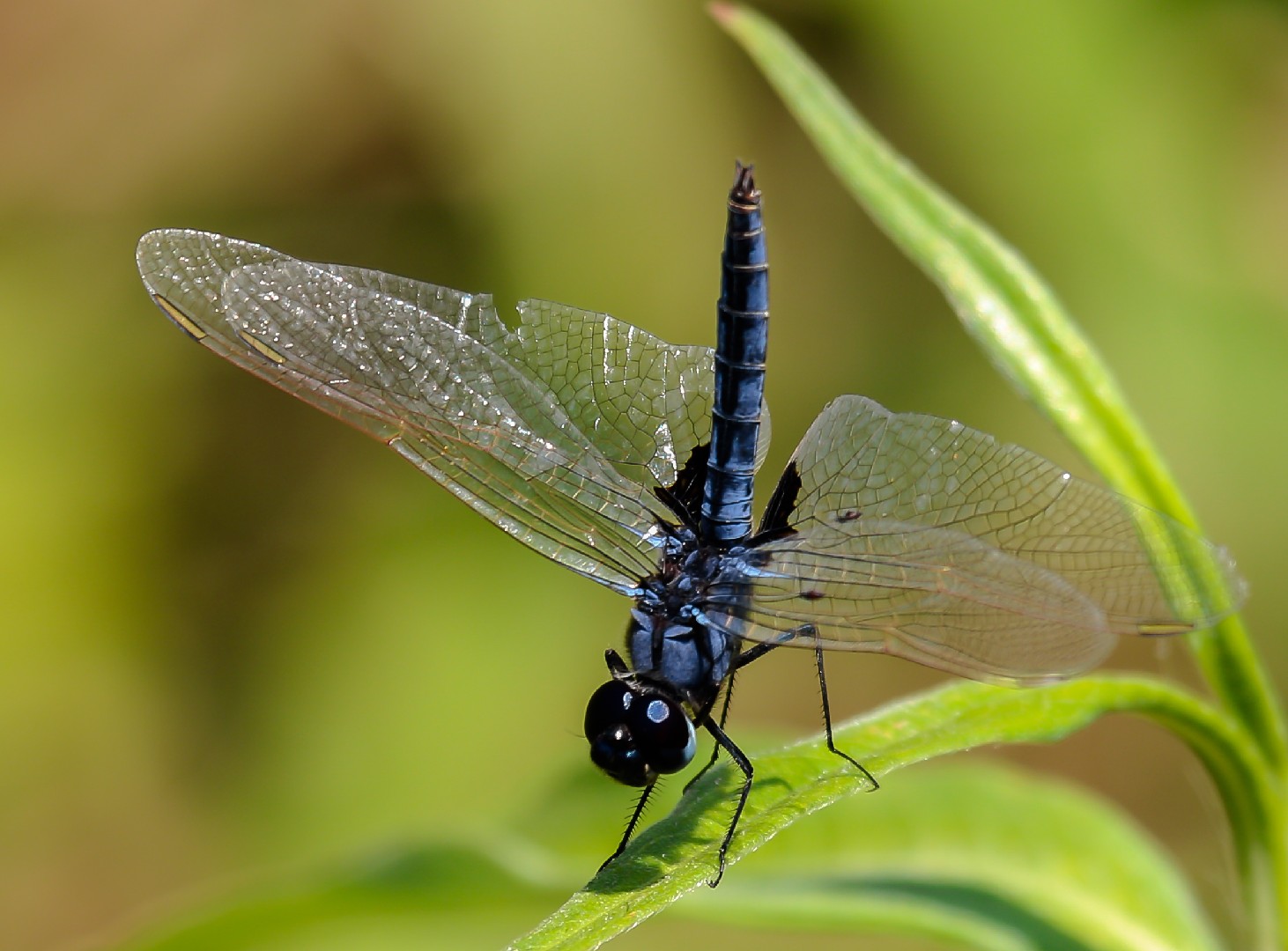
The species is on the IUCN Red List as not endangered, assessment year 2008.
9. Tanzanian blue ringleg
Scolopendra morsitans, also known as the Tanzanian blue ringleg or red-headed centipede, is a species of centipede in the family Scolopendridae.
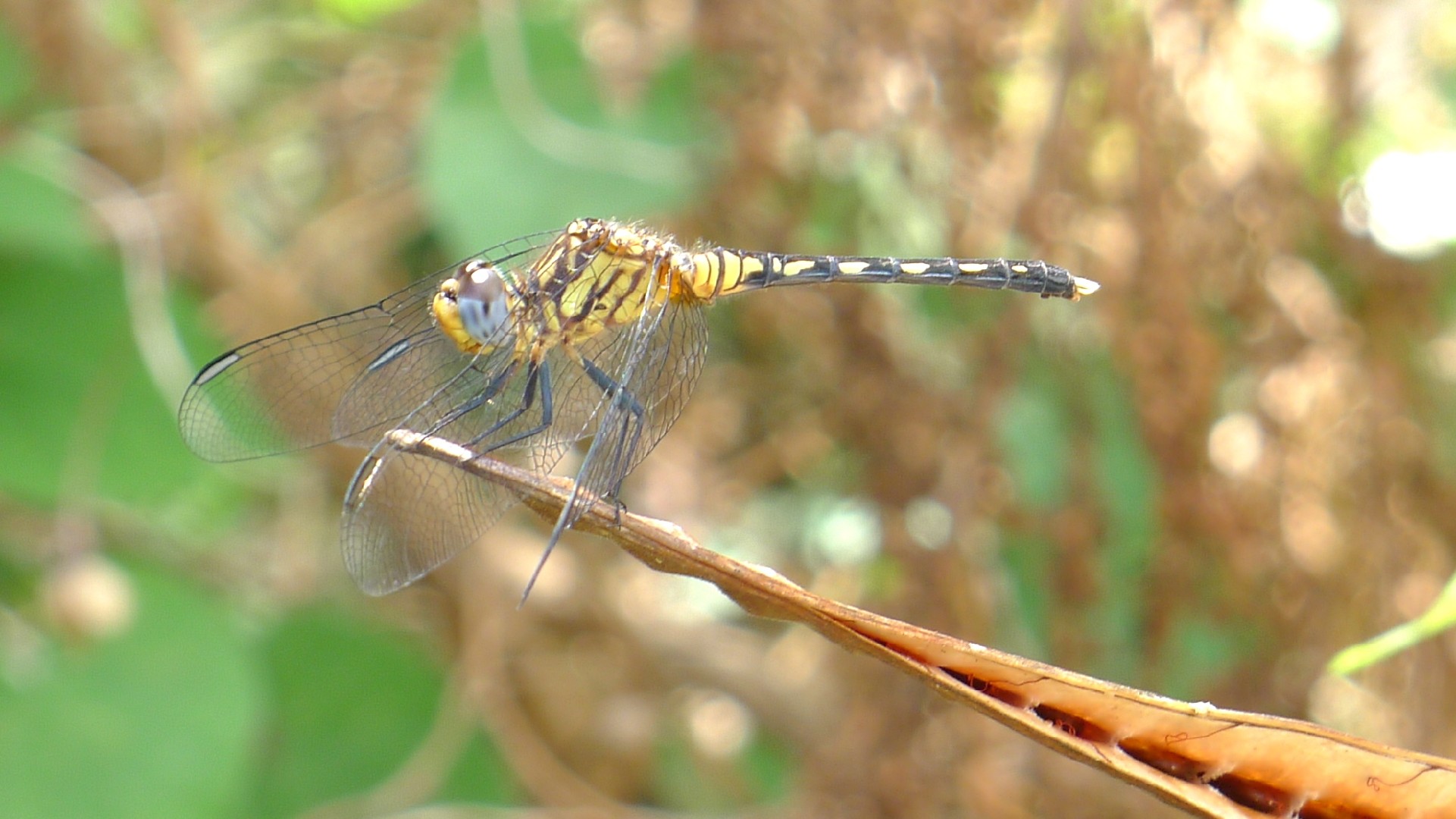
10. Black percher
The species is on the IUCN Red List as not endangered, year of assessment 2010, the trend of the population is stable according to the IUCN. The moriaantje is found in Africa and the Mediterranean.
More







