




Top 20 Most Common Insects in Mexico City
Insects, rich in diversity, inhabit every nook and cranny of Mexico City, each species adapted to thrive in its unique environment. Featuring an array of exotic locales, from bustling cityscapes to verdant parks, Mexico City's geographical distinctiveness contributes to its remarkable insect populace, affirming the critical role they play in maintaining our ecosystem. This 'Top 20 most common insects' list will deepen your understanding of both beneficial insects and pests and underscore how Mexico City's diverse environments influence their evolution.

Most Common Insects
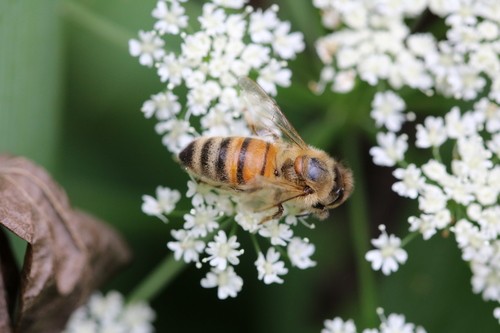
1. Western honey bee
Western honey bee(Apis mellifera) is the most common species of honeybee in the world. Among the first domesticated insects, its cultural and economic impact on humanity has been vast and far-reaching, providing honey, wax and its services as a pollinator. Western honey bee faces challenges worldwide, such as colony collapse disorder, and populations are thought to be decreasing.
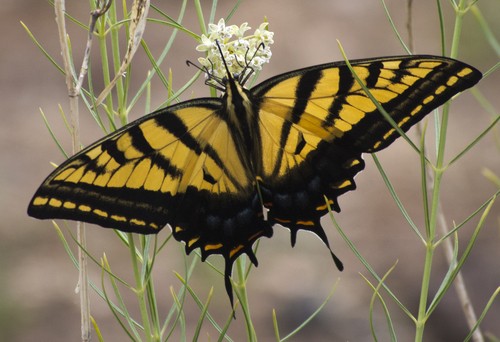
2. Two-tailed swallowtail
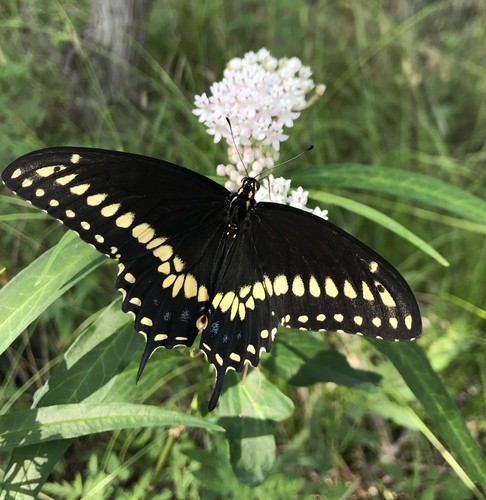
The two-tailed swallowtail (Papilio multicaudata) is easily identified with its yellow body and tiger-like stripes. It also has two tails, or spikes, coming off the back of its wings. Also, females are commonly larger and more brightly colored than males. They also have eyespots near the rear of their wings, which fool predators and give them a chance to escape.
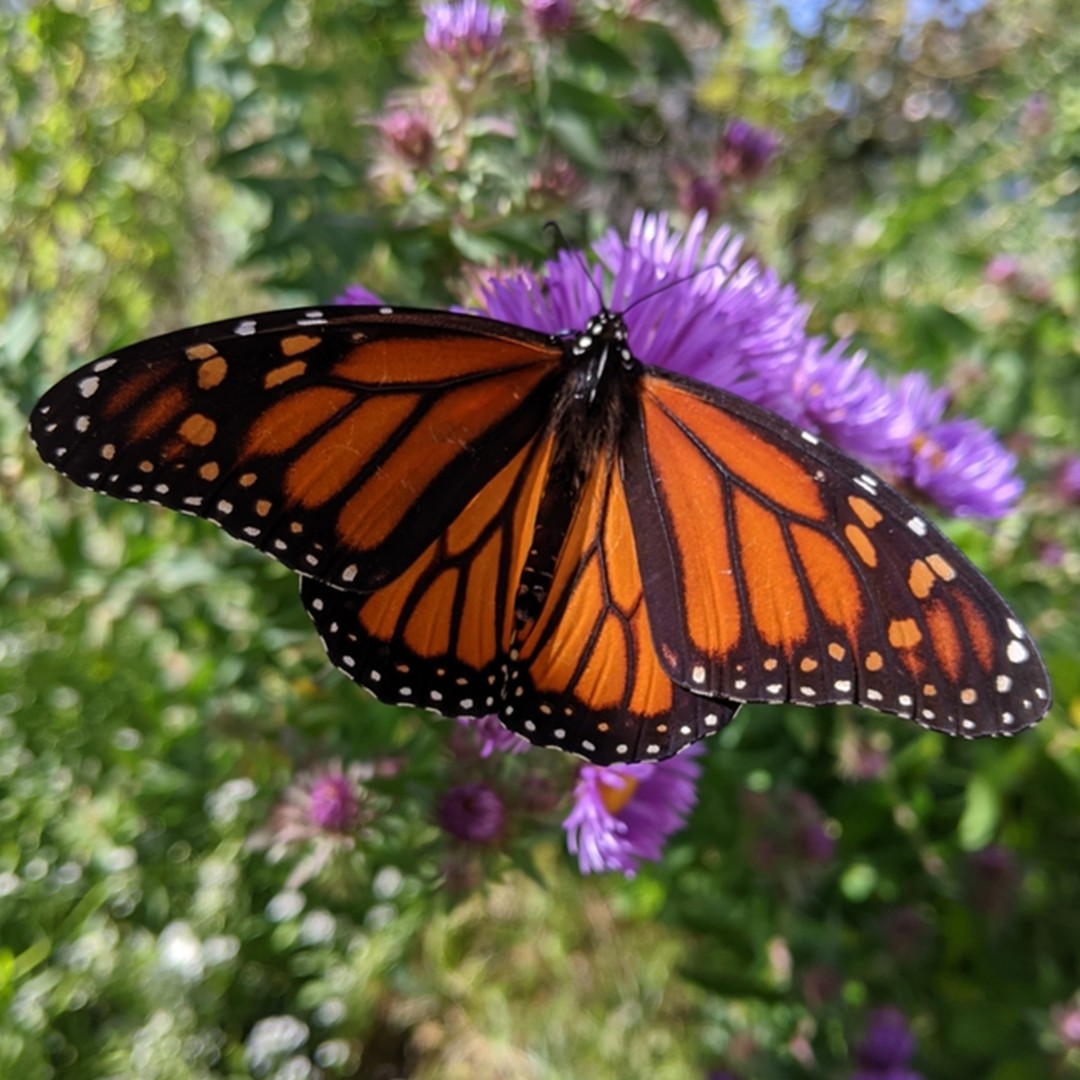
3. Monarch butterfly
The monarch butterfly (Danaus plexippus) is the most recognizable butterfly in North America. It is best known for its appearance, but should be better known for the fact that it has a 3000-mile migration that takes the butterfly 4 generations to complete. Their diet is also a natural deterrent for predators, as they eat milkweed, a poison that induces vomiting.
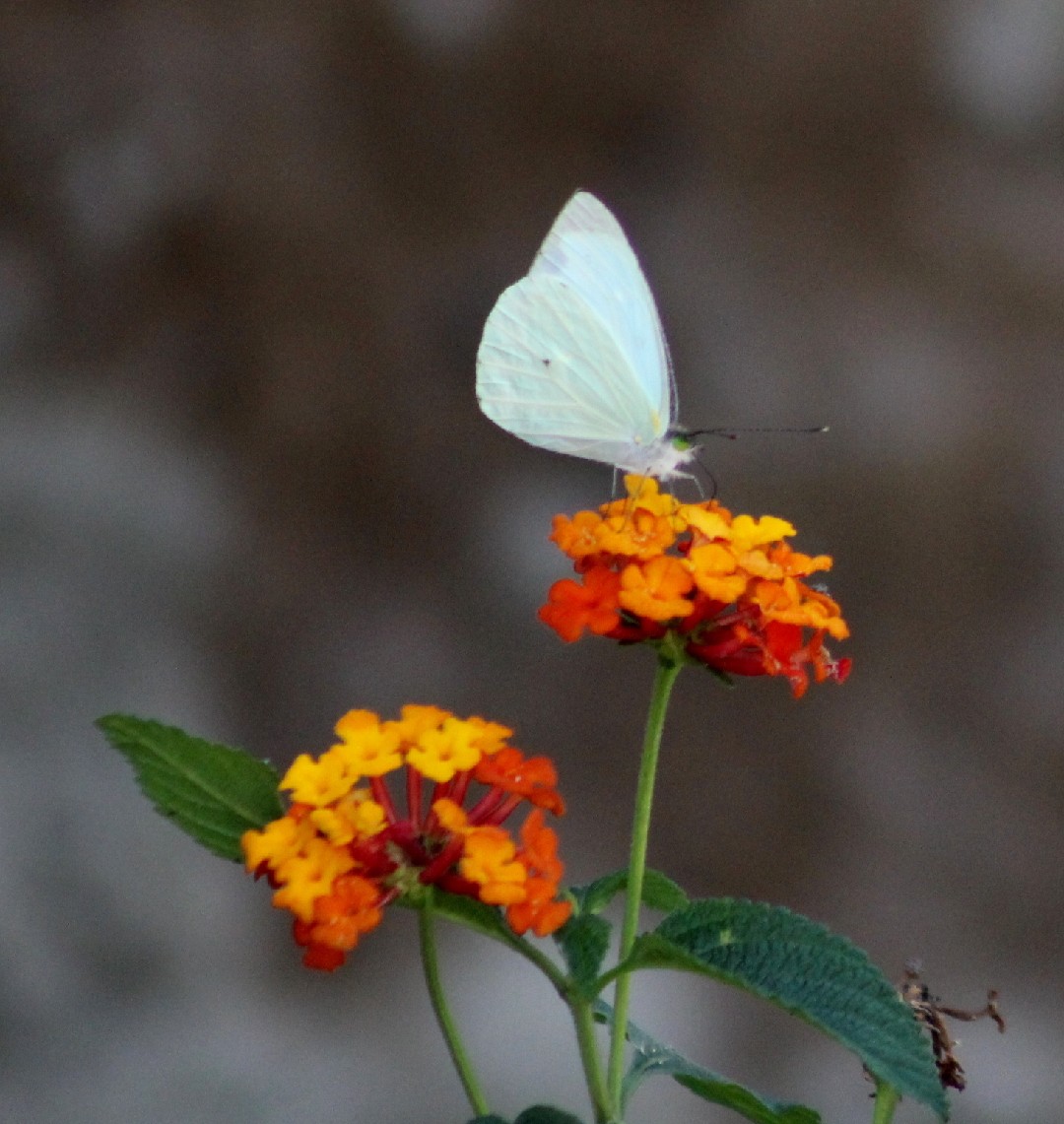
4. Green-eyed white
Leptophobia aripa was described in 1836 by Boisduval.
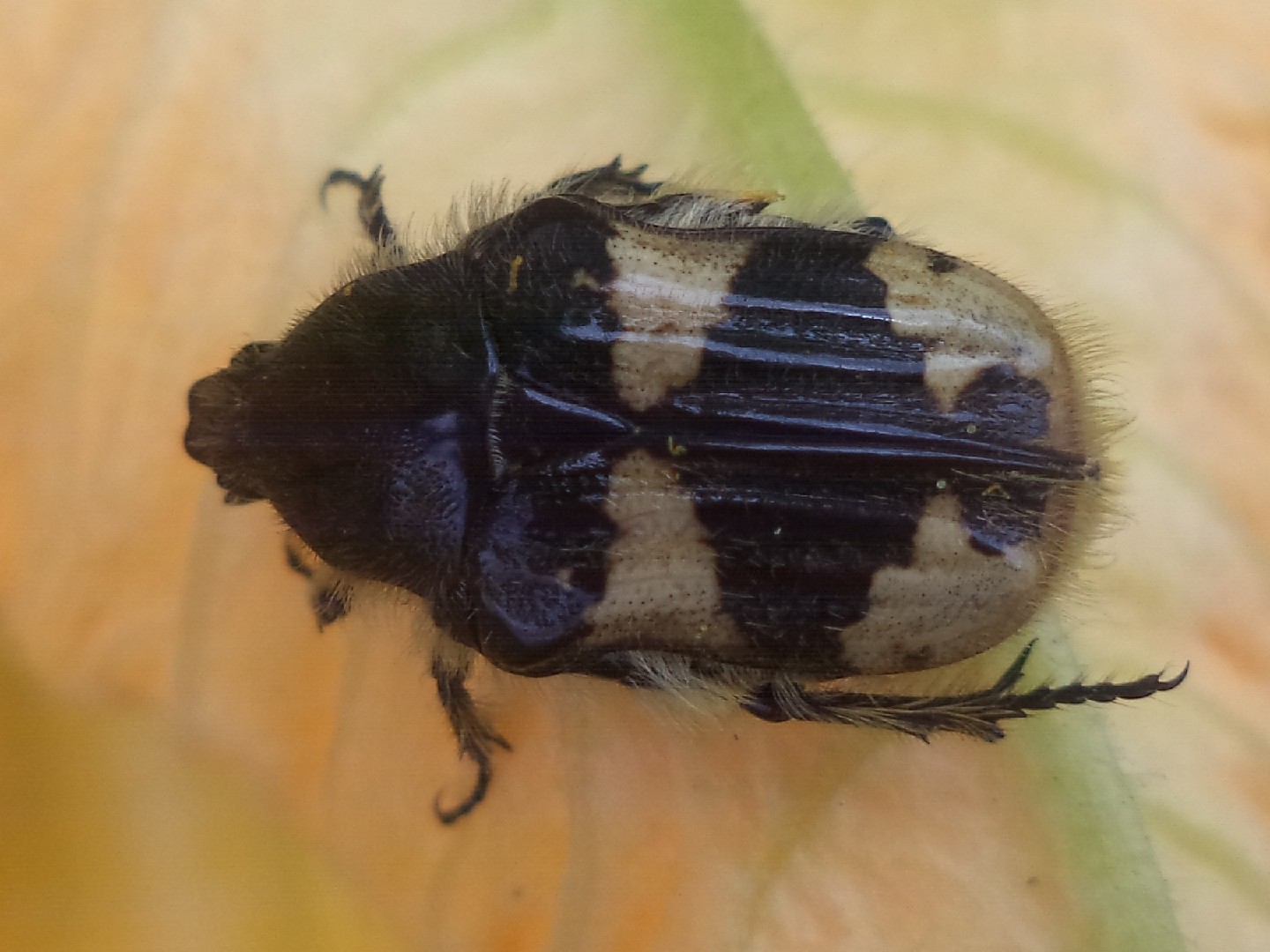
5. A scarab beetle
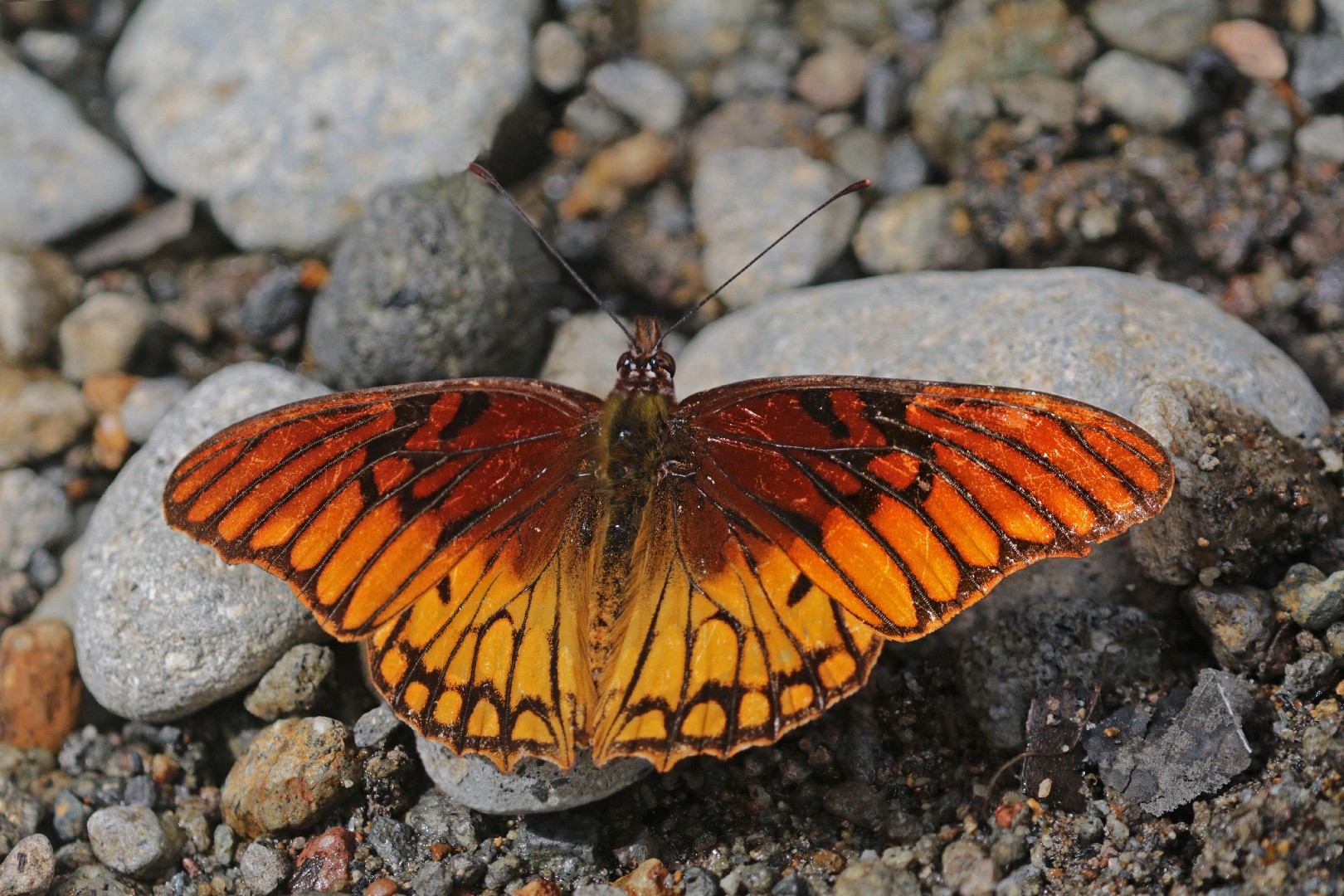
6. Mexican silverspot
Dione moneta is a butterfly from the Nymphalidae family. The scientific name of the species was first validly published in 1819 by Jacob Hübner.

7. Multicolored asian ladybeetle
Often confused for the ladybug, multicolored asian ladybeetle (Harmonia axyridis) is a separate species that, unlike the ladybug, is a household pest. It is considered particularly annoying for its habit of returning to places from which it is removed. One of the most variable species in the world, there are many different colors and patterns multicolored asian ladybeetle may display, making identification potentially difficult.
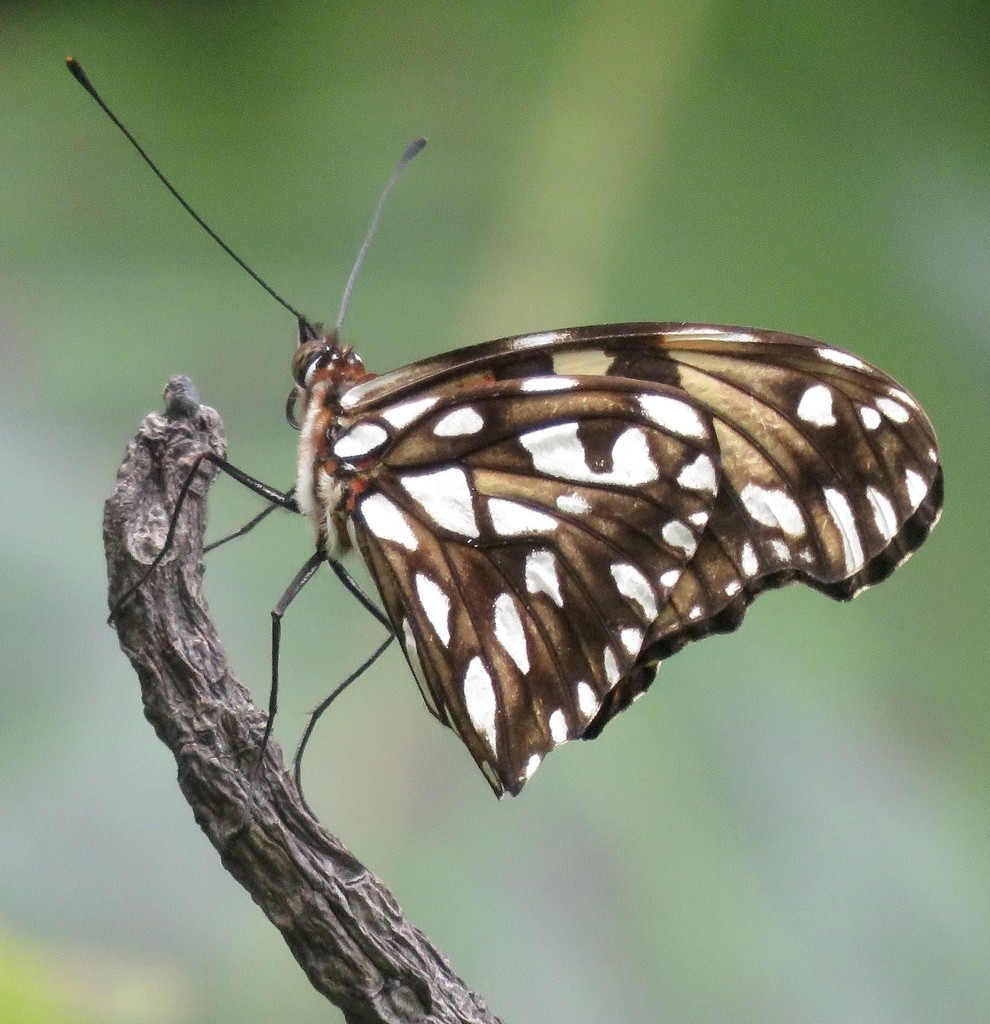
8. Juno longwing
Dione juno, the Juno silverspot, juno longwing, or Juno heliconian, is a species of butterfly of the subfamily Heliconiinae in the family Nymphalidae found from southern United States to South America. 
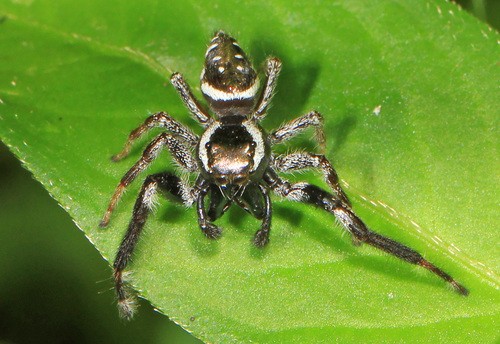
9. Golden jumping spider
Paraphidippus aurantius is a solitary hunter, with a fairly large size for a jumping spider.
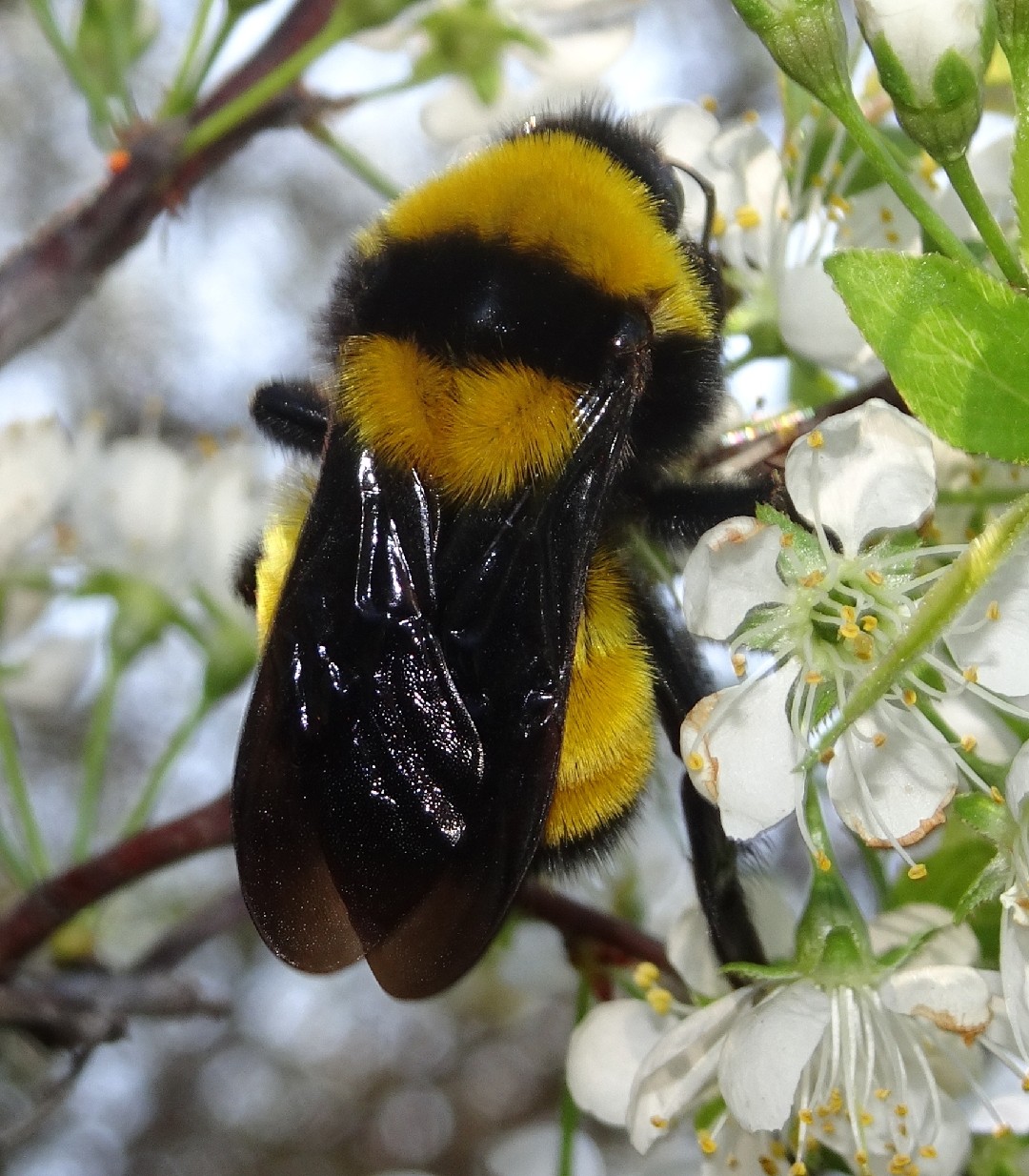
10. Sonoran bumble bee
Bombus sonorus is a non-woven insect from the family of bees and bumblebees (Apidae). The scientific name of the species was first validly published in 1837 by Say.
More







