




Top 16 Most Common Insects in Durango
Insects, with their unique characteristics and diverse habitats, make Durango home. Changes in Durango's geographical landscapes impact insect diversity, reflecting the intimate bond between these tiny creatures and the state's ecosystems. Whether pestering nuisances or essential pollinators, insects play an inextricable role in our environment. Buckle in as we delve into 16 most common insects you can encounter in Durango!

Most Common Insects
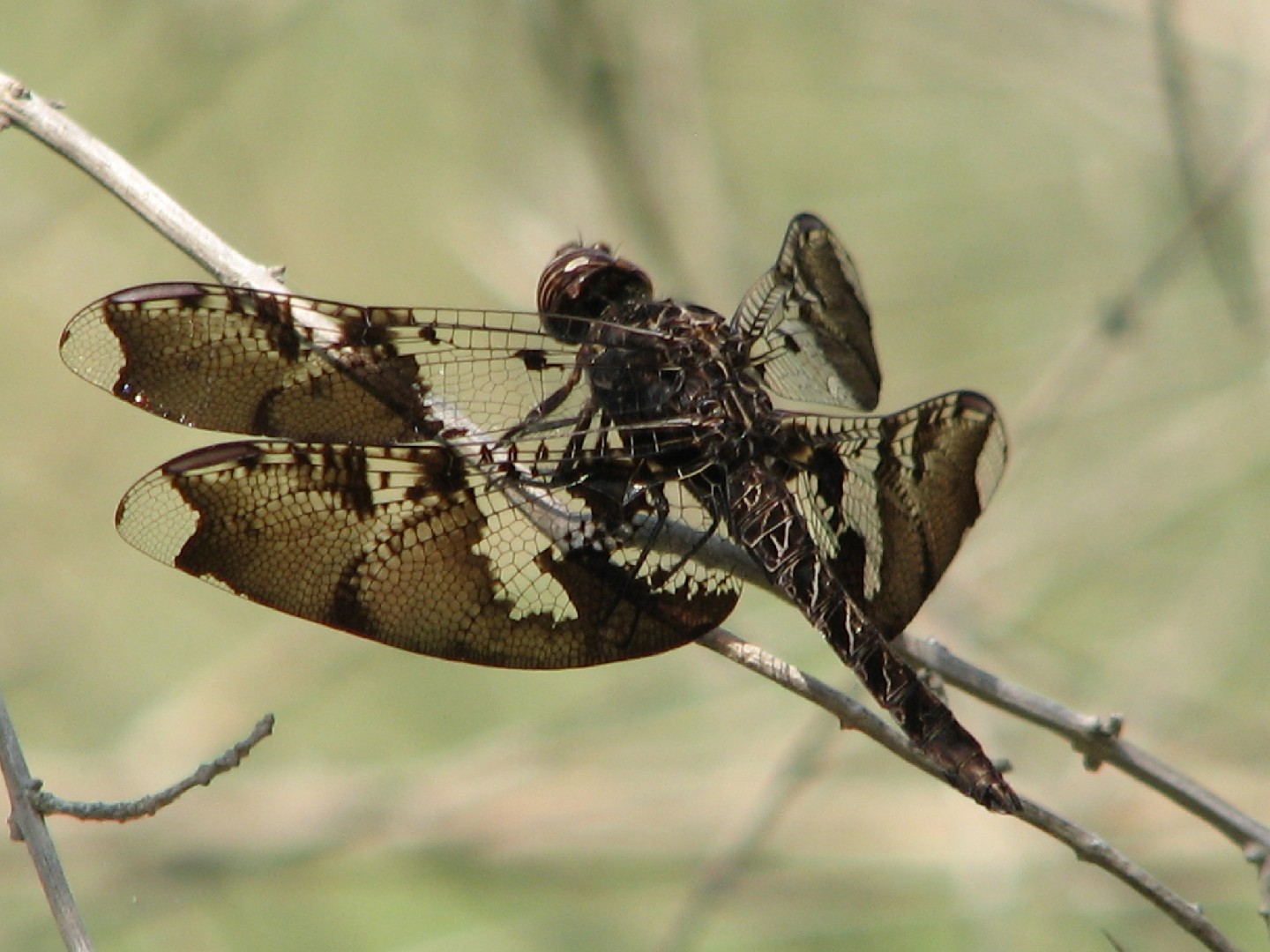
1. Filigree skimmer
Pseudoleon superbus is the only representative of the monotypic dragonfly genus Pseudoleon from the subfamily Sympetrinae. It occurs between Arizona and Colombia.

2. Durango bark scorpion
Centruroides is a genus of scorpions belonging to the family Buthidae. Several North American species are known by the common vernacular name bark scorpion. Numerous species are extensively found throughout the southern United States, Mexico, Central America, the Antilles and northern South America. Some are known for their interesting patterning or large size (among Buthidae); most if not all fluoresce strongly under ultraviolet illumination, except after moulting. They contain several highly venomous species, and fatalities are known to occur. The venom of the Mexican scorpion Centruroides limpidus limpidus contains the neurotoxins Cll1 and Cll2. 
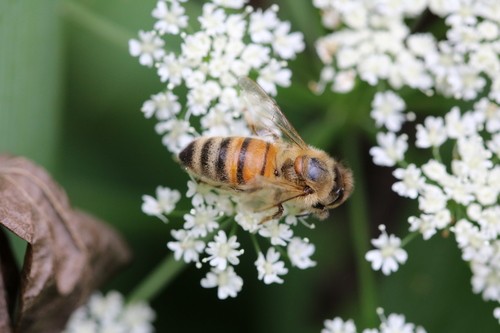
3. Western honey bee
Western honey bee(Apis mellifera) is the most common species of honeybee in the world. Among the first domesticated insects, its cultural and economic impact on humanity has been vast and far-reaching, providing honey, wax and its services as a pollinator. Western honey bee faces challenges worldwide, such as colony collapse disorder, and populations are thought to be decreasing.
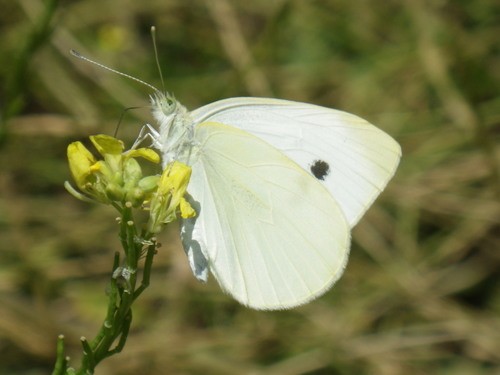
4. Cabbage white
Cabbage white (Pieris rapae) derives its common name from its habits as a caterpillar, which is a ferocious pest for cabbage, kale and broccoli farmers. In North America, it is one of the first butterflies to emerge in spring, heralding the beginning of the season.
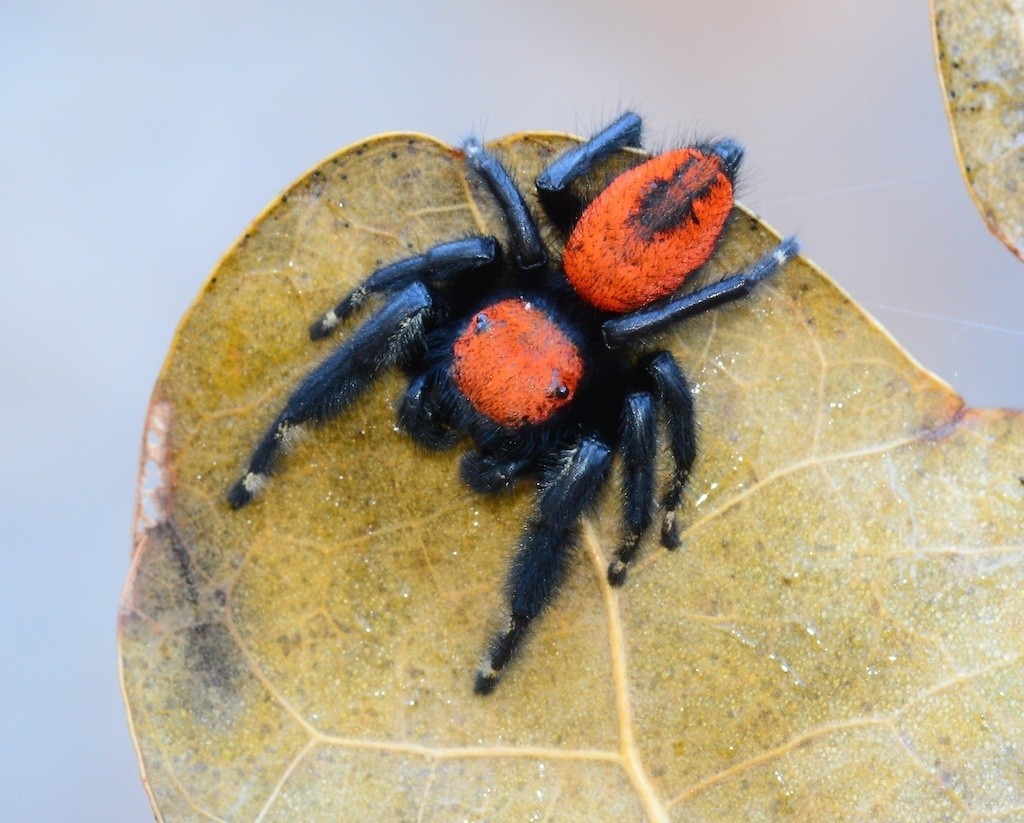
5. Red velvet jumping spider
Phidippus apacheanus is a species of jumping spider in the family Salticidae. It is found in the United States, Mexico, and Cuba.
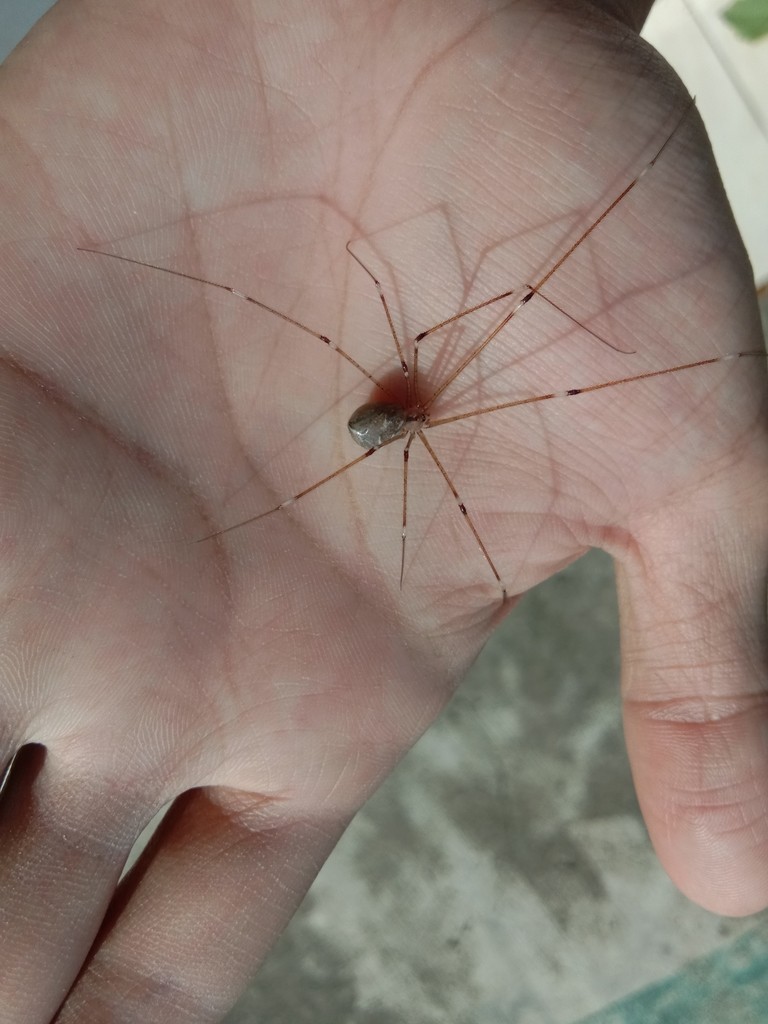
6. Short-bodied cellar spider
Physocyclus globosus, sometimes known as the short-bodied cellar spider is a species of spider belonging to the family Pholcidae. This is a cosmopolitan species, found in caves and buildings throughout the warmer parts of the world.
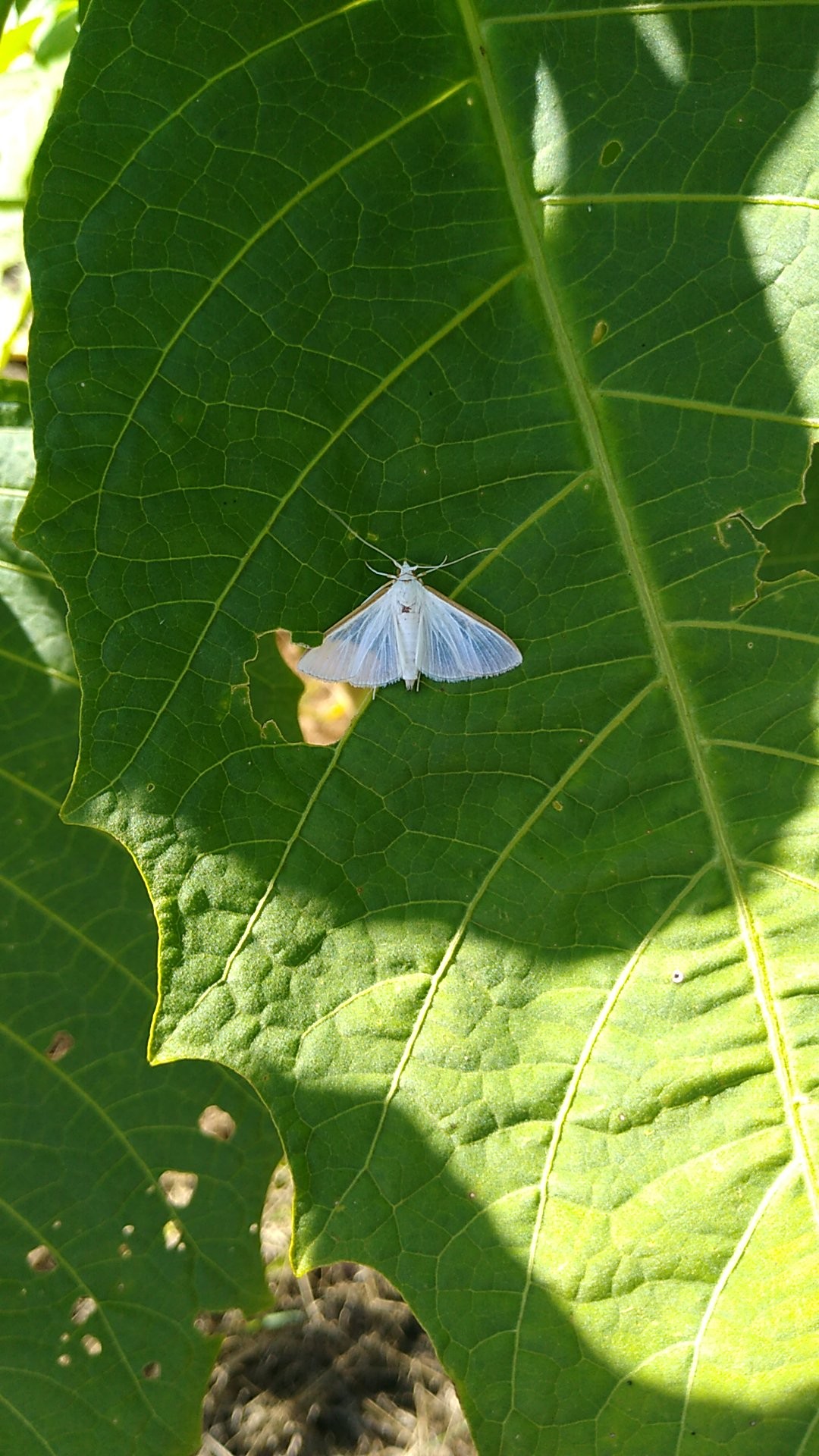
7. Orange-Shouldered Sherbet Moth
Diaphania costata, the orange-shouldered sherbet moth or erroneously the white palpita moth, is a moth of the family Crambidae. The species was first described by Johan Christian Fabricius in 1794. It is widely dispersed, being found in the Indomalayan realm, as well as Europe. It is also found in Mexico and Texas, possibly having been introduced accidentally. It is a small moth (less than 20 mm wingspan) with translucent white wings, and a gold line on the front edge of the forewing.
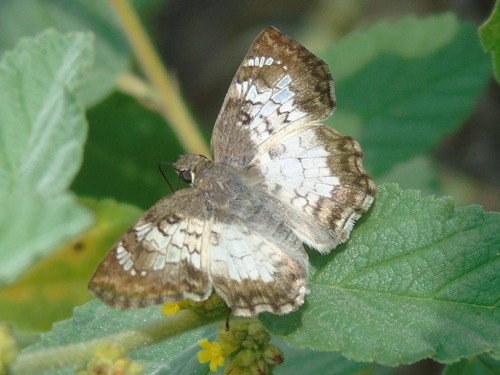
8. White spurwing
Antigonus emorsa is a butterfly from the family of the Antigonus emorsa (Hesperiidae). The scientific name of the species was first validly published in 1869 by Felder.
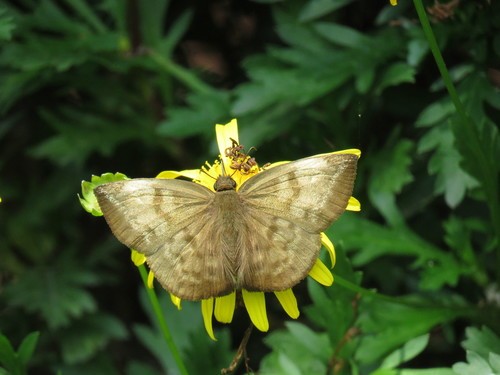
9. Pale sicklewing
Achlyodes pallida is a butterfly from the family of the Achlyodes pallida (Hesperiidae). The scientific name of the species was first validly published in 1869 by Felder.
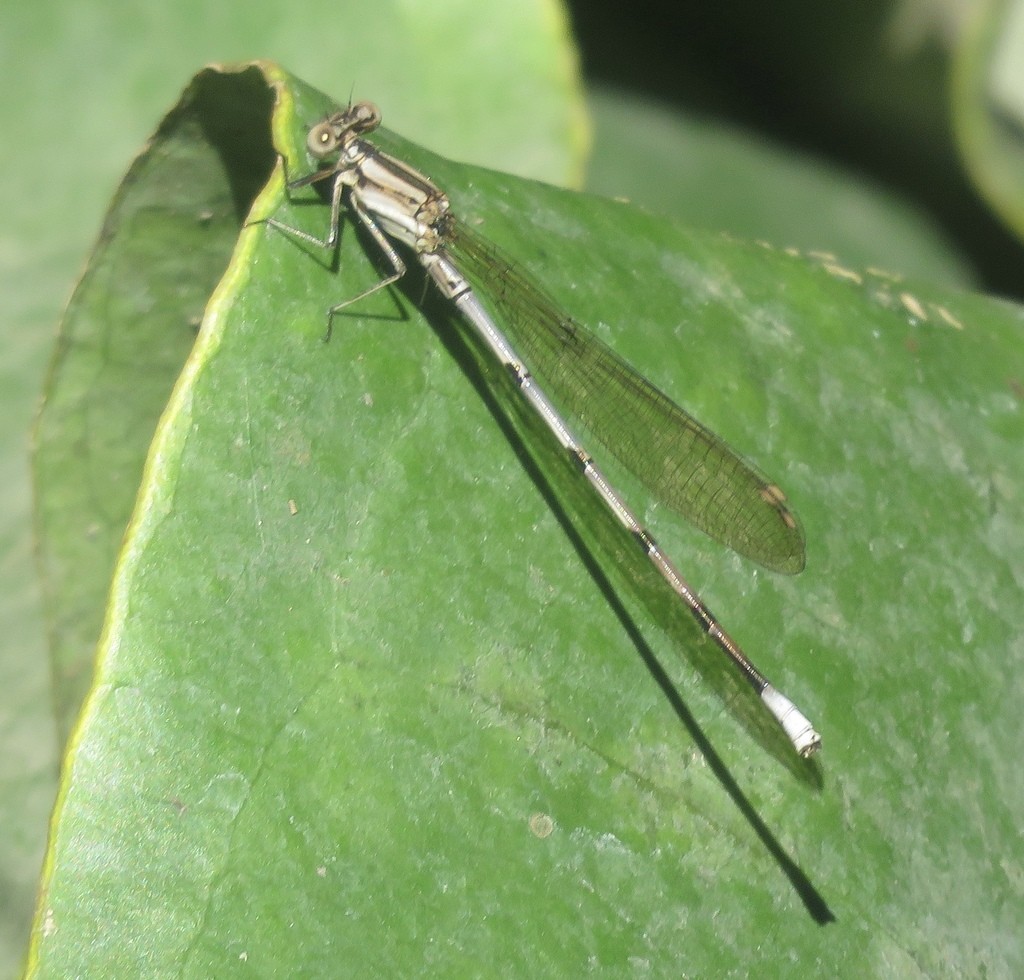
10. Cerulean dancer
Argia anceps, the cerulean dancer, is a species of narrow-winged damselfly in the family Coenagrionidae. It is found in Central America. The IUCN conservation status of Argia anceps is "LC", least concern, with no immediate threat to the species' survival. The population is stable.
More







