




Top 15 Most Common Insects in Zihuatanejo
Welcome to the fascinating microcosm of insects inhabiting Zihuatanejo. Possessing distinct features and preferring diverse habitats, these small creatures greatly contribute to our ecosystem. The diverse geographical complexities across Zihuatanejo directly impact insect diversity. It's a stimulating ecological cipher linking each insect, whether regarded as pest or ally, to the environmental footprint of Zihuatanejo. Stay with us as we explore the 15 most common insects thriving in this landscape far removed from our own.

Most Common Insects
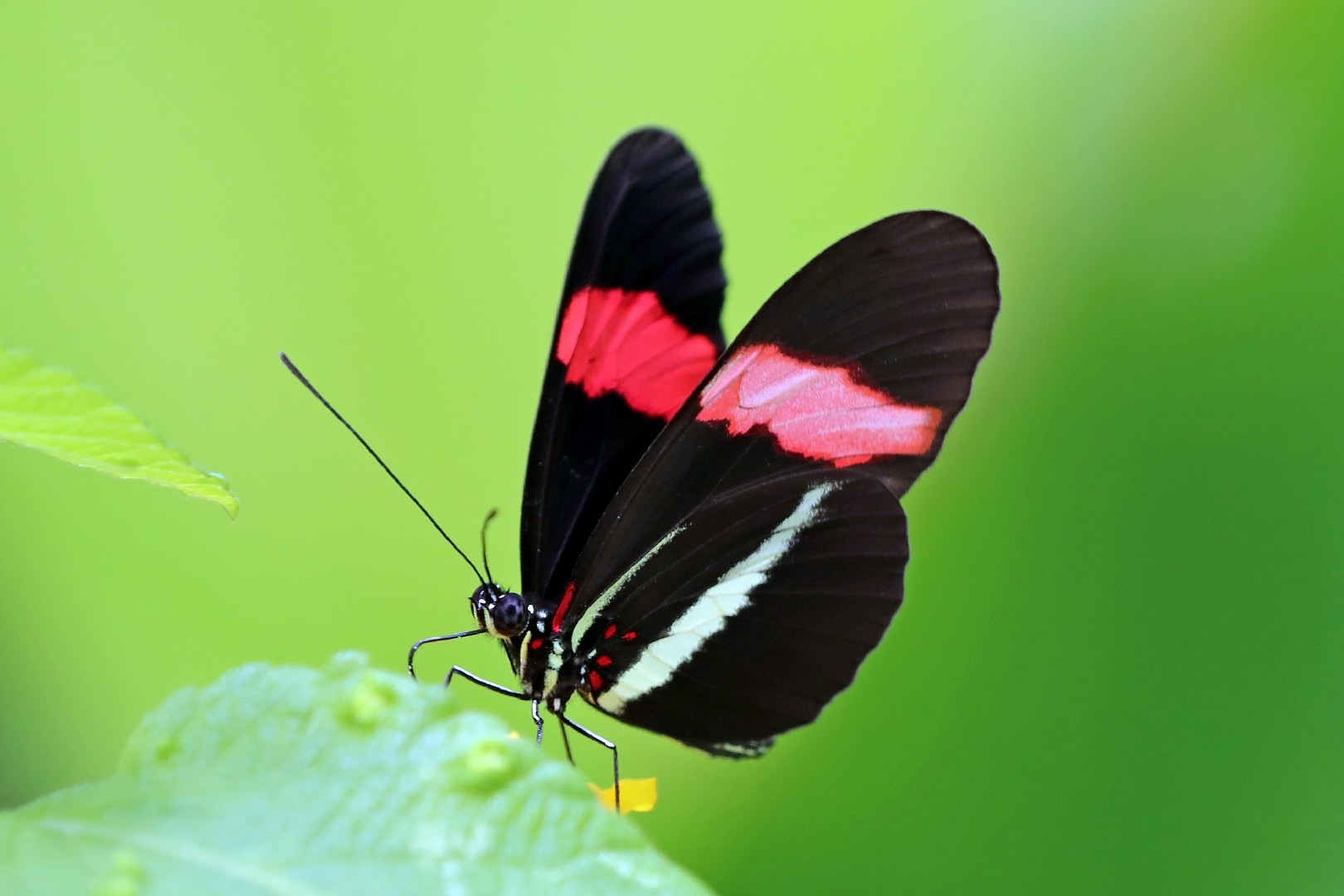
1. Red postman butterfly
The red postman butterfly (Heliconius erato) is a beautiful black and white butterfly that is a skilled actor. It exhibits mimicry to resemble a butterfly similar to the Common postman to deter predators. Also, its favorite host plants are passion flowers. But it has been known to be picky about the quality of the flower.
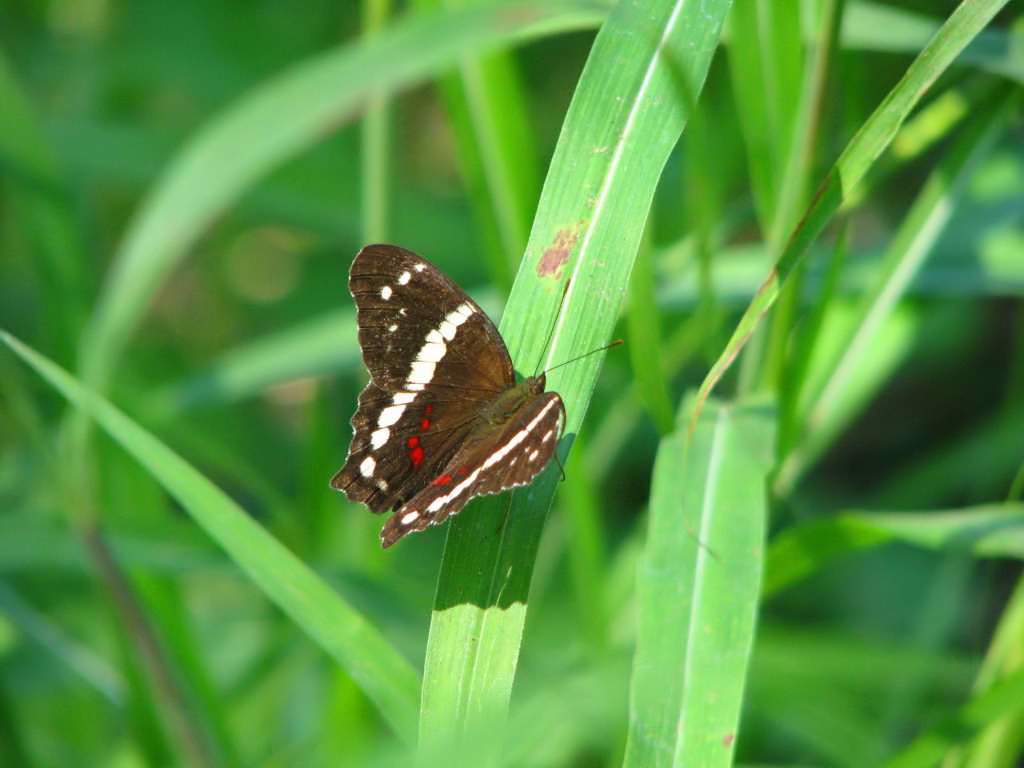
2. Banded peacock
The wingspan of the moths is 60 to 70 millimeters. The basic color of the wings is black-brown to black. On the front wing top, a white, sometimes yellowish bandage extends through the Diskalregion, which continues on the hind wings. Near the apex, some small whitish spots are highlighted. The hind wings show some striking red, sometimes orange spots. The tail at the Analwinkel are very short. All wing bottoms show similar drawing elements as the tops, but these are paler and weaker.

3. Three-tailed tiger swallowtail
Papilio pilumnus, the three-tailed tiger swallowtail, is a species of swallowtail butterfly from the genus Papilio that is found in Texas, Mexico and Guatemala. Papilio xuthus and Papilio appalachiensis are also of the same genus. The uppersides of both the forewings and hindwings are yellow with a black basal bands. The wings are bordered by a black band with a submarginal yellow stripe. The hindwing has three tails and two blue spots above the shortest tail. Adults are on wing from March to October in Mexico. Adults feed on flower nectar. The larvae feed on the leaves of Litsea species. 
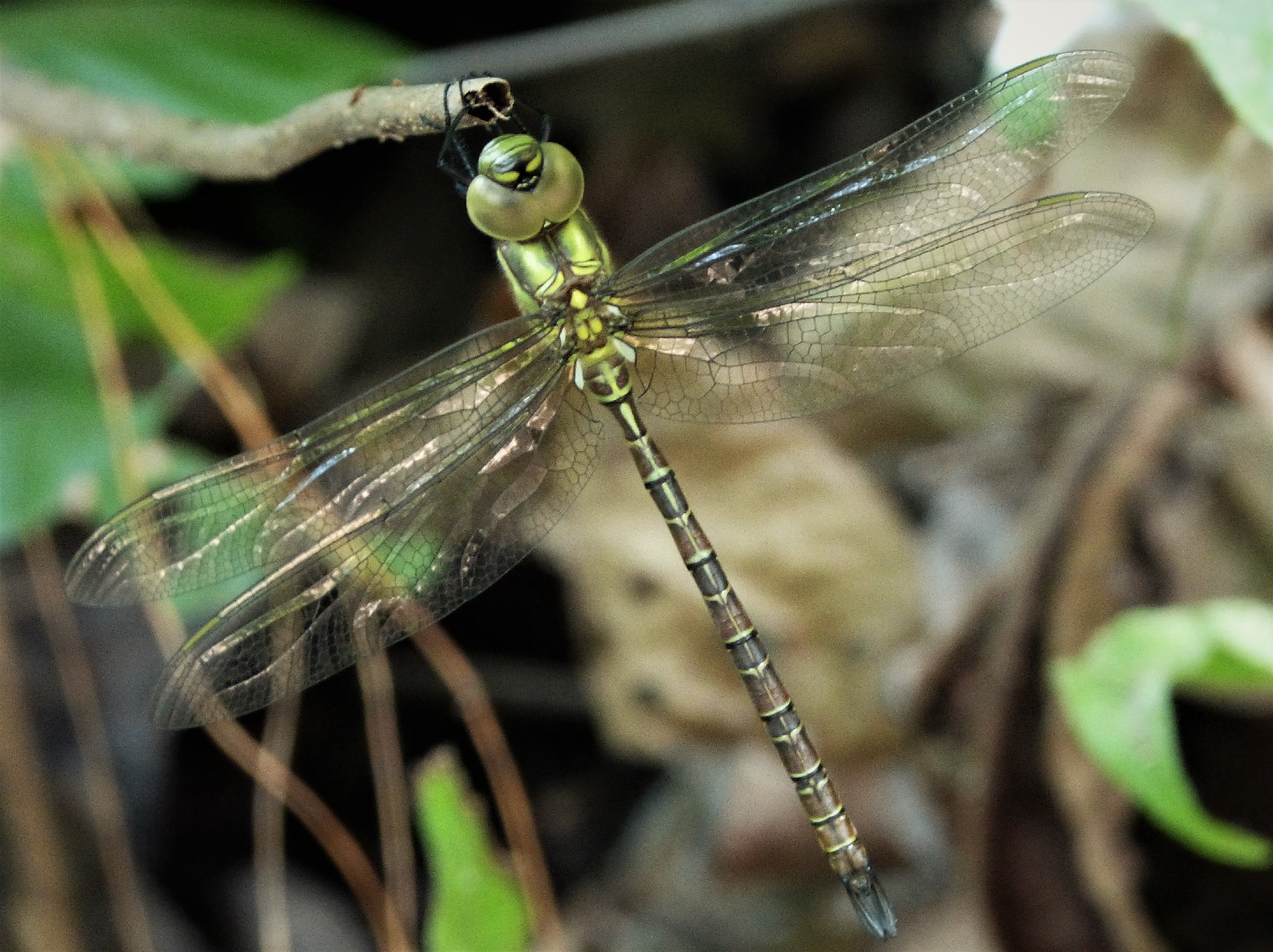
4. Blue-faced darner
The species is on the Red List of the IUCN as not endangered, year of assessment 2007, the trend of the population is stable according to the IUCN.
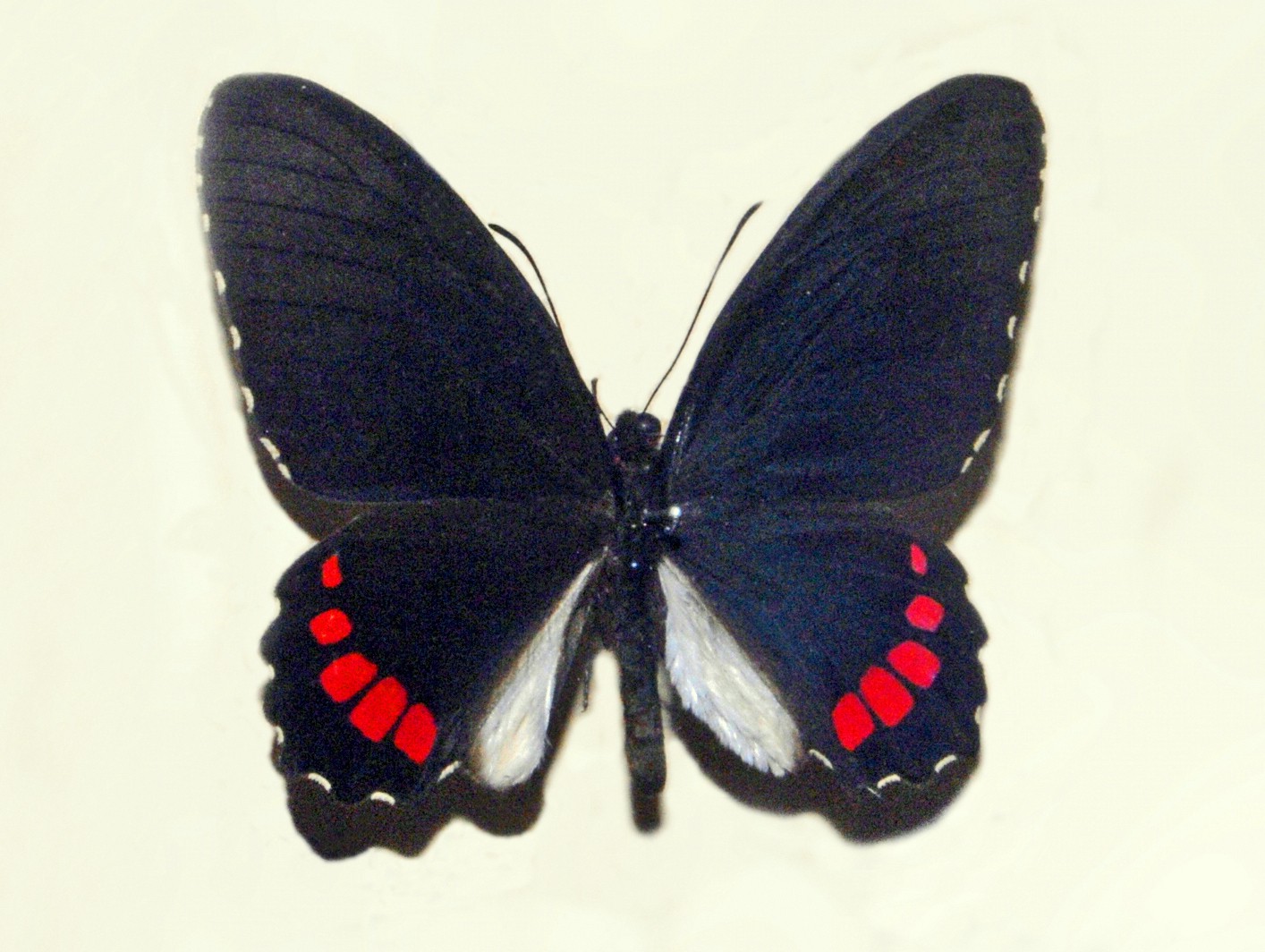
5. Variable cattleheart
The upper side of the wings is black with a row of red postmedian spots. The underside of the wings is also black with a row of pink and whitish spots.
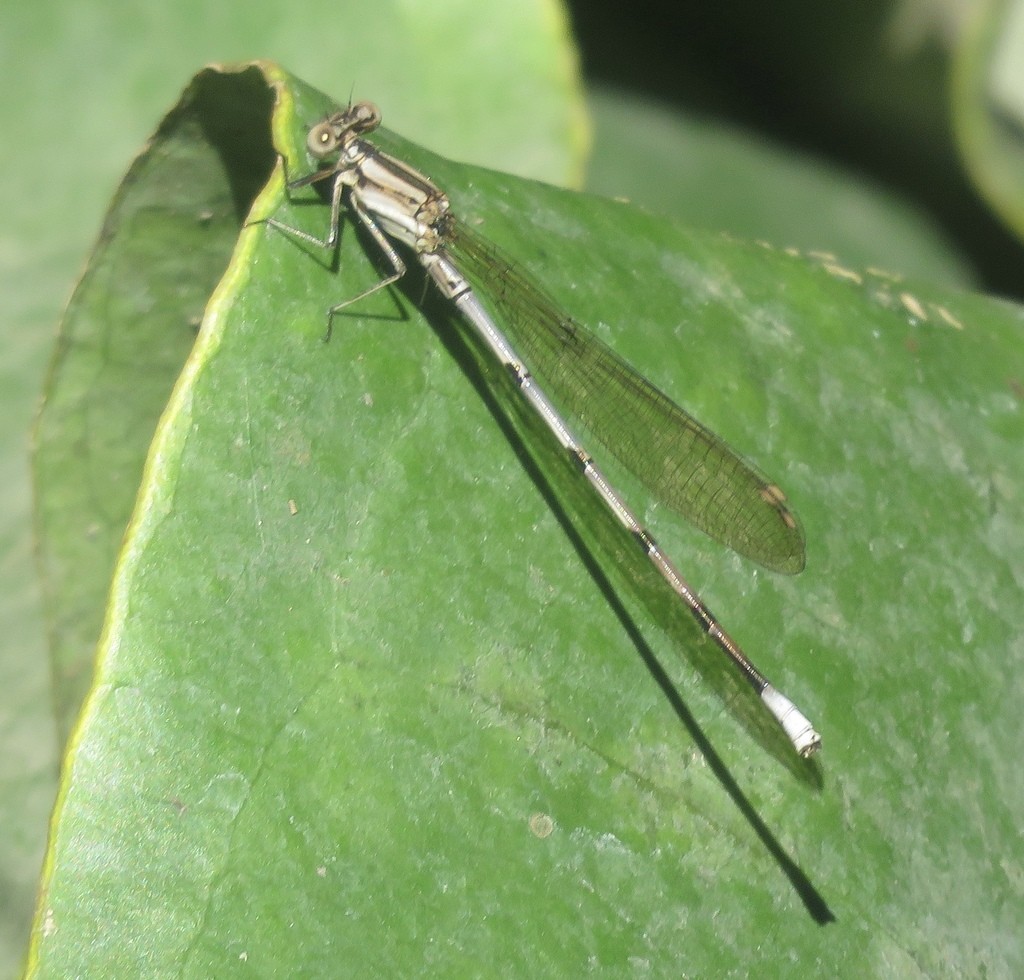
6. Cerulean dancer
Argia anceps, the cerulean dancer, is a species of narrow-winged damselfly in the family Coenagrionidae. It is found in Central America. The IUCN conservation status of Argia anceps is "LC", least concern, with no immediate threat to the species' survival. The population is stable.
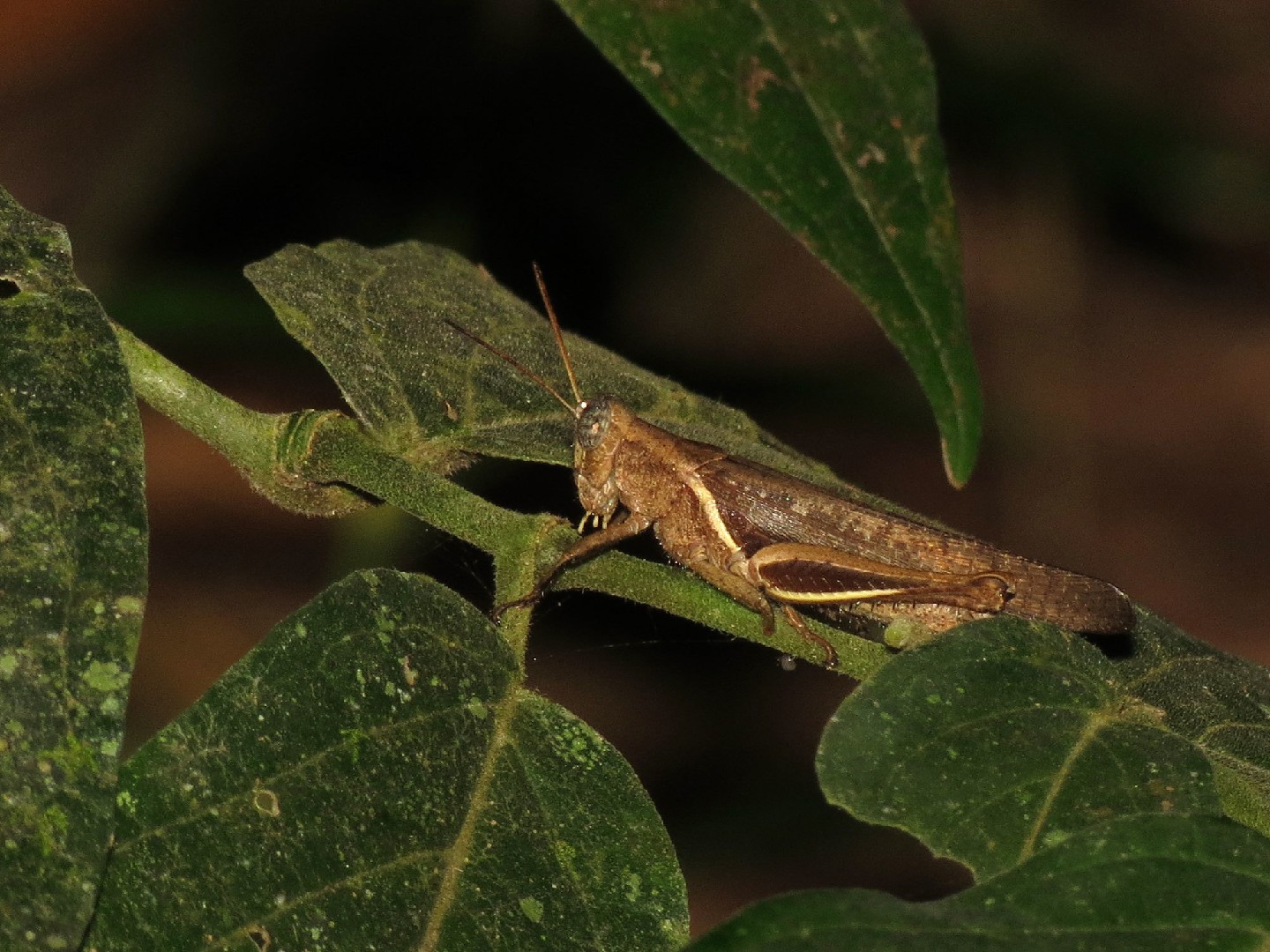
7. Abracris flavolineata
Abracris flavolineata is a right-winged insect from the family locusts (Acrididae). The scientific name of this species was first validly published in 1773 by De Geer.
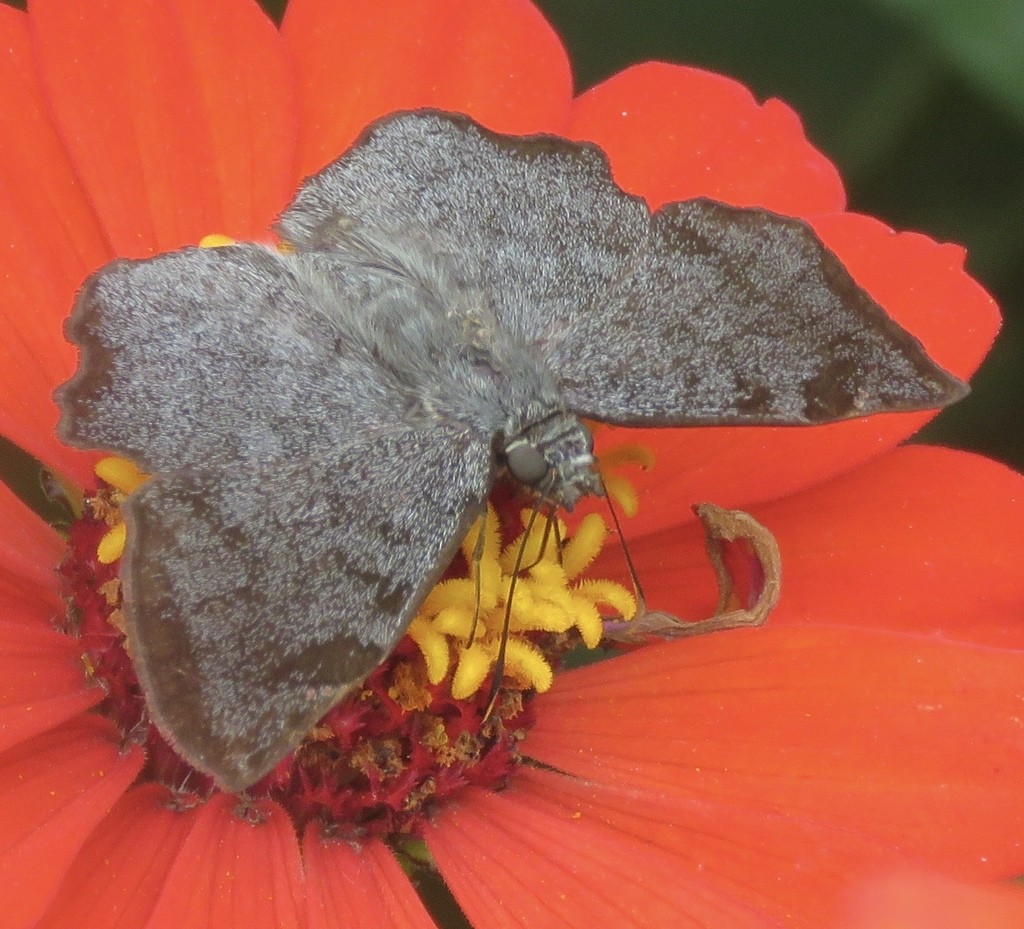
8. Common dusted spurwing
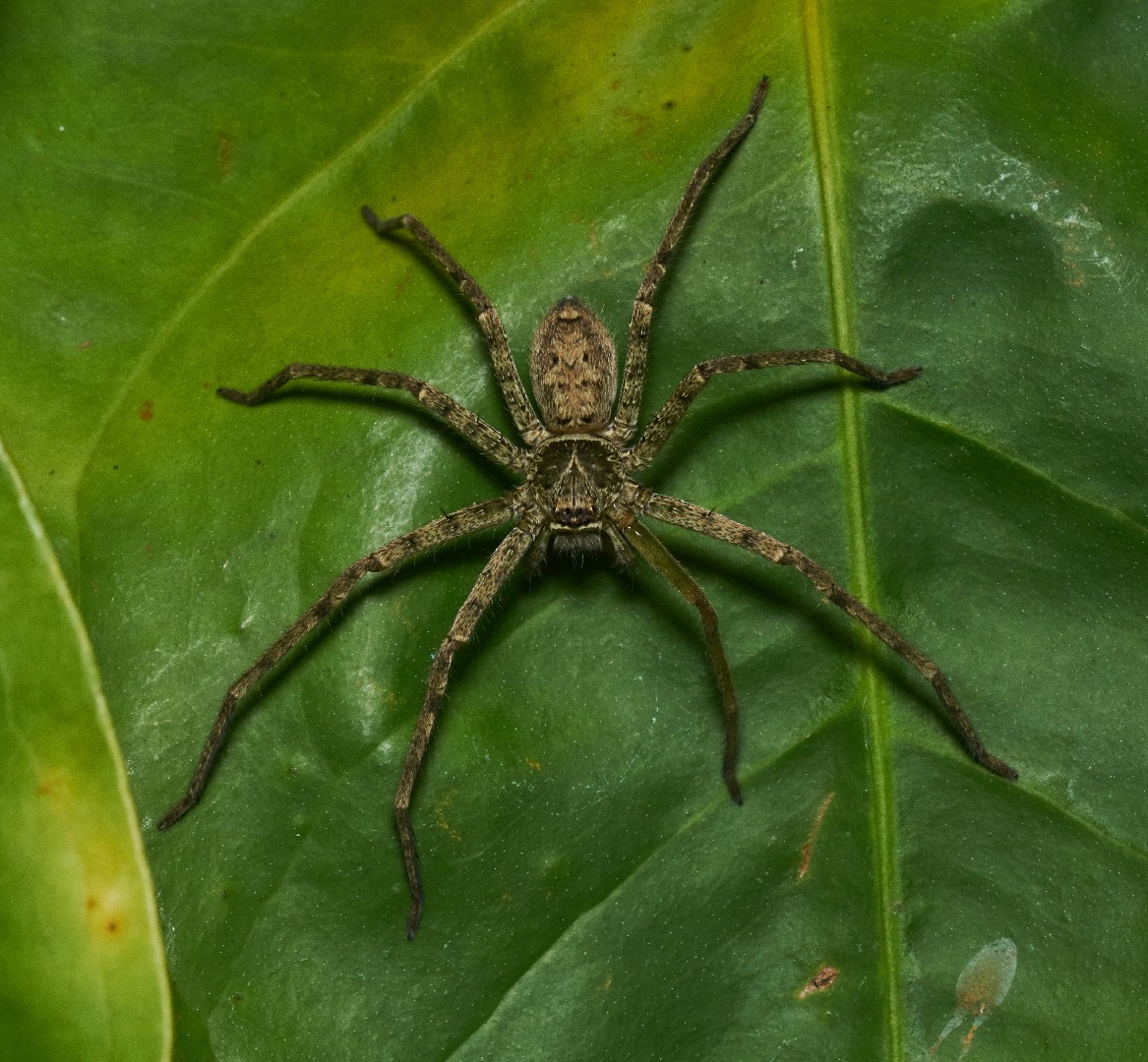
9. Giant Crab Spider
The giant Crab Spider is a large spider native to the tropics; the largest reported individual had a leg span of 30 cm. This cosmopolitan spider is highly valued in some areas, as it's able to catch cockroaches and other indoor pests. Reportedly, it hunts even scorpions and bats. This spider is venomous and sometimes bites humans, but it's considered harmless.
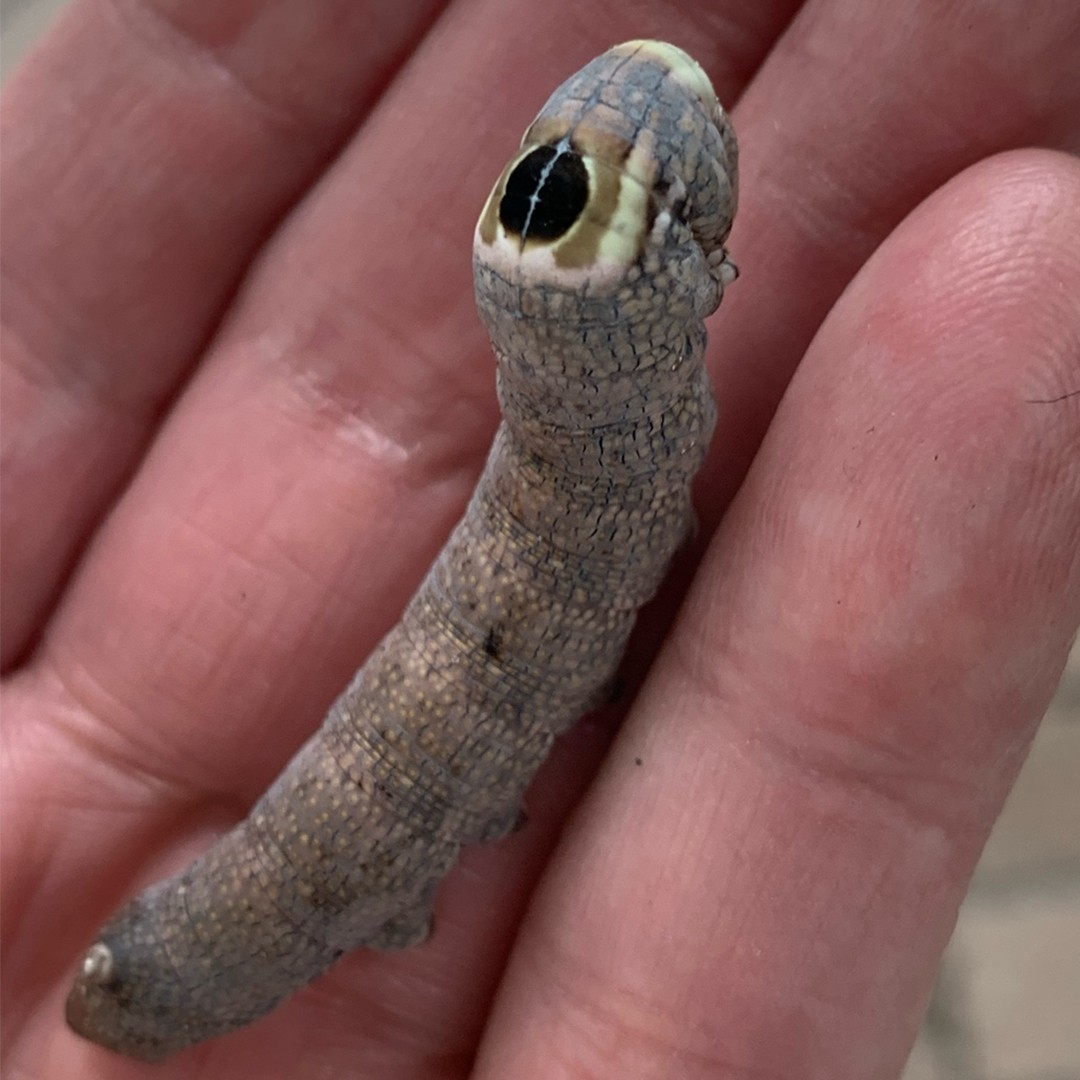
10. Ello sphinx
Erinnyis ello, the ello sphinx, is a moth of the family Sphingidae. The species was first described by Carl Linnaeus in his 1758 10th edition of Systema Naturae. It is distributed from Argentina through Central America to the United States as far north as Nevada. The wingspan is 75–85 mm. The abdomen has gray and black bands. The forewing upperside of the female is pale gray with a few dark dots near the outer margin, while the forewing upperside of the male is dark gray and brown with a black band running from the base to the tip. In both sexes, the hindwing upperside is orange with a wide black border. Adults are on wing year-round in the tropics and southern Florida. Adults feed on the nectar of flowers, including common soapwort (Saponaria officinalis) and Chinese violet (Asystasia gangetica). The larva feeds on a variety of host plants, including papaya (Carica papaya) in the family Caricaceae; poinsettia (Euphorbia pulcherrima), Mexican jumping bean (Sebastiania pavoniana), Cnidoscolus urens, and cassava (Manihot esculenta) in the Euphorbiaceae; guavas (Psidium spp.) in the Myrtaceae; and saffron plum (Sideroxylon celastrinum) in the Sapotaceae. The ello sphinx can be parasitized by the braconid wasp Microplitis figueresi.
More







