




Top 20 Most Common Insects in Guamuchil
Insects, nature's little marvels with distinct features and versatile habitats, are considerably abundant across Guamuchil. Variations in the region's geography diversify its fascinating insect population. These creatures play vital roles in our ecosystem, from pests that challenge our perseverance to beneficial insects that contribute to our survival. Our captivating list of '20 most common insects' explores the intricate relationship between Guamuchil's environment and its insect inhabitants - a testament to nature's balance.

Most Common Insects
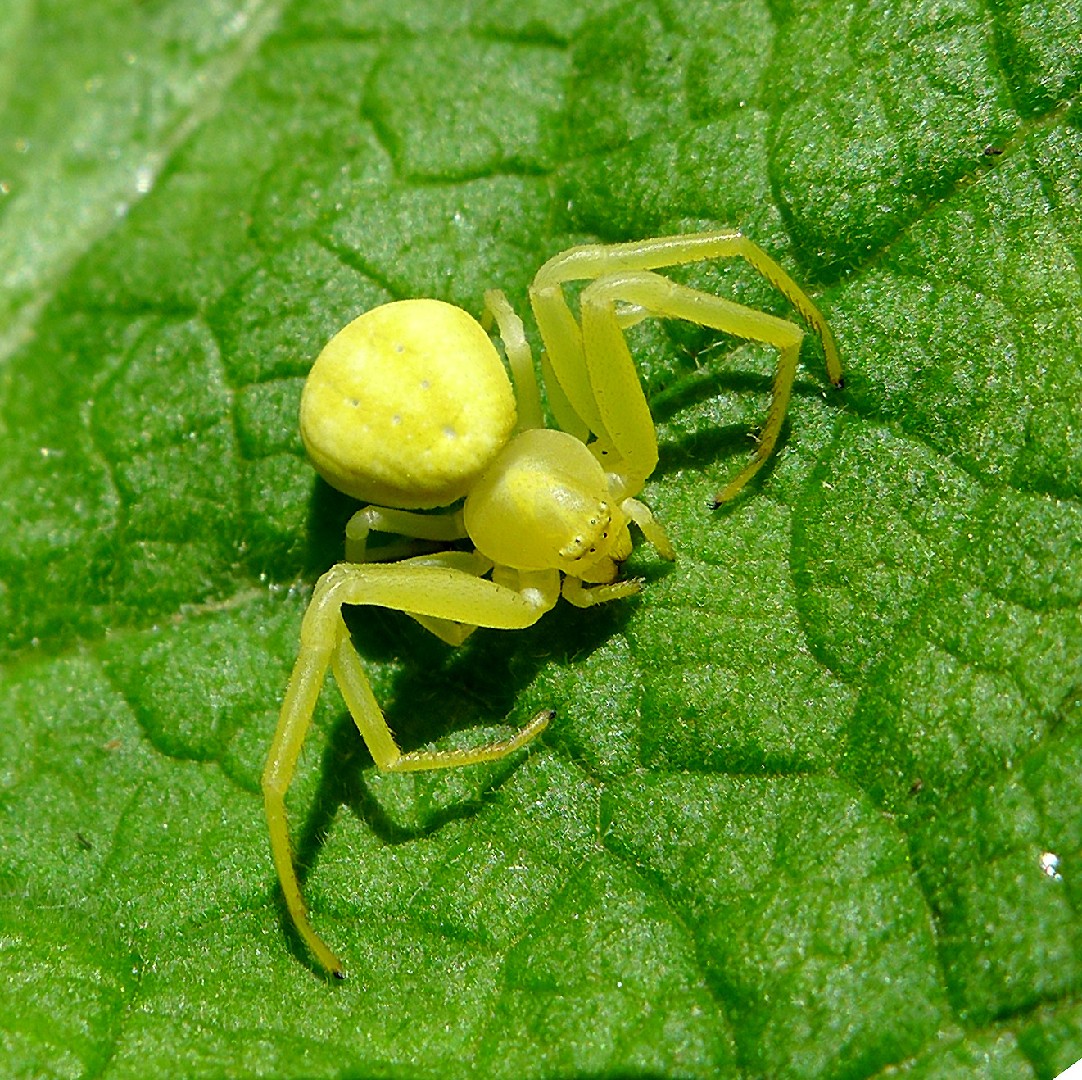
1. Goldenrod crab spider
Rather than for its coloring, goldenrod crab spider (Misumena vatia) is named for its tendency to hunt within sprays of goldenrod. This species is capable of catching and consuming prey several times larger than itself, such as dragonflies or grasshoppers. Loyal parents, the females will guard their eggs until they hatch and the tiny spiders disperse, after which the female will die.
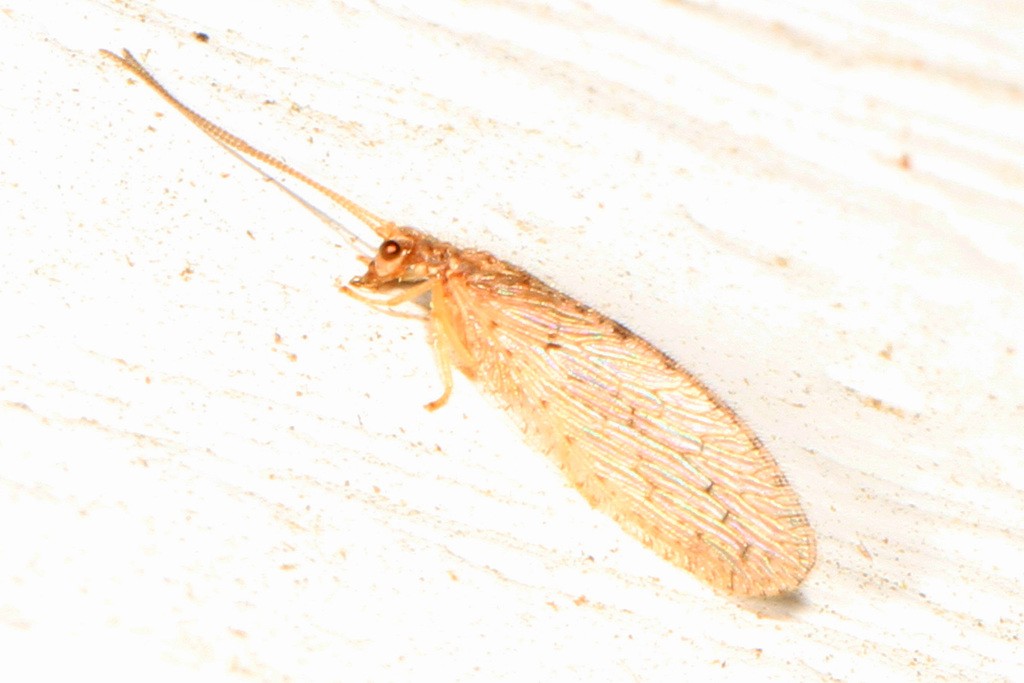
2. Micromus subanticus
Micromus subanticus is a species of brown lacewing in the family Hemerobiidae. It is found in the Caribbean, Europe and Northern Asia (excluding China), Central America, and North America. 
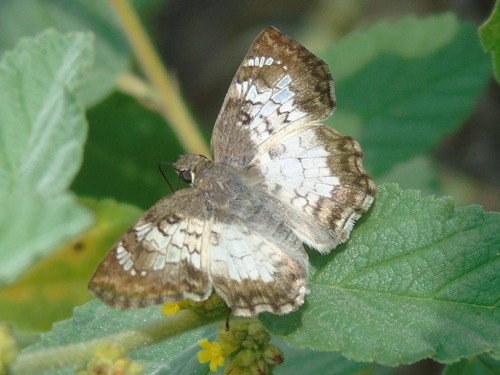
3. White spurwing
Antigonus emorsa is a butterfly from the family of the Antigonus emorsa (Hesperiidae). The scientific name of the species was first validly published in 1869 by Felder.
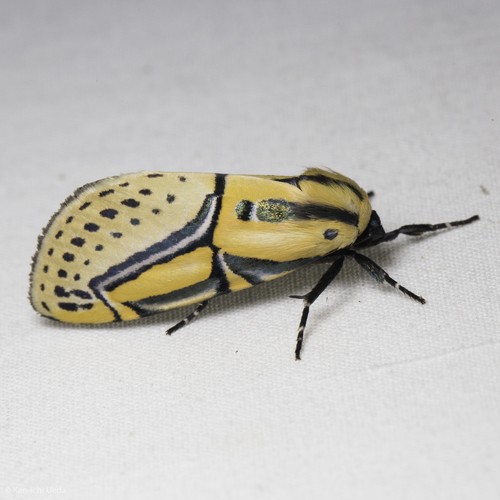
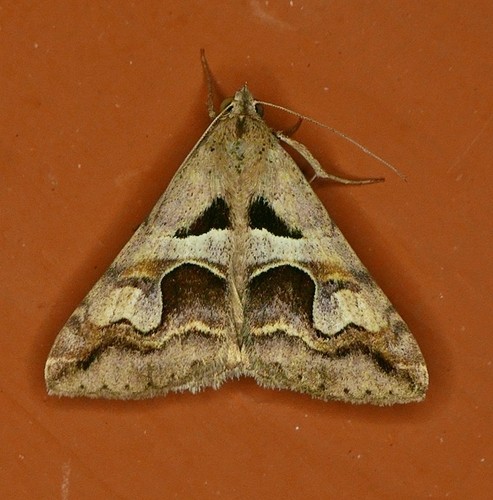
4. Hieroglyphic moth
Diphthera festiva is a butterfly from the spider owls family (Erebidae). The scientific name of the species was first validly published in 1775 by Fabricius.
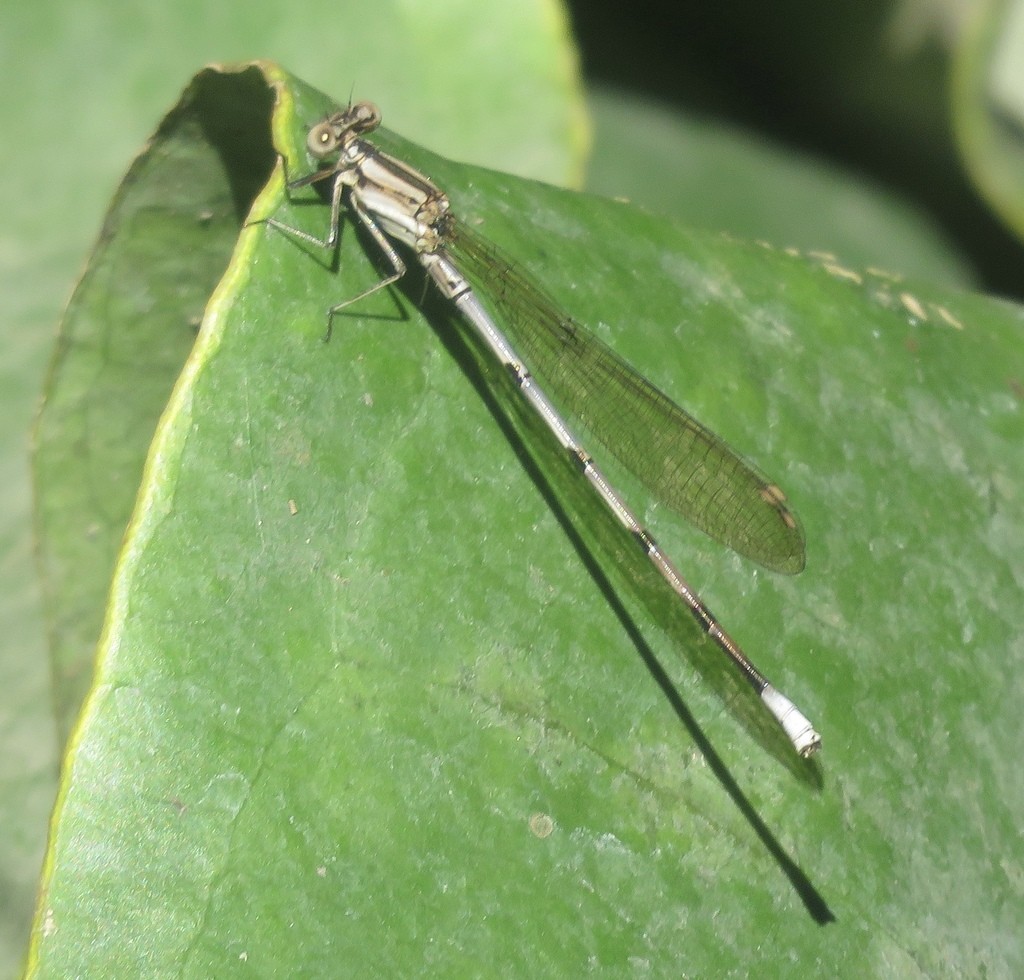
5. Cerulean dancer
Argia anceps, the cerulean dancer, is a species of narrow-winged damselfly in the family Coenagrionidae. It is found in Central America. The IUCN conservation status of Argia anceps is "LC", least concern, with no immediate threat to the species' survival. The population is stable.
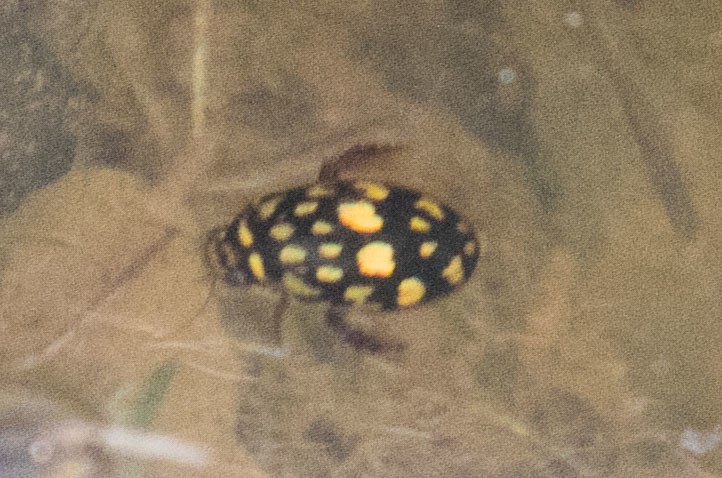
6. Yellow-spotted diving beetle
The adult beetle has a length of 0.8–1.5 cm (0.31–0.59 in), with females slightly larger than males. The sunburst diving beetle has a black and streamlined carapace covered with bright yellow or golden spots. The male has a suction disk on each foreleg.
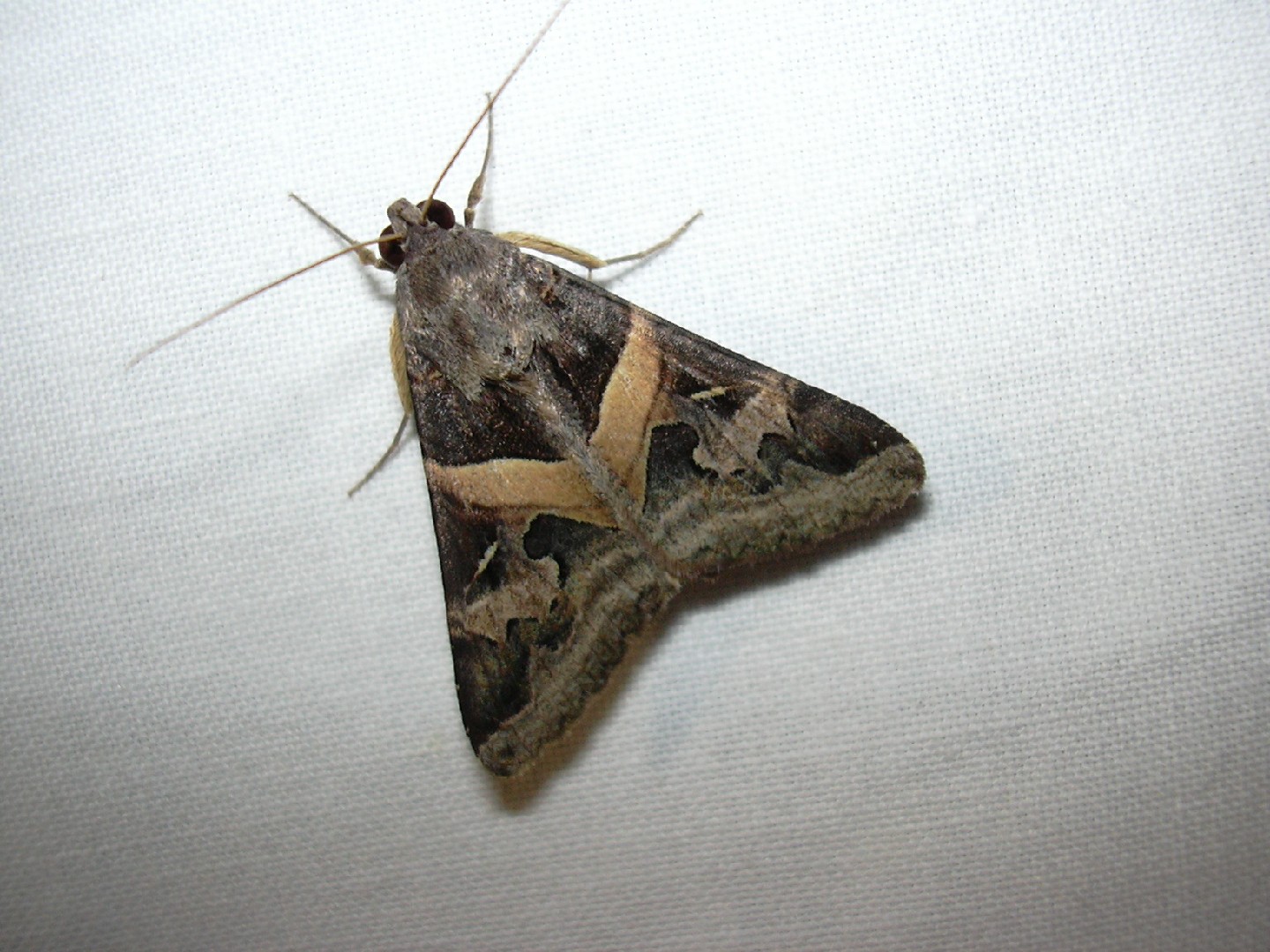
7. Indomitable melipotis
The wingspan is 4 - 6 cm.
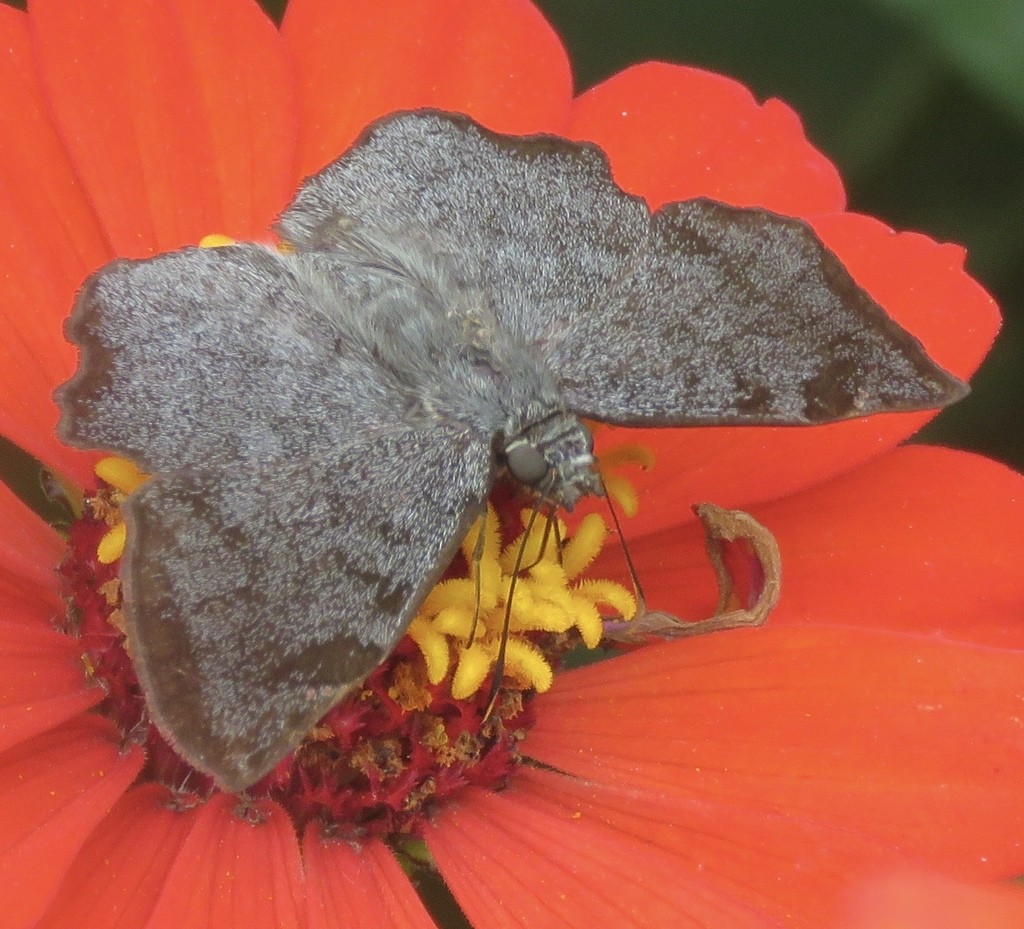
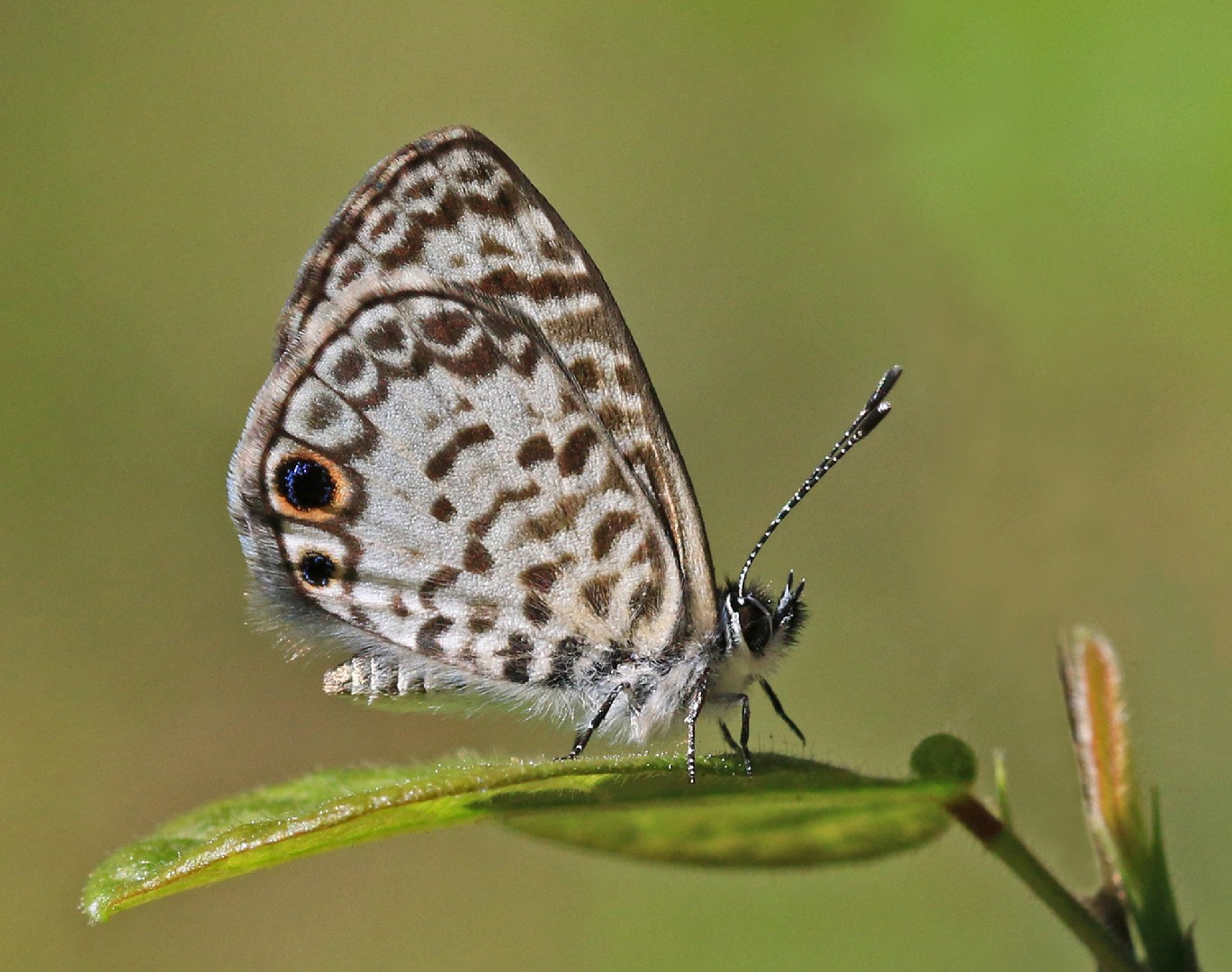
8. Common dusted spurwing
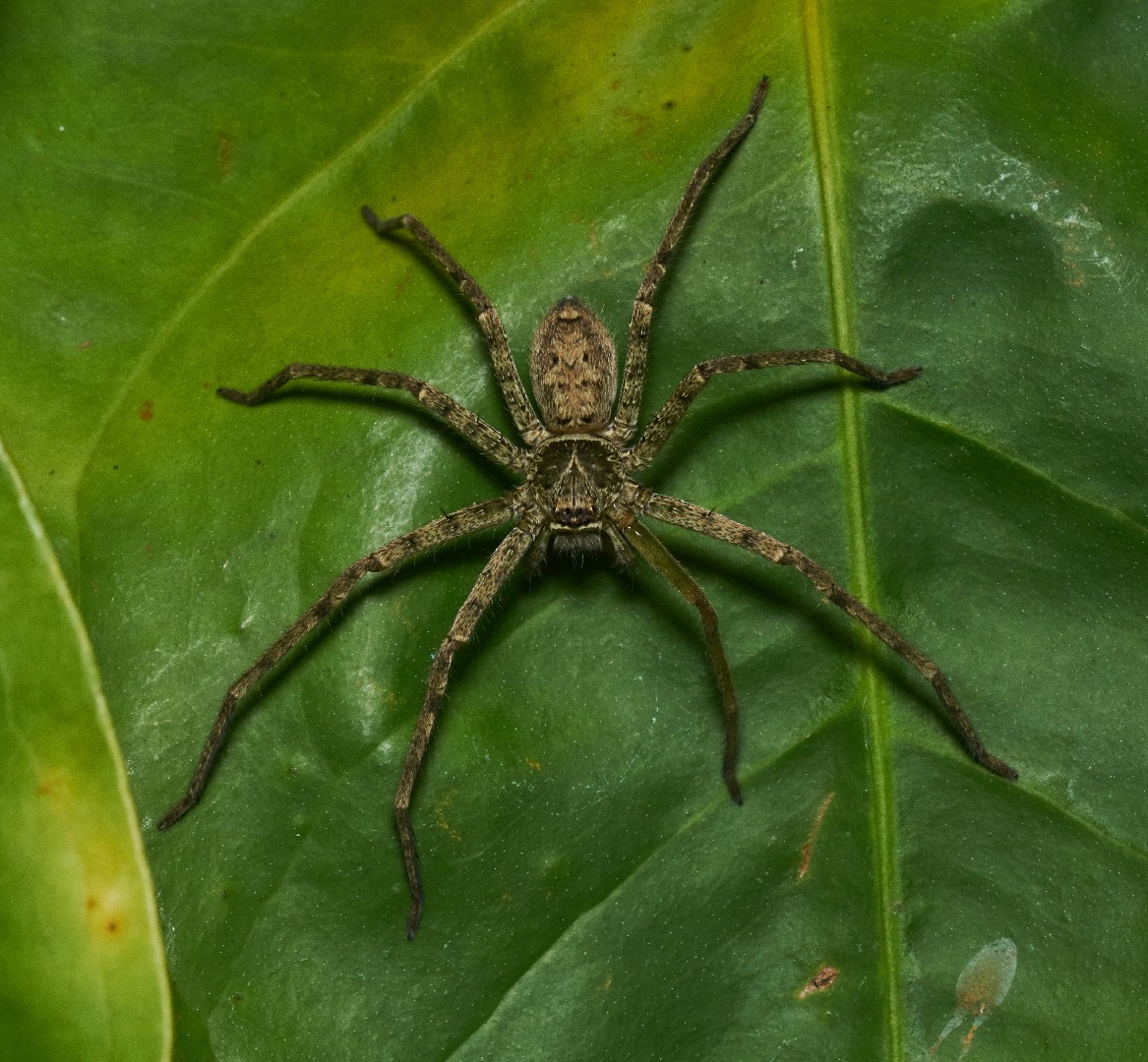
9. Giant Crab Spider
The giant Crab Spider is a large spider native to the tropics; the largest reported individual had a leg span of 30 cm. This cosmopolitan spider is highly valued in some areas, as it's able to catch cockroaches and other indoor pests. Reportedly, it hunts even scorpions and bats. This spider is venomous and sometimes bites humans, but it's considered harmless.
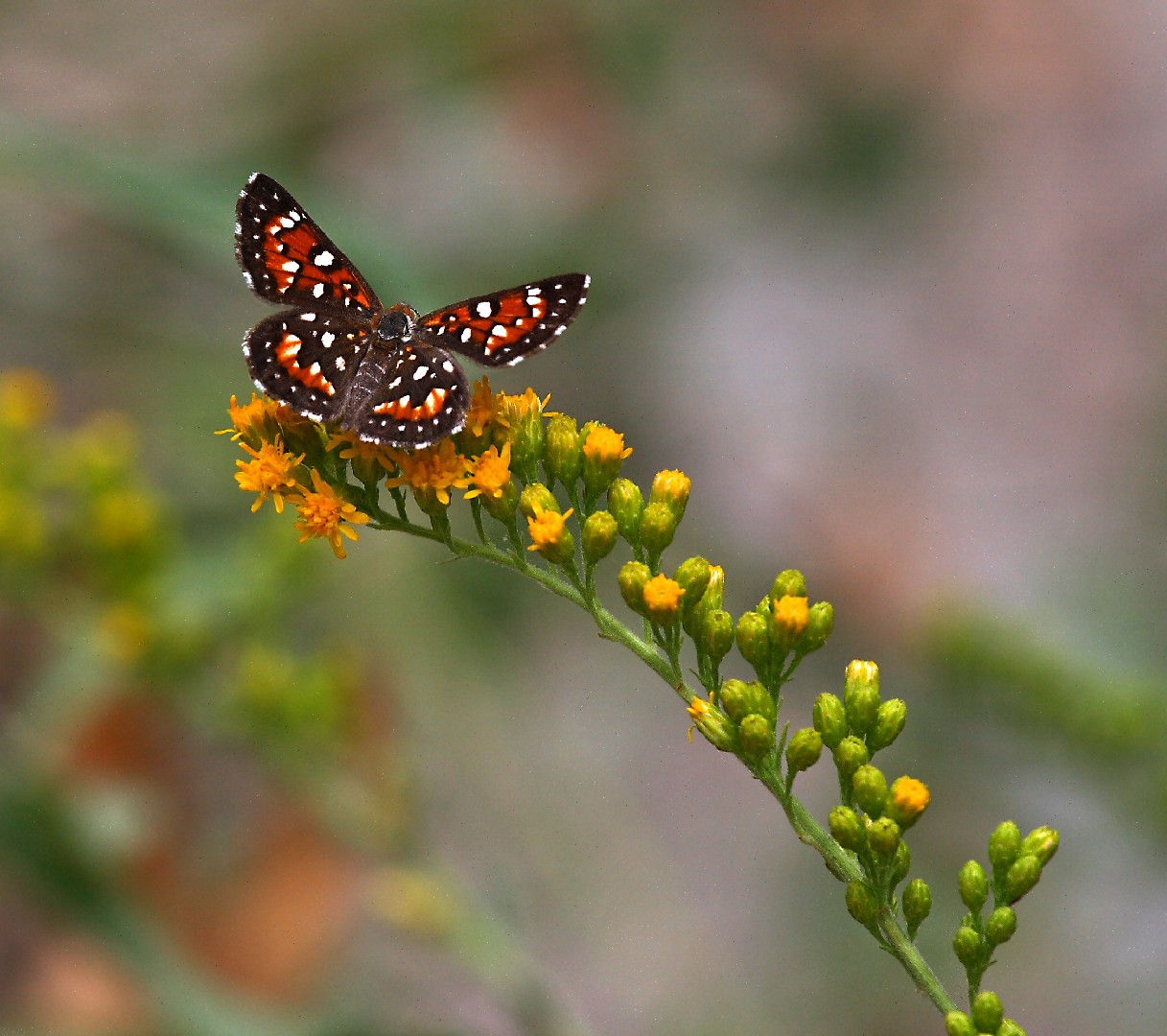
10. Mormon metalmark
In general, the butterfly has a wingspan of 2.5 - 3.5 cm, with males being slightly smaller than females. Females are further differentiated from males by their number of functional legs; females possess three pairs, while males do not utilize their shortened forelegs and thus only have two. The Canadian populations have been described as having white checked dark brown wings, a gray body, green eyes, and black and white banded antennae. There is a reddish tint towards the base of the forewings, and the ventral side of the wings are gray.


More







