




Top 20 Most Common Insects in Reynosa
Insects, nature's tiny wonders, are present in rainforests, mountains, and coasts alike within Reynosa. Their characteristics vary based on these diverse terrains, creating a dynamic and rich entomological landscape. These creatures hold essential roles in our ecosystem, be it as pesky pillagers or helpful helpers. Dive into our list of 20 most common insects in Reynosa, to appreciate their distinct adaptability and profoundly varied roles in sustaining our environment.

Most Common Insects
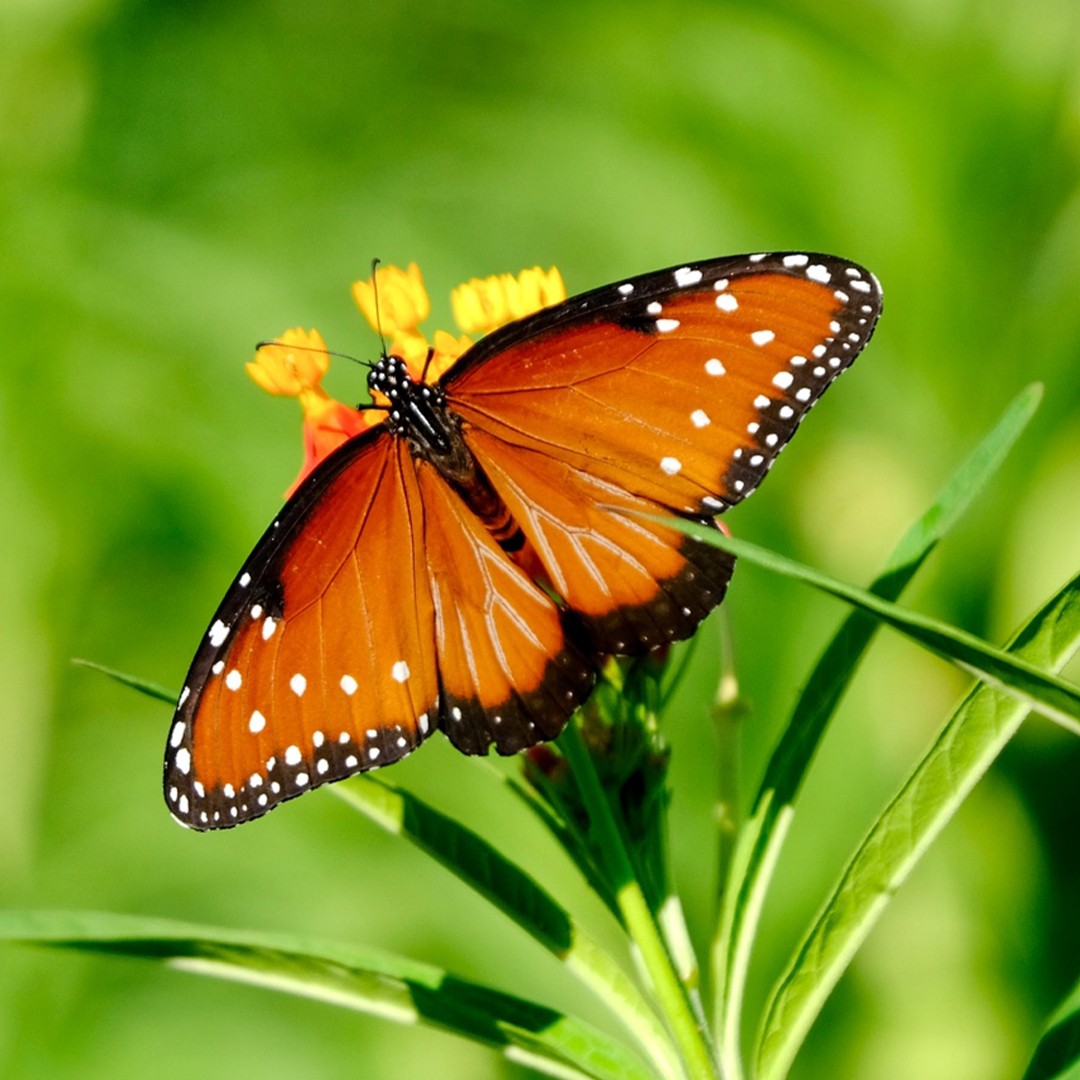
1. Queen
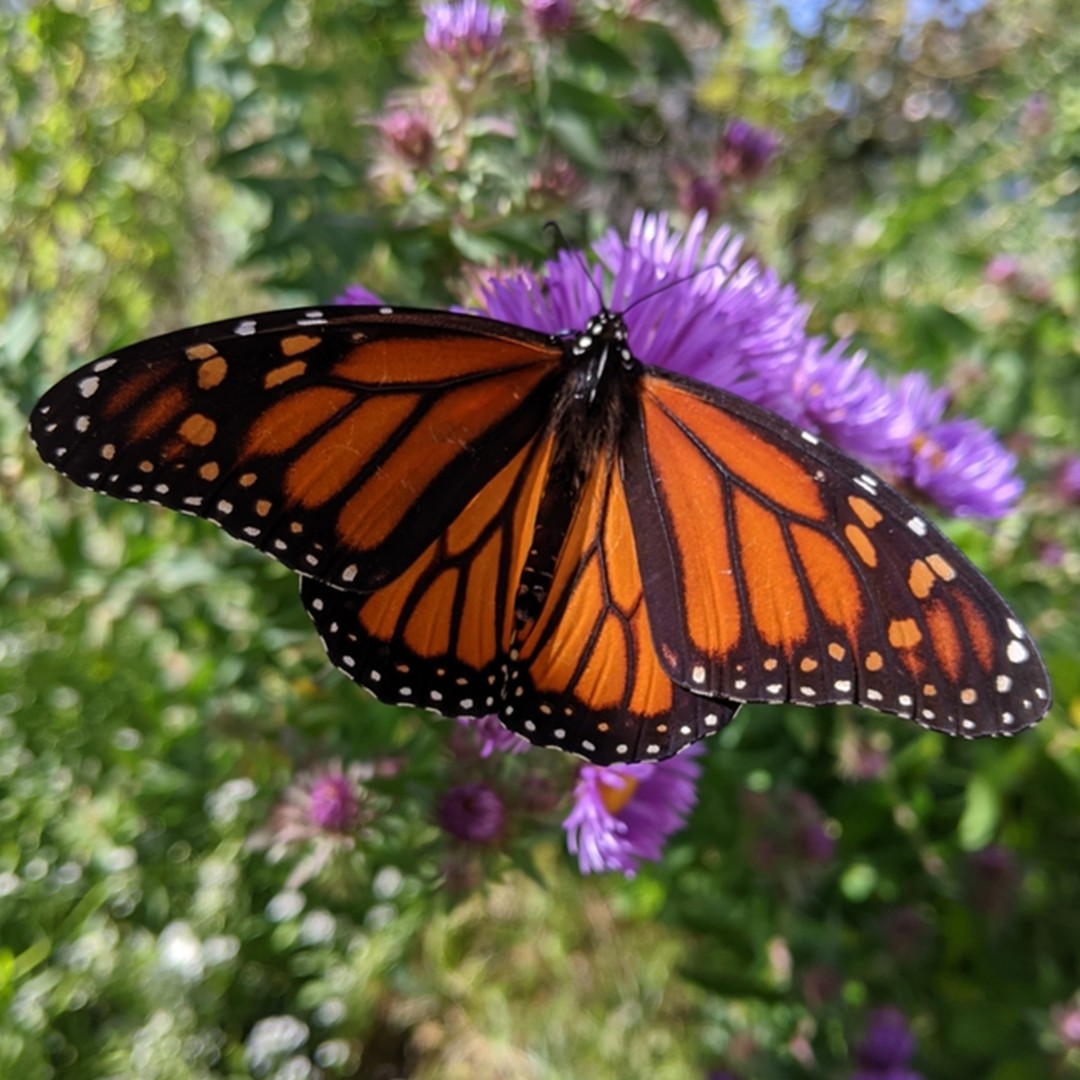
The queen butterfly (Danaus gilippus) is a North and South American butterfly in the family Nymphalidae with a wingspan of 70–88 mm (2.8–3.5 in). It is orange or brown with black wing borders and small white forewing spots on its dorsal wing surface, and reddish ventral wing surface fairly similar to the dorsal surface. The ventral hindwings have black veins and small white spots in a black border. The male has a black androconial scent patch on its dorsal hindwings. It is found throughout the tropics and into the temperate regions of the Americas, Asia and Africa. It can be found in meadows, fields, marshes, deserts, and at the edges of forests. This species is possibly a close relative to the similarly colored soldier butterfly (or tropic queen; Danaus eresimus); in any case, it is not close to the plain tiger (Danaus chrysippus) as was long believed. There are seven subspecies. Females lay one egg at a time on larval host plants. Larvae use these plants as a food source, whereas adult butterflies feed mainly on nectar from flowers. Unpalatability to avian predators is a feature of the butterfly; however, its level is highly variable. Unpalatability is correlated with the level of cardenolides obtained via the larval diet, but other compounds like alkaloids also play a part in promoting distastefulness. Males patrol to search for females, who may mate up to 15 times a day. Male organs called hair-pencils play an important role in courtship, with males with lower hair-pencil levels being selected against. These hair-pencils may be involved in releasing pheromones during courtship that could attract female mates. 
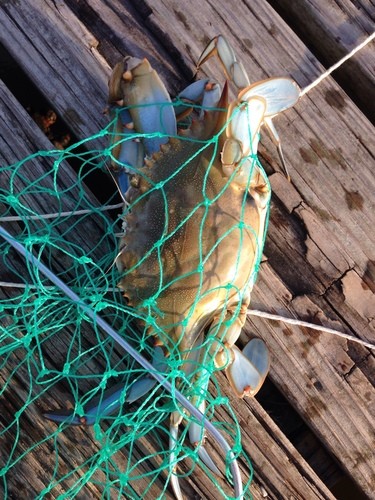
2. Blue crab
Thanks to its sapphire blue claws, blue crab is famous for its attractive appearance. Despite its lovely looks, the crab shows aggressive nature when it feels threatened. Blue crab has important commercial value and it's harvested for culinary use. Many people find its meat to be sweet and delicious.
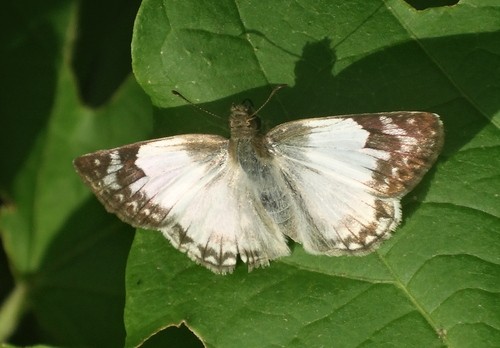
3. Laviana white-skipper
The wingspan is 3.5 - 4 cm. The upperside of the males is white with dark markings along the outer wing margins. Females have wider markings than males and also have grey wing bases. The underside of the hindwings has an olive-grey patch on the outer third which is sharply separated from the paler median area. The dark basal area contains a pale triangular patch.
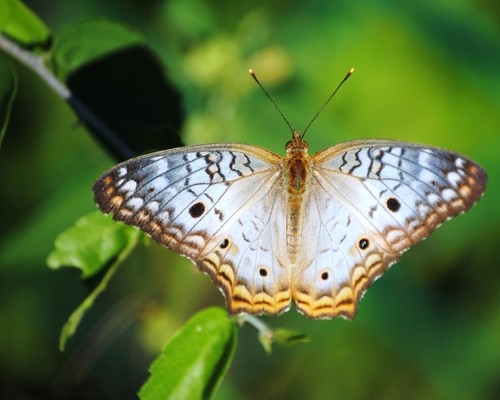
4. White peacock
The wingspan of the moths is 51 to 70 millimeters. The basic color is whitish. On the forewings there is a black, circular spot near the inner angle. At the front edge, two to three oblong, yellow-brown spots stand out. The Submarginalregion is also yellow-brown colored and crossed by dark lines. On the hind wings are two more small, black, circular spots near the tawny and dark-colored submarginal region. A short tail is more or less strong. The wing underside shows similar drawing elements as the top, but these are paler and weaker pronounced.
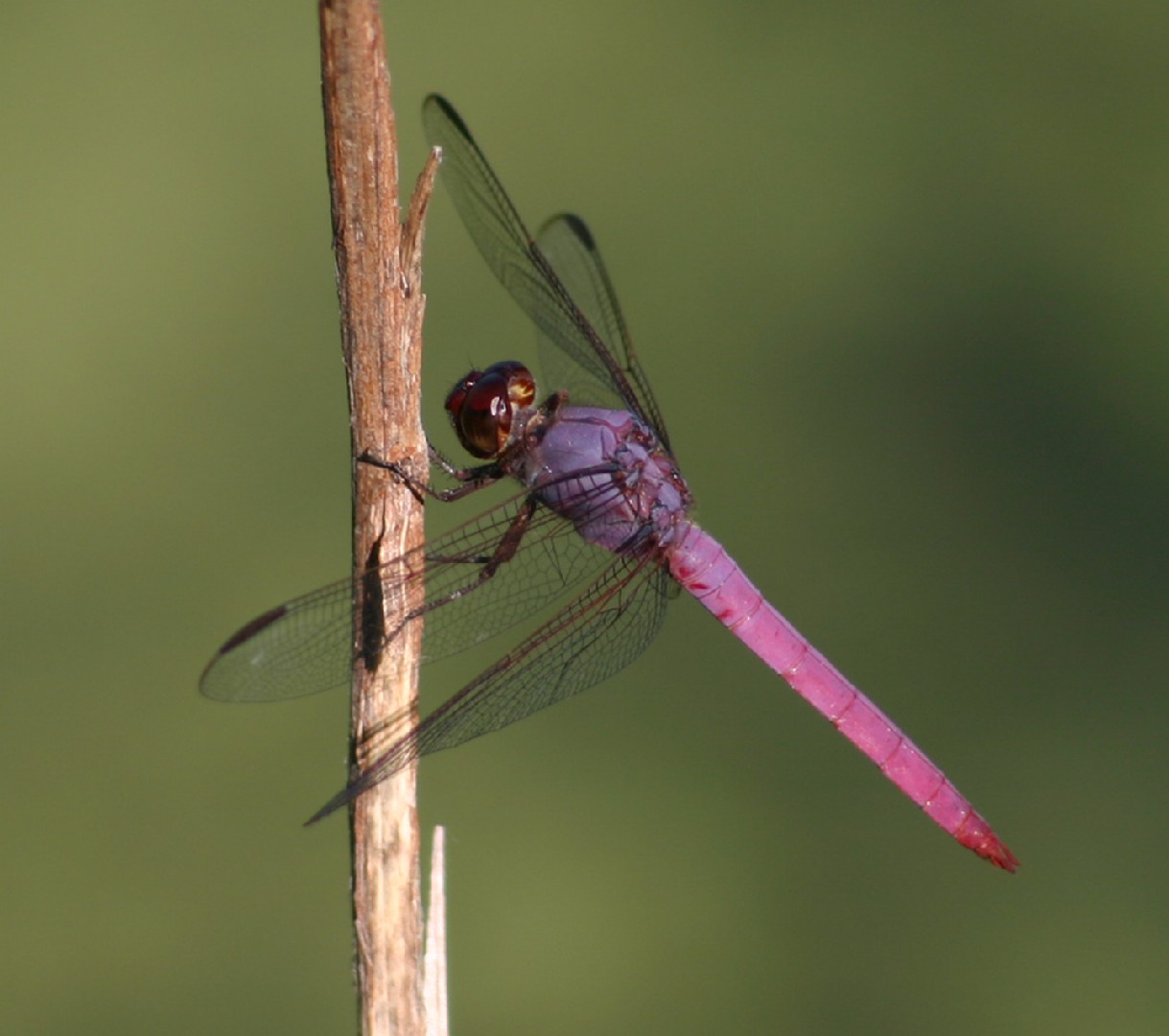
5. Roseate skimmer
The male of the species has a rose pink and red abdomen. The female has an orange-brown abdomen with clear orange veins and a brownish thorax with a light stripe down the back. The wings are normally clear except for brown pterostigmata at the leading edges. Its 4.5 - 6 cm in length with a wingspan of 3.5 - 4.5 cm long.
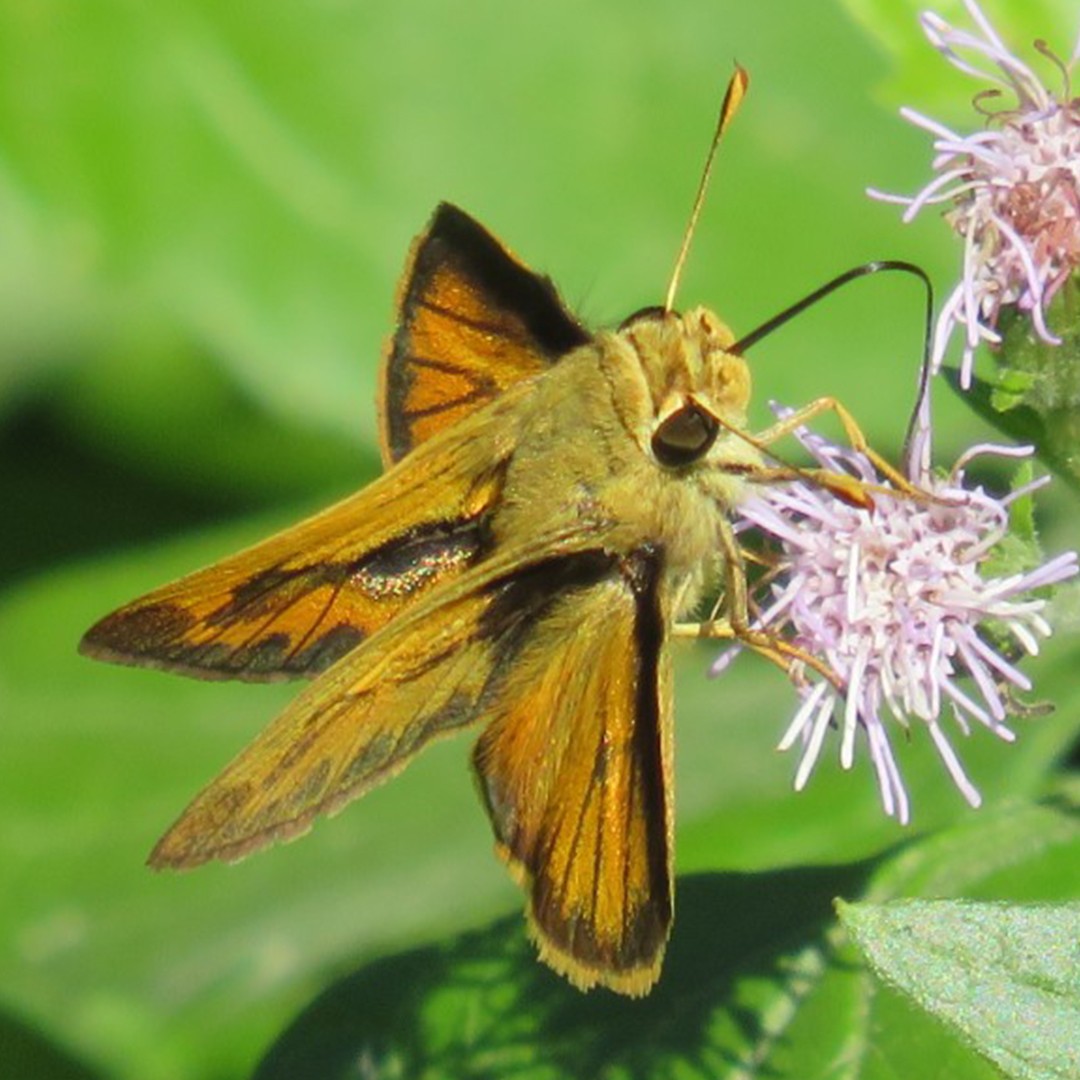
6. Fiery skipper
The fiery skipper (Hylephila phyleus) is a butterfly of the family Hesperiidae and is approximately 1 inch (2.5 cm) long. The males are orange or yellow with black spots while the females are dark brown with orange or yellow spots. The caterpillars are greenish pink with a black head. The caterpillars are often considered pests and can feed on Bermudagrass, creeping bentgrass, and St. Augustine grass. Fiery skippers, along with all other species of skippers and skipperlings, can hold their wings in a "triangle" shape. The forewings are held upright, and the hindwings are folded flat. This position is thought to better absorb the sun's rays. The fiery skipper lives in North and South America, from Canada to Argentina. It is a migratory species.
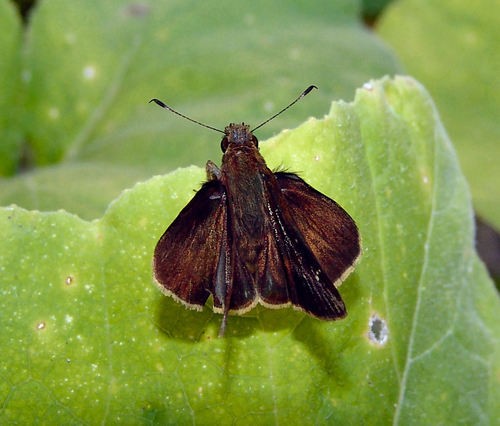
7. Clouded skipper
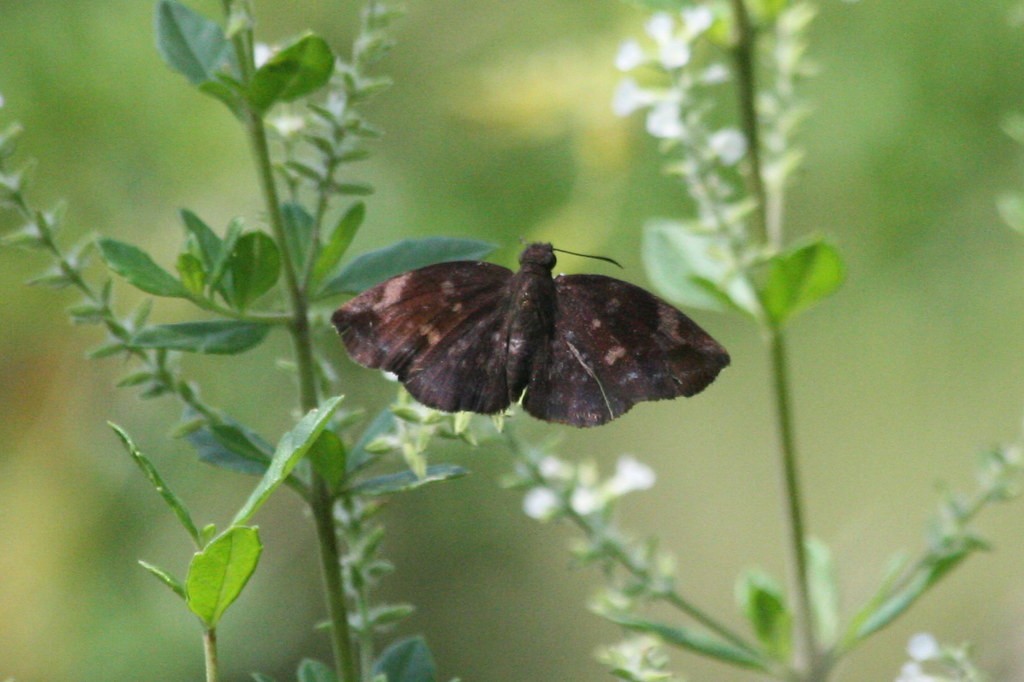
The wingspan is 3 - 4.5 cm.
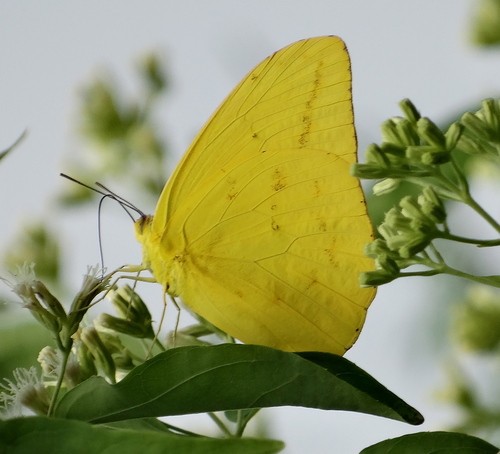
8. Large orange sulphur
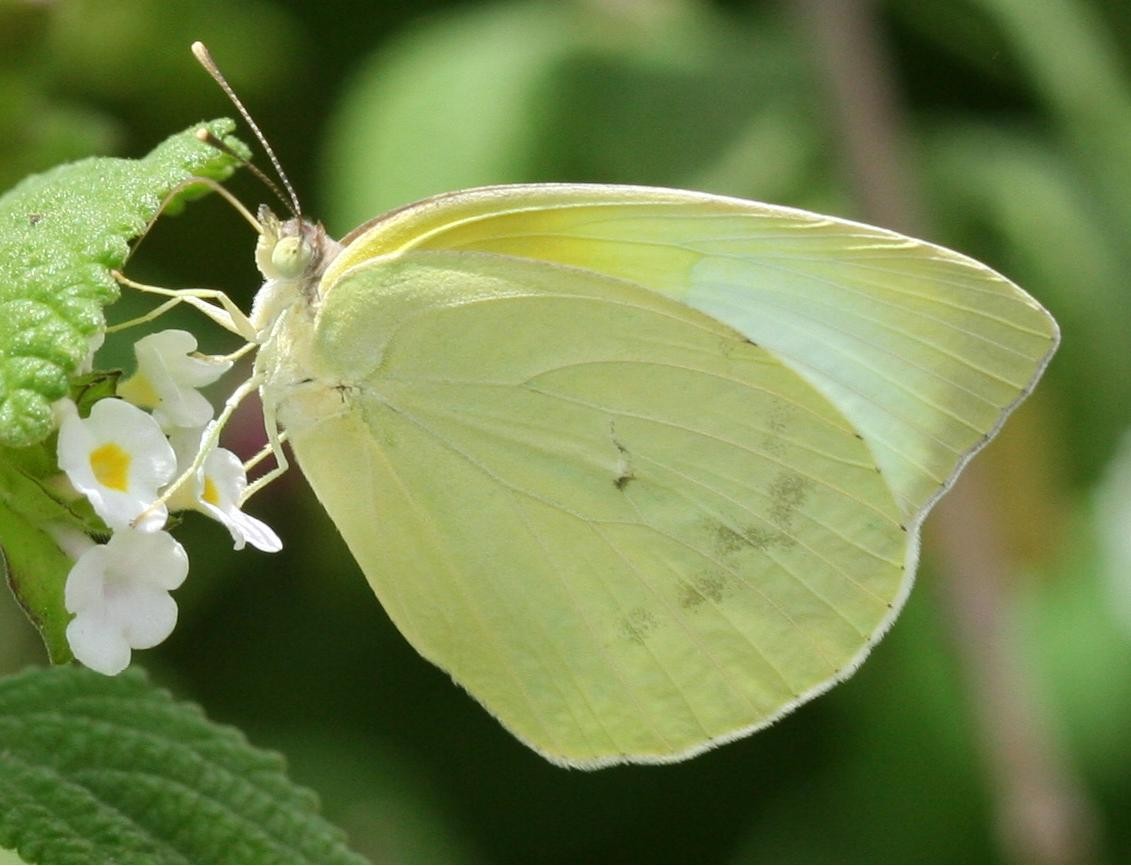
The wingspan is 6 - 9 cm. The upper surface of the males is bright orange without markings. There are two female forms, a pink-white and yellow-orange form. The underside of the forewings of both sexes has a straight submarginal line. There are two seasonal forms: the winter form has heavier underside markings.

9. American snout
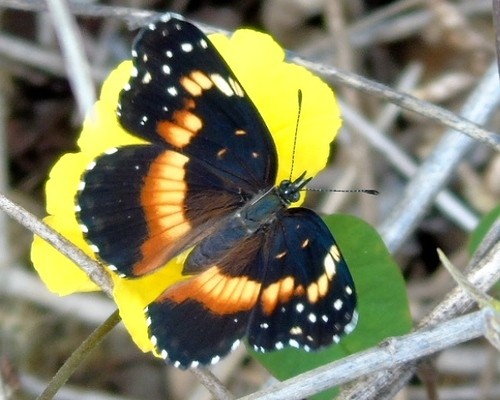
American snout have prominent elongated mouthparts (labial palpi) which, in concert with the antennae, give the appearance of the petiole (stem) of a dead leaf. Wings are patterned black-brown with white and orange markings. The forewings have a distinctive squared off, hook-like (falcate) tip. The caterpillars appear humpbacked, having a small head, swollen first and second abdominal segments, and a last abdominal segment which is tapered and rounded. They are dark green with yellow stripes along the top and sides of the body, and have two black tubercles on the top of the thorax.
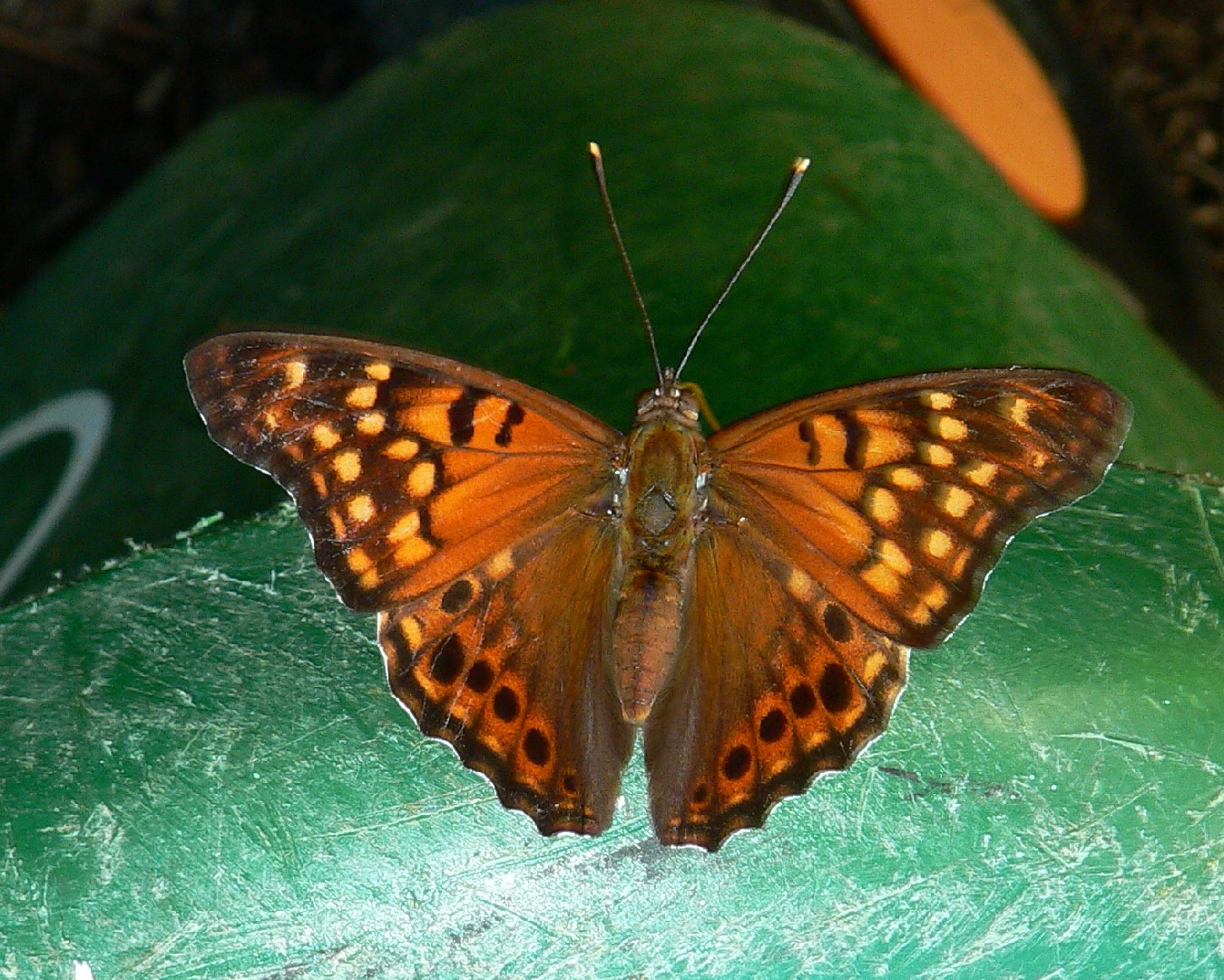
10. Tawny emperor
The upper side of the tawny emperor (Asterocampa clyton) is a deep brown color with the underside being a bit paler. As a result, they are often confused with the Hackberry emperor, but the tawny emperor is distinguished with two white dots near the front of its wings. Their feeding habits are not what you would associate with most butterflies, as they eat decaying flesh and dung.
More







