




Top 15 Most Common Insects in Loreto
Insects, diverse and captivating, are remarkably adapted to various habitats within Loreto. This region's geographical diversity, from arid plains to mountainous terrain, results in an incredible array of insect species. These tiny creatures play crucial roles in the ecosystem, from troublesome pests to beneficial pollinators. Through our 'Top 15 most common insects,Loreto', we will explore the fascinating relationship between Loreto's environments and its diverse bug life.

Most Common Insects
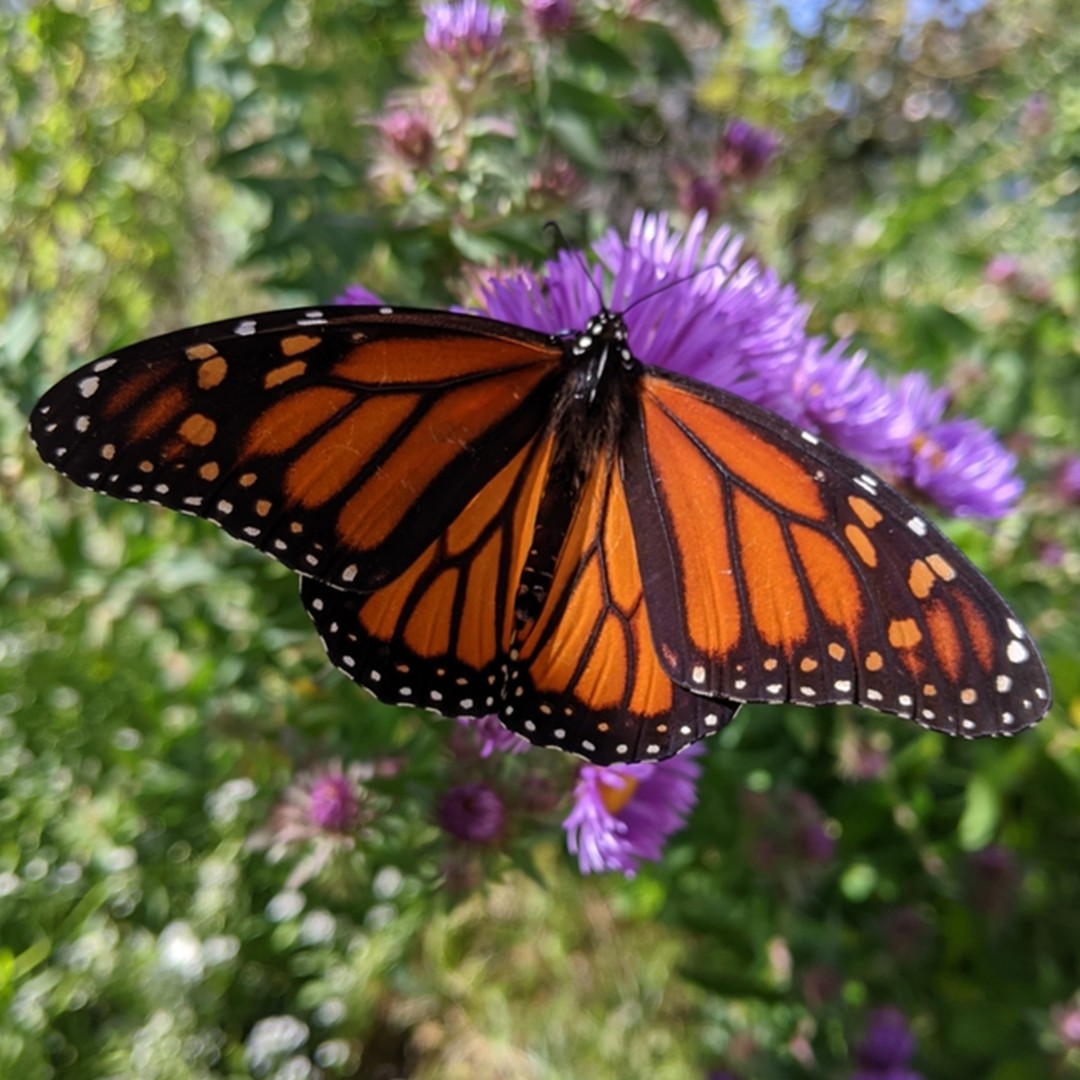
1. Monarch butterfly
The monarch butterfly (Danaus plexippus) is the most recognizable butterfly in North America. It is best known for its appearance, but should be better known for the fact that it has a 3000-mile migration that takes the butterfly 4 generations to complete. Their diet is also a natural deterrent for predators, as they eat milkweed, a poison that induces vomiting.
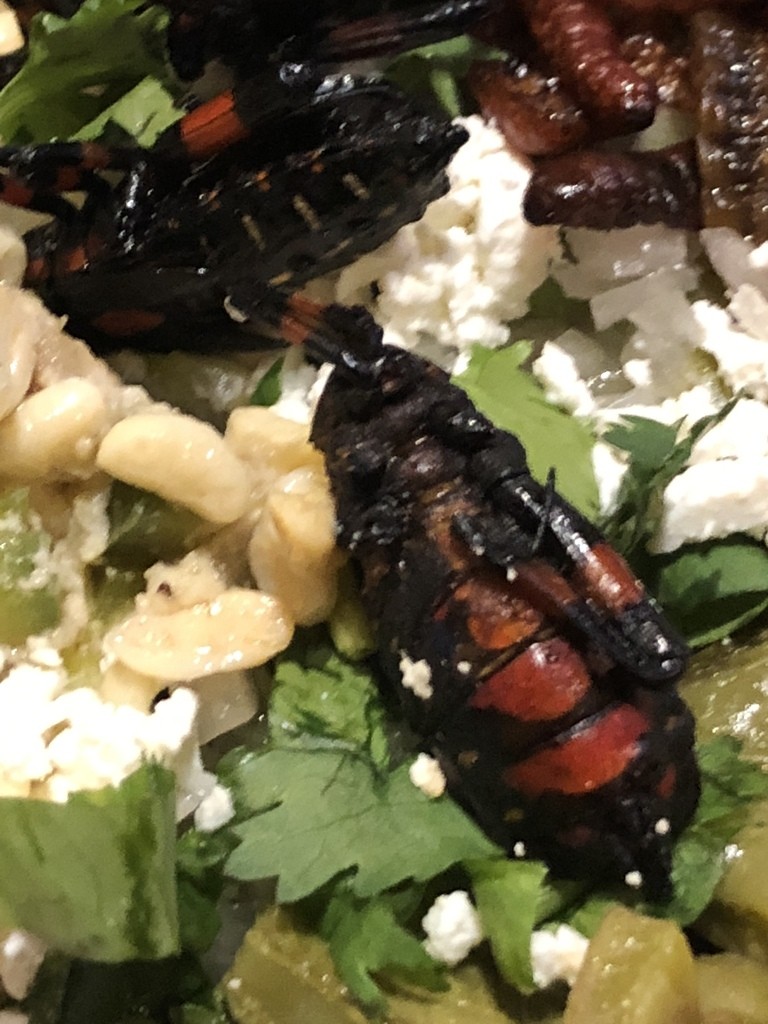
2. Thasus gigas
Thasus gigas is a species of leaf-footed bug in the family Coreidae. It is found in Central America and North America. 
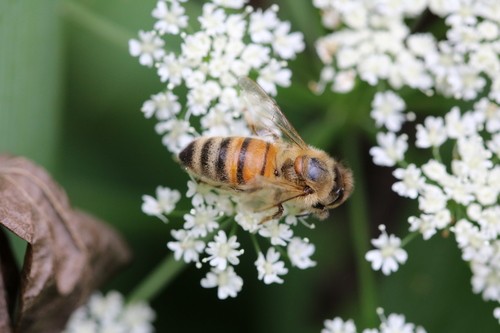
3. Western honey bee
Western honey bee(Apis mellifera) is the most common species of honeybee in the world. Among the first domesticated insects, its cultural and economic impact on humanity has been vast and far-reaching, providing honey, wax and its services as a pollinator. Western honey bee faces challenges worldwide, such as colony collapse disorder, and populations are thought to be decreasing.
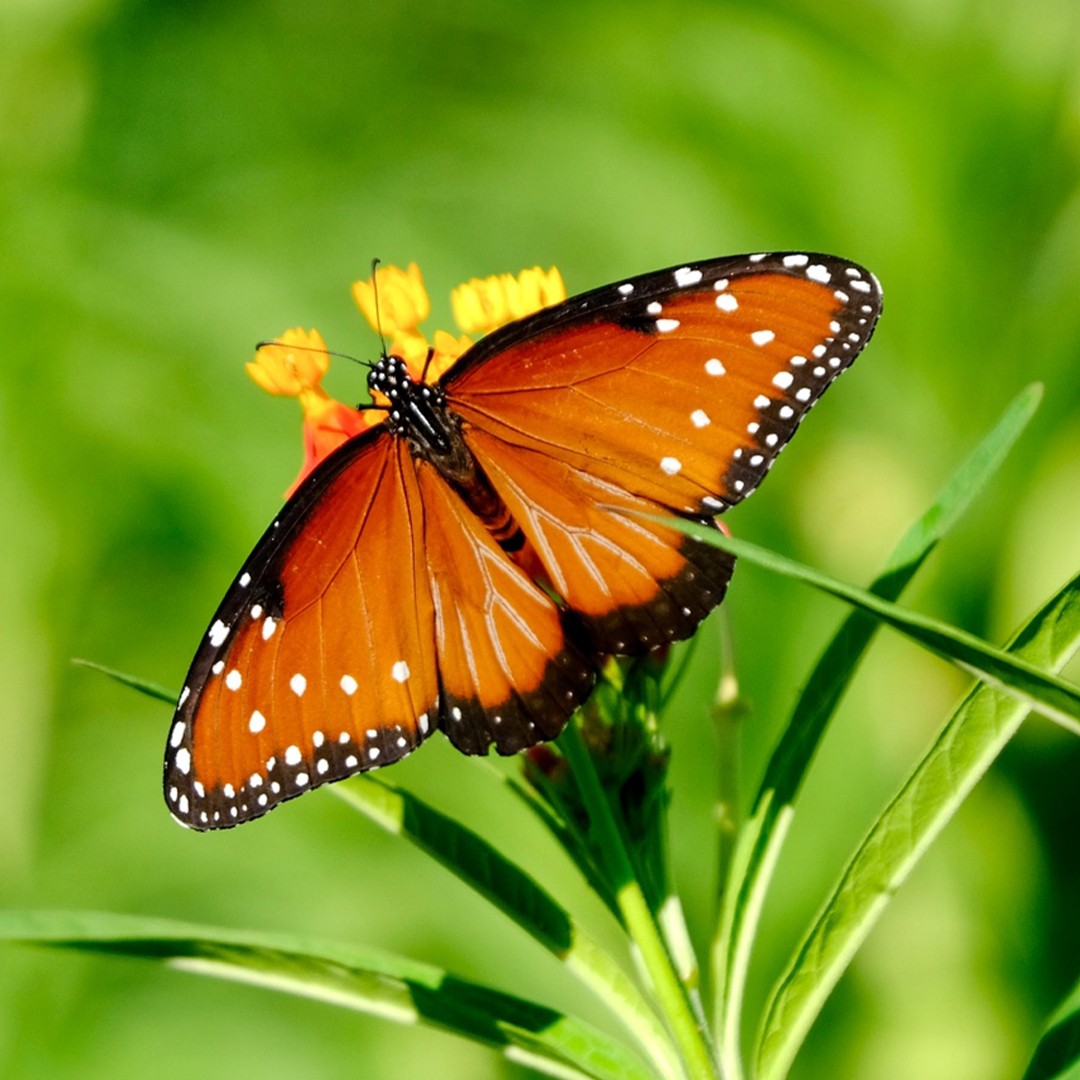
4. Queen
The queen butterfly (Danaus gilippus) is a North and South American butterfly in the family Nymphalidae with a wingspan of 70–88 mm (2.8–3.5 in). It is orange or brown with black wing borders and small white forewing spots on its dorsal wing surface, and reddish ventral wing surface fairly similar to the dorsal surface. The ventral hindwings have black veins and small white spots in a black border. The male has a black androconial scent patch on its dorsal hindwings. It is found throughout the tropics and into the temperate regions of the Americas, Asia and Africa. It can be found in meadows, fields, marshes, deserts, and at the edges of forests. This species is possibly a close relative to the similarly colored soldier butterfly (or tropic queen; Danaus eresimus); in any case, it is not close to the plain tiger (Danaus chrysippus) as was long believed. There are seven subspecies. Females lay one egg at a time on larval host plants. Larvae use these plants as a food source, whereas adult butterflies feed mainly on nectar from flowers. Unpalatability to avian predators is a feature of the butterfly; however, its level is highly variable. Unpalatability is correlated with the level of cardenolides obtained via the larval diet, but other compounds like alkaloids also play a part in promoting distastefulness. Males patrol to search for females, who may mate up to 15 times a day. Male organs called hair-pencils play an important role in courtship, with males with lower hair-pencil levels being selected against. These hair-pencils may be involved in releasing pheromones during courtship that could attract female mates.
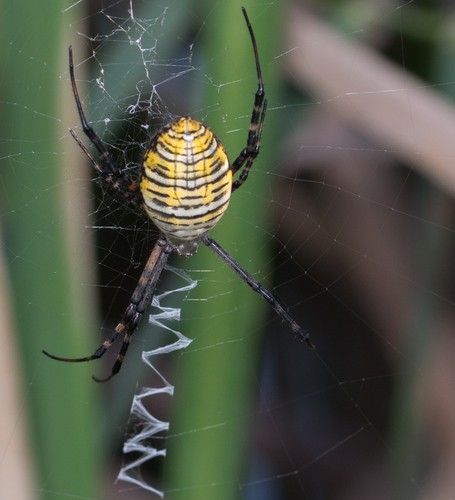
5. Banded argiope
The banded argiope (Argiope trifasciata) can be distinguished by its zebra-striped pattern, with either red and white or black and yellow stripes. It builds orb-shaped webs, and then it waits upside-down in the center of the web for prey to become entangled. The females spend a lot of time guarding their eggs, and they can deliver a painful bite if threatened.
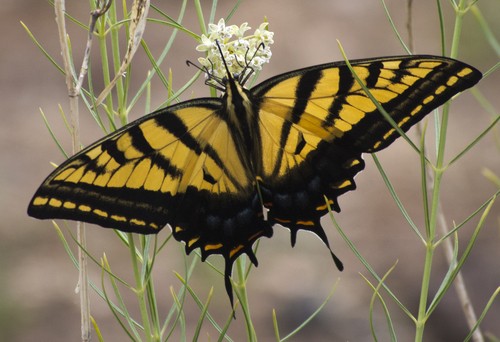
6. Two-tailed swallowtail
The two-tailed swallowtail (Papilio multicaudata) is easily identified with its yellow body and tiger-like stripes. It also has two tails, or spikes, coming off the back of its wings. Also, females are commonly larger and more brightly colored than males. They also have eyespots near the rear of their wings, which fool predators and give them a chance to escape.
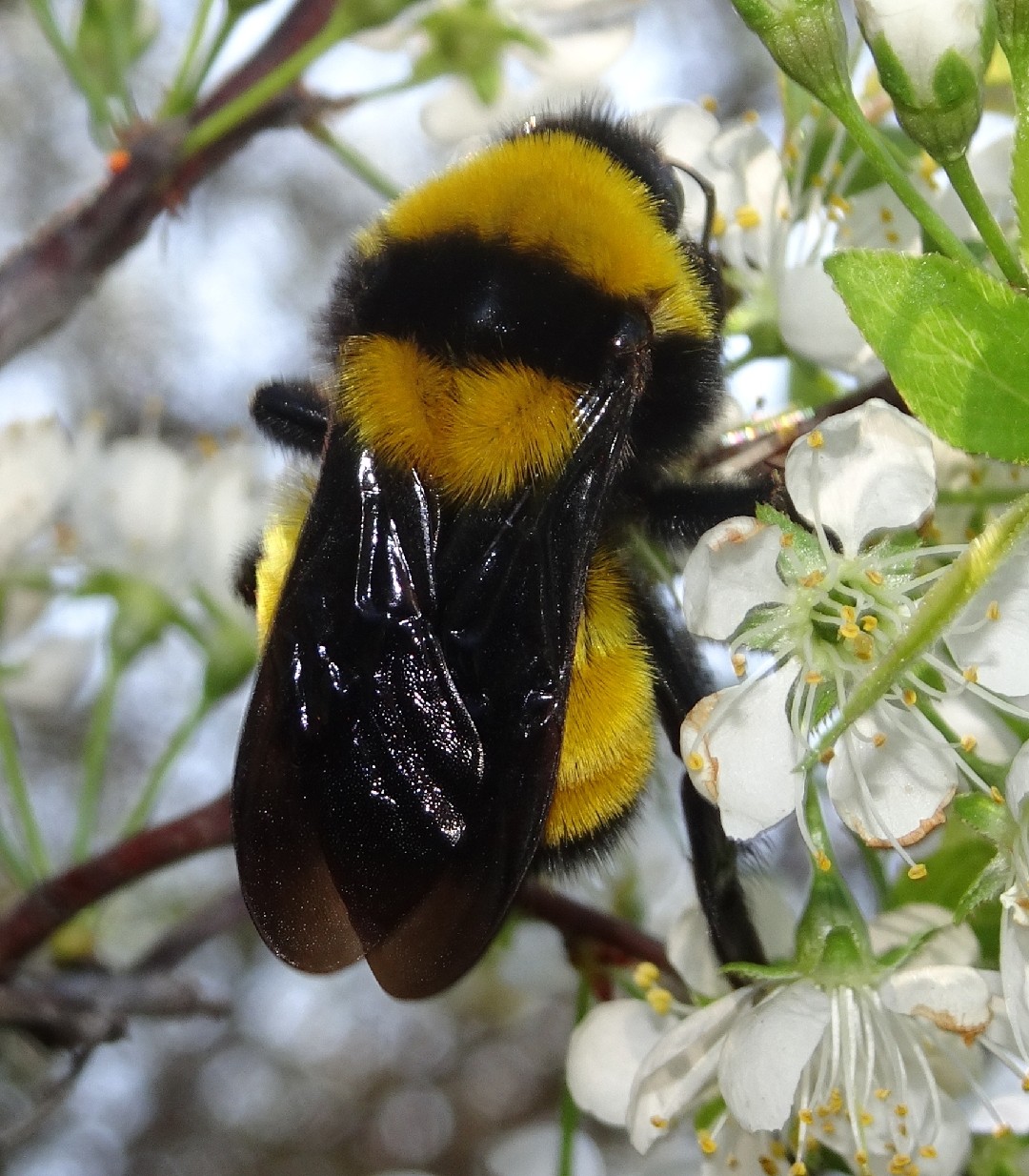
7. Sonoran bumble bee
Bombus sonorus is a non-woven insect from the family of bees and bumblebees (Apidae). The scientific name of the species was first validly published in 1837 by Say.
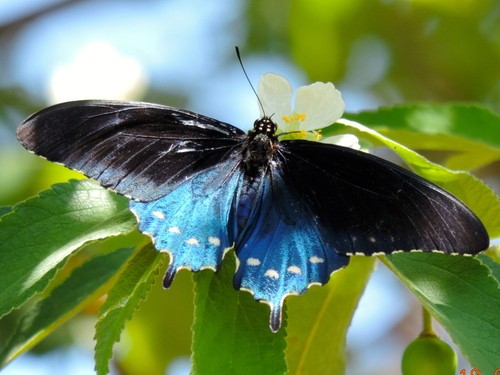
8. Pipevine Swallowtail
The pipevine Swallowtail (Battus philenor) is an insect that is protected globally but is considered a species of special concern in the northern part of their range in Michigan. The name pipevine Swallowtail comes from the common plants that they are hosts of. They are also known as the blue swallowtail due to their brilliant, blue color.
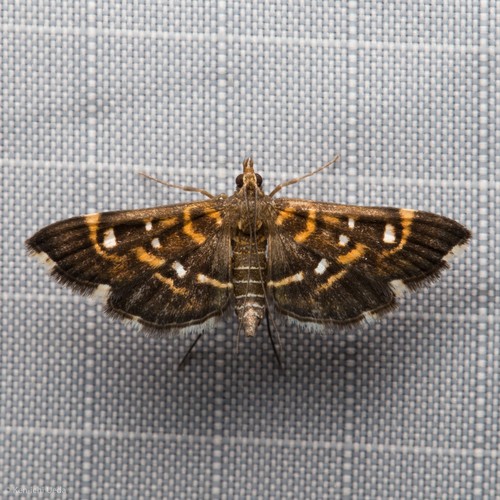
9. Harlequin webworm moth
The wingspan is 1.3 cm.

10. Three-tailed tiger swallowtail
Papilio pilumnus, the three-tailed tiger swallowtail, is a species of swallowtail butterfly from the genus Papilio that is found in Texas, Mexico and Guatemala. Papilio xuthus and Papilio appalachiensis are also of the same genus. The uppersides of both the forewings and hindwings are yellow with a black basal bands. The wings are bordered by a black band with a submarginal yellow stripe. The hindwing has three tails and two blue spots above the shortest tail. Adults are on wing from March to October in Mexico. Adults feed on flower nectar. The larvae feed on the leaves of Litsea species.
More