




Top 14 Most Common Insects in Mongolia
Insects, with their diverse shapes, sizes, and unique adaptations, are the silent masters of survival in every terrestrial environment, including the vast landscapes of Mongolia. The diverse geography within Mongolia, from grassy plains to rugged mountains, heavily influences the variety of resident insects. Interestingly, the most common insects, our top 14, are shaped by Mongolia's unique geography, climate, ecosystem, and human activity. Some insects are pesky intruders, while others perform crucial roles in nature. This intimate bond between a nation and its insects is not only fascinating but vital for our survival.

Most Common Insects
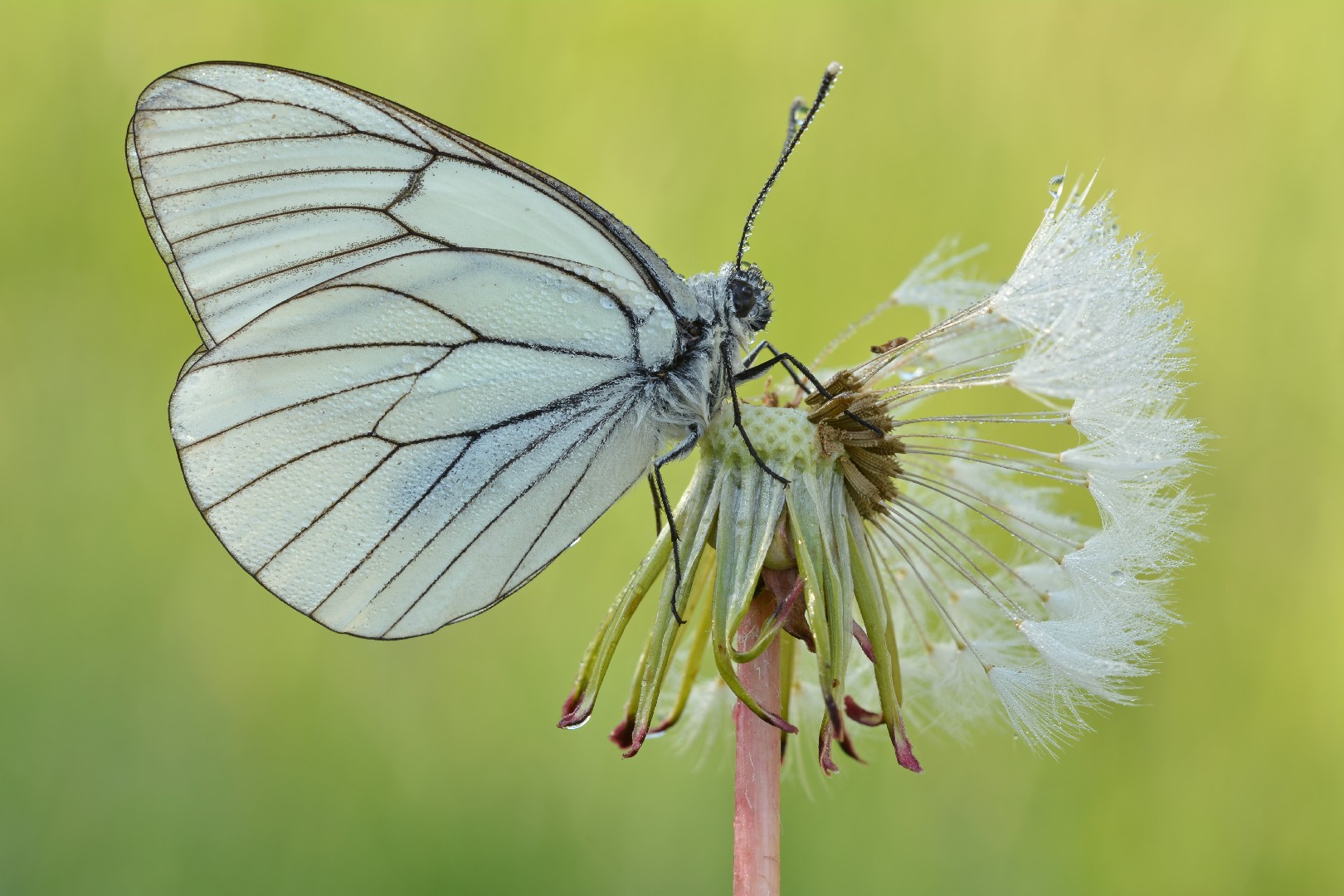
1. Black-veined white
The black-veined white has a wingspan of 5 - 7 cm. Females are commonly larger than males. The upperside of both forewings and hindwings is a translucent white boldly veined with black. The underside is similar in the male but the female has brown veining. Moreover, the female loses most of her scales by rubbing her wings together, resulting almost-transparent. This butterfly can be distinguished from other members of white butterflies of the genus Pieris by its distinctive veined wings. The eggs are yellow at first, darkening with age. The caterpillars are greenish grey with transverse banding. The pupa is creamy white, marked with black, attached by a silken girdle to a twig. 
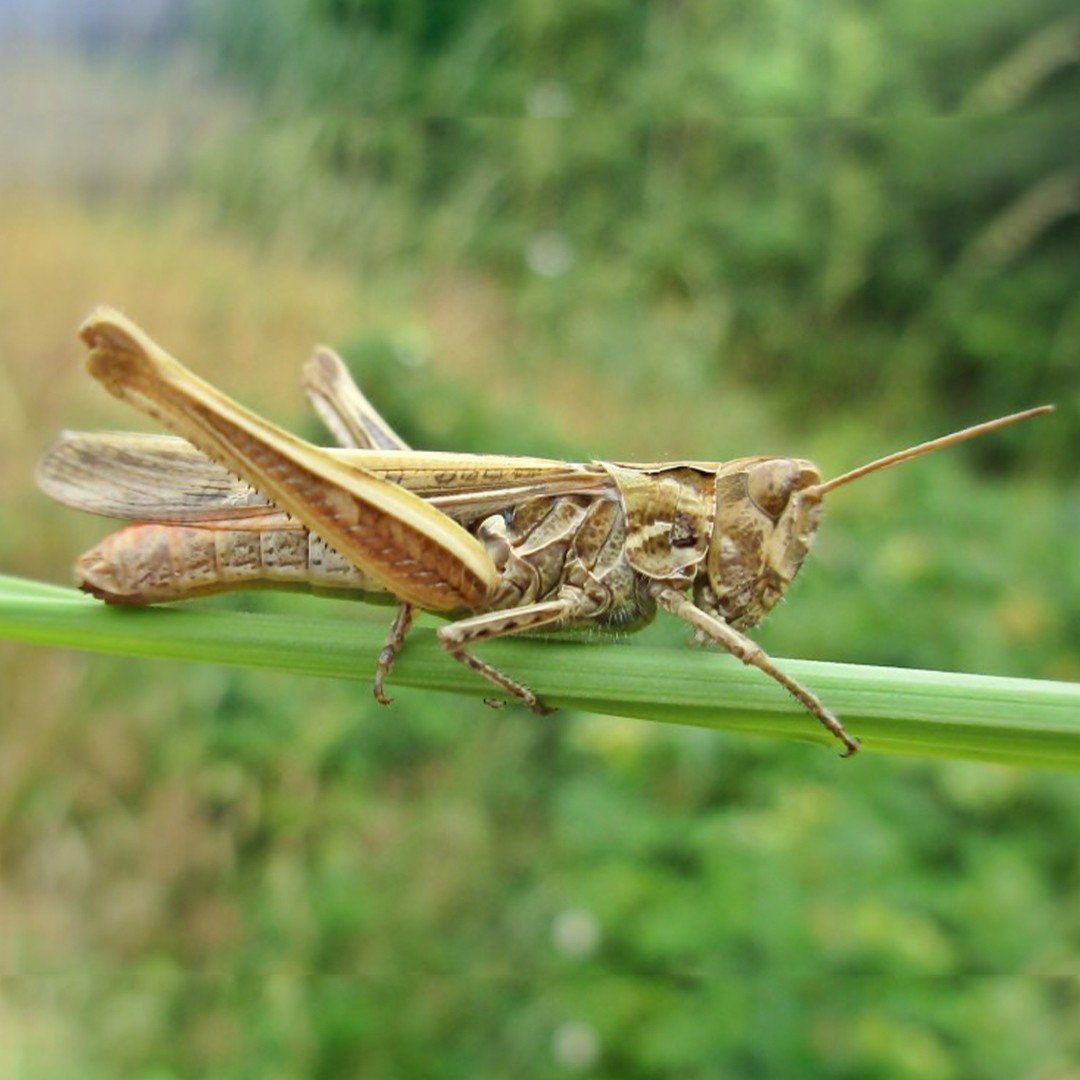
2. Bow-Winged Grasshopper
Chorthippus biguttulus, the bow-winged grasshopper, is one of the most common species of grasshopper found in the dry grassland of northern and central Europe. It is part of a group of species (biguttulus-group) that are very difficult to identify morphologically. Chorthippus biguttulus was previously classified (with C. brunneus and C. mollis) as a single species Stauroderus variabilis. The three species were distinguished using song characteristics.
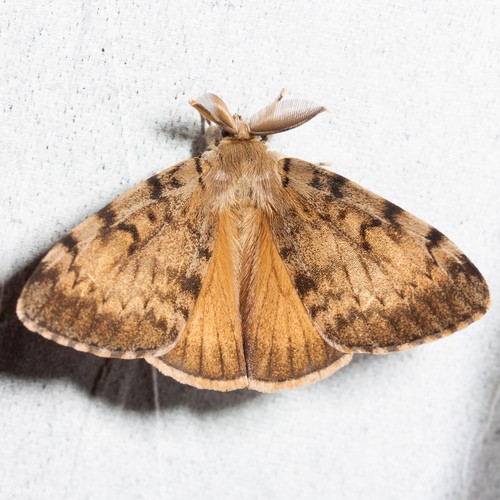
3. Gypsy moth
The gypsy moth (Lymantria dispar) spends nearly its entire life on the same host tree, stripping leaves off of it. However, they will occasionally fly as a colony from one host tree to another. They are commonly recognized by their fuzzy larvae, which have dark bodies with red and blue spots. The adults are usually a pale brown color though.
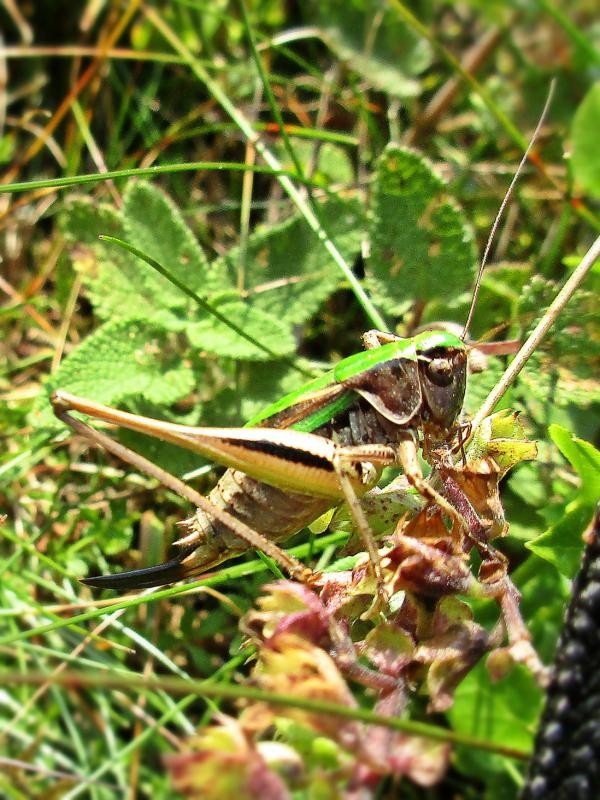
4. Bog bush-cricket
Metrioptera brachyptera is a species in the family Tettigoniidae commonly called the bog bush cricket. M. brachyptera has a body length of 12–16 mm, with color ranging from brownish, with green elements on the upper side of the head and forearm, as well as on the sides of the body. In the female, the hind legs are often partly weakly greenish. As the name suggests, The wings are usually brachypterous, although long-winged morphs may be found. Its range extends to most of Europe, except the Iberian peninsula. It is typically found in bogs, marshes, and other wetlands. The males can be fairly aggressive and attract mates with a song consisting of a simple repeated "zirr".
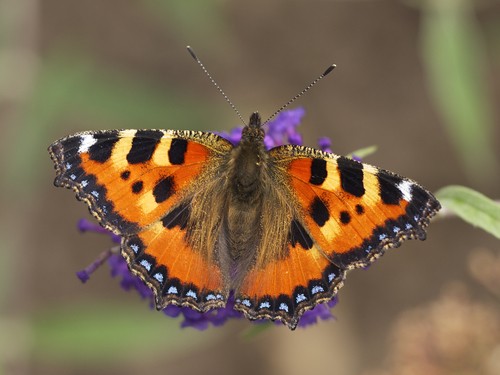
5. Small tortoiseshell
Small and colorful, small tortoiseshell (Aglais urticae) is the national butterfly of Denmark. However, it is capable of surviving anywhere the common nettle leaf may be found, which the larvae of this species depend on. Once among the most common butterflies in Europe and temperate Asia, this species is experiencing rapid declines for reasons still being investigated.
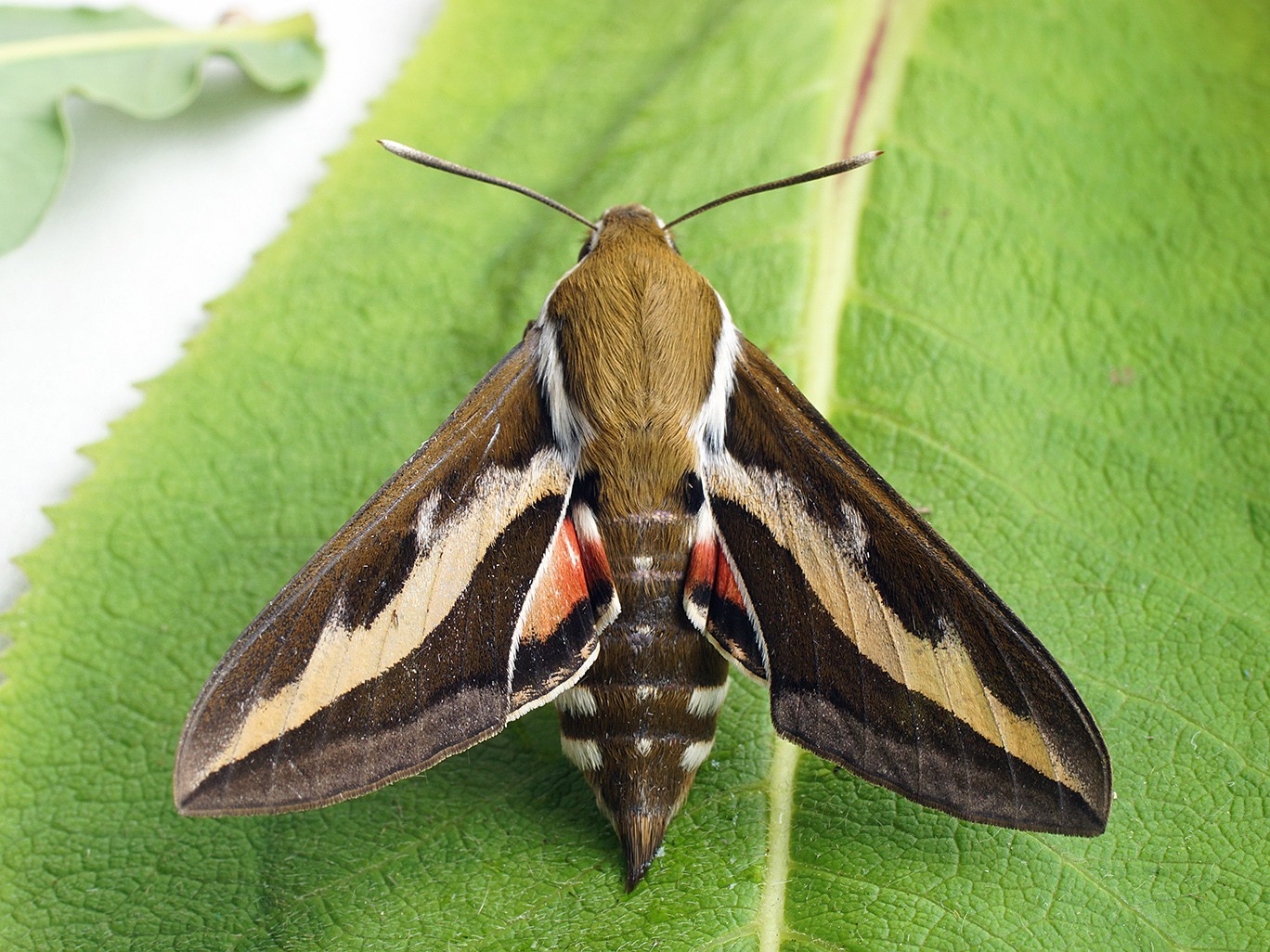
6. Bedstraw hawk-moth
The bedstraw hawk-moth (Hyles gallii) flies throughout the night in search of meadows and mates. Their main caterpillar host, bedstraw, is where it gets its name. Otherwise, they are a beautiful combination of tan, red, and darker streaks of color. They enjoy living in warm locations, such as nearby plantations.
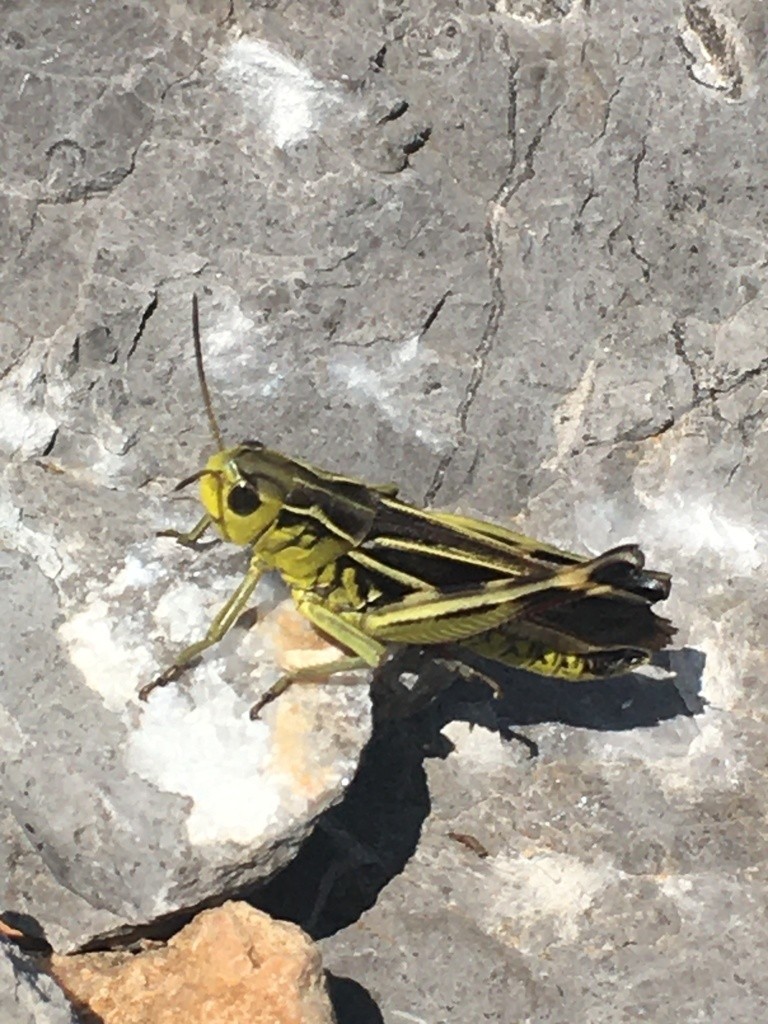
7. Large Banded Grasshopper
Arcyptera fusca can reach a body length of 22–35 millimetres (0.87–1.38 in) in males, while females reach a length of 29–44 millimetres (1.1–1.7 in). These medium-sized grasshopper are characterized by a significant sexual dimorphism. Males have developed functional wings (oft 20–27.3 millimetres (0.79–1.07 in) covering the abdomen, while females have rudimentary wings (of 12.3–20.1 millimetres (0.48–0.79 in)), shorter than abdomen and unfit for flight (brachyptery). The basic body color is ocher or yellow-green, with dark markings. The hind tibiae have a characteristic bright red color that extended to the inner face of femora. The knees are black, surrounded by a white band.

8. Common blue damselfly
The common blue damselfly is named for the delicate blue color of the males, while the female is a pale tan. These insects are a crucial part of the ecology of freshwater habitats since they are mid-level predators that eat small larvae and invertebrates. In turn, they're preyed on by fish and larger larvae. This insect is highly susceptible to pesticide contamination of these freshwater habitats.
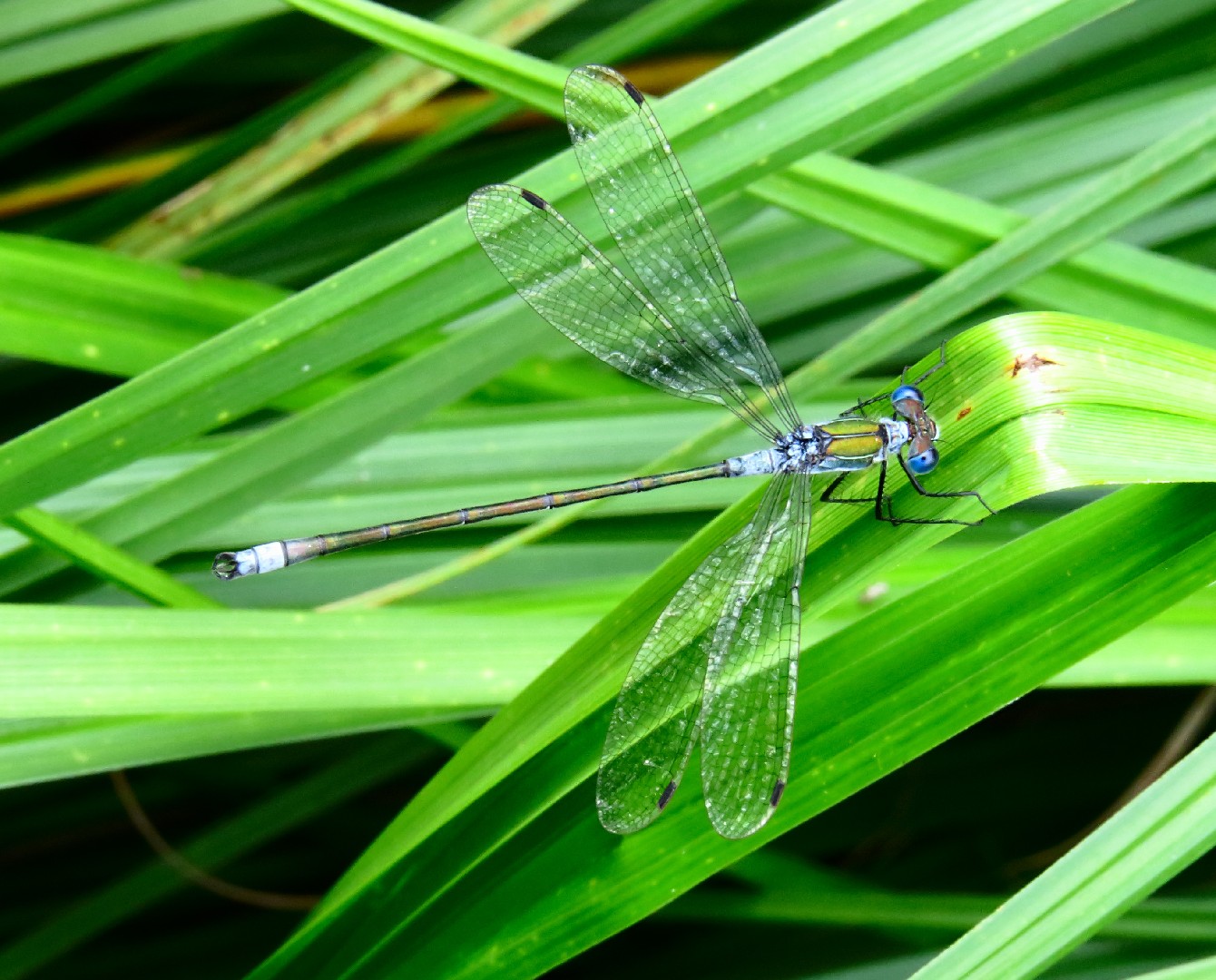
9. Emerald spreadwing
The Shining Bulgarian reaches a wing span of about five centimeters. It has a metallic-green-colored thorax and a shiny black-green abdomen, which is thickened at the end and blue frosted in sexually mature male. In old age, the dark parts of the body become coppery and duller. The wing times are monochrome blackish. The species can easily be confused with the much more common Common Reindeer (Lestes sponsa). Surely, both can only be distinguished by examining the inner abdomen appendages in males or the laying tail in females with a magnifying glass. Also, in the male the second abdominal ring (2nd segment behind the wing lug) is not completely frosted blue. In a direct comparison, Lestes Dryas looks a bit stronger and shinier.
10. Painted lady
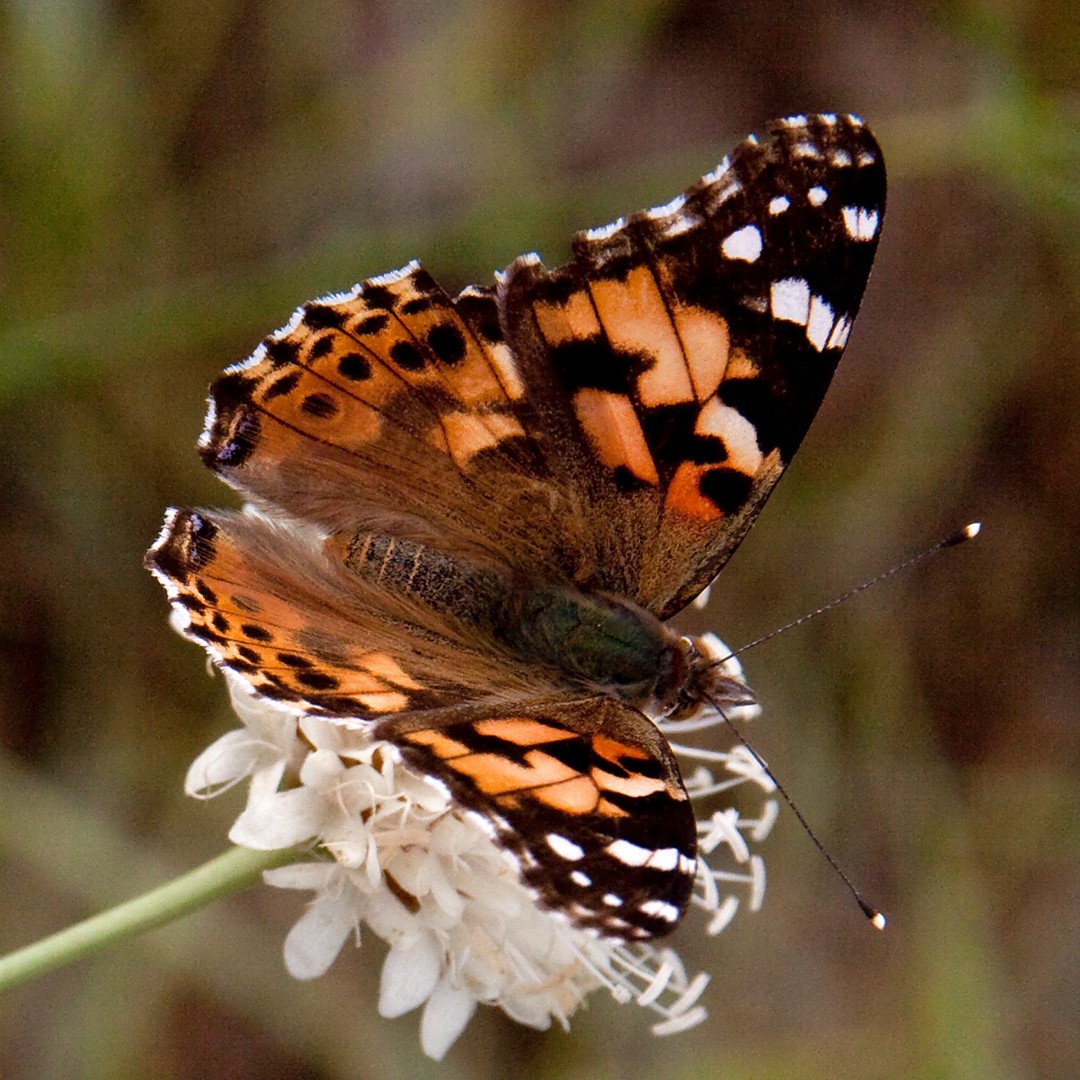
The painted lady is a migratory butterfly that spends part of the year in Northern Africa and then migrates to Europe during the warmer months. Although the adults feed on nectar from flowers, the larvae feed on the leaves of nettles and thistles.
More







