




Top 12 Most Common Insects in Okahandja
Insects, marked by their antennas and segmented bodies, enliven the diverse landscape of Okahandja. Various geographic features here, from valleys to savannahs, accommodate a wide array of insects, contributing to Okahandja's rich ecological diversity. These critters, often viewed as mere pests, are indeed instrumental in regulating the ecosystem. Our list of '12 most common insects in Okahandja' shines a spotlight on these unsung environmental heroes, emphasizing the symbiotic relationship between Okahandja's environments and its insect inhabitants.

Most Common Insects
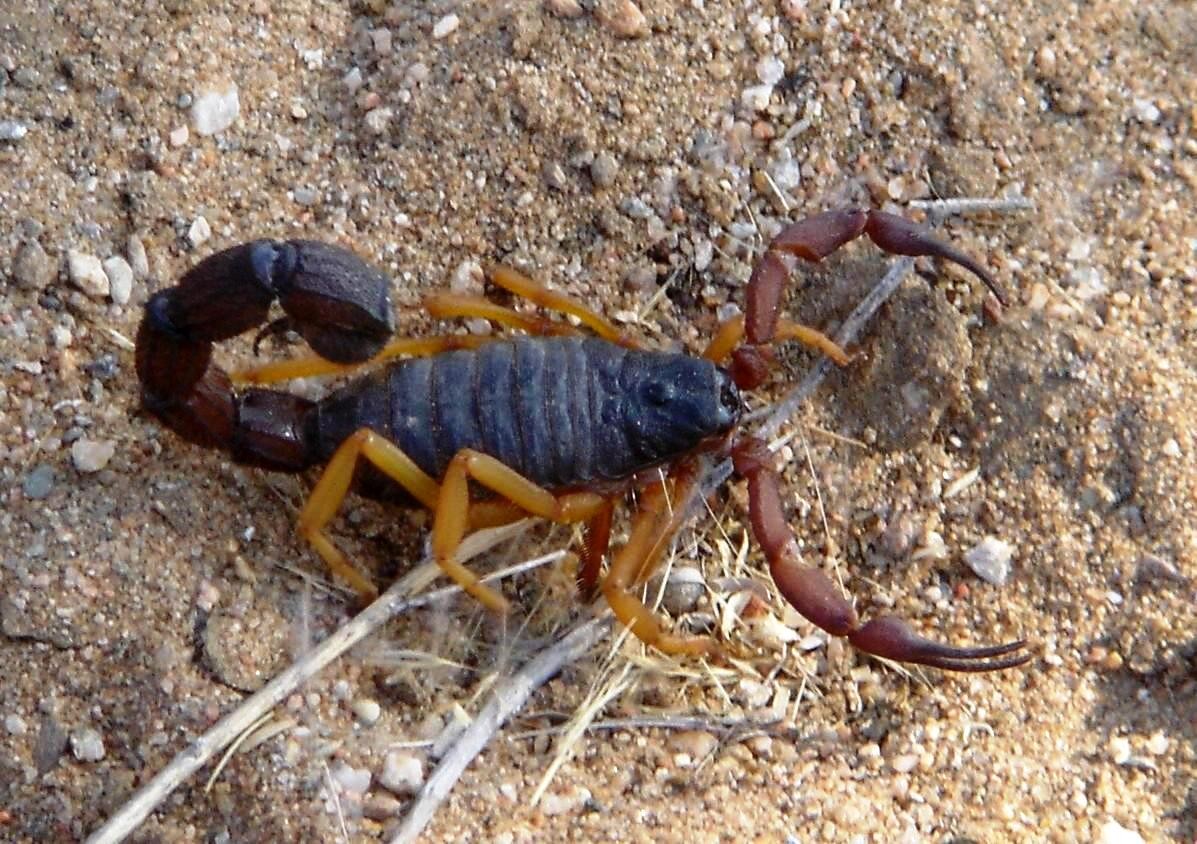
1. Black hairy thick-tailed scorpion
The black hairy thick-tailed scorpion, Parabuthus villosus, is a species of scorpion from southern Africa, where it ranges from the Northern Cape to Namibia. It is the largest species of the Buthidae, measuring up to 18 cm, and its diet may include lizards and mice. The species is often active at dawn and dusk, but takes refuge by day in a variety of shelters. It resembles Parabuthus transvaalicus, which is more strictly nocturnal, less hairy and with a more easterly distribution. 

2. Citrus swallowtail
Papilio demodocus , also known under the English name Citrus Swallowtail ("Citrus Swallowtail"), is a butterfly from the family of the knight butterflies (Papilionidae).
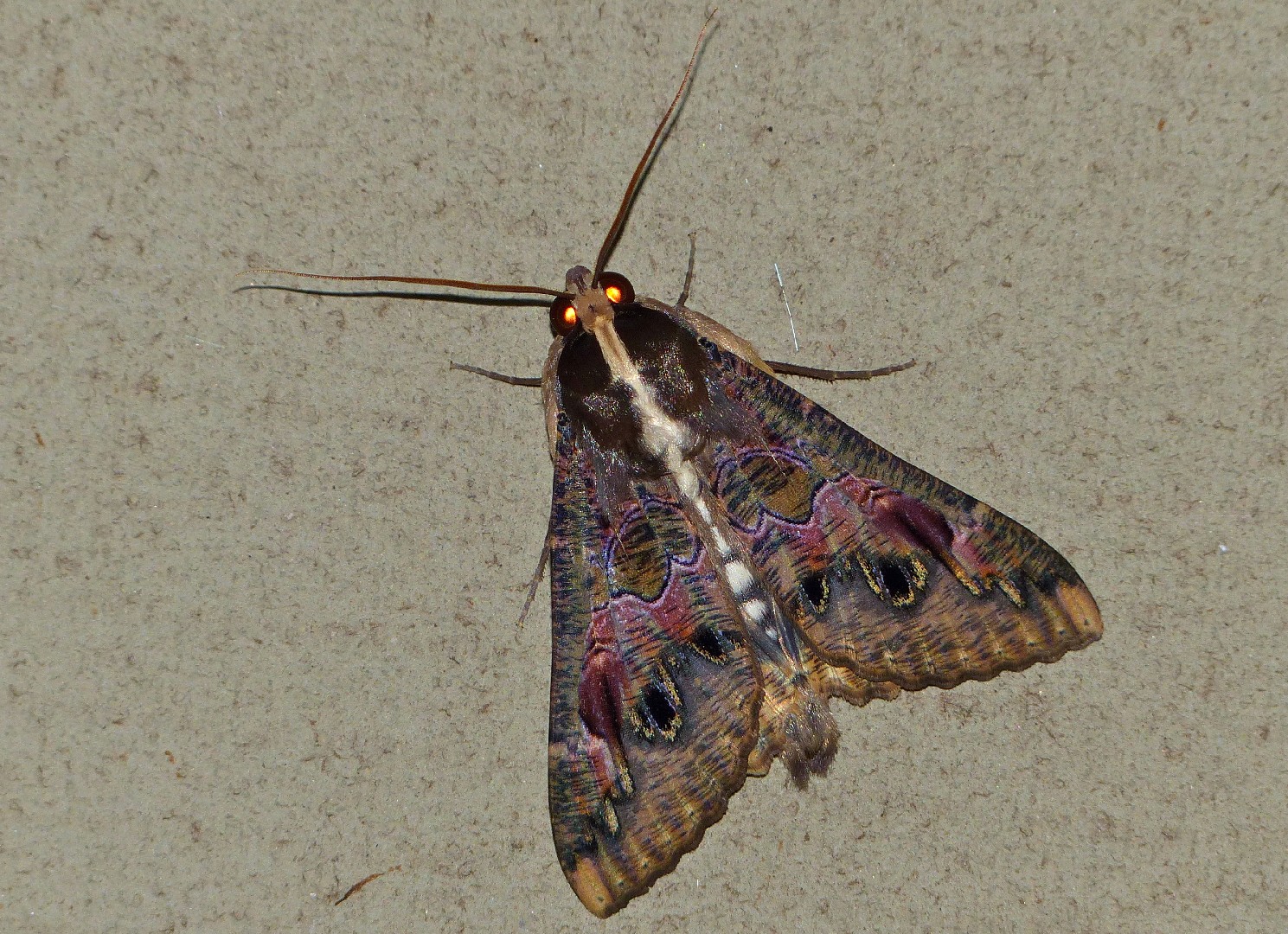
3. Sundowner moth
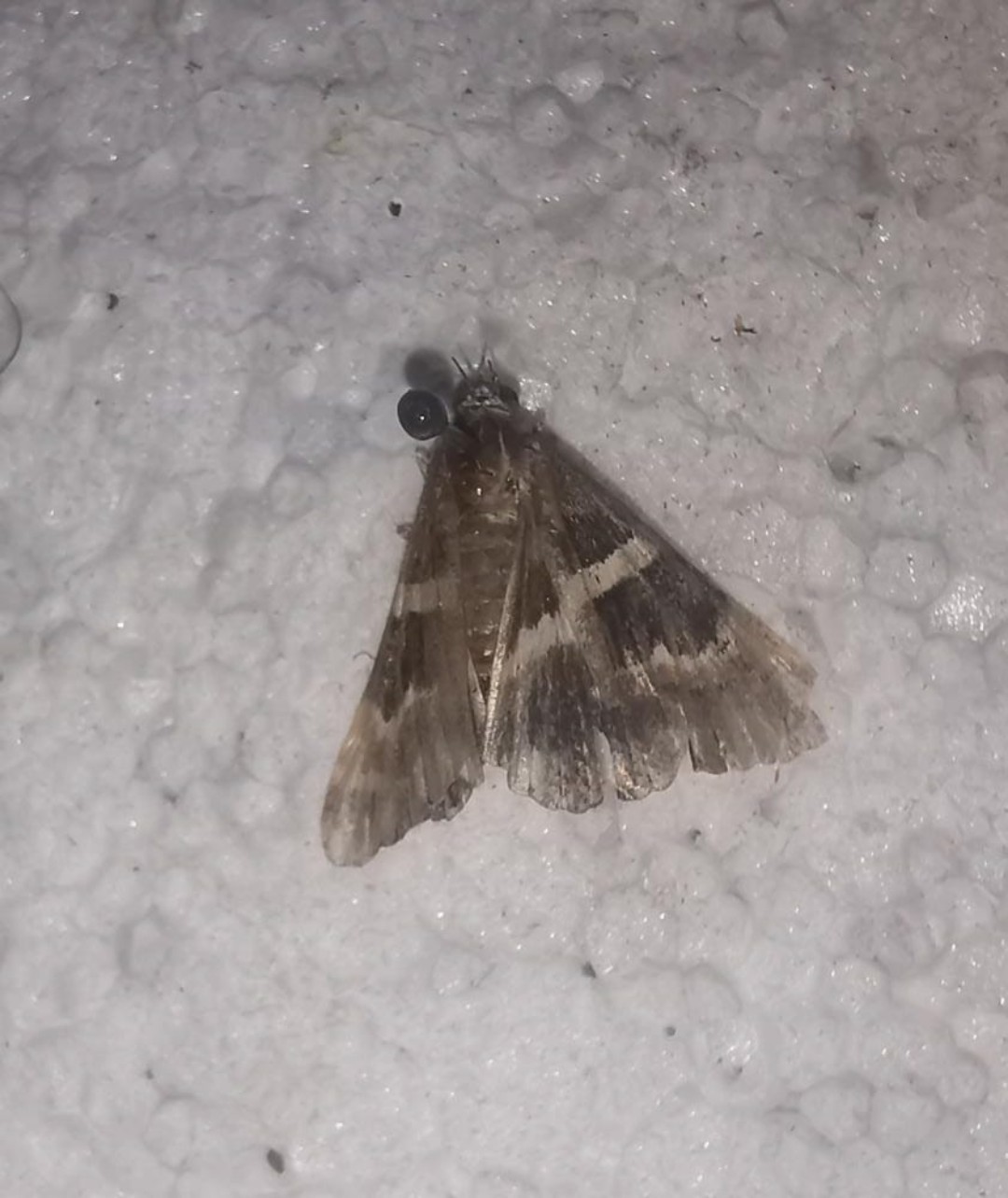
Its wingspan is about 60–84 mm. Head ochreous white, the basal joint of palpi dark brown. Thorax dark brown above with a broad ochreous-white stripe on vertex. Abdomen dark brown above, with a series of dorsal ochreous-white spots. Forewings reddish-brown with dark stria. There is a pale patch at base of inner margin and an indistinct antemedial angulate line. An irregularly waved medial line with pale outer edge and somewtimes tinged with purple and rufous. Some vinous patches beyond it. Reniform is a narrow lunule with a vinous dash beyond it. There is a crenulate postmedial line found with medial black lunules on it and one towards inner margin, and joined by a crenulate line from near apex. A marginal black specks series also present. Hindwings are fuscous brown where the base and a diffused medial irregular band are pale. An ochreous patch with black strai on it at center of outer margin. Cilia pale. Ventral side pale with fuscous submarginal band towards inner margin of each wing.
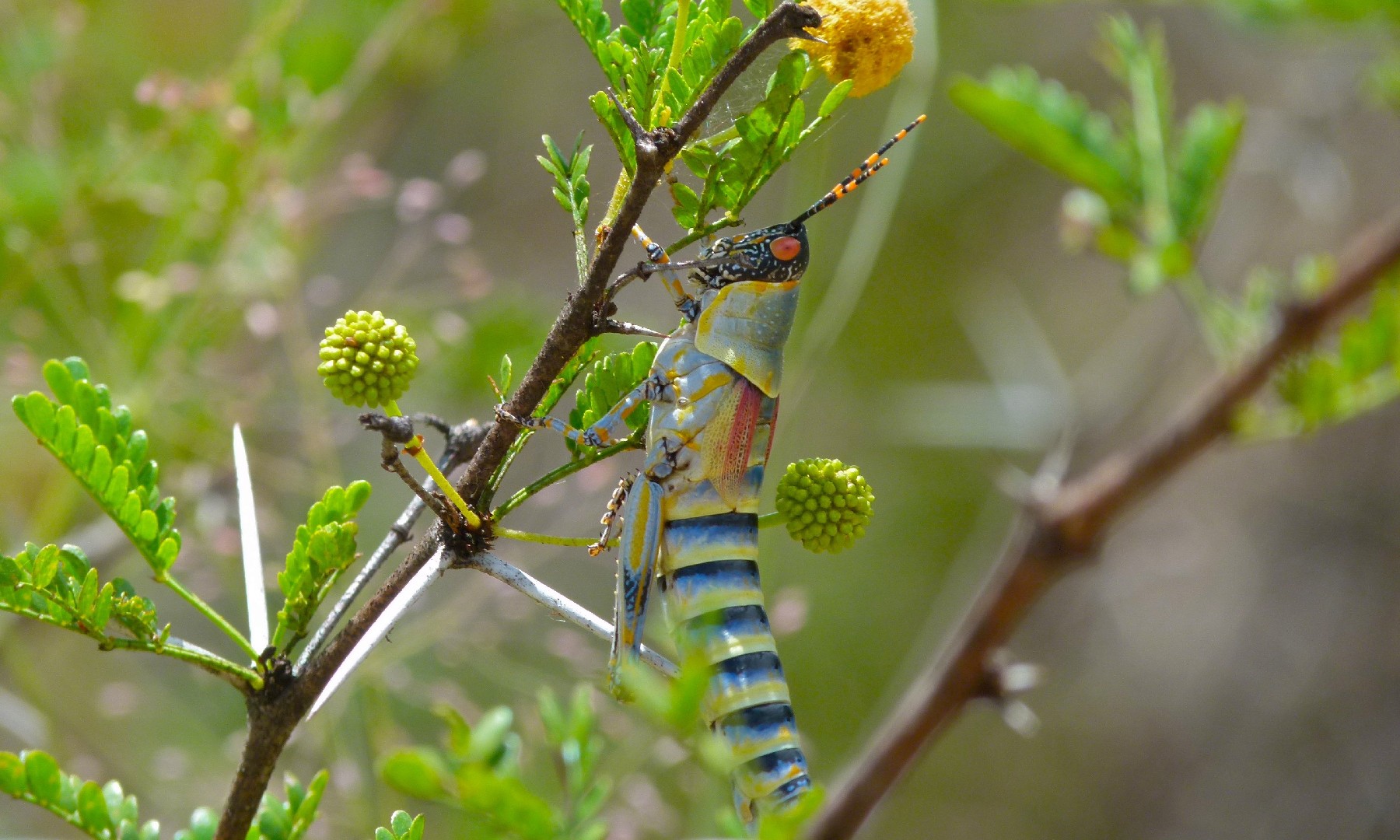
4. Elegant grasshopper
Zonocerus elegans is a right-wing insect from the Pyrgomorphidae family. The scientific name of this species was first validly published in 1815 by Thunberg.
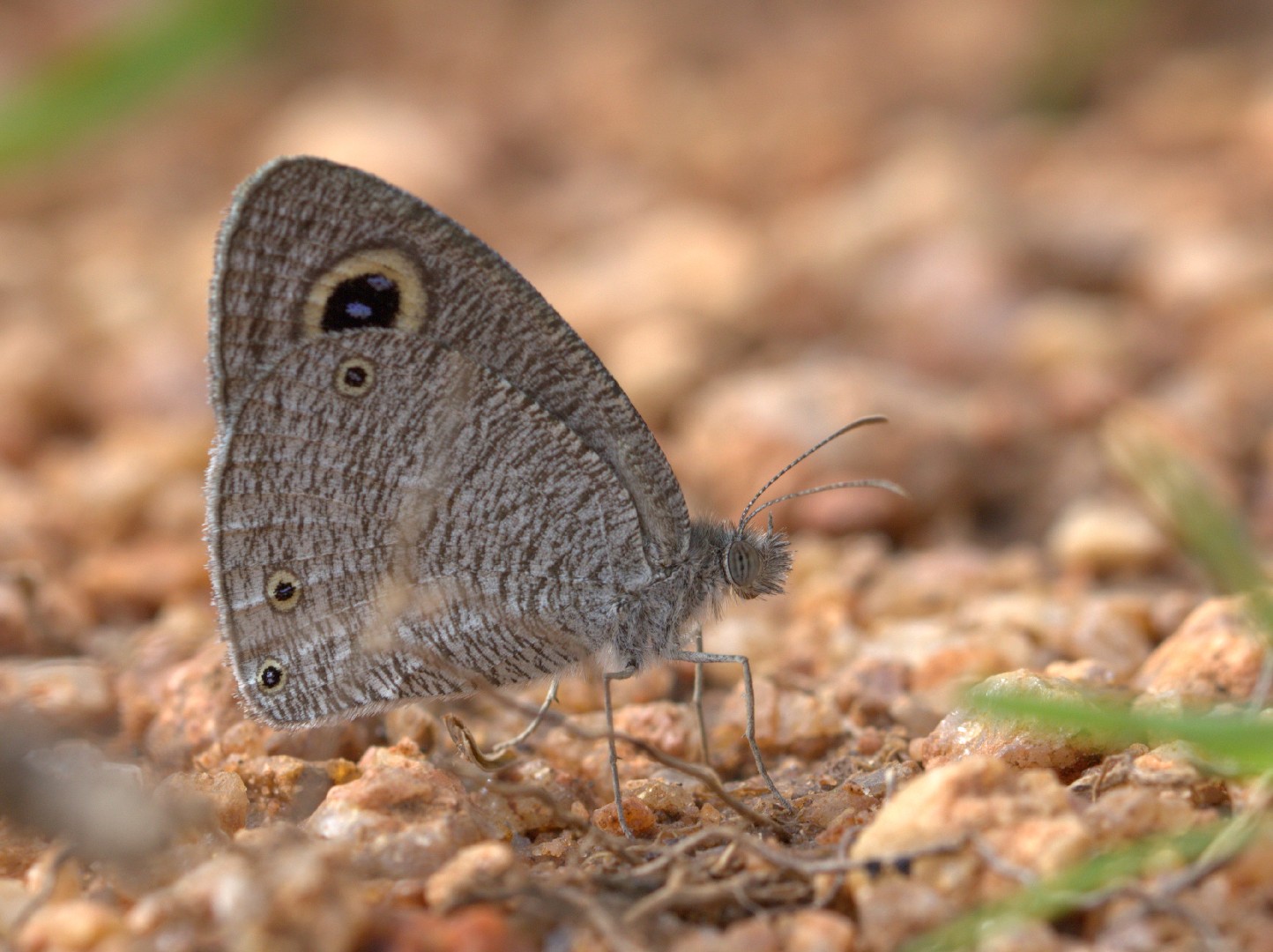
5. Common three-ring
The wingspan is 3 - 3.5 cm in males and 3 - 4 cm in females.
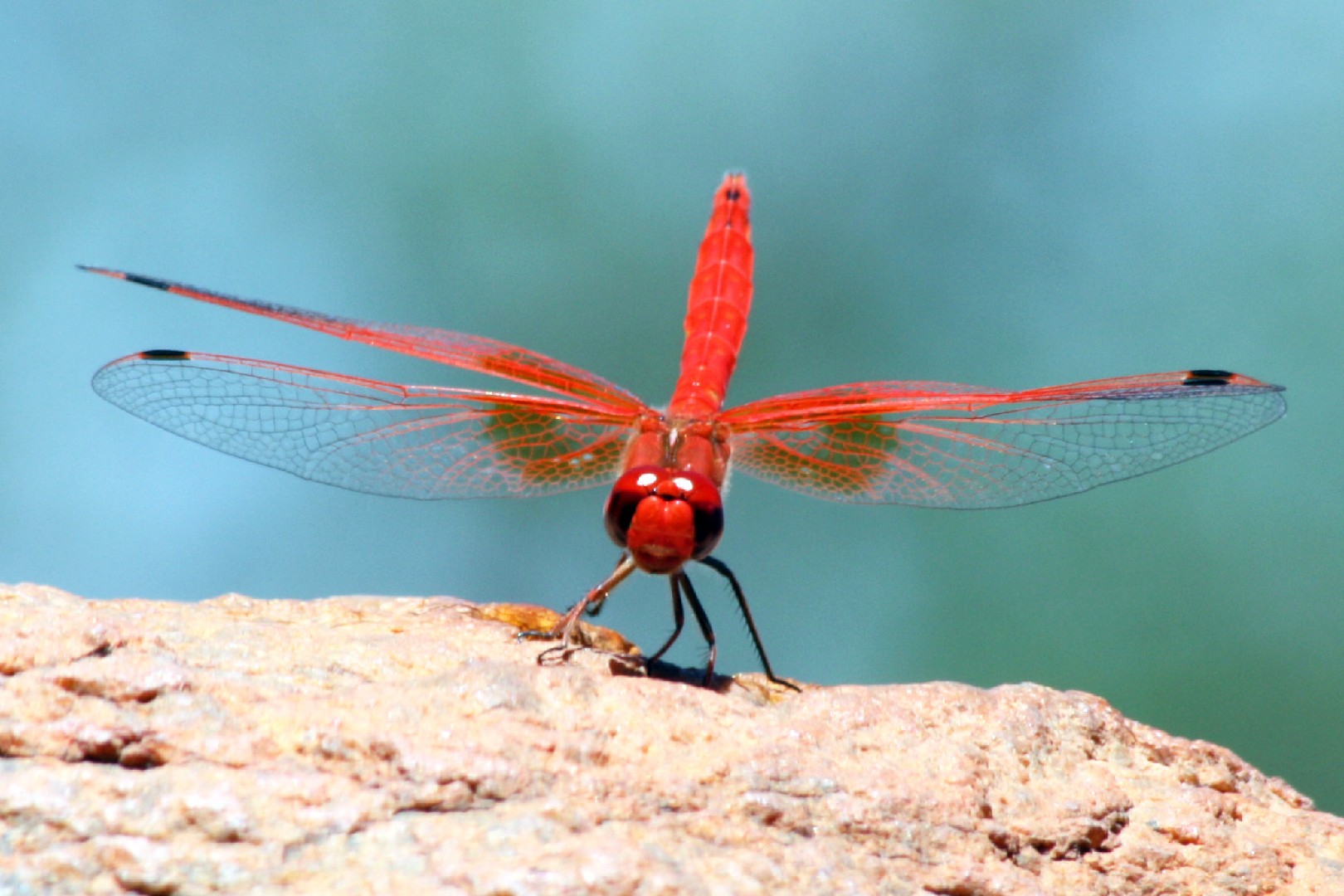
6. Kirby's dropwing
The spotted sun pointer (Trithemis kirbyi) is a dragonfly species from the family of the dragonflies (Libellulidae). Two subspecies are described. The nominate subspecies occurs in India and Sri Lanka, while the insufficiently defined taxon Trithemis kirbyi ardens occurs in the rest of the distribution area, which mainly includes Africa.
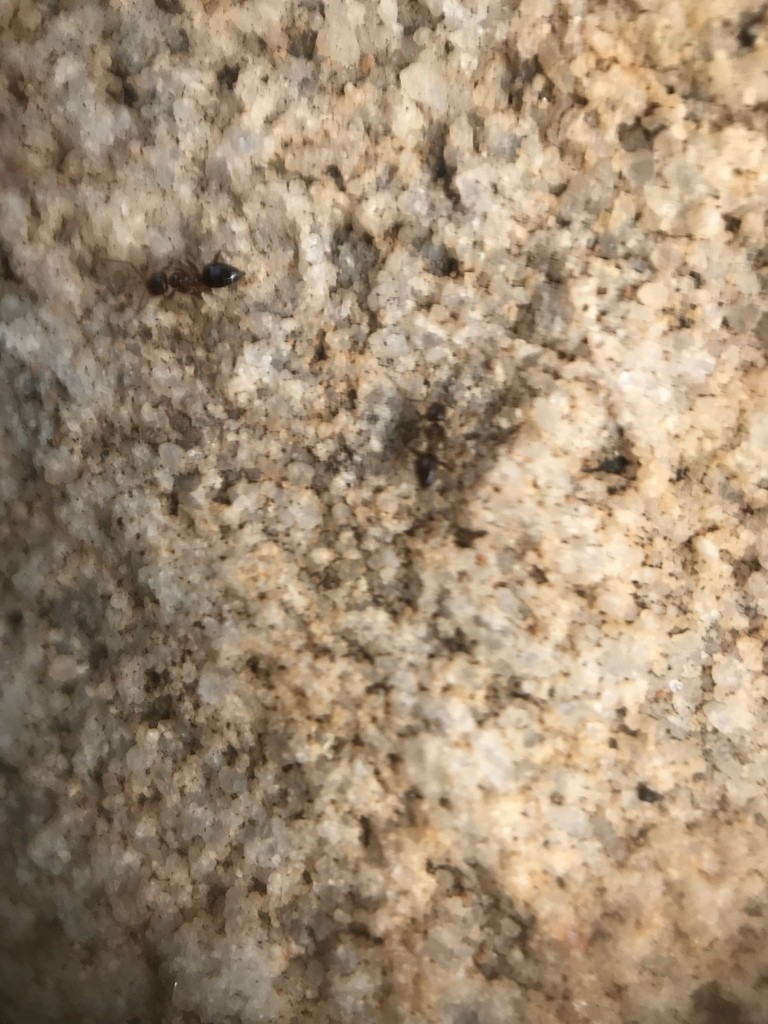
7. Small pugnacious ant
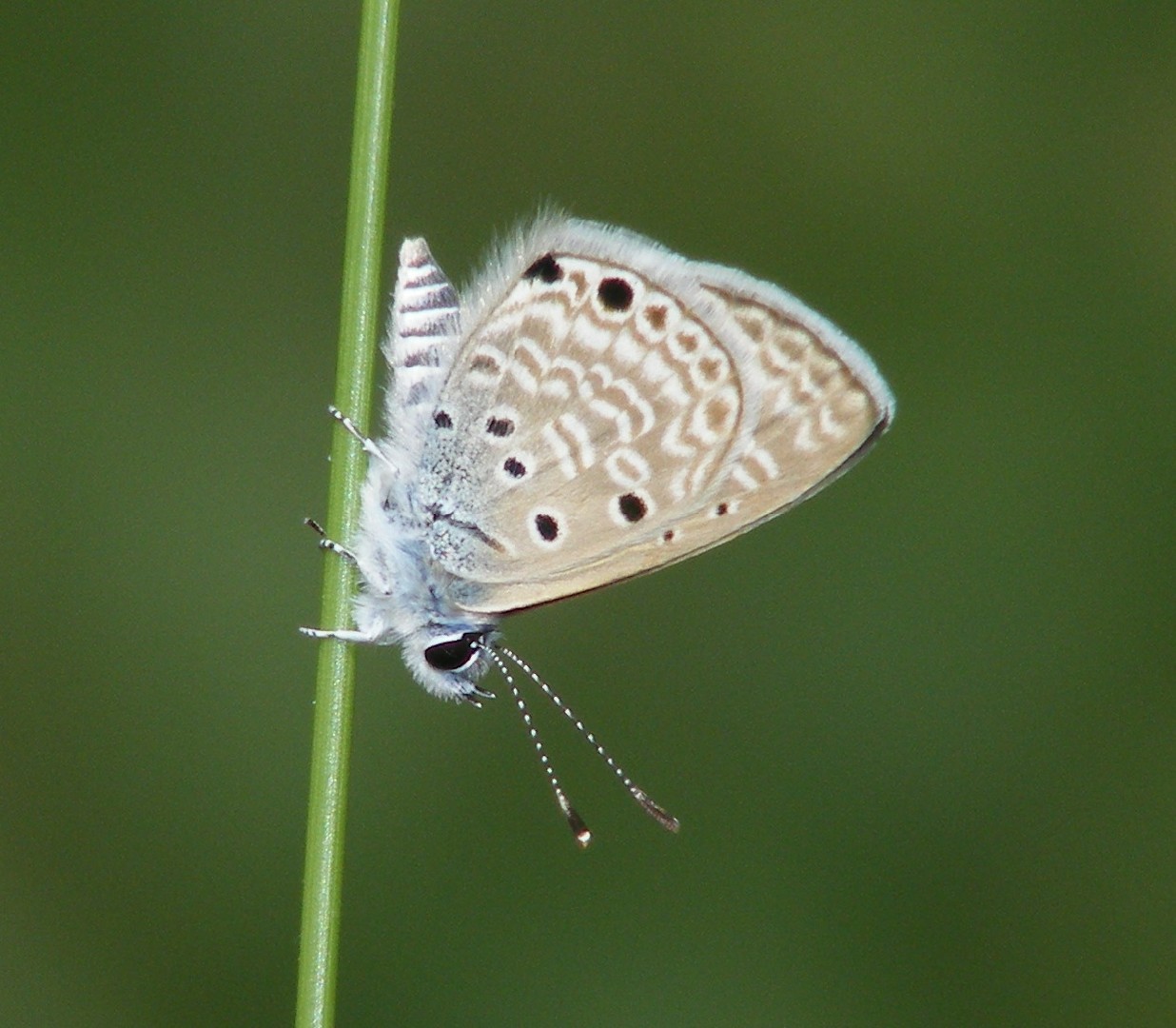
8. Desert babul blue
Male upperside brownish purple, dark blue at base of wings. Forewing: costa very narrow along its apical half, termen evenly and a little more broadly from apex to tornus, edged with brown; the area on the disc, in the cell and beyond it is covered with hair-like specialized scales and is distinctly darker. Hindwing: similar, the brown edging to the costa much broader; posteriorly in the tornal area there is a dark spot in interspace 1 and another more clearly defined similar spot in interspace 2, both spots merged more or less into the terminal brown edging. Cilia of both forewings and hindwings white, with their basal halves evenly dark brown. Underside: greyish brown. Forewing: two short white lines, one each side of the discocellulars; a minute black subcostal dot above apex of cell, another similar dot a little beyond it; two parallel, obliquely placed, transverse, upper discal white lines, followed by an inner and an outer obliquely placed, irregular, broken, subterminal line also white, the inner one somewhat lunular, and an anteciliary dark line; the posterior third from base of the wing uniform, somewhat paler than the rest. Hindwing: the following black white-encircled spots conspicuous: 4 subbasal spots in transverse order, a subcostal spot in middle of interspace 7, two minute geminate (paired) spots at the tornal angle, and a larger one in interspace 2; two transverse short white lines on either side of the discocellulars as on the forewing; a transverse, curved, catenolated, discal band of white markings, followed by a postdiscal and subterminal series of white lunules and an anteciliary dark line edged inwardly with white. Antennae dark brown, the shafts ringed with white; apex of club also white; head, thorax and abdomen dark brown, the thorax in fresh specimens with a little purplish-blue pubescence; beneath: palpi, thorax, and abdomen white. Female upperside: rich silky brown. Forewings and hindwings: suffused with purplish blue at base, and with anteciliary black lines. Hindwing: with two black spots at tornal area as in the male. Underside: as in the male but the markings more regular, more evenly and neatly defined, and the white transverse lines on the forewing carried to the dorsal margin. Cilia, antennae, head, thorax and abdomen similar to those of the male, the thorax however, devoid of any bluish pubescence (fine hairs) on the upperside.
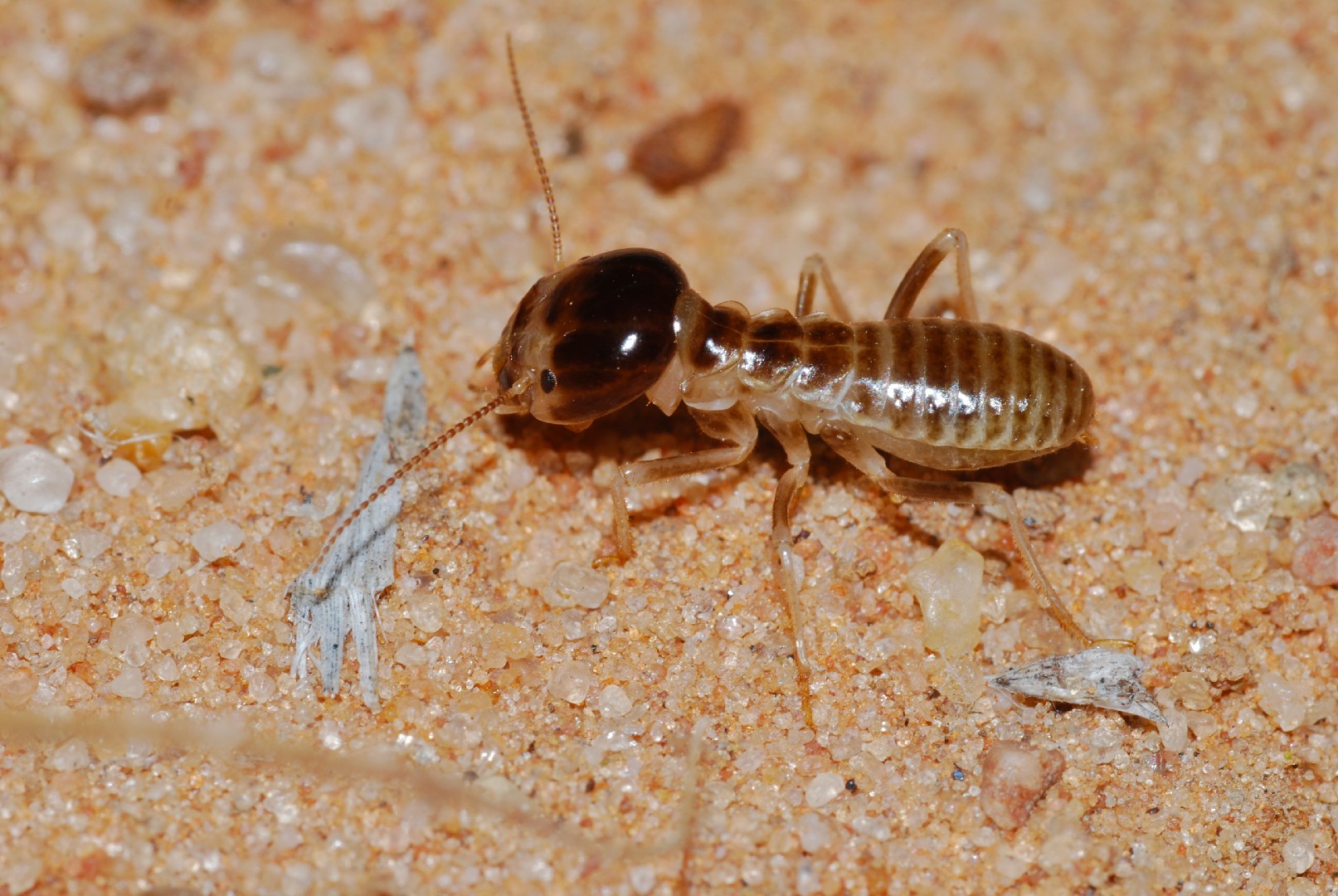
9. Northern harvester termite
10. Weta
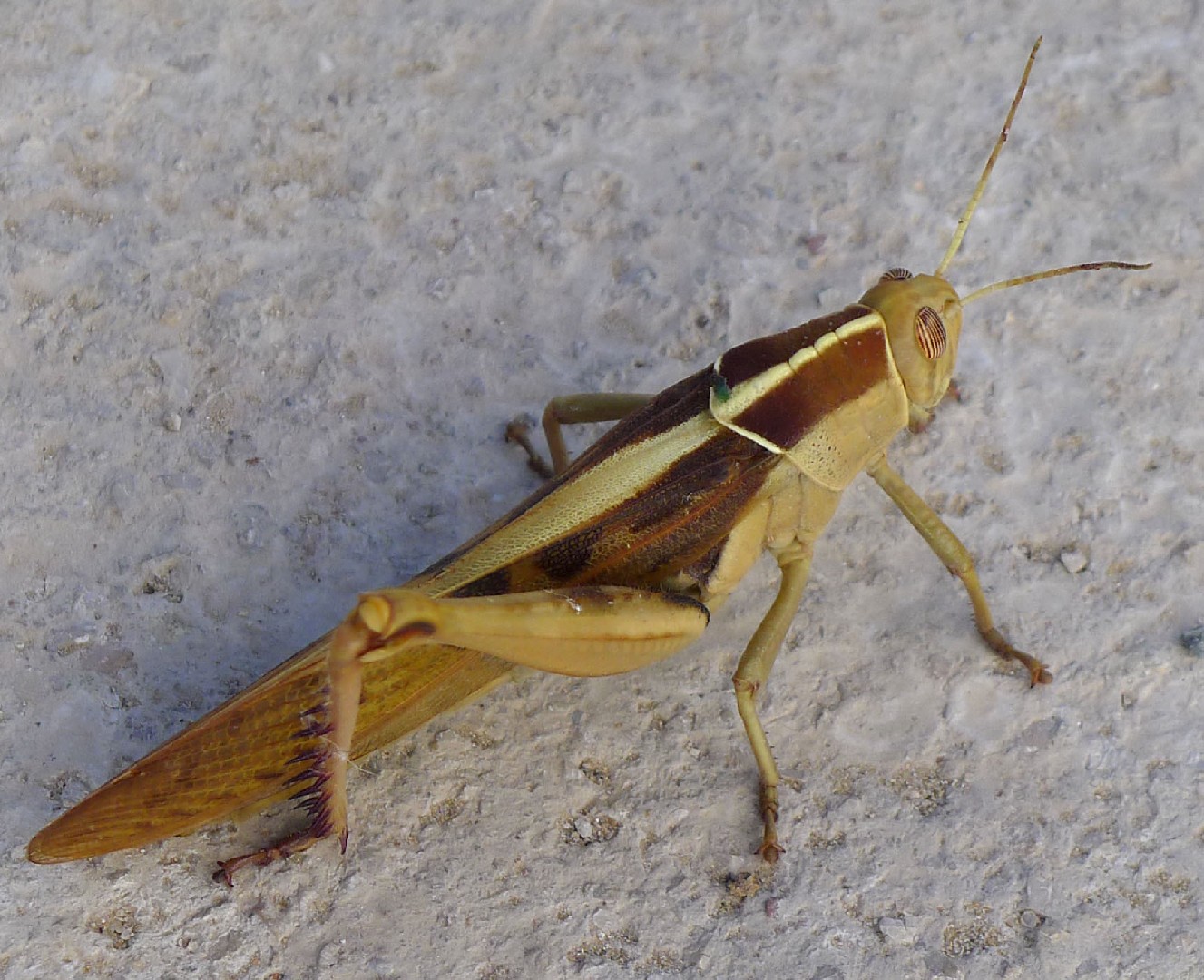
Acanthacris ruficornis is a right-winged insect from the field locust family (Acrididae). The scientific name of this species was first validly published in 1787 by Fabricius.
More







