




Top 20 Most Common Insects in Auckland
Insects, those minuscule creatures with segmented bodies and jointed legs, breathe life into the diverse ecosystems of Auckland. The region's varying terrains, from coastal lines to lush hills, significantly influence insect diversity, sheltering 20 common insects. Essential to Auckland's functioning ecosystem, insects, both beneficial and pesky, play pivotal roles - pollinating plants, decomposing waste, and serving as food for other organisms. Understanding the entwined relationship between these creatures and our environment is indeed fascinating!

Most Common Insects
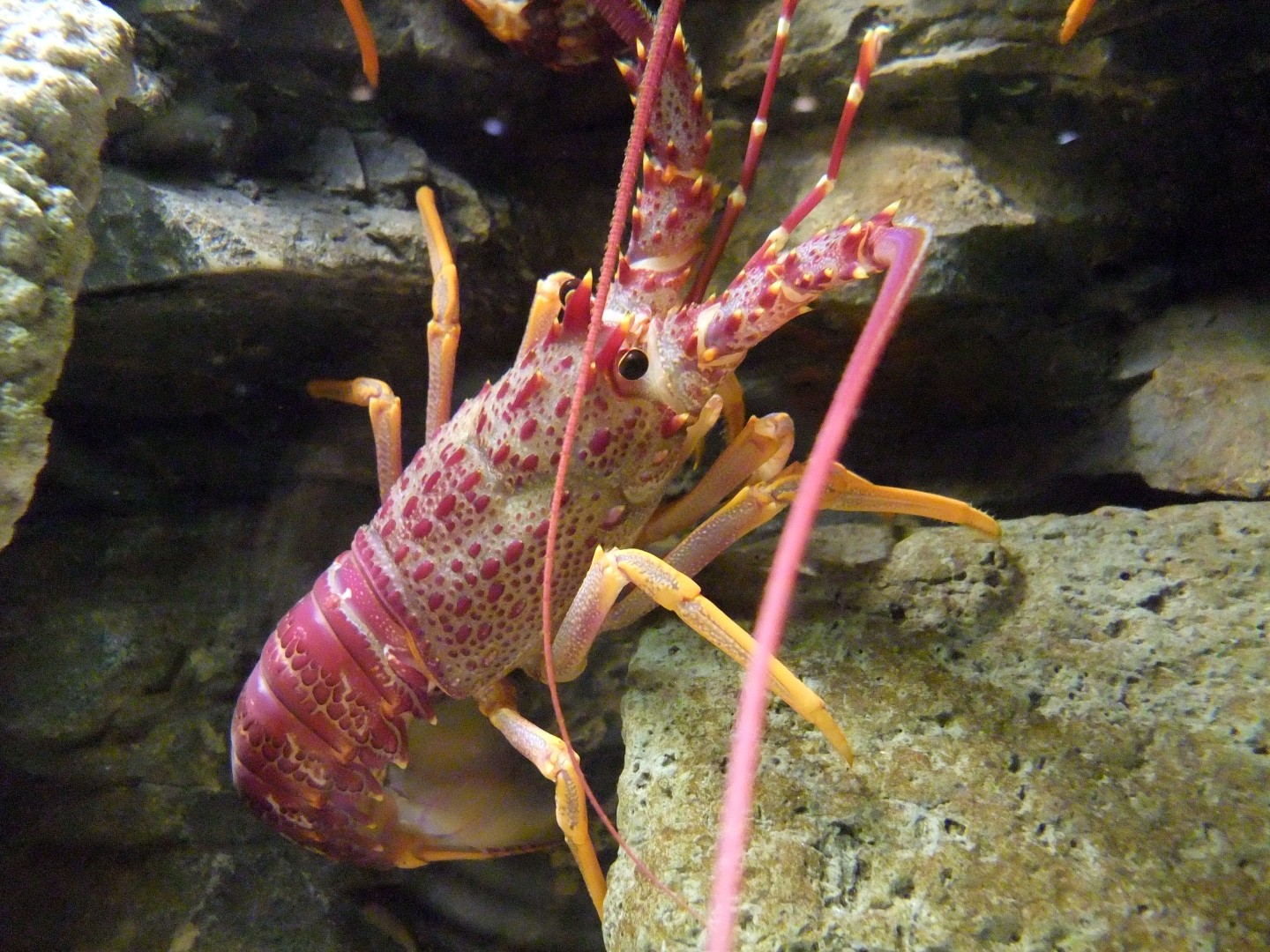
1. Southern rock lobster
Jasus edwardsii is a ten- Jasus edwardsii species from the Palinuridae family. The scientific name of the species was first validly published in 1875 by Hutton.
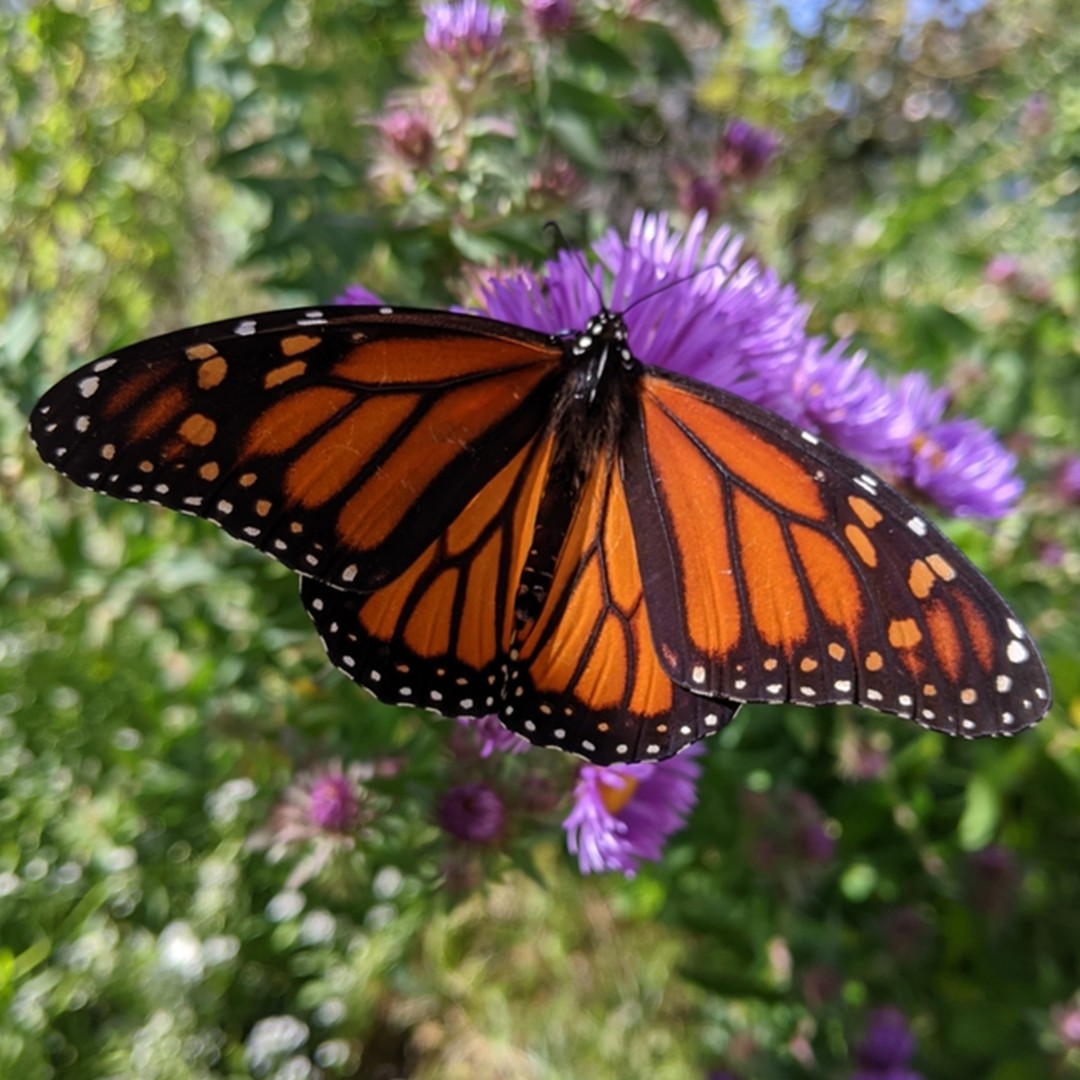
2. Monarch butterfly
The monarch butterfly (Danaus plexippus) is the most recognizable butterfly in North America. It is best known for its appearance, but should be better known for the fact that it has a 3000-mile migration that takes the butterfly 4 generations to complete. Their diet is also a natural deterrent for predators, as they eat milkweed, a poison that induces vomiting.
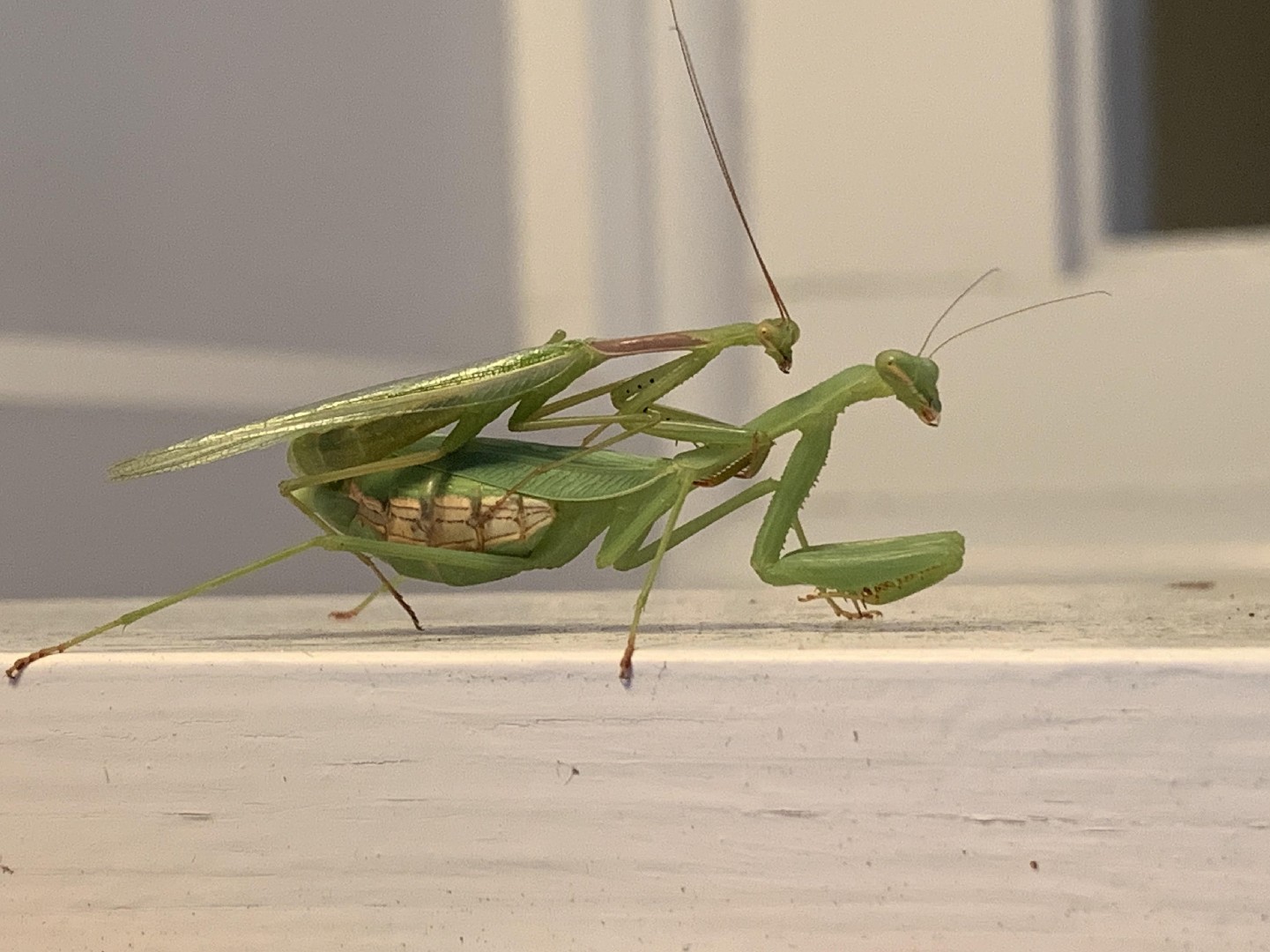
3. South african mantis
The beautiful south african mantis( Miomantis caffra) is an aggressive insect. They can use their flexible and powerful forelegs to catch the prey quickly and accurately. Instinctively, the female mantis usually catches the male immediately and eat it to store energy for reproduction after mating.
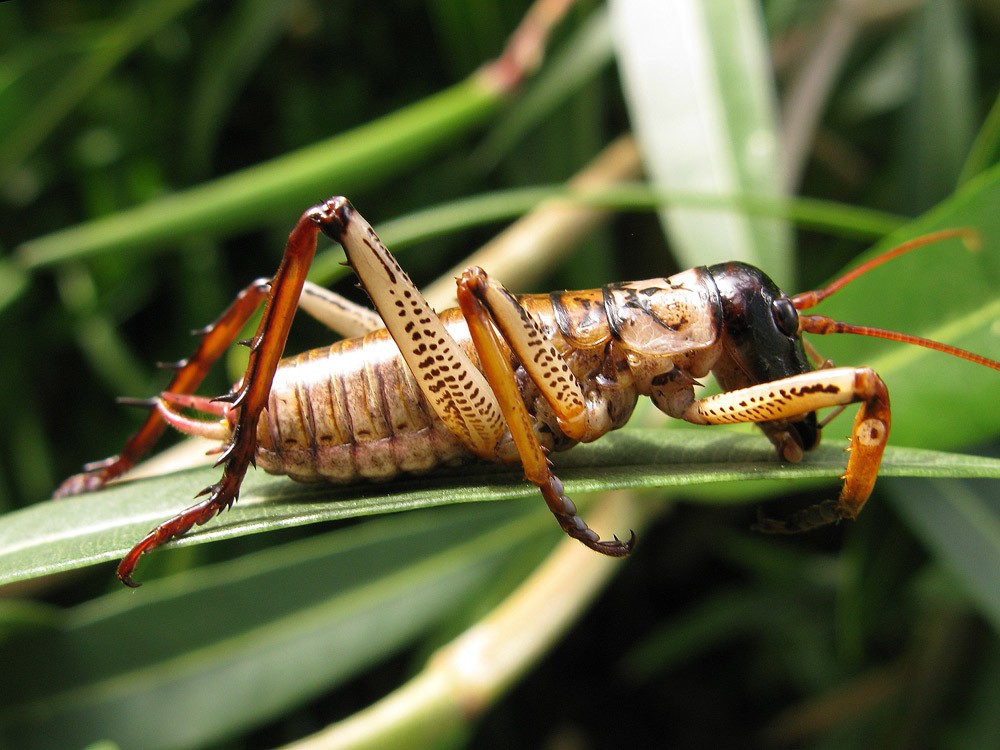
4. Auckland tree weta
The auckland tree weta (Hemideina thoracica) is a cricket-like insect that is not a cricket. To heighten the confusion, it will also use its body parts to make a noise like a cricket. They are known to make a rasping noise when they feel threatened. They can also kick toward the threatening object using their powerful legs.
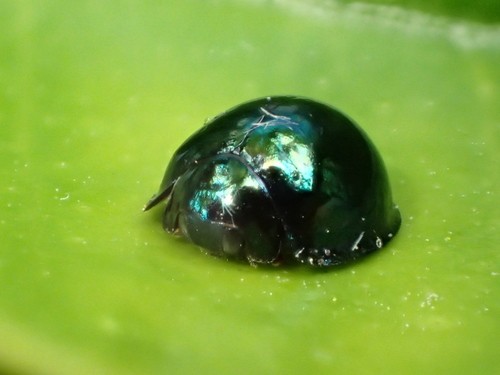
5. Steelblue ladybird
Adult steelblue ladybird( Halmus chalybeus) is small however it is easily recognized by the bizarre shiny color. Both adult and larval ladybirds eat a variety of small insects like mites and wax scales. They may also feed on the nectar in flowers.
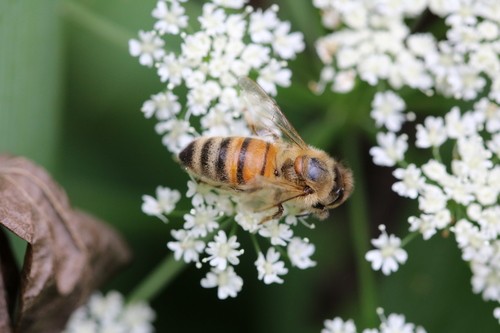
6. Western honey bee
Western honey bee(Apis mellifera) is the most common species of honeybee in the world. Among the first domesticated insects, its cultural and economic impact on humanity has been vast and far-reaching, providing honey, wax and its services as a pollinator. Western honey bee faces challenges worldwide, such as colony collapse disorder, and populations are thought to be decreasing.

7. Multicolored asian ladybeetle
Often confused for the ladybug, multicolored asian ladybeetle (Harmonia axyridis) is a separate species that, unlike the ladybug, is a household pest. It is considered particularly annoying for its habit of returning to places from which it is removed. One of the most variable species in the world, there are many different colors and patterns multicolored asian ladybeetle may display, making identification potentially difficult.
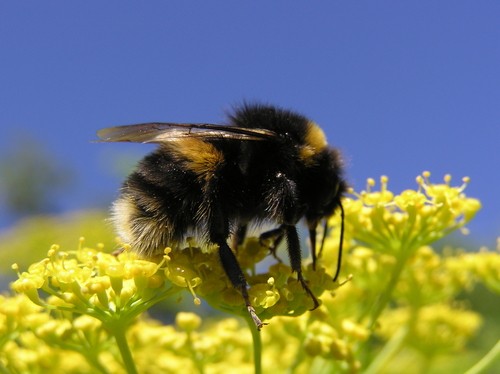
8. Buff-tailed bumble bee
A popular pollinating species in European greenhouses, buff-tailed bumble bee (Bombus terrestris) is one of the more common species of bumblebee worldwide. This species displays comparatively high levels of intelligence, recognizing flowers by color and navigating several miles (if necessary) to return to the hive. Unlike many other bee species, the queen of a buff-tailed bumble bee hive will only mate with one male.
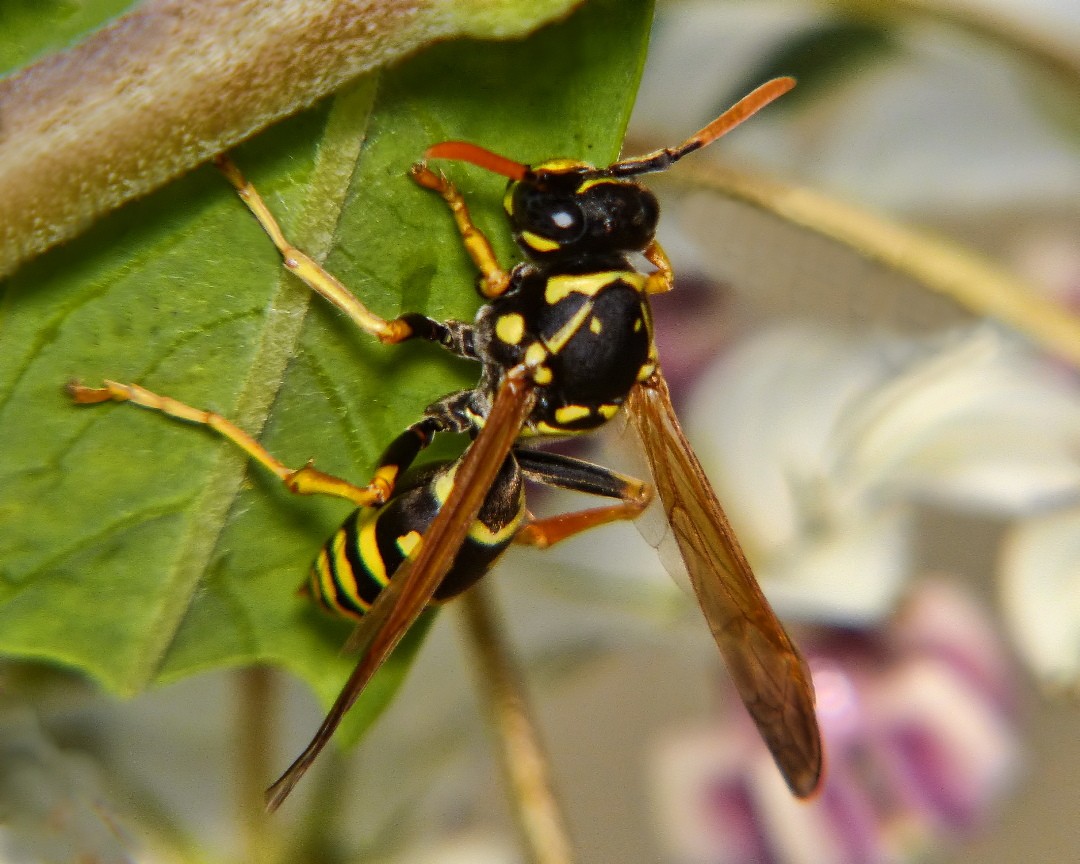
9. Asian paper wasp
Polistes chinensis is a species of hymenopterous insects in the family Vespidae, subfamily Vespinae, of the genus Polistes.
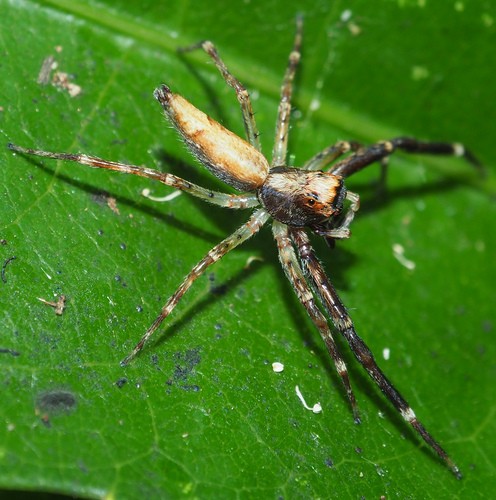
10. Aussie bronze jumping spider
The aussie bronze jumping spider (Helpis minitabunda) is a bold jumping spider that can sometimes be called the threatening jumping spider because of its tendency to stick around when humans approach. It appears to be pretty confident in its abilities to jump and dance, as courtship dances can last up to 3 hours.

More







