




Top 12 Most Common Insects in Gisborne
Insects, the small yet invaluable residents of Gisborne, are incredibly diverse due to varying geographical landscapes in the area. Taking a closer look at the top 12 most common types unveils intriguing facts about their distinct roles—both as beneficial insects and pests—in the ecosystem. It underscores the deep connection between Gisborne's environment and its insect population. Stay tuned, as we journey into the enthralling world of these tiny Gisborne denizens!

Most Common Insects
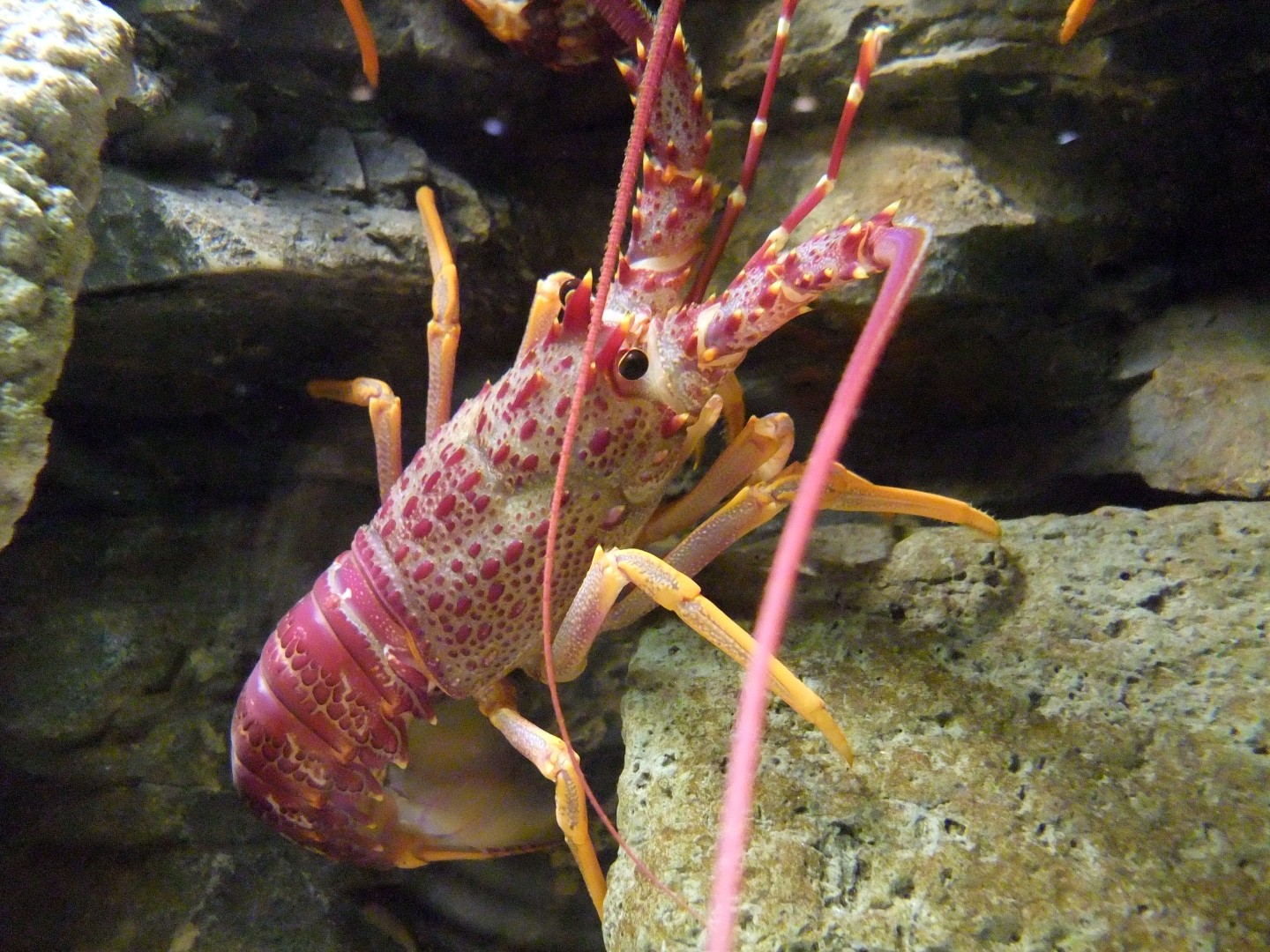
1. Southern rock lobster
Jasus edwardsii is a ten- Jasus edwardsii species from the Palinuridae family. The scientific name of the species was first validly published in 1875 by Hutton.

2. Multicolored asian ladybeetle
Often confused for the ladybug, multicolored asian ladybeetle (Harmonia axyridis) is a separate species that, unlike the ladybug, is a household pest. It is considered particularly annoying for its habit of returning to places from which it is removed. One of the most variable species in the world, there are many different colors and patterns multicolored asian ladybeetle may display, making identification potentially difficult.
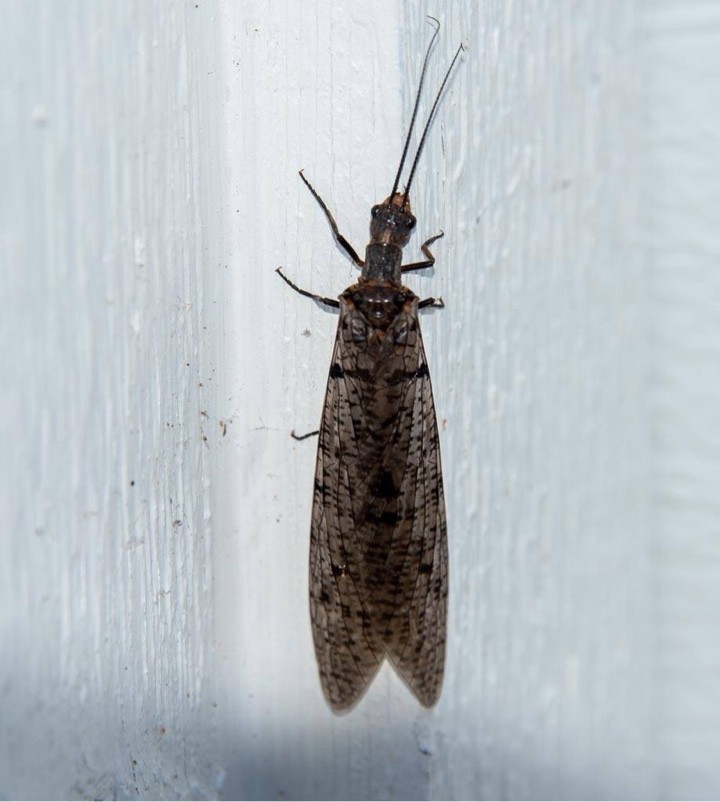
3. Toe biter
The larval form of Archichauliodes diversus is commonly known by the name toe biter, which refers to its pincer-like powerful jaws. The larvae and adults have totally different lifestyles. The larvae live in streams and feed on aquatic invertebrates while adults can only survive on lands and would die soon after spawning.
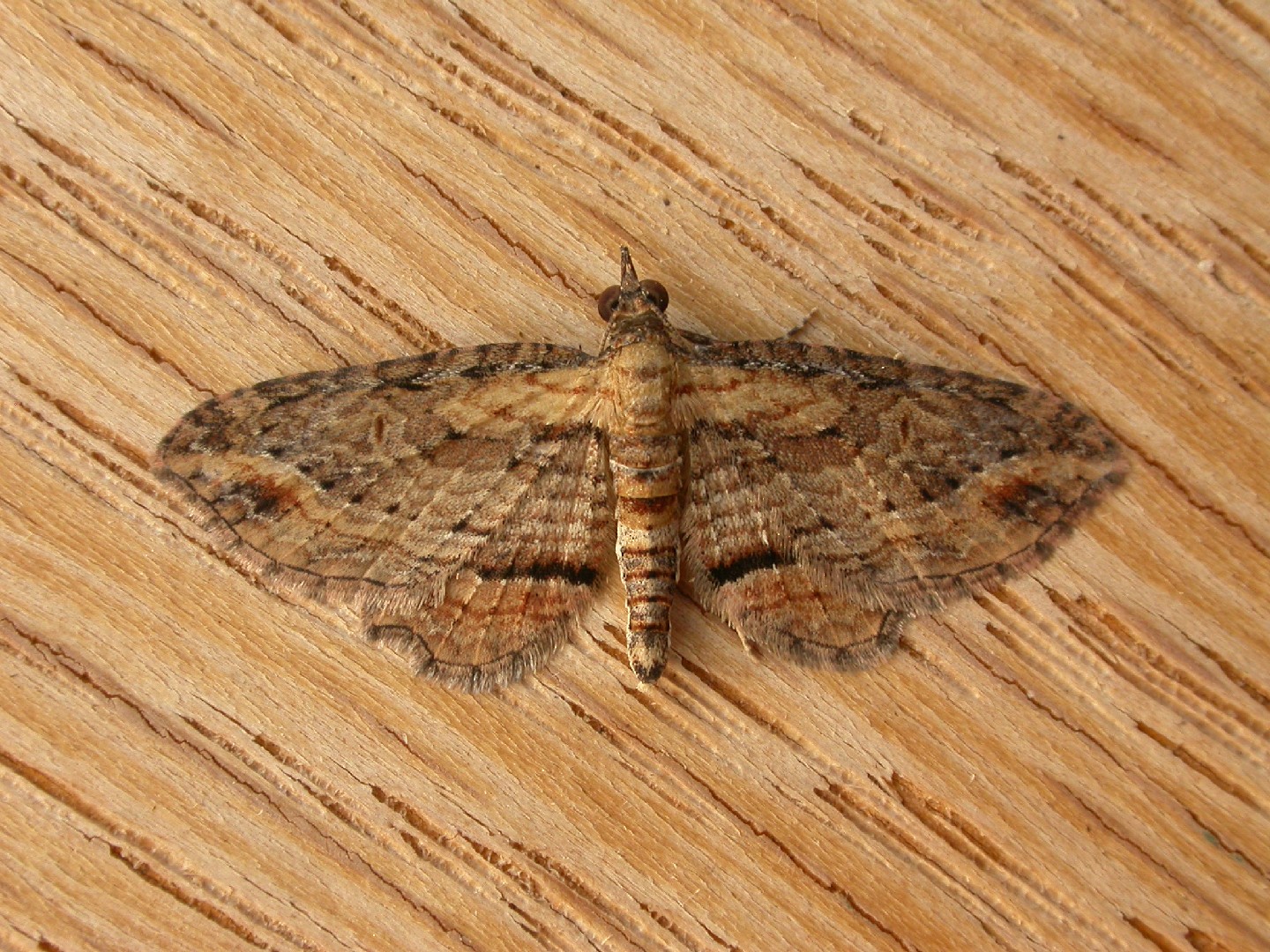
4. Filata moth
Chloroclystis filata is a butterfly from the family of spanners (Geometridae). The scientific name of the species was first validly published in 1858 by Guenée.
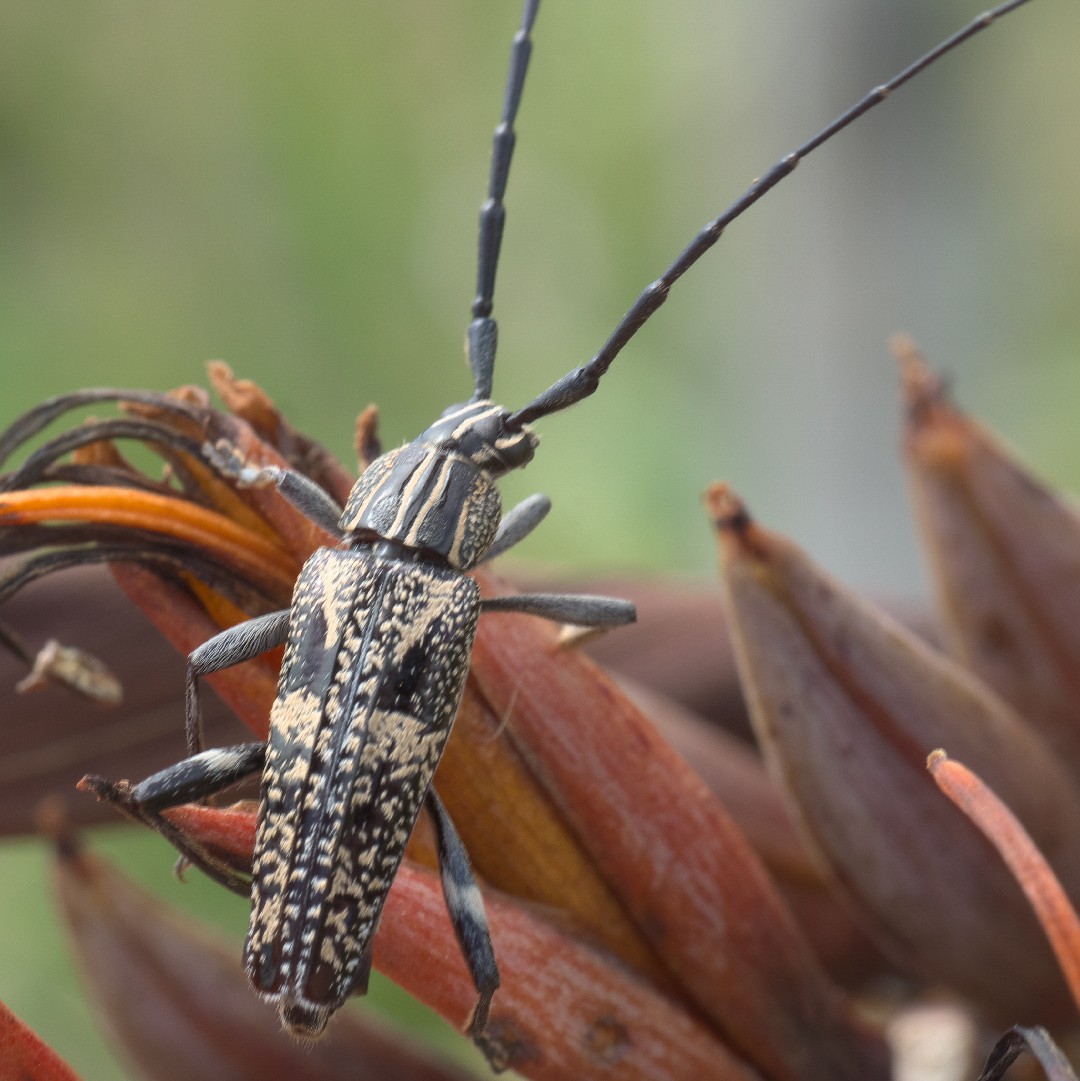
5. Variegated longhorn
Coptomma variegatum is a beetle species of the family longhorn beetles (Cerambycidae). The scientific name of the species was first validly published in 1775 by Fabricius.
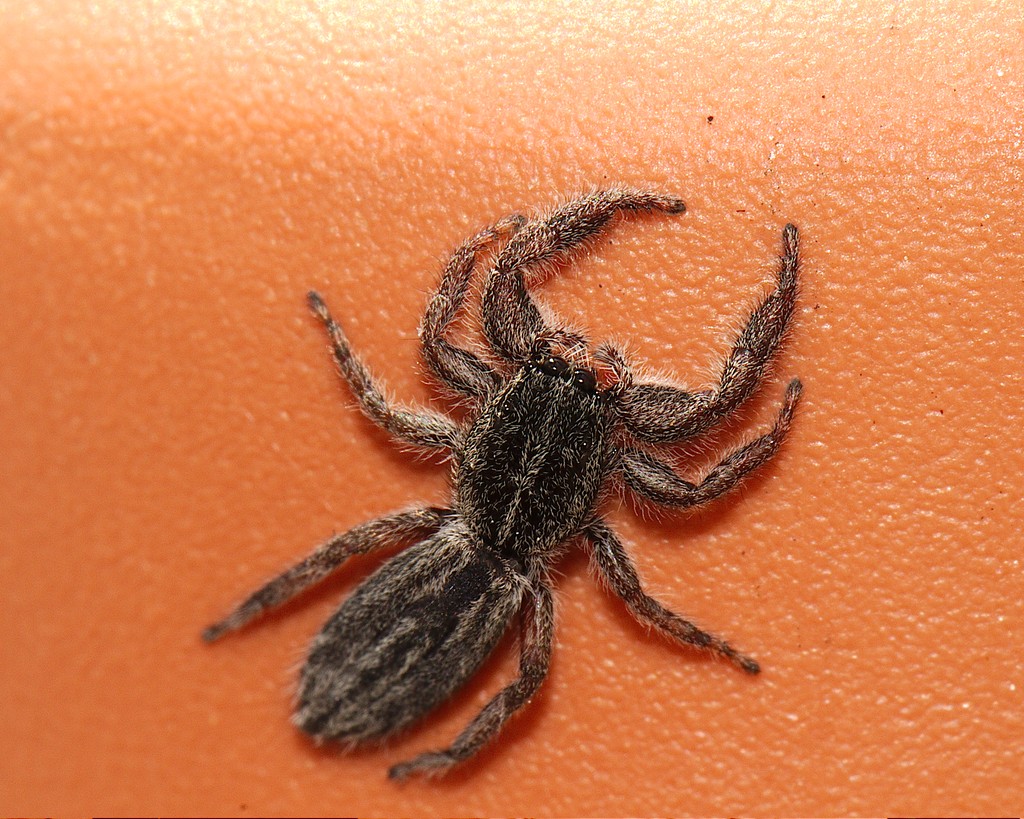
6. Holoplatys apressus
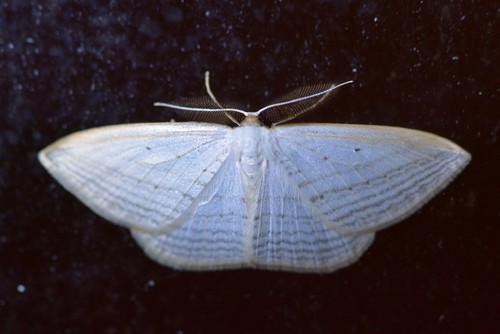
7. Flax window maker
The wing span of this species is 4 - 4.5 cm. The male moth is a pale brown and the female a glossy white. 
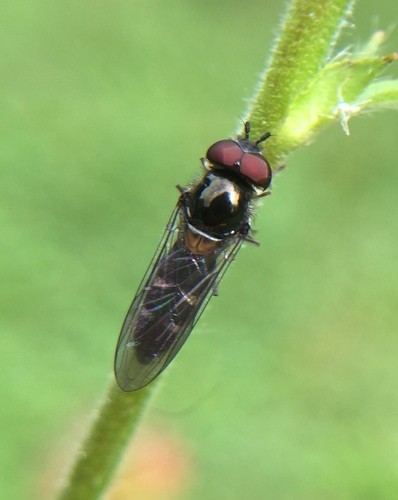
8. Large hover fly
The large hover fly (Melangyna novaezelandiae) is a metallic-looking insect with yellow strips running horizontally along its backside. Because of its habit of feeding on aphids, scale bugs, moth larvae, it is considered to be useful as a pest control agent. Their adult forms rely on nectar for energy, also making them excellent pollinators. It is a friendly insect that can do it all.
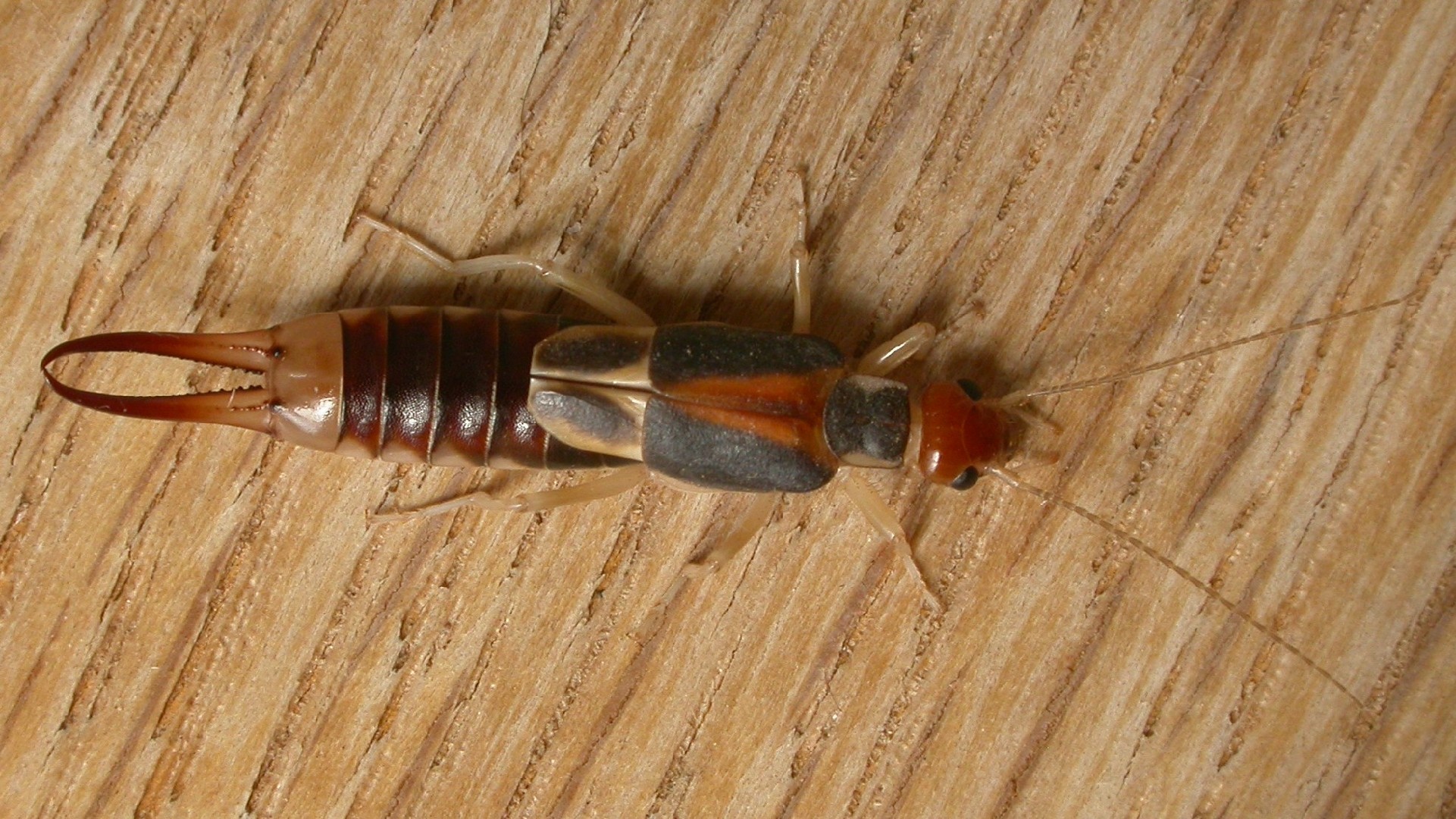
9. Striped earwig
The striped earwig is a good insect to control pests since it preys on a wide range of other insects. It also releases a rotten-smelling pheromone to deter predators. Its main predators are ants. The males have two penises, and they can choose to use either of them. They can produce two to three generations per year, and the last generation will hibernate during the winter.
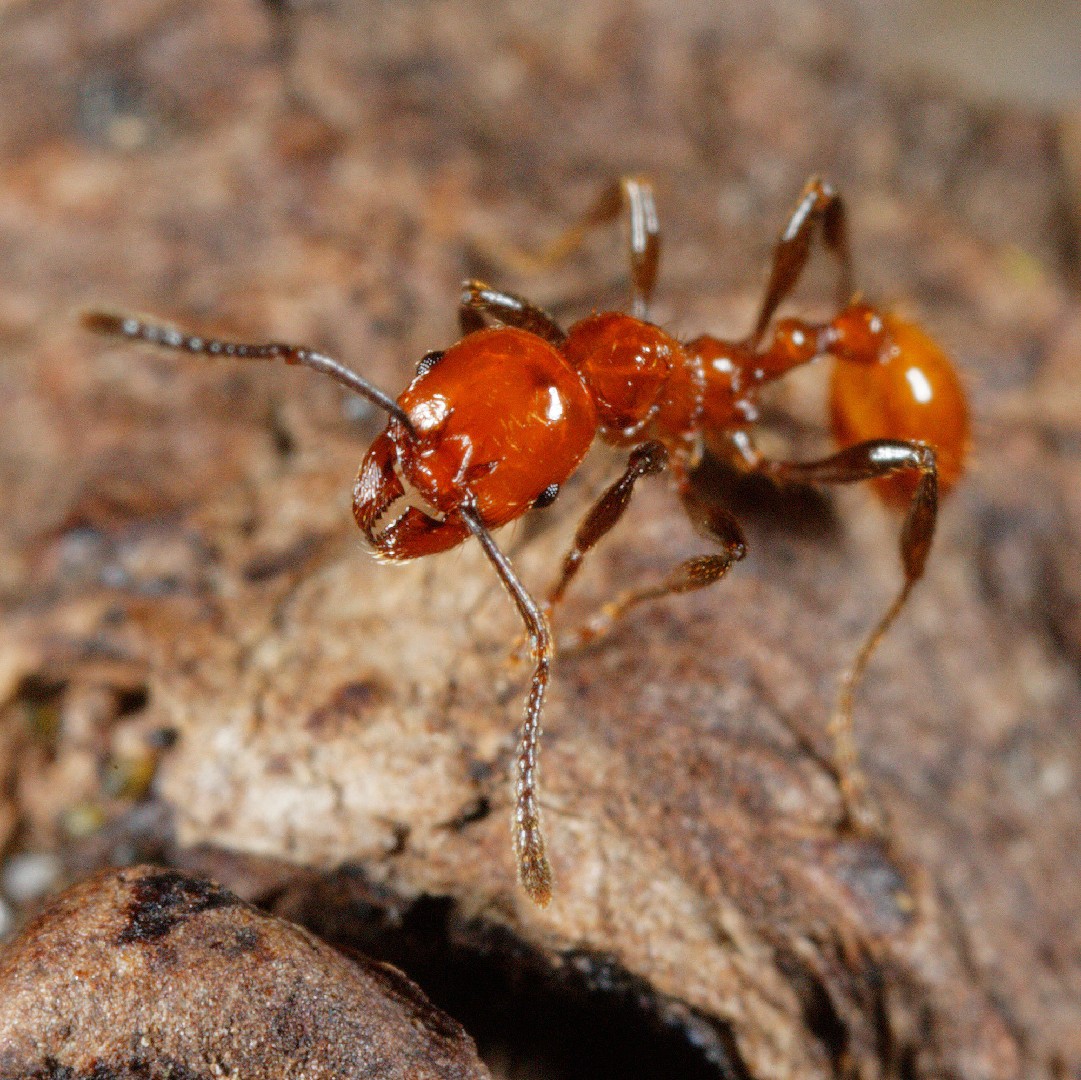
10. Striated ant
Huberia striata is an ant species from the subfamily of the Myrmicinae. The scientific name of the species was first validly published in 1876 by Smith, F ..
More







