




Top 11 Most Common Insects in Nelson
Insects, well-known for their distinct features such as three-part bodies, compound eyes, and antennae, are an integral part of Nelson's diverse ecosystems. Different geographical factors in Nelson tend to influence the incredible diversity of insect species. From pests to pollinators, insects play pivotal roles in ecosystems, maintaining the delicate balance of life. Understanding the relationship between our state's environmental qualities and the common 11 insects can help unlock previously unknown facets of our natural world.

Most Common Insects
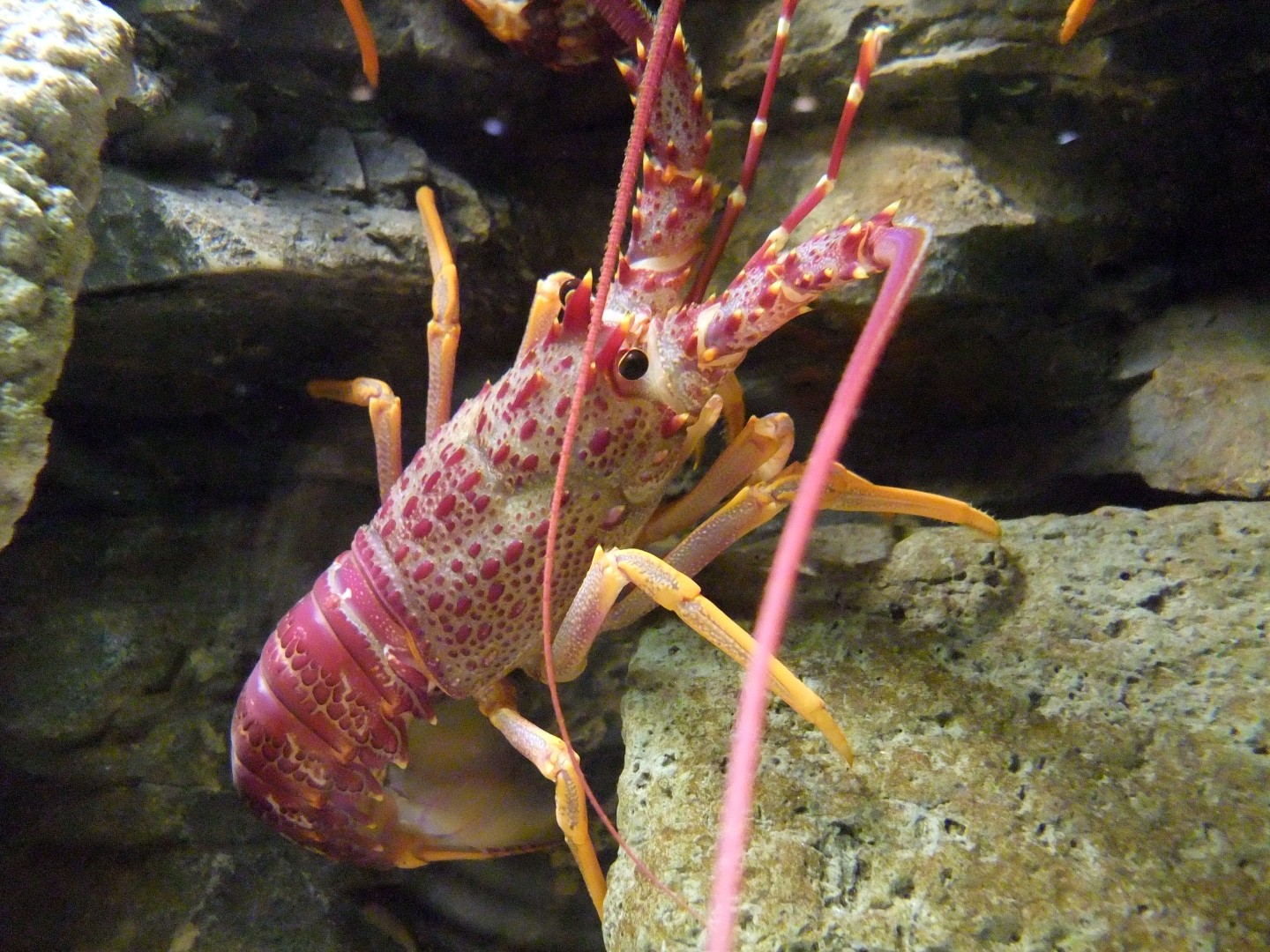
1. Southern rock lobster
Jasus edwardsii is a ten- Jasus edwardsii species from the Palinuridae family. The scientific name of the species was first validly published in 1875 by Hutton.
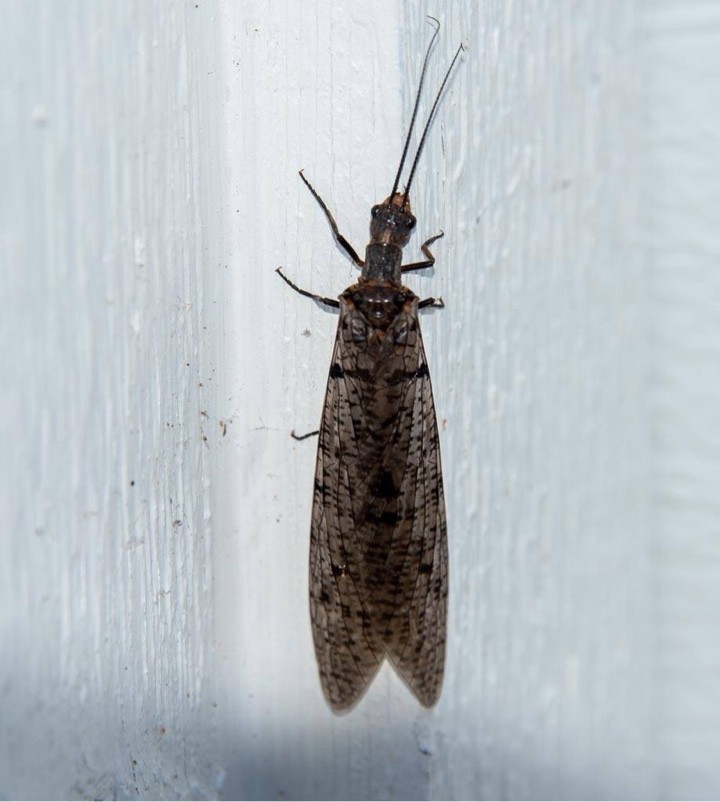
2. Toe biter
The larval form of Archichauliodes diversus is commonly known by the name toe biter, which refers to its pincer-like powerful jaws. The larvae and adults have totally different lifestyles. The larvae live in streams and feed on aquatic invertebrates while adults can only survive on lands and would die soon after spawning.
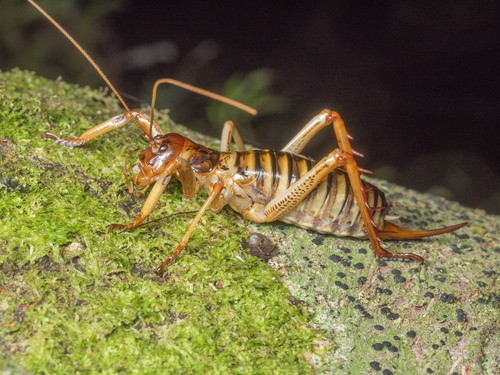
3. Wellington tree weta
The Hemideina crassidens, commonly known as the wellington tree weta as it is firstly found in Wellington. They like to live in groups, and make their homes on trees. This insect is flightless and always produce chirping sounds in forests and suburban gardens at night.
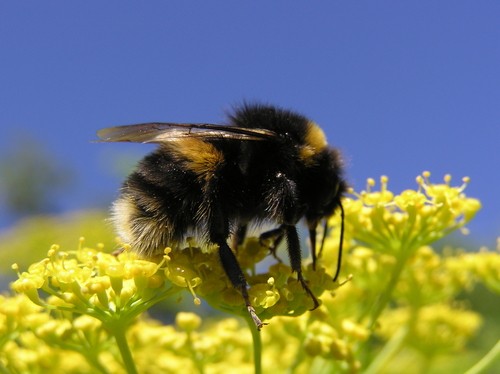
4. Buff-tailed bumble bee
A popular pollinating species in European greenhouses, buff-tailed bumble bee (Bombus terrestris) is one of the more common species of bumblebee worldwide. This species displays comparatively high levels of intelligence, recognizing flowers by color and navigating several miles (if necessary) to return to the hive. Unlike many other bee species, the queen of a buff-tailed bumble bee hive will only mate with one male.
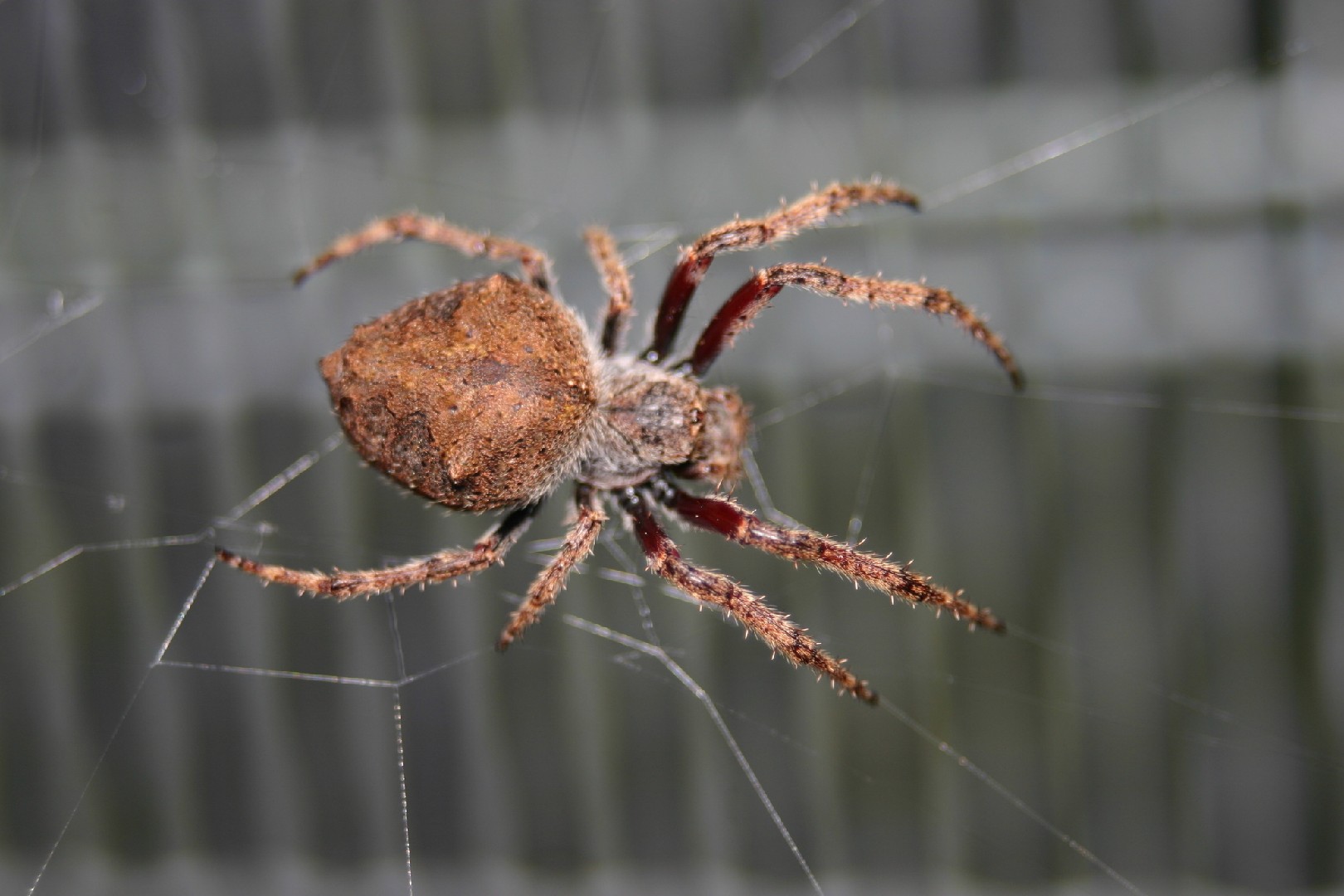
5. Garden orbweb spider
E. pustulosa has five distinctive spines on its abdomen, two large ones halfway down its back and three smaller ones at the end of its abdomen. 
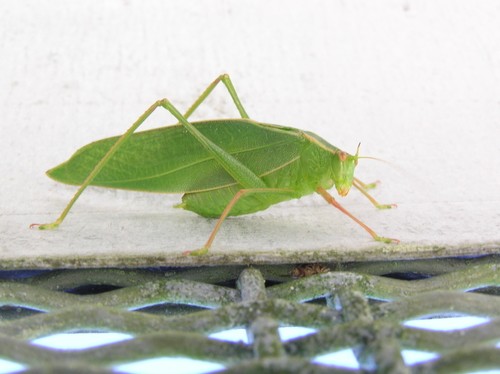
6. Common garden katydid
The common garden katydid (Caedicia simplex) is a bright green bug, but as a nymph, it takes on the color of whatever it has been eating. This can sometimes be bright yellow or pink if it has been munching on vivid flowers. These unusual colors could remain for several molts. This species is often found in woodlands and forests.
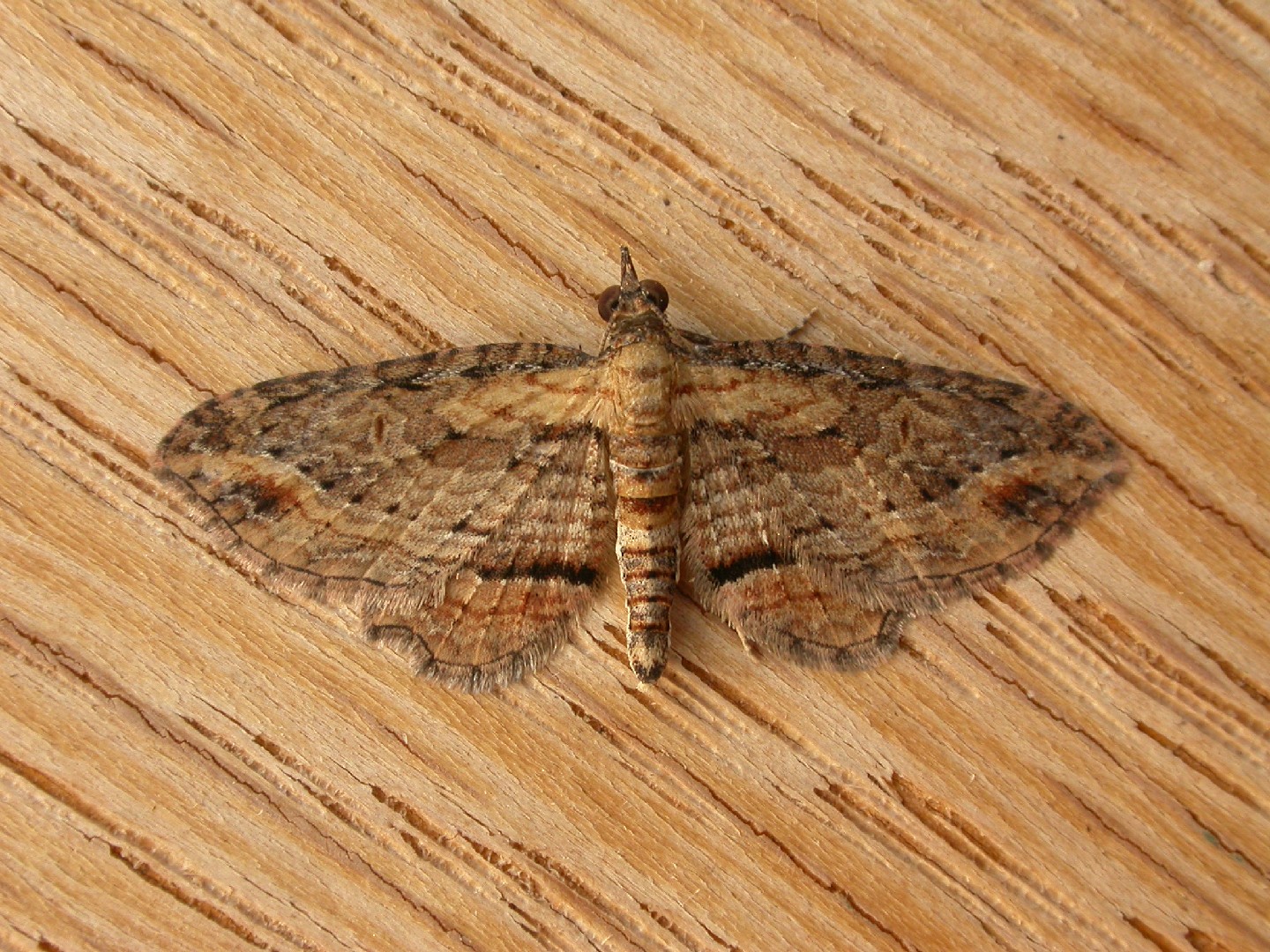
7. Filata moth
Chloroclystis filata is a butterfly from the family of spanners (Geometridae). The scientific name of the species was first validly published in 1858 by Guenée.
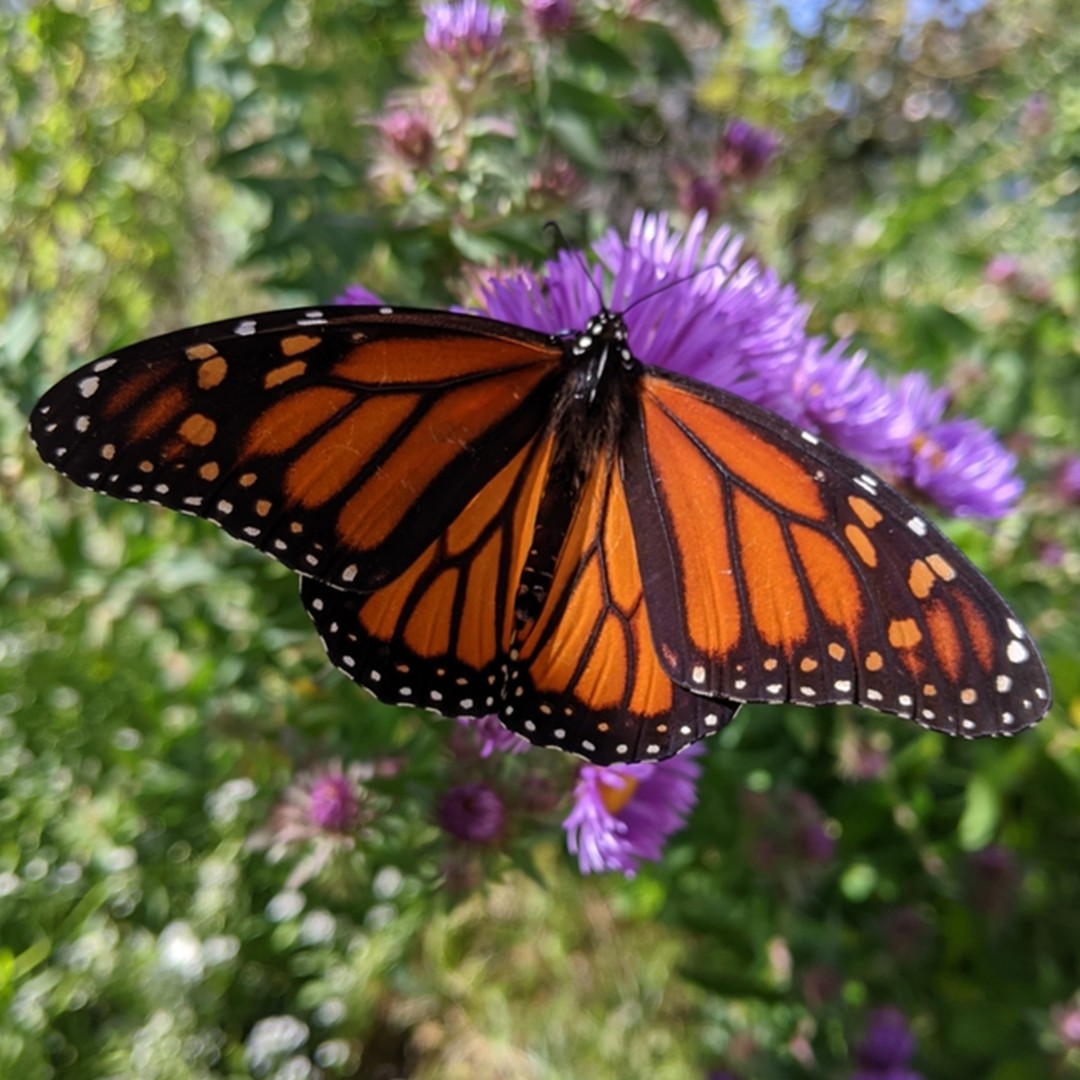
8. Monarch butterfly
The monarch butterfly (Danaus plexippus) is the most recognizable butterfly in North America. It is best known for its appearance, but should be better known for the fact that it has a 3000-mile migration that takes the butterfly 4 generations to complete. Their diet is also a natural deterrent for predators, as they eat milkweed, a poison that induces vomiting.
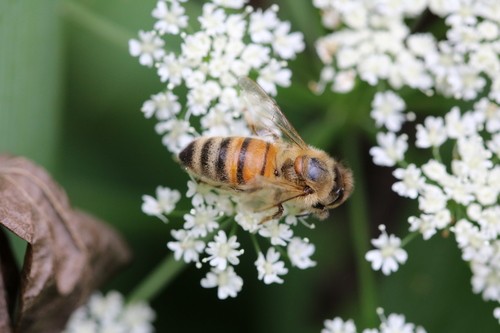
9. Western honey bee
Western honey bee(Apis mellifera) is the most common species of honeybee in the world. Among the first domesticated insects, its cultural and economic impact on humanity has been vast and far-reaching, providing honey, wax and its services as a pollinator. Western honey bee faces challenges worldwide, such as colony collapse disorder, and populations are thought to be decreasing.
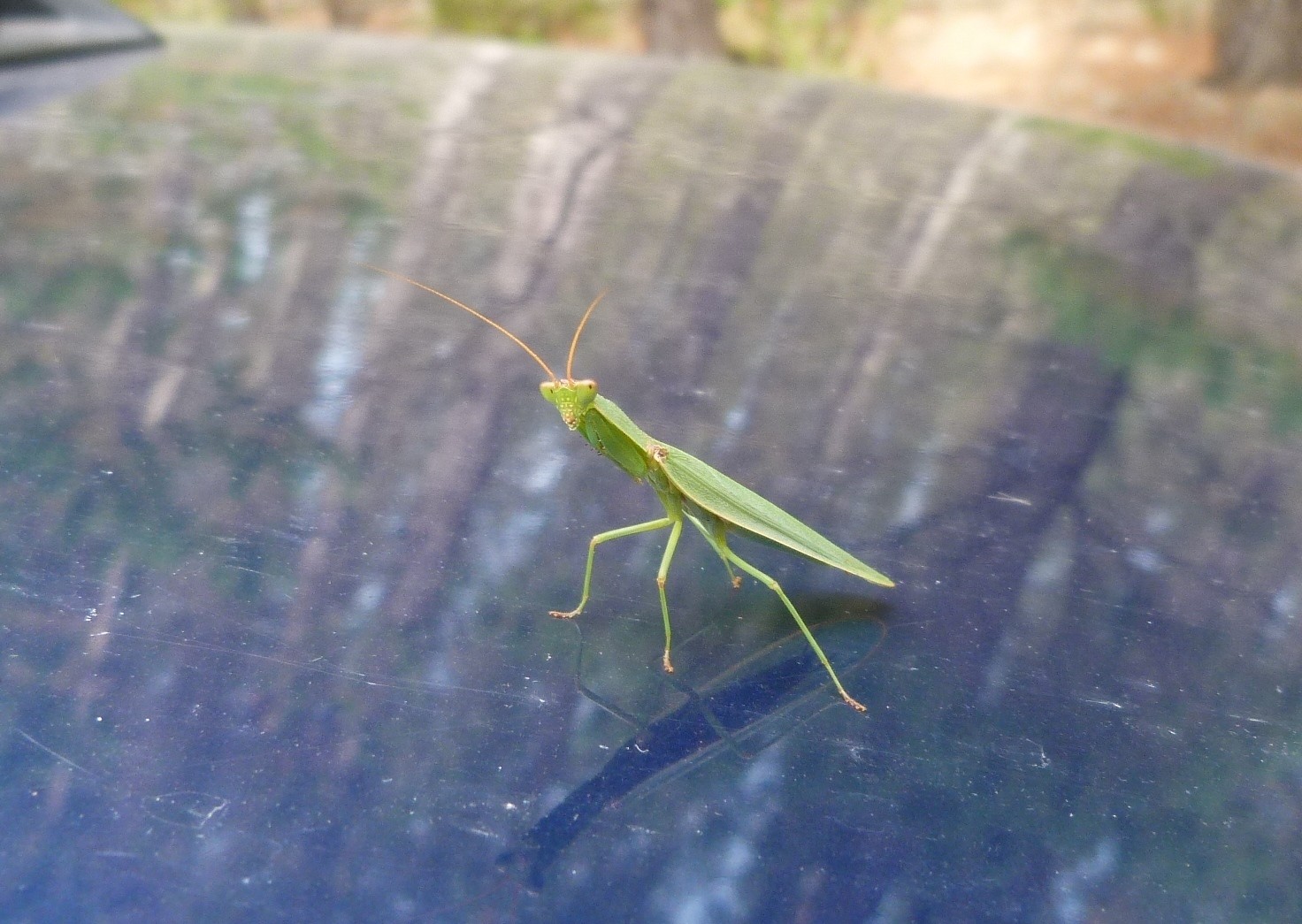
10. New zealand mantis
The New zealand mantis (Orthodera novaezealandiae) is a jumpy insect that uses foliage to ambush its common prey. While it is near the top of the food chain, that will change if it meets the South african praying mantis, which its males seem to have a thing for sexual cannibalism. If you wish to keep one as a pet, they are fast and jumpy insects that do not prefer captivity.
More







