




Top 5 Most Common Insects in Birnin Kebbi
Insects, with their myriad forms, behaviors, and habitats, are vitally important in Birnin Kebbi's diverse ecosystem. The geographical variations across Birnin Kebbi significantly influence insect diversity, creating unique habitats. They play fundamental roles, from pests challenging agriculture to beneficial insects aiding in pollination. As we delve into our list of the 'Top 5 most common insects,' let's celebrate the intricate relationship between Birnin Kebbi's environment and its bug inhabitants.

Most Common Insects
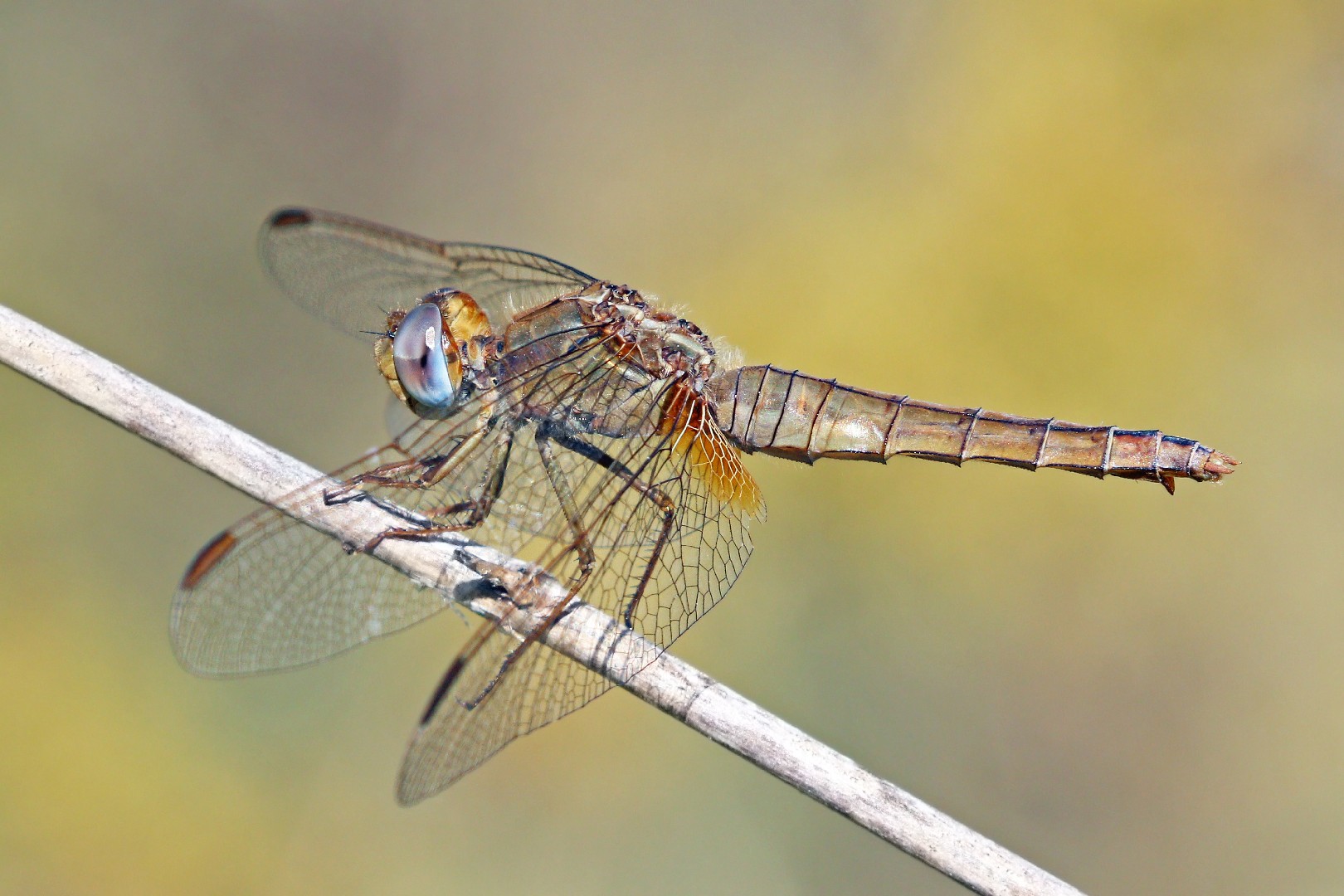
1. Scarlet dragonfly
Crocothemis erythraea can reach a length of 3.5 - 4.5 cm. These dragonflies haves a flattened and rather broad abdomen. The adult male scarlet dragonfly has a bright scarlet red, widened abdomen, with small amber patches at the bases of the hindwings. Also the veins on the leading edges of the wings are red. Females and immatures are yellow-brown and have a conspicuous pale stripe along the top of the thorax. 

2. Citrus swallowtail
Papilio demodocus , also known under the English name Citrus Swallowtail ("Citrus Swallowtail"), is a butterfly from the family of the knight butterflies (Papilionidae).
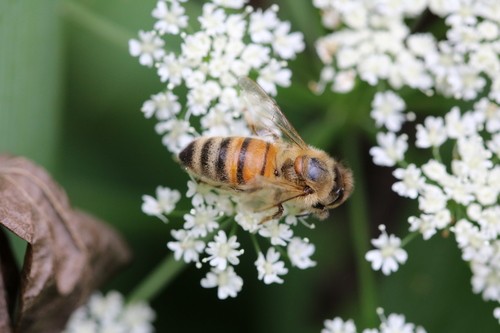
3. Western honey bee
Western honey bee(Apis mellifera) is the most common species of honeybee in the world. Among the first domesticated insects, its cultural and economic impact on humanity has been vast and far-reaching, providing honey, wax and its services as a pollinator. Western honey bee faces challenges worldwide, such as colony collapse disorder, and populations are thought to be decreasing.
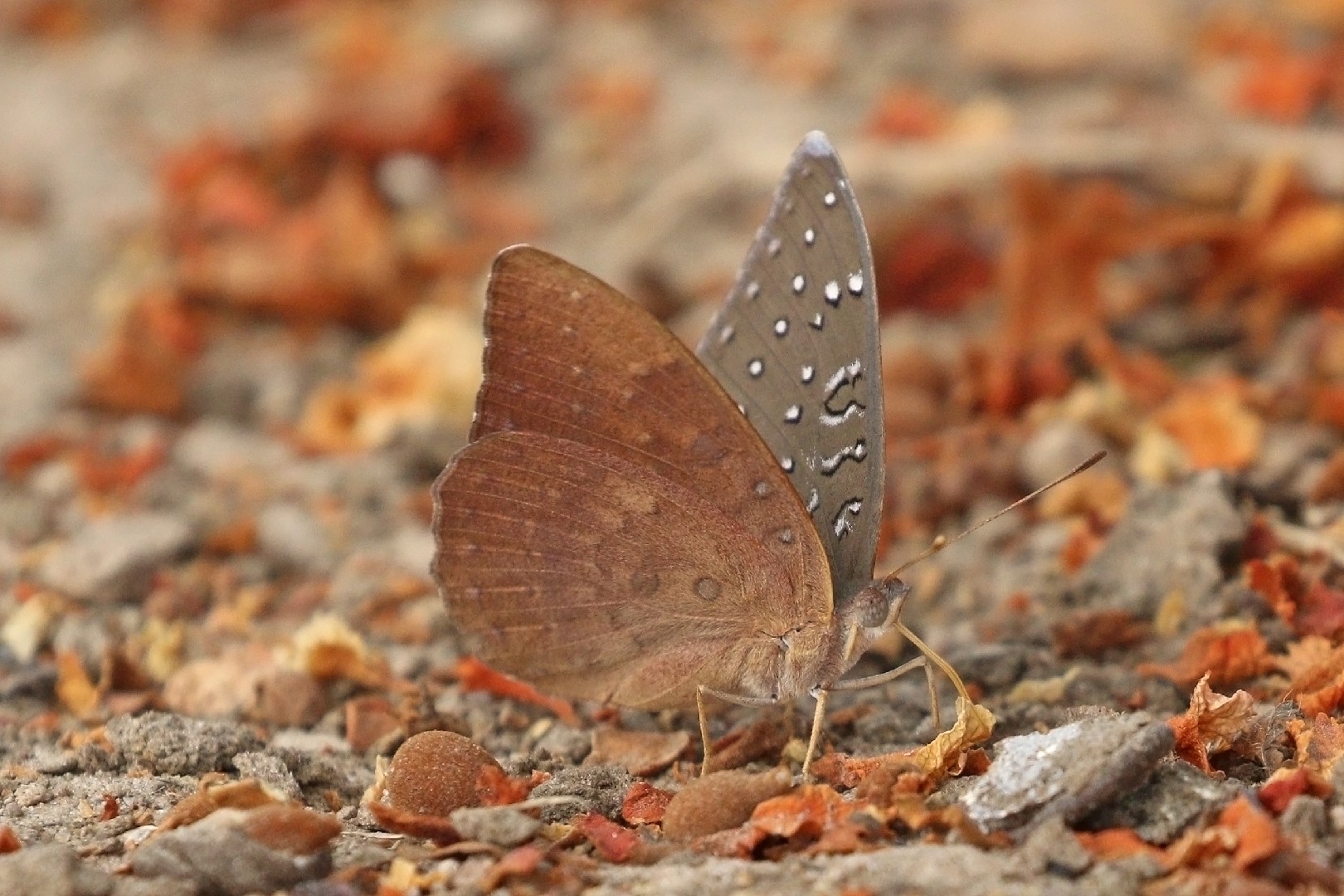
4. Guineafowl
The wingspan is 55–65 mm for males and 60–78 mm for females.

5. Broad-bordered grass yellow
Male in Wet-season form: Upper-side somewhat paler yellow. Fore-wing with the outer marginal black band; the apical edge of costa and the cilia rosy-red. Hind-wing with the black outer band somewhat narrower, macular, the decreasing portions each with a more prolonged inner-tooth, and the yellow ground-colour between each extending to the outer edge. Underside pale yellow, the fore-wing also having a very slightly defined sub-apical inwardly-oblique squamous streak. Fore-wing with the entire costal edge and outer marginal cilia, and also the outer marginal cilia of the hind-wing, rosy-red. Female. Upper-side. Apical edge between the subcostals of fore-wing, and cilia of both wings paler rosy-red. Underside with the markings on hind-wing slightly visible. Fore-wing above with the black outer band broken beneath the lower median veinlet. Hind-wing with the outer band similar to male, its portions slightly broader. Underside similar to male, the markings being slightly more defined.Male in Intermediate form: Upper-side. Fore-wing with the outer band slightly narrower than in wet form; cilia paler red. Hind-wing with the marginal macular band narrower, and composed of smaller portions. Underside similar to wet form. Female. Upperside. Fore-wing with the outer band less broken at its posterior end than in wet form. Hind-wing with the marginal macular band less distinct and narrower. Underside similar to the male.Dry-season form: Both sexes much smaller than in intermediate form. Cilia paler. Male. Fore-wing above with the inner-edge of the marginal band less sinuated than in intermediate form, its posterior end indistinctly broken. Hind-wing with the lower portions of the macular band somewhat larger and less dentate. Underside. Both wings with less defined markings than in intermediate form. Female. Upper-side. Fore-wing with the band slightly broken at posterior end. Hind-wing with the lower portions of band somewhat wider. Underside with the markings indistinct.