




Top 20 Most Common Insects in Maina
Welcome to the fascinating world of insects! In Maina, these tiny creatures can surprise us with their unique features, diverse habitats, strategy for survival, and crucial roles in our ecosystems. The wide geographical expanse in Maina give rise to diverse insect populations from pests to beneficial critters. This list unravels the top 20 most common insects of Maina, underscoring the fascinating interplay between their lifestyles and the local environments.

Most Common Insects
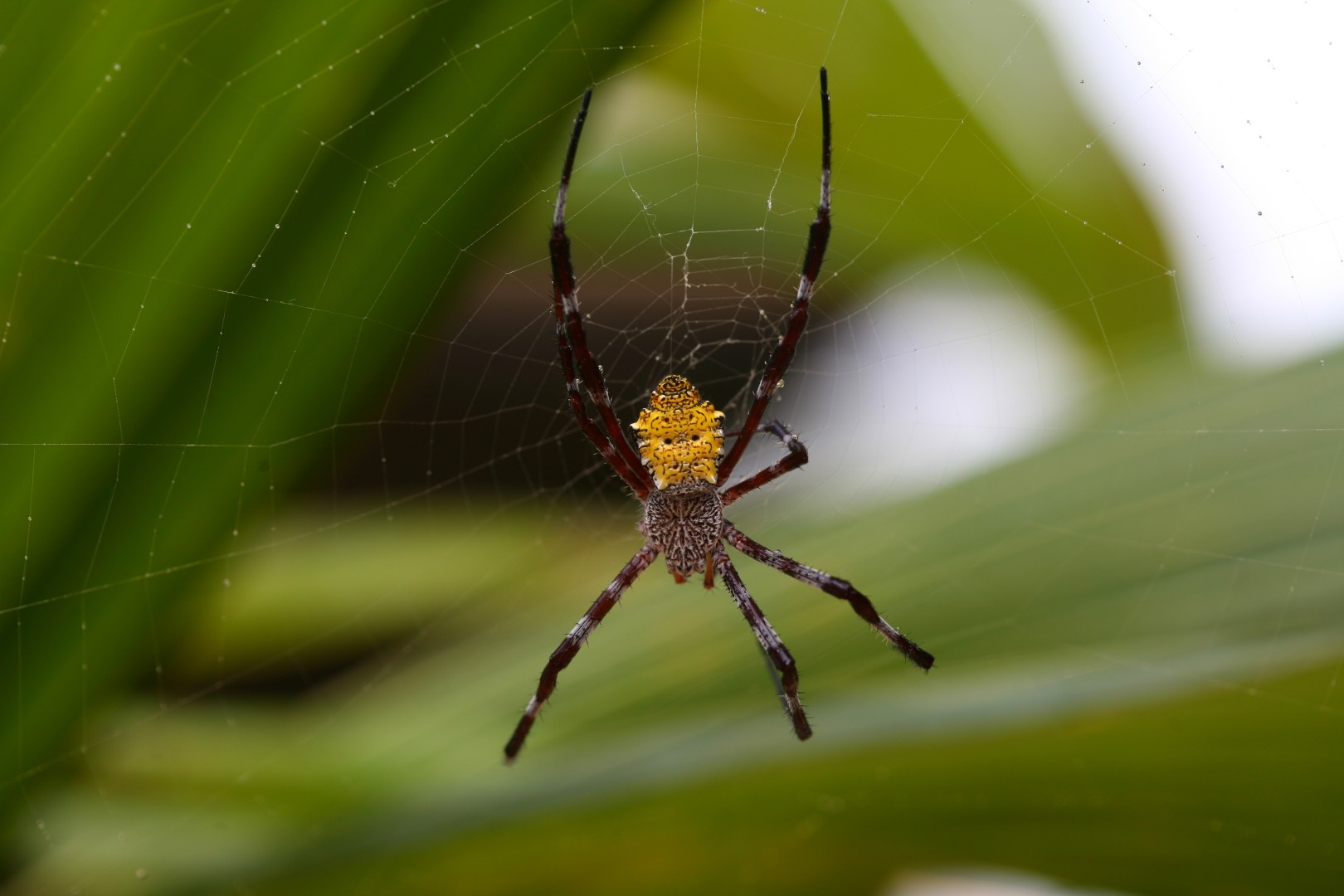
1. Hawaiian garden spider
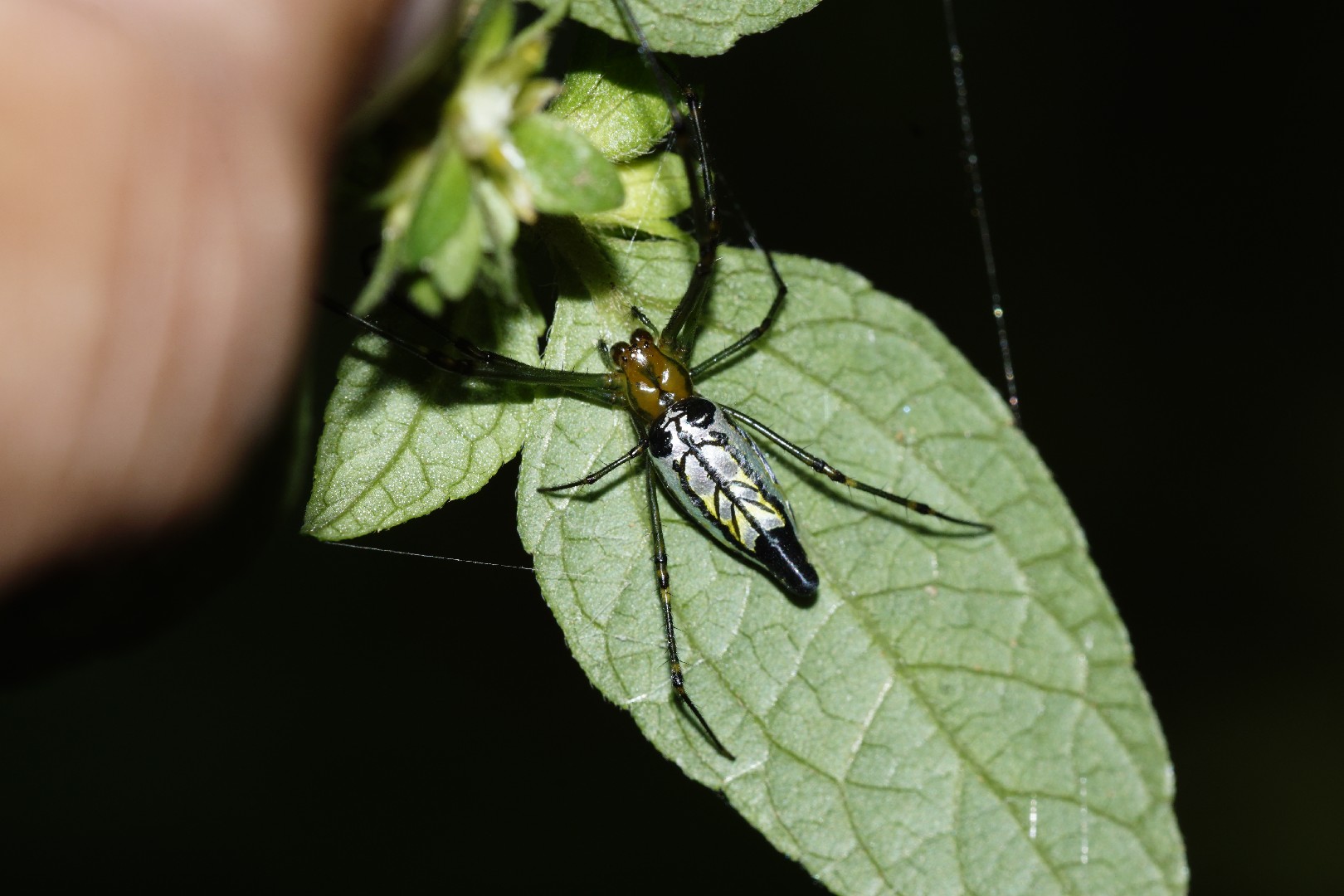
This species shows an evident sexual dimorphism. The strikingly black and yellow females are 5.1–6.4 cm (2–2.5 in) long, including legs, while the brown males reach only about 1.9 cm (0.75 in). In Hawaii they are referred to as Hawaiian garden spiders. In Hawaii, they are known to be quite communal (see picture), with multi-generational specimens living within close quarters, using the same anchor lines for separate webs. On Guam, where Argiope appensa is ubiquitous, it is frequently visited by Argyrodes argentatus, that steals food from the host. Locals there refer to them as banana spiders. Following the introduction of the brown tree snake and the subsequent extinction or near-extinction of many of the island's small birds, spider populations on Guam exploded in response to decreasing predation and competition. Nature writer David Quammen has called Argiope appensa "almost certainly one of the larger species" which were encountered in vast numbers during his research trip to Guam for the book The Song of the Dodo. 
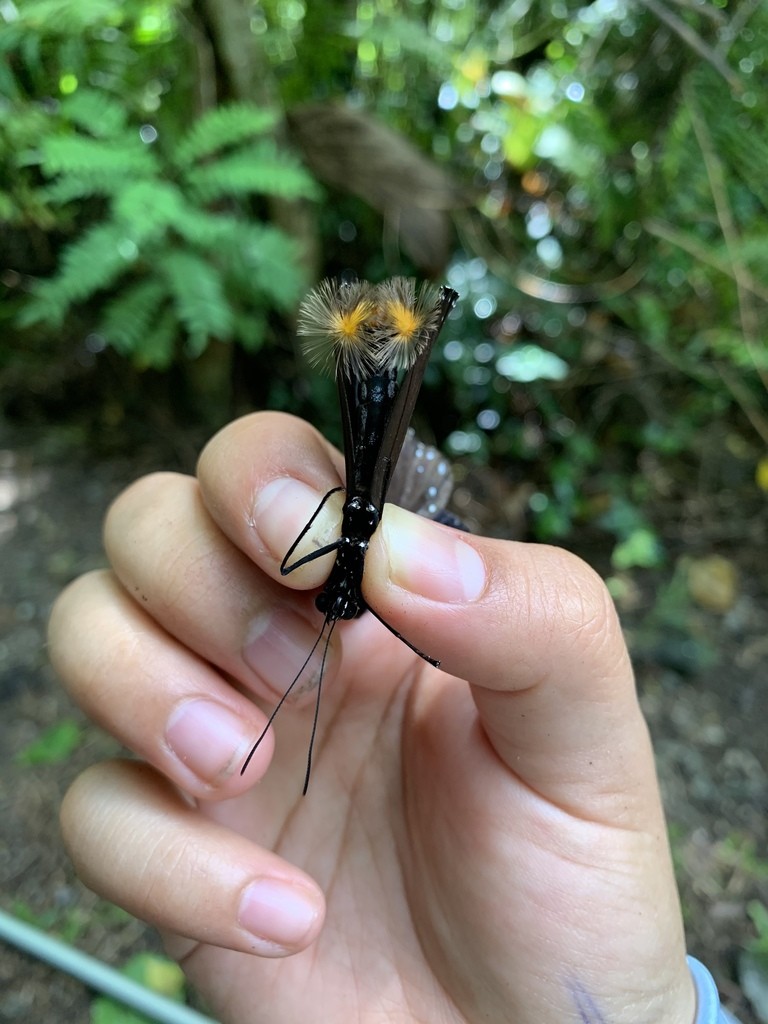
2. Blue-banded king crow butterfly

3. Common mormon
The common mormon (Papilio polytes) is a beautiful, black butterfly with unique hindwings that have orange and white colorings and two spots jutting out. They are named after the Mormon religion, as the butterflies participate in polygamy, which is a common practice for Mormons. They are also known to mimic red-bodied swallowtail, who are inedible.
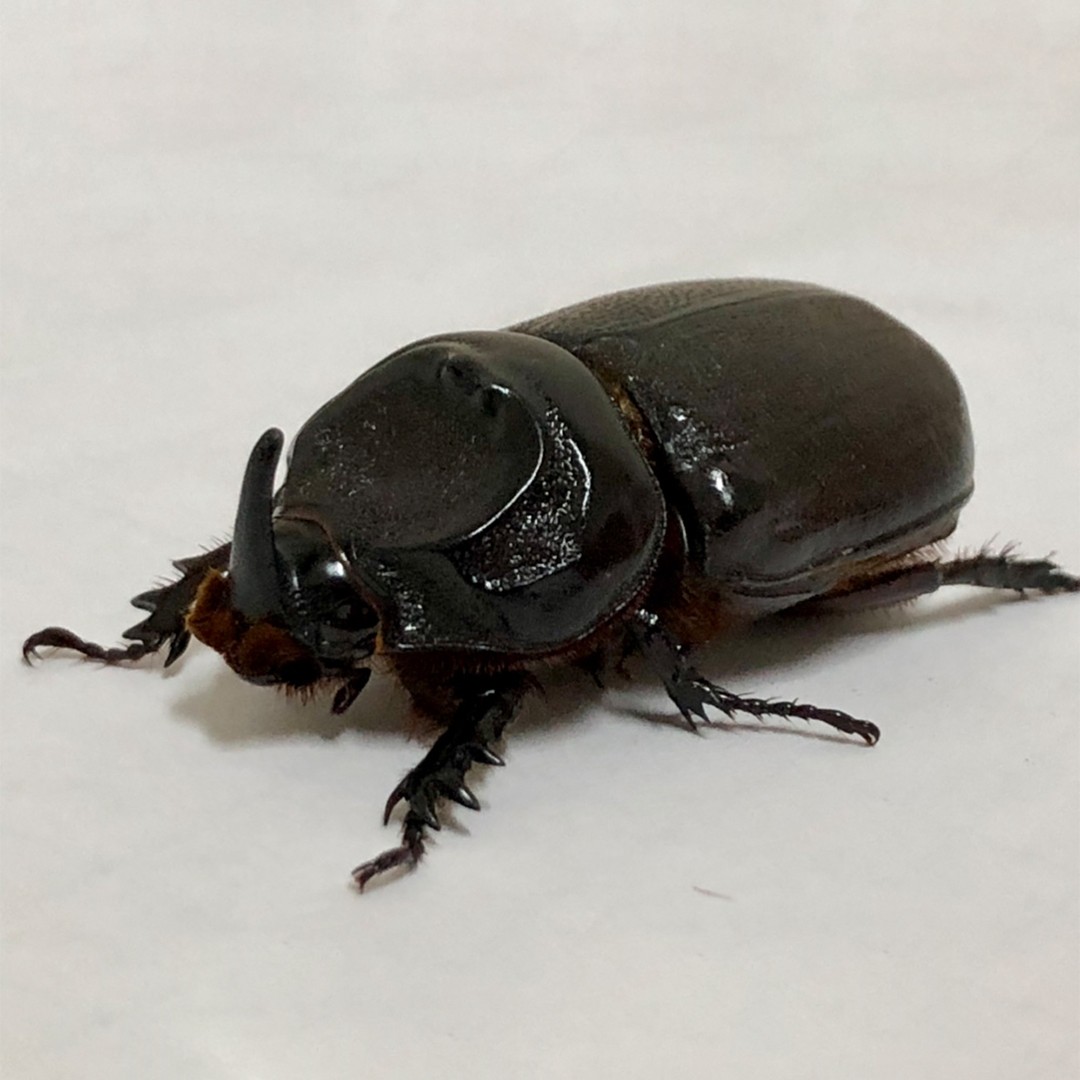
4. Asiatic rhinoceros beetle
The Asiatic rhinoceros beetle, coconut rhinoceros beetle or coconut palm rhinoceros beetle, (Oryctes rhinoceros) is a species of rhinoceros beetle of the family Scarabaeidae. O. rhinoceros attacks the developing fronds of raffia, coconut, oil, and other palms in tropical Asia and a number of Pacific islands. Damaged fronds show typical triangular cuts. The beetle kills the palms (particularly newly planted ones) when the growing point is destroyed during feeding. In 1964, accidental introduction in some countries, and the perceived threat led to a special United Nations fund being established through the South Pacific Forum, with the goal of "eradication of the rhinoceros beetle and related insects in the South Pacific". Contributors to the fund were Australia, France, New Zealand, the United Kingdom, the United States of America, and Western Samoa. Control measures include the use of cultural methods, such as crop sanitation and the use of cover crops, pheromones, together with biological controls such as the manipulation of Metarhizium majus. A nudivirus - the Oryctes rhinoceros nudivirus (OrNV) - has been very successful in the Pacific islands and for 30 years the invasion was halted. However a new haplotype - CRB-G - has been invading the Pacific at a rate of about one new island every two years, unaffected by OrNV control programs already in place because CRB-G is immune. The beetle is an invasive species in Hawaii, where it was found on December 23, 2013. It is believed to have been brought there in air cargo.
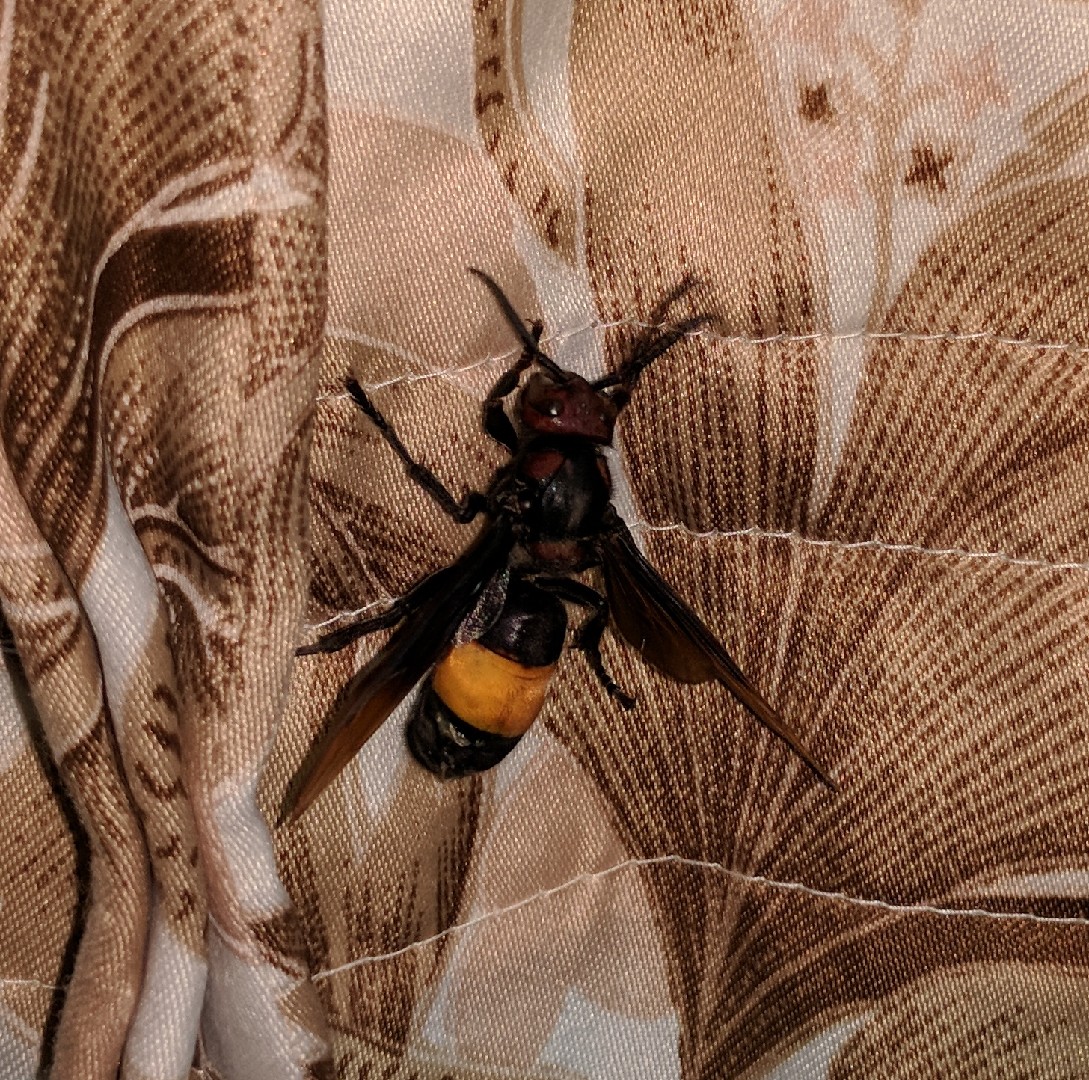
5. Greater banded hornet
The workers of Vespa tropica are about 24–26 millimetres (⁄16–1 in) in length, while queens grow to 30 millimetres (1 ⁄4 in). The head is dark brown/red; the abdomen is black with a distinct yellow stripe which covers most of the second abdominal segment. However, there is some variation across its range and in Singapore and southeastern Asia, specimens are often completely black and larger in size, while in other regions such as Hong Kong, the head and flanks of the thorax are normally reddish. A third colour form is found in the Andamans and Nicobars, which has a reddish brown head and thorax and all the dorsal plates on each segment of the gastrum are orange except the first.
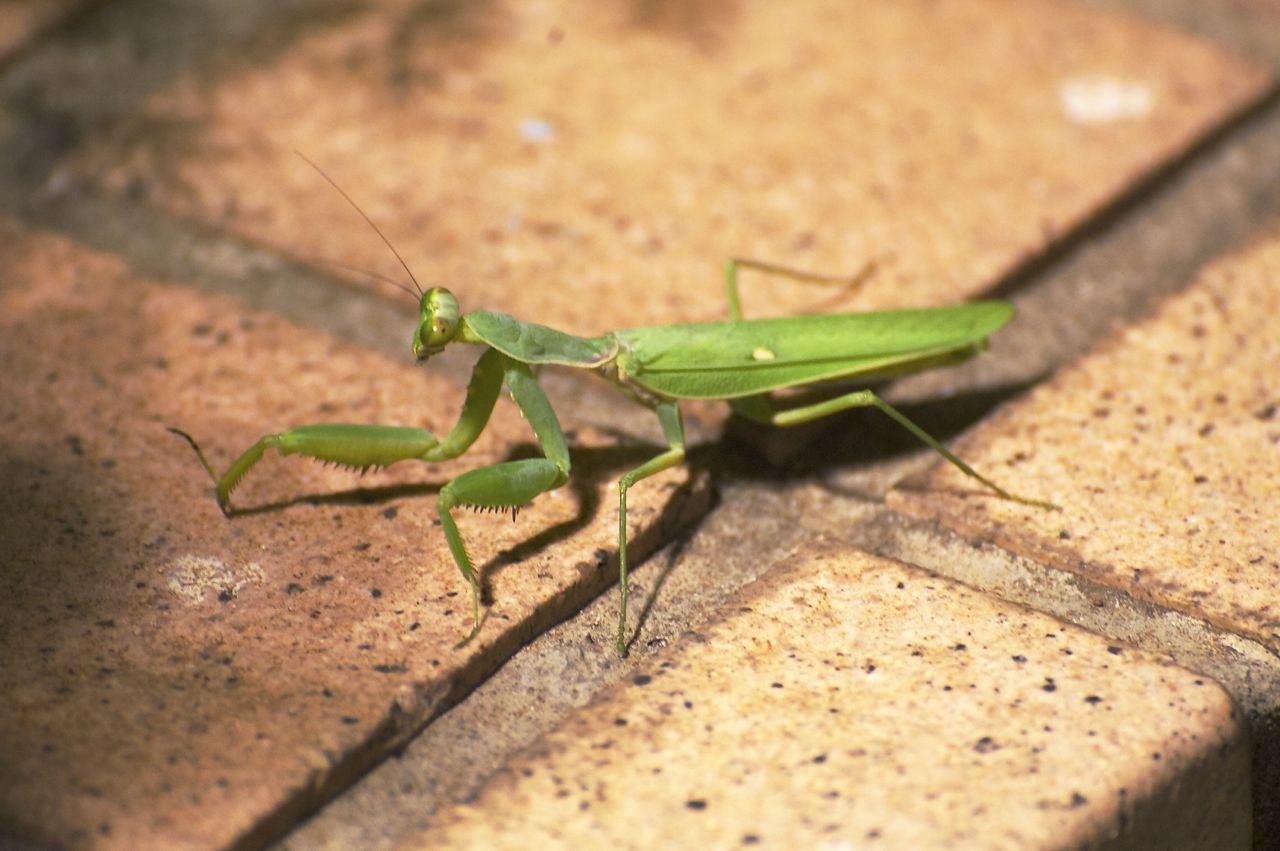
6. Giant asian mantis
The giant asian mantis (Hierodula patellifera) is among the largest mantises and tends to be anywhere between a bright green to a brown color. Virgin females have a unique "calling posture" to attract males. The female will curl its abdomen and start pumping movements, which releases sex pheromones. They do not perform this dance again after mating.
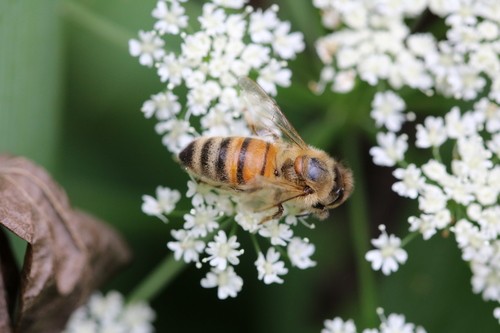
7. Western honey bee
Western honey bee(Apis mellifera) is the most common species of honeybee in the world. Among the first domesticated insects, its cultural and economic impact on humanity has been vast and far-reaching, providing honey, wax and its services as a pollinator. Western honey bee faces challenges worldwide, such as colony collapse disorder, and populations are thought to be decreasing.
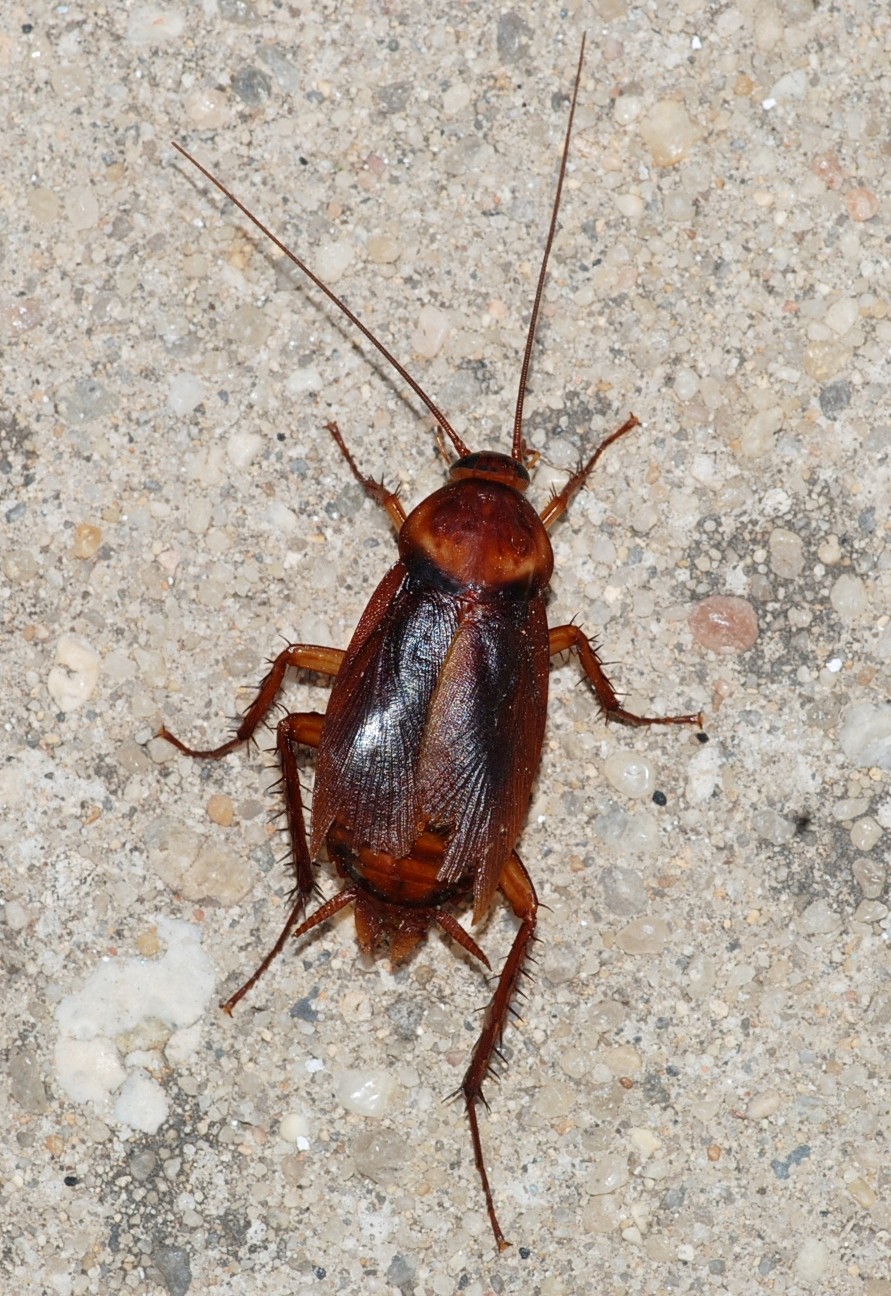
8. American cockroach
Despite its name, american cockroach (Periplaneta americana) is not native to the Americas but rather to Africa and the Middle East, from which it arrived as a result of human commercial patterns. Notably quick and rather resilient, this species is capable of limb regeneration. It requires a certain level of moisture to thrive, and it will avoid drier areas unless it has access to the required level of water.
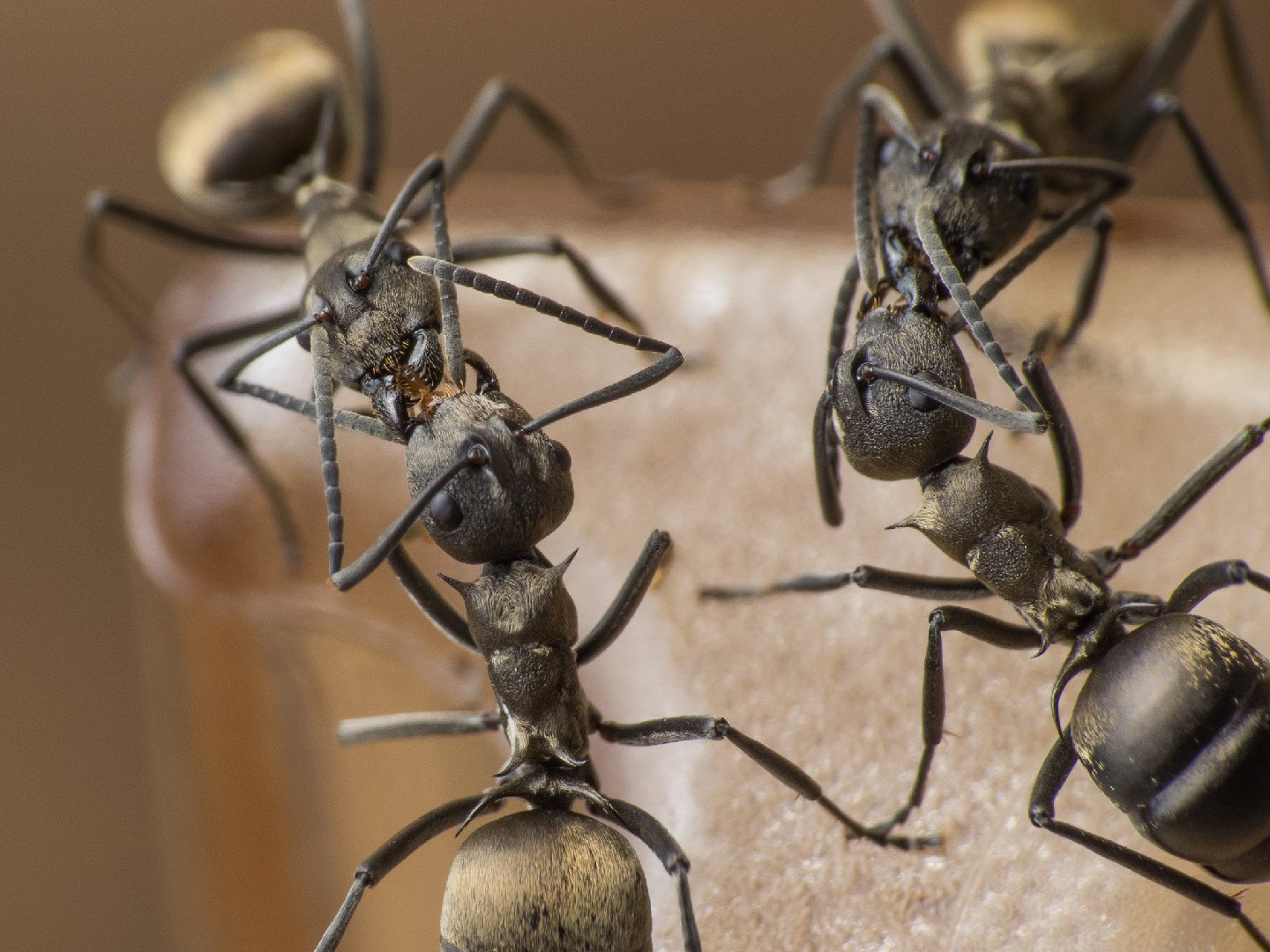
9. Rich spiny sugar ant
10. Banded-knees house spider
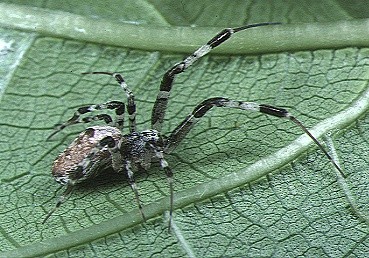
Zosis geniculata sometimes referred to as the humped spider or grey house spider, is a cosmopolitan species with a pantropical distribution. In Australia, it is often seen in buildings near human habitation.
More







