




Top 20 Most Common Insects in Bocas del Toro
Insects, diverse creatures found everywhere from lush vegetation to arid landscapes of Bocas del Toro, play a crucial role in our ecosystem. The unique topography in Bocas del Toro creates a vast array of habitats, leading to unparalleled insect diversity. Though some insects may be perceived as pests, many others contribute to pollination and pest control. Stay tuned as we unveil the top 20 most common insects that call Bocas del Toro their home, providing insights into their fascinating lives.

Most Common Insects
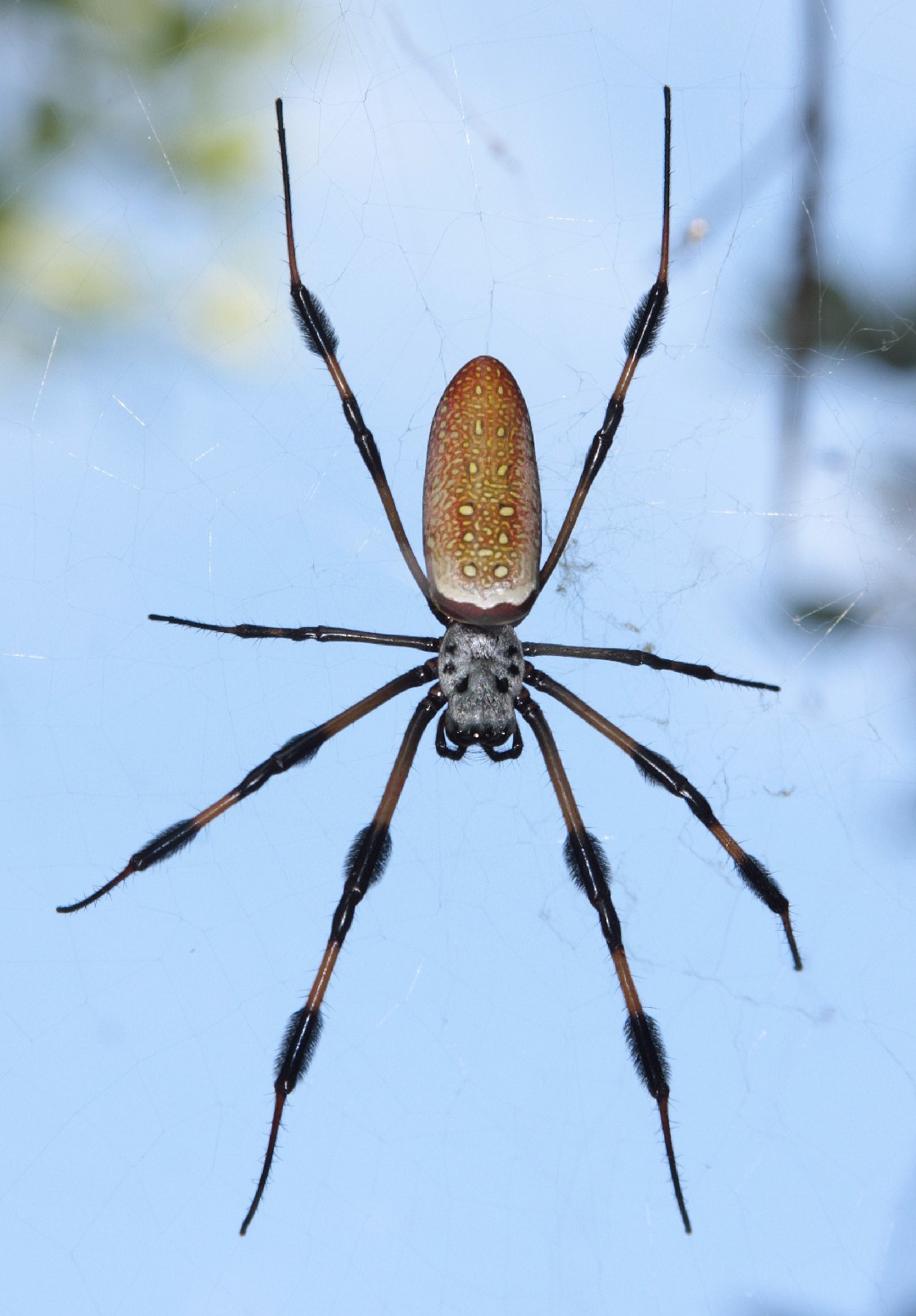
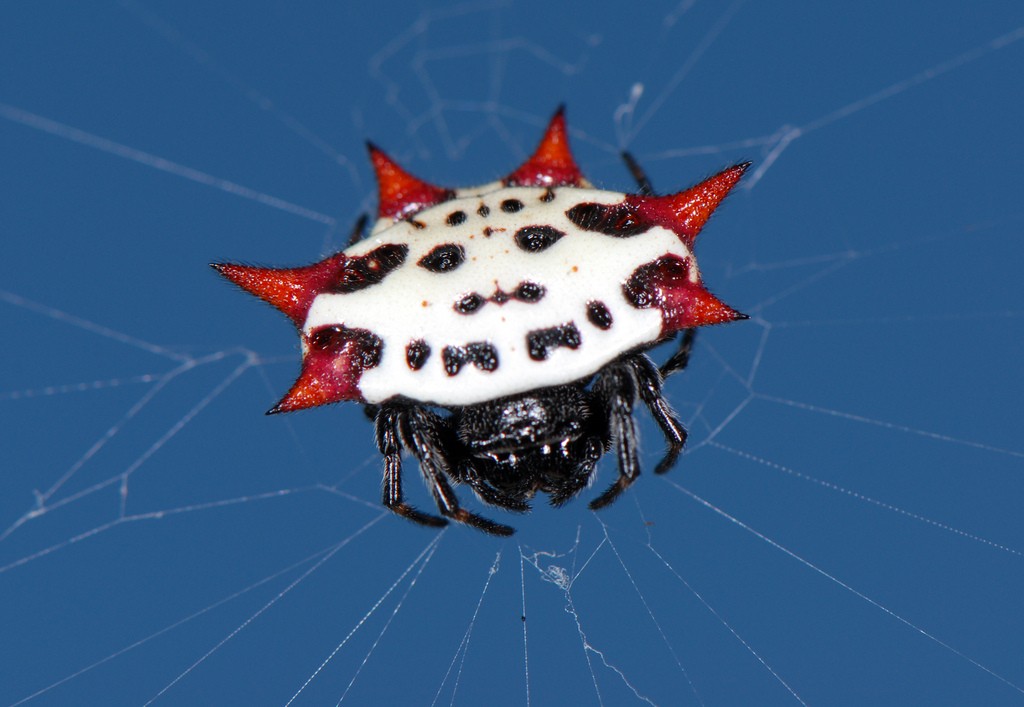
1. Banana spider
The banana spider (Nephila clavipes) is called that because it is commonly found in banana shipments leading from South America. There are many spiders that fit this category (often found in banana shipments), so this one is also called the Golden silk orb-weaver to distinguish them. This name is more related to the strength of its silk, which is stronger than steel based on tensile strength.
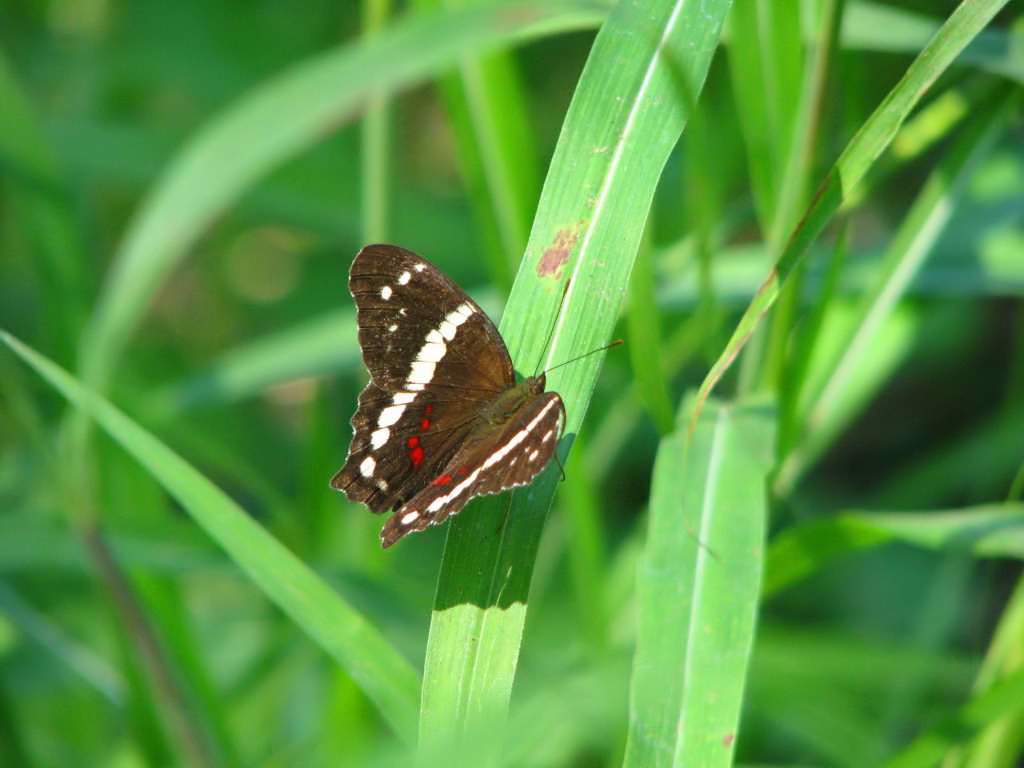
2. Banded peacock
The wingspan of the moths is 60 to 70 millimeters. The basic color of the wings is black-brown to black. On the front wing top, a white, sometimes yellowish bandage extends through the Diskalregion, which continues on the hind wings. Near the apex, some small whitish spots are highlighted. The hind wings show some striking red, sometimes orange spots. The tail at the Analwinkel are very short. All wing bottoms show similar drawing elements as the tops, but these are paler and weaker.
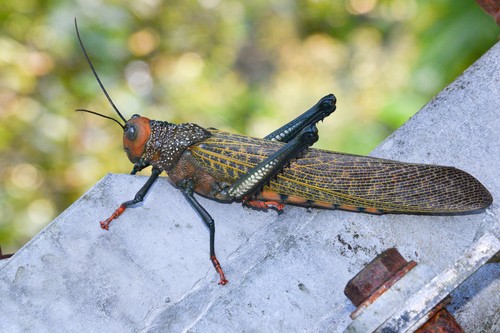
3. Giant red-winged grasshopper
The giant red-winged grasshopper is one of the largest insects in the world! They are herbivores and if put in large numbers, can decimate crops. Interestingly, they can use their wings to create vibrations in order to attract females. The adult giant red-winged grasshopper has leaf-like wings which help the species to camouflage very well in vegetation.
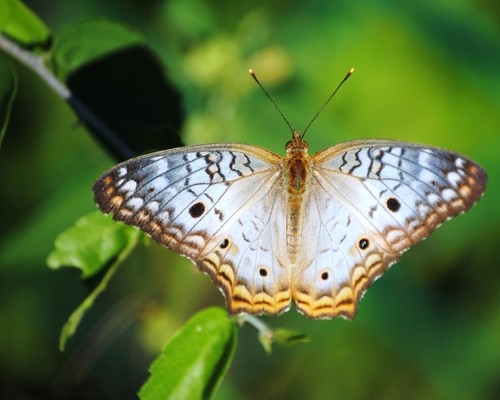
4. White peacock
The wingspan of the moths is 51 to 70 millimeters. The basic color is whitish. On the forewings there is a black, circular spot near the inner angle. At the front edge, two to three oblong, yellow-brown spots stand out. The Submarginalregion is also yellow-brown colored and crossed by dark lines. On the hind wings are two more small, black, circular spots near the tawny and dark-colored submarginal region. A short tail is more or less strong. The wing underside shows similar drawing elements as the top, but these are paler and weaker pronounced.
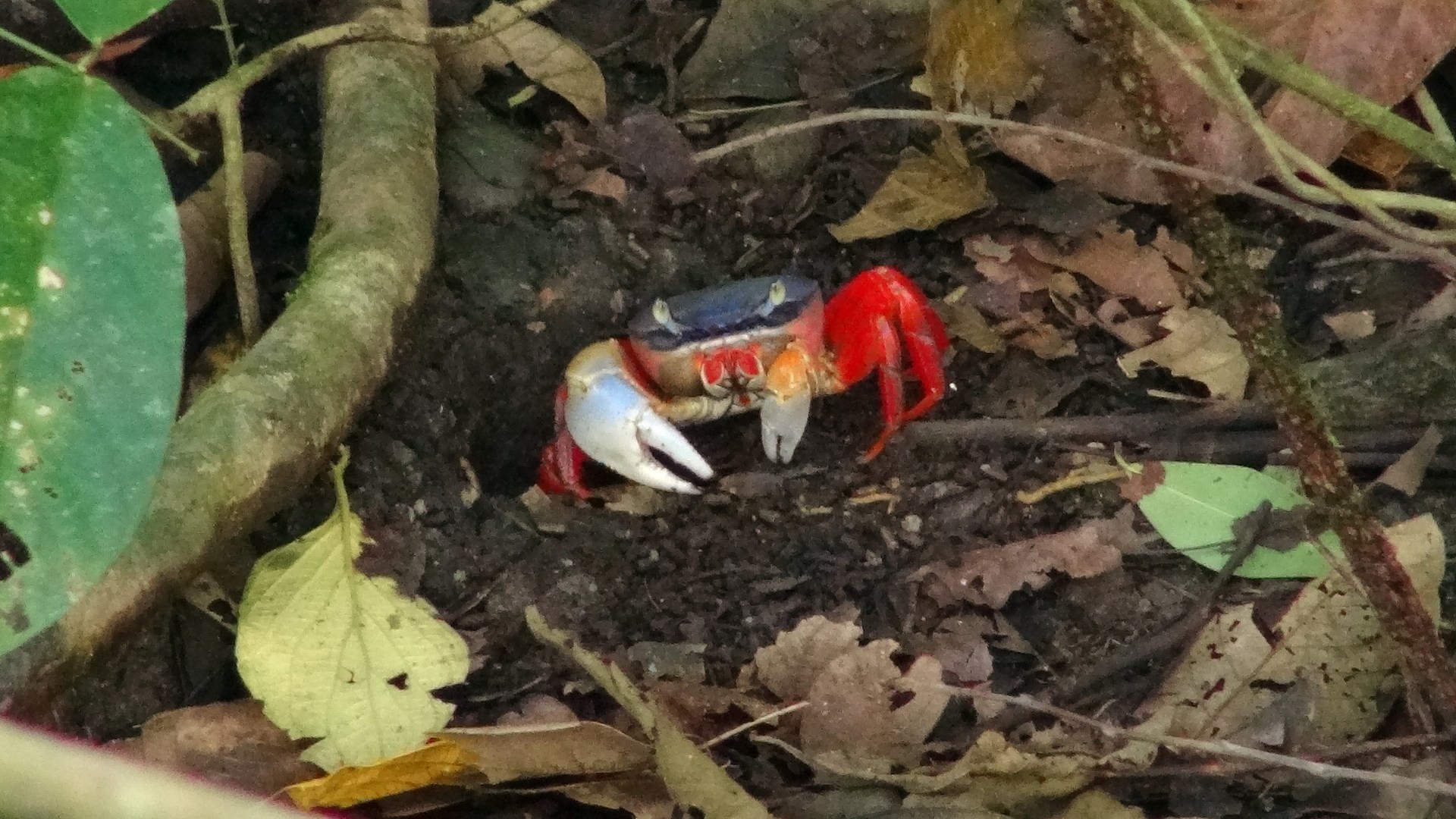
5. Mouthless crab
Cardisoma crassum is a crab species from the family of the Gecarcinidae. The scientific name of the species was first validly published in 1870 by Smith.
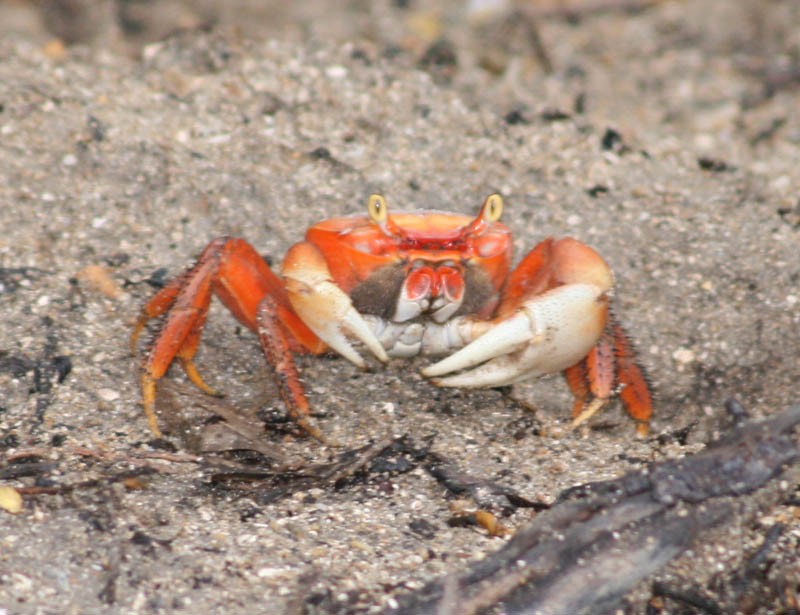
6. Blue land crab
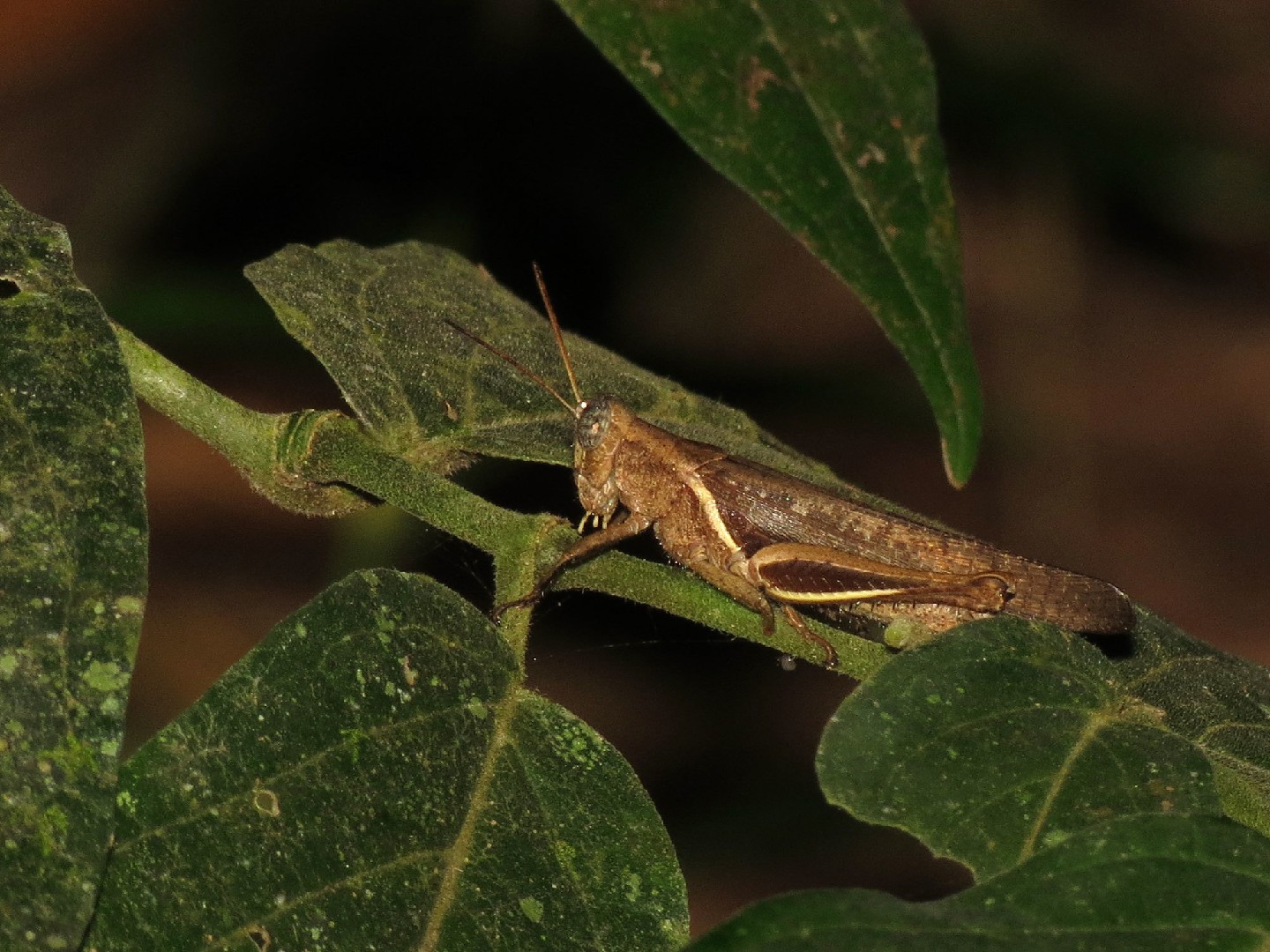
7. Abracris flavolineata
Abracris flavolineata is a right-winged insect from the family locusts (Acrididae). The scientific name of this species was first validly published in 1773 by De Geer.
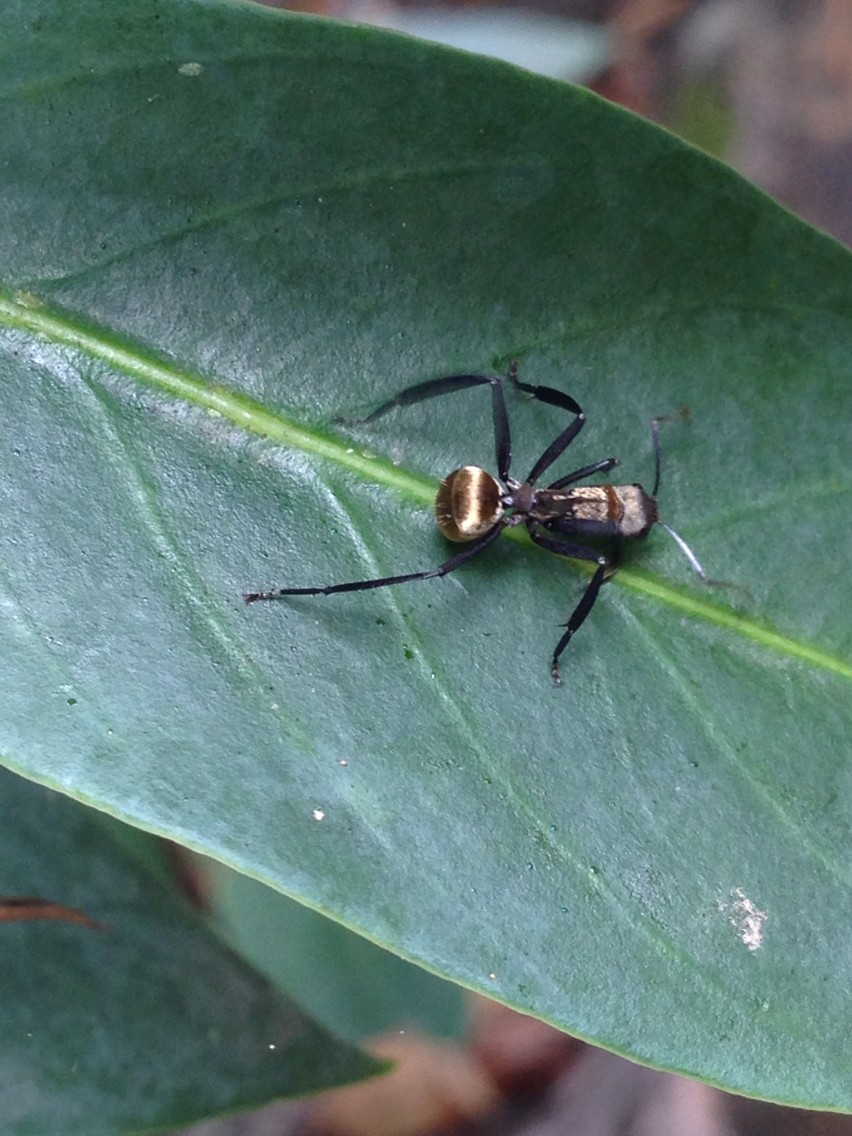
8. Shimmering golden sugar ant
Camponotus sericeiventris is an ant species from the subfamily of the Camponotus sericeiventris (Formicinae). The scientific name of the species was first validly published in 1838 by Guérin-Méneville.
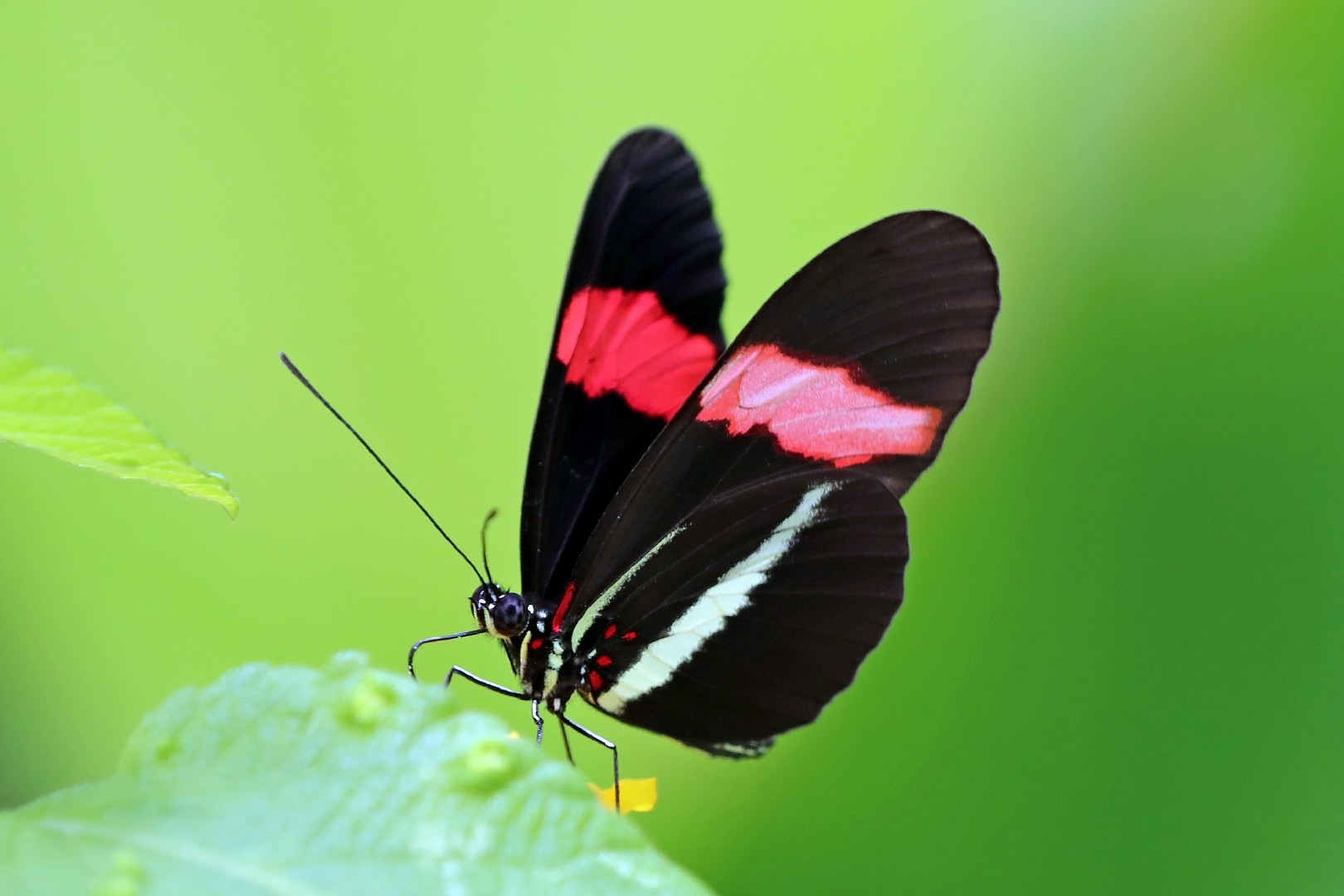
9. Red postman butterfly
The red postman butterfly (Heliconius erato) is a beautiful black and white butterfly that is a skilled actor. It exhibits mimicry to resemble a butterfly similar to the Common postman to deter predators. Also, its favorite host plants are passion flowers. But it has been known to be picky about the quality of the flower.

10. Lubber grasshopper

More