




Top 20 Most Common Insects in Panama
Insects, with their distinct features and habitats, are integral components of our ecosystems. Across diverse geographical locations in Panama, insect diversity is affected by varied climates and landscapes. While some act as pests, others are beneficial, playing critical roles in pollination, pest regulation, and waste decomposition. This testament underscores the importance of understanding the entomological biodiversity of Panama as we peer into our list of 20 most common insects

Most Common Insects
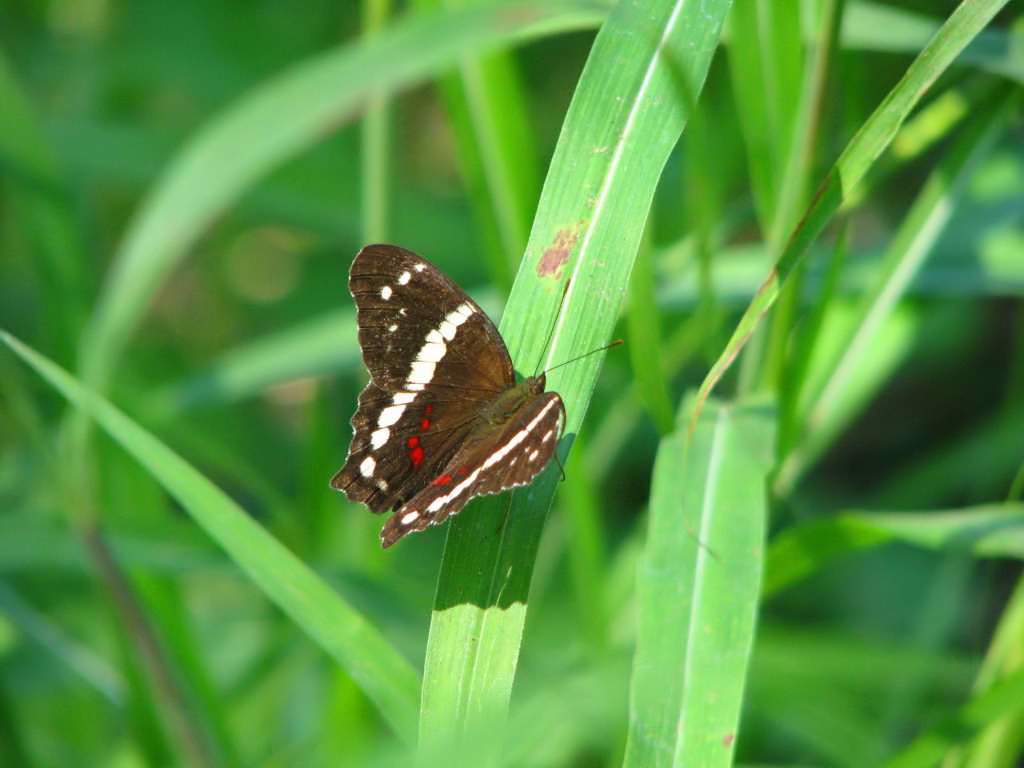
1. Banded peacock
The wingspan of the moths is 60 to 70 millimeters. The basic color of the wings is black-brown to black. On the front wing top, a white, sometimes yellowish bandage extends through the Diskalregion, which continues on the hind wings. Near the apex, some small whitish spots are highlighted. The hind wings show some striking red, sometimes orange spots. The tail at the Analwinkel are very short. All wing bottoms show similar drawing elements as the tops, but these are paler and weaker.
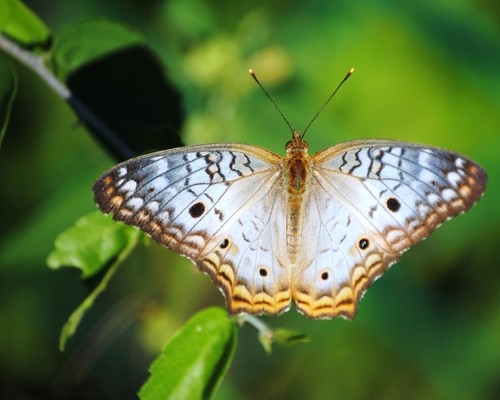
2. White peacock
The wingspan of the moths is 51 to 70 millimeters. The basic color is whitish. On the forewings there is a black, circular spot near the inner angle. At the front edge, two to three oblong, yellow-brown spots stand out. The Submarginalregion is also yellow-brown colored and crossed by dark lines. On the hind wings are two more small, black, circular spots near the tawny and dark-colored submarginal region. A short tail is more or less strong. The wing underside shows similar drawing elements as the top, but these are paler and weaker pronounced.
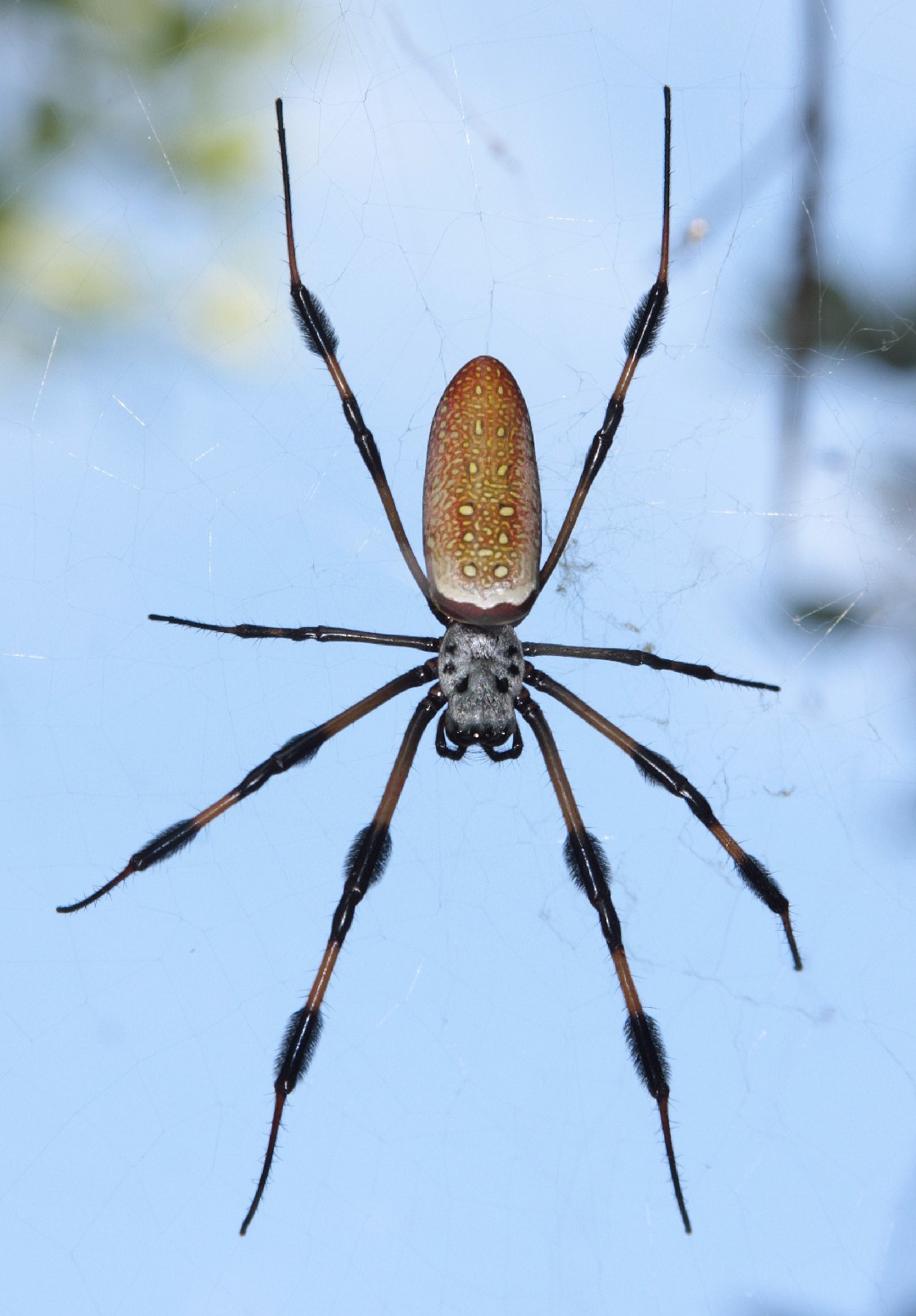
3. Banana spider
The banana spider (Nephila clavipes) is called that because it is commonly found in banana shipments leading from South America. There are many spiders that fit this category (often found in banana shipments), so this one is also called the Golden silk orb-weaver to distinguish them. This name is more related to the strength of its silk, which is stronger than steel based on tensile strength.
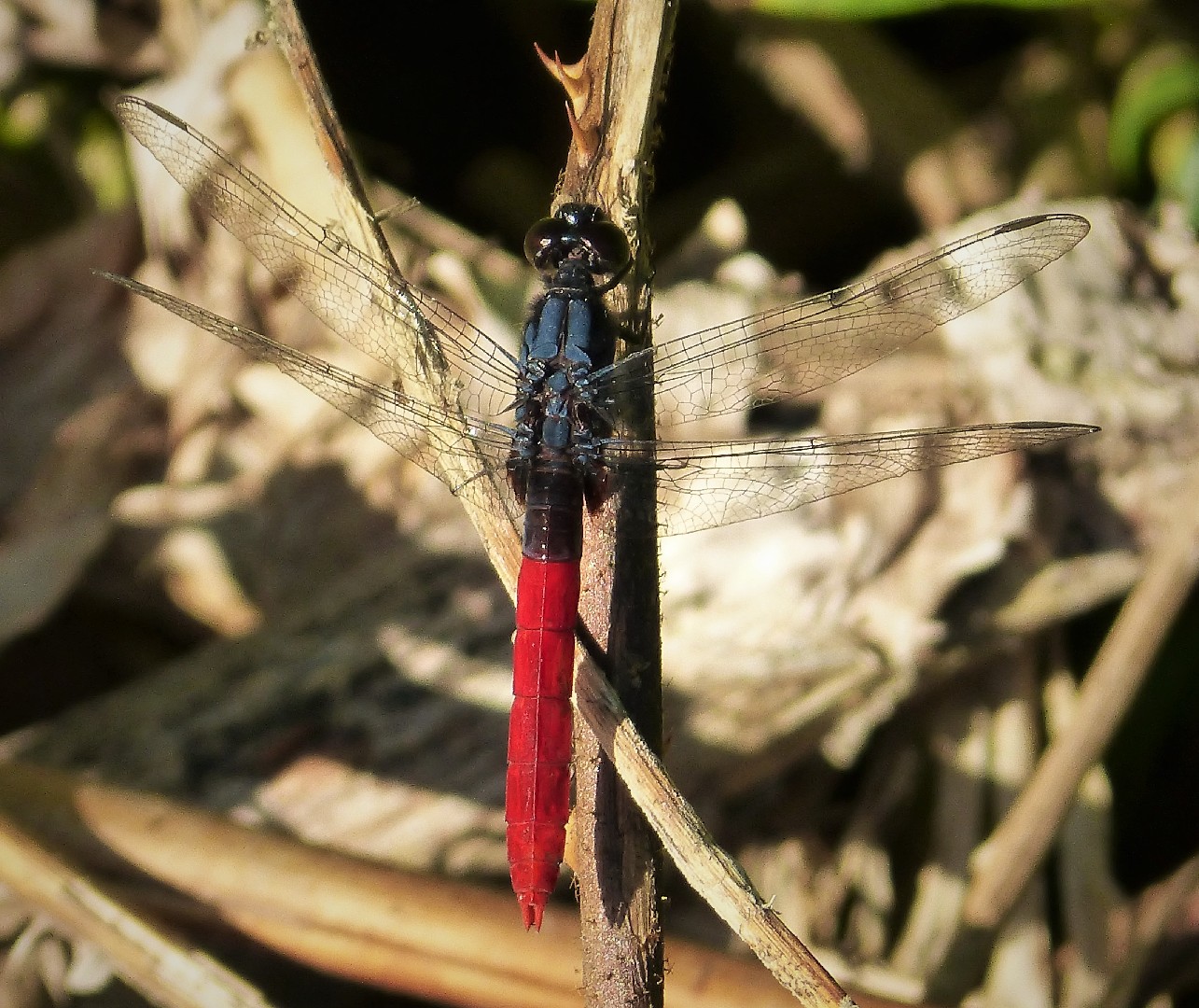
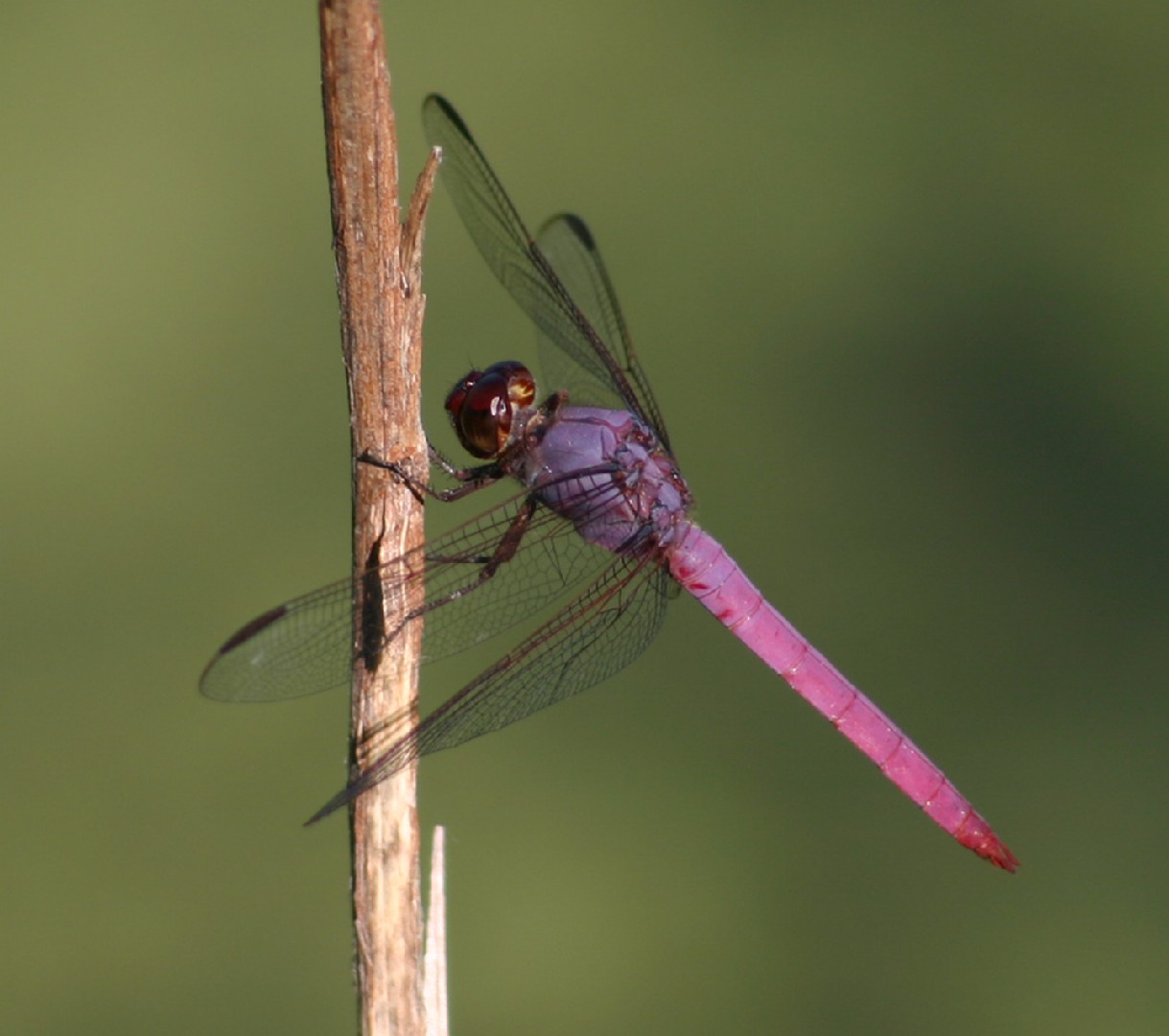
4. Flame-tailed pondhawk
The scientific name Erythemis peruviana was first validly published in 1842 by Rambur.
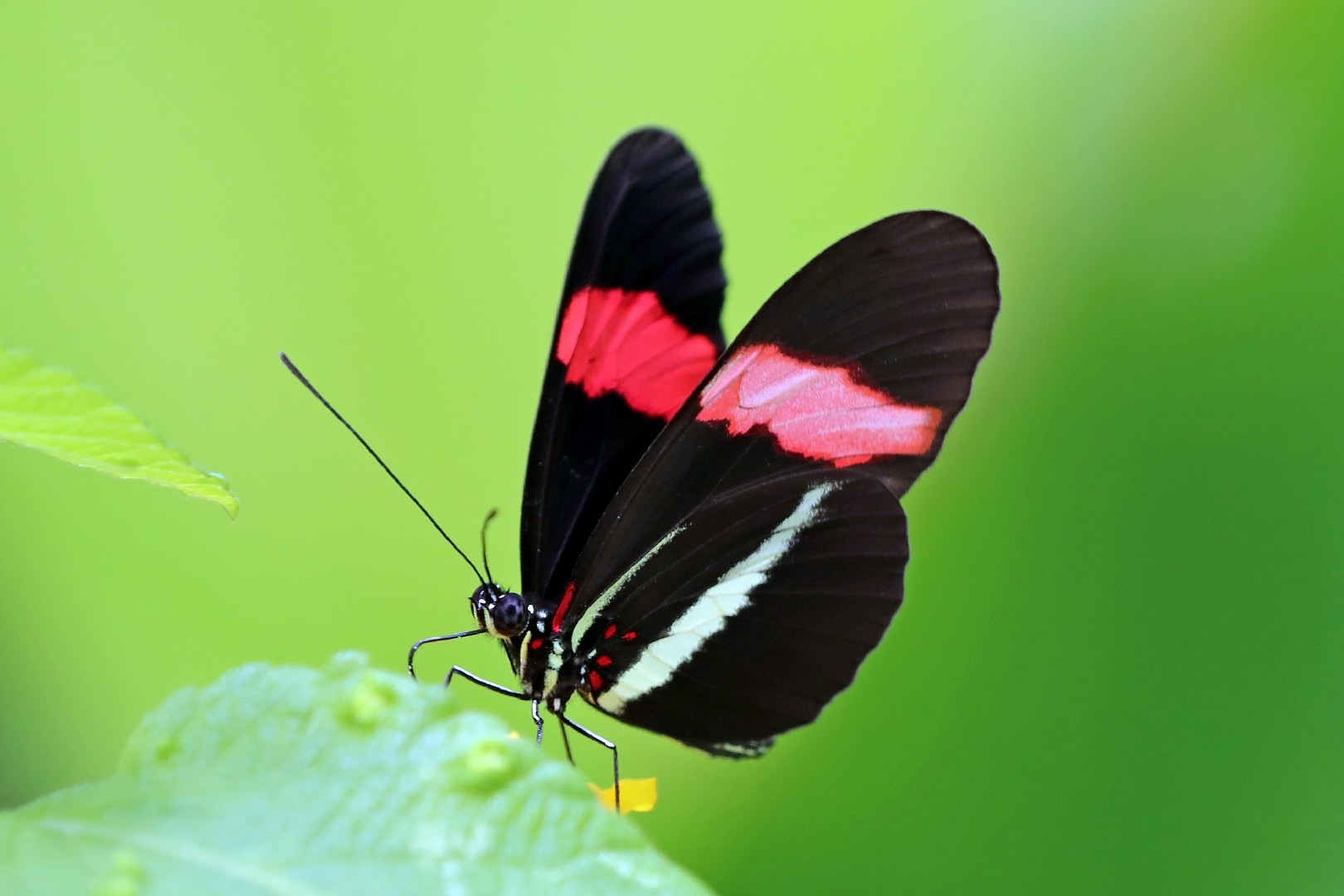
5. Red postman butterfly
The red postman butterfly (Heliconius erato) is a beautiful black and white butterfly that is a skilled actor. It exhibits mimicry to resemble a butterfly similar to the Common postman to deter predators. Also, its favorite host plants are passion flowers. But it has been known to be picky about the quality of the flower.
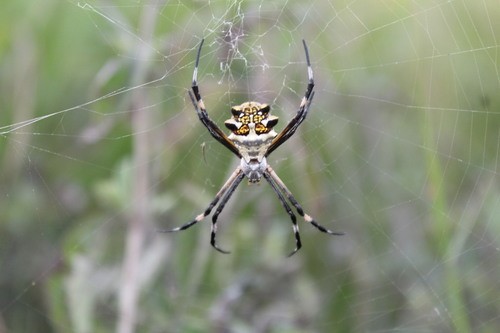
6. Silver argiope
The silver argiope (Argiope argentata) often creates unique zigzag patterns on its webs. It's usually found in warm, dry areas, especially on cacti and aloe vera plants. The females are much larger than males. They can bite and cause irritation to the skin, but the damage won't be life-threatening.
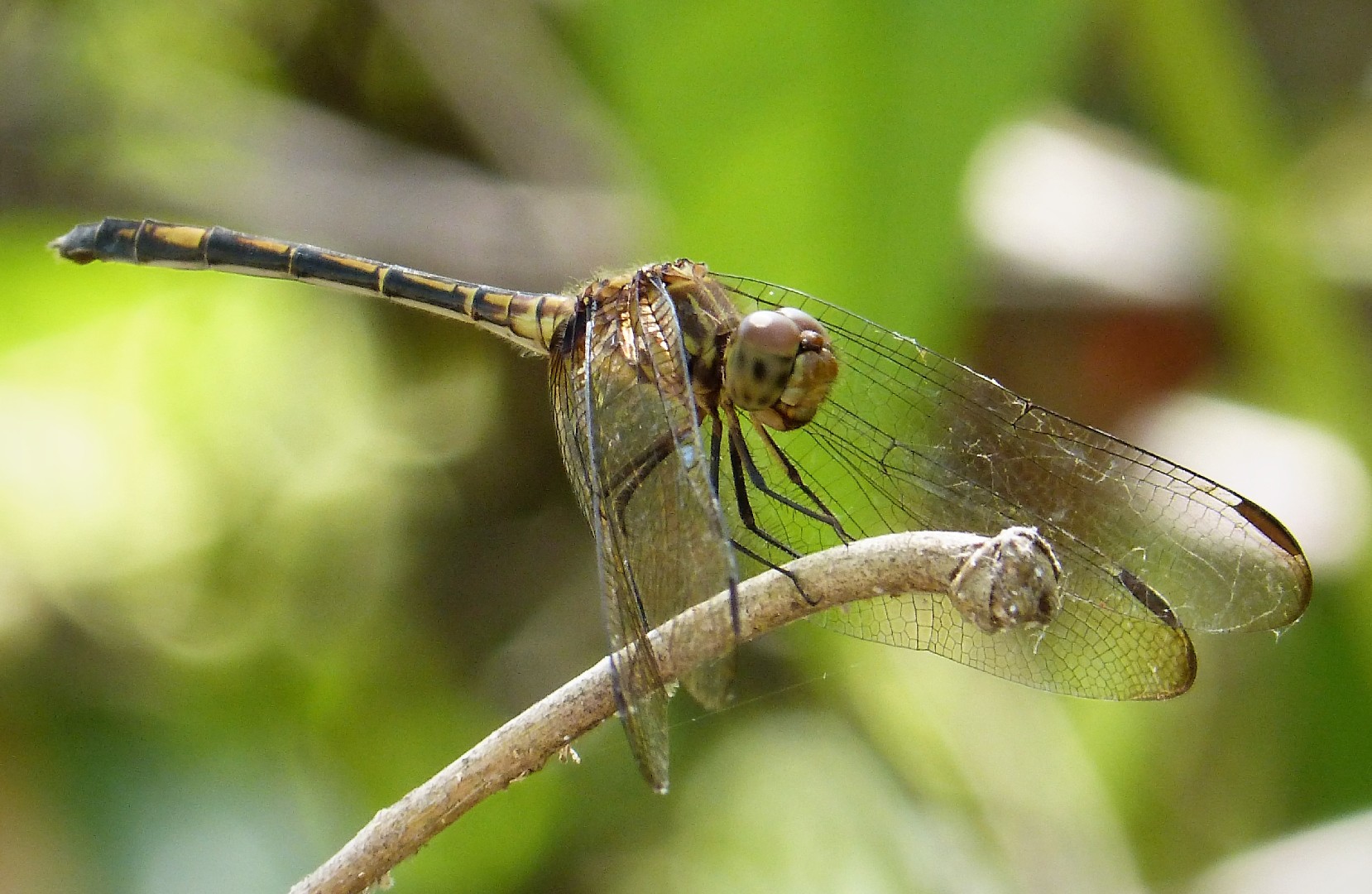
7. Brown setwing
The scientific name Dythemis sterilis was first validly published in 1861 by Hagen.
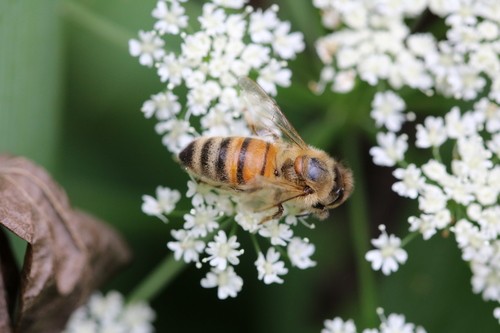
8. Western honey bee
Western honey bee(Apis mellifera) is the most common species of honeybee in the world. Among the first domesticated insects, its cultural and economic impact on humanity has been vast and far-reaching, providing honey, wax and its services as a pollinator. Western honey bee faces challenges worldwide, such as colony collapse disorder, and populations are thought to be decreasing.
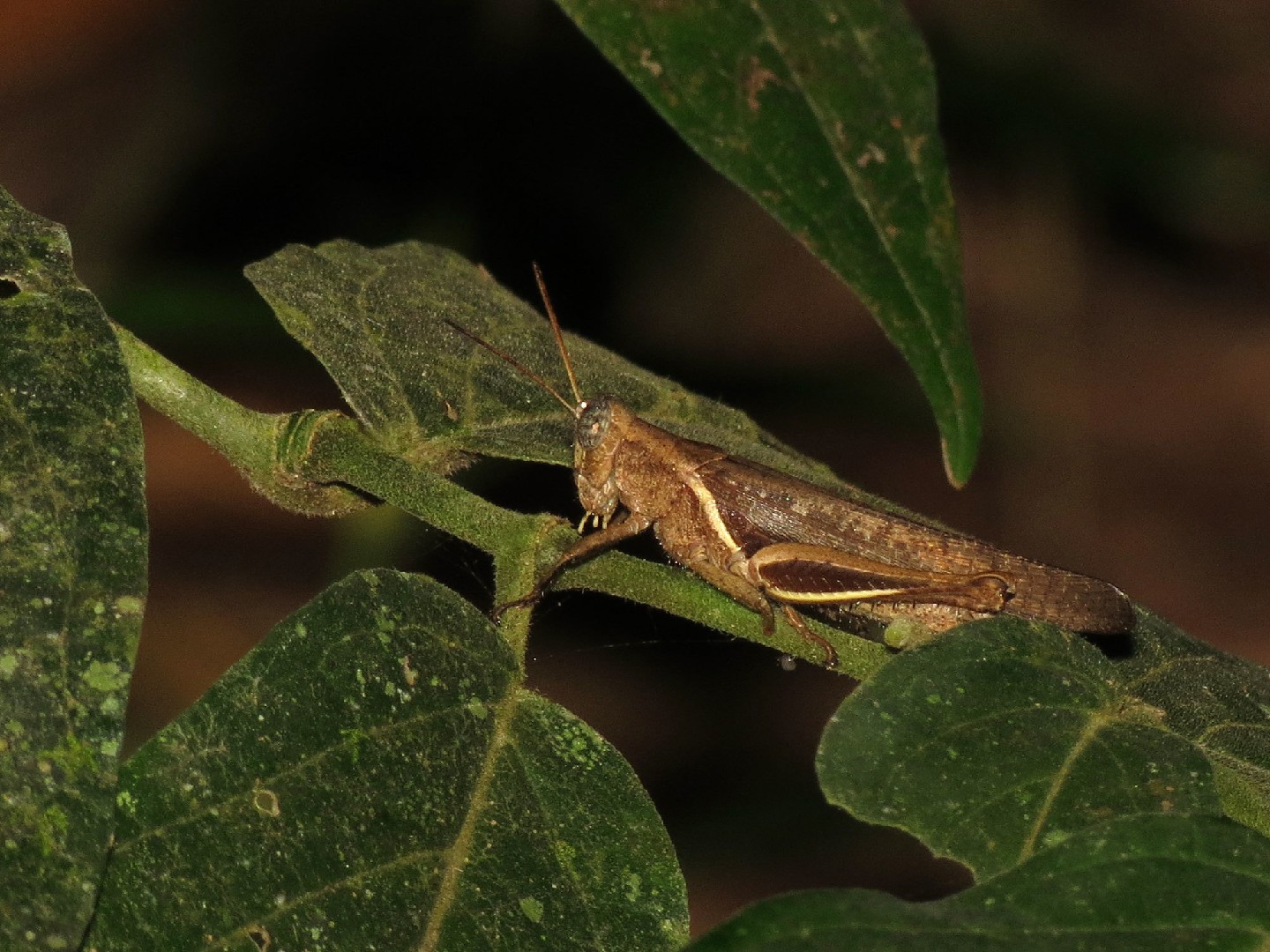
9. Abracris flavolineata
Abracris flavolineata is a right-winged insect from the family locusts (Acrididae). The scientific name of this species was first validly published in 1773 by De Geer.
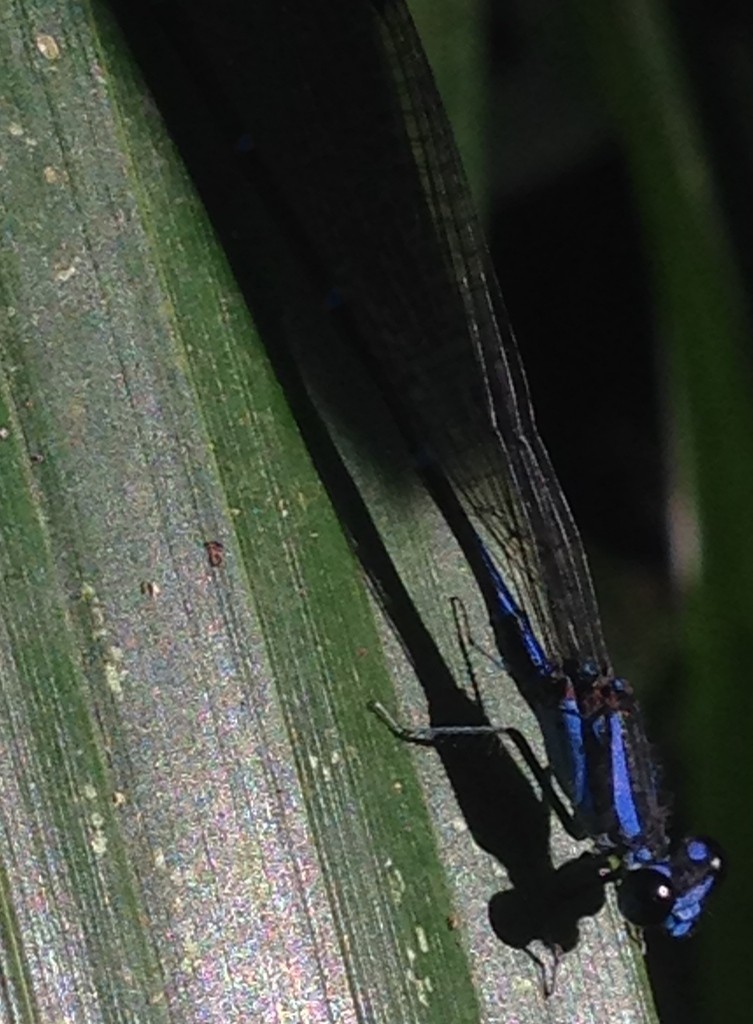
10. Argia oculata

More







