




Top 14 Most Common Insects in Arequipa
Insects, with their distinct features and habitats, pepper the beautifully diverse landscape of Arequipa, enriching its ecological tapestry. Geographic variations within Arequipa foster a myriad of these critters, underpinning an unmatched insect diversity. They perform crucial ecosystem roles, from pest control to pollination. Our list of 14 most common insects in Arequipa spotlights these intriguing earth-dwellers- both friend and foe, testament to the intricate relationship between Arequipa's environment and the insect world.

Most Common Insects
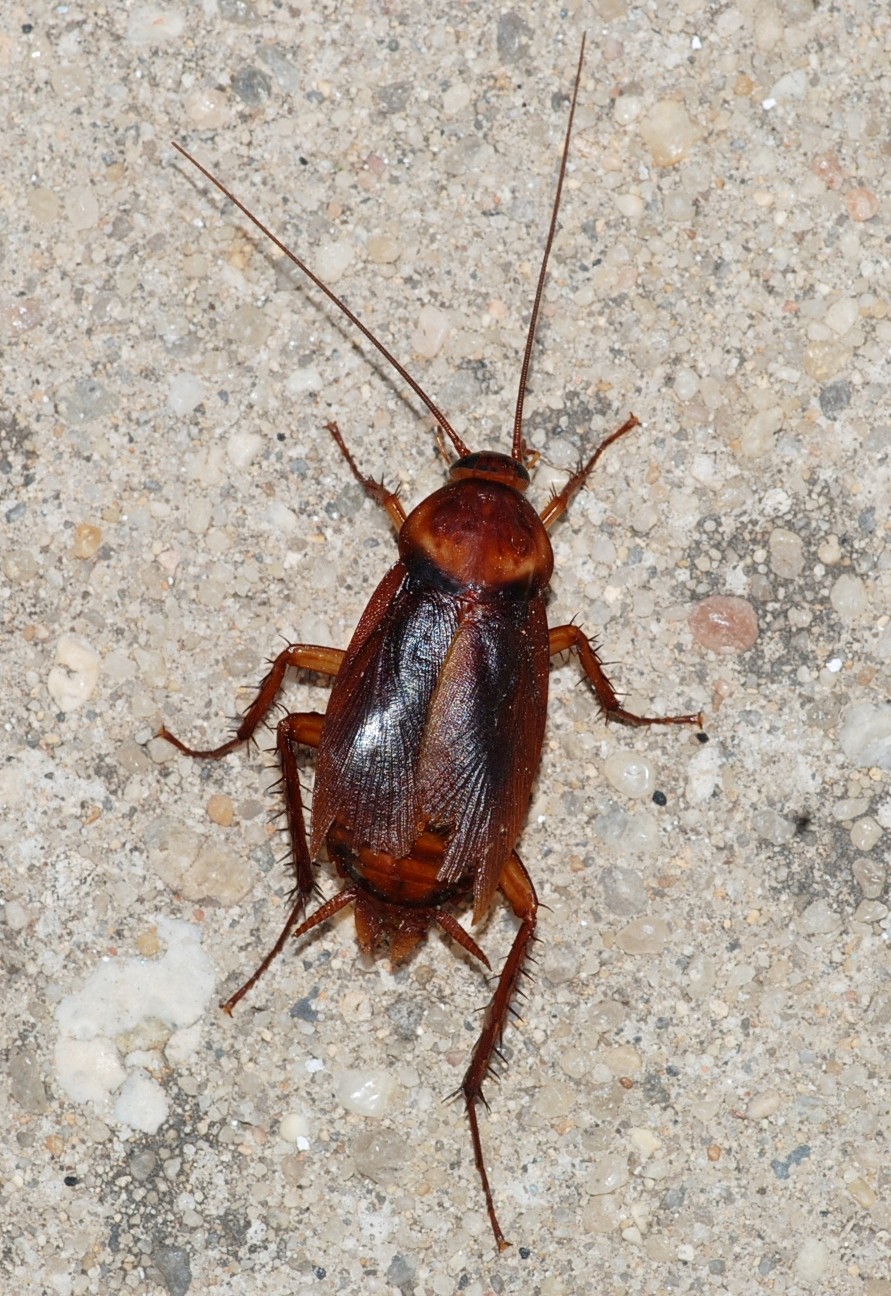
1. American cockroach
Despite its name, american cockroach (Periplaneta americana) is not native to the Americas but rather to Africa and the Middle East, from which it arrived as a result of human commercial patterns. Notably quick and rather resilient, this species is capable of limb regeneration. It requires a certain level of moisture to thrive, and it will avoid drier areas unless it has access to the required level of water.
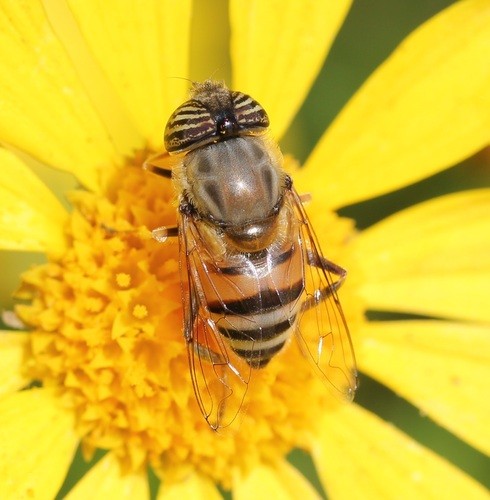
2. Band-eyed drone fly
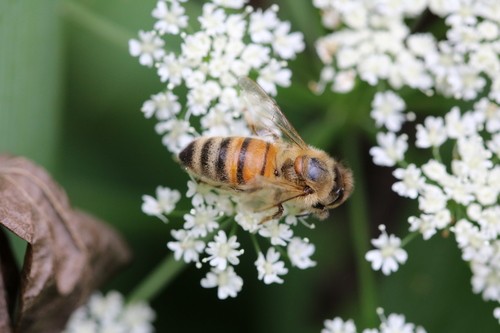
Eristalinus taeniops can reach a length of 1.09 - 1.4 cm. These hoverflies exhibit a bee-like yellow-black drawing. The thorax has a metallic yellow-brown color and it is densely yellow hairy. Also the scutellum are yellow-brown colored. The abdomen is reddish-yellow, with transversal black bands. The compound eyes have five distinct, vertical, dark stripes. The wings are transparent, usually yellowish-brown at the base, while the halteres are brightly pale yellow colored. 
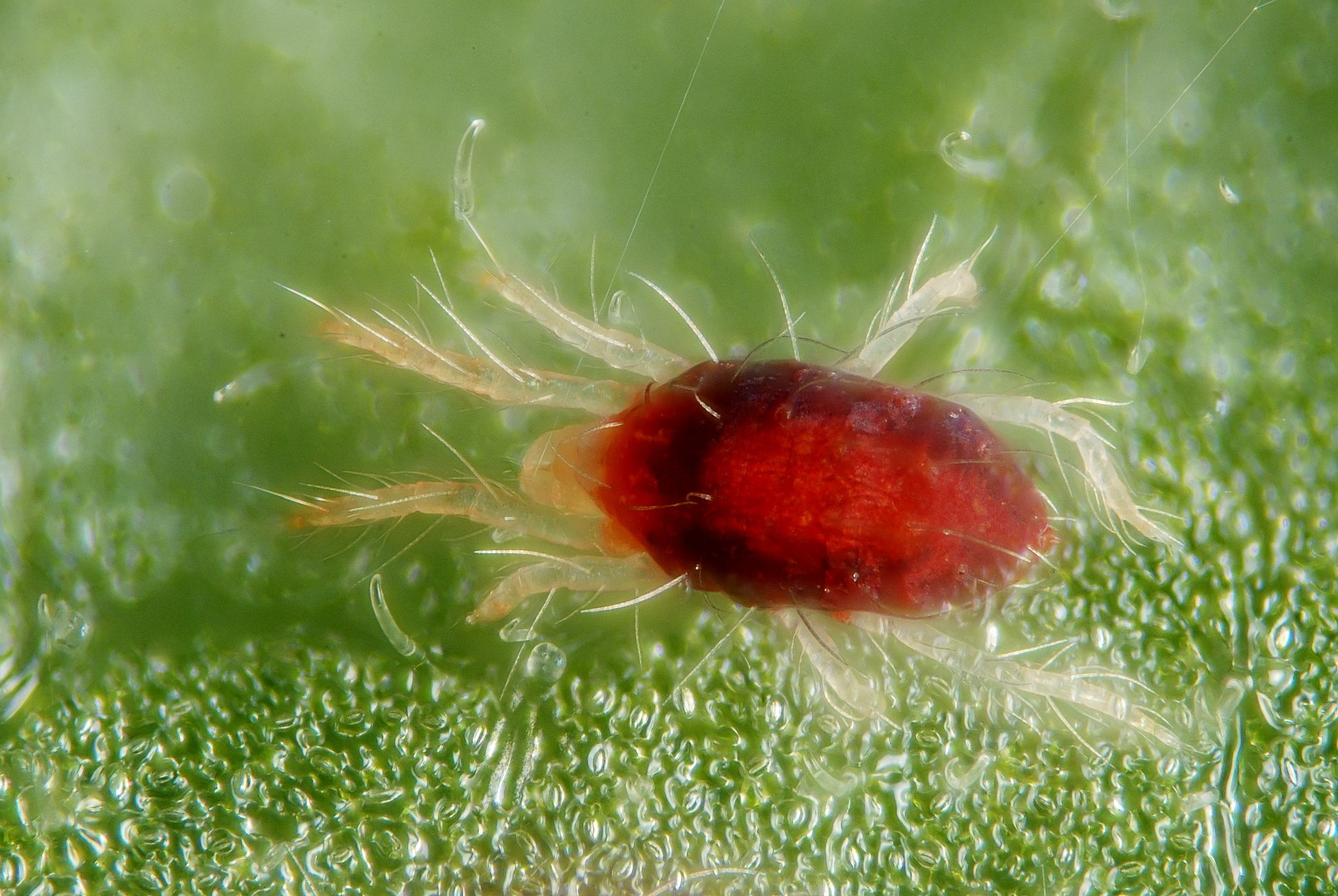
3. Two-spotted spider mite
The two-spotted spider mite is a pest insect in the United States, even in colder climates where it invades greenhouses. The insect is often found underneath plant leaves, where it uses its needle-like mouth to pierce the foliage. The insect can also damage flowers. It spins a fine web as its feeds, aiding the plant damage.
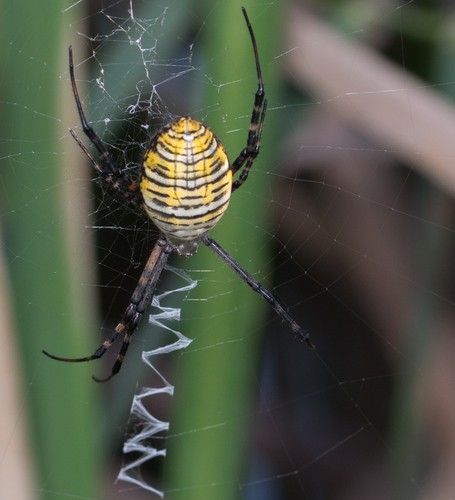
4. Banded argiope
The banded argiope (Argiope trifasciata) can be distinguished by its zebra-striped pattern, with either red and white or black and yellow stripes. It builds orb-shaped webs, and then it waits upside-down in the center of the web for prey to become entangled. The females spend a lot of time guarding their eggs, and they can deliver a painful bite if threatened.
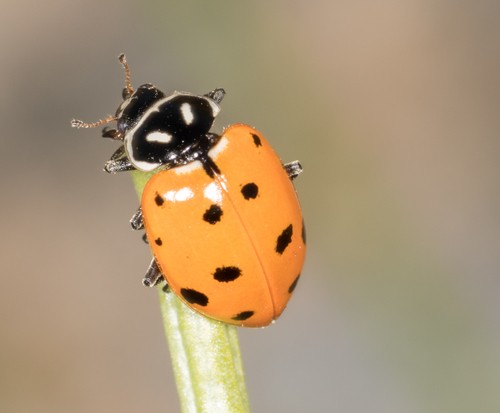
5. Convergent lady beetle
The convergent lady beetle (Hippodamia convergens) is one of the most common lady beetles in North America, which is a great thing given that it is a common biological control agent of aphids. They lay a good chunk of eggs over a couple of months. If you have ever seen a small, black alligator-like insect, you may have seen one of its larva.
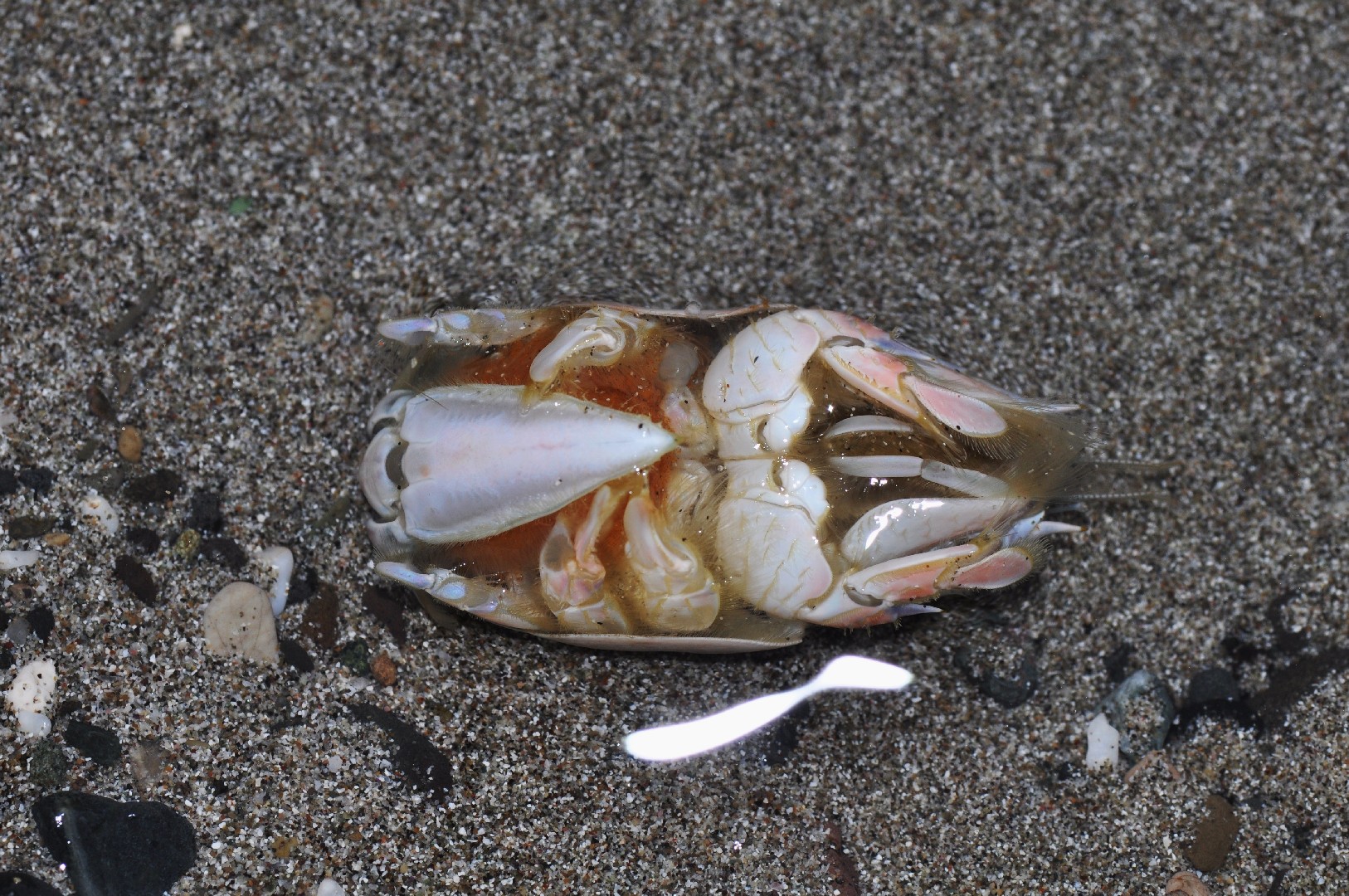
6. Pacific sand crab
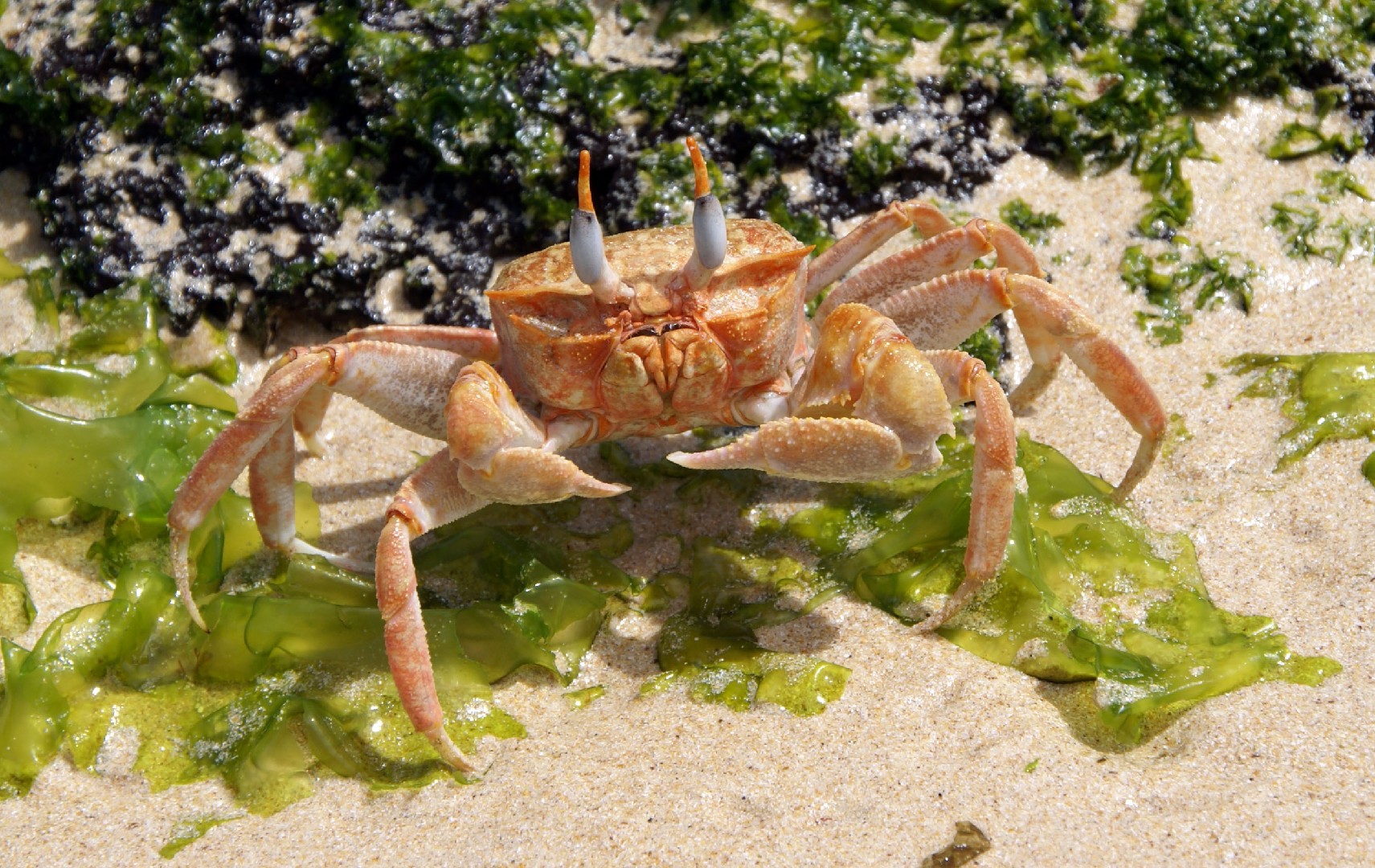
Commonly found along the beaches on the Pacific Coast, the pacific sand crab buries itself in the wet sand awaiting the incoming tide. As the waves roll in, this little crustacean extends its eyes and antennae, projecting them above the surface to catch its share of the plankton floating past. It is often used by surf fisherman for bait.
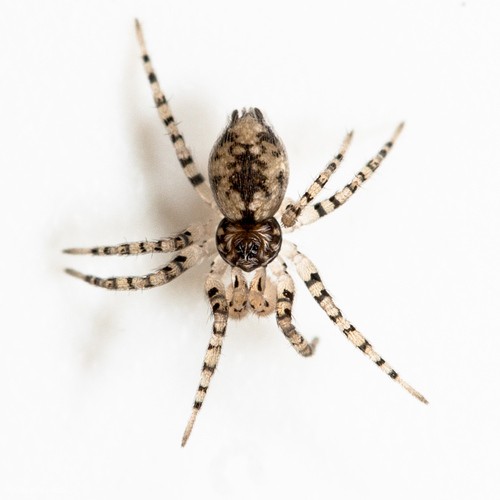
7. Wall spider
The wall spider commonly creates small webs. It is a very fast runner and tends to run in a non-linear pattern. When it is preying on ants, it will run around the ant in small circles and encase it in silk.

8. Bed bug
Bed bugs feed almost exclusively on human blood. The nymphs and larvae have to consume blood regularly. Feedings for all life stages usually occur in warm, dark conditions while the human host is sleeping. The adults can live for up to six months without feeding and reproduce prolifically.

9. Red rock crab
Grapsus grapsus is a typically shaped crab, with five pairs of legs, the front two bearing small, blocky, symmetrical chelae (claws). The other legs are broad and flat, with only the tips touching the substrate. The crab's round, flat carapace is slightly longer than 8 centimetres (3.1 in). Young G. grapsus are black or dark brown in colour and are camouflaged well on the black lava coasts of volcanic islands. Adults are quite variable in colour; some are muted brownish-red, some mottled or spotted brown, pink, or yellow.
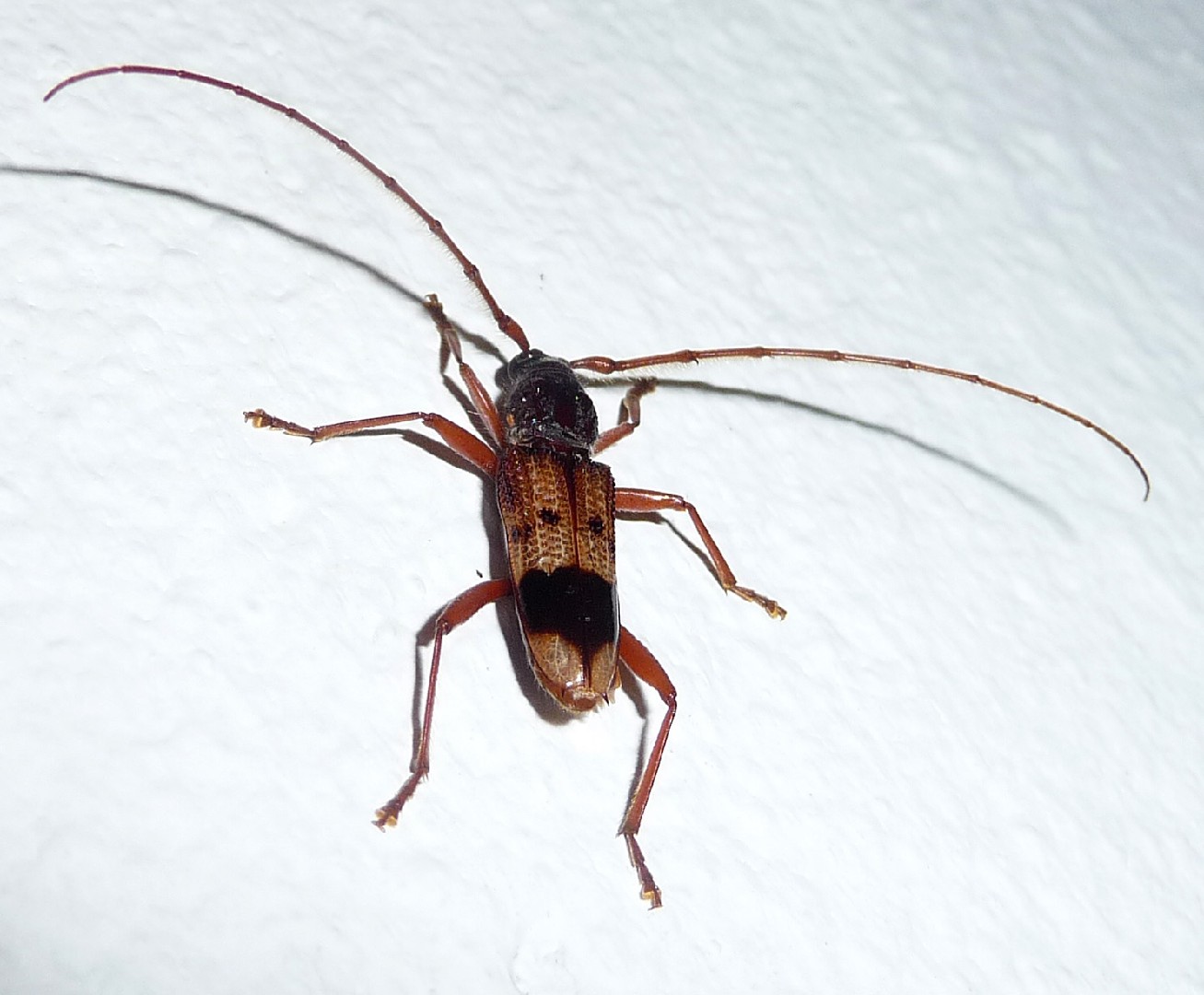
10. Eucalyptus longhorned borer
The eucalyptus longhorned borer (Phoracantha recurva) can be distinguished by its thick antennae, which are longer than the length of its body. Its larvae gnaw through the tissues of eucalyptus trees, causing hazards to eucalyptus groves. They prefer trees that are already distressed, causing branches to fall.
More







