




Top 15 Most Common Insects in Aklan
Venture into the enthralling world of insects in Aklan, a region blessed with diversity in these tiny yet mighty creatures. Remarkable variations in Aklan's geography cultivate distinct insect ecosystems, promoting biodiversity. From pollinators enhancing plant growth to pests impacting human settlements, insects are vital ecosystem contributors. Our list of 'Top 15 Most Common Insects in Aklan' aims at appreciating these often-misunderstood beings and their crucial roles in our environments.

Most Common Insects
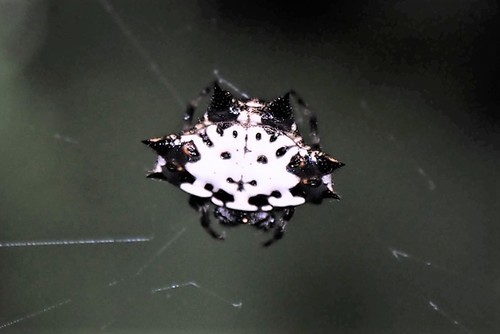
1. Black-and-white spiny spider
Female black-and-white spiny spider are 6 - 9 mm wide and possess a hard, shiny abdomen armed with six black conical spines. The upper surface of the abdomen is white to yellowish with variable black or dark brown markings and sigilla. Males are much smaller at 3 - 4 mm and in place of spines have small bumps on their abdomens. 
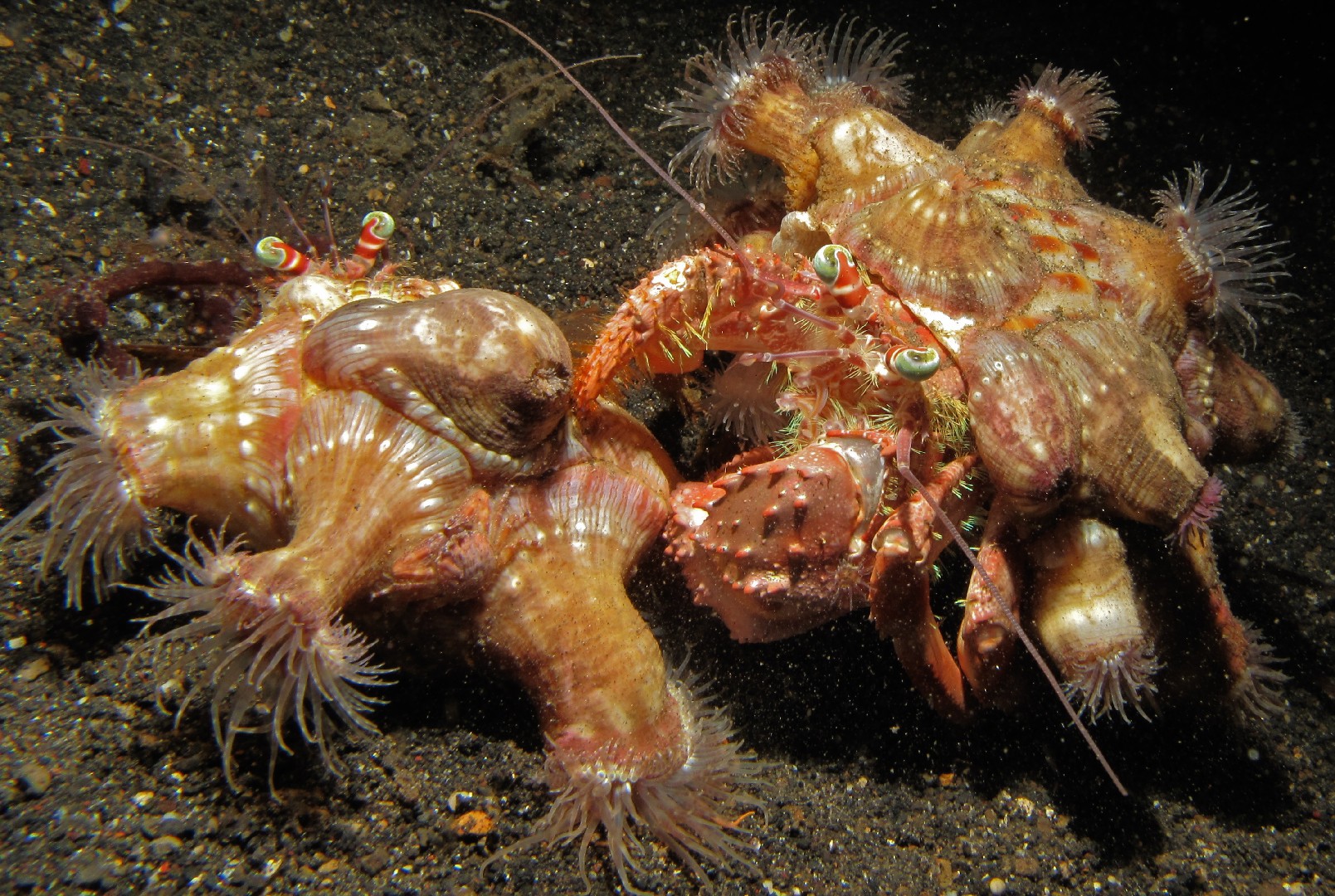
2. Anemone hermit crab
Dardanus pedunculatus usually attain a maximum size of 10 centimetres (4 in). The carapace is mottled in tan and cream, while the eyestalks are white with red bands. The sexes are similar. The left claw is much larger than the right claw.
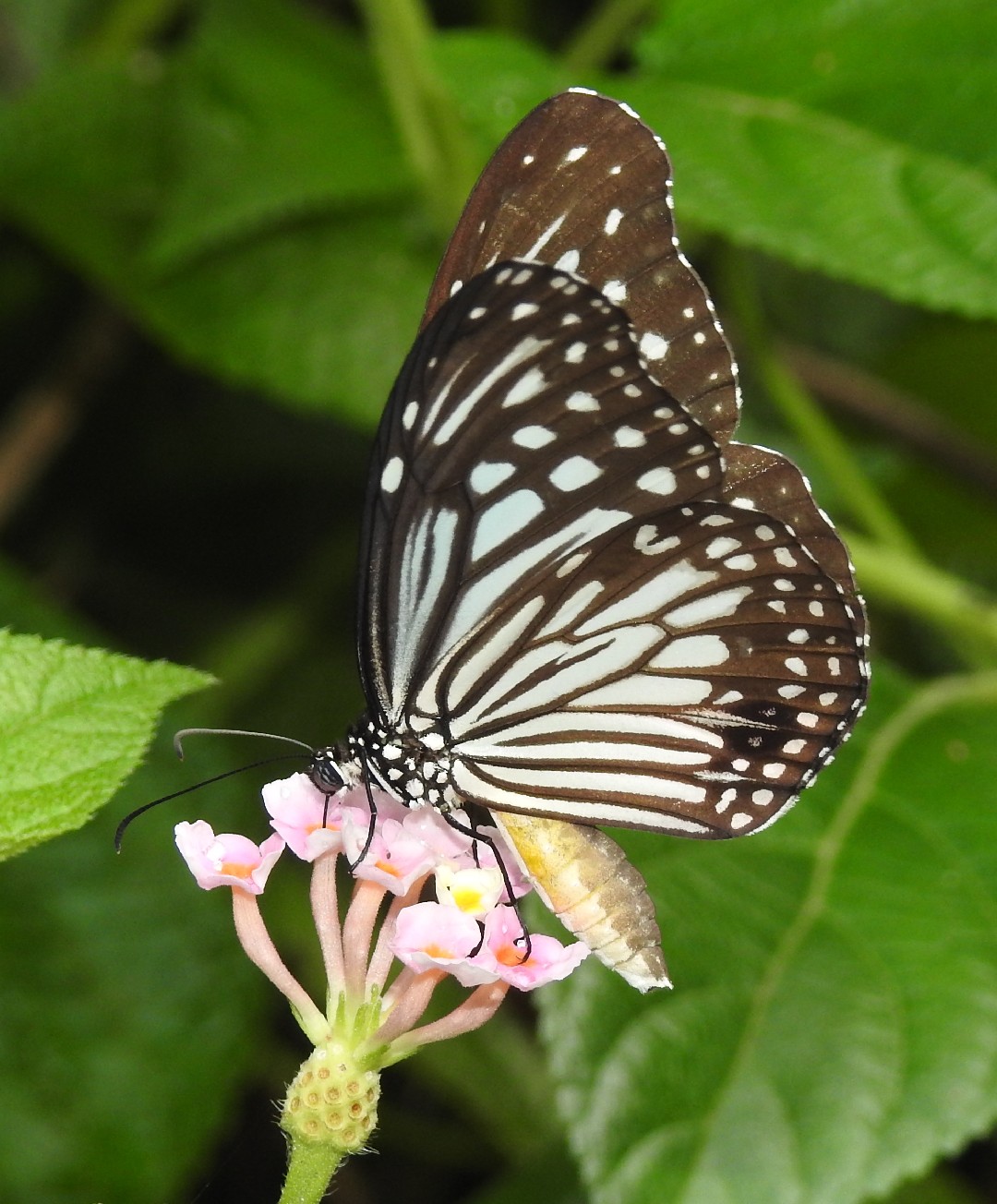
3. Glassy tiger
The scientific name of the species was first validly published in 1782 by Caspar Stoll.
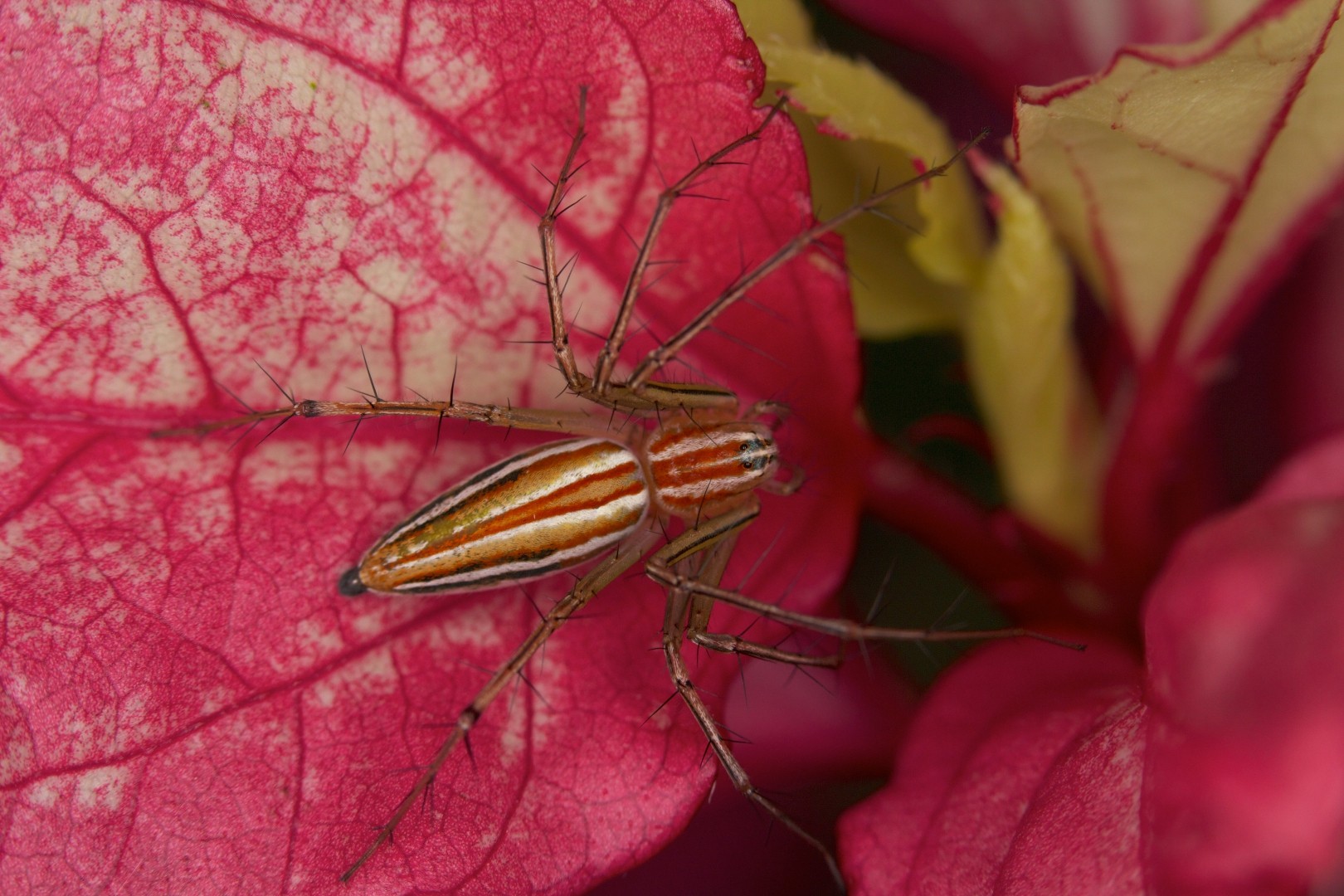
4. Lean lynx spider
Oxyopes macilentus, sometimes known as the lean lynx spider, is a species of lynx spiders from East Asia, South Asia, Southeast Asia, and northern Australia. They are active predators, hunting invertebrates (including other spiders) among vegetation. They are especially common in grassy areas and rice fields. Their bodies are characteristically long and thin, about four times as long as it is wide. Their body color ranges from pale white to yellow, orange, or green; with a pattern of black, orange, and white longitudinal lines. Females have a maximum body length of 10 mm (0.39 in), while males grow to 9 mm (0.35 in). The species was first described in 1878 by the German arachnologist Ludwig Carl Christian Koch. The specific name is from Latin macilentus ("lean" or "thin"), in reference to the spider's body. It is classified under the genus Oxyopes.
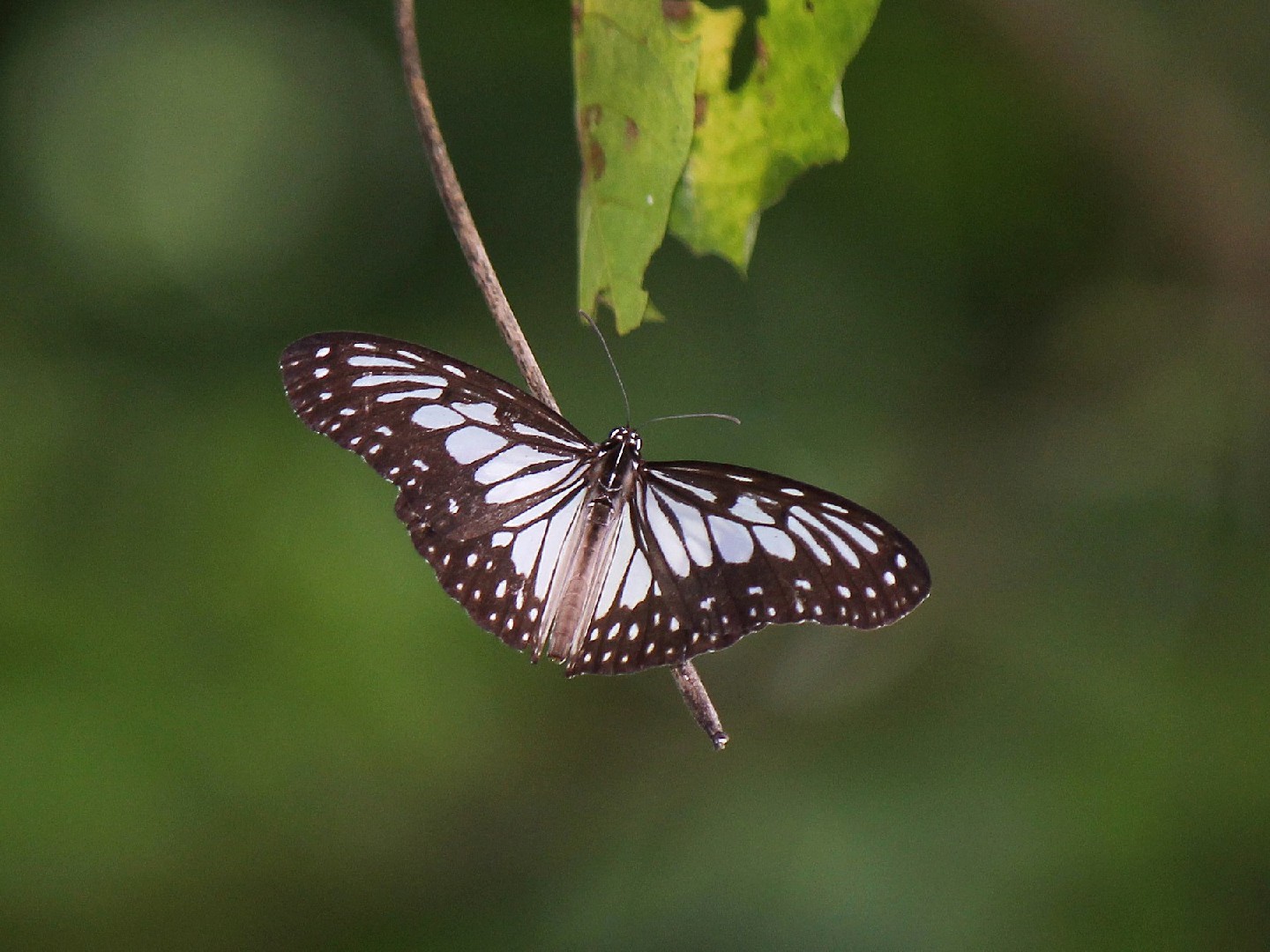
5. Gray glassy tiger
This butterfly is dark gray or black with two rows of circular white dots along the margins of its wings and elongated white patches closer to the body. The elongated white patches appear to radiate from the thorax.
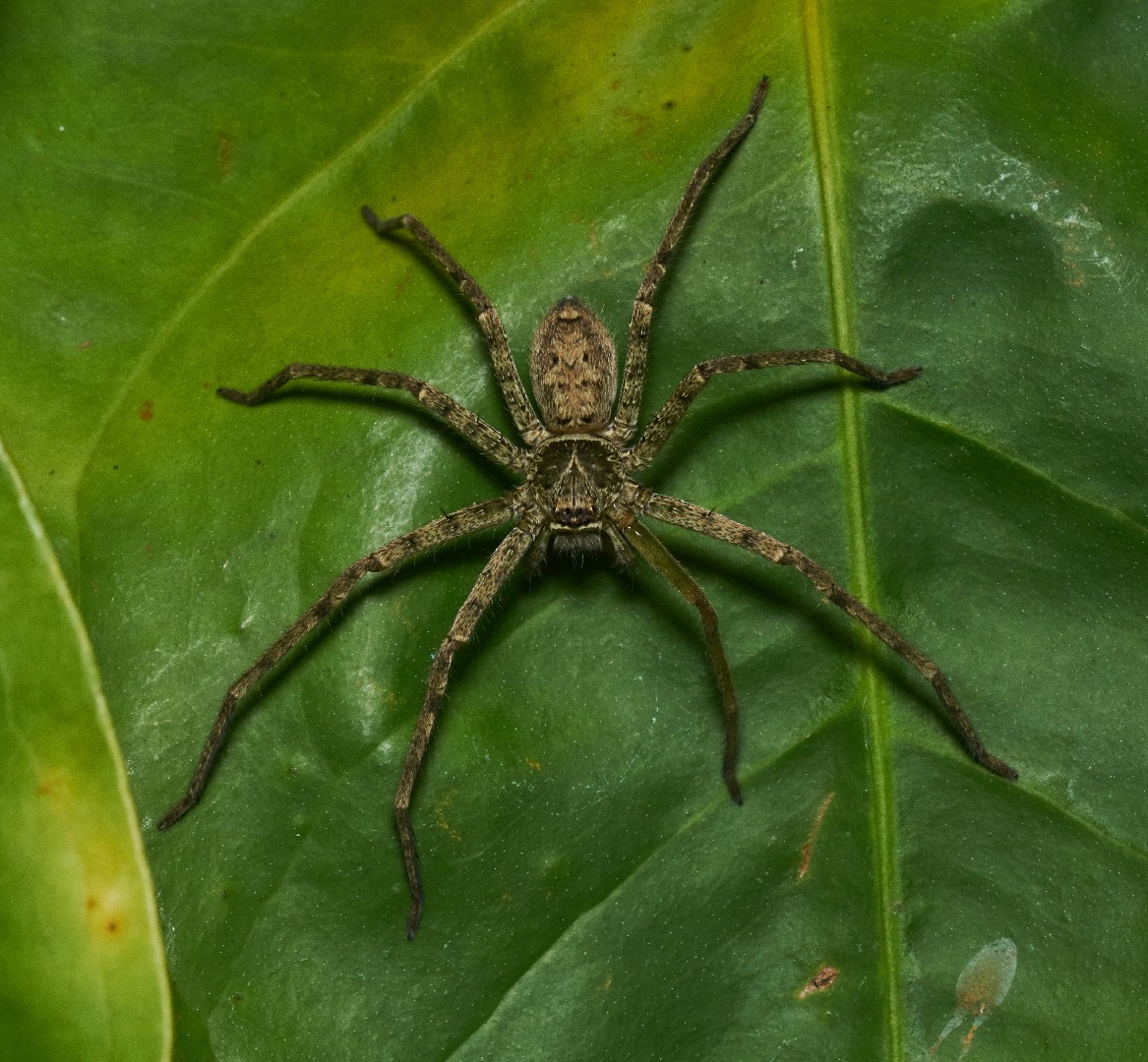
6. Giant Crab Spider
The giant Crab Spider is a large spider native to the tropics; the largest reported individual had a leg span of 30 cm. This cosmopolitan spider is highly valued in some areas, as it's able to catch cockroaches and other indoor pests. Reportedly, it hunts even scorpions and bats. This spider is venomous and sometimes bites humans, but it's considered harmless.
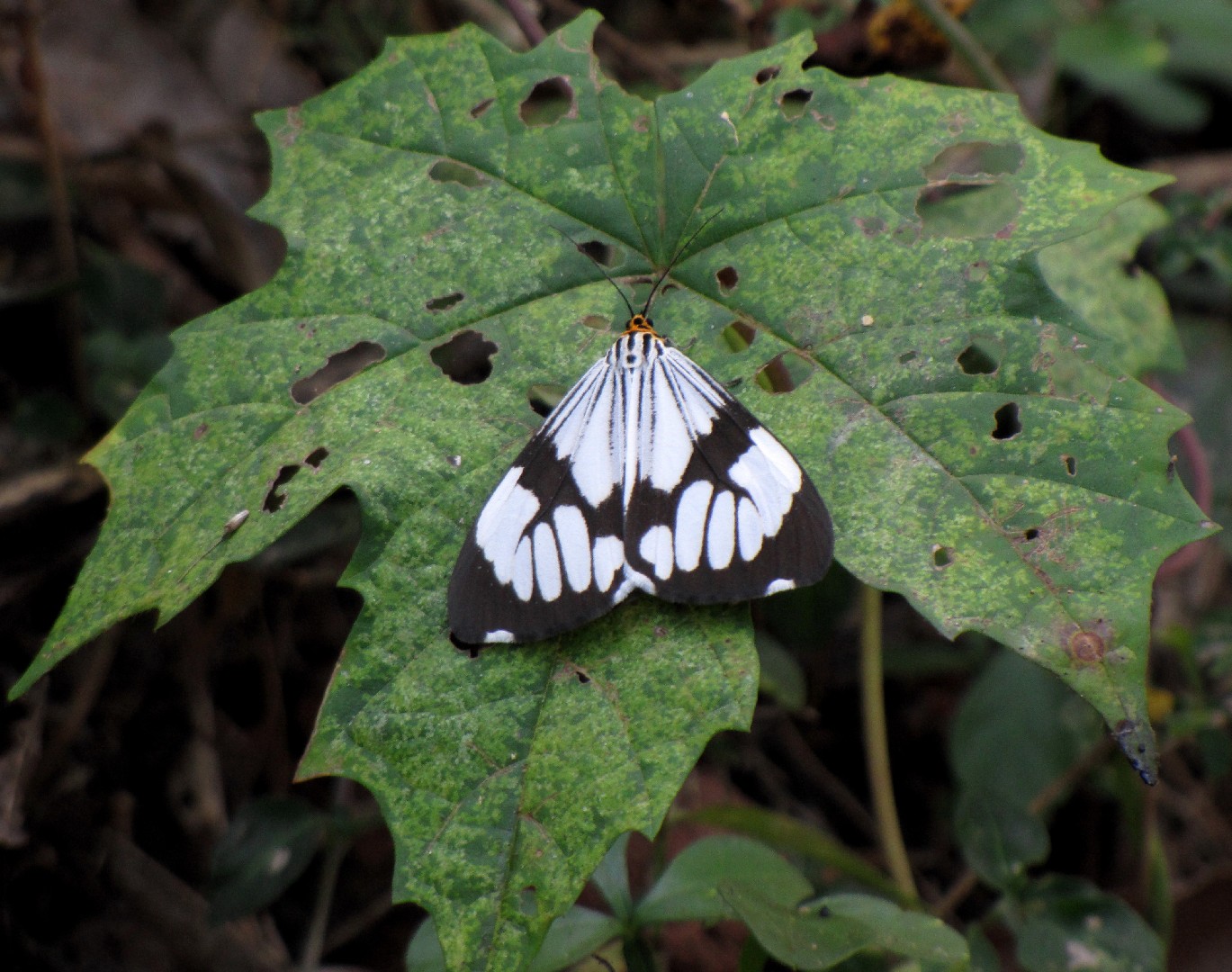
7. Marbled white moth
The male has a large tuft of hair arising from the base of the tibia of the foreleg. It differs from Nyctemera tripunctaria in the lower three spots of the post-medial band of forewing being separated and having another spot below them towards outer angle. Cilia white below the apex and at outer angle. Hindwing with the cilia white below the apex, and in most specimens at anal angle. The Sri Lankan subspecies has black veins 3 and 4 of hindwing and the spots of the postmedial band of forewing are smaller than other subspecies. The larva are purplish and hairy. Anterior somites yellowish. Each somite is black and marked with short dorsal and lateral white streaks. Pupa yellowish and spotted with black.
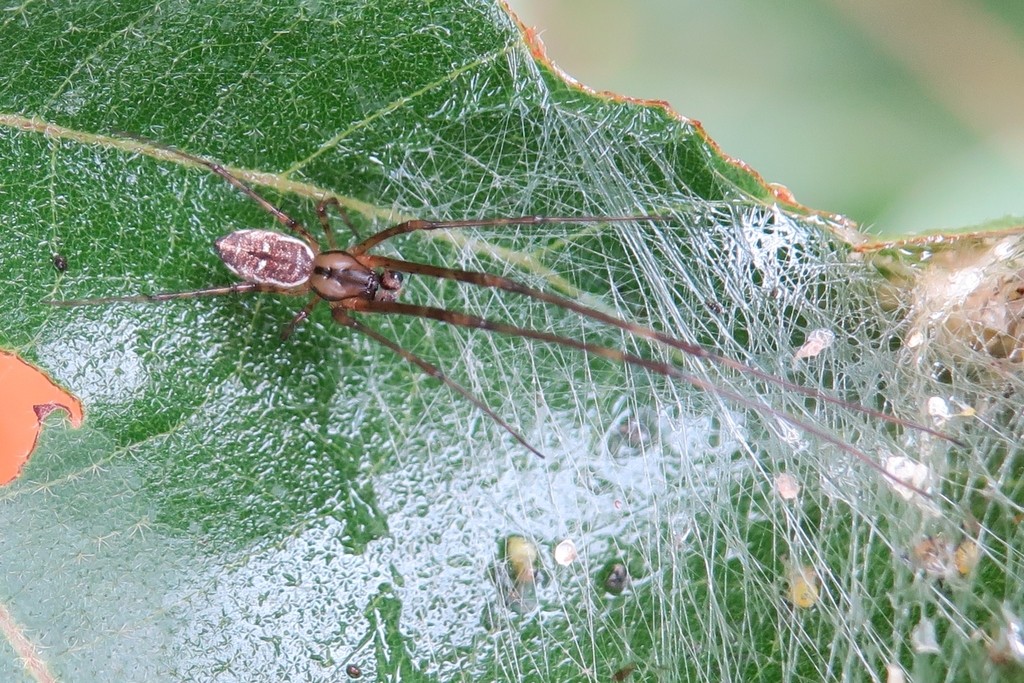
8. Big-bellied tylorida
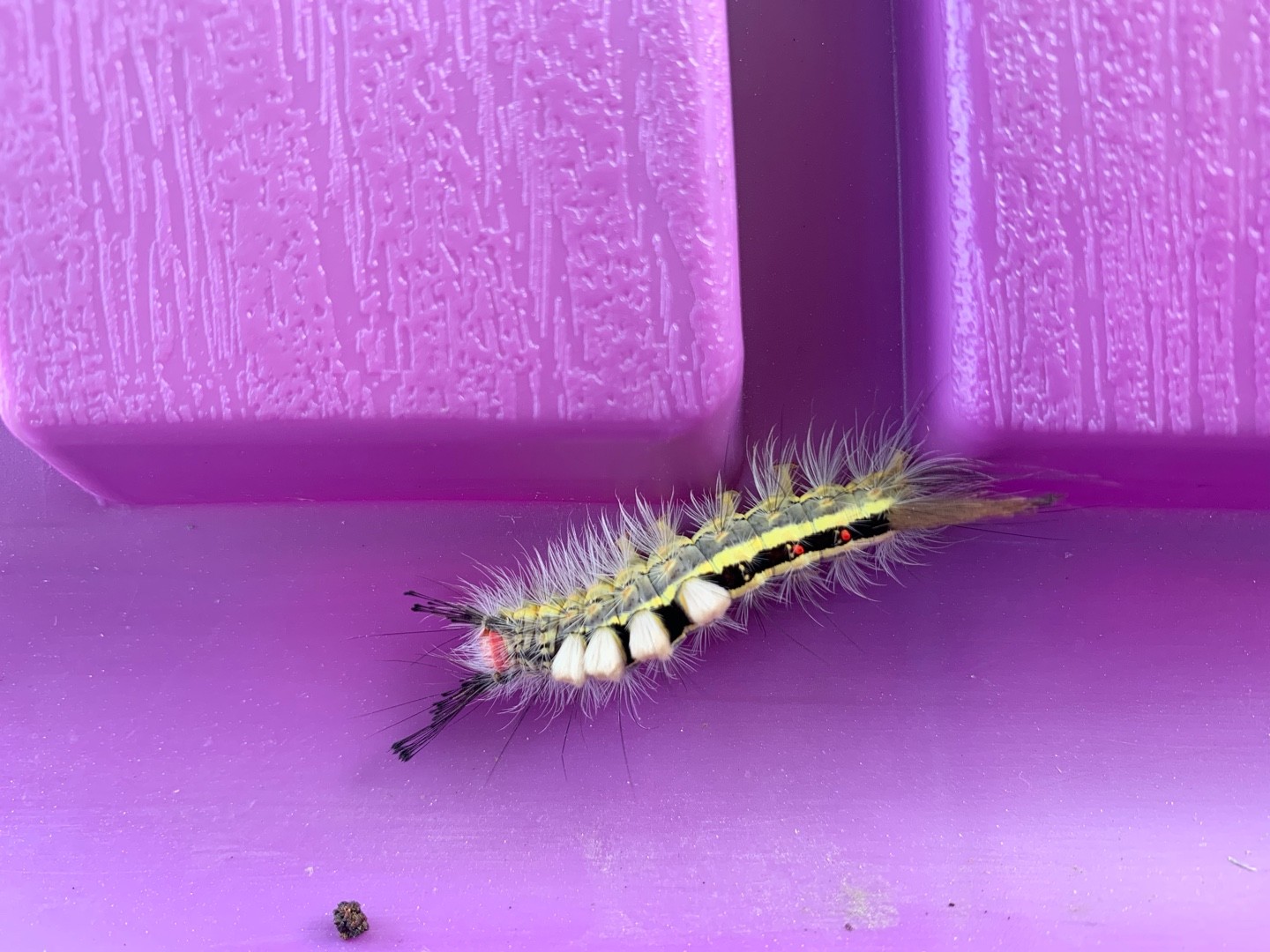
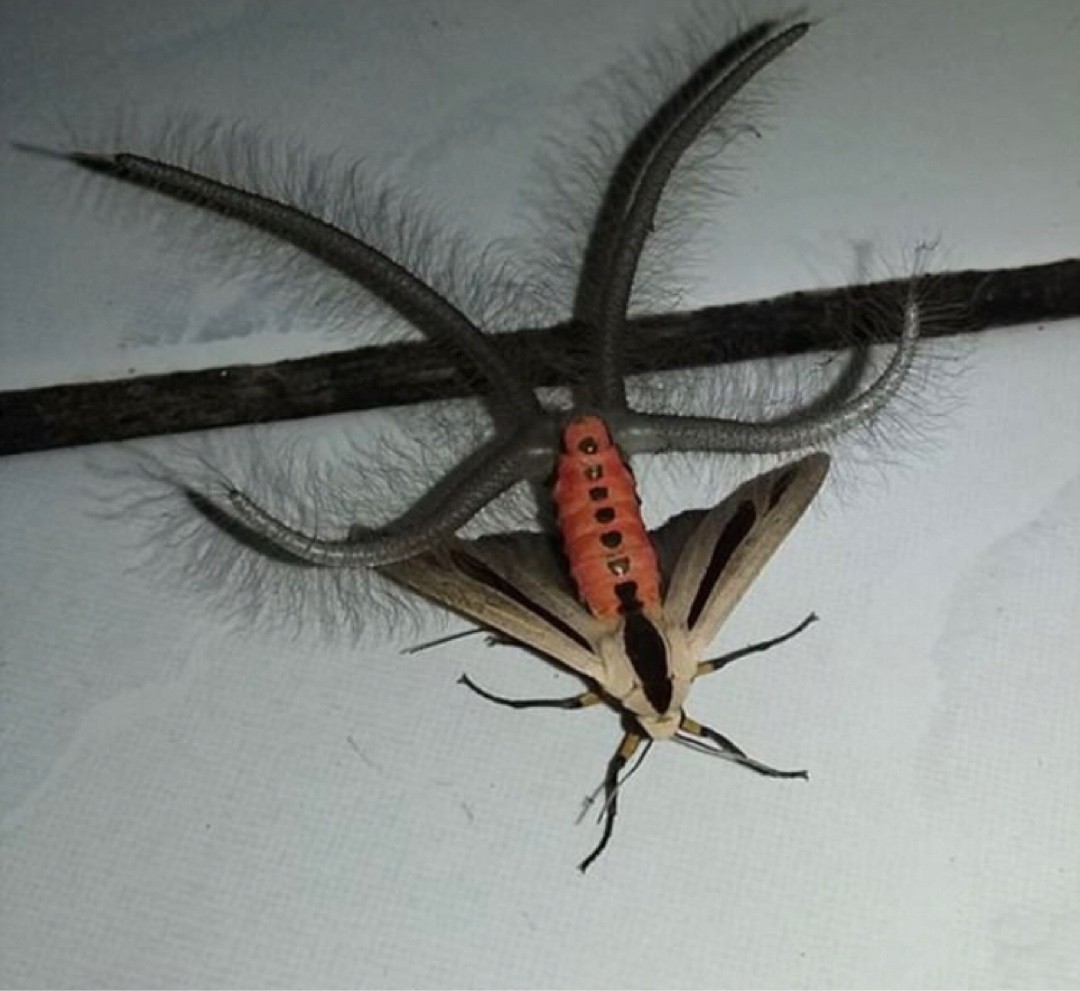
9. Cocoa tussock moth
The cocoa tussock moth (Orgyia postica) are not picky eaters. Their preferred host plants are too long to list, and the larva has a wider diet than the adults. They are identified by resembling the color of cocoa, explaining the name. Some can also have bluish-grey lines across the wings.
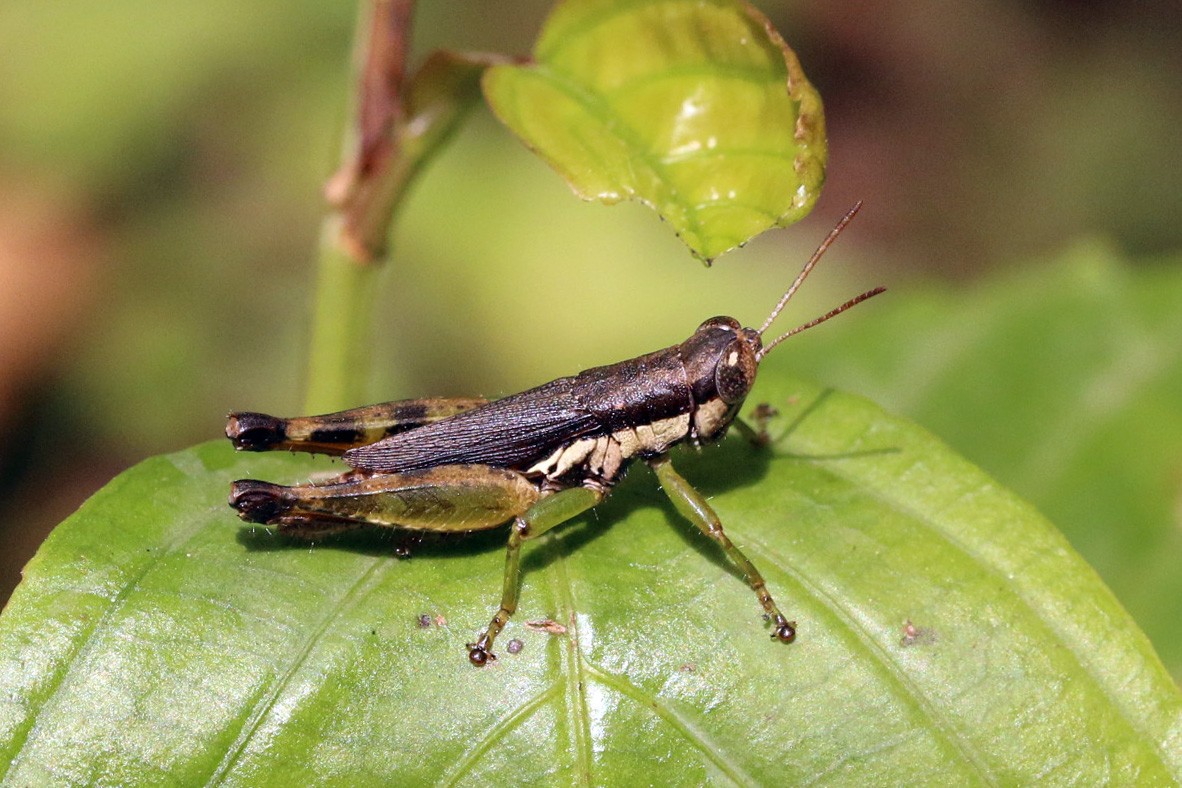
10. Short-winged rice grasshopper
Pseudoxya diminuta is a right-winged insect from the family locusts (Acrididae). The scientific name of this species was first validly published in 1871 by Walker.
More







