




Top 20 Most Common Insects in Antique
Welcome to the fascinating world of insects in Antique, where diverse landscapes influence insect biodiversity. These small creatures play crucial roles in our ecosystem, from pest control to pollination. Our list of 'Top 20 most common insects' aims to shed light on these essential residents of Antique, illustrating the significance of their symbiotic relationship with their unique surroundings.

Most Common Insects
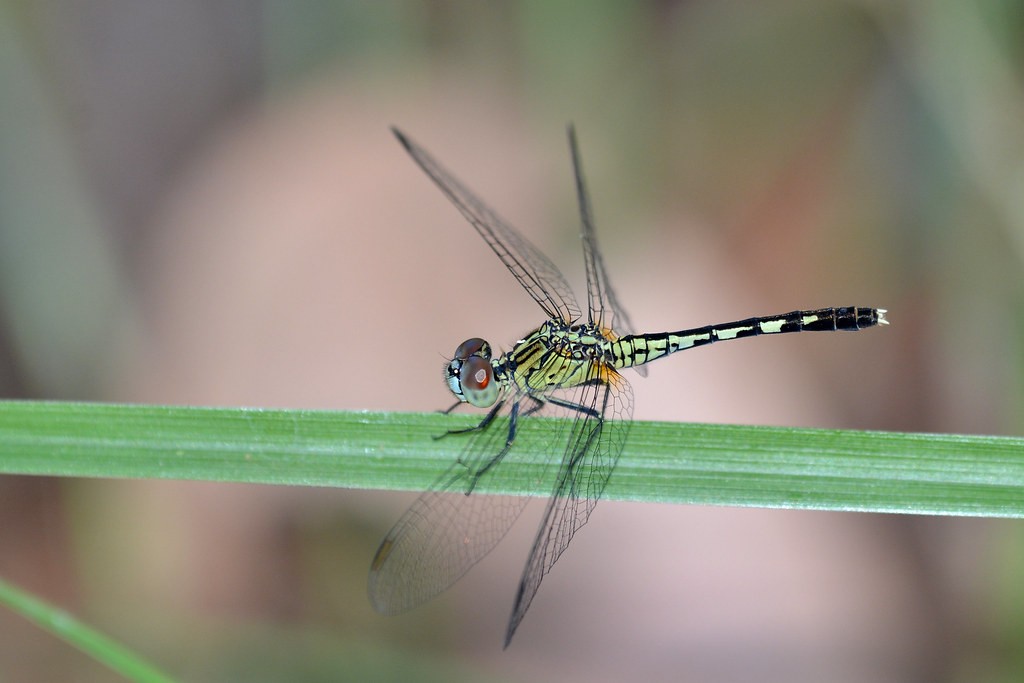
1. Green skimmer
Orthetrum serapia is a medium-sized dragonfly with a wingspan of 60-85mm. Its wings are clear except for a small dark spot at the base of the hindwing. The thorax is greenish to greyish yellow with black markings. The abdomen is black with pale yellow or pale green markings. Orthetrum serapia appears very similar to Orthetrum sabina and can be confused where the range of the two overlap in north-eastern Australia. 
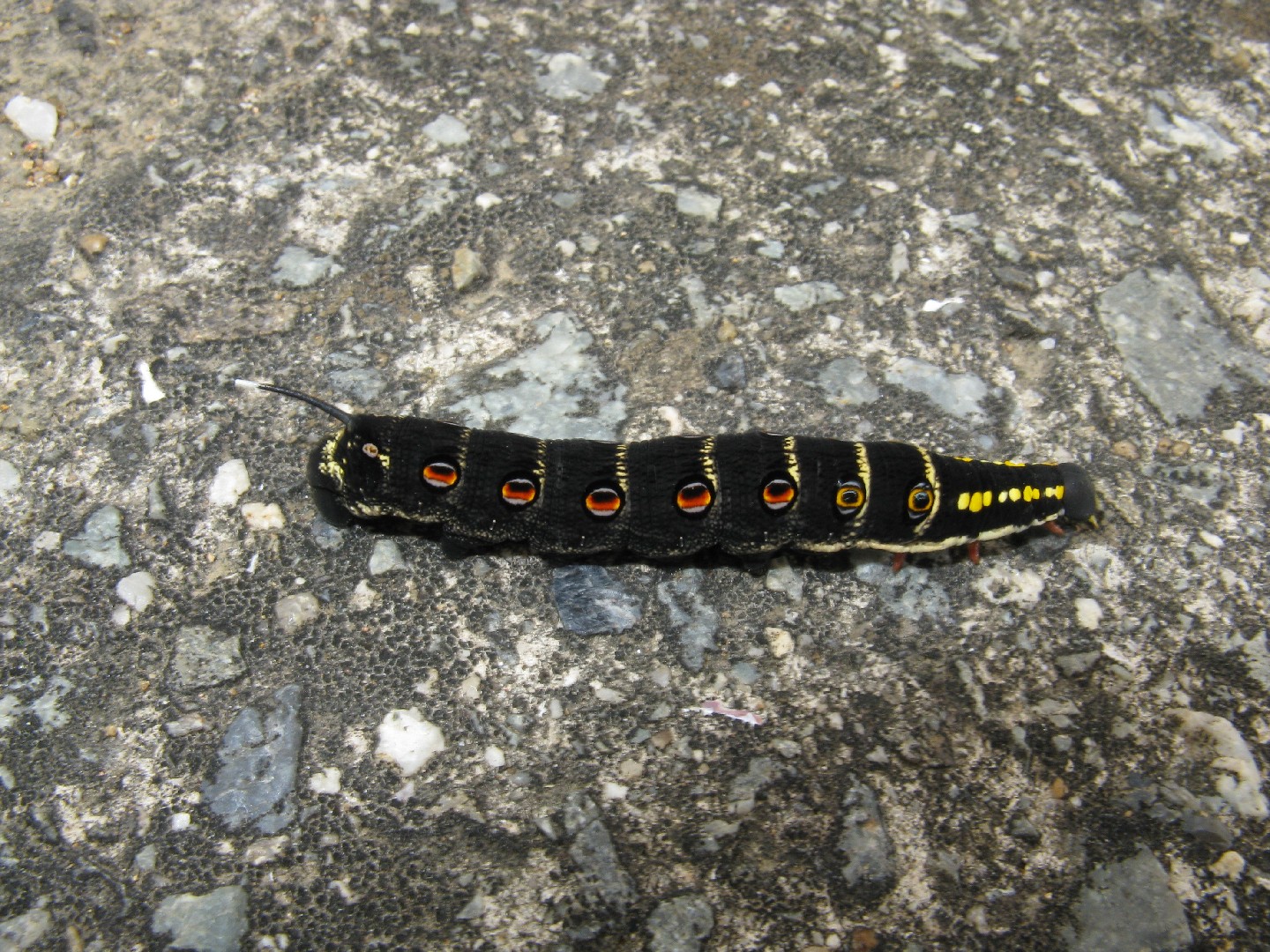
2. Impatiens hawk moth
The impatiens hawk moth can be considered a pest among commercial and residential gardeners. Both the moth and caterpillar feed on several flowering plants, including fuchsias and the Australian native violet. Adult females lay their eggs on the plant’s foliage, ensuring the hatching larvae have a ready food source.
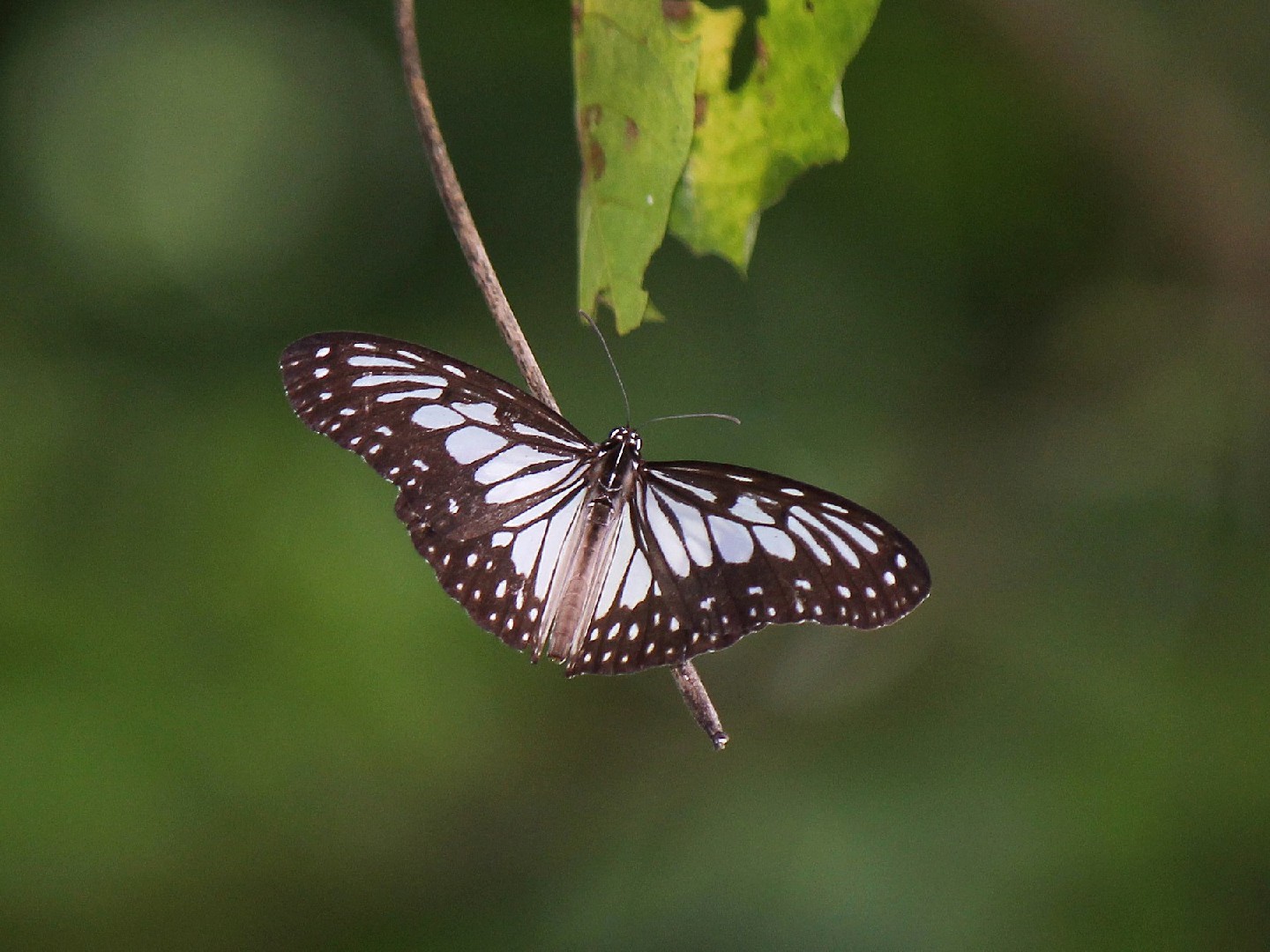
3. Gray glassy tiger
This butterfly is dark gray or black with two rows of circular white dots along the margins of its wings and elongated white patches closer to the body. The elongated white patches appear to radiate from the thorax.
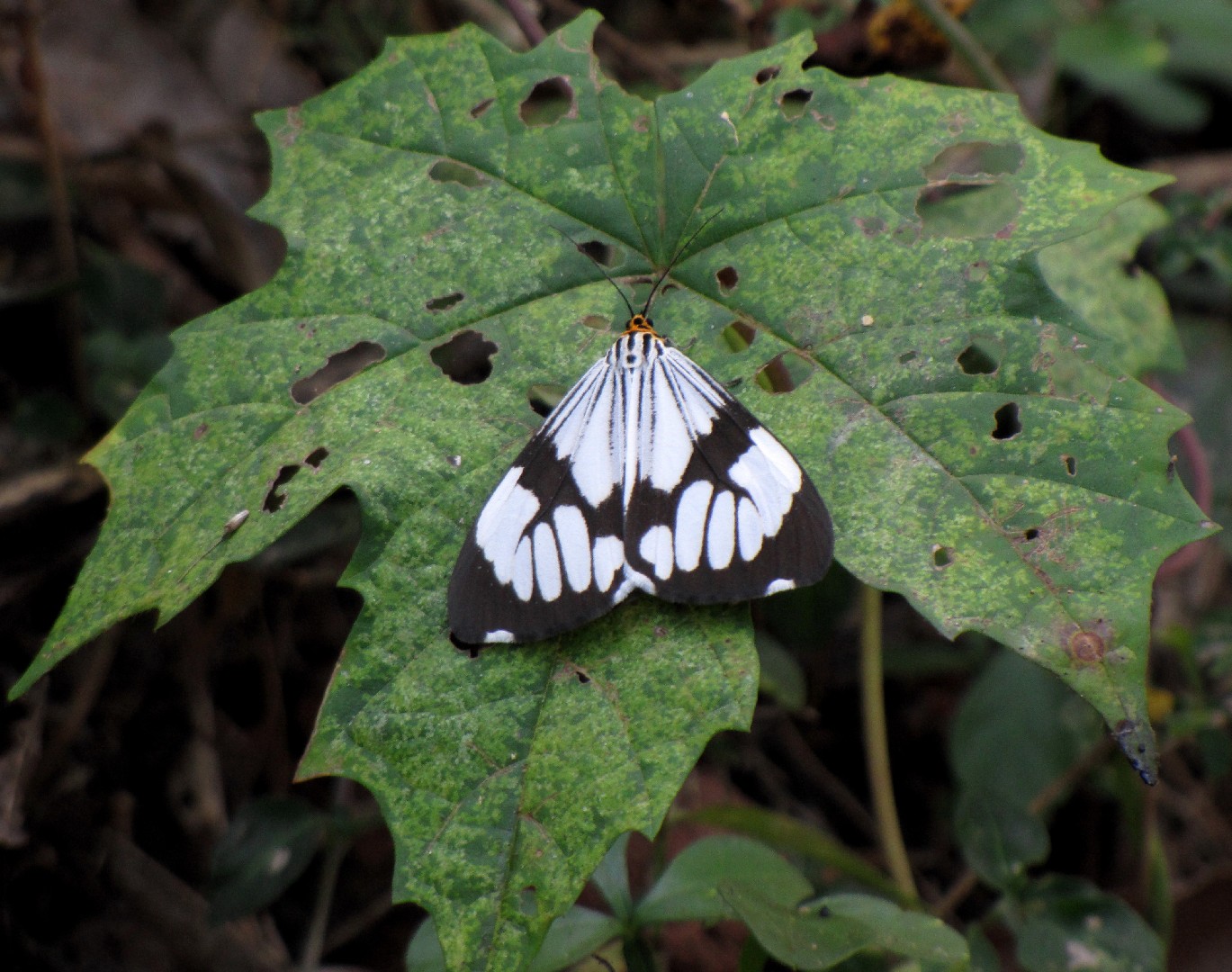
4. Marbled white moth
The male has a large tuft of hair arising from the base of the tibia of the foreleg. It differs from Nyctemera tripunctaria in the lower three spots of the post-medial band of forewing being separated and having another spot below them towards outer angle. Cilia white below the apex and at outer angle. Hindwing with the cilia white below the apex, and in most specimens at anal angle. The Sri Lankan subspecies has black veins 3 and 4 of hindwing and the spots of the postmedial band of forewing are smaller than other subspecies. The larva are purplish and hairy. Anterior somites yellowish. Each somite is black and marked with short dorsal and lateral white streaks. Pupa yellowish and spotted with black.
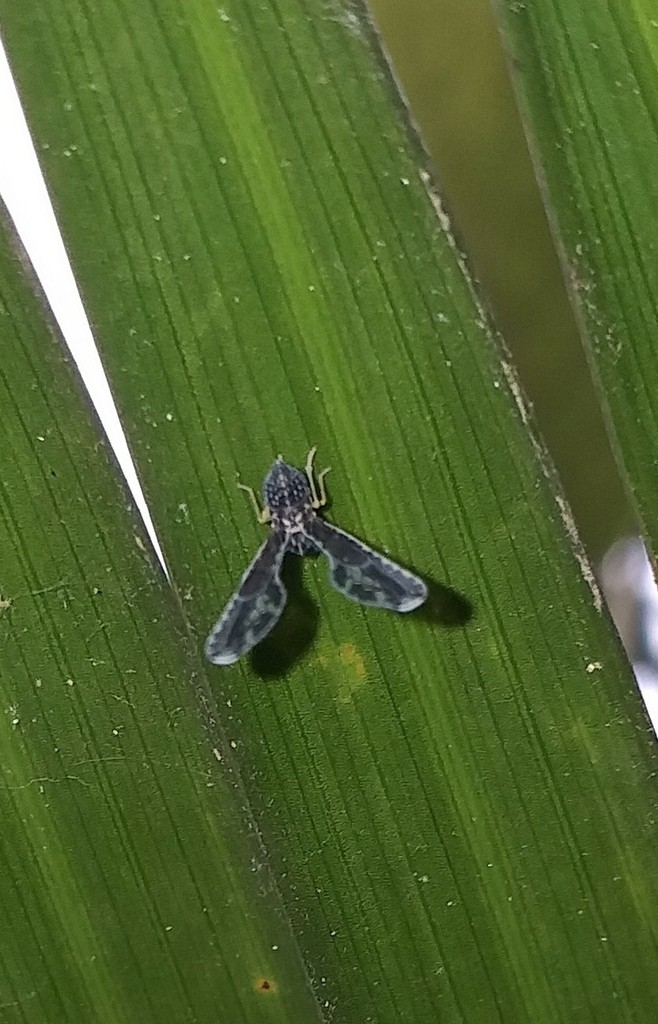
5. Proutista moesta
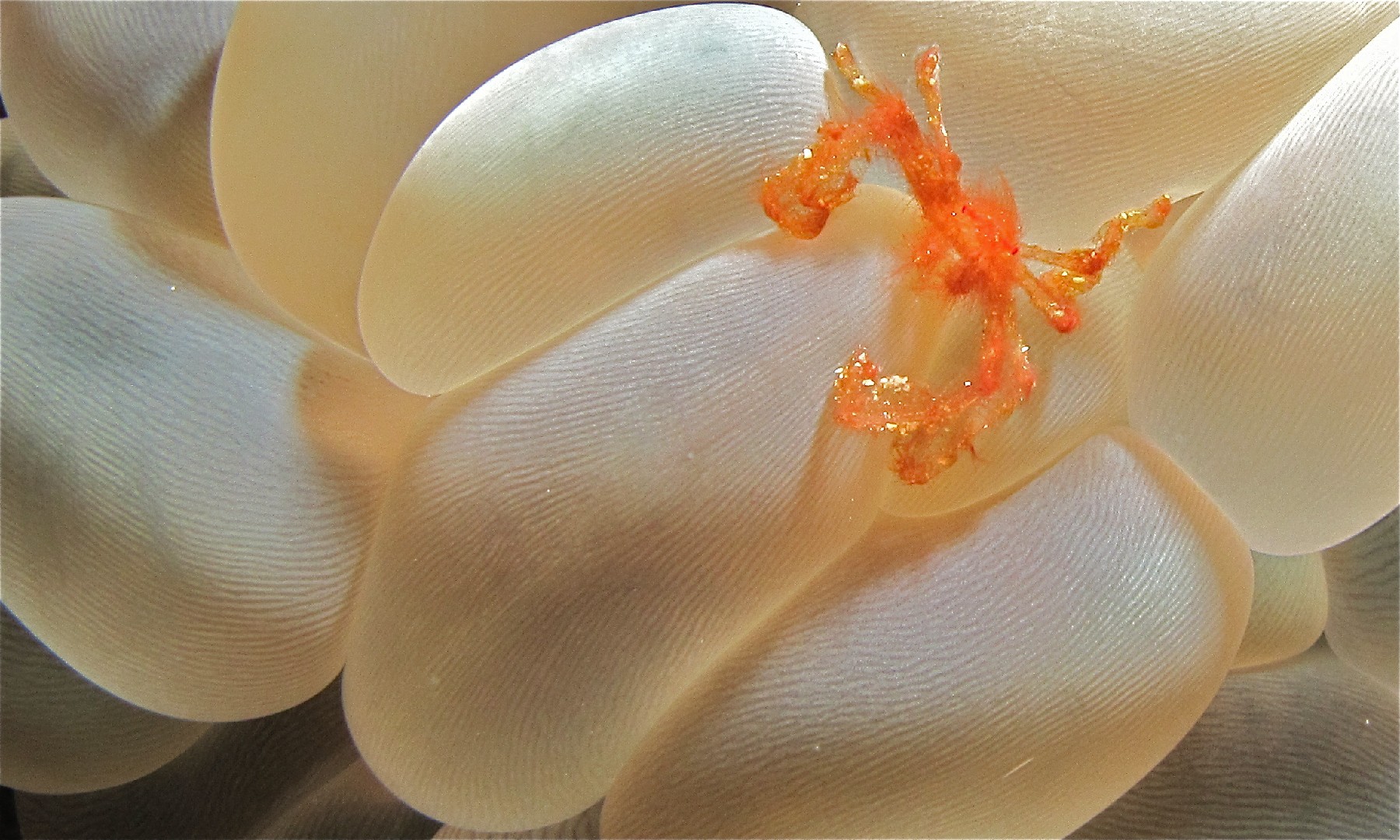
6. Orangutan crab
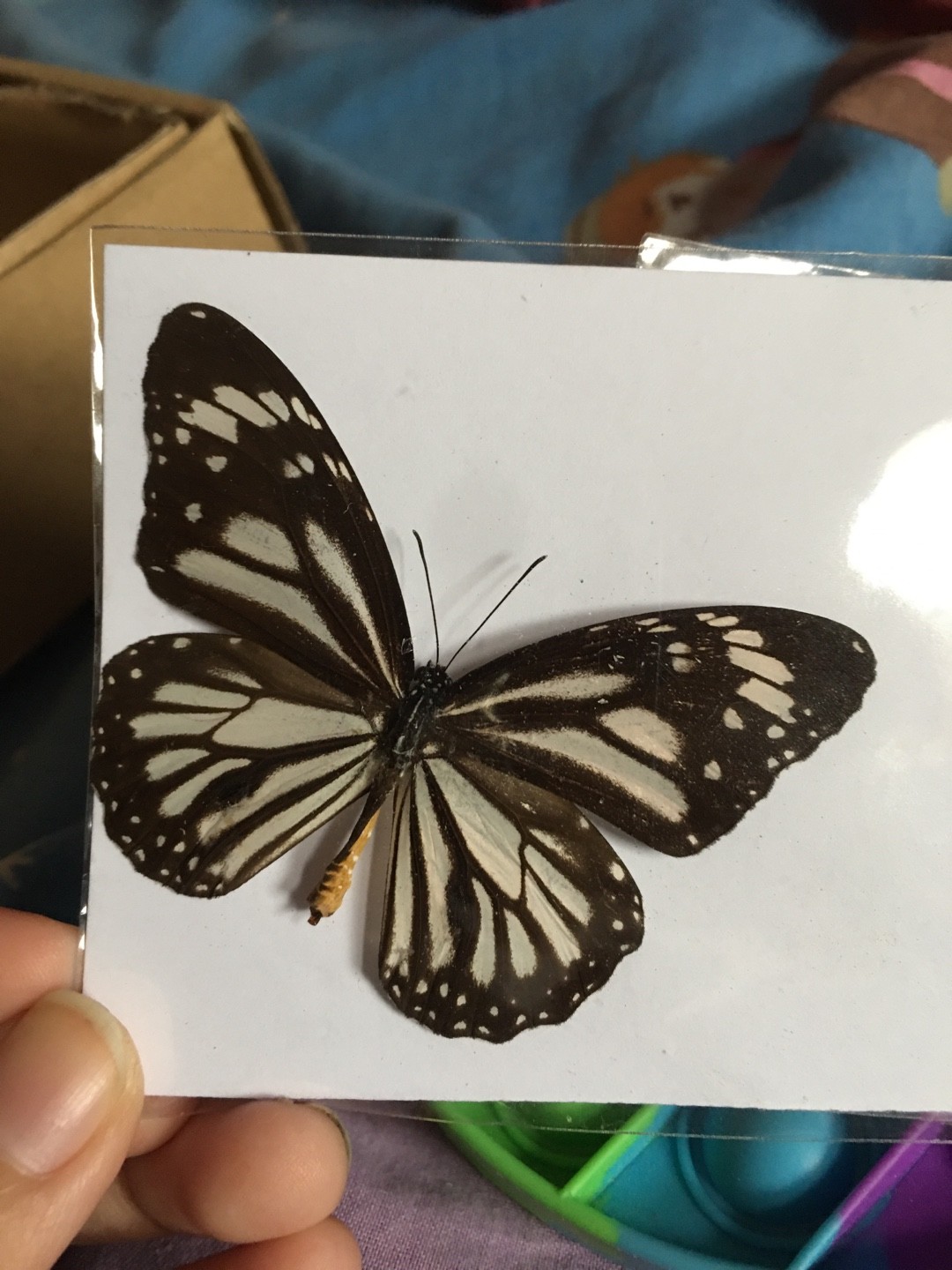
7. Black Veined Tiger
Danaus melanippus, the black veined tiger, white tiger, common tiger, or eastern common tiger, is a butterfly species found in tropical Asia which belongs to the "crows and tigers", that is, the danaine group of the brush-footed butterflies family. It ranges from Assam in eastern India through South-East Asia south to Indonesia, and eastwards to the Philippines and through southern China to Taiwan. It has around 17 subspecies, and its closest relative is the Malay tiger, Danaus affinis.
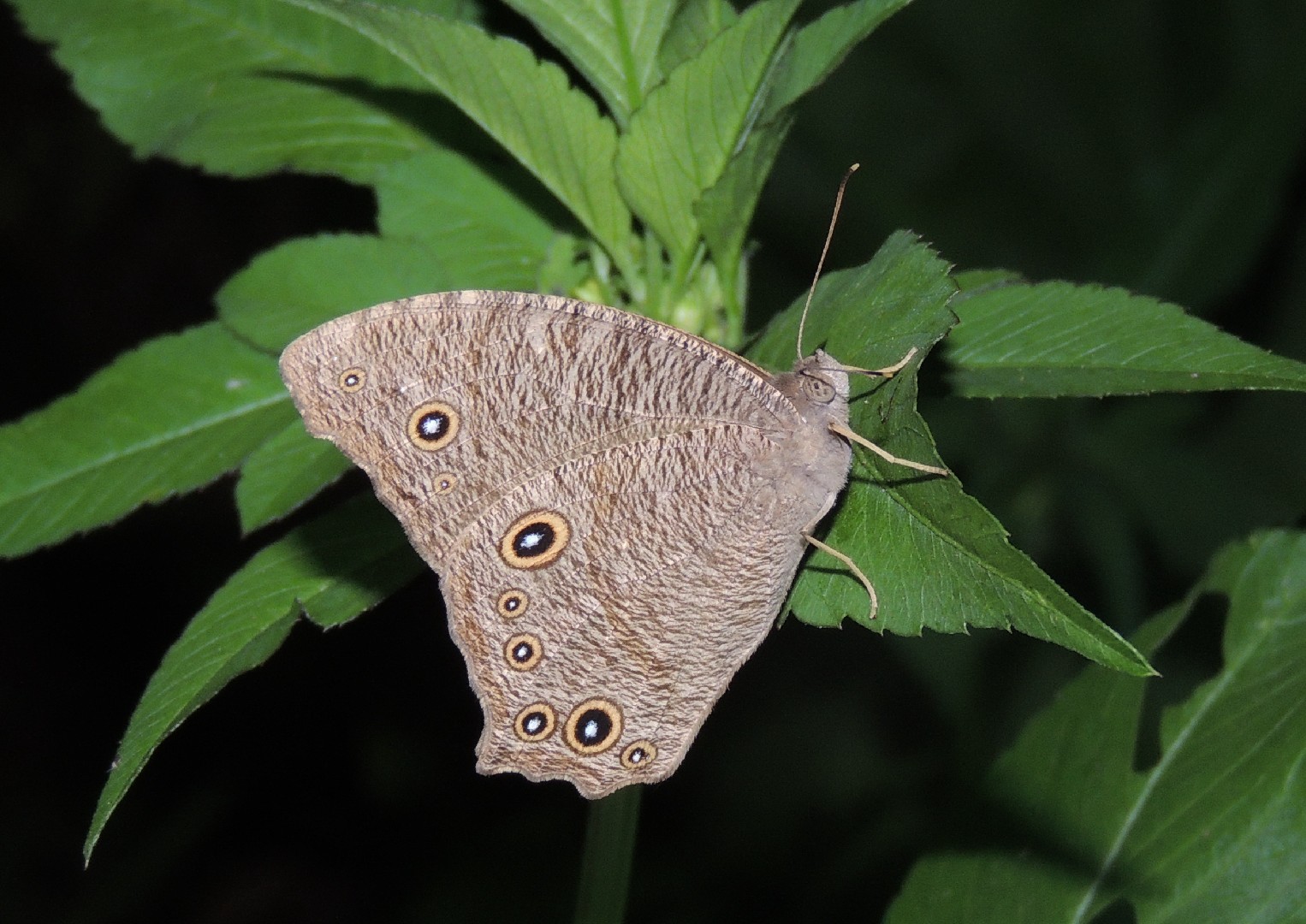
8. Common evening brown
The common evening brown (Melanitis leda) changes its appearance based on the season. During wet seasons, it has a pale brown underside and a dark brown top. Then, during dry seasons, it often has more distinguished bands or spots. It uses these neutral colors to help it blend into leaves and trees. It usually only flies during the evening, resting during daylight.
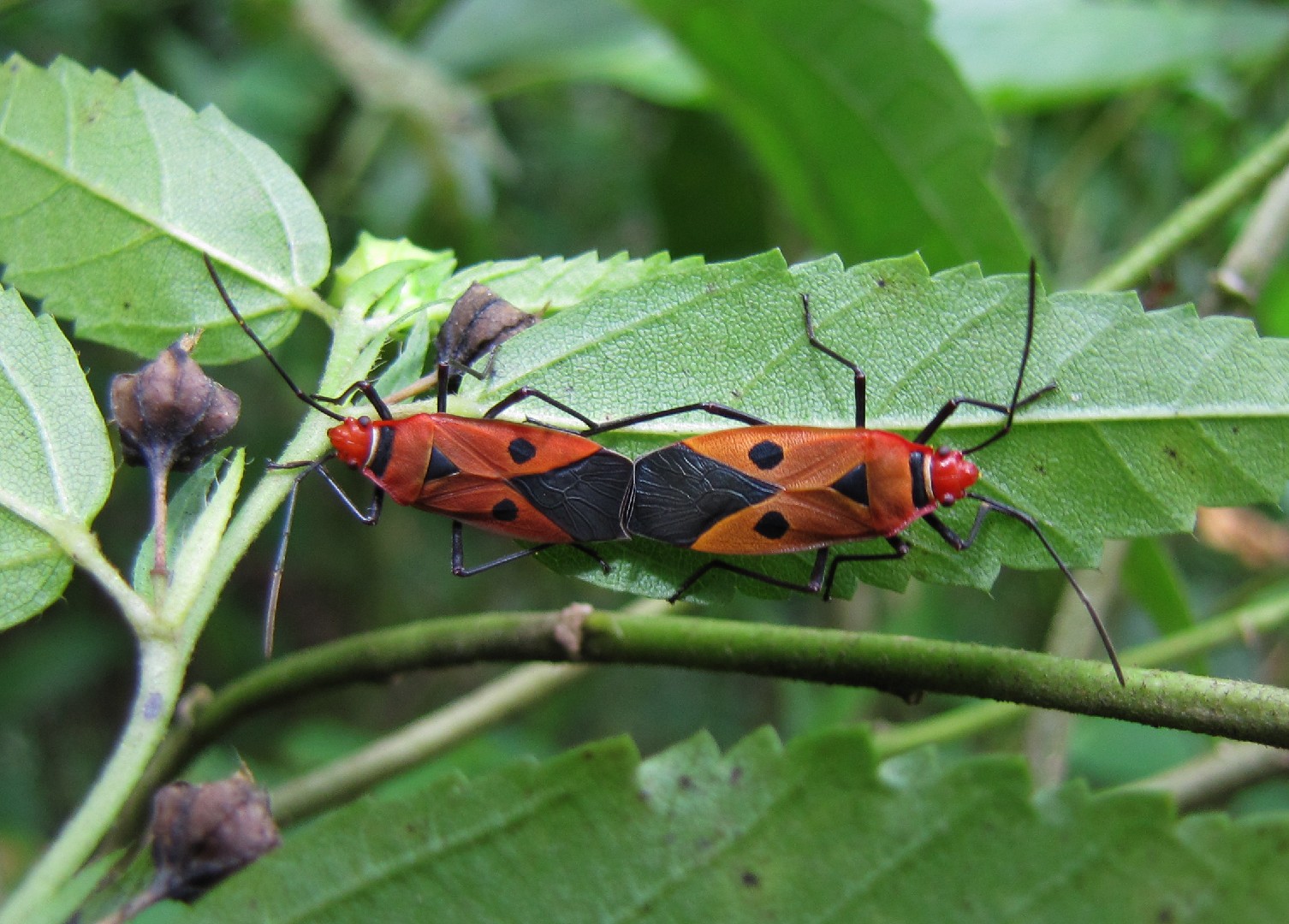
9. Indian cotton stainer bug
Dysdercus cingulatus grows to a length of 12 to 18 mm (0.47 to 0.71 in). It is mainly red but has a white collar and three black spots. It is closely related and very similar to Dysdercus koenigii but D. cingulatus is slightly larger and the femora have varying amounts of black while D. koenigii has completely red femora.
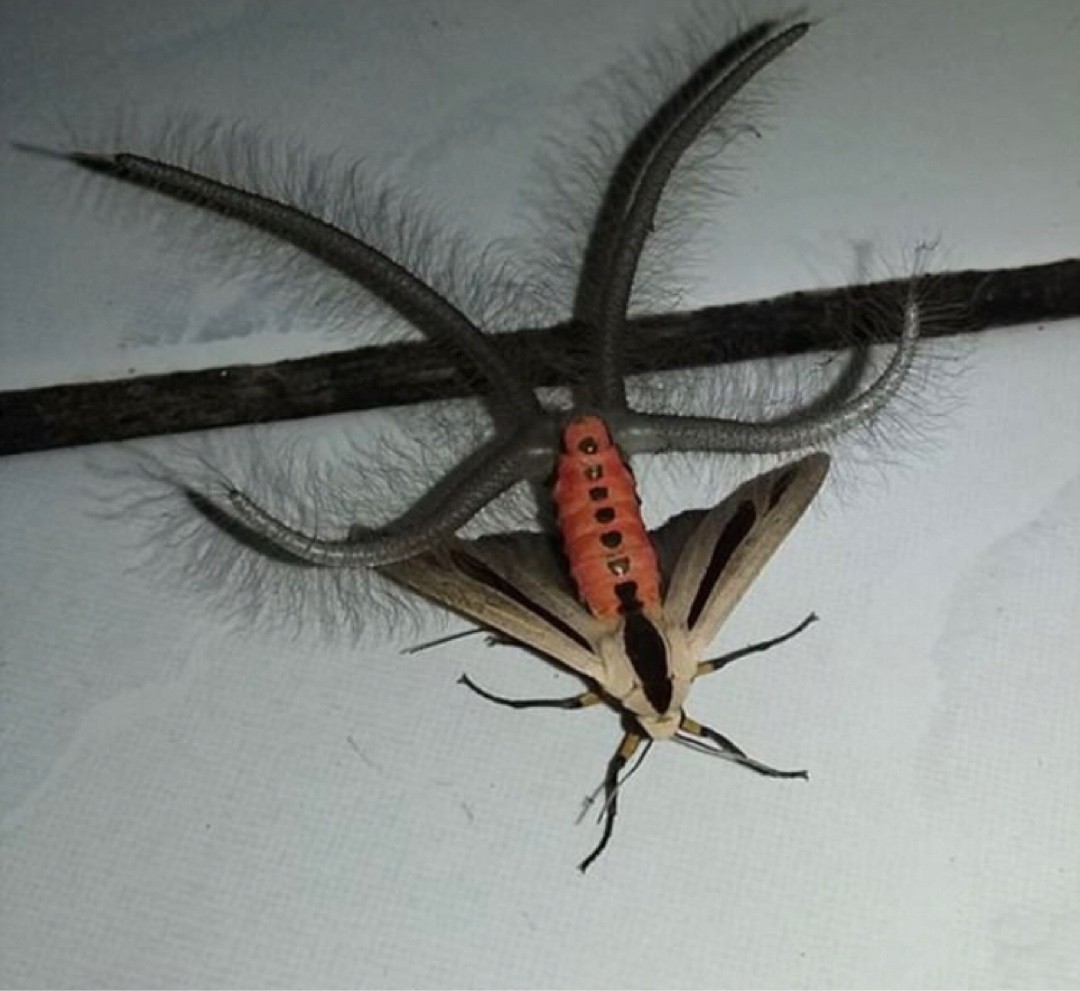
10. Baphomet moth
The Creatonotos gangis can be identified by looking at its red abdomen with black dots running up the body. In rare instances, the abdomen can be yellow. Its colors may be bright and friendly, but don't let looks deceive you. It is considered to be a pest that feeds on a wide variety of foods that include everything from rice to sweet potatoes.


More







