




Top 20 Most Common Insects in Bulacan
Venture into the fascinating world of insects in Bulacan! These tiny creatures, distinguished by their exoskeletons and segmented bodies, are intrinsic to the diverse ecosystems of the region. Whether they live in urban areas, forests, or farmlands, the geographical diversity of Bulacan significantly shapes the insect’s habitat. They play a vital role in the local ecosystem, acting as both pests and crucial pollinators. Understand the top 20 most common insects in Bulacan and learn about their impact on our environment.

Most Common Insects

1. Weaver ant
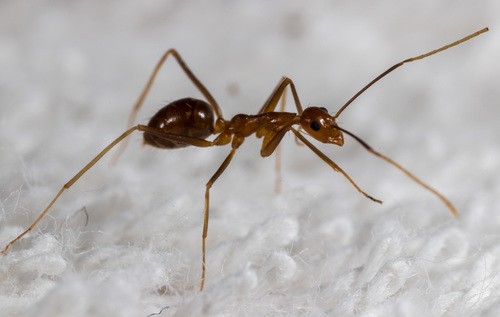
The weaver ant can be found in silk-woven nests in the foliage of Southeast Asia and Oceania. These ants have a painful bite and prey on other small insects. Larvae have many uses for local regions, including being a popular fishing bait and a good choice of bird food.
2. Green skimmer
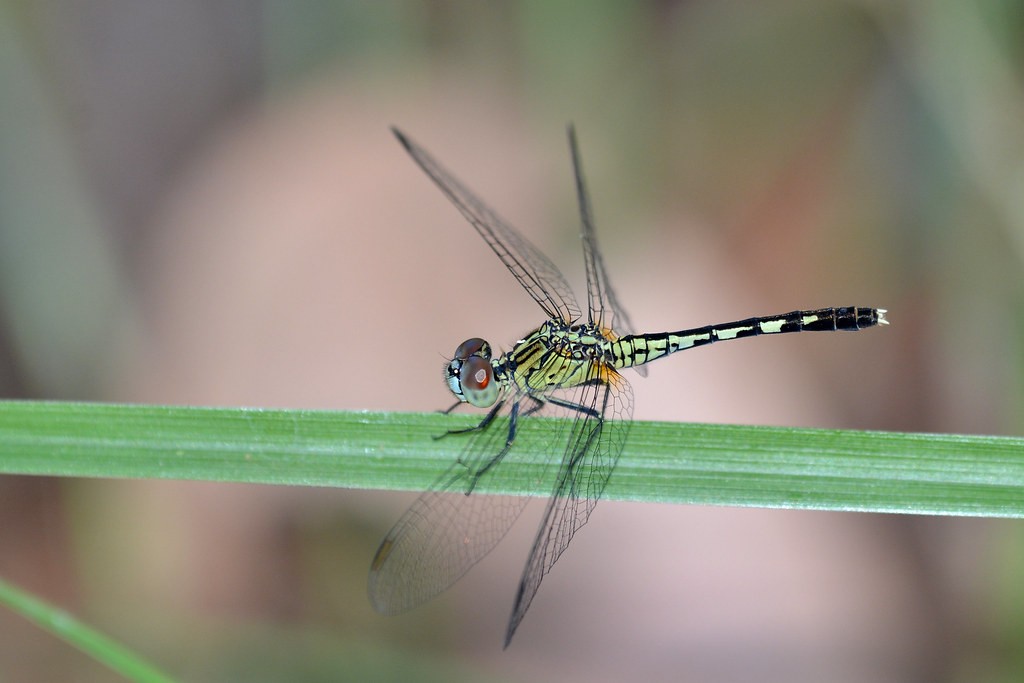
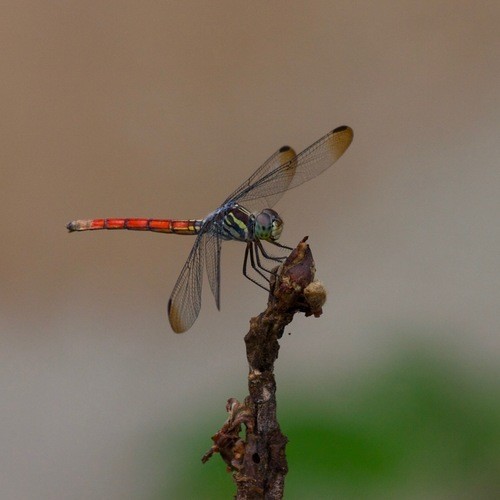
Orthetrum serapia is a medium-sized dragonfly with a wingspan of 60-85mm. Its wings are clear except for a small dark spot at the base of the hindwing. The thorax is greenish to greyish yellow with black markings. The abdomen is black with pale yellow or pale green markings. Orthetrum serapia appears very similar to Orthetrum sabina and can be confused where the range of the two overlap in north-eastern Australia. 
3. Cucurbit beetle
4. Psyche
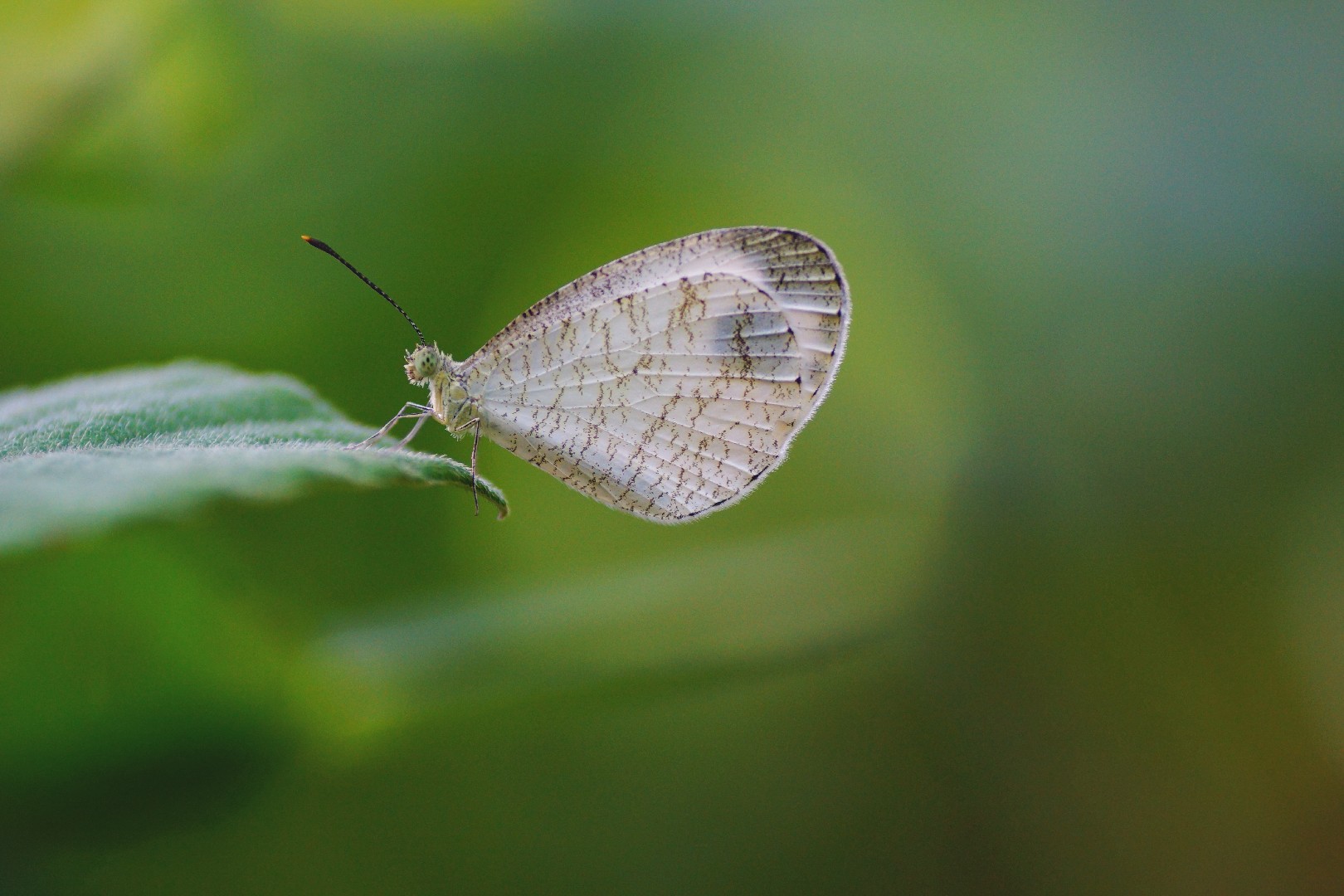
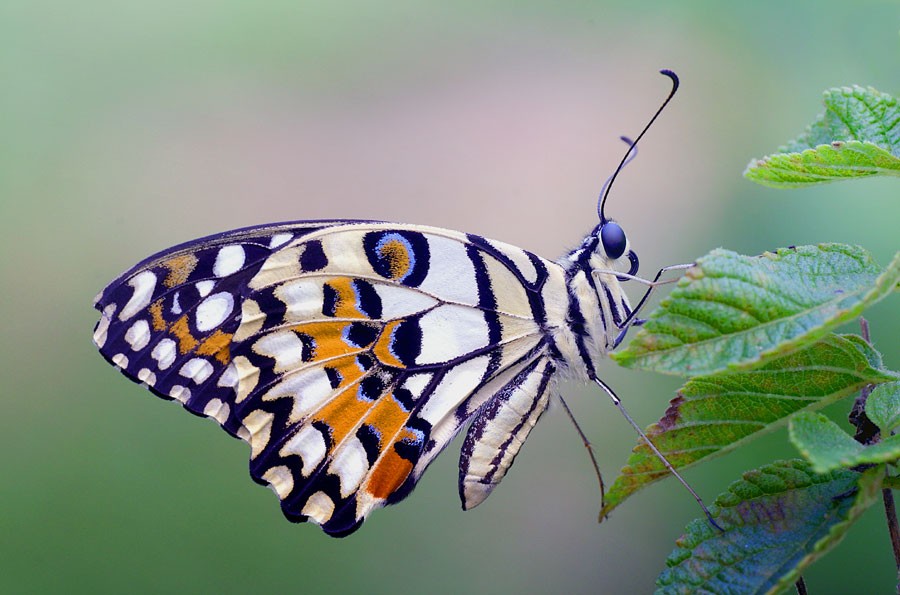
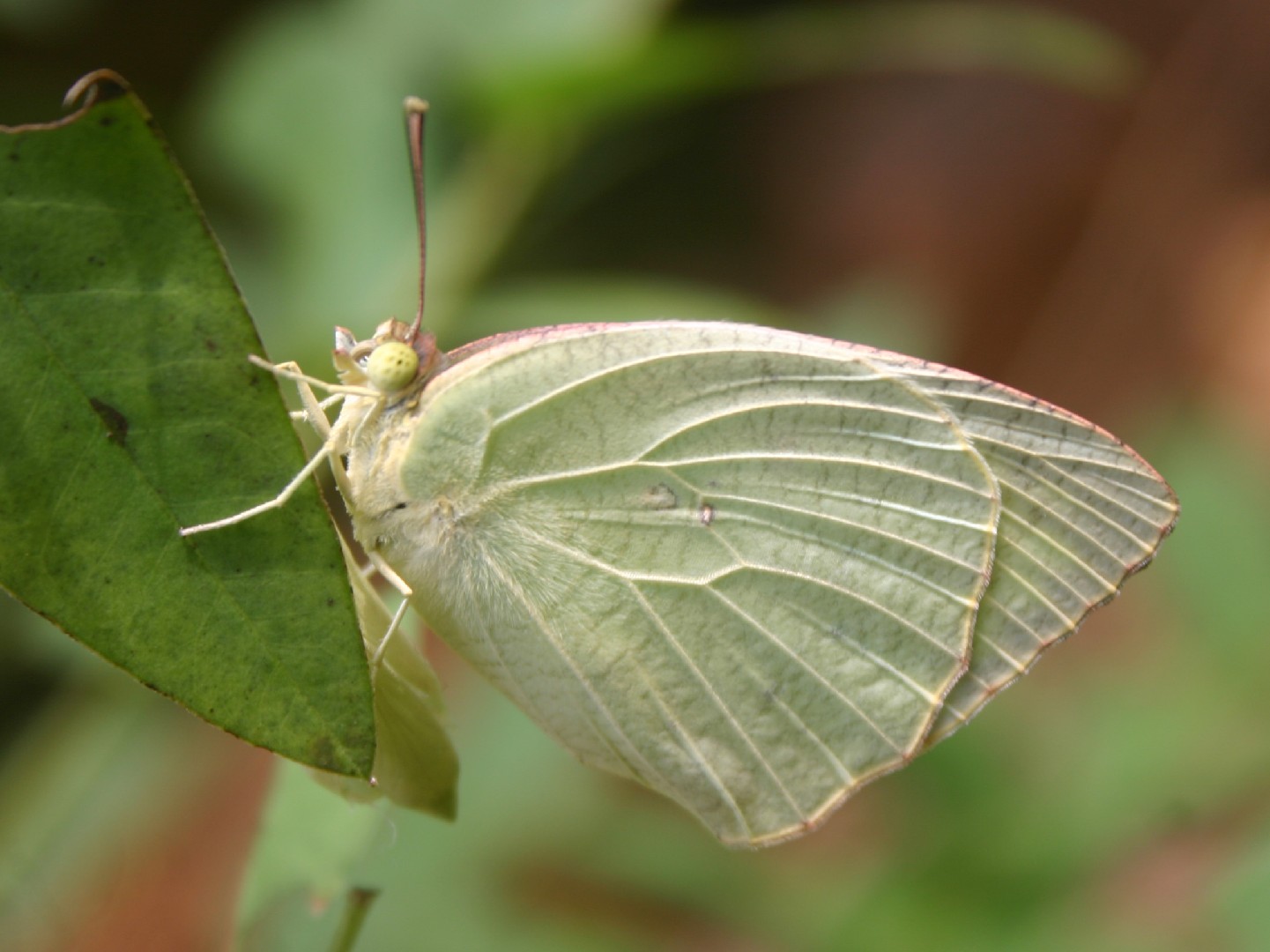
Upperside is white,base of wings are very slightly powdered with minute black scales.The costa of forewing is speckled obscurely with black; apex black, the inner margin of this inwardly angulate; a very large somewhat pear-shaped post-discal spot also black. Hindwing is white,in most specimens an obscure, extremely slender, terminal black line. Underside is white; costal margin and apex of forewing broadly, and the whole surface of the hindwing irrorated (speckled) with transverse, very slender, greenish strigae and minute dots; these on the hindwing have a tendency to form sub-basal, medial and discal obliquely transverse obscure bands; the postdiscal of forewing is black,spot as on the upperside; terminal margins of both forewings and hindwings with minute black, short, transverse slender lines at the apices of the veins, that have a tendency to coalesce and form a terminal continuous line as on the upperside. Antennae dark brown spotted with white, head slightly brownish, thorax and abdomen white. Female is similar as male, the black markings on the upperside of the forewing on the whole slightly broader, but not invariably so. Wingspan is 2.5 - 5 cm. Larva is green with a pale glaucous tinge about the bases of the legs and slightly hairy. Pupa sometimes green, but more often of a delicate pink shade.
5. Gray glassy tiger
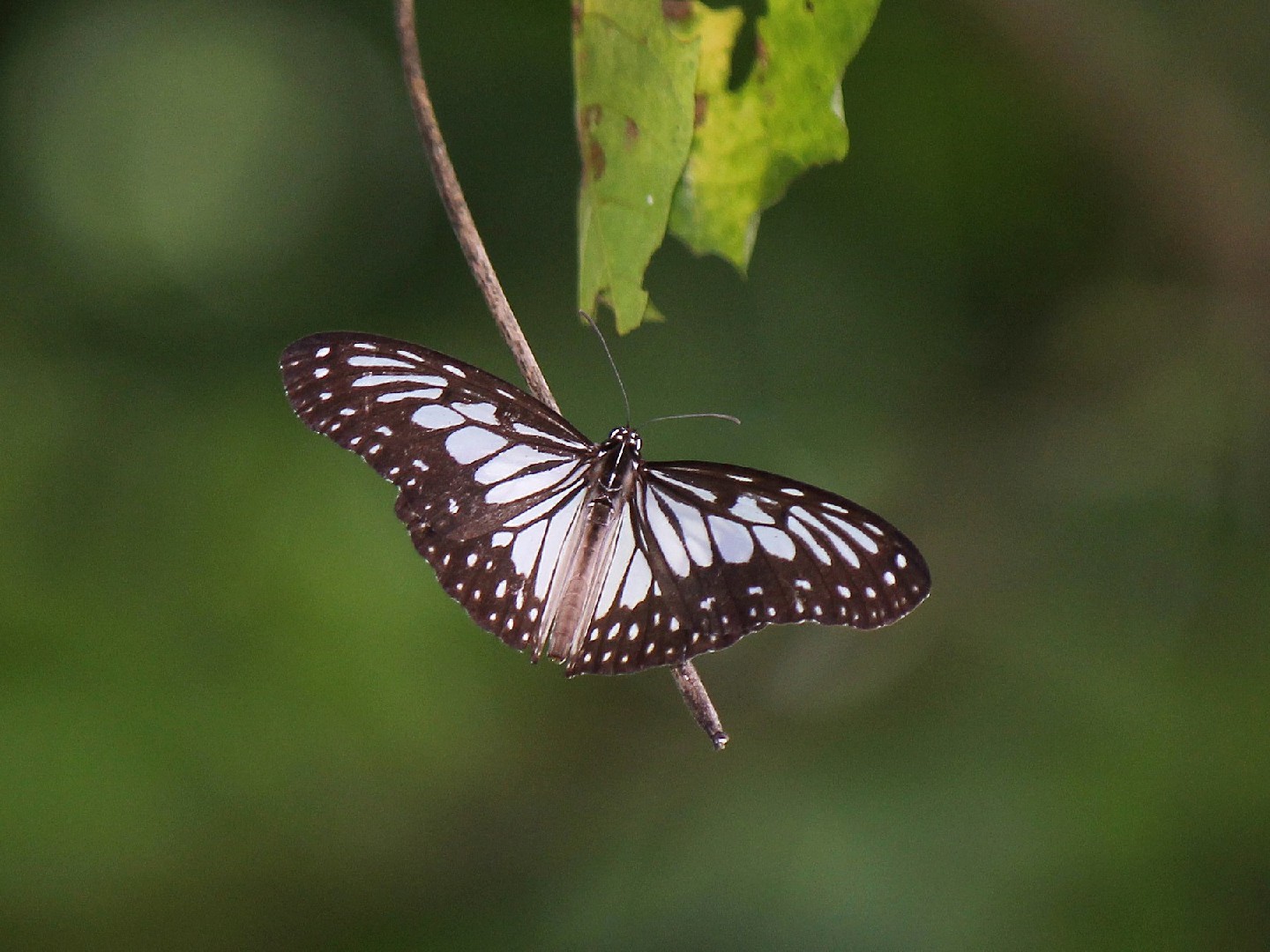
This butterfly is dark gray or black with two rows of circular white dots along the margins of its wings and elongated white patches closer to the body. The elongated white patches appear to radiate from the thorax.
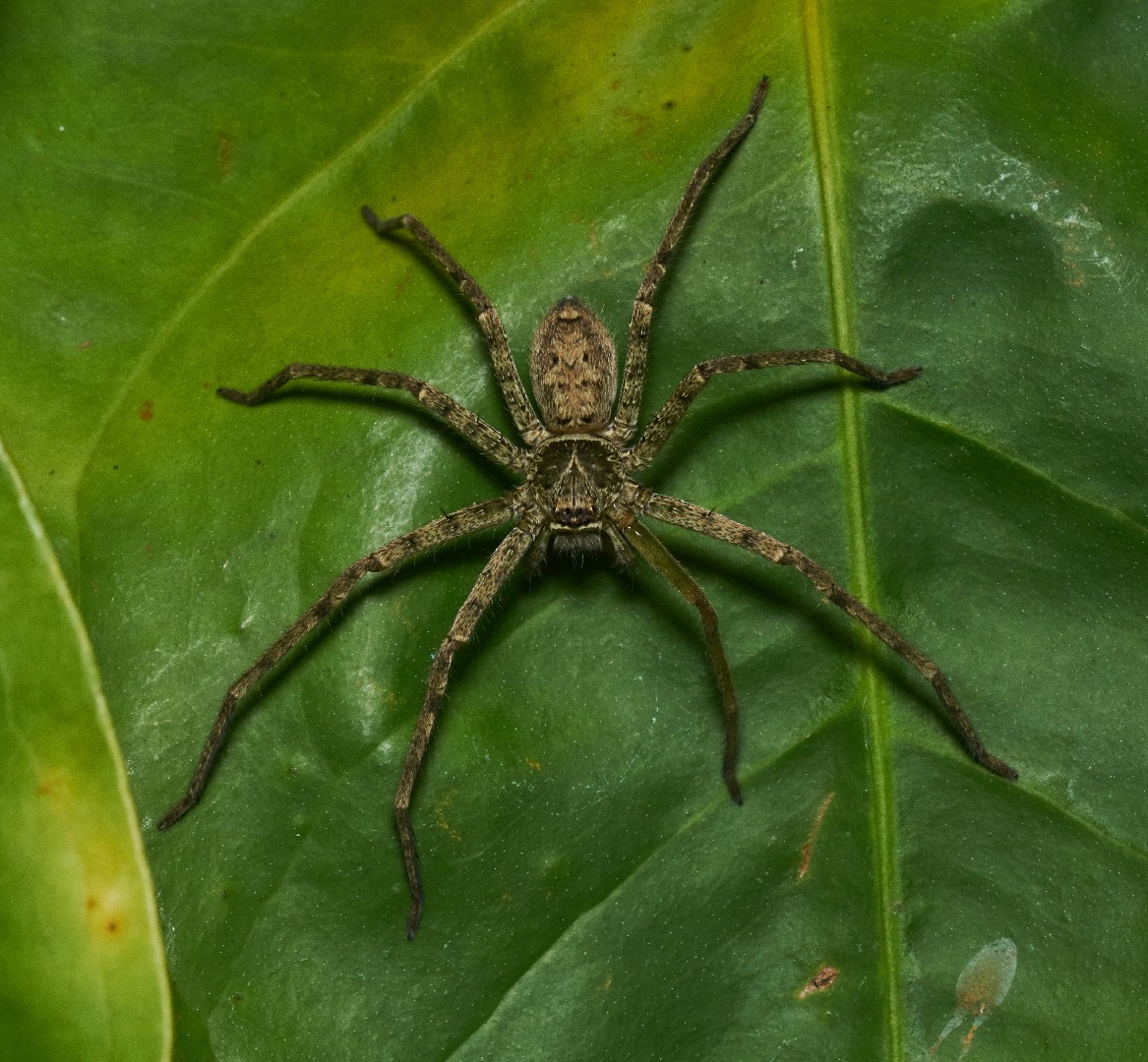
6. Giant Crab Spider
The giant Crab Spider is a large spider native to the tropics; the largest reported individual had a leg span of 30 cm. This cosmopolitan spider is highly valued in some areas, as it's able to catch cockroaches and other indoor pests. Reportedly, it hunts even scorpions and bats. This spider is venomous and sometimes bites humans, but it's considered harmless.
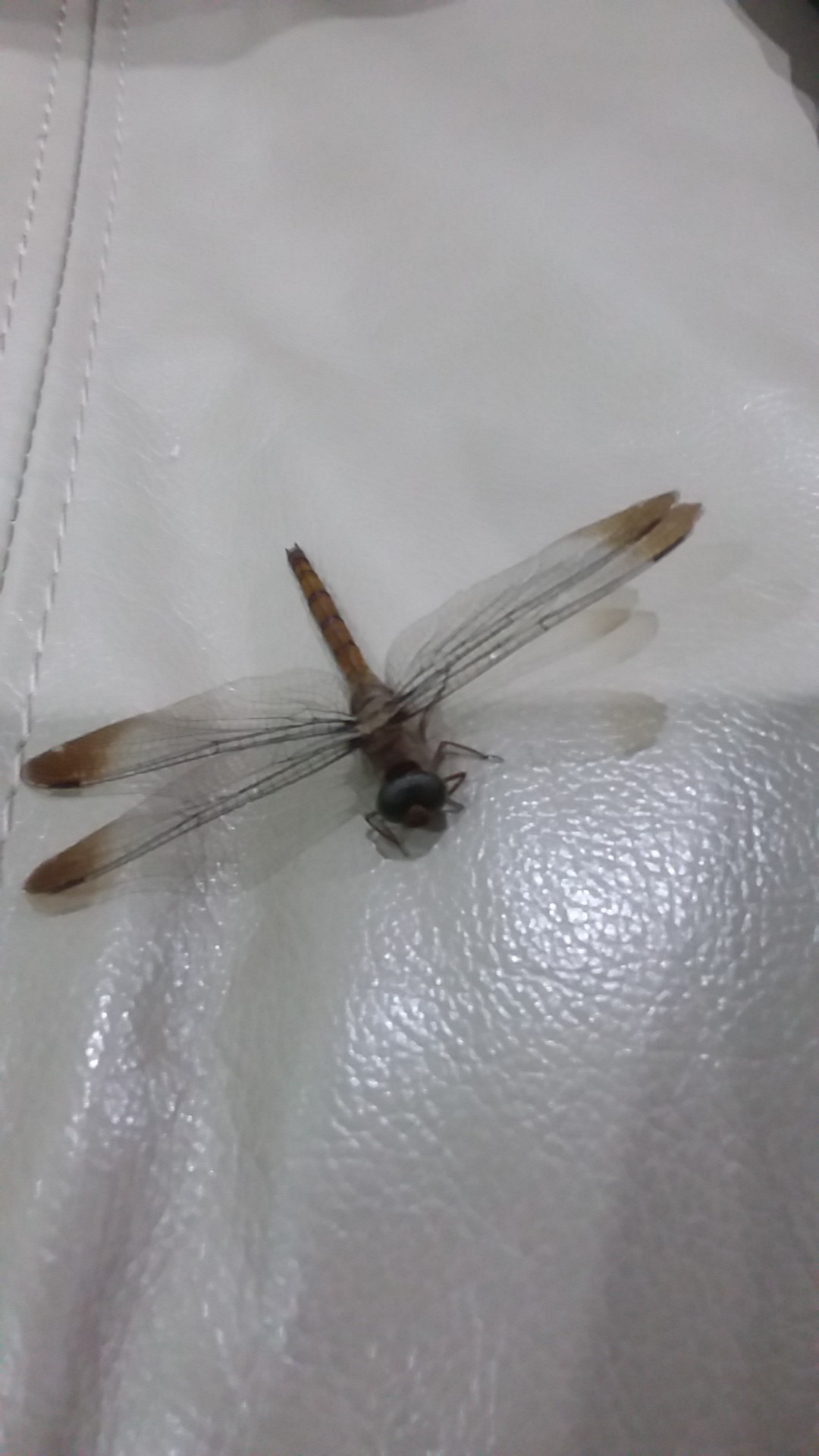
7. White duskdarter
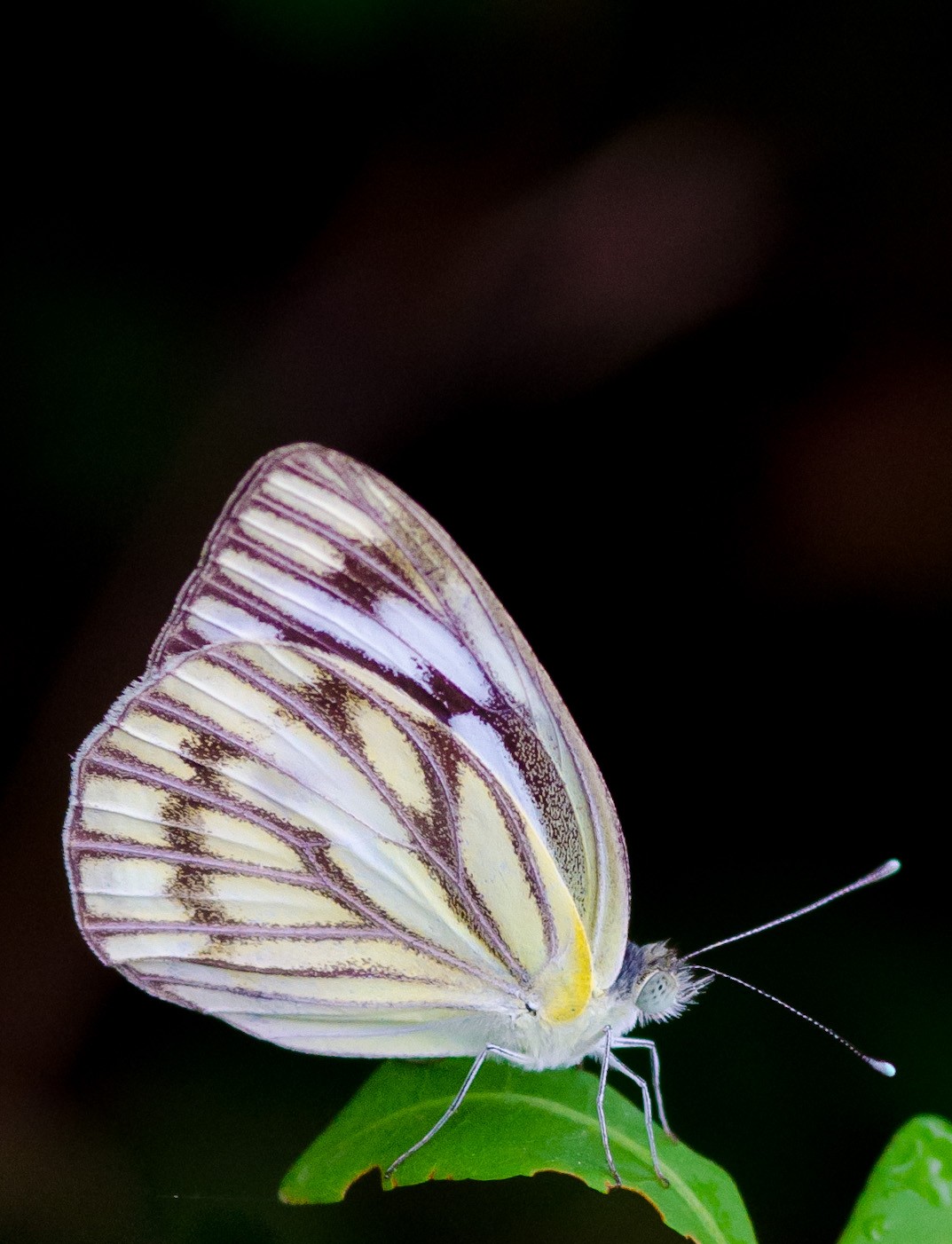
8. Striped albatross
The striped albatross (Appias libythea) is a combination of whites and greys and yellows that allow this butterfly to resemble many different types of flowers. They are part of a family that exhibits mud-puddling, where they stomp about wet puddles in order to get salt.
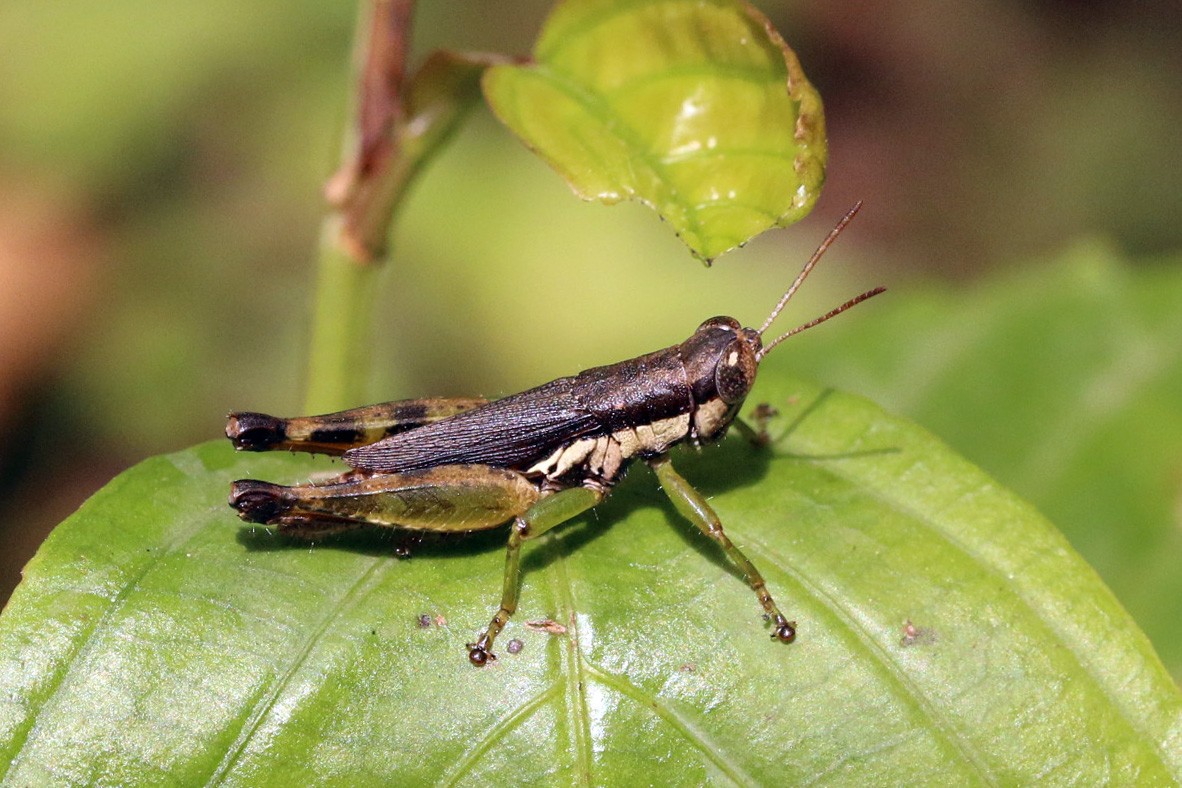
9. Short-winged rice grasshopper
Pseudoxya diminuta is a right-winged insect from the family locusts (Acrididae). The scientific name of this species was first validly published in 1871 by Walker.
10. Pear-shaped leucauge
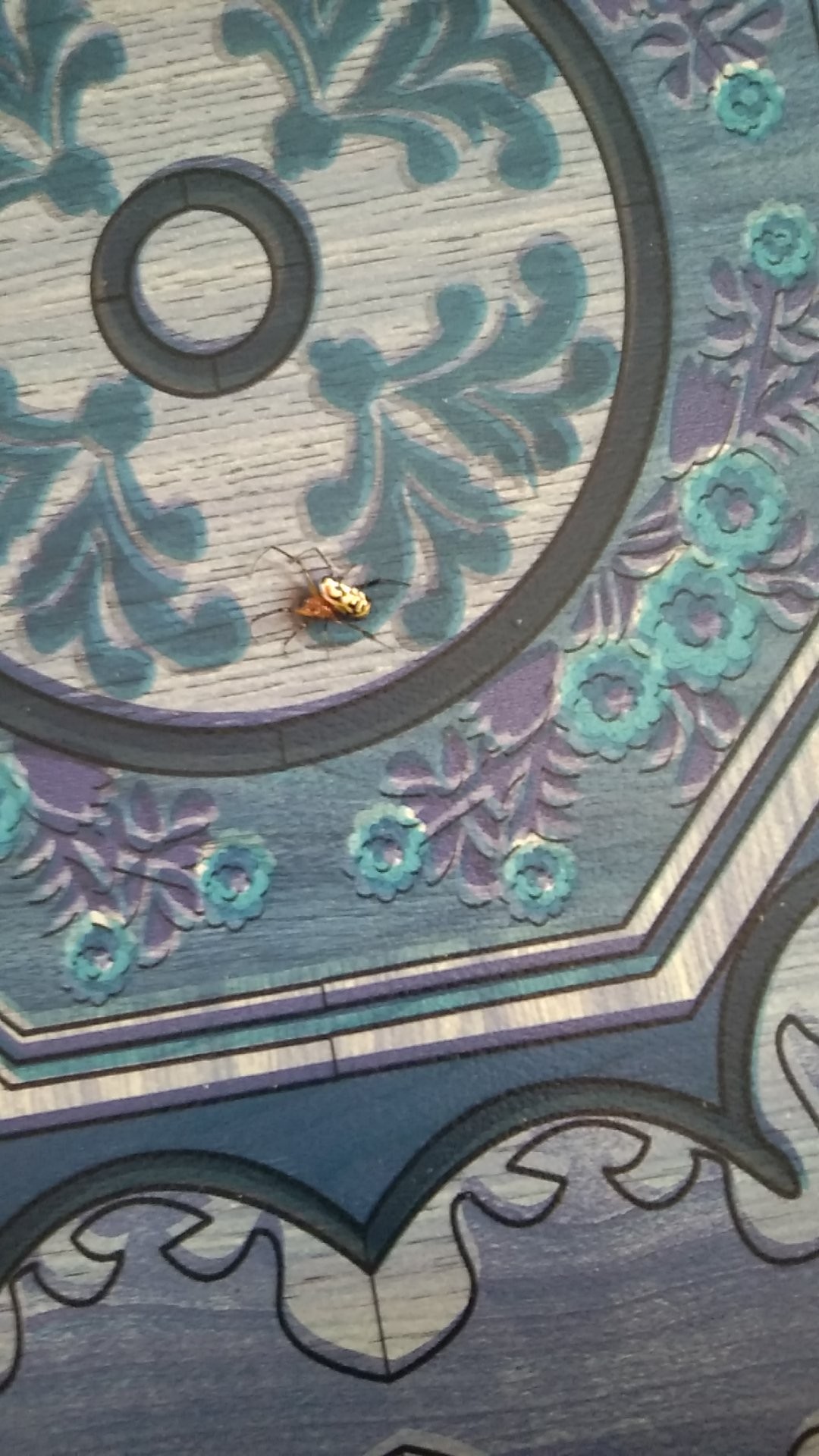
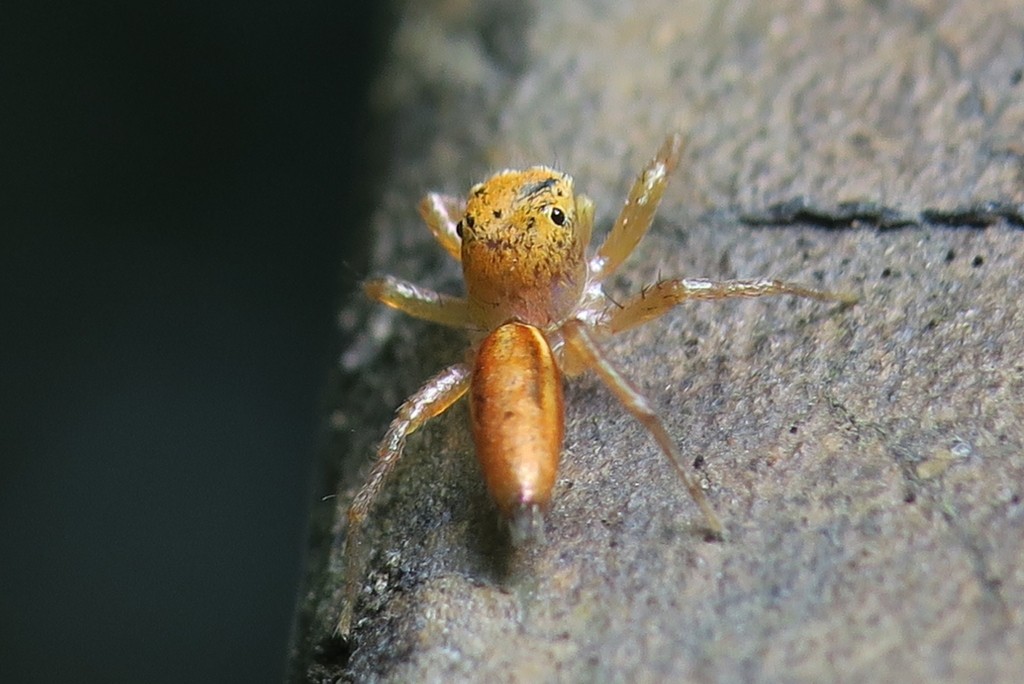
Opadometa fastigata, the pear-shaped leucauge, is a species of spiders in the family Tetragnathidae (long-jawed orb weavers). It is found in India to Philippines and Sulawesi. Members of the species have silvery or golden spots on the abdomen. They are elongated spiders with long legs and chelicerae. They are orb web weavers, weaving small orb webs with an open hub and few, wide-set radii and spirals. The webs have no signal line and no retreat. The web is a large horizontally-placed orb structure with a diameter of more than a metre. The entire web is often suspended by several long strands of silk attached to branches and leaves nearby. This species is separated from other Leucauge spiders by its pear-shaped abdomen and its unique fourth leg. In addition to the two rows of curved hairs (characteristic of Leucauge), this leg also has a thick brush of spines which are not present in most other species of Leucauge.
More







