




Top 20 Most Common Insects in Cebu
Insects, nature's tiny powerhouses with unique features, are home to the rich biodiversity of Cebu, influenced by its varying geographical landscapes. These creatures not only play vital roles in the ecosystem - from pesky invaders to beneficial pollinators - but also offer a glimpse into Cebu's environmental health. Join us to explore 20 of the most common insects thriving in Cebu's diverse areas.

Most Common Insects
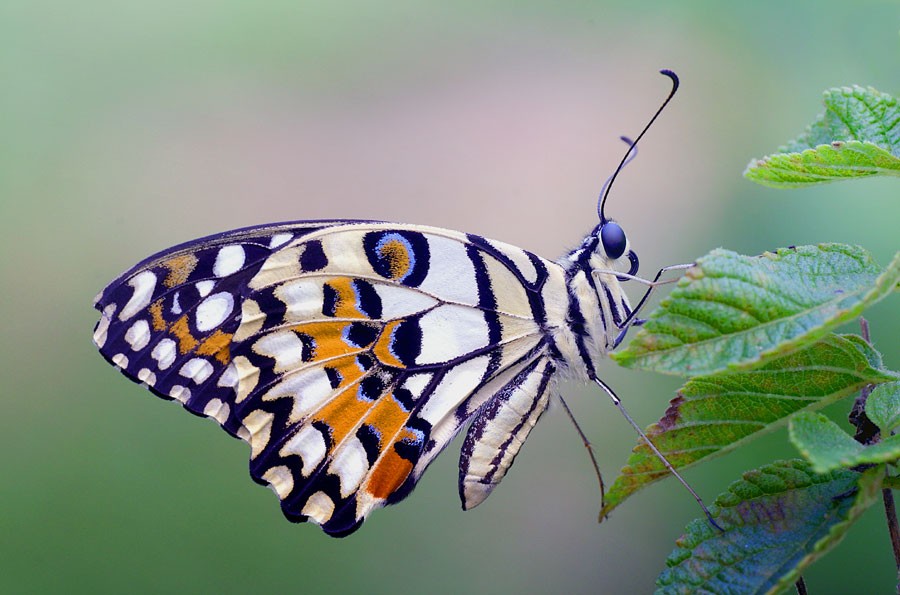
1. Lime swallowtail
The lime swallowtail (Papilio demoleus) has a beautiful black and white pattern, but it's considered a major pest to citrus trees. It feeds on nearly any type of citrus, including oranges and limes. This butterfly's small, green larvae are capable of defoliating an entire nursery grove. They are truly trouble makers in the citrus orchard.

2. Common mormon
The common mormon (Papilio polytes) is a beautiful, black butterfly with unique hindwings that have orange and white colorings and two spots jutting out. They are named after the Mormon religion, as the butterflies participate in polygamy, which is a common practice for Mormons. They are also known to mimic red-bodied swallowtail, who are inedible.
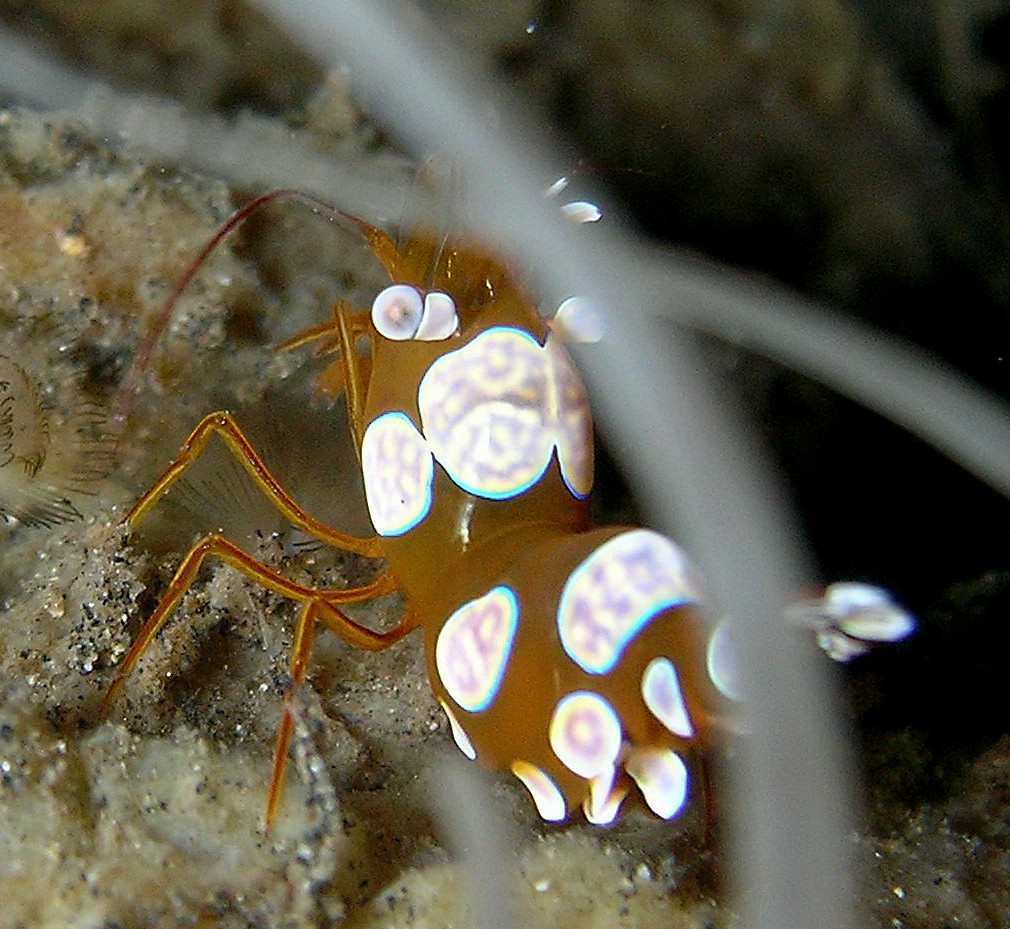
3. Squat shrimp
Thor amboinensis is a small shrimp growing to a length of about 13 millimetres (0.5 in). It is an olive brown colour with symmetrically placed white patches edged with thin blue lines. It characteristically carries its abdomen curved upwards with its tail fan above its head. 

4. Chocolate argus
Junonia hedonia is a butterfly from the Nymphalidae family. The scientific name of the species was first validly published in 1764 by Carl Linnaeus.

5. Blue moon butterfly
Hypolimnas bolina, the great eggfly, common eggfly or in New Zealand the blue moon butterfly is a species of nymphalid butterfly found from Madagascar to Asia and Australia.
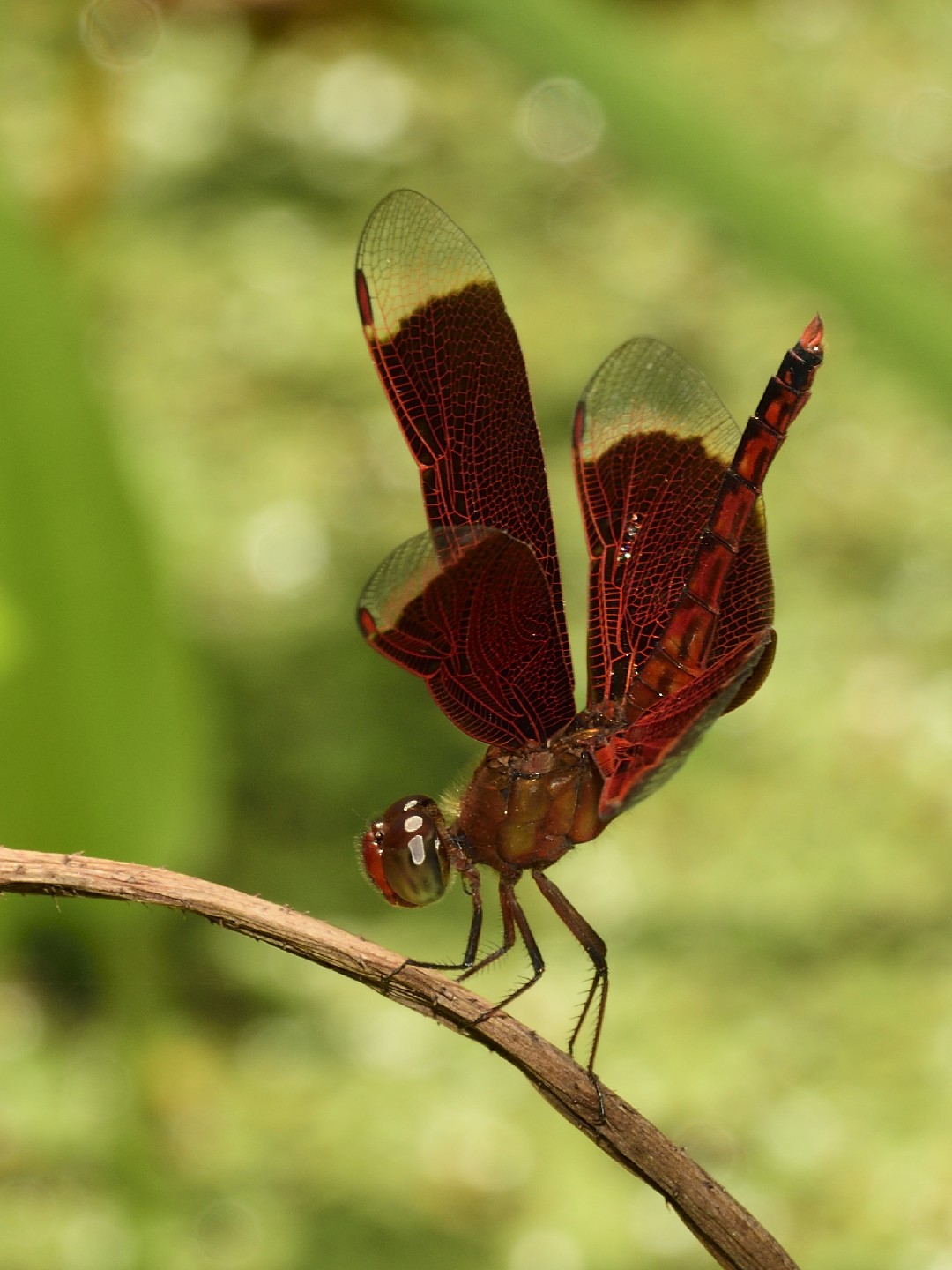
6. Neurothemis ramburii
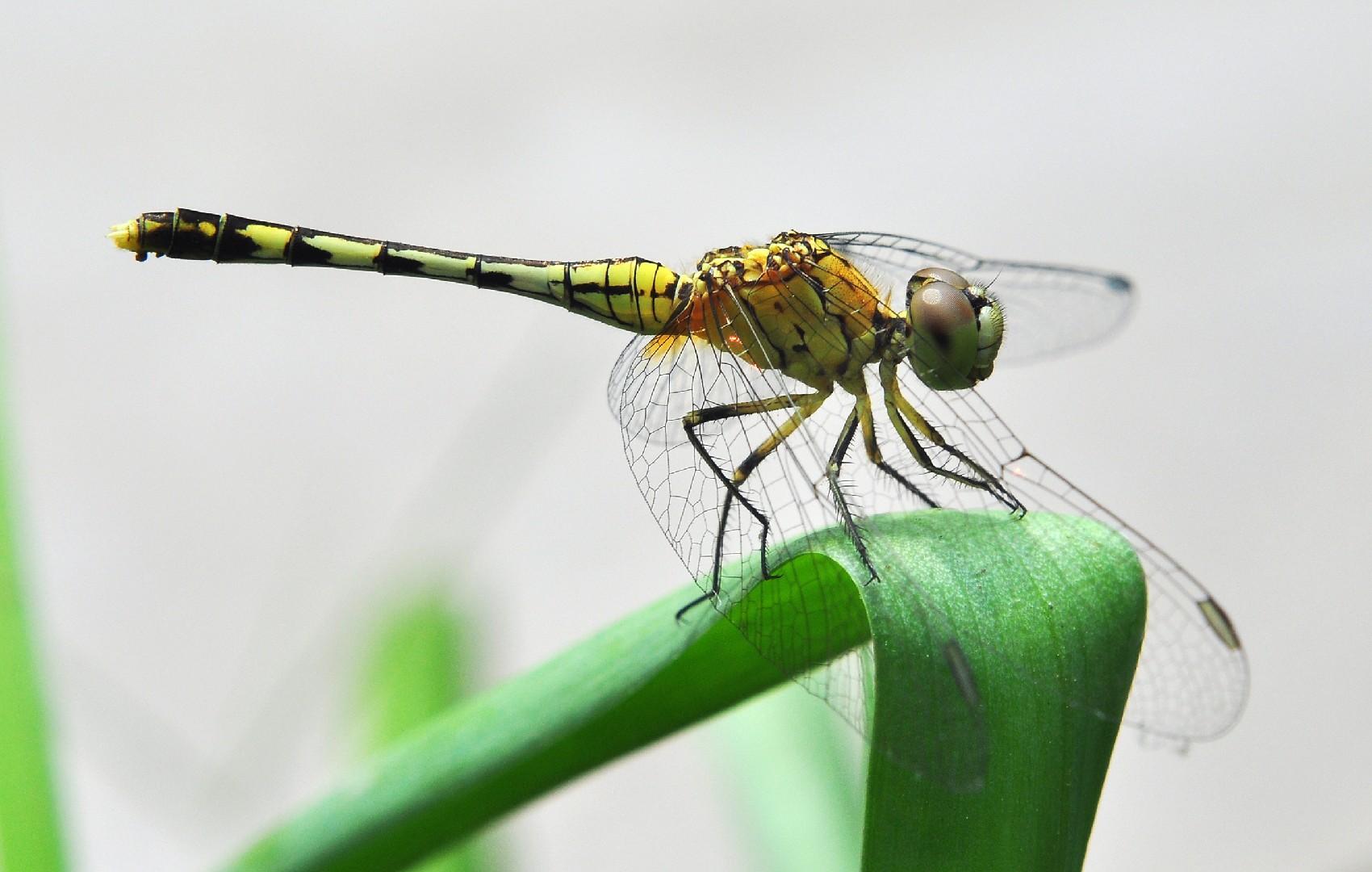
7. Chalky percher
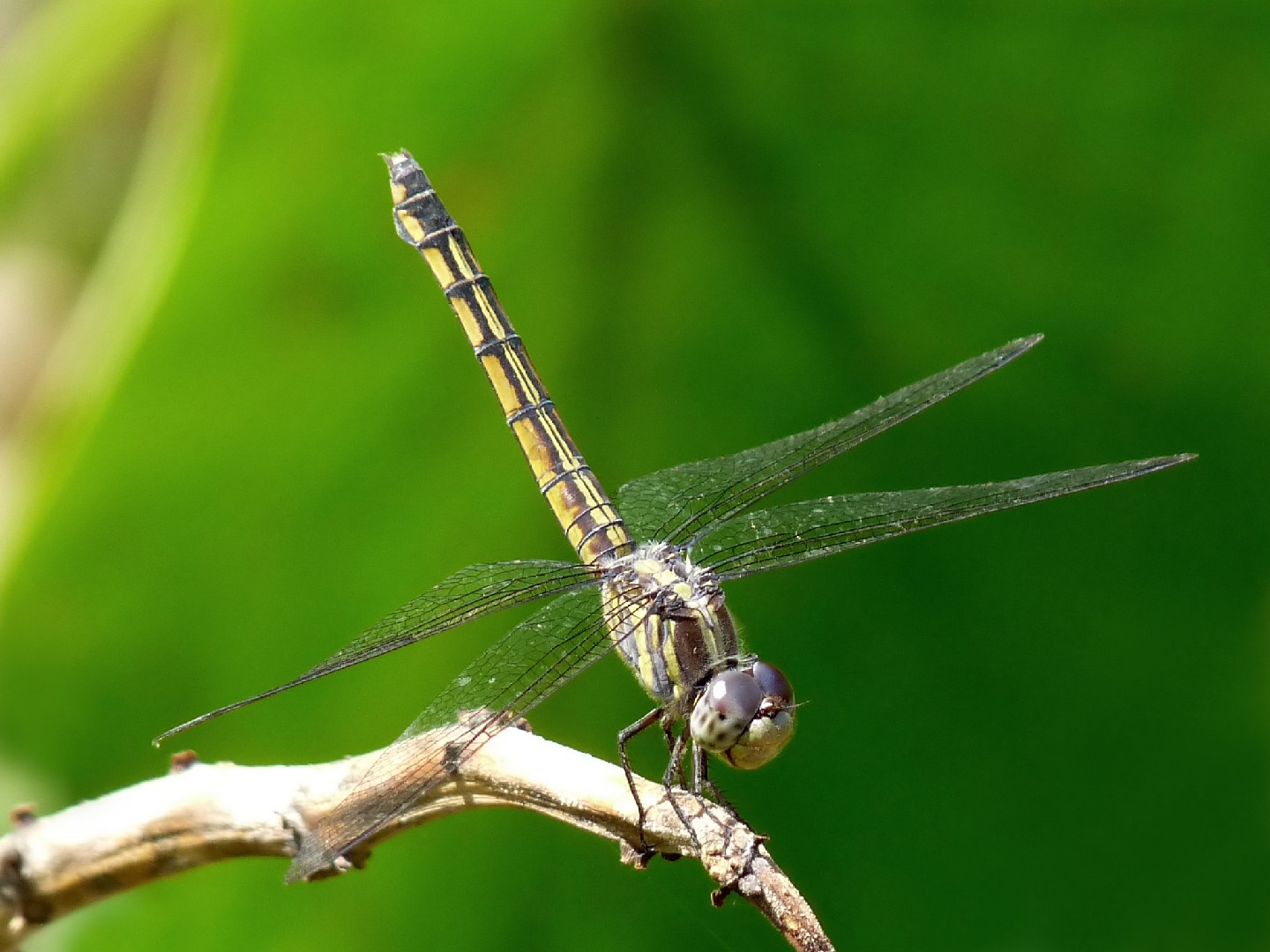
Diplacodes trivialis is small dragonfly with bluish eyes and greenish-yellow or olivaceous thorax and abdomen with black marks. In very old adults, the whole thorax and abdomen become uniform pruinosed blue. Clear wings, without apical or basal markings, and the creamy white anal appendages and deep pruinescence in adults help to distinguish this species from others in its genus.
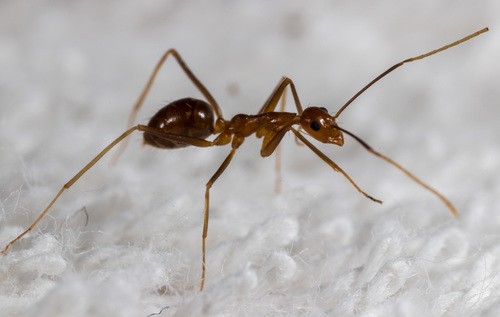
8. Yellow crazy ant
The yellow crazy ant (Anoplolepis gracilipes) needs to sit down with a warm glass of tea, as it tends to become erratic when disturbed. It is considered to be on the list of the top 100 most invasive species list on the International Union for Conservation of Nature (IUCN). When they enter a new location, their aggressive behavior allows them to dominate the ecosystem.
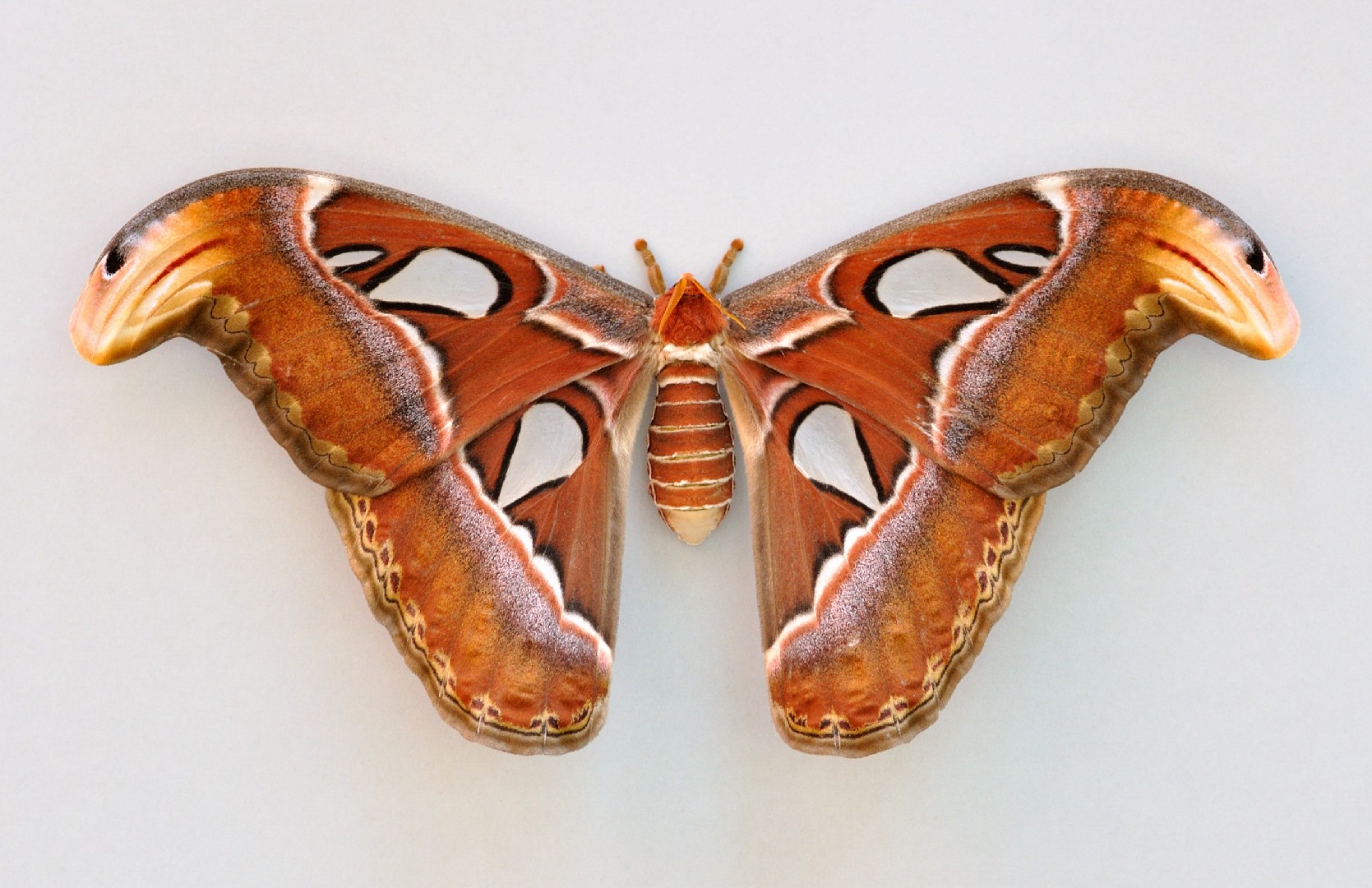
9. Atlas moth
While the atlas moth (Attacus atlas) can't tell you where to find your country on the map, it does earn its name through other means. It is one of the largest moths in the world, with a wingspan that is far larger than its body, creating an abnormal comparison. In India, their silk is gathered in a non-commercial capacity and is considered to be more durable than the domestic silkworm.
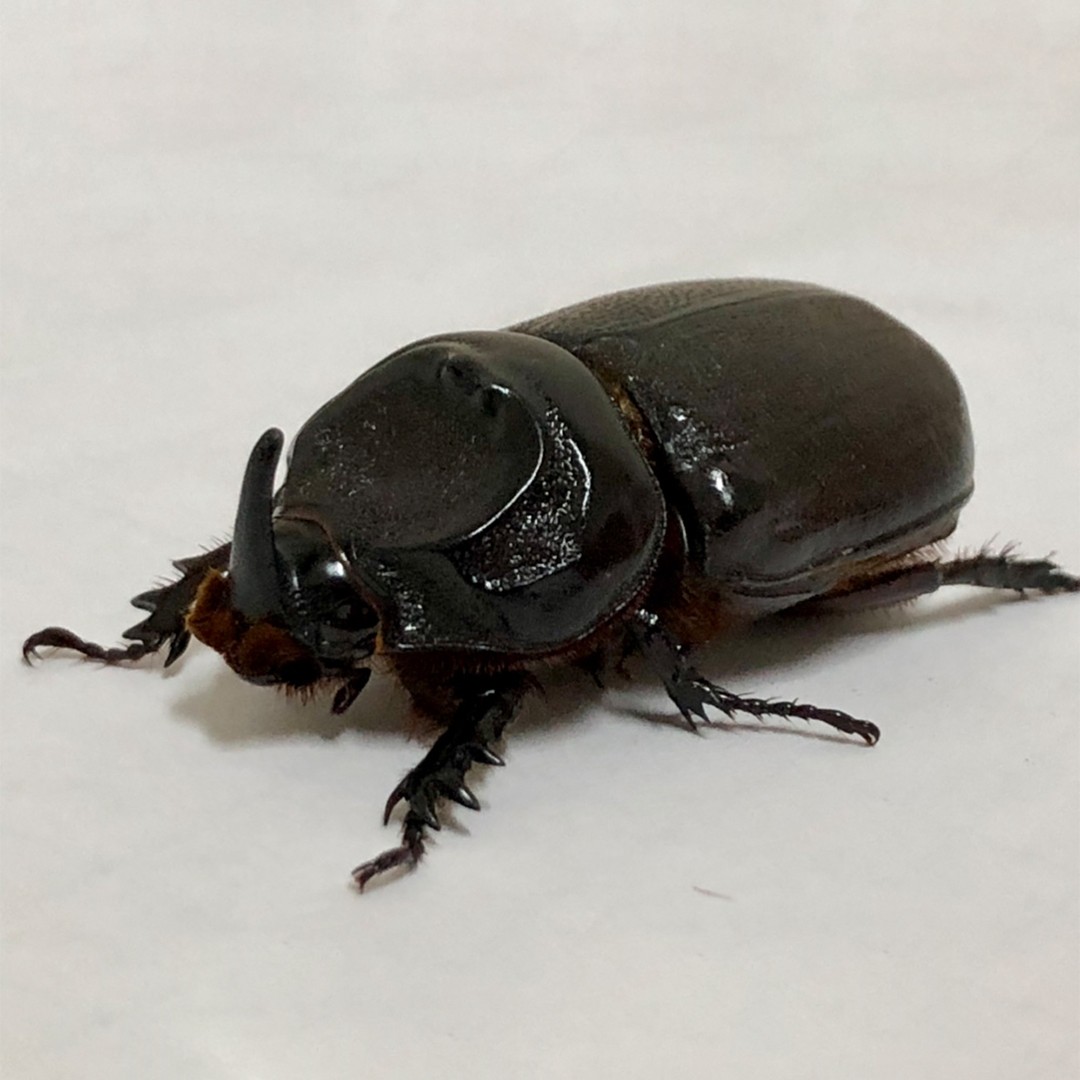
10. Asiatic rhinoceros beetle
The Asiatic rhinoceros beetle, coconut rhinoceros beetle or coconut palm rhinoceros beetle, (Oryctes rhinoceros) is a species of rhinoceros beetle of the family Scarabaeidae. O. rhinoceros attacks the developing fronds of raffia, coconut, oil, and other palms in tropical Asia and a number of Pacific islands. Damaged fronds show typical triangular cuts. The beetle kills the palms (particularly newly planted ones) when the growing point is destroyed during feeding. In 1964, accidental introduction in some countries, and the perceived threat led to a special United Nations fund being established through the South Pacific Forum, with the goal of "eradication of the rhinoceros beetle and related insects in the South Pacific". Contributors to the fund were Australia, France, New Zealand, the United Kingdom, the United States of America, and Western Samoa. Control measures include the use of cultural methods, such as crop sanitation and the use of cover crops, pheromones, together with biological controls such as the manipulation of Metarhizium majus. A nudivirus - the Oryctes rhinoceros nudivirus (OrNV) - has been very successful in the Pacific islands and for 30 years the invasion was halted. However a new haplotype - CRB-G - has been invading the Pacific at a rate of about one new island every two years, unaffected by OrNV control programs already in place because CRB-G is immune. The beetle is an invasive species in Hawaii, where it was found on December 23, 2013. It is believed to have been brought there in air cargo.

More







