




Top 8 Most Common Insects in Eastern Samar
Insects, nature's tiny marvels, exist in numerous variations, carrying unique traits formed by the ecosystem of Eastern Samar. The insect diversity in Eastern Samar is emblematic of its geographical range, flourishing in every nook and cranny, from coastal areas to mountain tops. These miniature creatures, both beneficiaries and pests, maintain a crucial equilibrium within Eastern Samar's ecosystem, making our list of '8 most common insects' all the more intriguing.

Most Common Insects
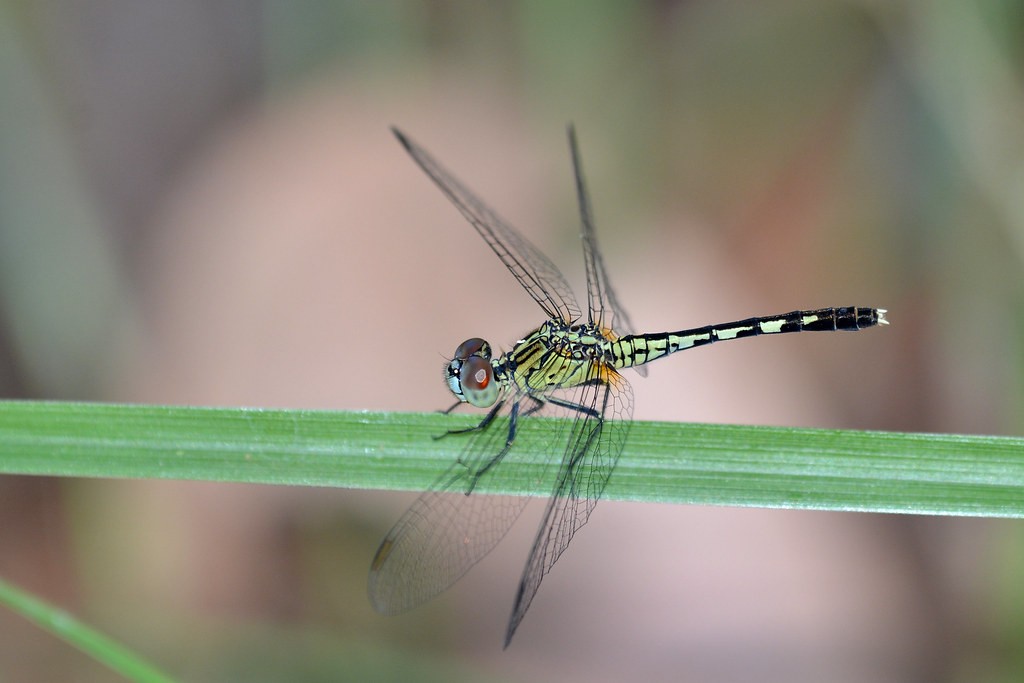
1. Green skimmer
Orthetrum serapia is a medium-sized dragonfly with a wingspan of 60-85mm. Its wings are clear except for a small dark spot at the base of the hindwing. The thorax is greenish to greyish yellow with black markings. The abdomen is black with pale yellow or pale green markings. Orthetrum serapia appears very similar to Orthetrum sabina and can be confused where the range of the two overlap in north-eastern Australia. 
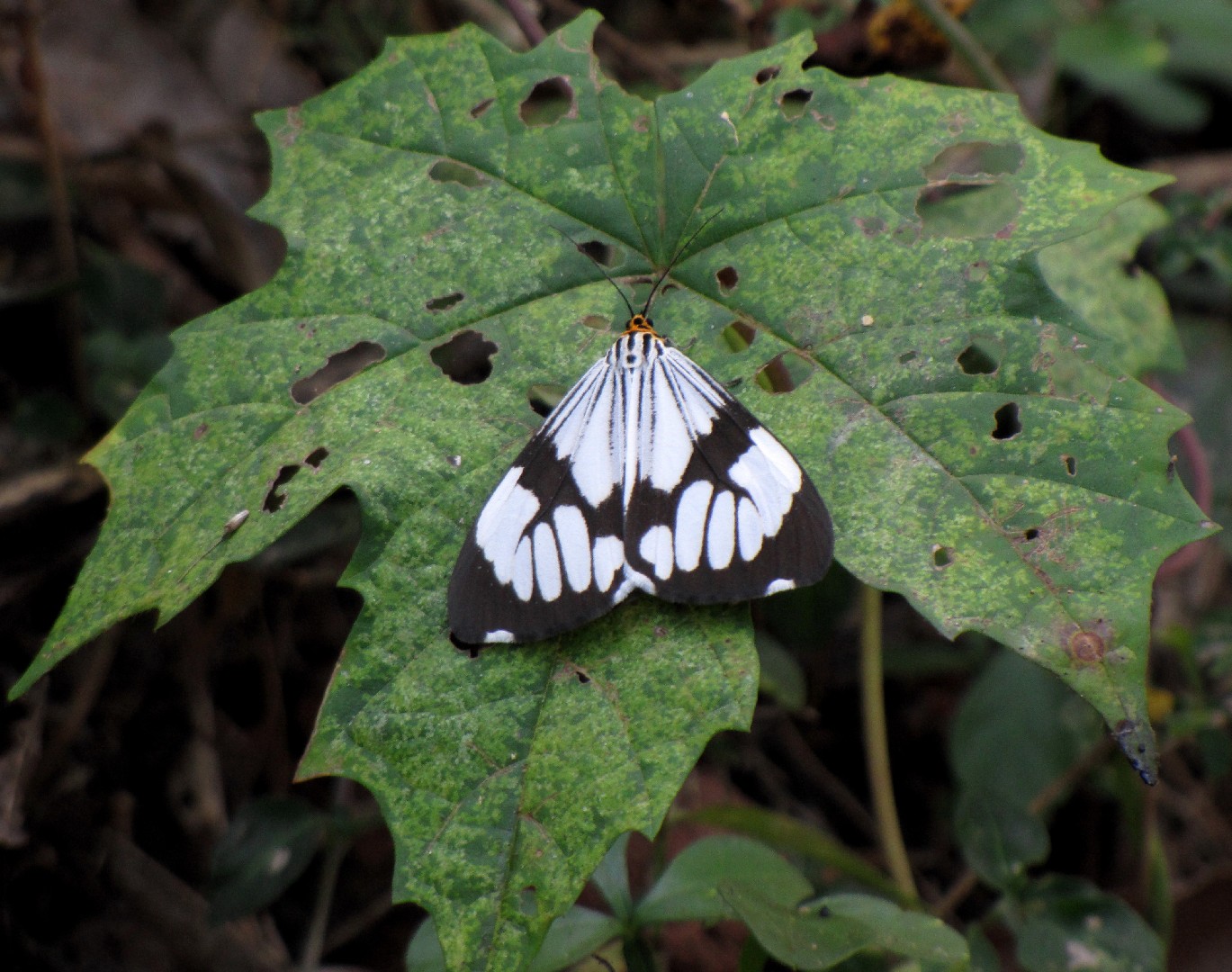
2. Marbled white moth
The male has a large tuft of hair arising from the base of the tibia of the foreleg. It differs from Nyctemera tripunctaria in the lower three spots of the post-medial band of forewing being separated and having another spot below them towards outer angle. Cilia white below the apex and at outer angle. Hindwing with the cilia white below the apex, and in most specimens at anal angle. The Sri Lankan subspecies has black veins 3 and 4 of hindwing and the spots of the postmedial band of forewing are smaller than other subspecies. The larva are purplish and hairy. Anterior somites yellowish. Each somite is black and marked with short dorsal and lateral white streaks. Pupa yellowish and spotted with black.
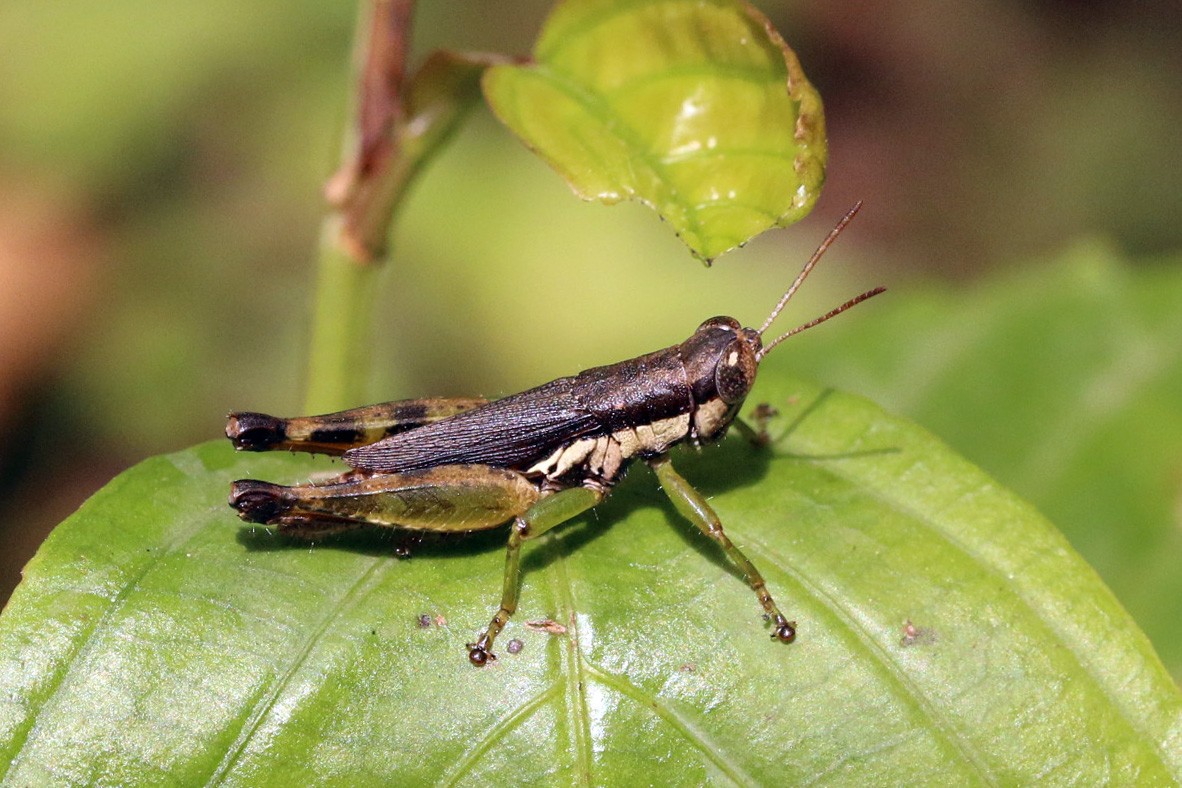
3. Short-winged rice grasshopper
Pseudoxya diminuta is a right-winged insect from the family locusts (Acrididae). The scientific name of this species was first validly published in 1871 by Walker.
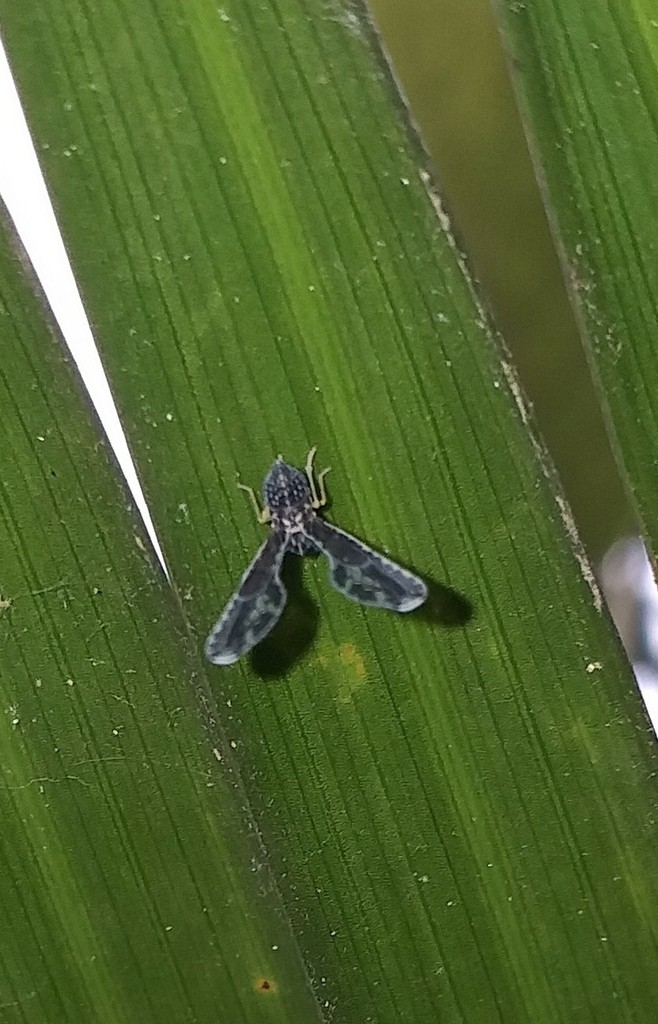
4. Proutista moesta
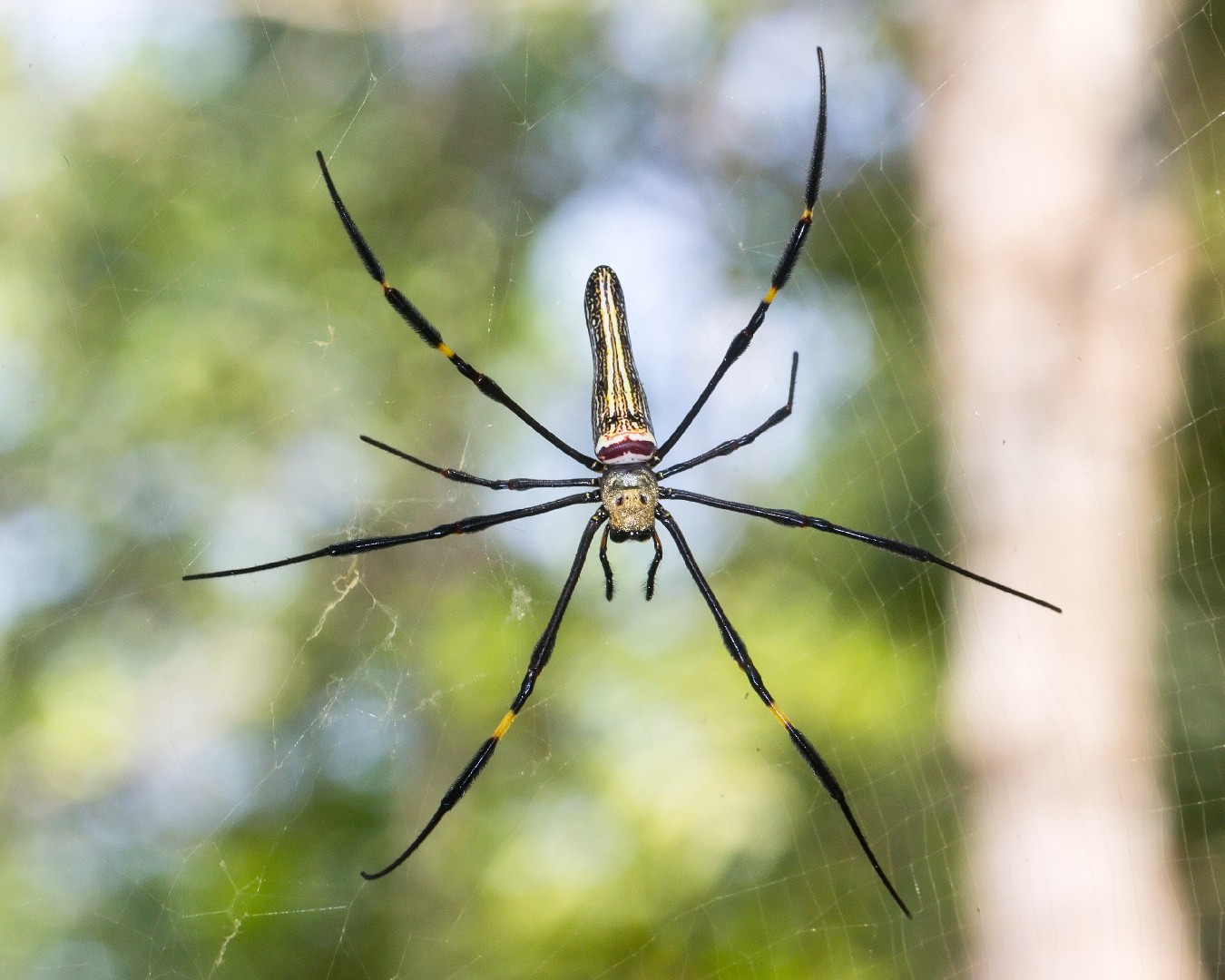
5. Giant golden orb weaver
The giant golden orb weaver (Nephila pilipes) is known for spinning a golden web. Despite that being neat, that isn't the weirdest part about them. Females are known to favor gigantism, causing males to be much smaller than average females. Males are known to have mating plugs which attempt to prevent other males from mating, but the size difference can make this tricky.
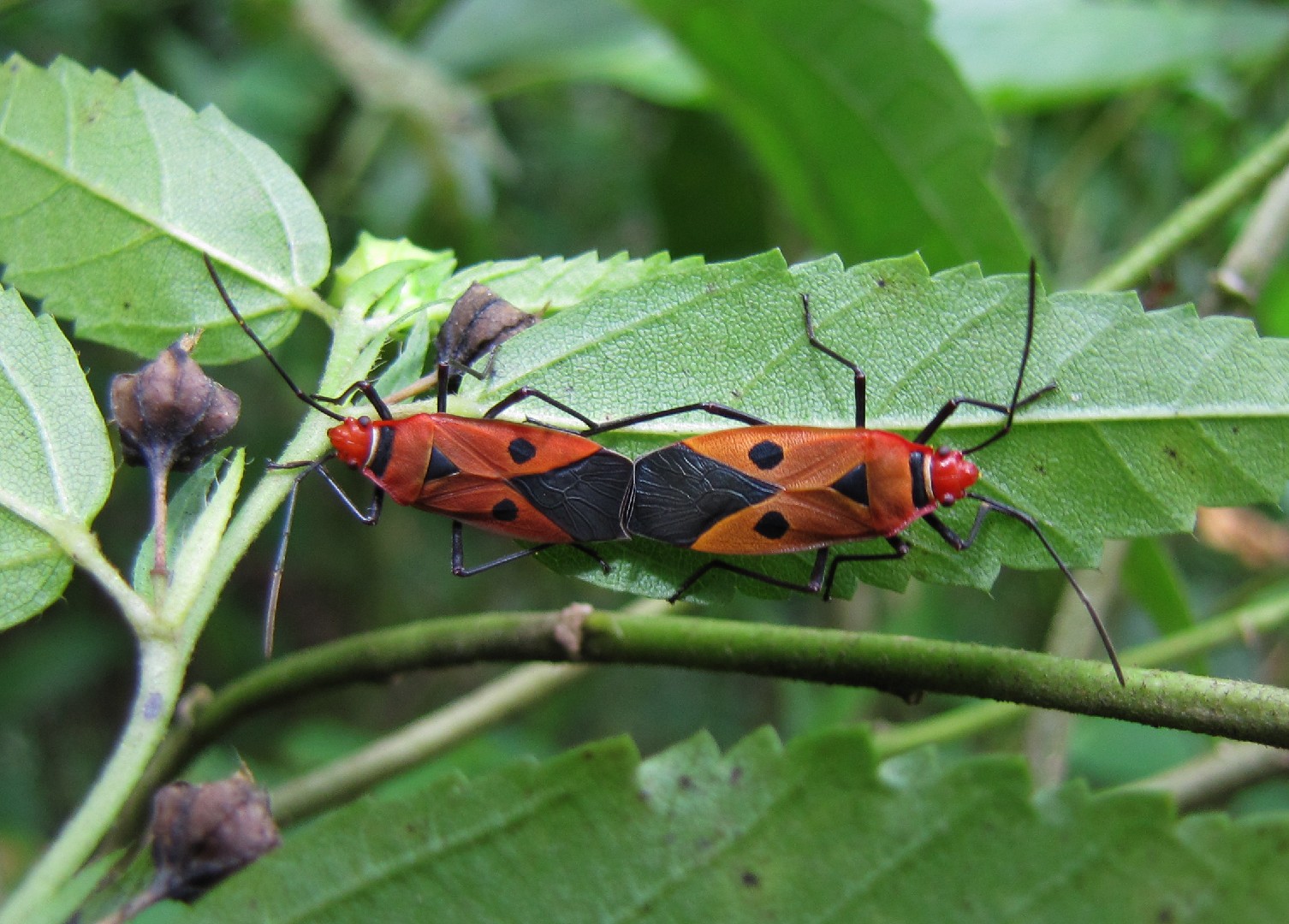
6. Indian cotton stainer bug
Dysdercus cingulatus grows to a length of 12 to 18 mm (0.47 to 0.71 in). It is mainly red but has a white collar and three black spots. It is closely related and very similar to Dysdercus koenigii but D. cingulatus is slightly larger and the femora have varying amounts of black while D. koenigii has completely red femora.
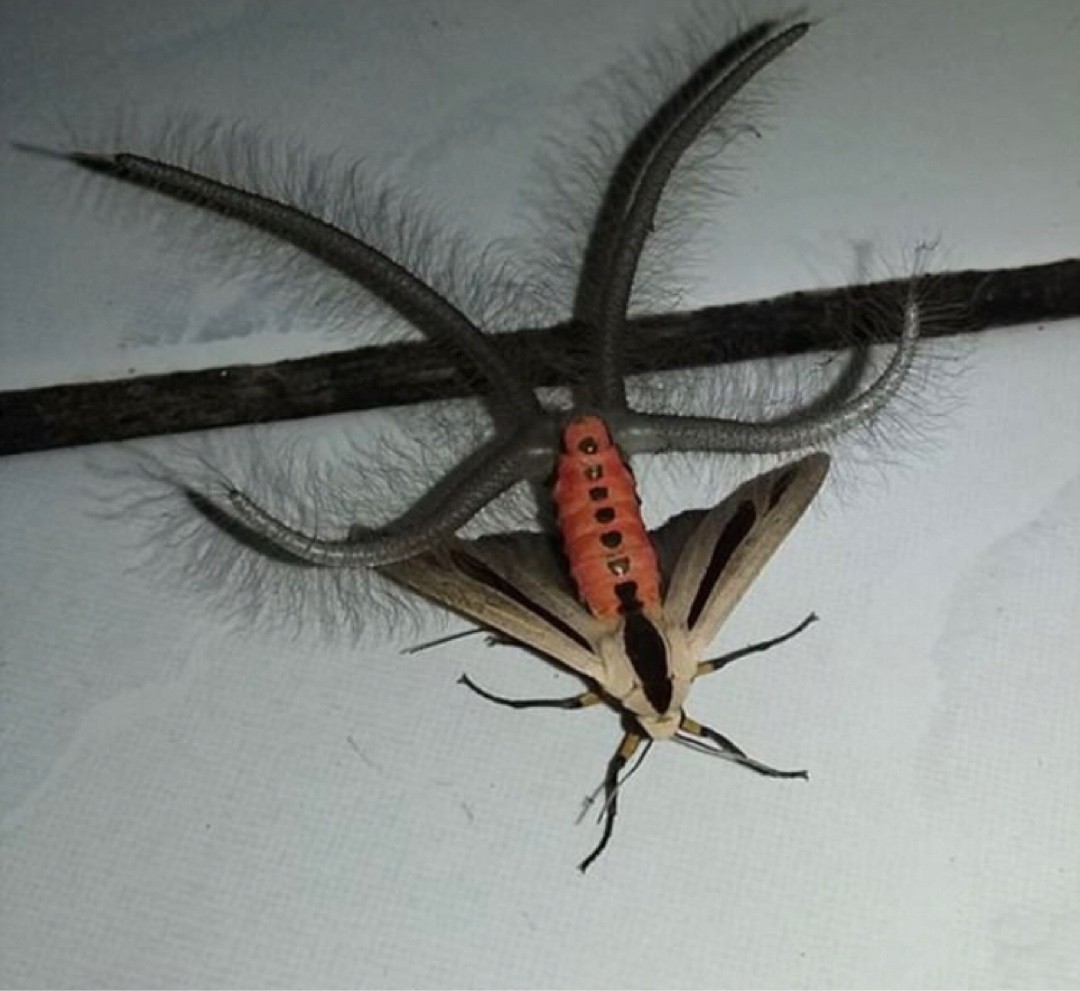
7. Baphomet moth
The Creatonotos gangis can be identified by looking at its red abdomen with black dots running up the body. In rare instances, the abdomen can be yellow. Its colors may be bright and friendly, but don't let looks deceive you. It is considered to be a pest that feeds on a wide variety of foods that include everything from rice to sweet potatoes.

8. Indonesian red-winged dragonfly
Neurothemis terminata is a species of dragonfly in family Libellulidae. Neurothemis terminata is a widespread and often common species which can occur in man-made habitats, from Peninsular Malaysia and Japan to the Lesser Sundas in Indonesia. Male N. terminata have red colour on its body and wings, while the female have yellowish colour. The adult has 8-11 cm body length.







