




Top 16 Most Common Insects in Masbate
Insects, with their vast array of distinct features and habitat preferences, are a critical part of any ecosystem, including within Masbate. Their diversity is influenced by the varying geographical conditions of Masbate, from green hills to coastal regions. These small creatures, whether pests or allies, play pivotal roles in maintaining the ecological balance of Masbate. In this list, we will delve into the 16 most common insects found in Masbate.

Most Common Insects
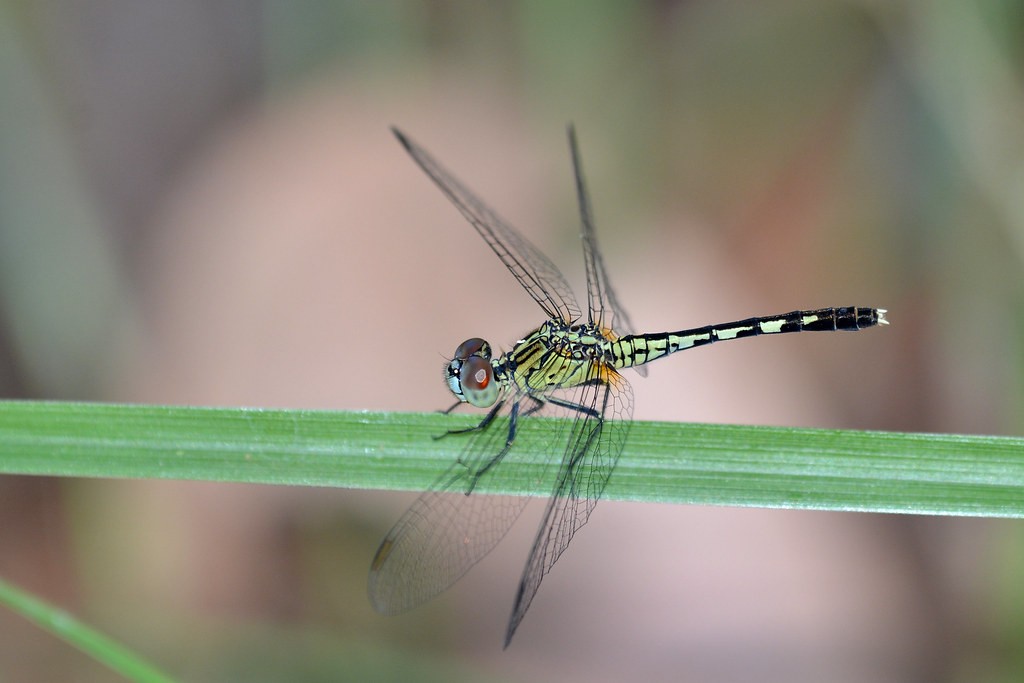
1. Green skimmer
Orthetrum serapia is a medium-sized dragonfly with a wingspan of 60-85mm. Its wings are clear except for a small dark spot at the base of the hindwing. The thorax is greenish to greyish yellow with black markings. The abdomen is black with pale yellow or pale green markings. Orthetrum serapia appears very similar to Orthetrum sabina and can be confused where the range of the two overlap in north-eastern Australia. 
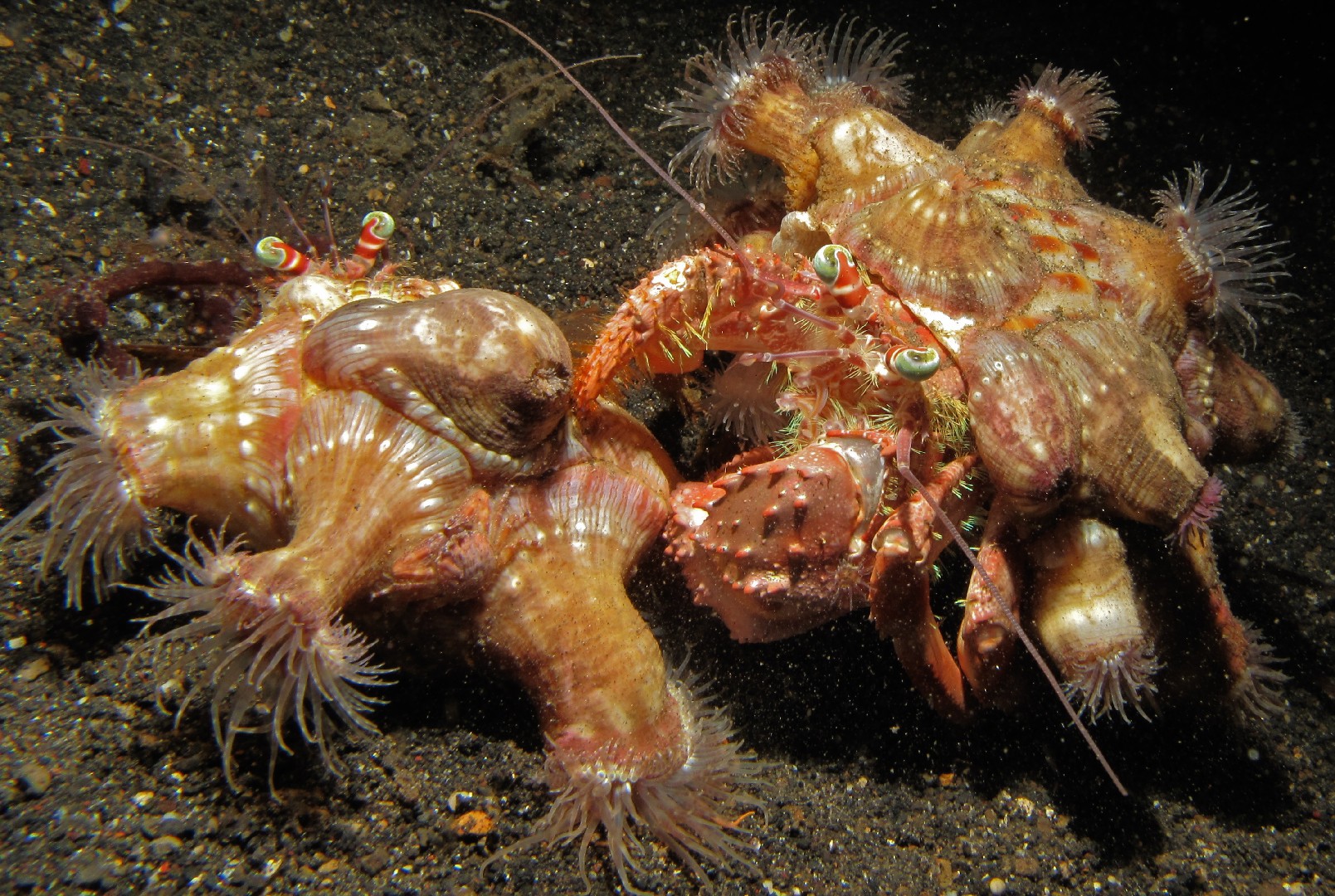
2. Anemone hermit crab
Dardanus pedunculatus usually attain a maximum size of 10 centimetres (4 in). The carapace is mottled in tan and cream, while the eyestalks are white with red bands. The sexes are similar. The left claw is much larger than the right claw.
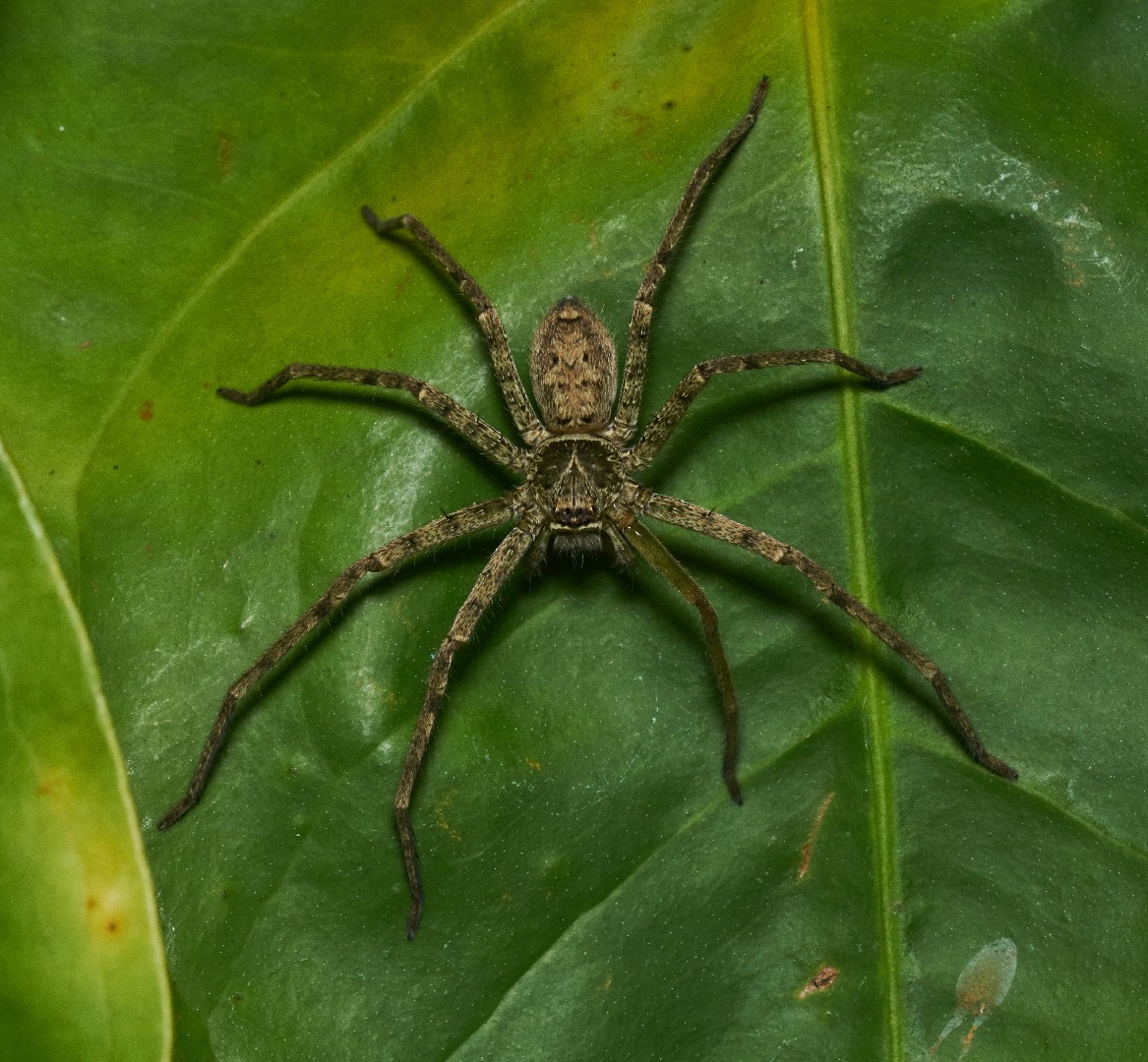
3. Giant Crab Spider
The giant Crab Spider is a large spider native to the tropics; the largest reported individual had a leg span of 30 cm. This cosmopolitan spider is highly valued in some areas, as it's able to catch cockroaches and other indoor pests. Reportedly, it hunts even scorpions and bats. This spider is venomous and sometimes bites humans, but it's considered harmless.
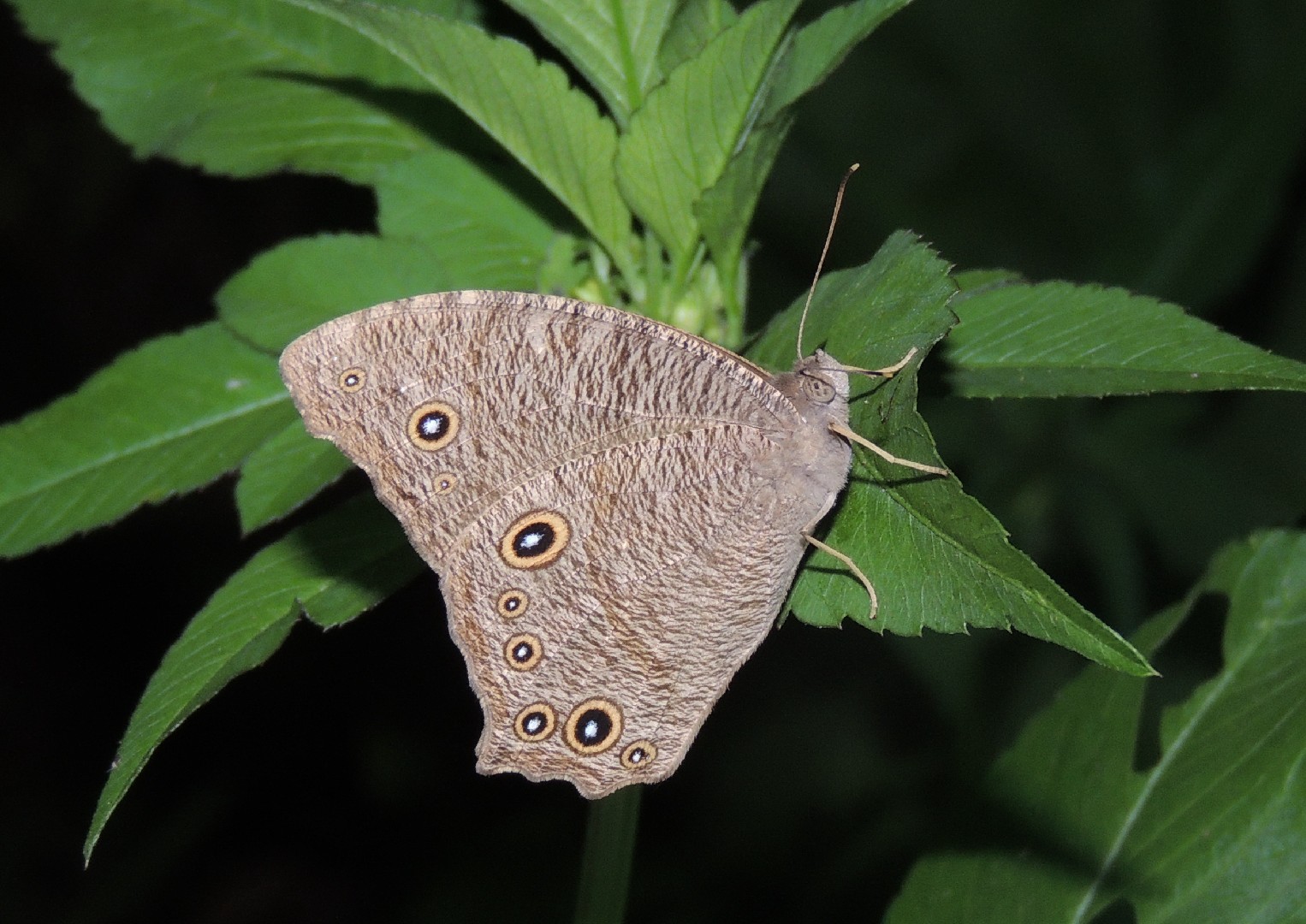
4. Common evening brown
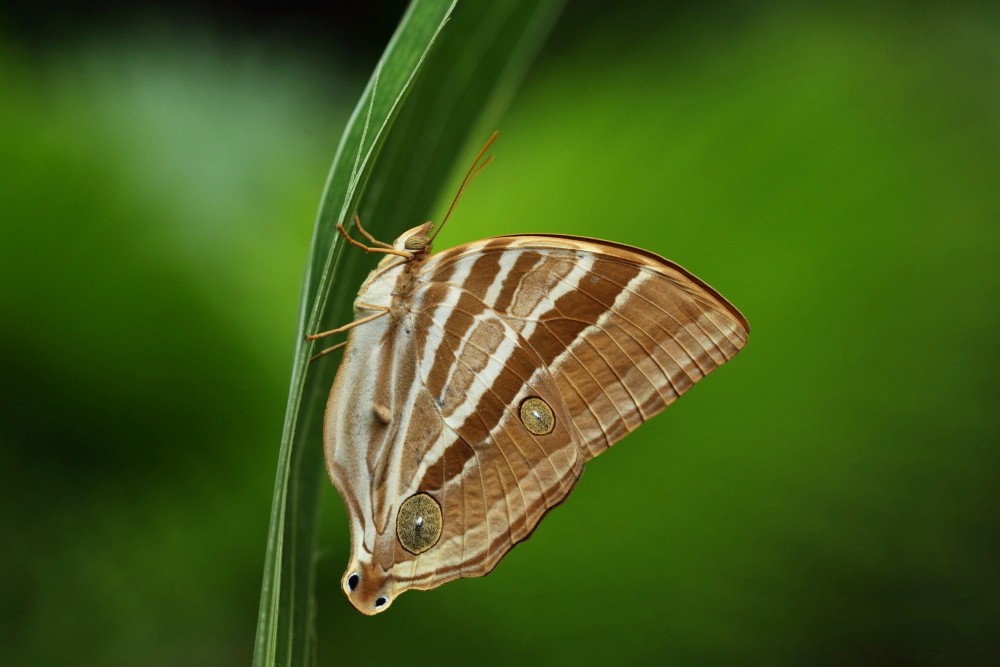
The common evening brown (Melanitis leda) changes its appearance based on the season. During wet seasons, it has a pale brown underside and a dark brown top. Then, during dry seasons, it often has more distinguished bands or spots. It uses these neutral colors to help it blend into leaves and trees. It usually only flies during the evening, resting during daylight.
5. American cockroach
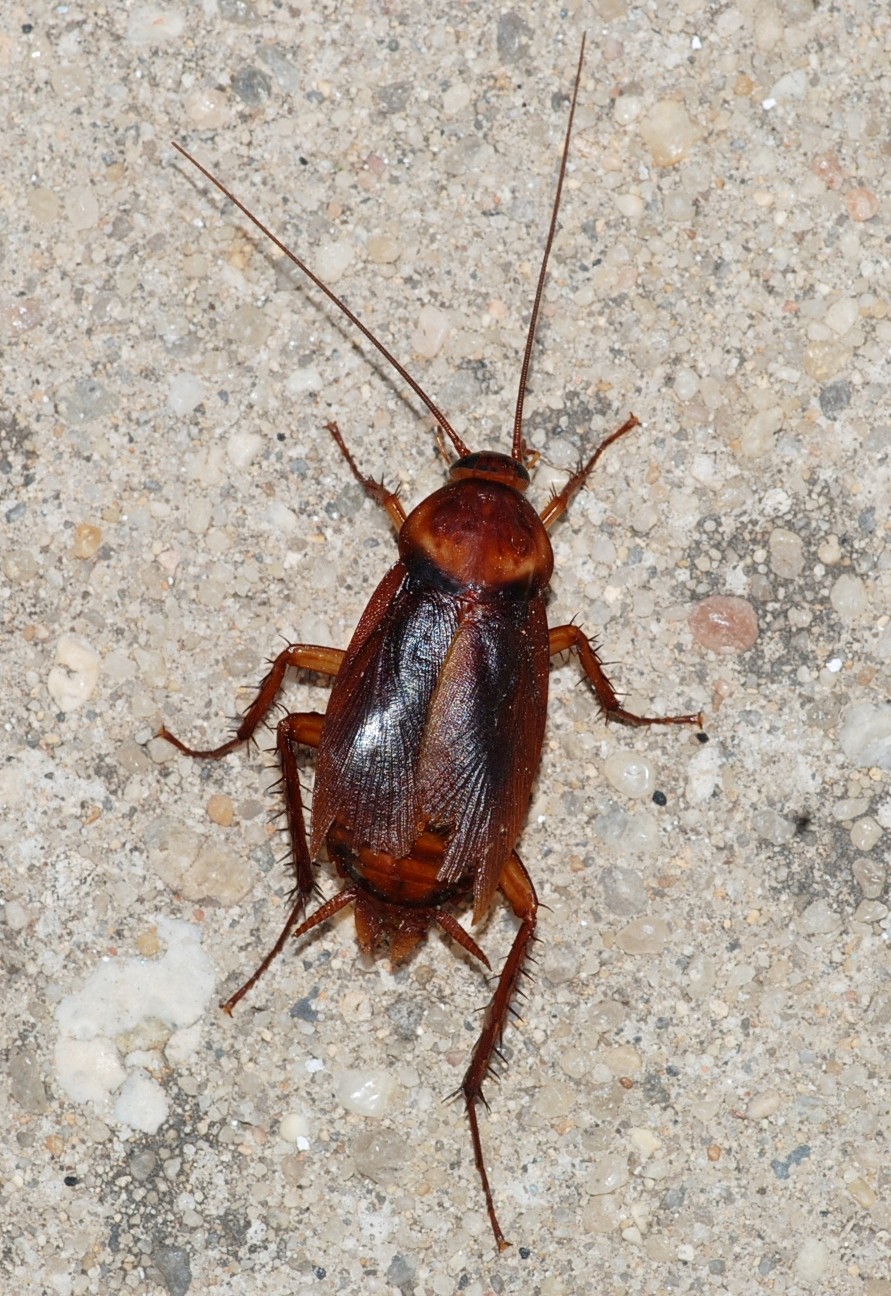
Despite its name, american cockroach (Periplaneta americana) is not native to the Americas but rather to Africa and the Middle East, from which it arrived as a result of human commercial patterns. Notably quick and rather resilient, this species is capable of limb regeneration. It requires a certain level of moisture to thrive, and it will avoid drier areas unless it has access to the required level of water.
6. Squat shrimp
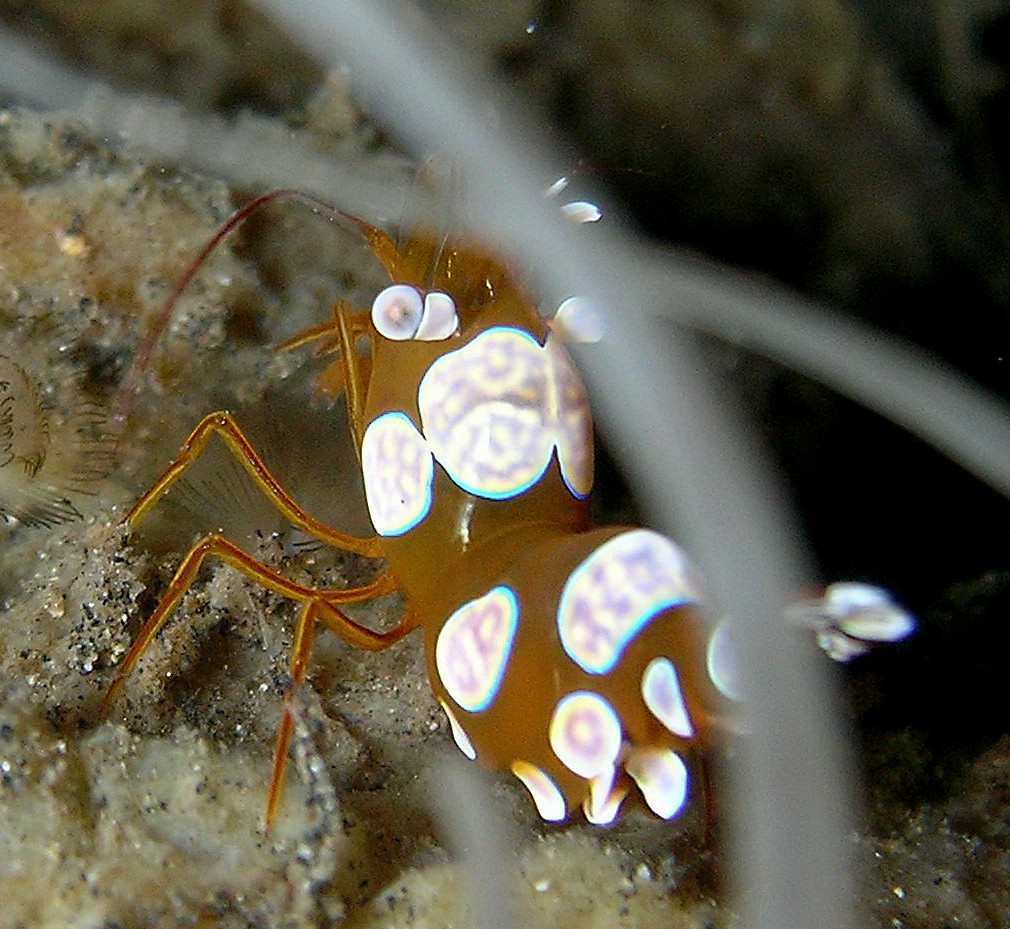
Thor amboinensis is a small shrimp growing to a length of about 13 millimetres (0.5 in). It is an olive brown colour with symmetrically placed white patches edged with thin blue lines. It characteristically carries its abdomen curved upwards with its tail fan above its head.
7. Hawaiian garden spider
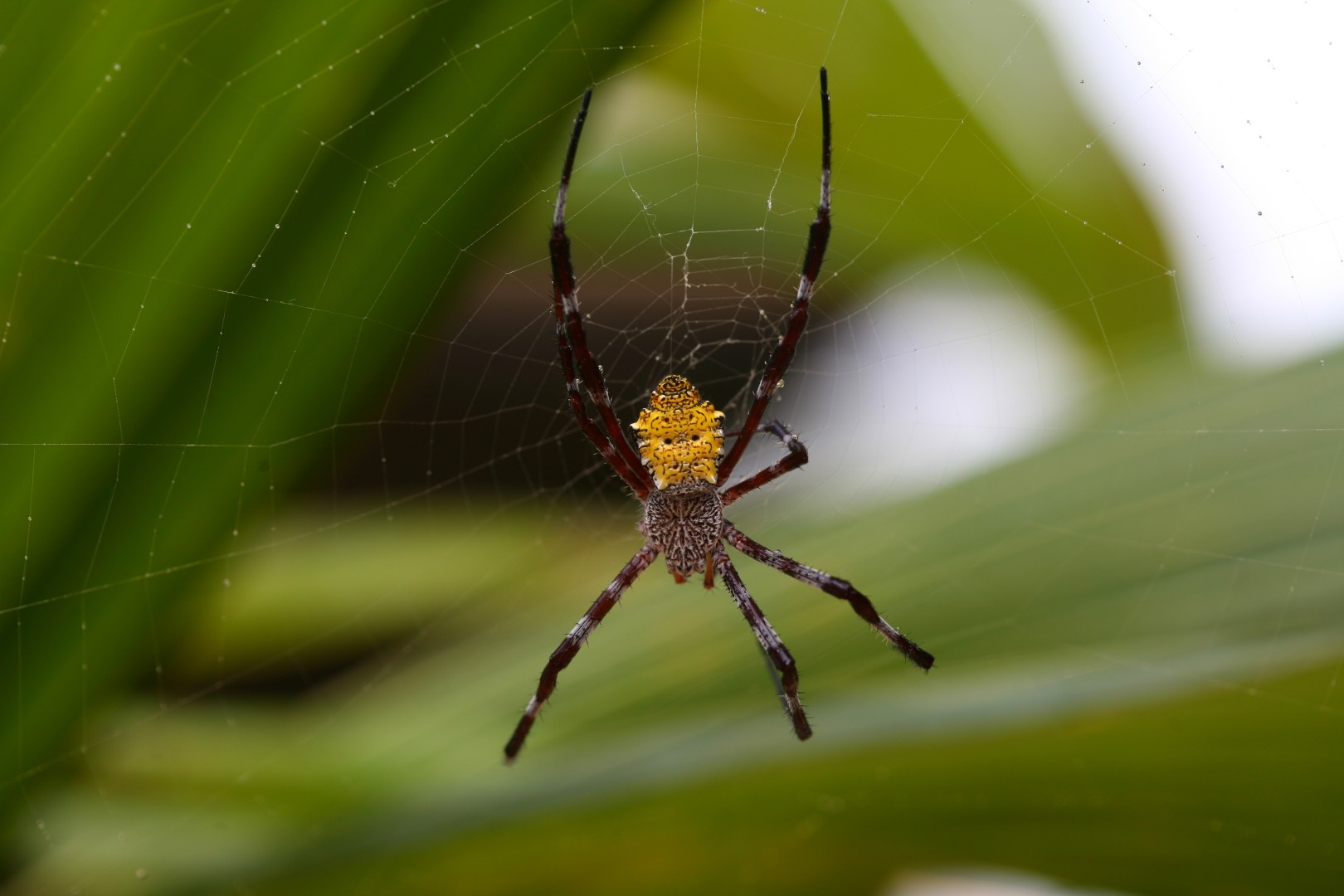
This species shows an evident sexual dimorphism. The strikingly black and yellow females are 5.1–6.4 cm (2–2.5 in) long, including legs, while the brown males reach only about 1.9 cm (0.75 in). In Hawaii they are referred to as Hawaiian garden spiders. In Hawaii, they are known to be quite communal (see picture), with multi-generational specimens living within close quarters, using the same anchor lines for separate webs. On Guam, where Argiope appensa is ubiquitous, it is frequently visited by Argyrodes argentatus, that steals food from the host. Locals there refer to them as banana spiders. Following the introduction of the brown tree snake and the subsequent extinction or near-extinction of many of the island's small birds, spider populations on Guam exploded in response to decreasing predation and competition. Nature writer David Quammen has called Argiope appensa "almost certainly one of the larger species" which were encountered in vast numbers during his research trip to Guam for the book The Song of the Dodo.
8. Giant golden orb weaver
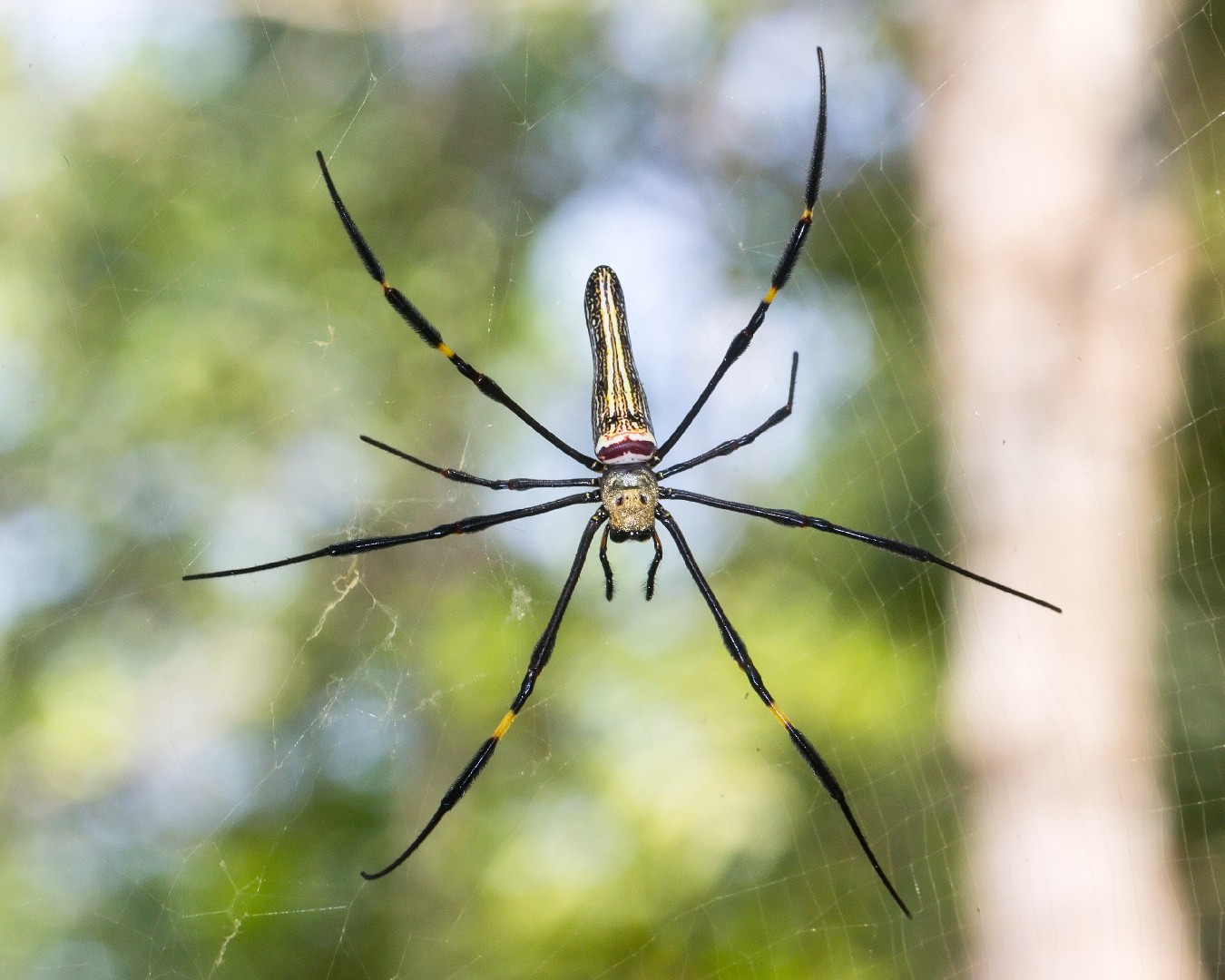
The giant golden orb weaver (Nephila pilipes) is known for spinning a golden web. Despite that being neat, that isn't the weirdest part about them. Females are known to favor gigantism, causing males to be much smaller than average females. Males are known to have mating plugs which attempt to prevent other males from mating, but the size difference can make this tricky.

9. Chocolate argus
Junonia hedonia is a butterfly from the Nymphalidae family. The scientific name of the species was first validly published in 1764 by Carl Linnaeus.

10. Indonesian red-winged dragonfly
Neurothemis terminata is a species of dragonfly in family Libellulidae. Neurothemis terminata is a widespread and often common species which can occur in man-made habitats, from Peninsular Malaysia and Japan to the Lesser Sundas in Indonesia. Male N. terminata have red colour on its body and wings, while the female have yellowish colour. The adult has 8-11 cm body length.




More







