




Top 20 Most Common Insects in Palayan City
Insects in Palayan City are as diverse as the regions they inhabit, from lush rice fields to balmy coastal zones. Not mere pests, these fascinating creatures play an essential function in our ecosystem. As we venture through the 20 most common insects in Palayan City, we'll reveal how geography gives rise to varied insect populations, and appreciate the balance between what we see as beneficial or invasive species.

Most Common Insects
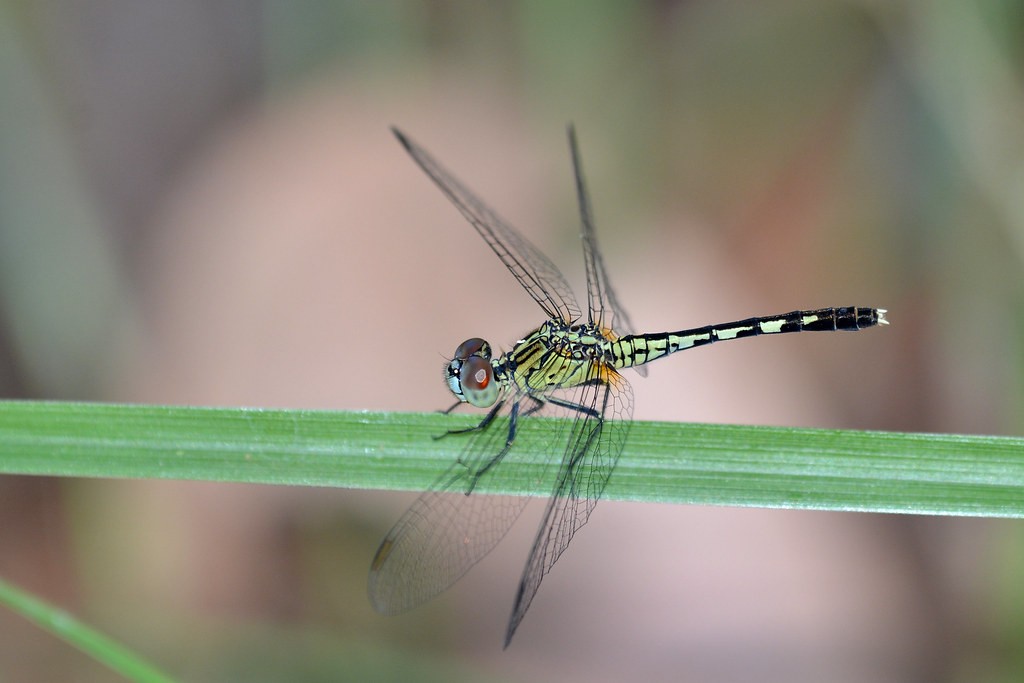
1. Green skimmer
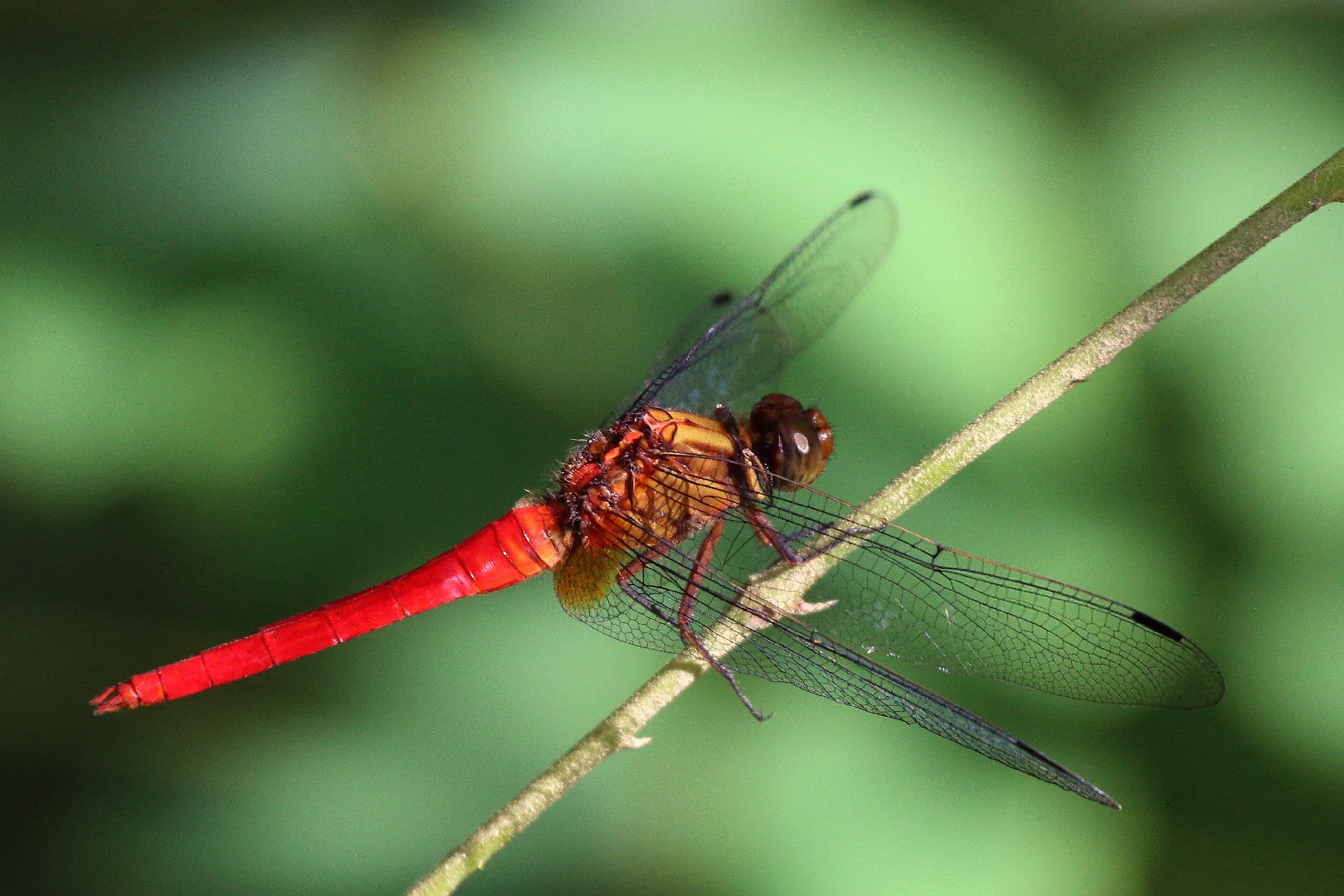
Orthetrum serapia is a medium-sized dragonfly with a wingspan of 60-85mm. Its wings are clear except for a small dark spot at the base of the hindwing. The thorax is greenish to greyish yellow with black markings. The abdomen is black with pale yellow or pale green markings. Orthetrum serapia appears very similar to Orthetrum sabina and can be confused where the range of the two overlap in north-eastern Australia. 
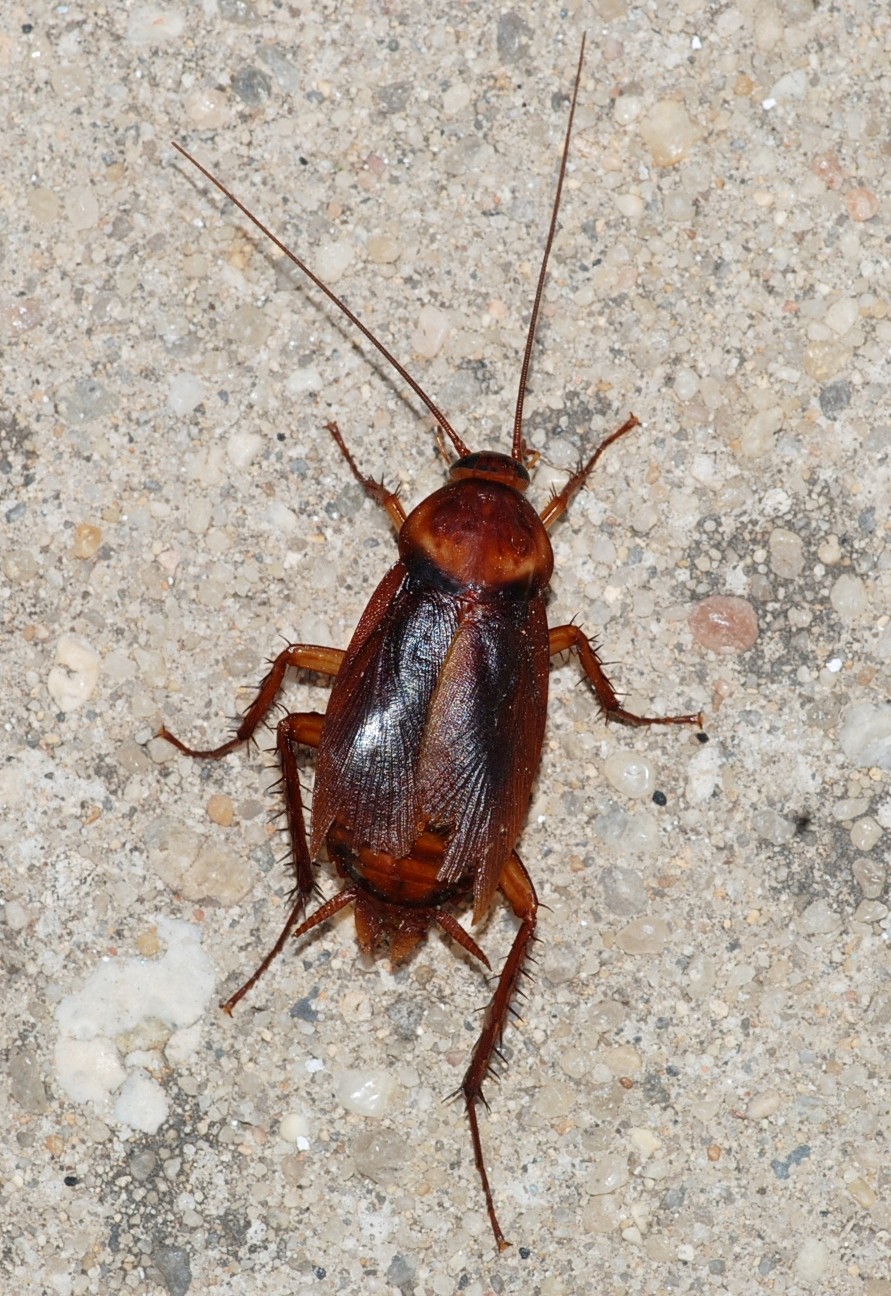
2. American cockroach
Despite its name, american cockroach (Periplaneta americana) is not native to the Americas but rather to Africa and the Middle East, from which it arrived as a result of human commercial patterns. Notably quick and rather resilient, this species is capable of limb regeneration. It requires a certain level of moisture to thrive, and it will avoid drier areas unless it has access to the required level of water.
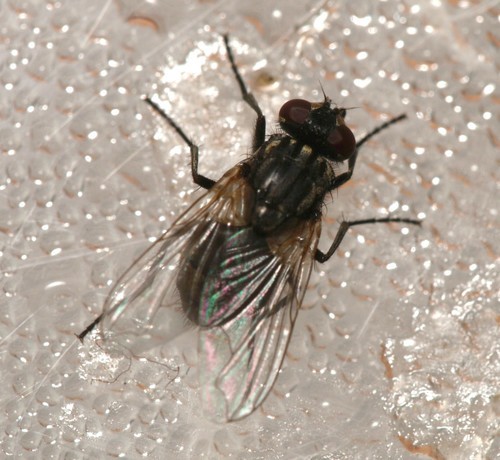
3. Common house fly
The female common house fly mates once and can store the sperm for multiple batches of eggs throughout her life. She will lay anywhere between 75 to 150 eggs at a time, usually in rotting organic matter, where the larvae will feed. The adults feed on feces and animal matter, making them important ecological composters. However, they can also transmit pathogens to human food and are considered pests and health hazards in human-occupied areas.
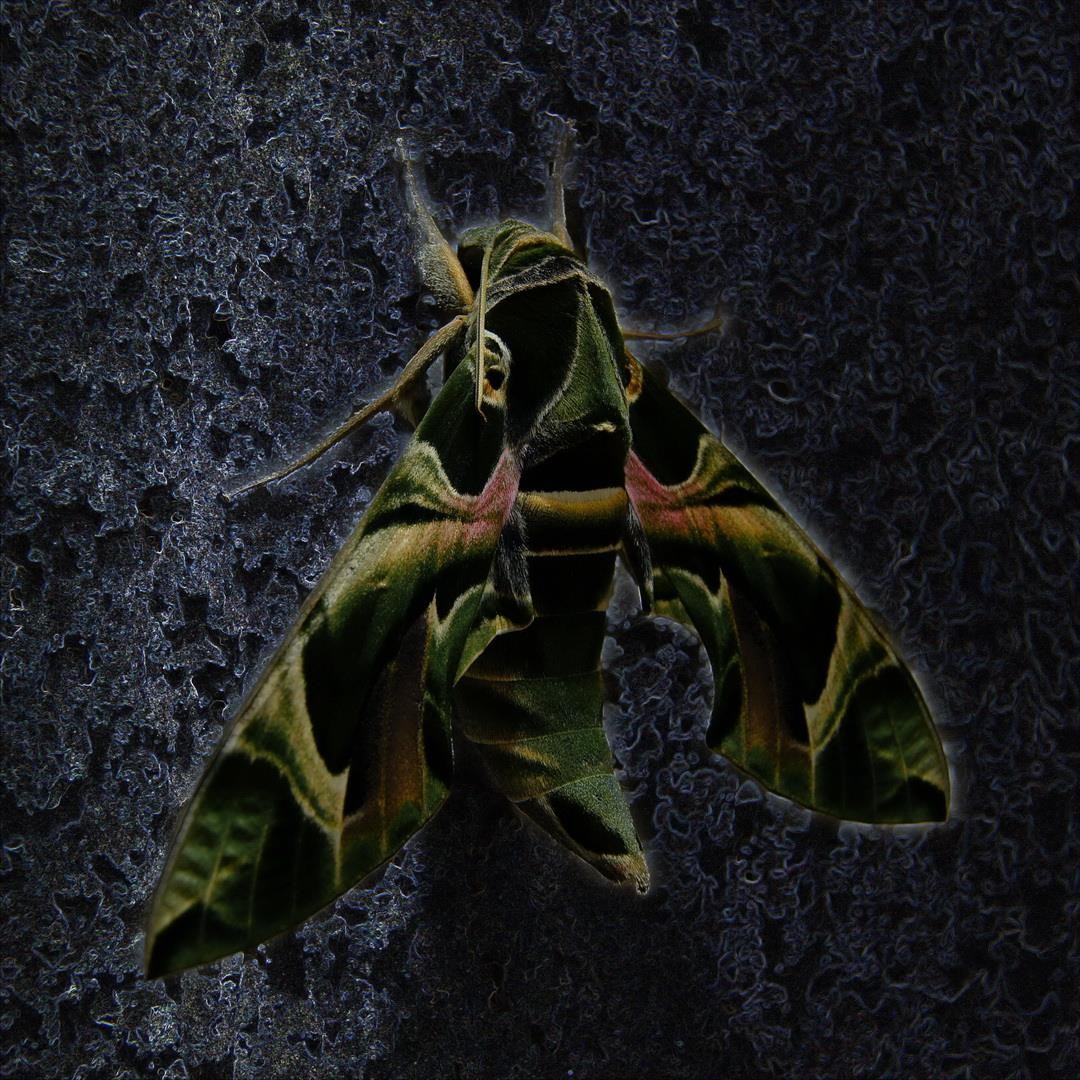
4. Oleander hawk-moth
Daphnis nerii, the oleander hawk-moth or army green moth, is a moth of the family Sphingidae. It was described by Carl Linnaeus in his 1758 10th edition of Systema Naturae.
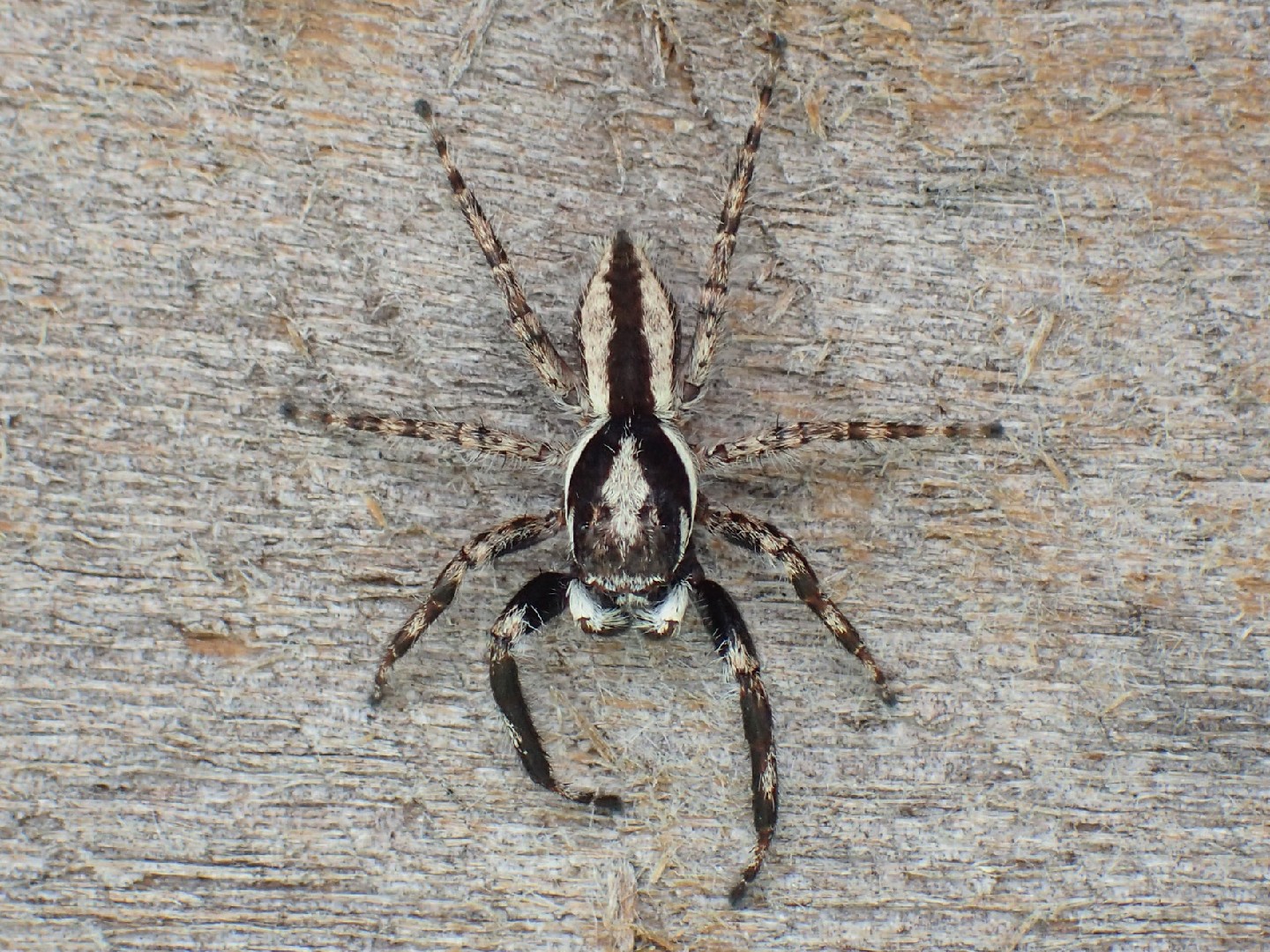
5. Gray wall jumper
The female gray wall jumper lays her eggs in cracks or other hidden areas. The young and mature spiders feed on flies, making them useful residents in a household. They do not make webs, but carefully hunt and jump on their prey.
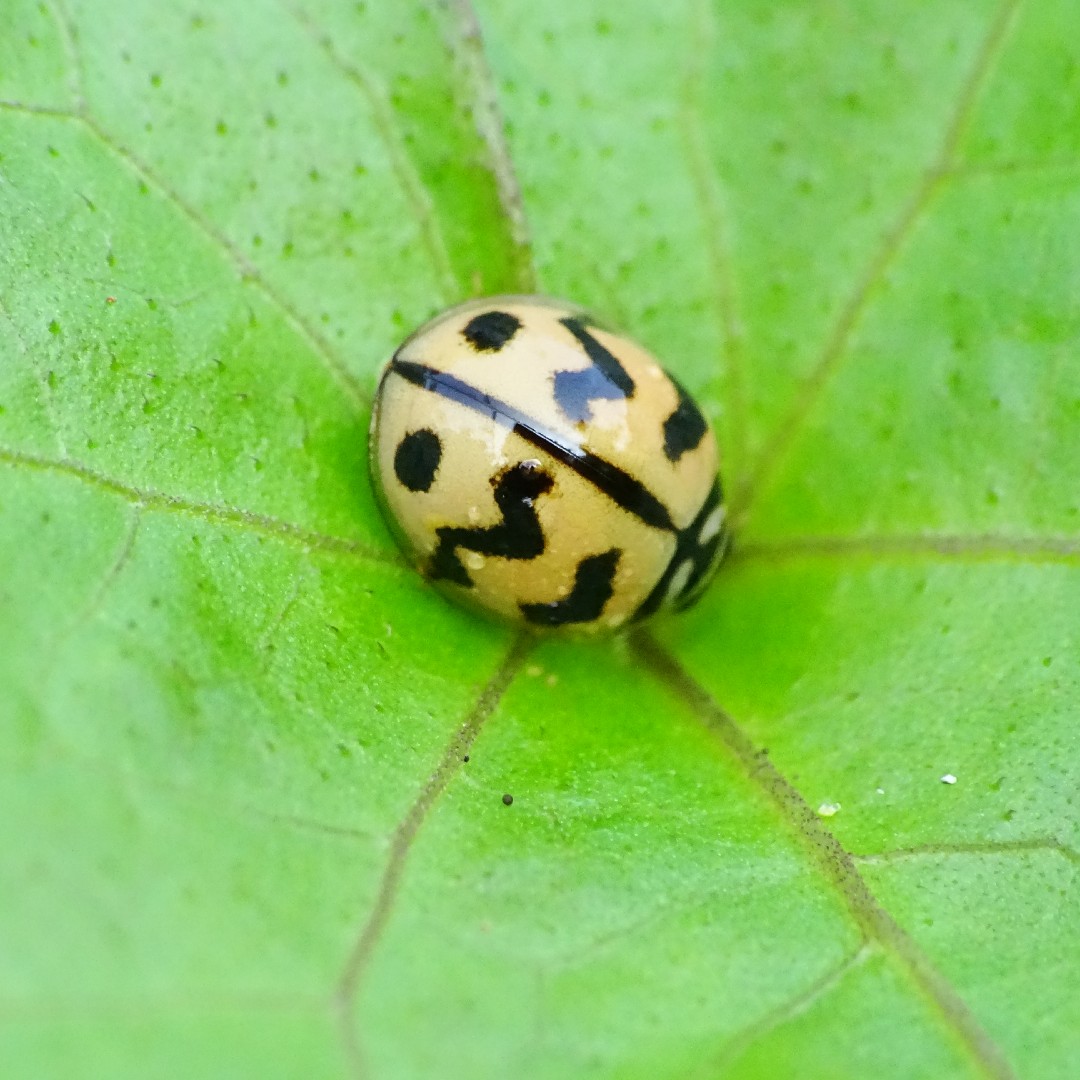
6. Six-spotted zigzag ladybird beetle
The six-spotted zigzag ladybird beetle is a common visitor to agricultural fields in India where it is considered a beneficial insect. It preys on several insects that reduce crop yield and is a more cost-effective and environmentally friendly method of pest control. The insect hibernates in cold temperatures, only appearing from spring through fall.
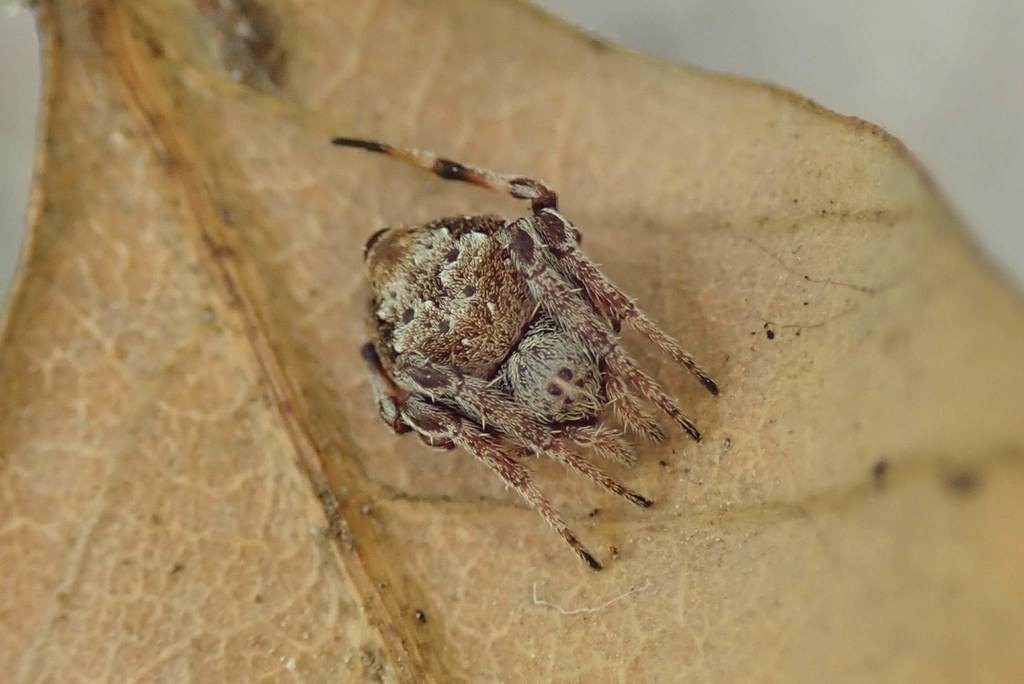
7. Hump back araneid spider
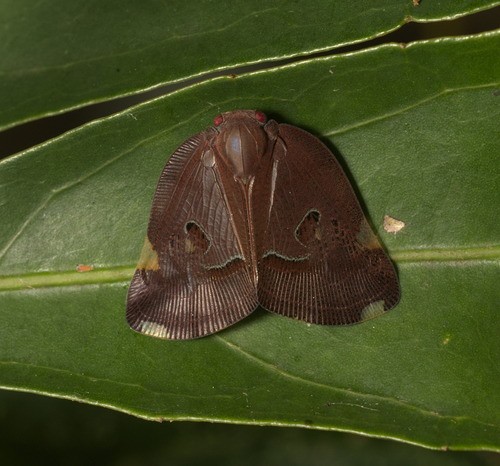
8. Ricania guttata
9. Psyche
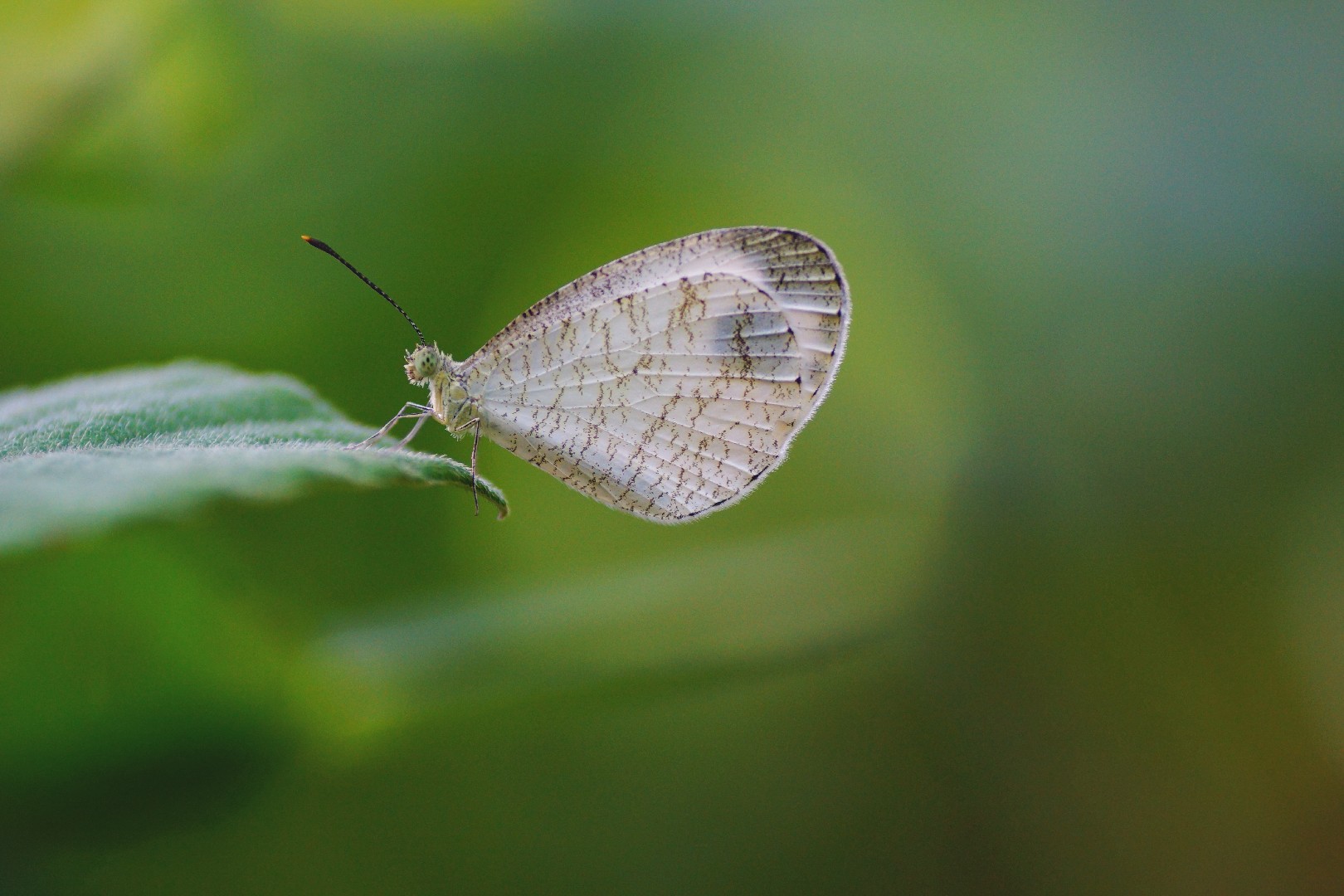
Upperside is white,base of wings are very slightly powdered with minute black scales.The costa of forewing is speckled obscurely with black; apex black, the inner margin of this inwardly angulate; a very large somewhat pear-shaped post-discal spot also black. Hindwing is white,in most specimens an obscure, extremely slender, terminal black line. Underside is white; costal margin and apex of forewing broadly, and the whole surface of the hindwing irrorated (speckled) with transverse, very slender, greenish strigae and minute dots; these on the hindwing have a tendency to form sub-basal, medial and discal obliquely transverse obscure bands; the postdiscal of forewing is black,spot as on the upperside; terminal margins of both forewings and hindwings with minute black, short, transverse slender lines at the apices of the veins, that have a tendency to coalesce and form a terminal continuous line as on the upperside. Antennae dark brown spotted with white, head slightly brownish, thorax and abdomen white. Female is similar as male, the black markings on the upperside of the forewing on the whole slightly broader, but not invariably so. Wingspan is 2.5 - 5 cm. Larva is green with a pale glaucous tinge about the bases of the legs and slightly hairy. Pupa sometimes green, but more often of a delicate pink shade.
10. Hydrillodes lentalis
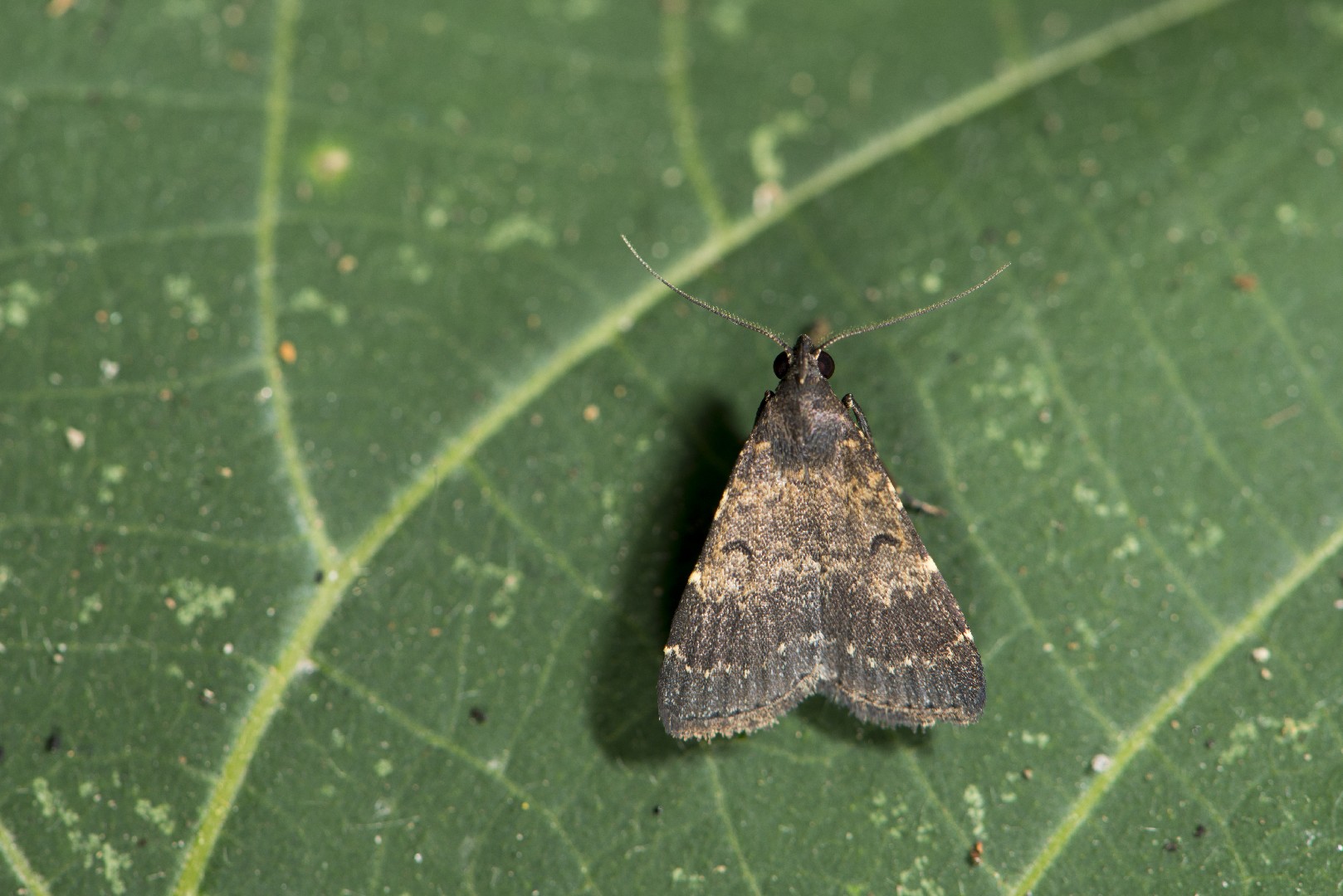
The length of the forewings is 2.5 - 3 cm. Palpi with second joint smoothly scaled in front. Palpi of male with long curved third joint and with slight tuft of hair. Fore tibia fringed with hair. Antennae of male minutely ciliated. Forewings with round apex. There is no costal fold and tuft nor distortion of nervules. Body fuscous brown. Forewings with dark base. Antemedial area pale or reddish brown, crossed by a more or less developed, ill-defined, dark medial band. There is a black speck found or spot sometimes present at end of cell. The outer half of wing dark with an indistinct pale waved submarginal line. Hindwings pale with indistinct cell-spot and postmedial line, which are prominent on ventral surface.

More







