




Top 20 Most Common Insects in Nueva Ecija
Insects in Nueva Ecija are as diverse as the regions they inhabit, from lush rice fields to balmy coastal zones. Not mere pests, these fascinating creatures play an essential function in our ecosystem. As we venture through the 20 most common insects in Nueva Ecija, we'll reveal how geography gives rise to varied insect populations, and appreciate the balance between what we see as beneficial or invasive species.

Most Common Insects
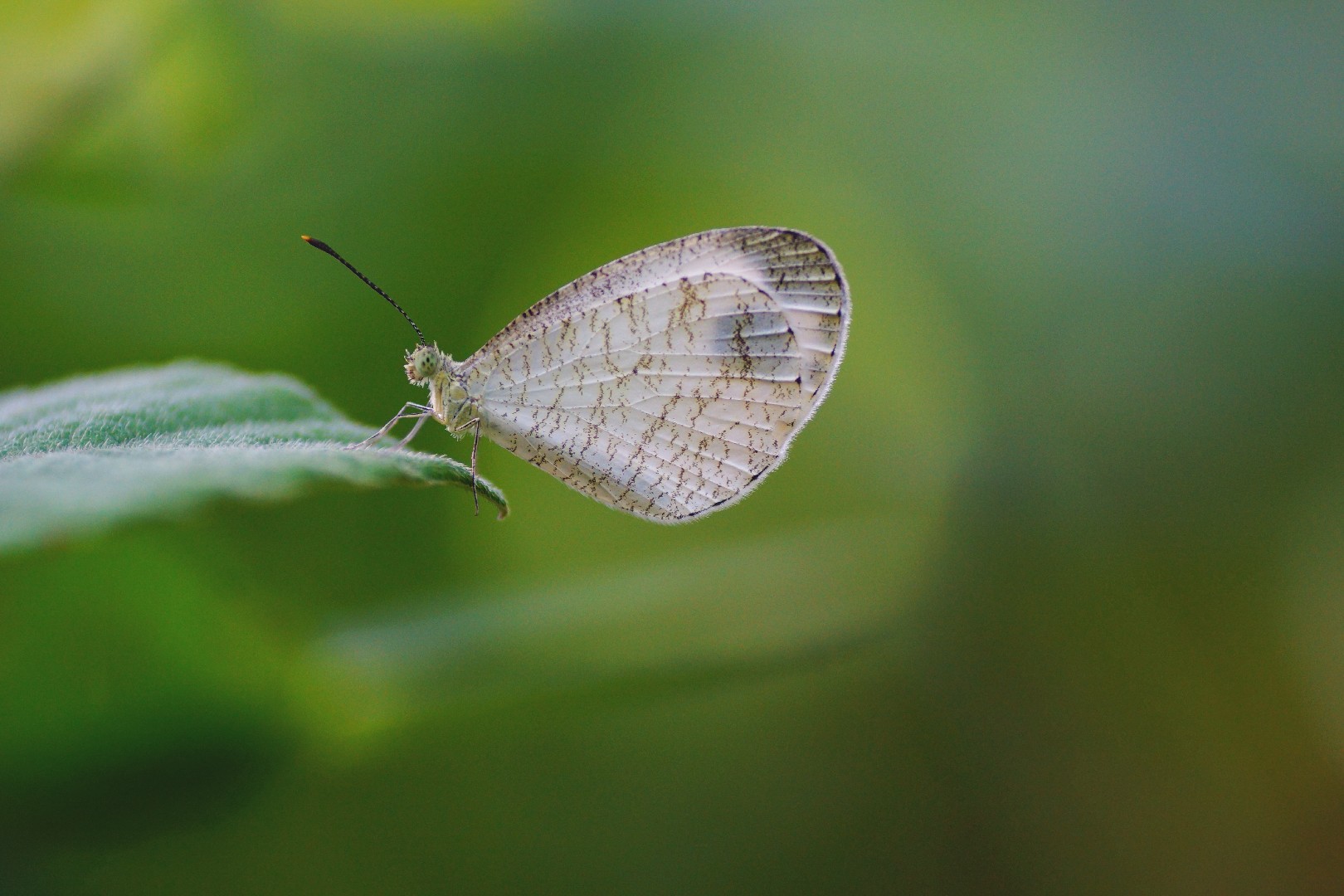
1. Psyche
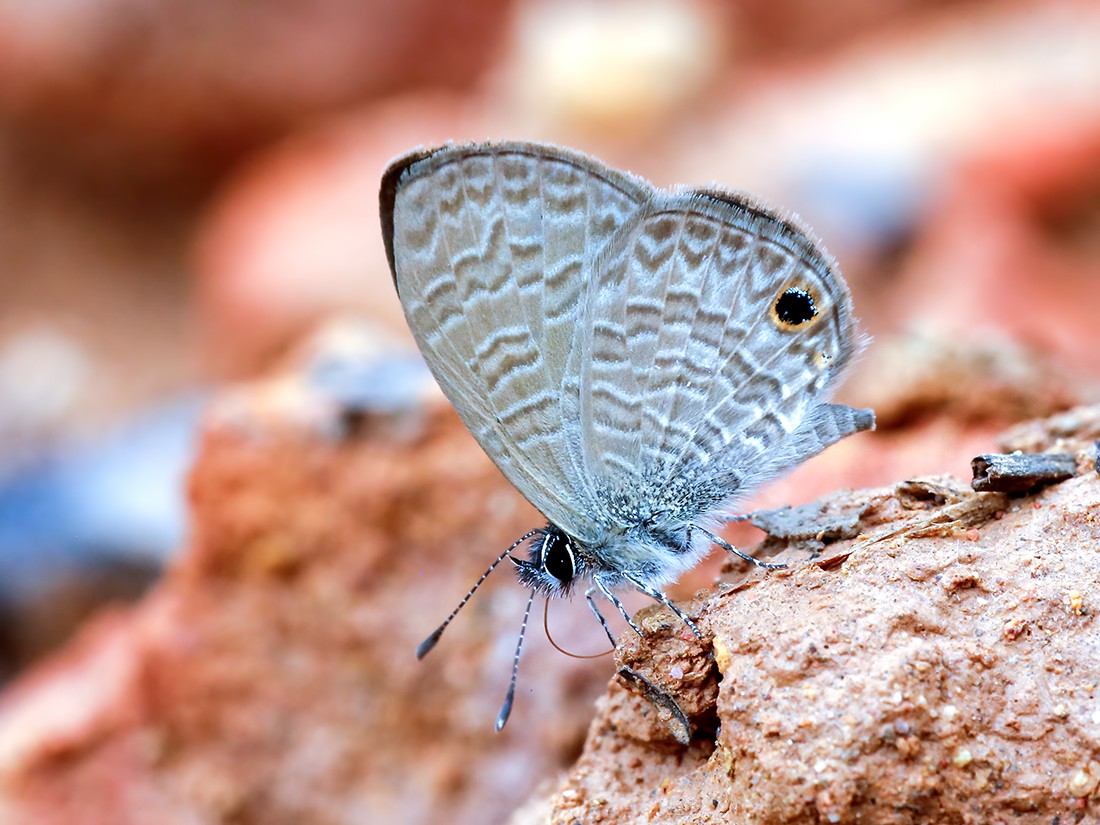
Upperside is white,base of wings are very slightly powdered with minute black scales.The costa of forewing is speckled obscurely with black; apex black, the inner margin of this inwardly angulate; a very large somewhat pear-shaped post-discal spot also black. Hindwing is white,in most specimens an obscure, extremely slender, terminal black line. Underside is white; costal margin and apex of forewing broadly, and the whole surface of the hindwing irrorated (speckled) with transverse, very slender, greenish strigae and minute dots; these on the hindwing have a tendency to form sub-basal, medial and discal obliquely transverse obscure bands; the postdiscal of forewing is black,spot as on the upperside; terminal margins of both forewings and hindwings with minute black, short, transverse slender lines at the apices of the veins, that have a tendency to coalesce and form a terminal continuous line as on the upperside. Antennae dark brown spotted with white, head slightly brownish, thorax and abdomen white. Female is similar as male, the black markings on the upperside of the forewing on the whole slightly broader, but not invariably so. Wingspan is 2.5 - 5 cm. Larva is green with a pale glaucous tinge about the bases of the legs and slightly hairy. Pupa sometimes green, but more often of a delicate pink shade. 
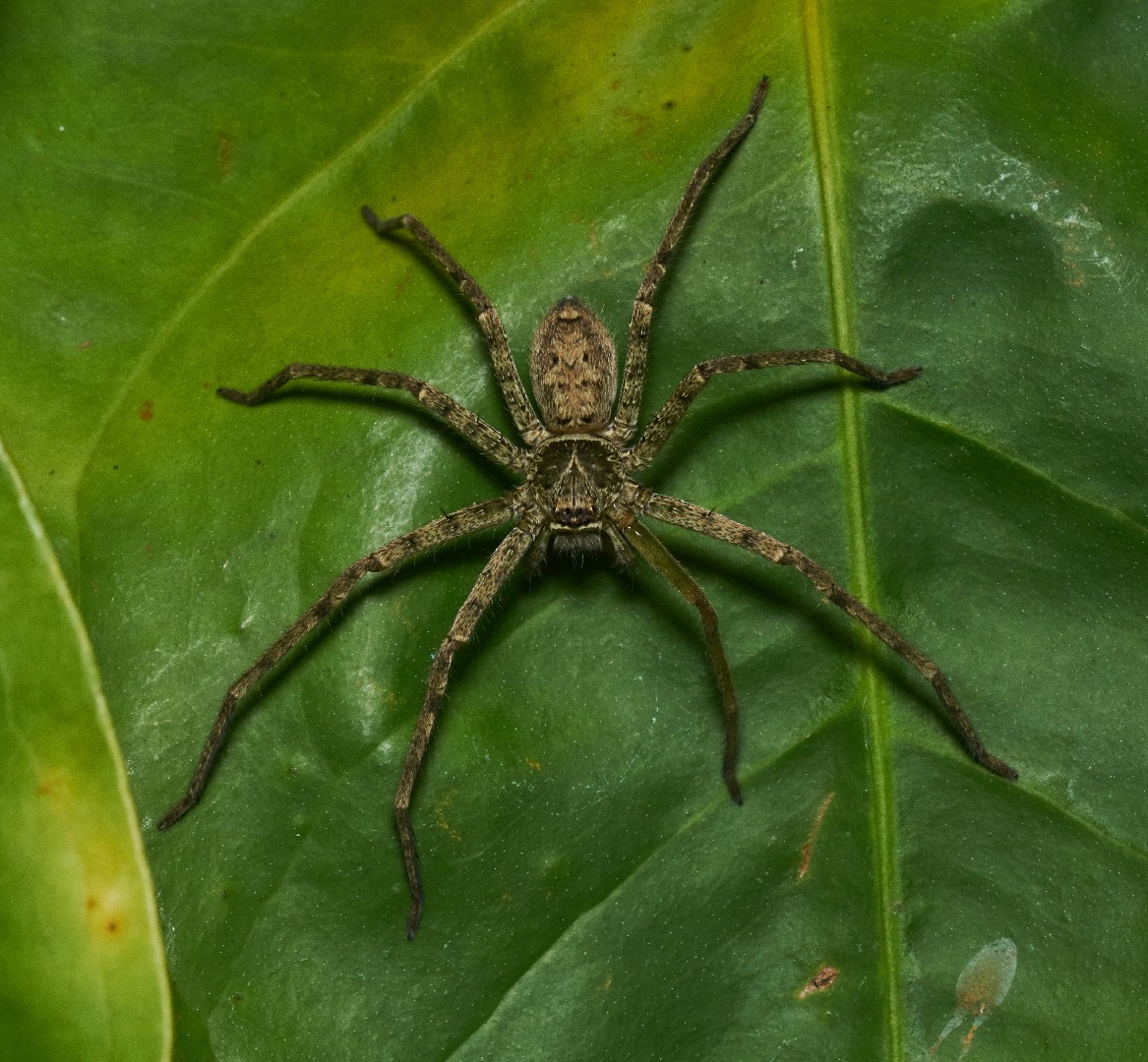
2. Giant Crab Spider
The giant Crab Spider is a large spider native to the tropics; the largest reported individual had a leg span of 30 cm. This cosmopolitan spider is highly valued in some areas, as it's able to catch cockroaches and other indoor pests. Reportedly, it hunts even scorpions and bats. This spider is venomous and sometimes bites humans, but it's considered harmless.
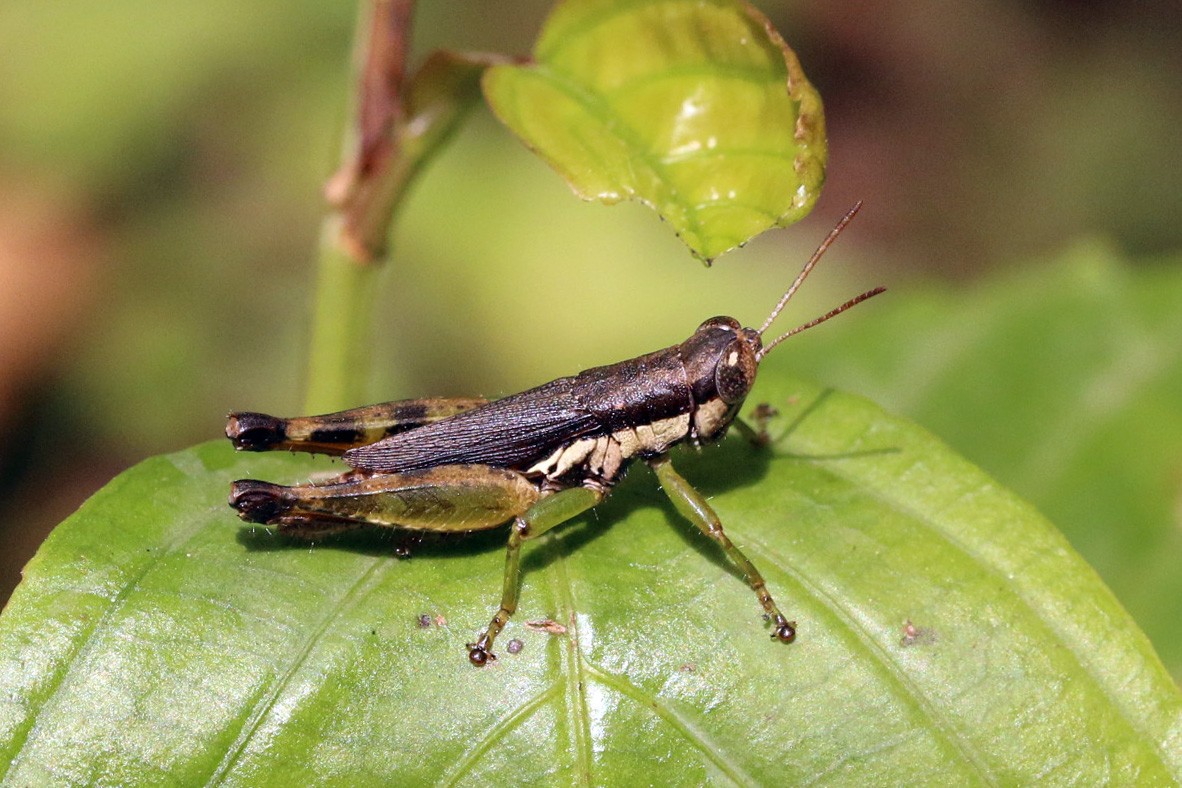
3. Short-winged rice grasshopper
Pseudoxya diminuta is a right-winged insect from the family locusts (Acrididae). The scientific name of this species was first validly published in 1871 by Walker.
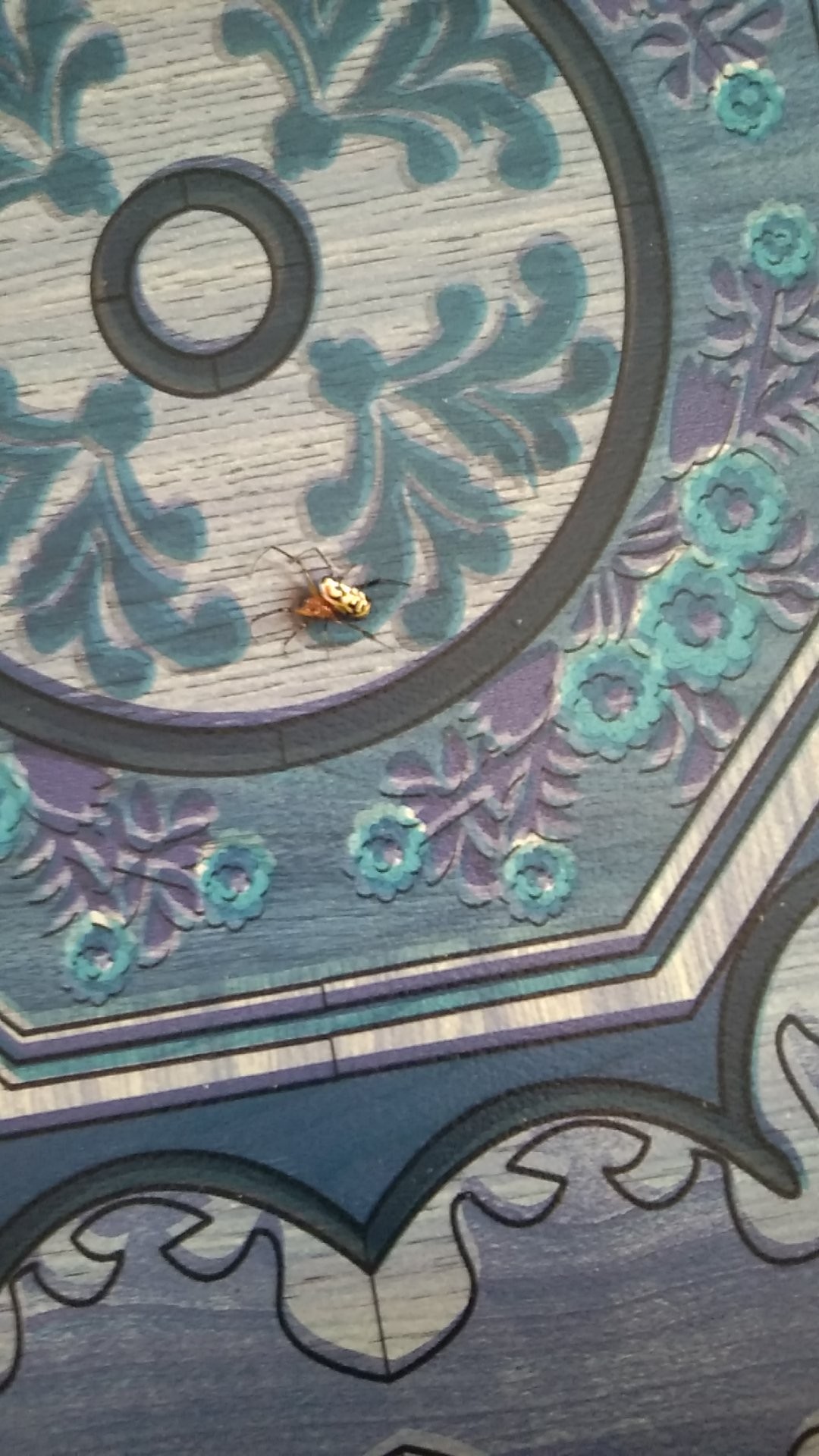
4. Pear-shaped leucauge
Opadometa fastigata, the pear-shaped leucauge, is a species of spiders in the family Tetragnathidae (long-jawed orb weavers). It is found in India to Philippines and Sulawesi. Members of the species have silvery or golden spots on the abdomen. They are elongated spiders with long legs and chelicerae. They are orb web weavers, weaving small orb webs with an open hub and few, wide-set radii and spirals. The webs have no signal line and no retreat. The web is a large horizontally-placed orb structure with a diameter of more than a metre. The entire web is often suspended by several long strands of silk attached to branches and leaves nearby. This species is separated from other Leucauge spiders by its pear-shaped abdomen and its unique fourth leg. In addition to the two rows of curved hairs (characteristic of Leucauge), this leg also has a thick brush of spines which are not present in most other species of Leucauge.
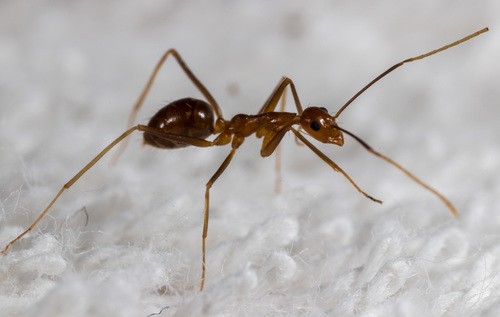
5. Yellow crazy ant
The yellow crazy ant (Anoplolepis gracilipes) needs to sit down with a warm glass of tea, as it tends to become erratic when disturbed. It is considered to be on the list of the top 100 most invasive species list on the International Union for Conservation of Nature (IUCN). When they enter a new location, their aggressive behavior allows them to dominate the ecosystem.
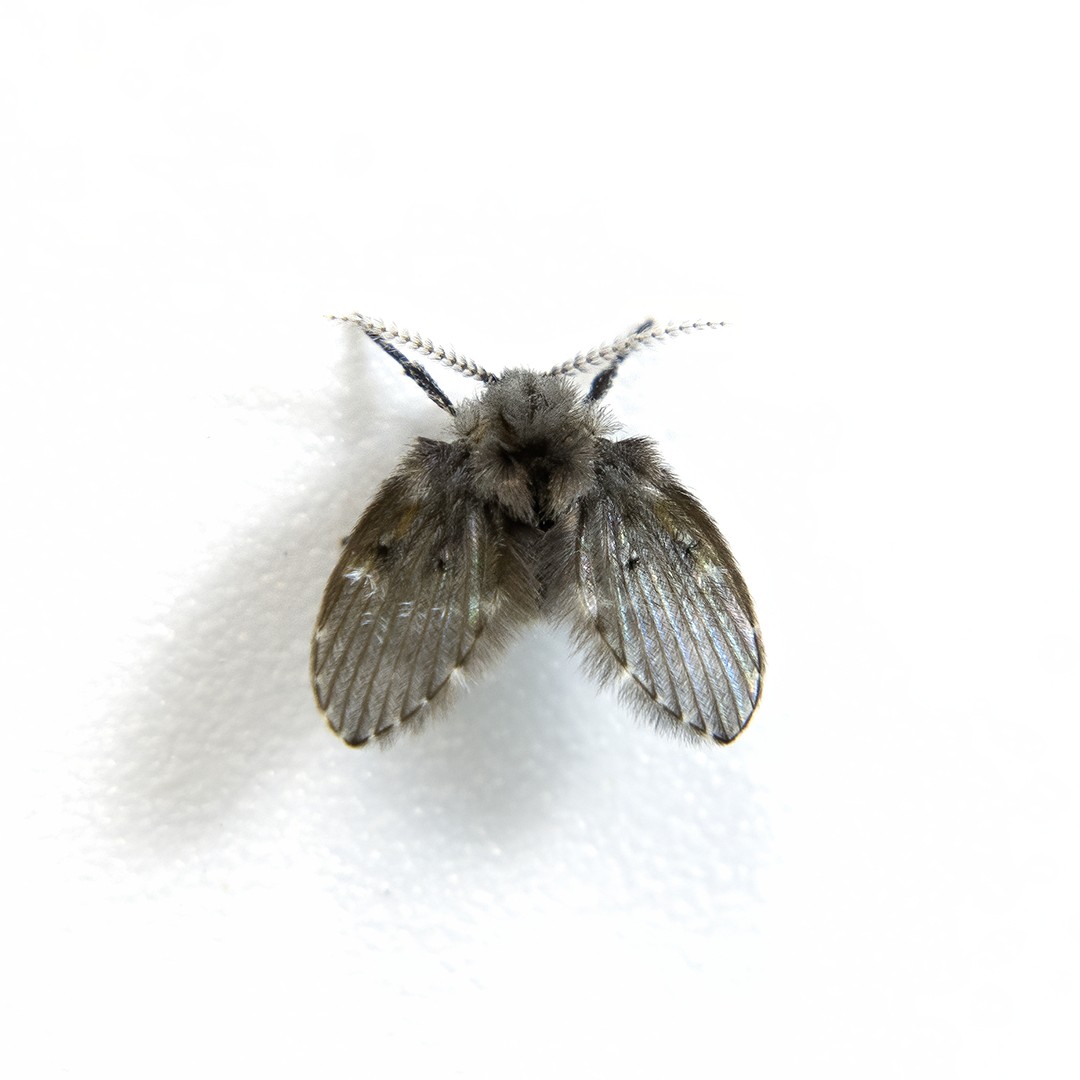
6. Telmatoscopus albipunctata
Telmatoscopus albipunctata is also known as the "mothfly" or "filter fly" due to the small hairs on their wings similar to a moth. The larvae live in mud, decomposing plant matter, and water, and the adults also like to live in dark, moist areas. They are commonly found in human residential areas in drains or sewers.
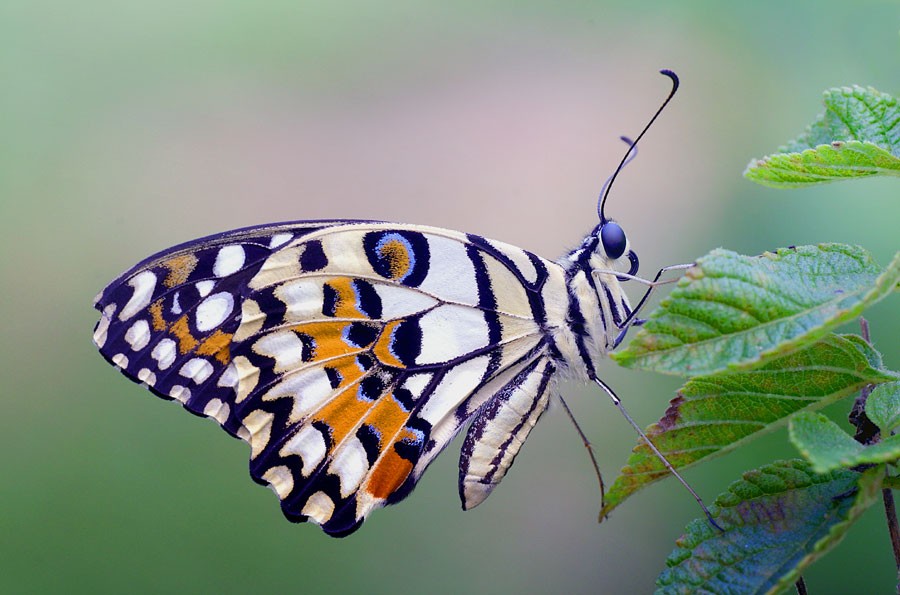
7. Lime swallowtail
The lime swallowtail (Papilio demoleus) has a beautiful black and white pattern, but it's considered a major pest to citrus trees. It feeds on nearly any type of citrus, including oranges and limes. This butterfly's small, green larvae are capable of defoliating an entire nursery grove. They are truly trouble makers in the citrus orchard.
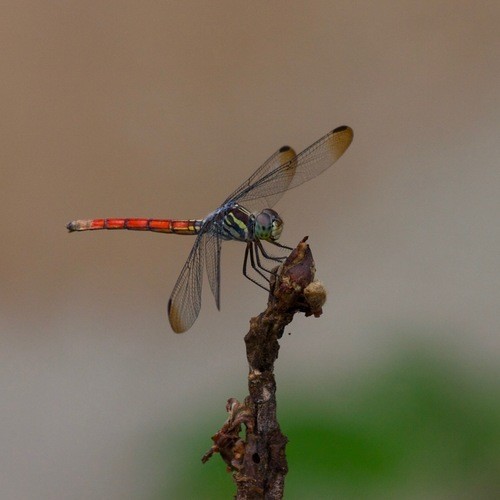
8. Asiatic blood tail
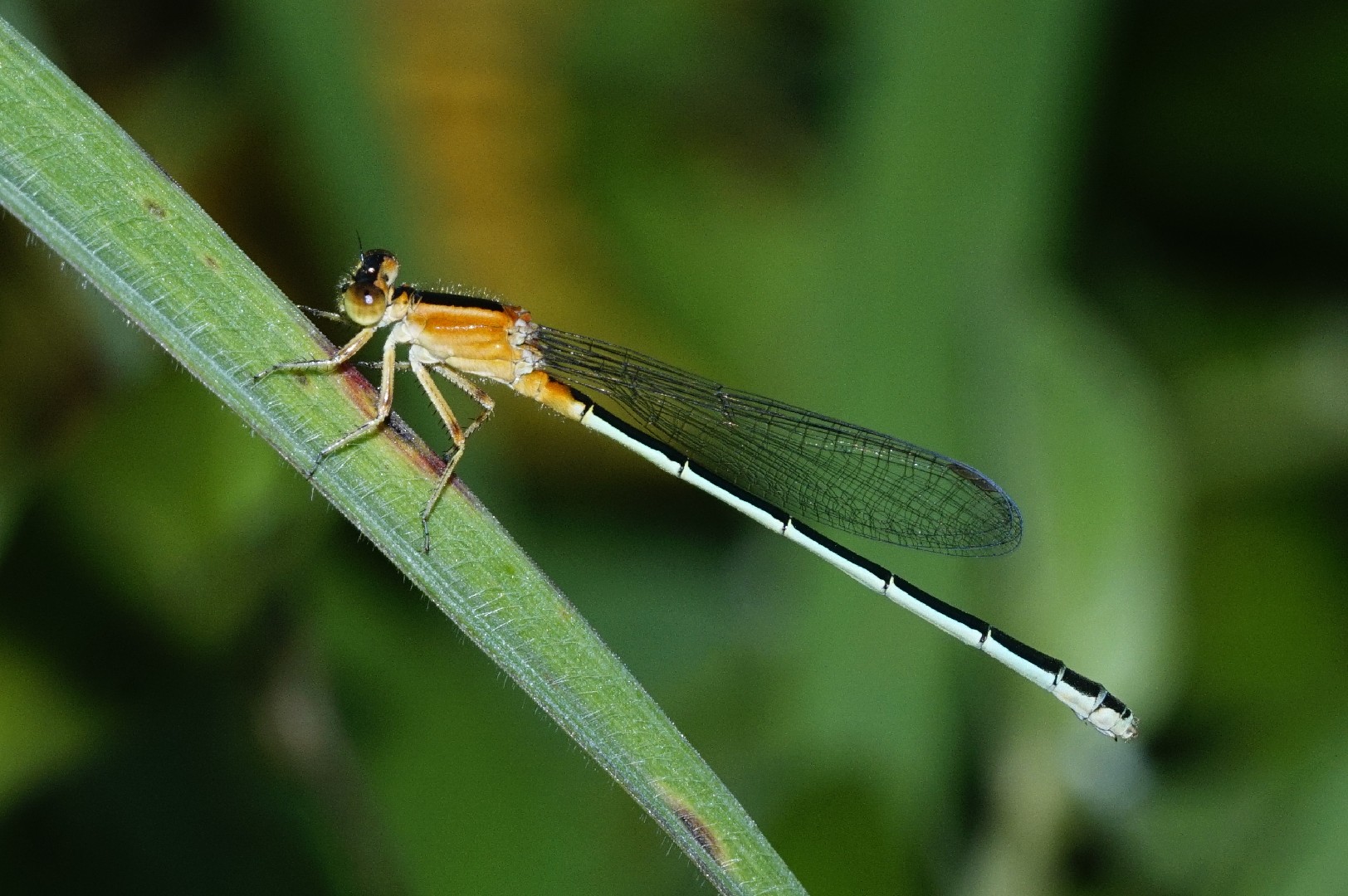
The species is on the IUCN Red List as not endangered, year of assessment 2009.
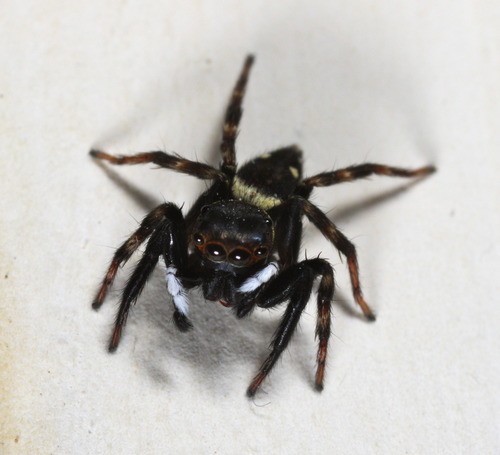
9. Adanson's house jumper
Adanson's house jumper is a type of jumping spiders that can be found in areas with a warm climate. The male spiders have sometimes been found to eat young female spiders, though it is unclear why this behavior occurs. They primarily live on walls in houses and feed on mosquitos.
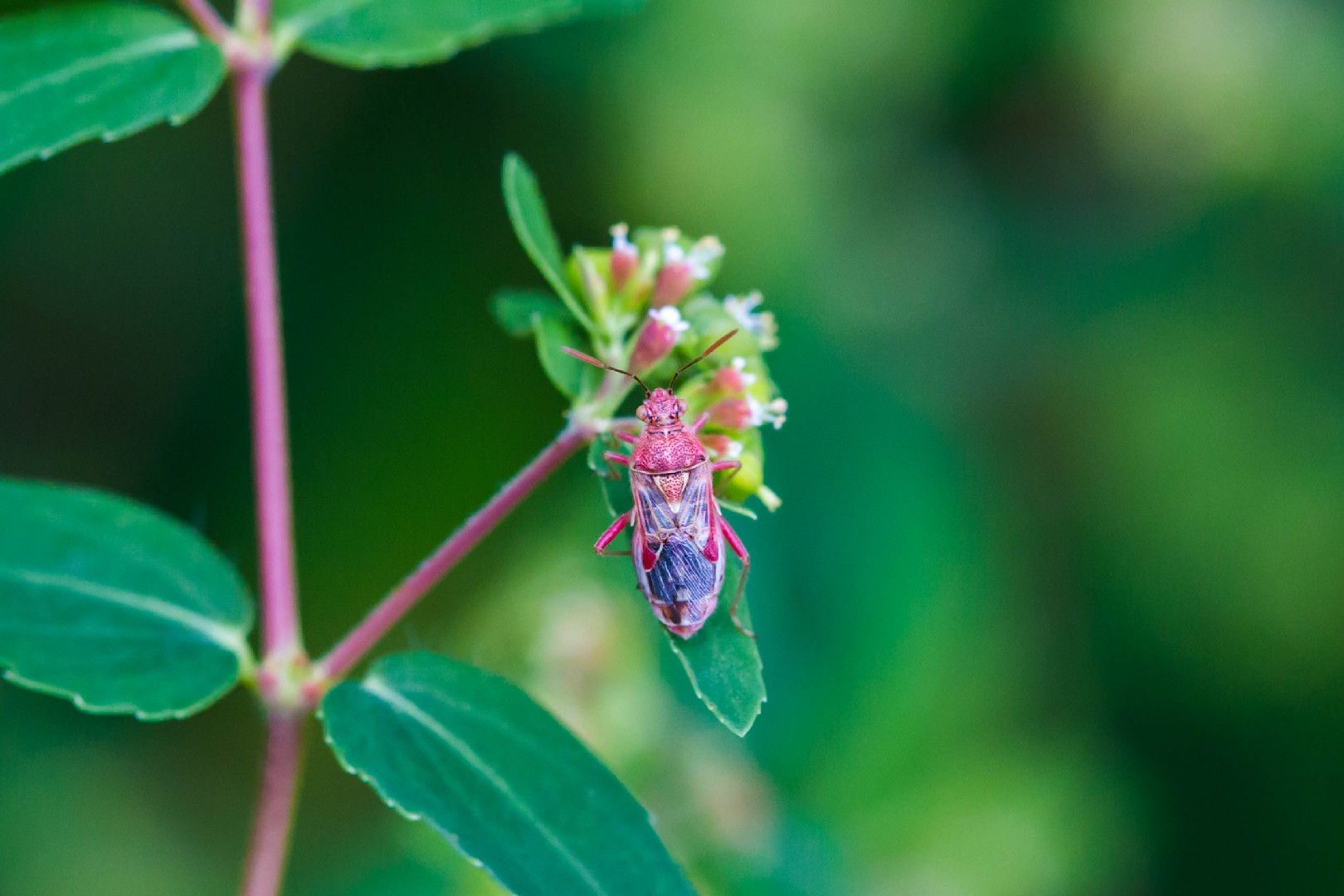
10. Hyaline grass bug
The hyaline grass bug is commonly found on hemp plants with flowers that are developing seeds. The adults lay large masses of reddish eggs among the flowers. When the nymphs hatch, they feed on flowers, seeds, and leaves and can pierce and suck the nutrients from the plant.

More







