




Top 18 Most Common Insects in Romblon
Dive into the remarkable world of insects in Romblon, a region teeming with these remarkable creatures. The diverse geography of Romblon, from lush mountains to serene coasts, fosters the rich biota of insects. These creatures play vital roles in our ecosystem, acting as pest controllers, pollinators, and recyclers of organic matter. Recognizing the intricate relationship between Romblon's environment and its insect inhabitants helps us appreciate the crucial balance in nature. So, let's explore the 18 most common insects in this fascinating locale!

Most Common Insects
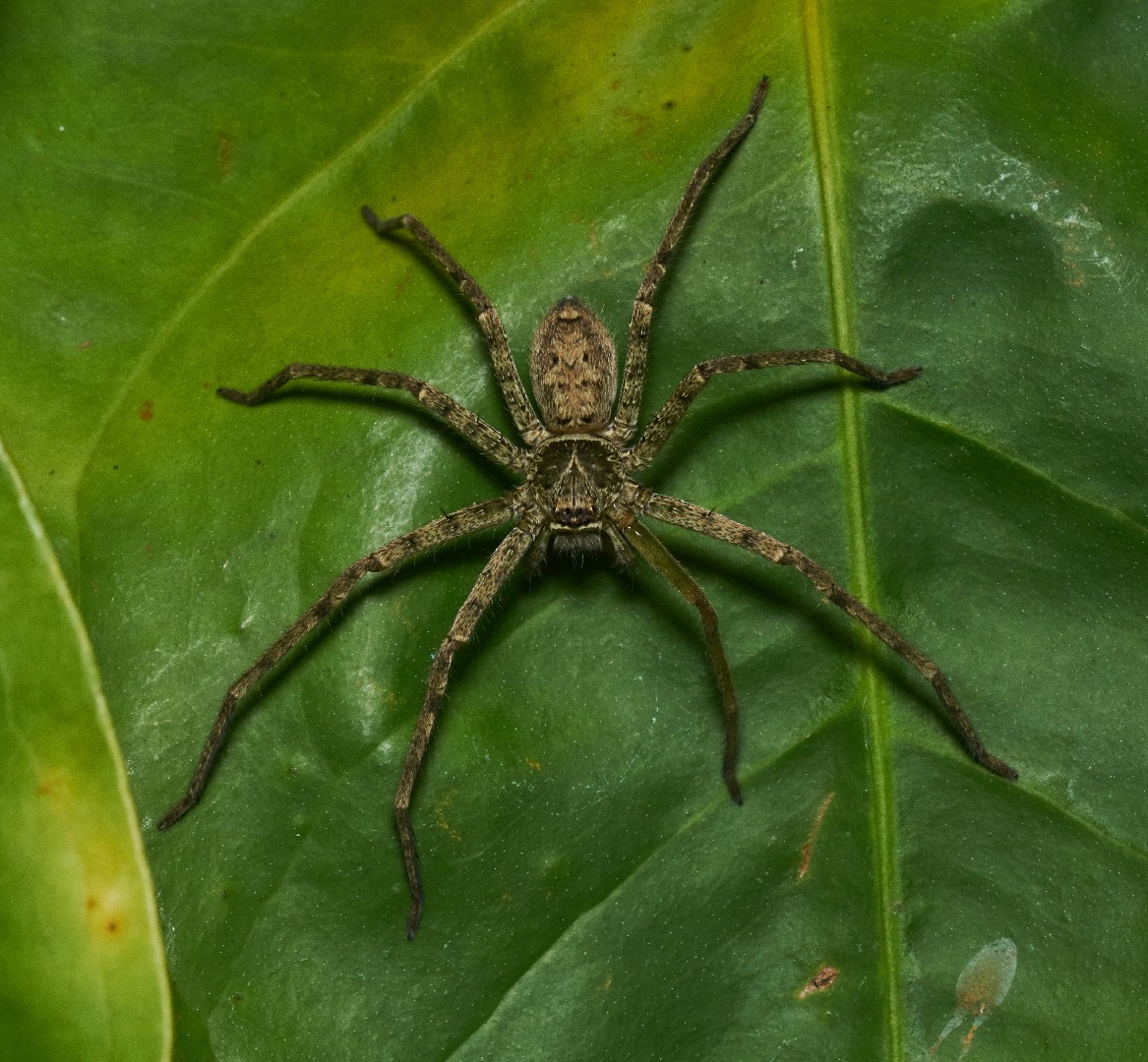
1. Giant Crab Spider
The giant Crab Spider is a large spider native to the tropics; the largest reported individual had a leg span of 30 cm. This cosmopolitan spider is highly valued in some areas, as it's able to catch cockroaches and other indoor pests. Reportedly, it hunts even scorpions and bats. This spider is venomous and sometimes bites humans, but it's considered harmless. 
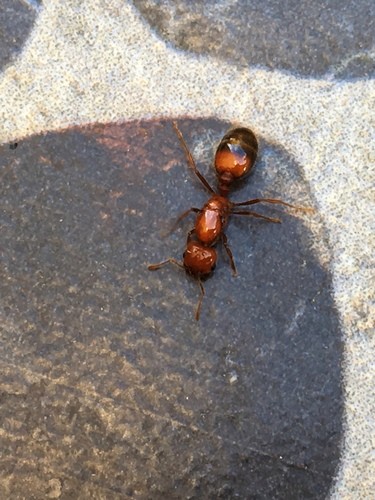
2. Fire ant
Solenopsis geminata is an ant species from the Myrmicinae subfamily. The scientific name of the species was first validly published in 1804 by Fabricius.
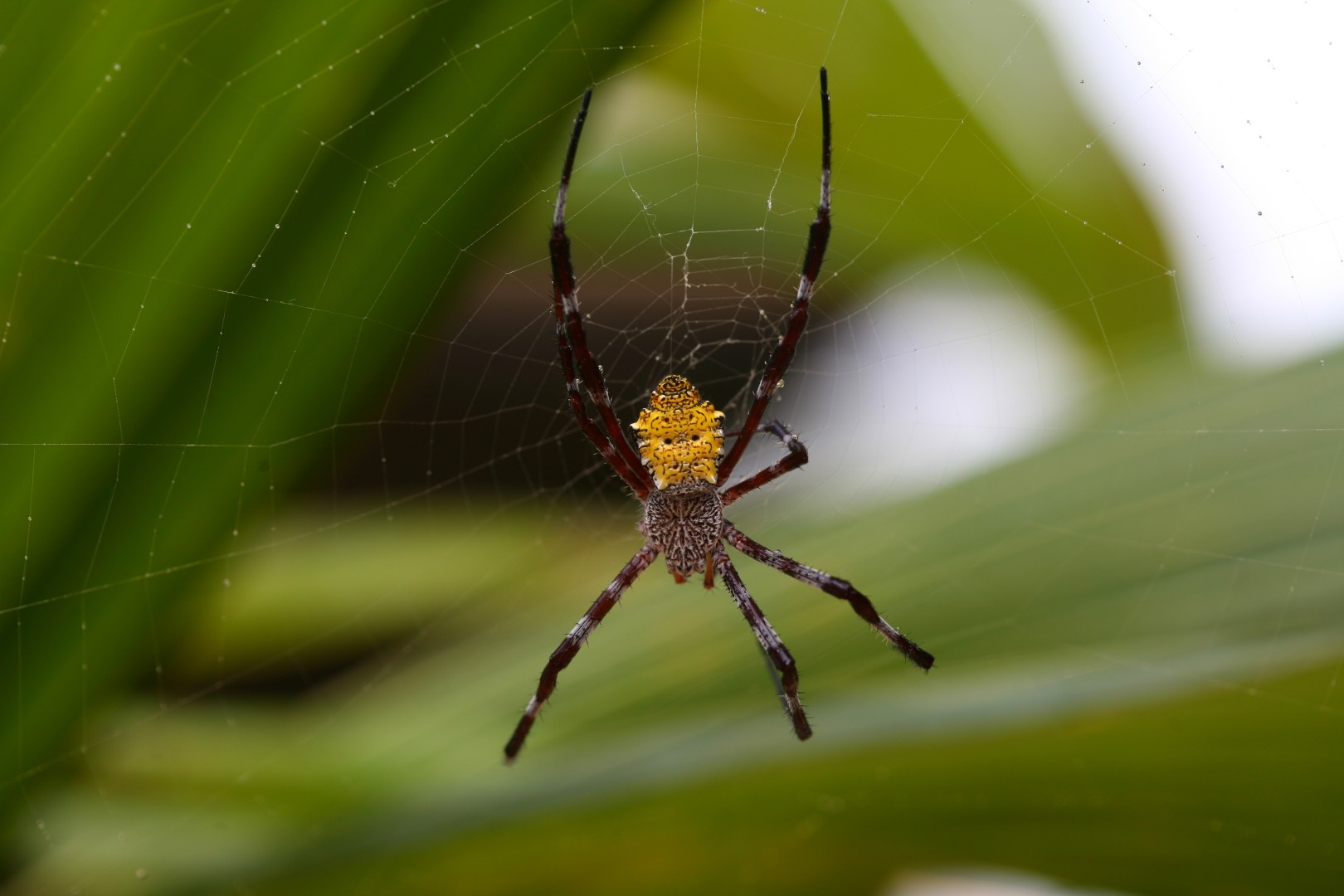
3. Hawaiian garden spider
This species shows an evident sexual dimorphism. The strikingly black and yellow females are 5.1–6.4 cm (2–2.5 in) long, including legs, while the brown males reach only about 1.9 cm (0.75 in). In Hawaii they are referred to as Hawaiian garden spiders. In Hawaii, they are known to be quite communal (see picture), with multi-generational specimens living within close quarters, using the same anchor lines for separate webs. On Guam, where Argiope appensa is ubiquitous, it is frequently visited by Argyrodes argentatus, that steals food from the host. Locals there refer to them as banana spiders. Following the introduction of the brown tree snake and the subsequent extinction or near-extinction of many of the island's small birds, spider populations on Guam exploded in response to decreasing predation and competition. Nature writer David Quammen has called Argiope appensa "almost certainly one of the larger species" which were encountered in vast numbers during his research trip to Guam for the book The Song of the Dodo.
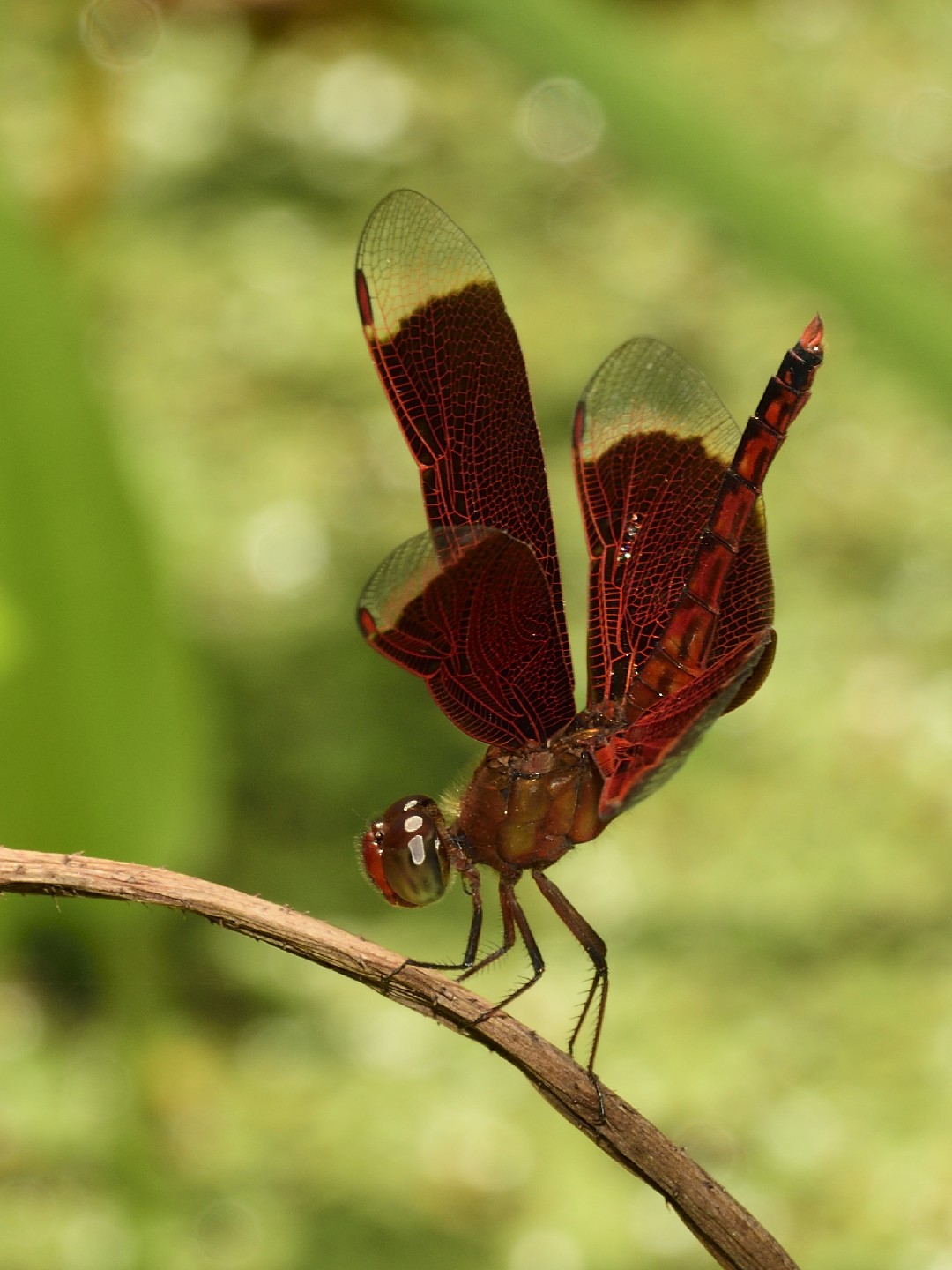
4. Neurothemis ramburii
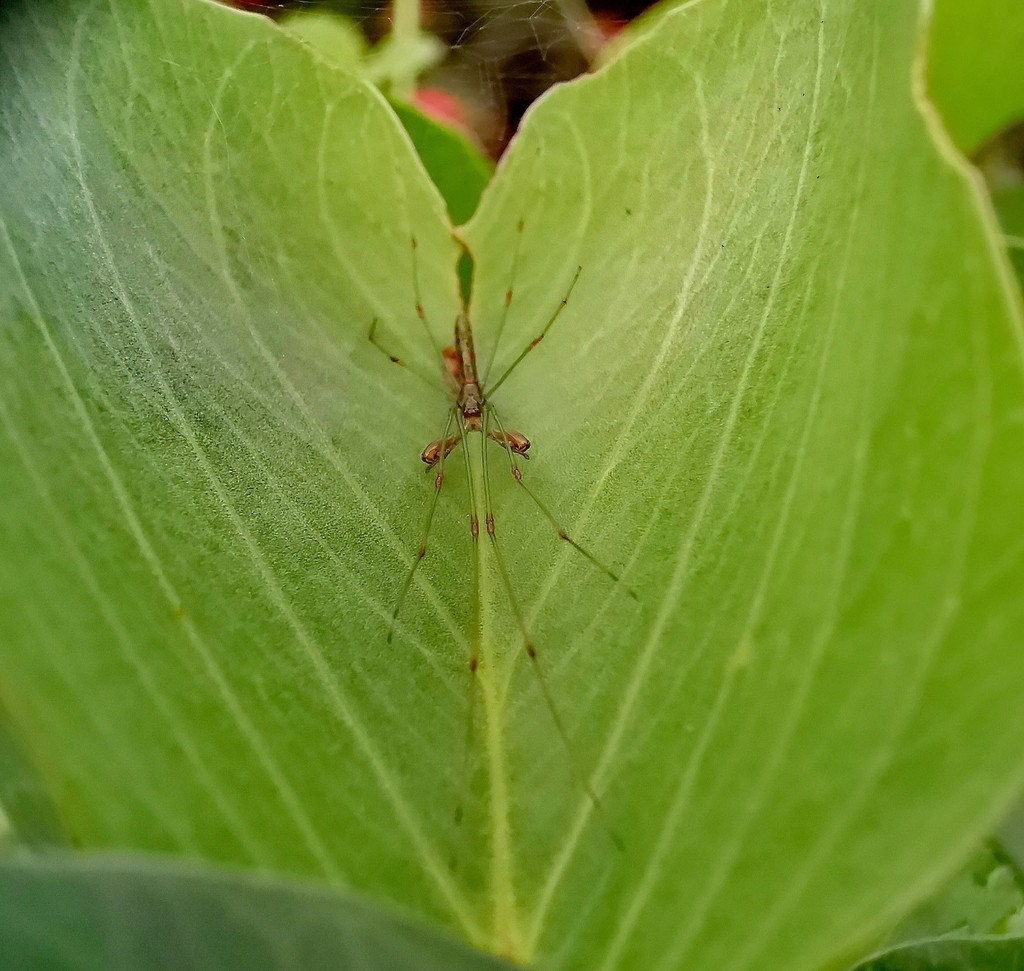
5. Tetragnatha hasselti
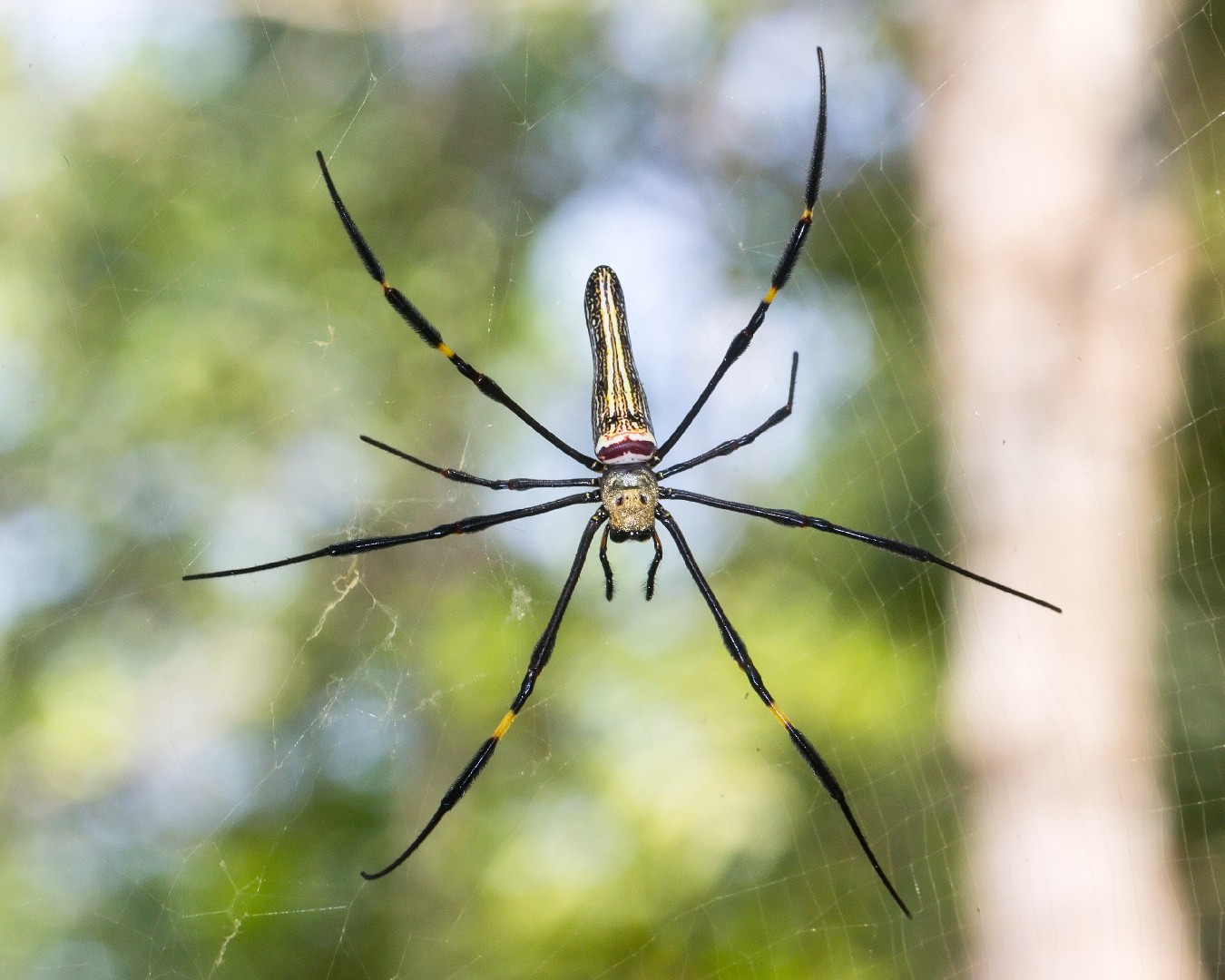
6. Giant golden orb weaver
The giant golden orb weaver (Nephila pilipes) is known for spinning a golden web. Despite that being neat, that isn't the weirdest part about them. Females are known to favor gigantism, causing males to be much smaller than average females. Males are known to have mating plugs which attempt to prevent other males from mating, but the size difference can make this tricky.

7. Chocolate argus
Junonia hedonia is a butterfly from the Nymphalidae family. The scientific name of the species was first validly published in 1764 by Carl Linnaeus.
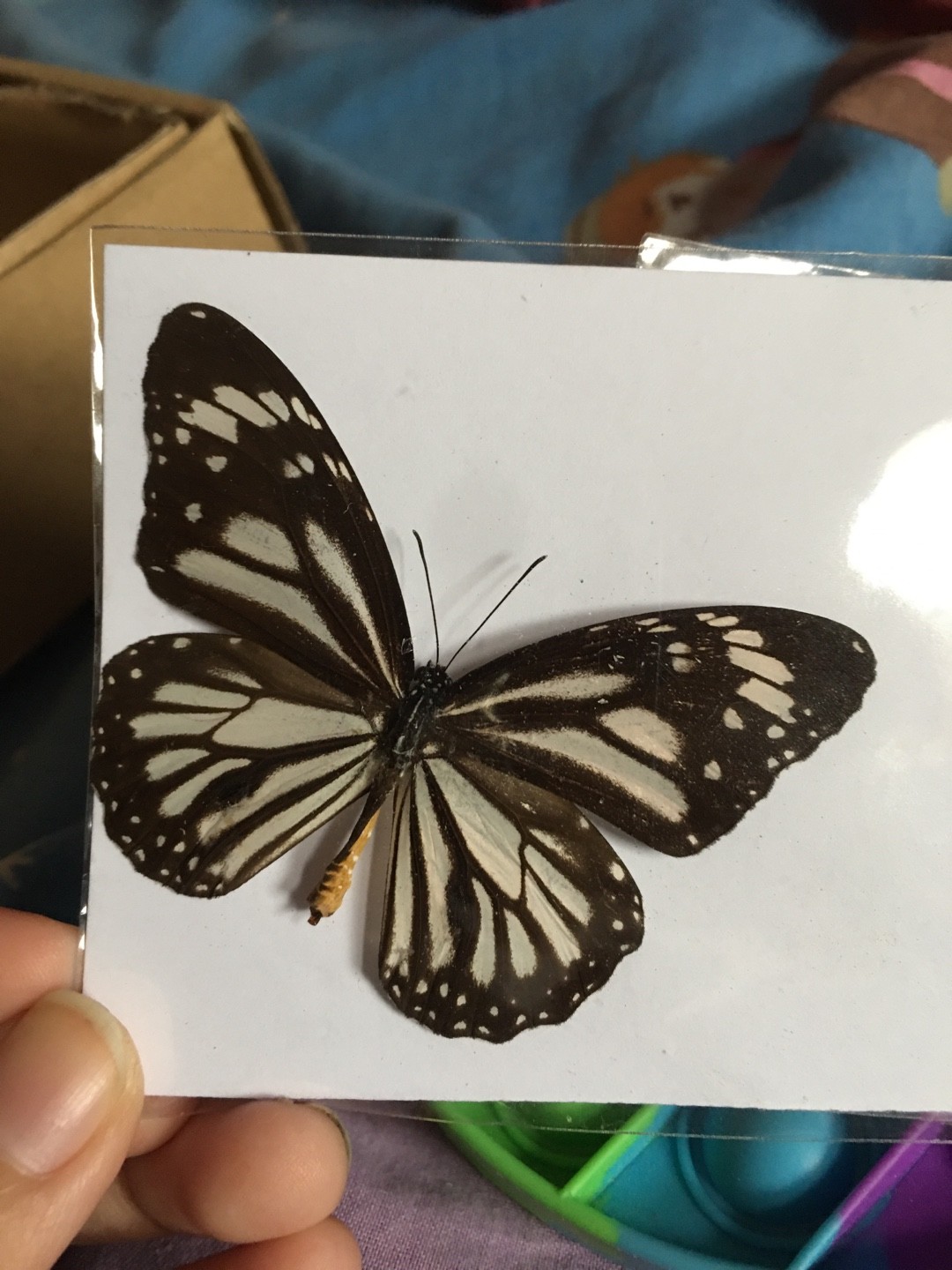
8. Black Veined Tiger
Danaus melanippus, the black veined tiger, white tiger, common tiger, or eastern common tiger, is a butterfly species found in tropical Asia which belongs to the "crows and tigers", that is, the danaine group of the brush-footed butterflies family. It ranges from Assam in eastern India through South-East Asia south to Indonesia, and eastwards to the Philippines and through southern China to Taiwan. It has around 17 subspecies, and its closest relative is the Malay tiger, Danaus affinis.
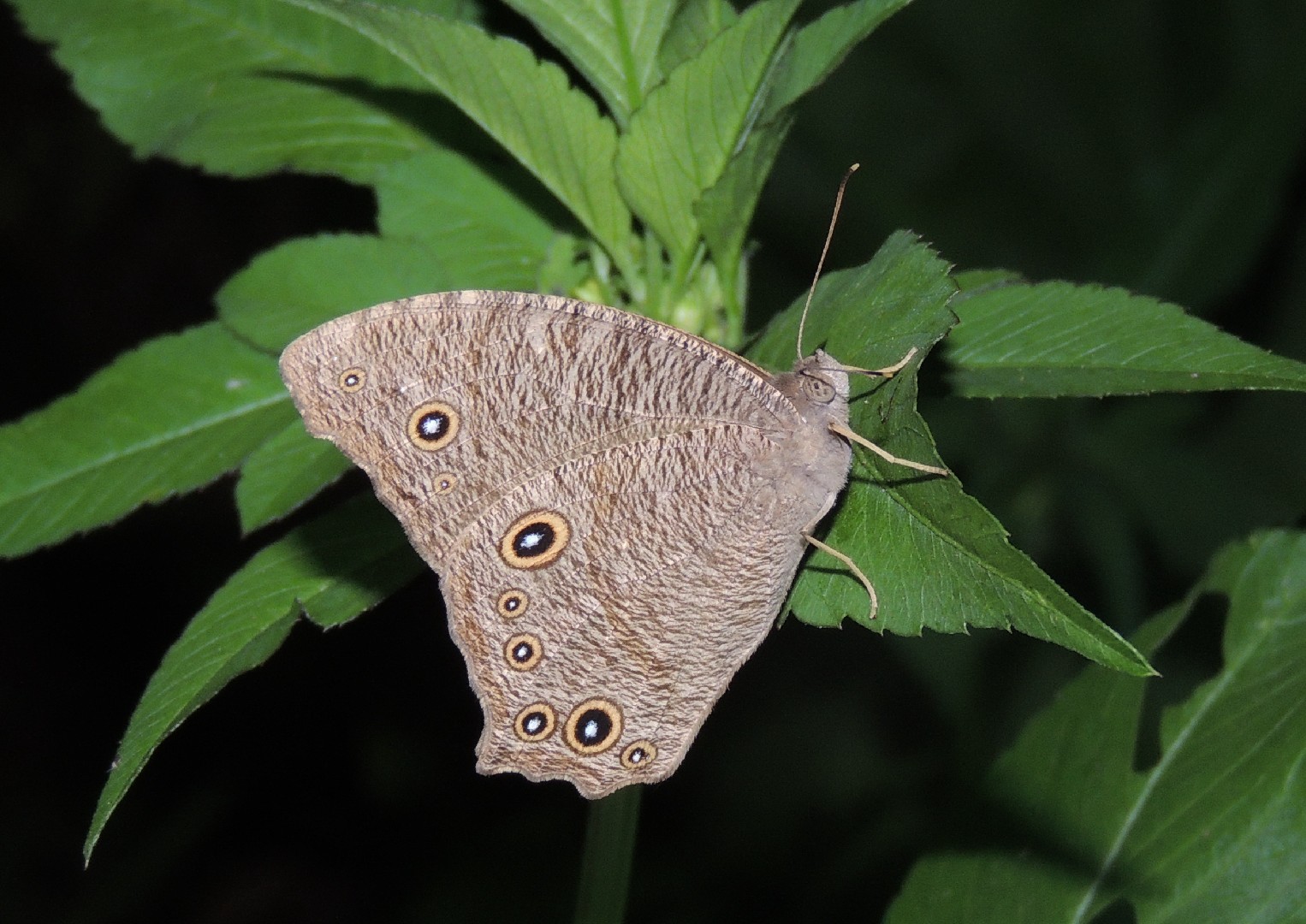
9. Common evening brown
The common evening brown (Melanitis leda) changes its appearance based on the season. During wet seasons, it has a pale brown underside and a dark brown top. Then, during dry seasons, it often has more distinguished bands or spots. It uses these neutral colors to help it blend into leaves and trees. It usually only flies during the evening, resting during daylight.
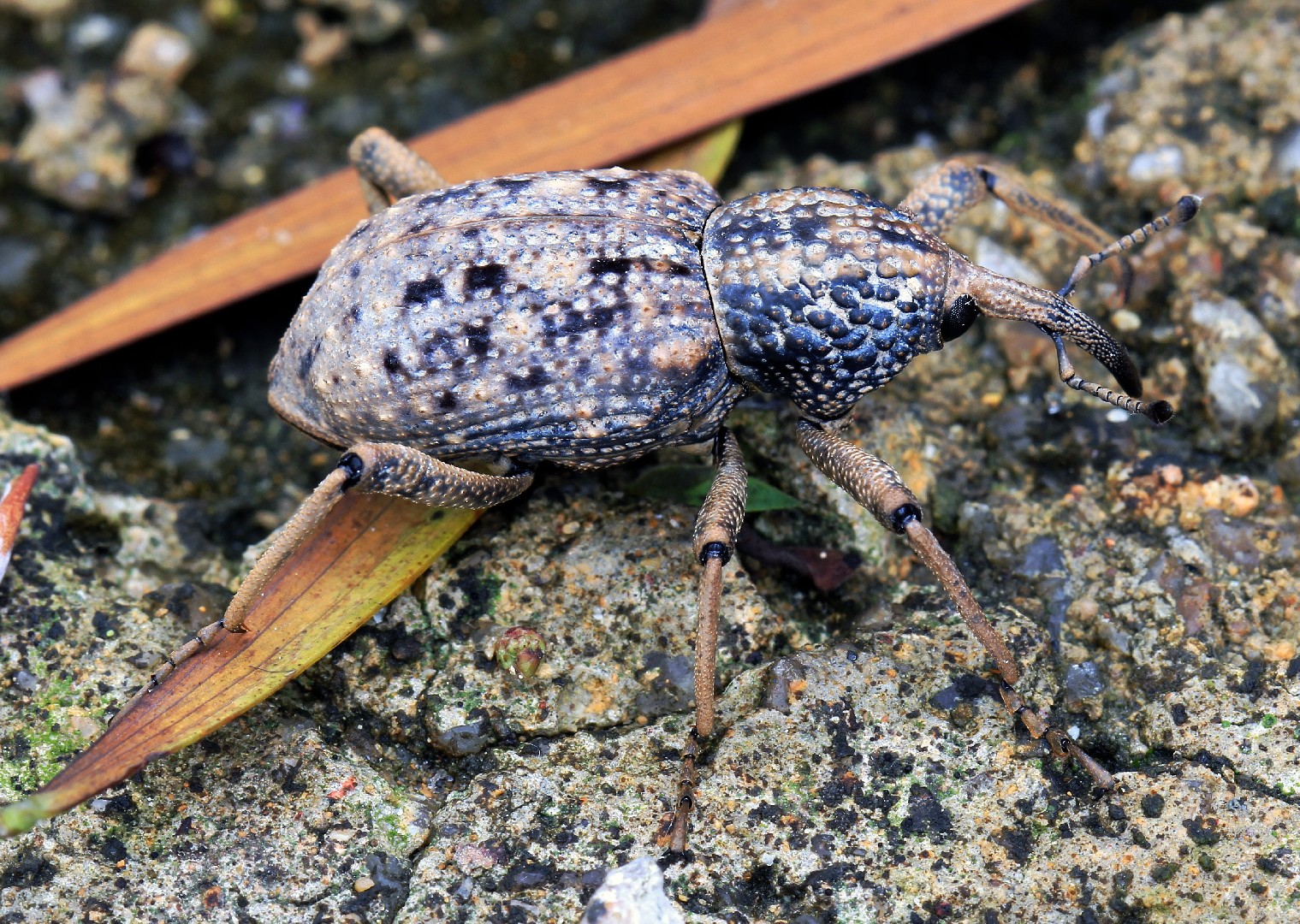
10. Japanese giant weevil
Sipalinus gigas can reach a length of 0.47–1.18 in. The surface is covered with brownish crusty coating. Beak is moderately arcuate and punctured. Pronotum is longer than wide. Elytra shows dark brown stripes with whitish areas bearing tubercles.


More







