




Top 18 Most Common Insects in Sorsogon
Insects are remarkably versatile creatures with distinguishing features, adept in surviving in virtually all environments within Sorsogon. Varying geographies within Sorsogon remarkably influence insect diversity, with unique species in mountainous regions compared to those coastal areas. Insects play vital roles in our ecosystem, be it as pesky nuisances or beneficial pollinators. Our list of 18 most common insects will highlight their intriguing lives while accentuating the relationship between Sorsogon's environment and its insect inhabitants.

Most Common Insects
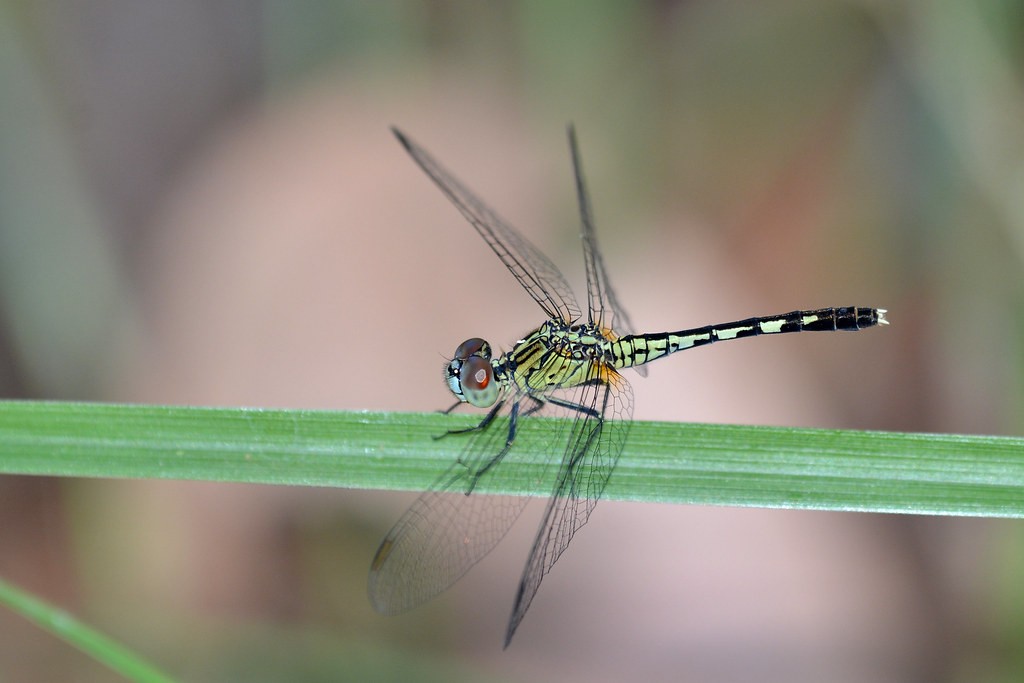
1. Green skimmer
Orthetrum serapia is a medium-sized dragonfly with a wingspan of 60-85mm. Its wings are clear except for a small dark spot at the base of the hindwing. The thorax is greenish to greyish yellow with black markings. The abdomen is black with pale yellow or pale green markings. Orthetrum serapia appears very similar to Orthetrum sabina and can be confused where the range of the two overlap in north-eastern Australia. 
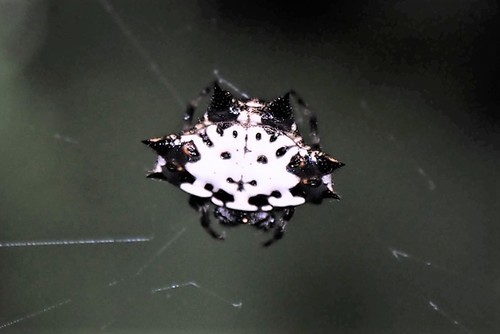
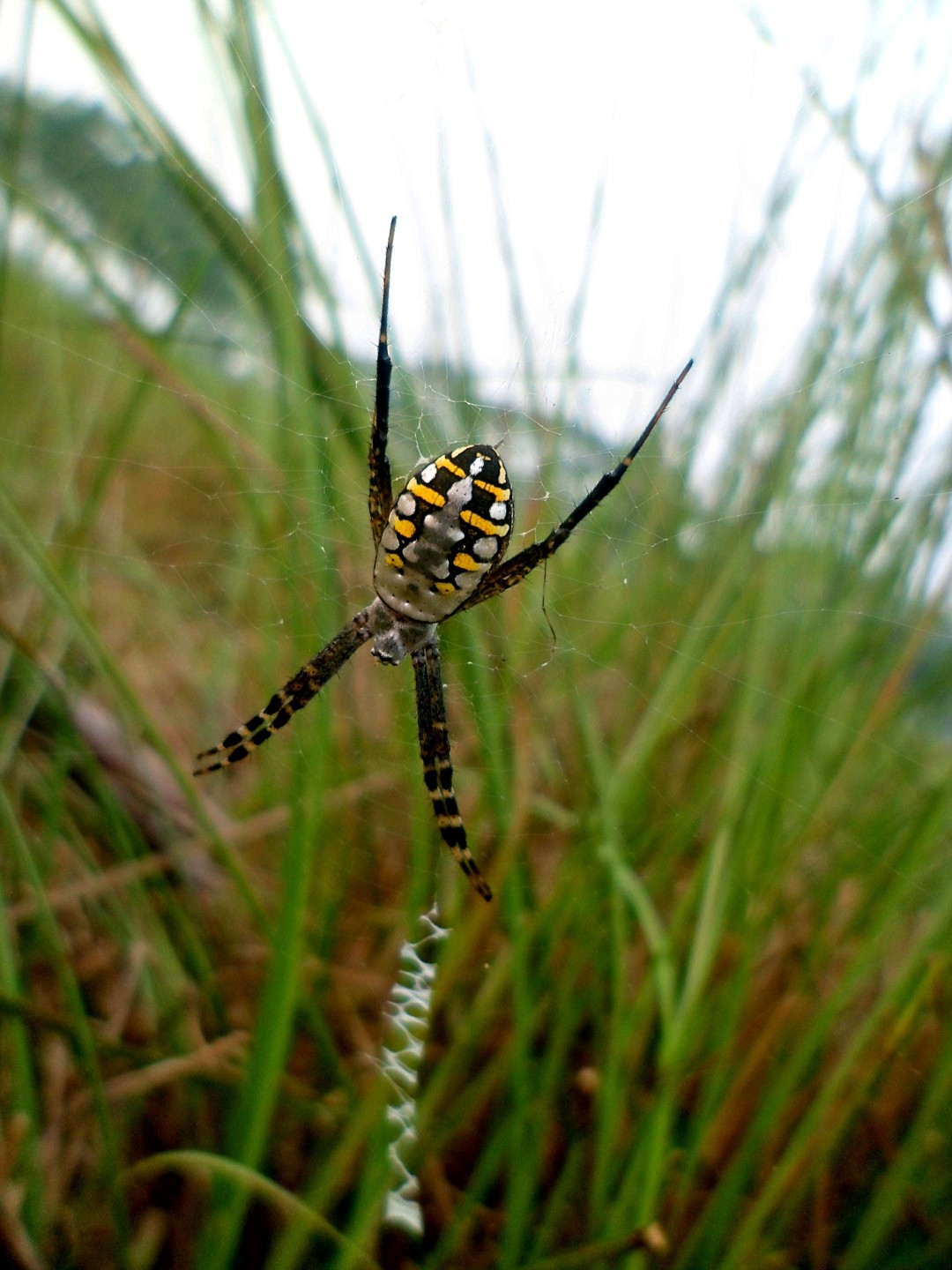
2. Black-and-white spiny spider
Female black-and-white spiny spider are 6 - 9 mm wide and possess a hard, shiny abdomen armed with six black conical spines. The upper surface of the abdomen is white to yellowish with variable black or dark brown markings and sigilla. Males are much smaller at 3 - 4 mm and in place of spines have small bumps on their abdomens.
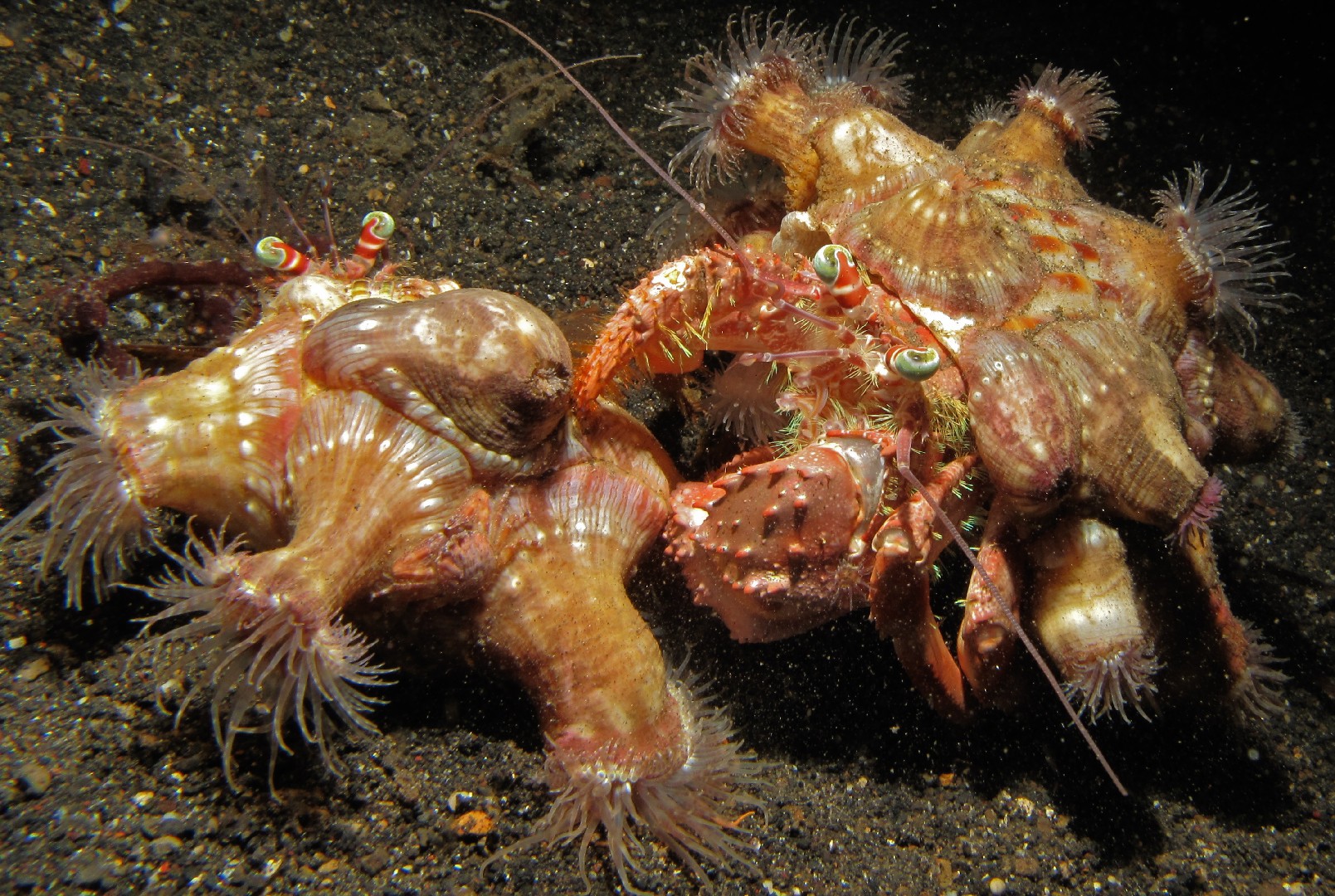
3. Anemone hermit crab
Dardanus pedunculatus usually attain a maximum size of 10 centimetres (4 in). The carapace is mottled in tan and cream, while the eyestalks are white with red bands. The sexes are similar. The left claw is much larger than the right claw.
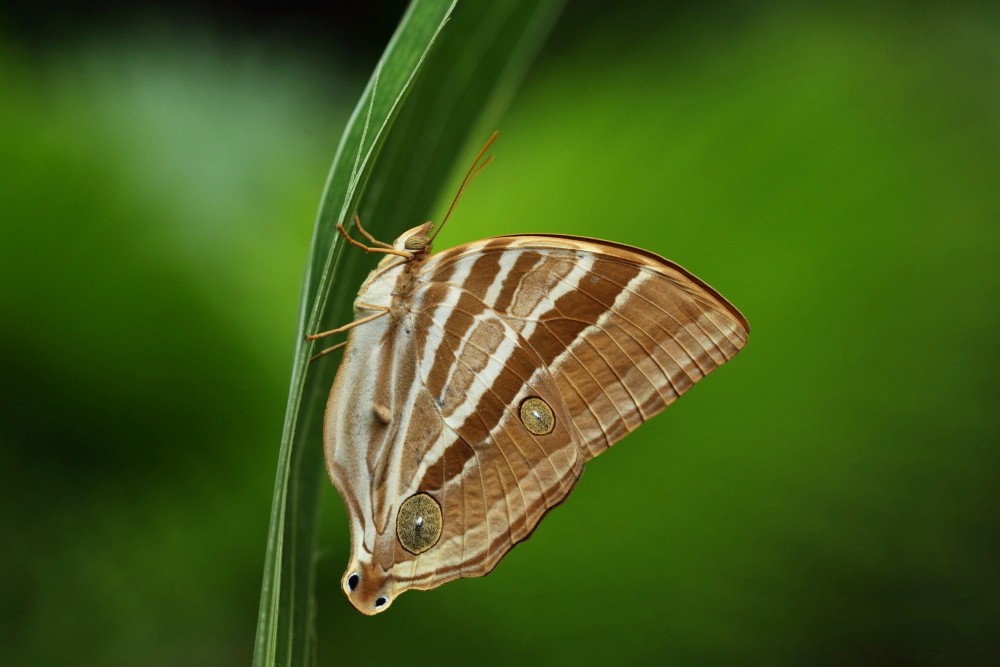
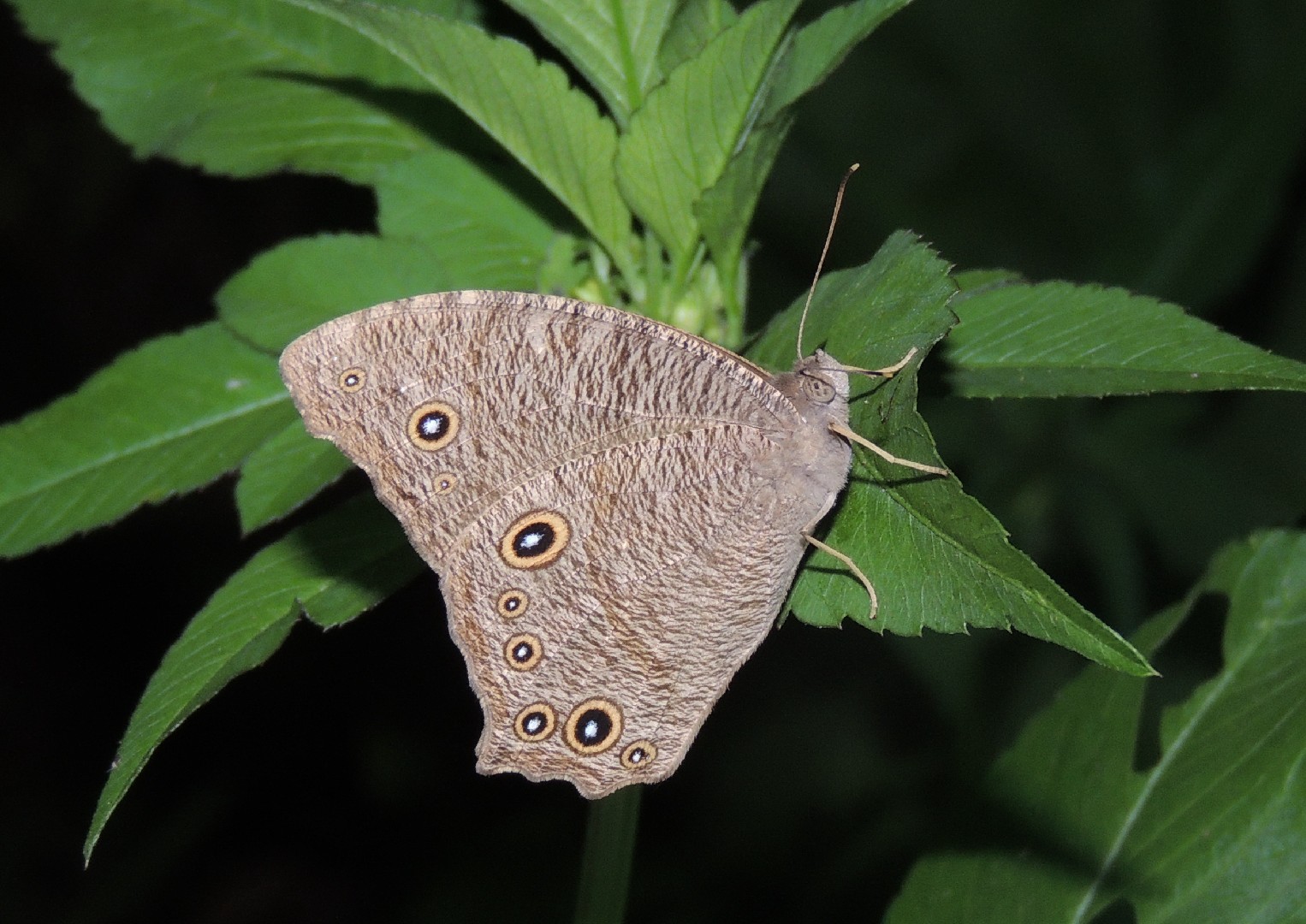
4. Palm king
Male: upperside umber brown. Forewing with the costal margin narrowly fulvous (reddish brown) near apex, crossing towards the termen, forming an obscure preapical band joining a subterminal lunular band of the same colour. Hindwing uniform, with a subterminal band as in the forewing but not lunular, straight. Underside pale brown, with the following transverse pale lilac-white bands crossing both forewing and hindwing: basal, subbasal, discal, postdiscal, broad subterminal and terminal; the subbasal and discal of equal width, meeting above the tornal angle in V-shape, the space between the two bands with, on the forewing, two shorter similar bands crossing the cell, on the hindwing a single similar band from costa to median vein; subterminal band on hindwing bent upwards above tornal area and continued halfway up the dorsal margin, the broadly-produced tornus with a dark brown spot; finally a large ochraceous ocellus in interspace 2, and a smaller similar one in interspace 6. Antennae reddish; head, thorax and abdomen umber brown. Secondary sex-mark a glandular fold in membrane of wing shaded by tufts of long hair along vein 1 on upperside of hindwing, and preapically on the abdomen with tufts of stiff long hairs. Female: Upper and undersides as in the male but paler; on the upperside the fulvous along the costal margin widens into a preapical patch, and generally the bands on the underside show through and appear above as pale fulvous bands.Wingspan: 11 - 12 cm .Eggs: The freshly laid eggs are creamy white with a small black spot in the centre and a black circular ring. The eggs are laid in a row. At Thenmala, the observer saw two rows, the first having 15 eggs and the second 3 eggs. Prior to hatching, the colour of the egg changes to black. Larvae: The first instar larvae are cylindrical, measuring 0.6 - 0.8 mm in length. The second instar larvae are pale greenish yellow measuring 0.8 - 1.2 mm in length. The third instar larvae are morphologically very similar to the previous instar, but are longer ( 3 - 4 cm ) and stouter. The fourth instar larvae are stouter and longer measuring 4.5 - 5 cm . During the fifth instar, the larvae become more brownish than greyish and measure 7 - 8 cm in length. Larvae of the palm king are voracious feeders. Most of the time, they remain on the underside of the leaf, eating from the tip of the leaf working towards the base. With regard to coloration, the fifth instars show marked difference in their ground colour: some being more brownish and some more greyish. Pupa: The process of pupation takes about half a day and resulted in a greenish spindle-shaped pupa, well-camouflaged among the pointed leaves of the host plant. Initially, they are semi-transparent but later they become more opaque. The pupa has veins and lines similar to that of the leaves of the host plant, all veins ending at the pointed lower end of the pupa. The pupa becomes transparent on the eve of hatching, with the wings and head clearly visible.
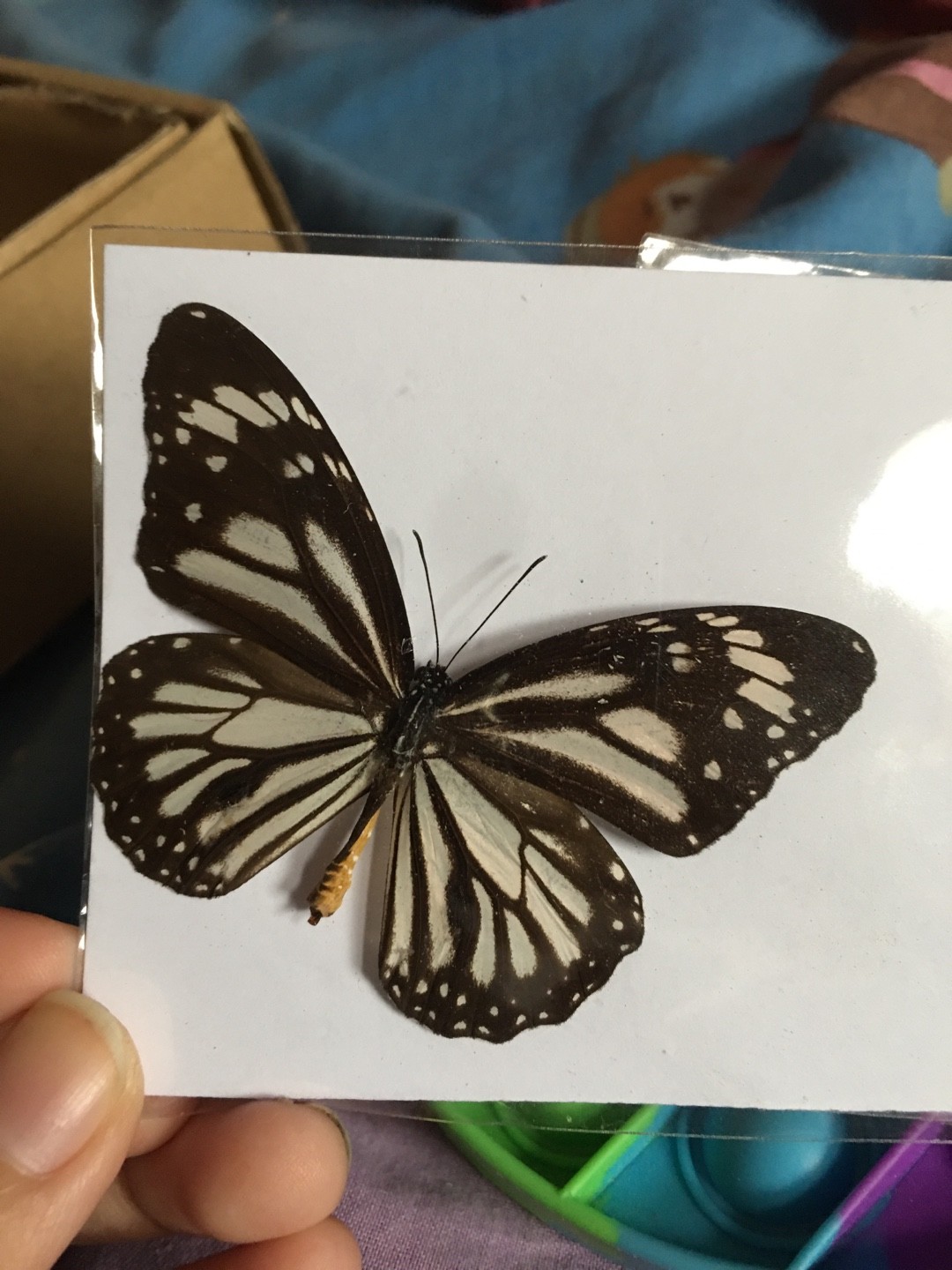
5. Psyche
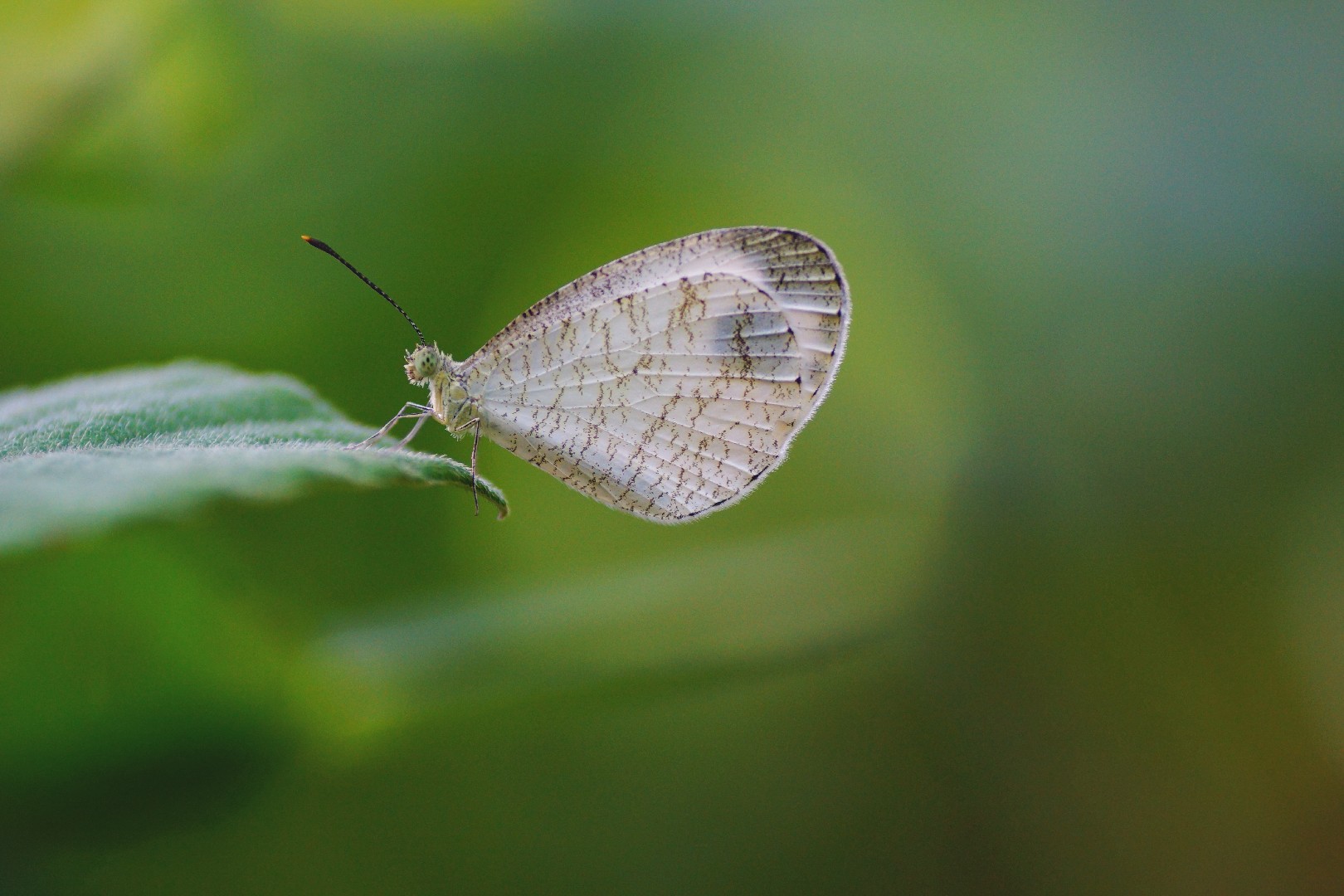
Upperside is white,base of wings are very slightly powdered with minute black scales.The costa of forewing is speckled obscurely with black; apex black, the inner margin of this inwardly angulate; a very large somewhat pear-shaped post-discal spot also black. Hindwing is white,in most specimens an obscure, extremely slender, terminal black line. Underside is white; costal margin and apex of forewing broadly, and the whole surface of the hindwing irrorated (speckled) with transverse, very slender, greenish strigae and minute dots; these on the hindwing have a tendency to form sub-basal, medial and discal obliquely transverse obscure bands; the postdiscal of forewing is black,spot as on the upperside; terminal margins of both forewings and hindwings with minute black, short, transverse slender lines at the apices of the veins, that have a tendency to coalesce and form a terminal continuous line as on the upperside. Antennae dark brown spotted with white, head slightly brownish, thorax and abdomen white. Female is similar as male, the black markings on the upperside of the forewing on the whole slightly broader, but not invariably so. Wingspan is 2.5 - 5 cm. Larva is green with a pale glaucous tinge about the bases of the legs and slightly hairy. Pupa sometimes green, but more often of a delicate pink shade.
6. Darth maul bug
7. Striped albatross
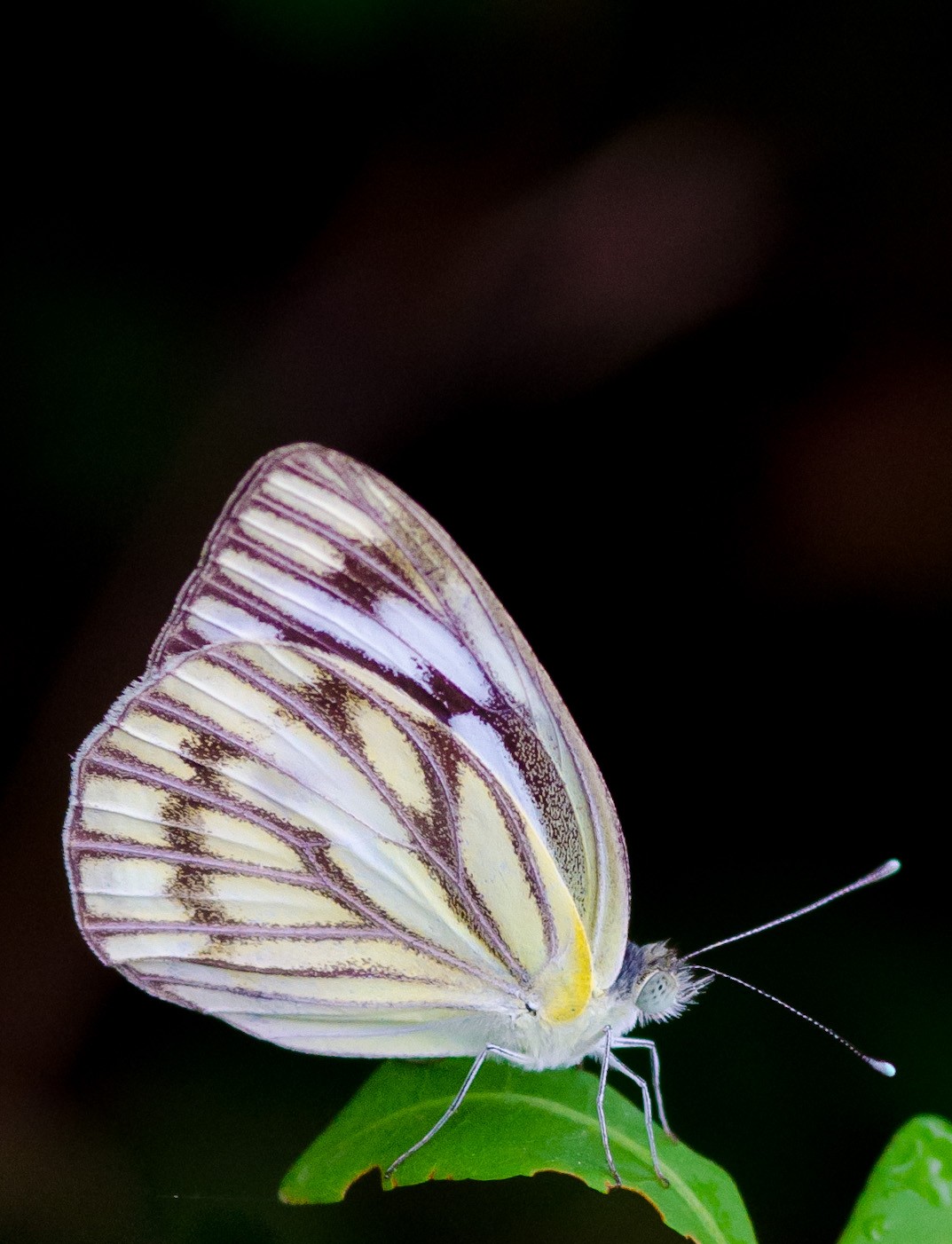
The striped albatross (Appias libythea) is a combination of whites and greys and yellows that allow this butterfly to resemble many different types of flowers. They are part of a family that exhibits mud-puddling, where they stomp about wet puddles in order to get salt.
8. Pacific cleaner shrimp
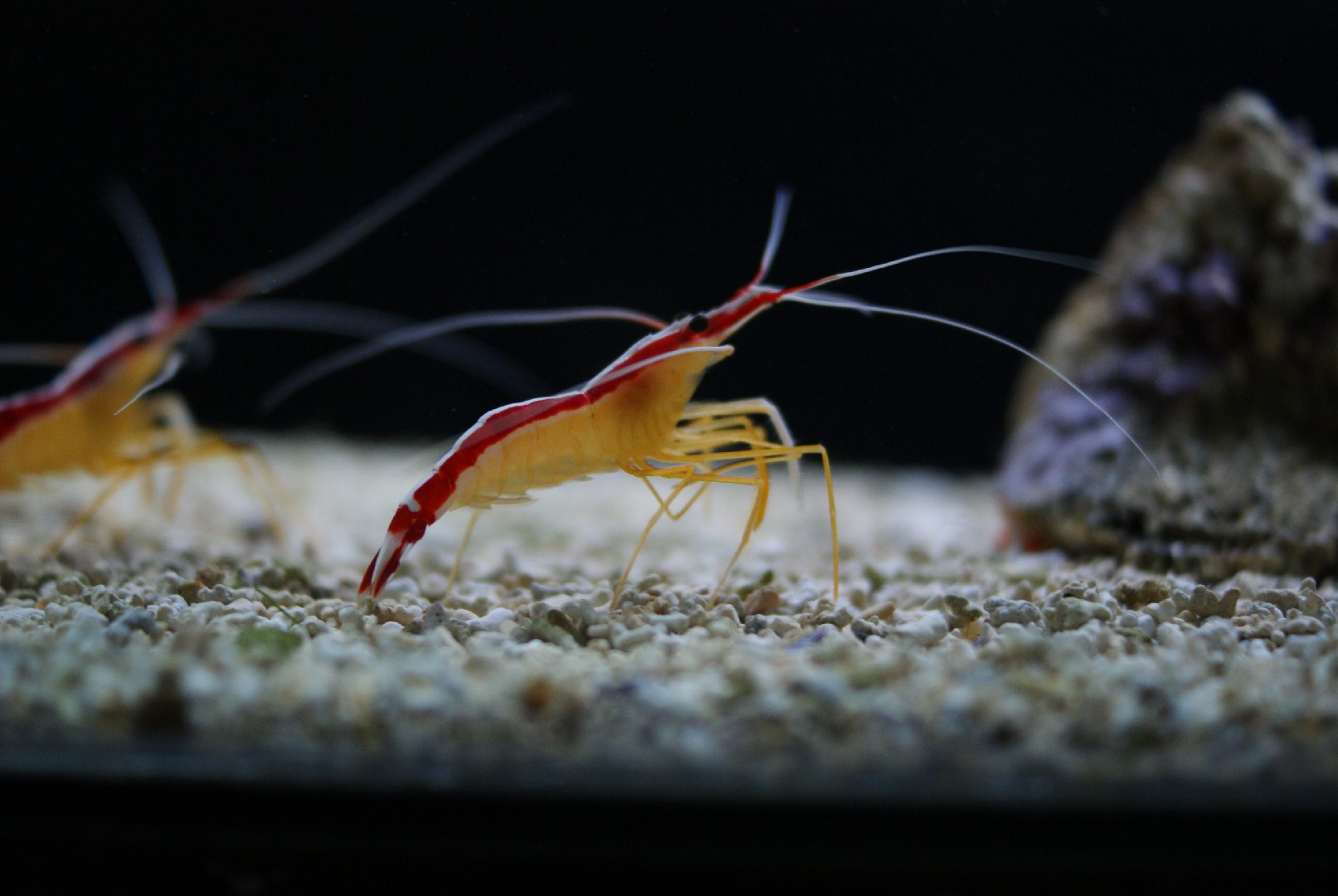
Like all cleaner species, pacific cleaner shrimp (Lysmata amboinensis) derives at least some of its food intake by consuming parasites and dead particles on the skin of friendly fish. Due to its appealing variety of colors, it is one of the most common crustaceans in the pet trade.
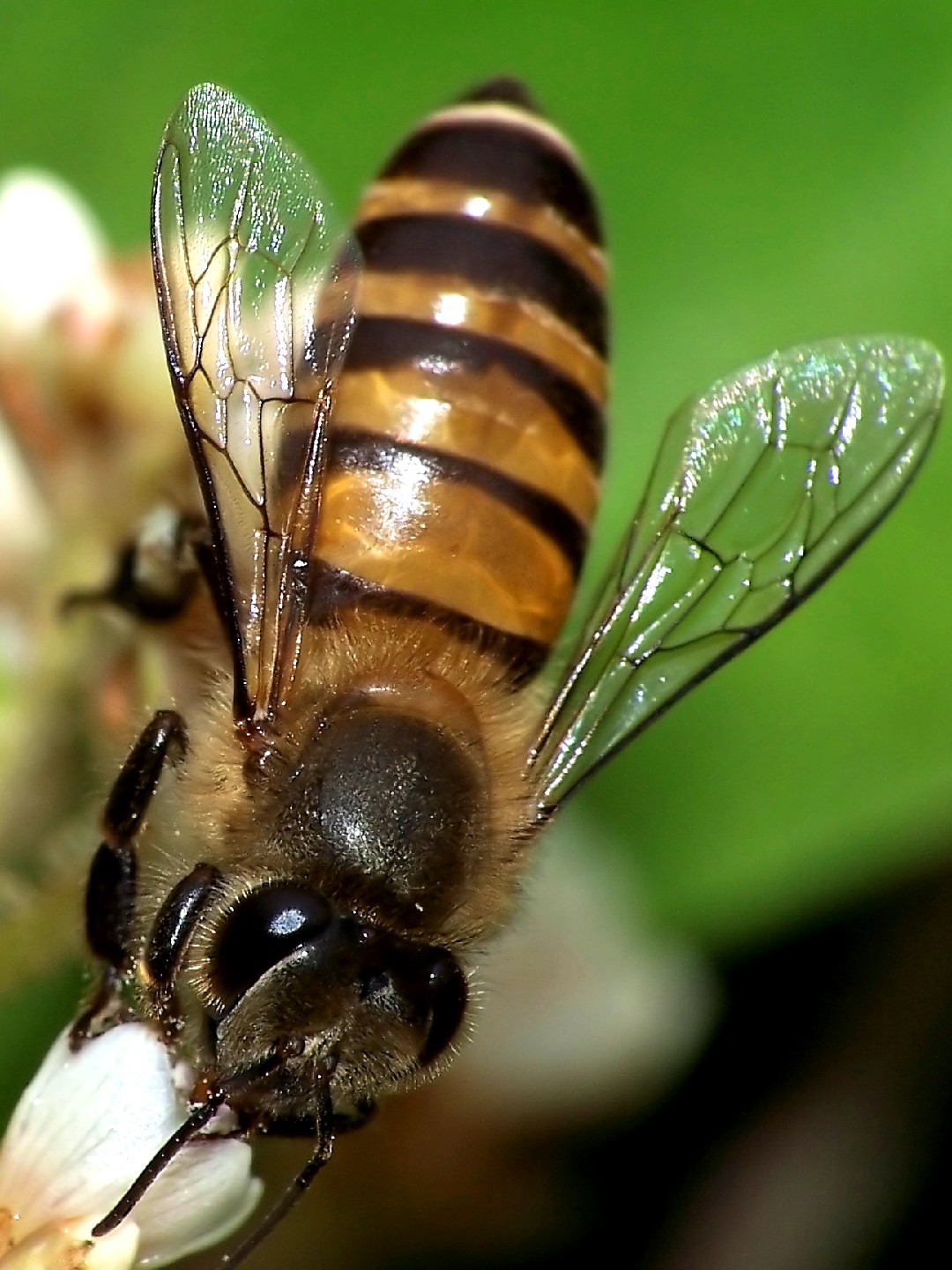
9. Eastern honey bee
Eastern honey bees communicate to one another about good sources of nectar and pollen through the "waggle dance". A bee will perform this descriptive dance to other bees, after which they can interpret the dance and find their way to the food source. When they need to defend their nest from a wasp, they will surround the wasp and vibrate their muscles to generate heat, eventually killing the wasp via "heat balling".
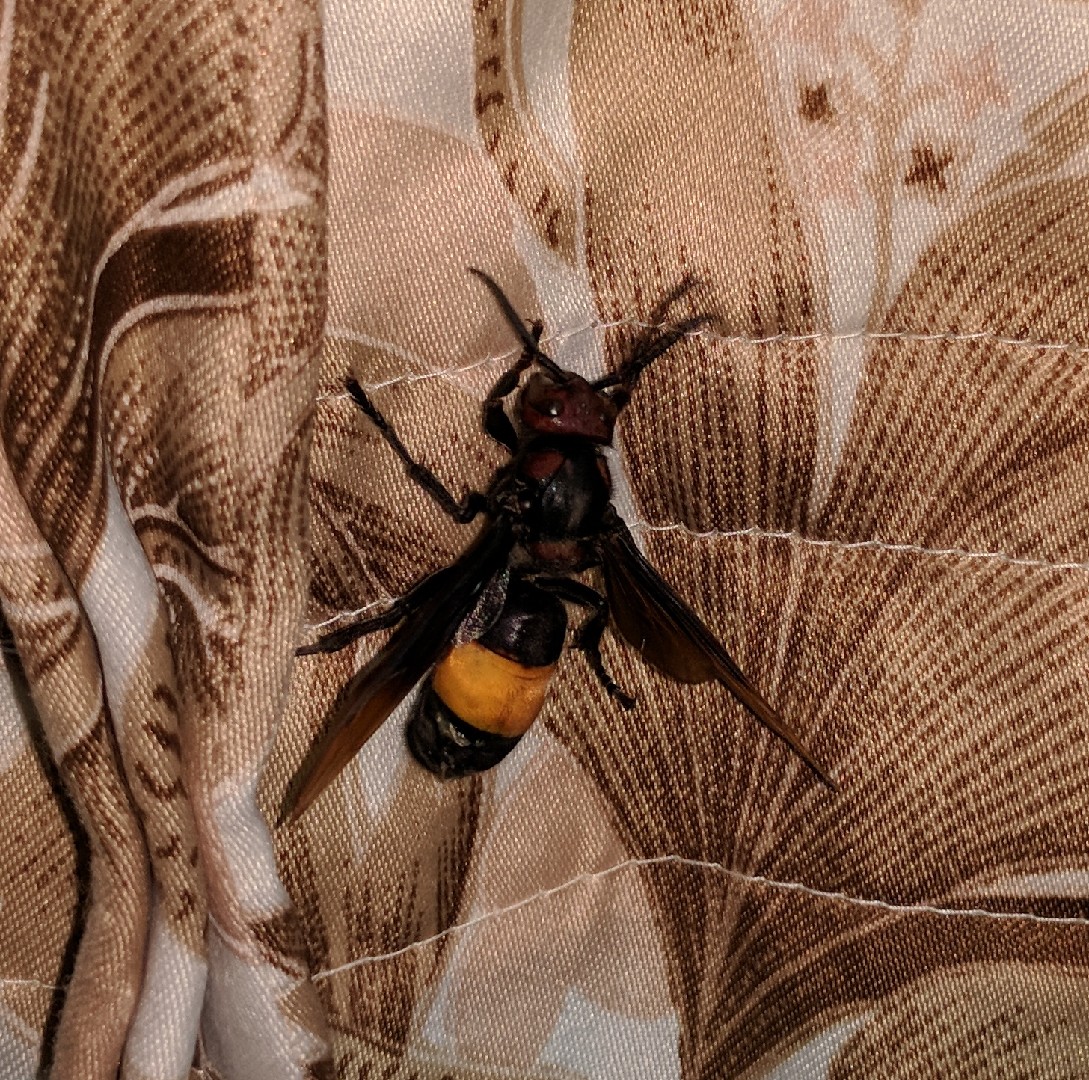
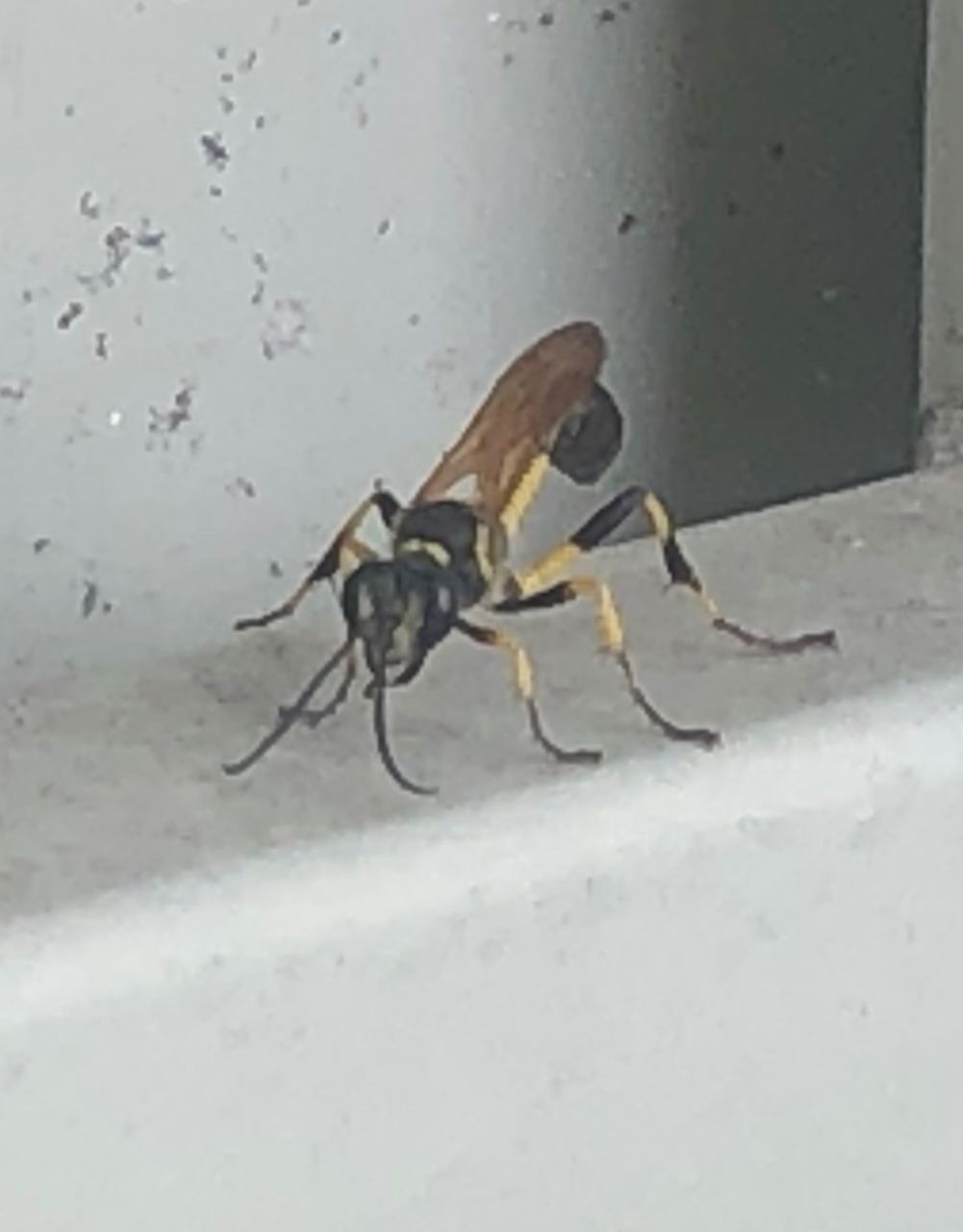
10. Greater banded hornet
The workers of Vespa tropica are about 24–26 millimetres (⁄16–1 in) in length, while queens grow to 30 millimetres (1 ⁄4 in). The head is dark brown/red; the abdomen is black with a distinct yellow stripe which covers most of the second abdominal segment. However, there is some variation across its range and in Singapore and southeastern Asia, specimens are often completely black and larger in size, while in other regions such as Hong Kong, the head and flanks of the thorax are normally reddish. A third colour form is found in the Andamans and Nicobars, which has a reddish brown head and thorax and all the dorsal plates on each segment of the gastrum are orange except the first.

More







