




Top 20 Most Common Insects in Tarlac
Insects - nature's tiny yet significant creatures - play a pivotal role in Tarlac's rich biodiversity. Characterized by their diverse patterns and adaptability, they thrive in various geographical niches within Tarlac, contributing to the robustness of its ecosystem. From pests, which can affect agricultural production, to beneficial insects that aid in pollination and pest control, they illustrate the dynamic relationship between Tarlac's environments and its insect inhabitants. Stay tuned as we uncover the 20 most common insects in Tarlac!

Most Common Insects
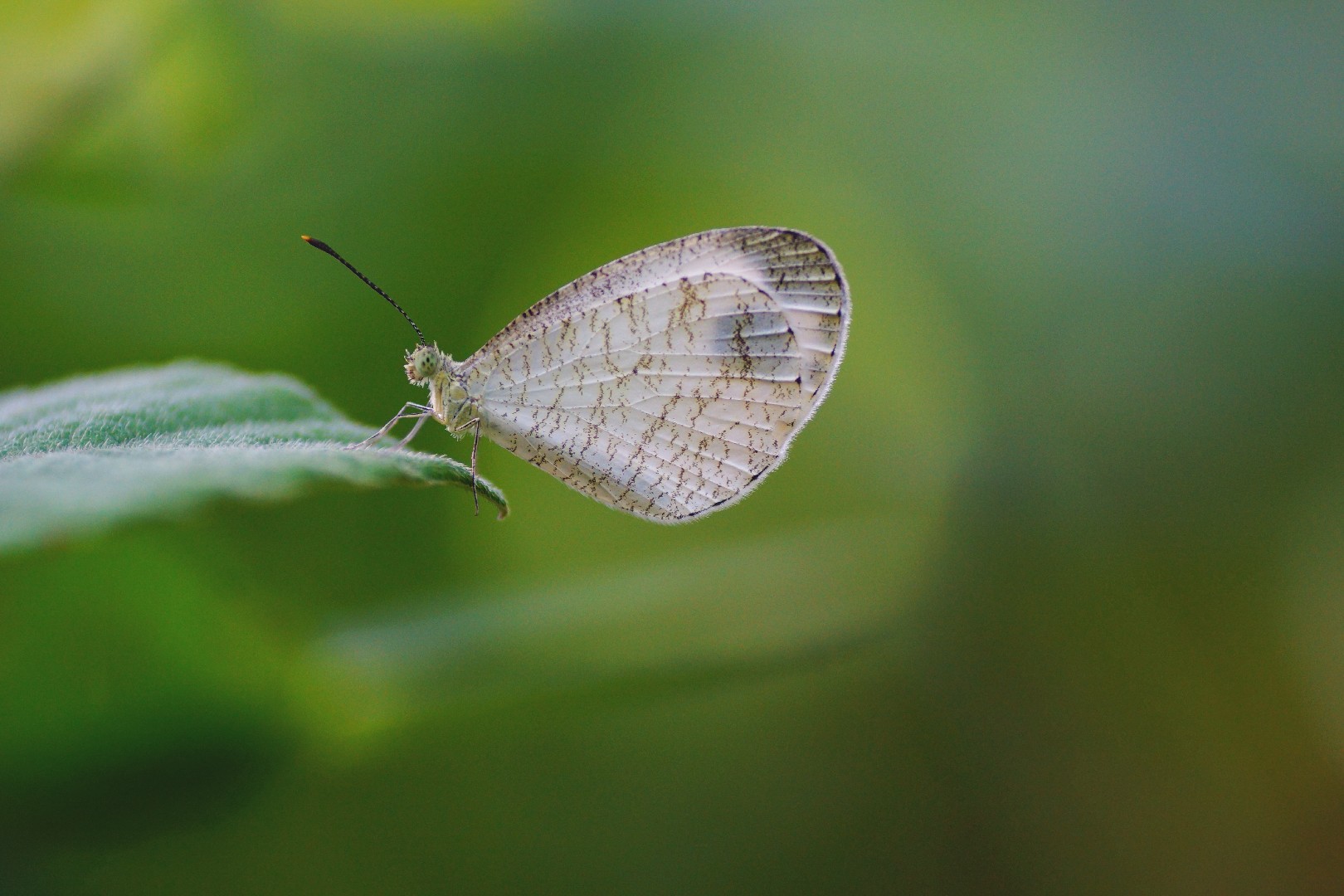
1. Psyche
Upperside is white,base of wings are very slightly powdered with minute black scales.The costa of forewing is speckled obscurely with black; apex black, the inner margin of this inwardly angulate; a very large somewhat pear-shaped post-discal spot also black. Hindwing is white,in most specimens an obscure, extremely slender, terminal black line. Underside is white; costal margin and apex of forewing broadly, and the whole surface of the hindwing irrorated (speckled) with transverse, very slender, greenish strigae and minute dots; these on the hindwing have a tendency to form sub-basal, medial and discal obliquely transverse obscure bands; the postdiscal of forewing is black,spot as on the upperside; terminal margins of both forewings and hindwings with minute black, short, transverse slender lines at the apices of the veins, that have a tendency to coalesce and form a terminal continuous line as on the upperside. Antennae dark brown spotted with white, head slightly brownish, thorax and abdomen white. Female is similar as male, the black markings on the upperside of the forewing on the whole slightly broader, but not invariably so. Wingspan is 2.5 - 5 cm. Larva is green with a pale glaucous tinge about the bases of the legs and slightly hairy. Pupa sometimes green, but more often of a delicate pink shade. 

2. Crimson marsh glider
The male has a reddish-brown face, with eyes that are crimson above and brown on the sides. The thorax is red with a fine, purple pruinescence. The abdomen, the base of which is swollen, is crimson with a violet tinge. The wings are transparent with crimson venation and the base has a broad amber patch. The wing spots are a dark reddish-brown and the legs are black. The female has an olivaceous or bright reddish-brown face with eyes that are purplish-brown above and grey below. The thorax is olivaceous with brown median and black lateral stripes. The abdomen is reddish-brown with median and lateral black markings. The black markings are confluent at the end of each segment and enclose a reddish-brown spot. The wings are transparent with brown tips. The venation is bright yellow to brown and basal amber markings are pale. The wing spots are a dark brown and the lags are dark grey with narrow yellow stripes.
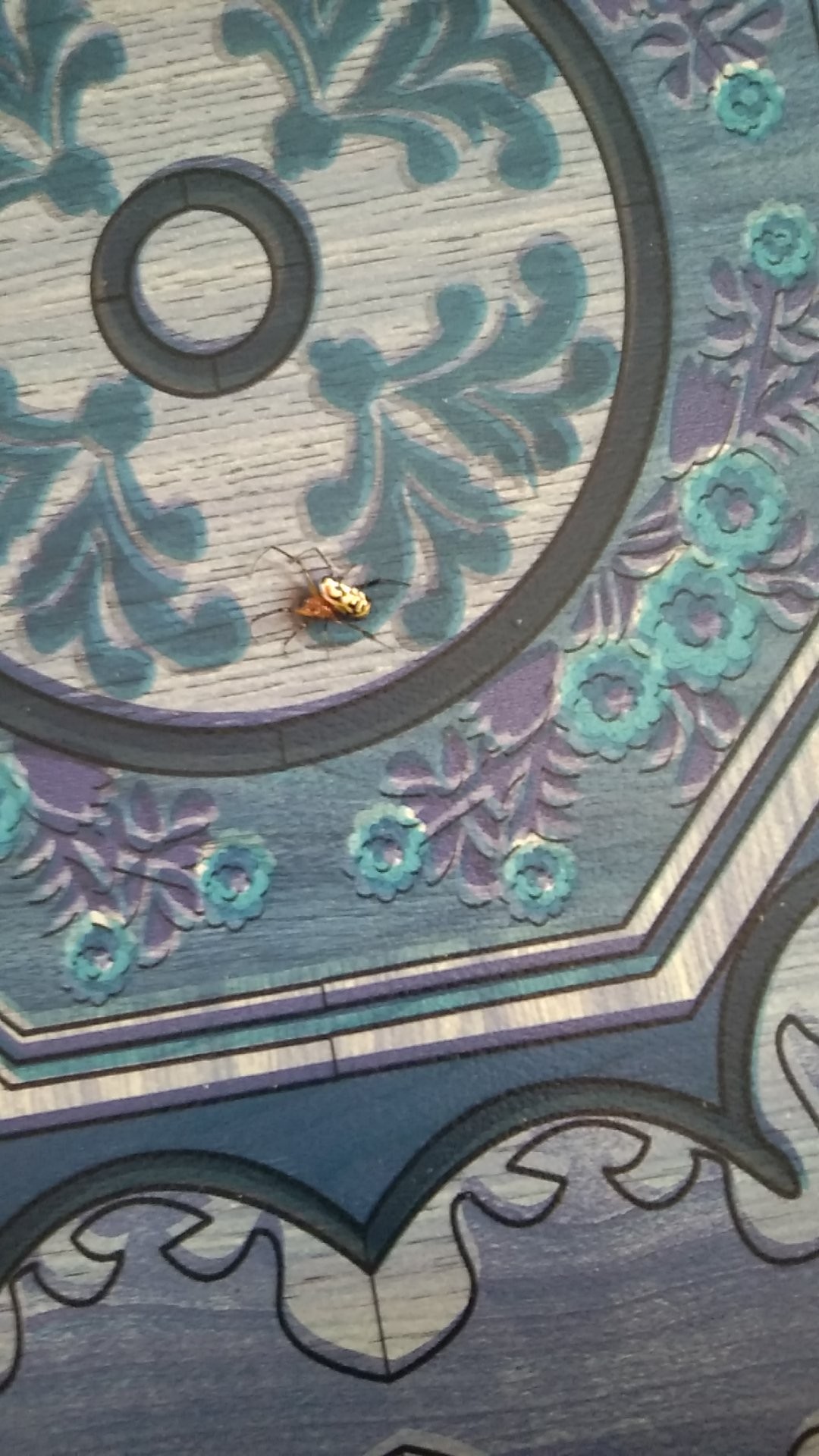
3. Pear-shaped leucauge
Opadometa fastigata, the pear-shaped leucauge, is a species of spiders in the family Tetragnathidae (long-jawed orb weavers). It is found in India to Philippines and Sulawesi. Members of the species have silvery or golden spots on the abdomen. They are elongated spiders with long legs and chelicerae. They are orb web weavers, weaving small orb webs with an open hub and few, wide-set radii and spirals. The webs have no signal line and no retreat. The web is a large horizontally-placed orb structure with a diameter of more than a metre. The entire web is often suspended by several long strands of silk attached to branches and leaves nearby. This species is separated from other Leucauge spiders by its pear-shaped abdomen and its unique fourth leg. In addition to the two rows of curved hairs (characteristic of Leucauge), this leg also has a thick brush of spines which are not present in most other species of Leucauge.
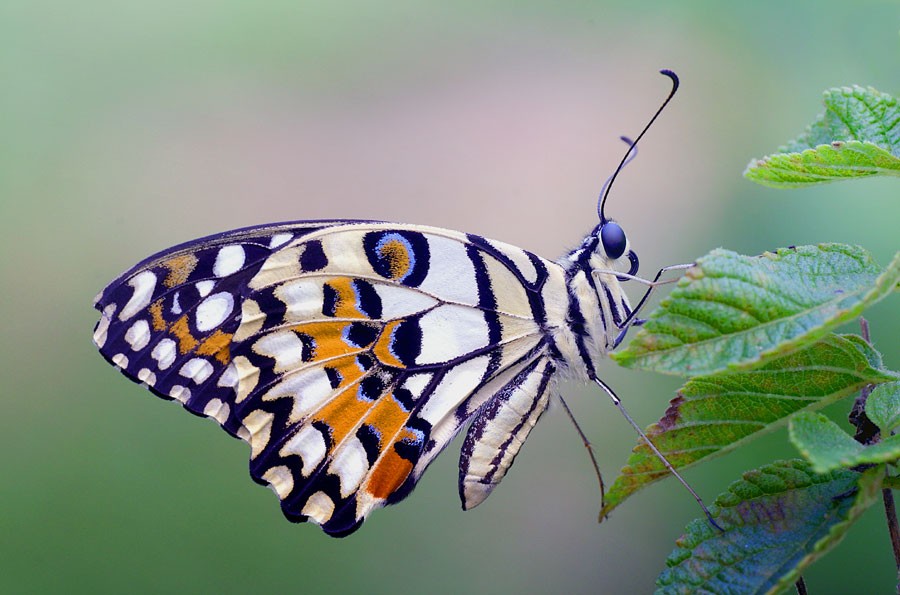
4. Lime swallowtail
The lime swallowtail (Papilio demoleus) has a beautiful black and white pattern, but it's considered a major pest to citrus trees. It feeds on nearly any type of citrus, including oranges and limes. This butterfly's small, green larvae are capable of defoliating an entire nursery grove. They are truly trouble makers in the citrus orchard.
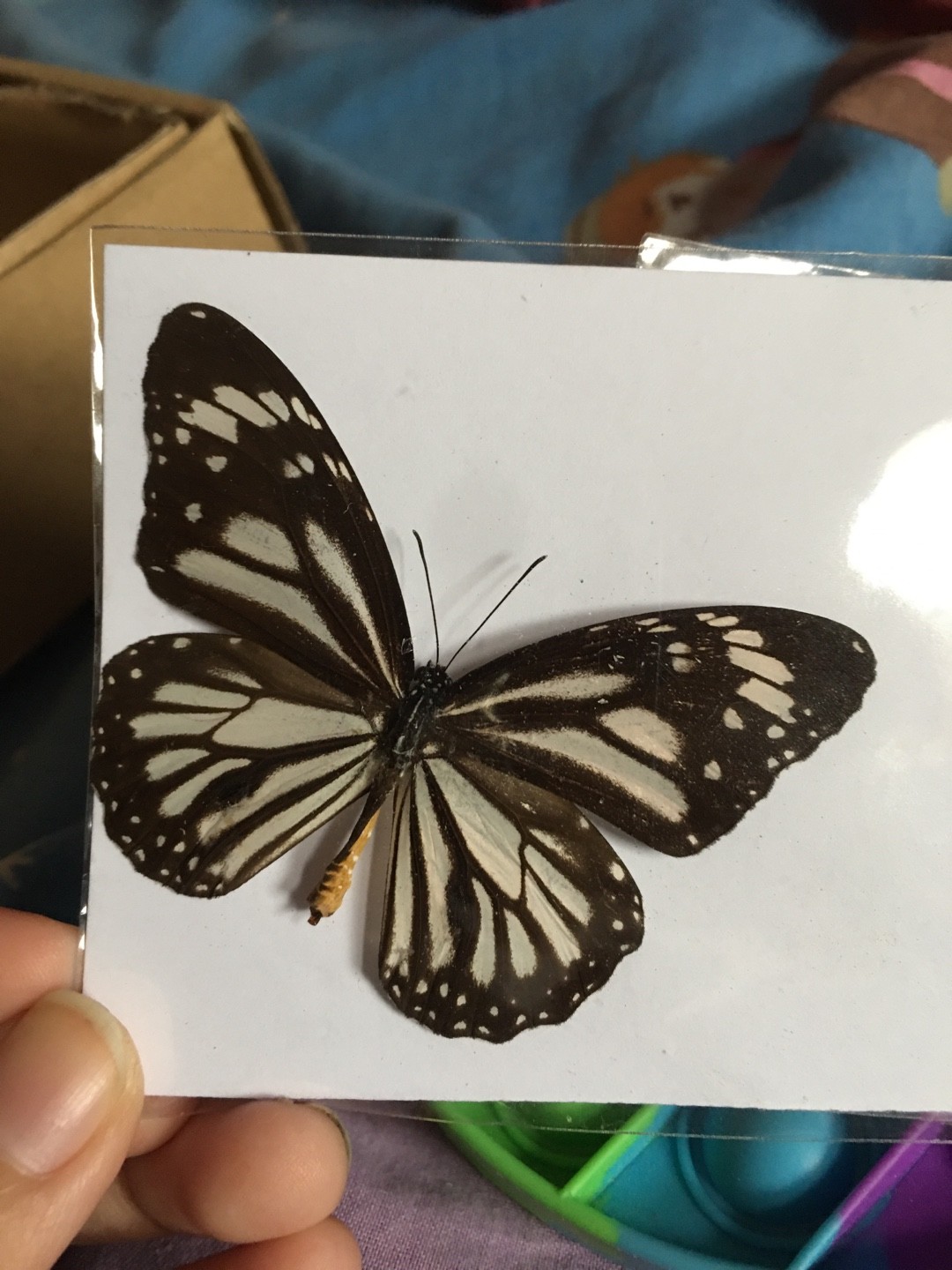
5. Black Veined Tiger
Danaus melanippus, the black veined tiger, white tiger, common tiger, or eastern common tiger, is a butterfly species found in tropical Asia which belongs to the "crows and tigers", that is, the danaine group of the brush-footed butterflies family. It ranges from Assam in eastern India through South-East Asia south to Indonesia, and eastwards to the Philippines and through southern China to Taiwan. It has around 17 subspecies, and its closest relative is the Malay tiger, Danaus affinis.
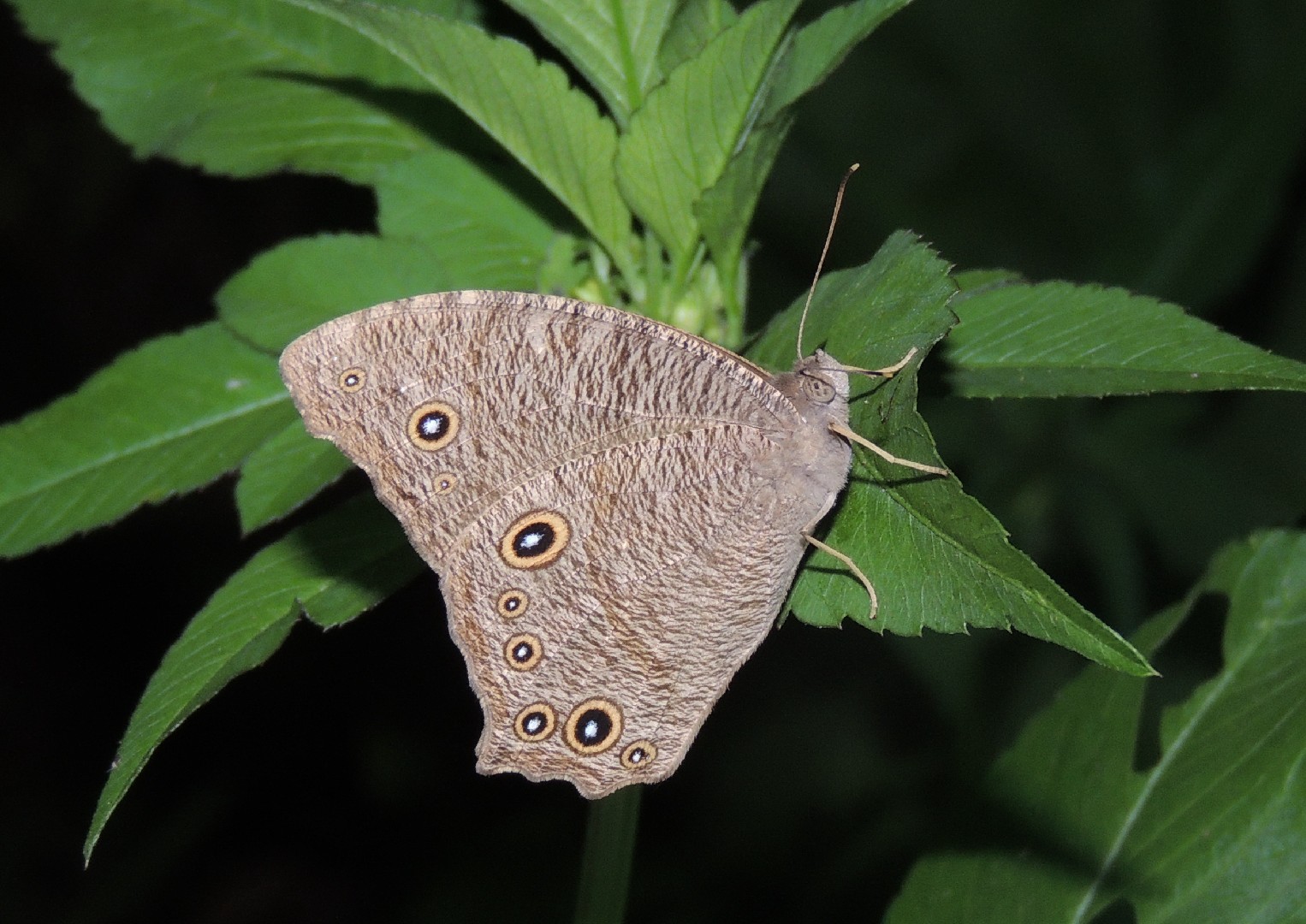
6. Common evening brown
The common evening brown (Melanitis leda) changes its appearance based on the season. During wet seasons, it has a pale brown underside and a dark brown top. Then, during dry seasons, it often has more distinguished bands or spots. It uses these neutral colors to help it blend into leaves and trees. It usually only flies during the evening, resting during daylight.
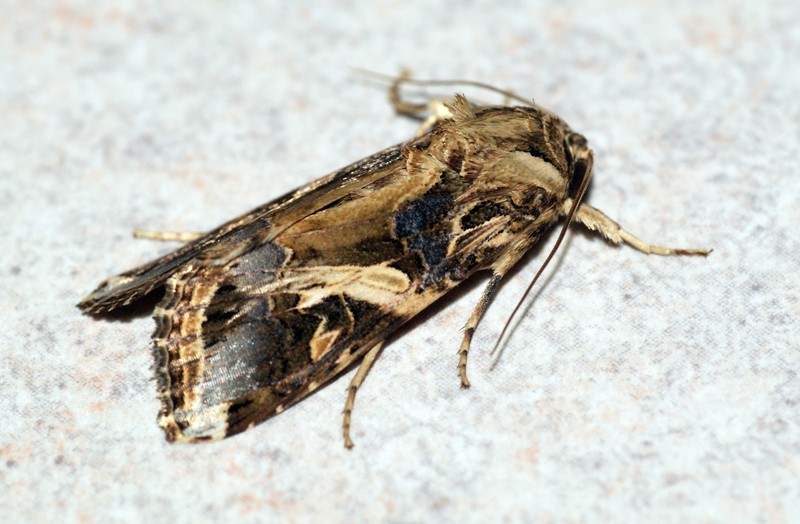
7. Tobacco cutworm
The larva of the tobacco cutworm is a major pest of agricultural crops such as tobacco, cotton, soybeans, and cabbage. These larvae feed on leaves voraciously. When the moth emerges into the adult stage, 70% of their total matings occur on their second night as an adult.
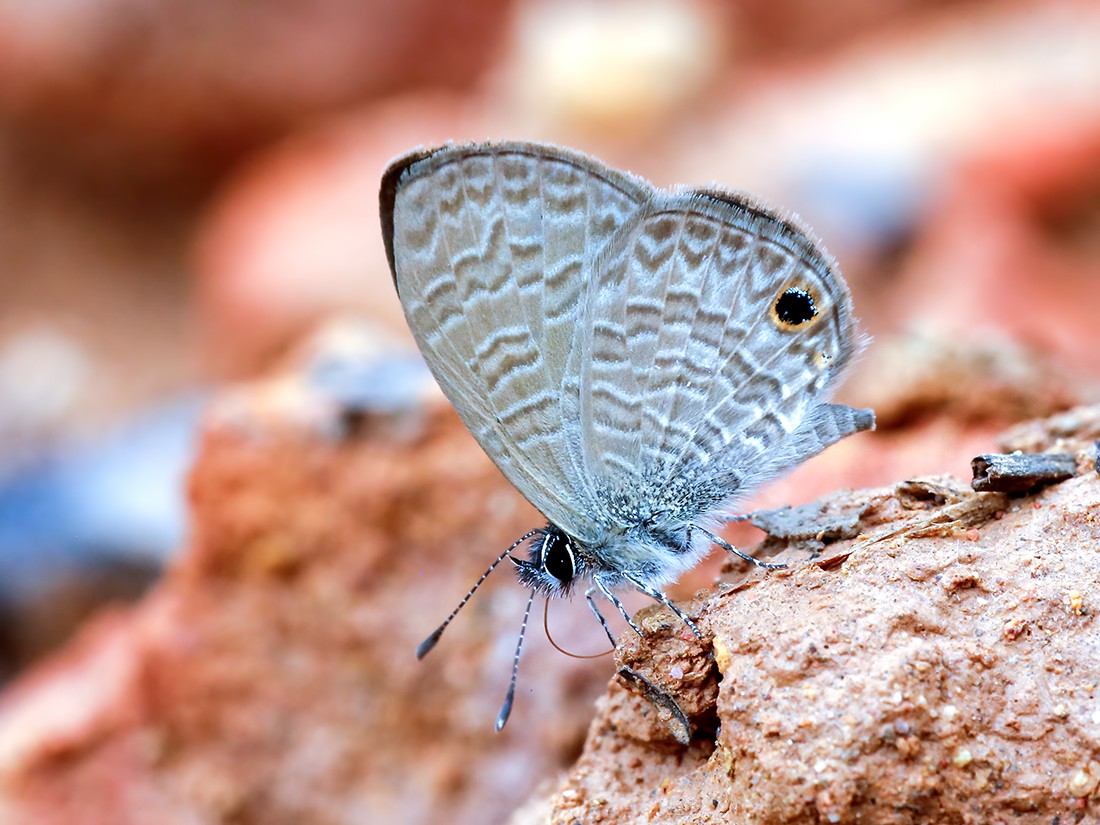
8. Tailless line blue
Prosotas dubiosa is a butterfly from the Lycaenidae family. The scientific name of the species was first validly published in 1879 by Semper.
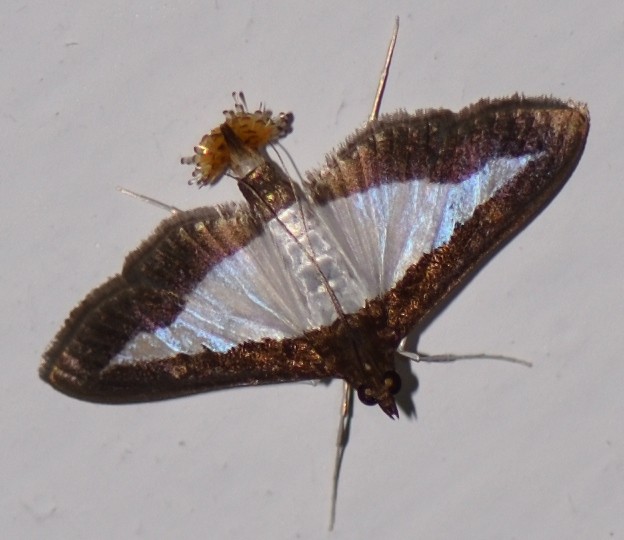
9. Cucumber Moth
The wingspan is about 30 mm. Adults have translucent whitish wings with broad dark brown borders. The body is whitish below, and brown on top of head and thorax as well as the end of the abdomen. There is a tuft of light brown "hairs" on the tip of the abdomen, vestigial in the male but well developed in the female. It is formed by long scales which are carried in a pocket on each side of the 7th abdominal segment, from where they can be everted to form the tufts. Unfertilized females are often seen sitting around with the tuft fully spread, forming two flower-like clumps of scales, which move slowly to spread their pheromones. These have been identified as consisting mainly of (E,E)-10,12-hexadecadienal and (E)-11-hexadecenal. From its closest relatives, the cucumber moth is most reliably distinguished by microscopic examination of the genitals. In the male, the clasper's harpe is twice as long as it is wide, with the costa and sacculus running almost in parallel and being strongly sclerotized, and a rounded cucullus. From the center of the harpe, which is otherwise only weakly sclerotized, a thin spine extends. The uncus is covered in bristles and ends in a small tube; it is a bit longer than the tegumen which in turn is about as wide as it is long. The vinculum is almost quadratic, and the anellus forms a small triangular plate which is more strongly sclerotized. The aedeagus is almost straight, strongly sclerotized below, and has a flattened curved process at end. In the female genitals, the ostium is transverse and oval, and the antrum broadly sclerotized. The ductus seminalis insert from above, a bit before the forward edge of the antrum. The bursa copulatrix is long and slim, with the forward third particularly narrow; its wall is covered with many short spines, and the hind end almost seamlessly merges into a short and barely distinguishable ductus bursae.
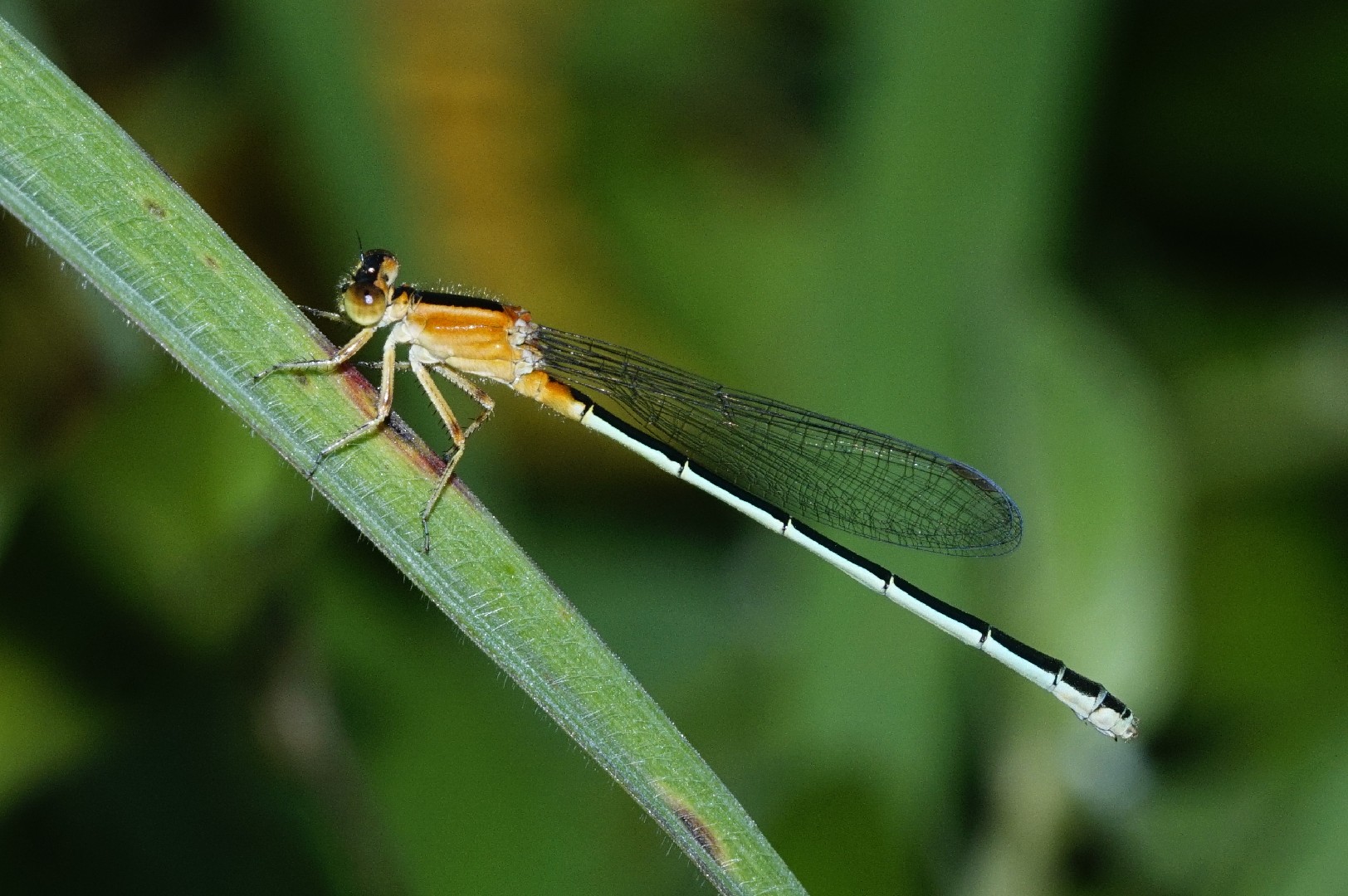
10. Common bluetail
The Senegal Pechlibelle (Ischnura senegalensis) is a dragonfly from the family of the slender dragonflies (Coenagrionidae).


More







