




Top 20 Most Common Insects in Zakopane
Insects, known for their segmented bodies, hard exoskeleton, and jointed legs, are widespread across Zakopane, thanks to its diverse geographical landscape. The insect population in this region is incredibly diverse, shaped by Zakopane's varied climates and habitats. These tiny critters play a key role in our ecosystem, from pollination to natural pest control. By examining the top 20 most common insects in Zakopane, we'll gain insight into the profound connection between a region's natural environments and the insects thriving within it.

Most Common Insects
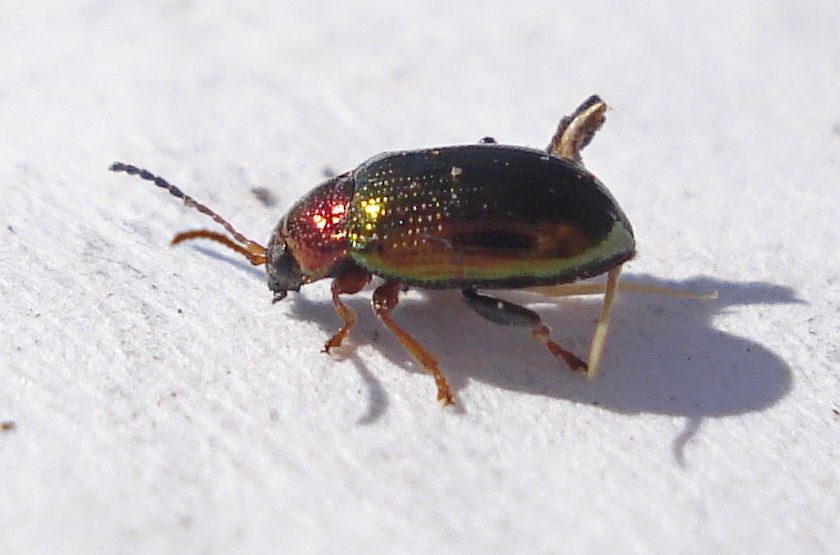
1. Willow Flea Beetle
Adult species length is 2.5–2.5 millimetres (0.098–0.098 in), and is oval. Males of the species are black coloured, while females are green. Both have orange legs and antennas. 
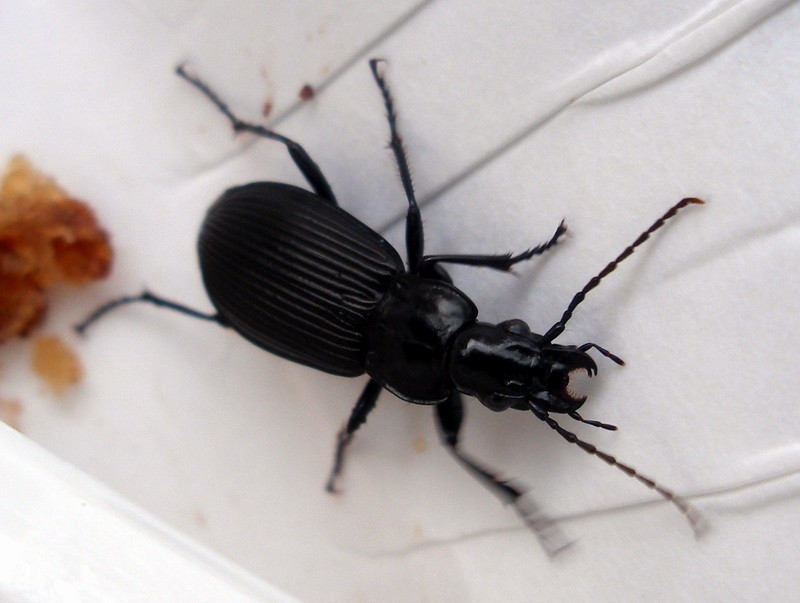
2. Bronzed blackclock
Pterostichus oblongopunctatus is a species of ground beetle native to Europe.
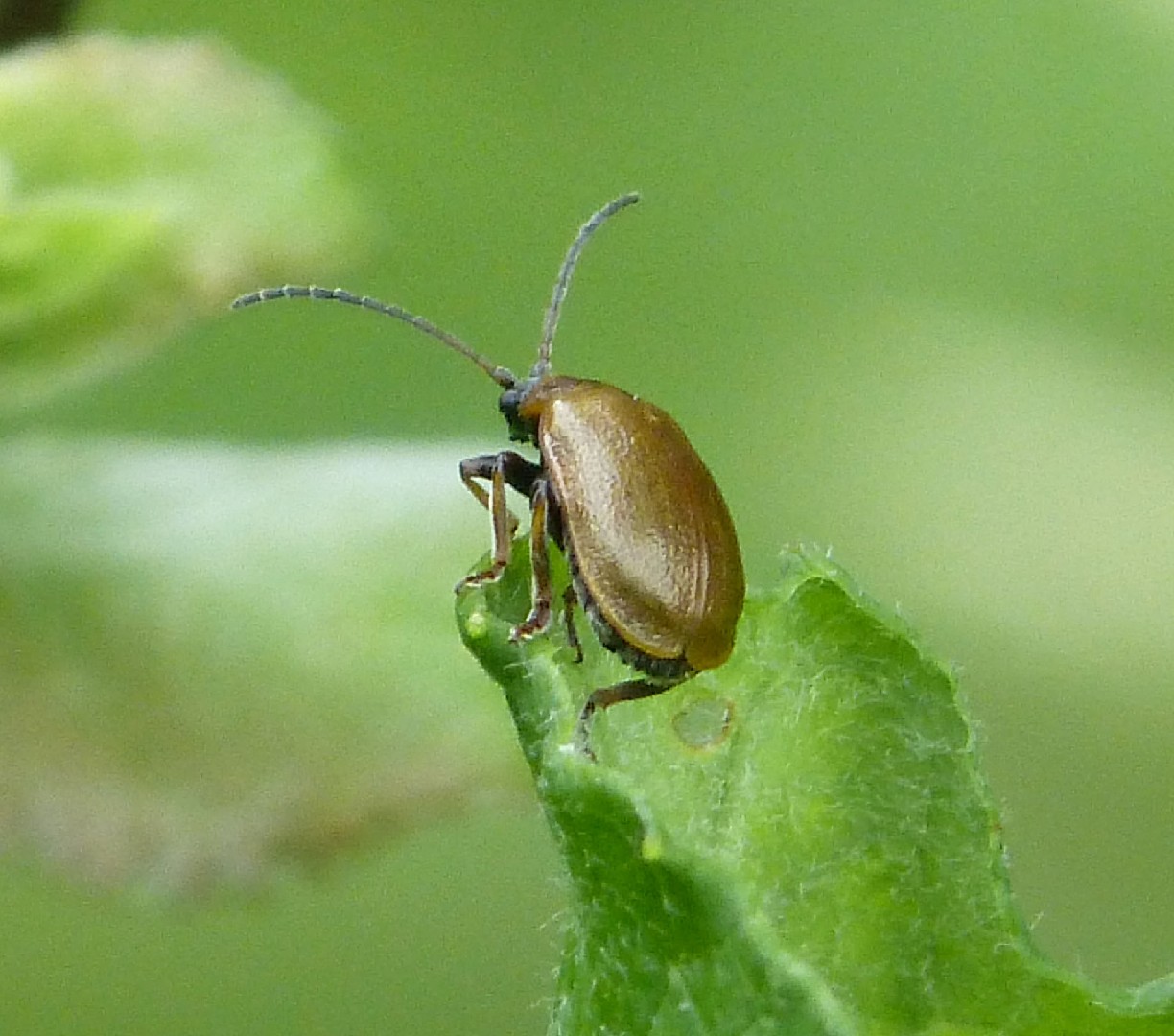
3. Willow leaf beetle
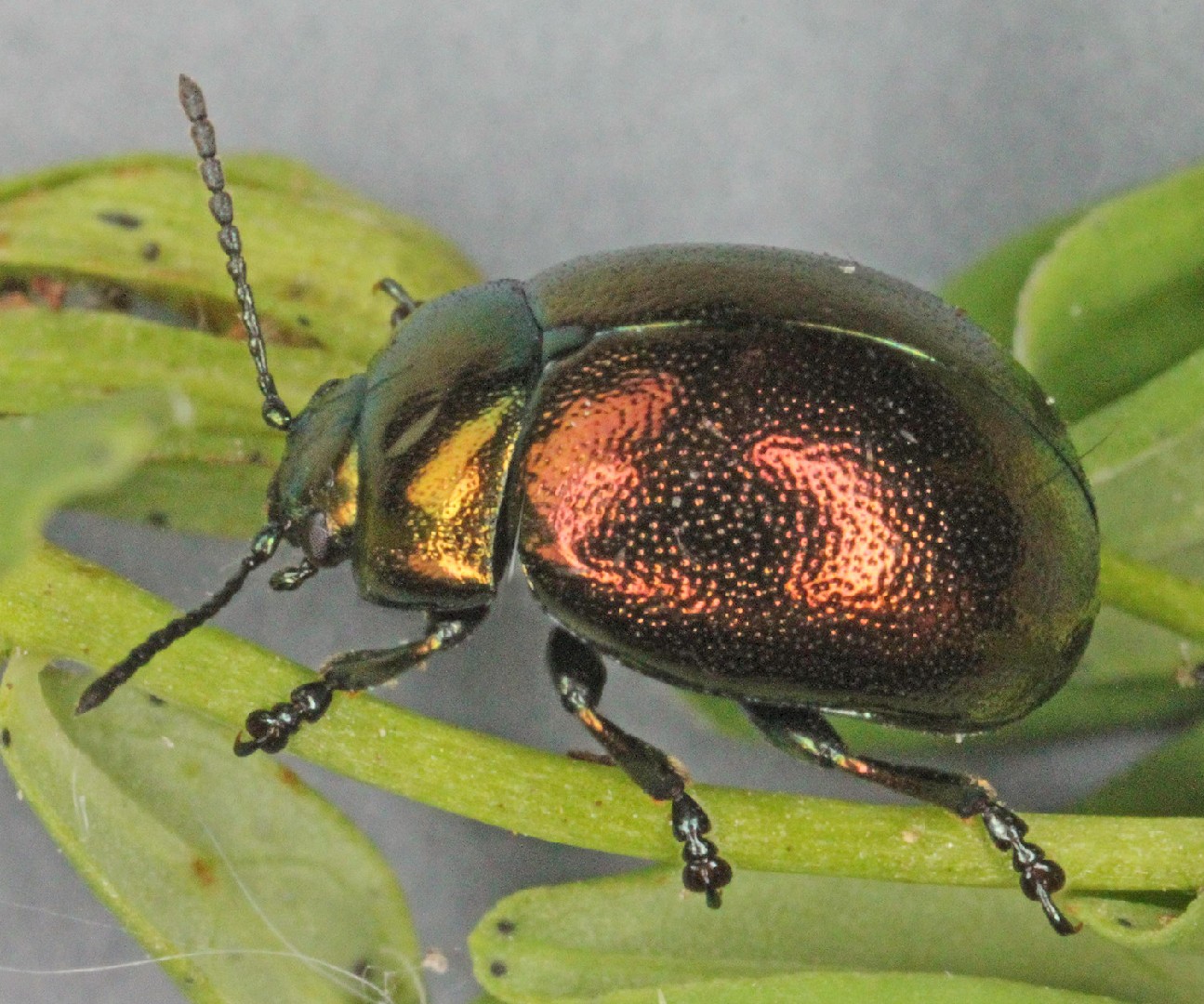
Lochmaea caprea is a species of leaf beetle native to Europe.
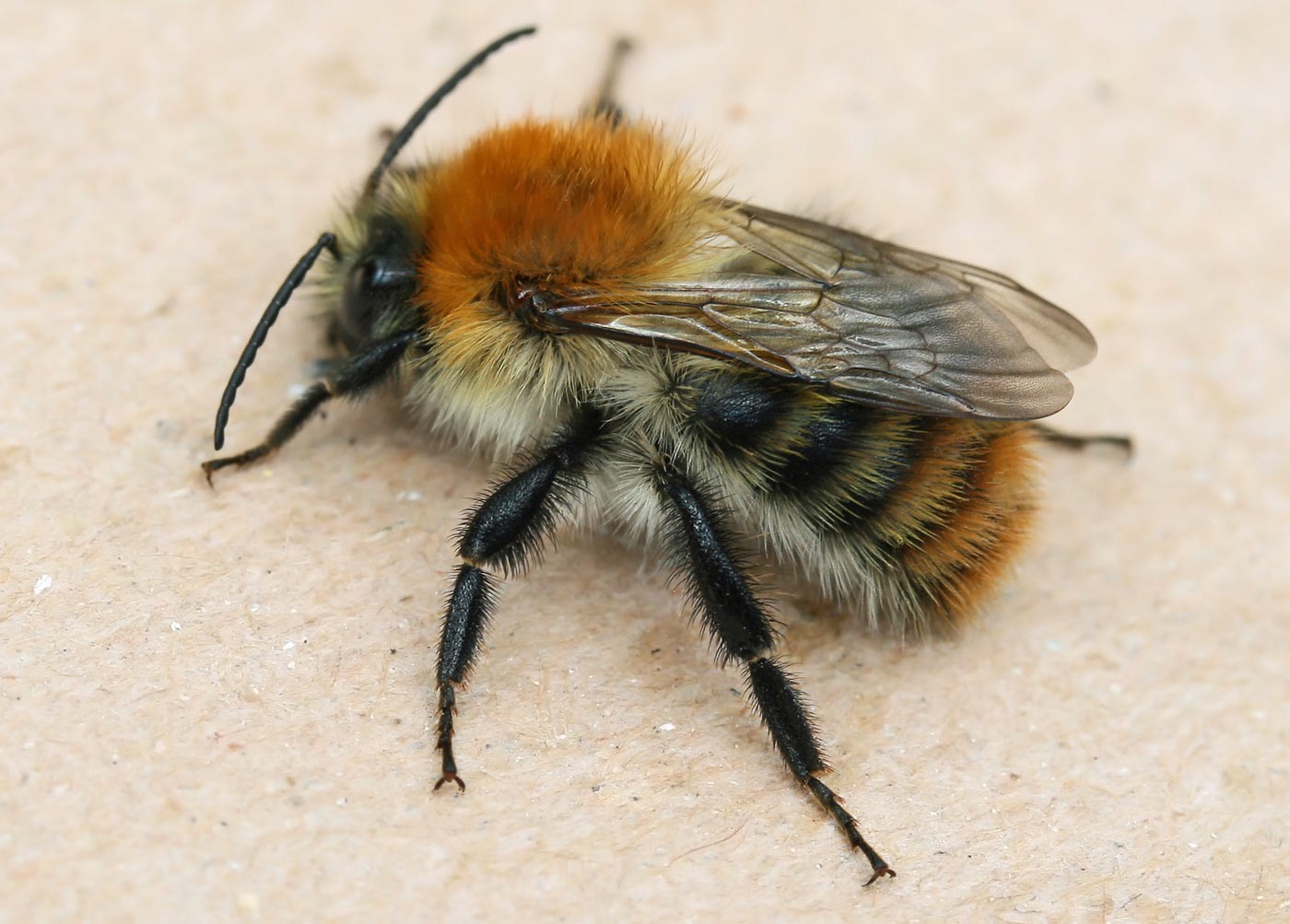
4. Common carder bee
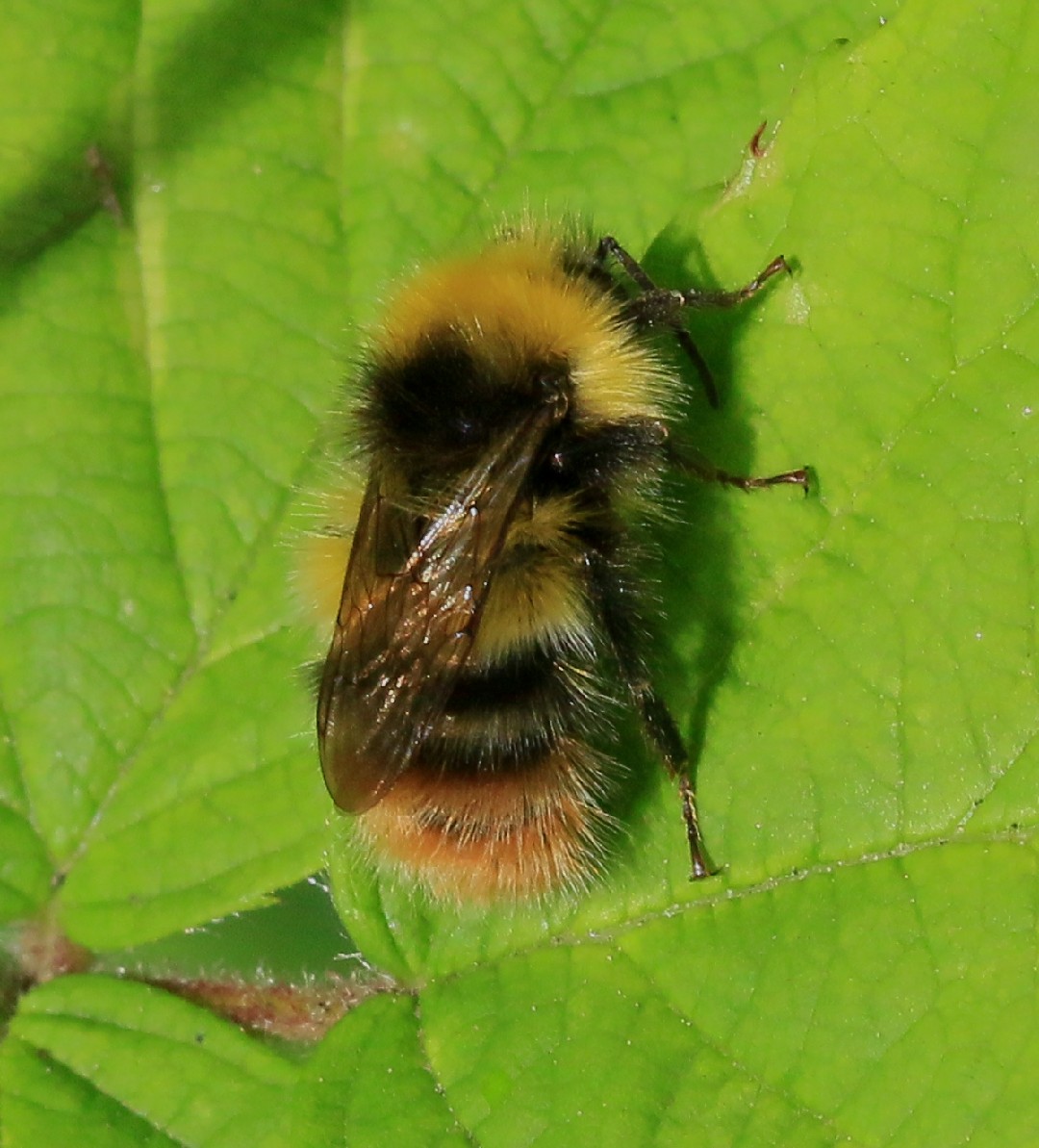
The common carder bee (Bombus pascuorum) earns this name from its ability to be found almost anywhere. It isn't picky and can set up shop in a ditch or a meadow. During this time, it collects moss and combines it with wax to form their nests. They reach more than 100 individuals until they rapidly die off. Dramatically, the last surviving females and males leave the nest for greener pastures.
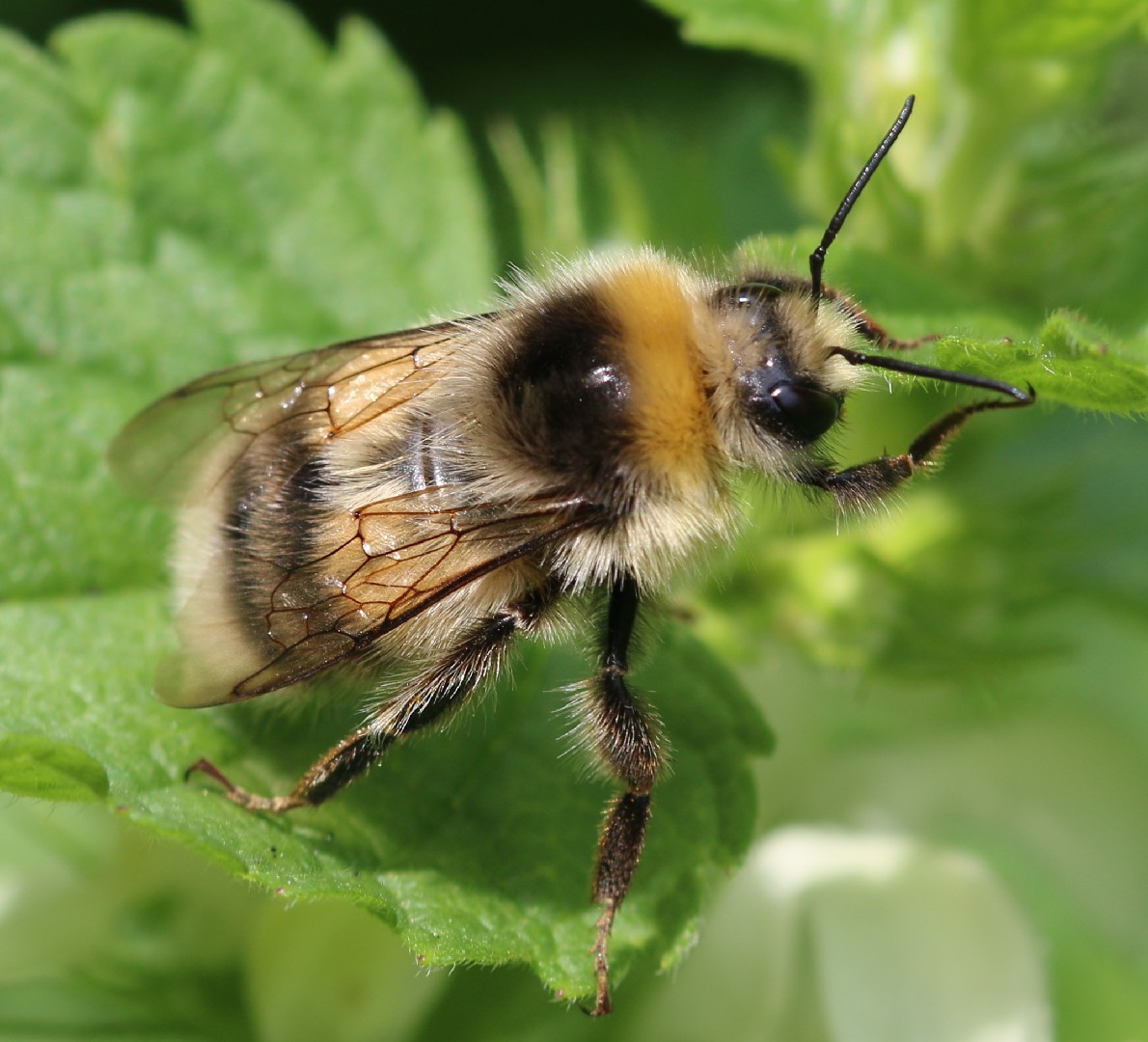
5. White-tailed bumble bee
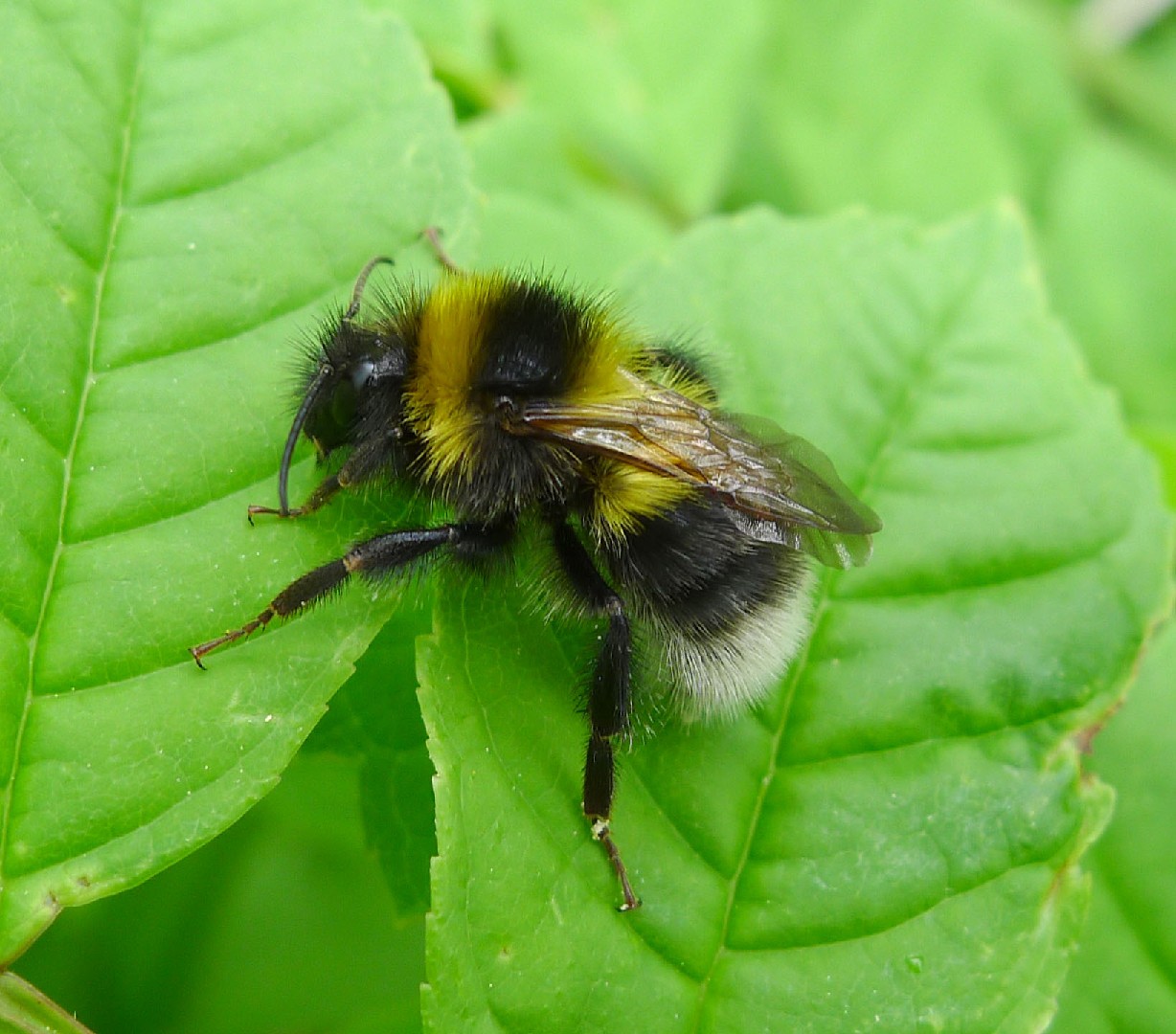
The pale yellow bumblebee or bumblebee (Bombus lucorum) is a bumblebee living near the ground, which is widespread in Germany in open spots with few shadows. It has its ecological significance above all as a pollinating insect of many plants, many of which depend on the earth bumblebees as pollinators.
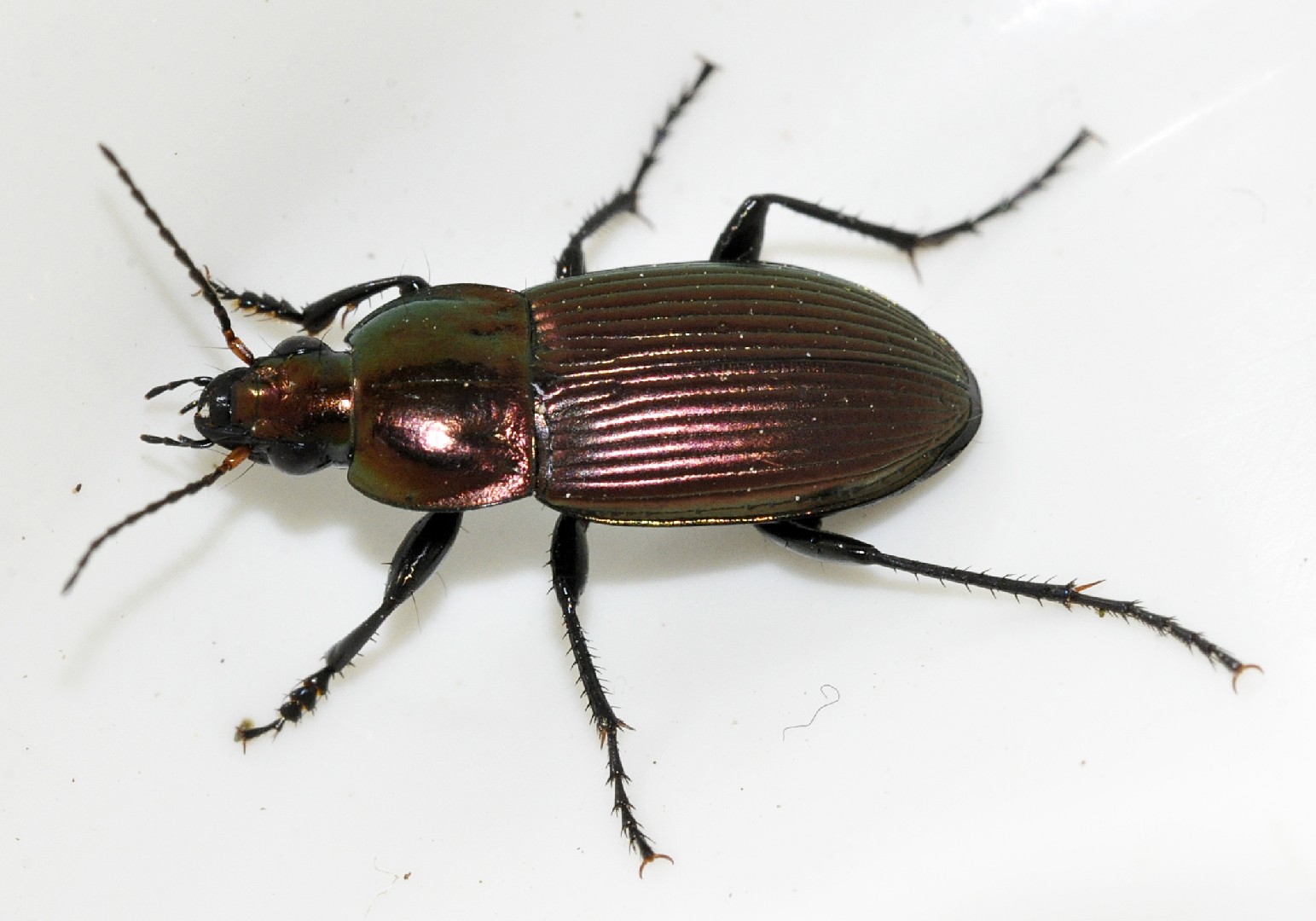
6. Rainbow greenclock
Poecilus versicolor is a species of ground beetle native to the Palearctic (including Europe). In Europe, it is found in Albania, Austria, Belarus, Belgium, Bosnia and Herzegovina, Bulgaria, Corsica, Croatia, the Czech Republic, mainland Denmark, Estonia, Finland, mainland France, Germany, Great Britain including the Isle of Man, Hungary, the Republic of Ireland, mainland Italy, Kaliningrad, Latvia, Liechtenstein, Lithuania, Luxembourg, Moldova, Northern Ireland, North Macedonia, mainland Norway, Poland, mainland Portugal, Romania, Russia, Slovakia, Slovenia, mainland Spain, Sweden, Switzerland, the Netherlands, Ukraine and Yugoslavia.
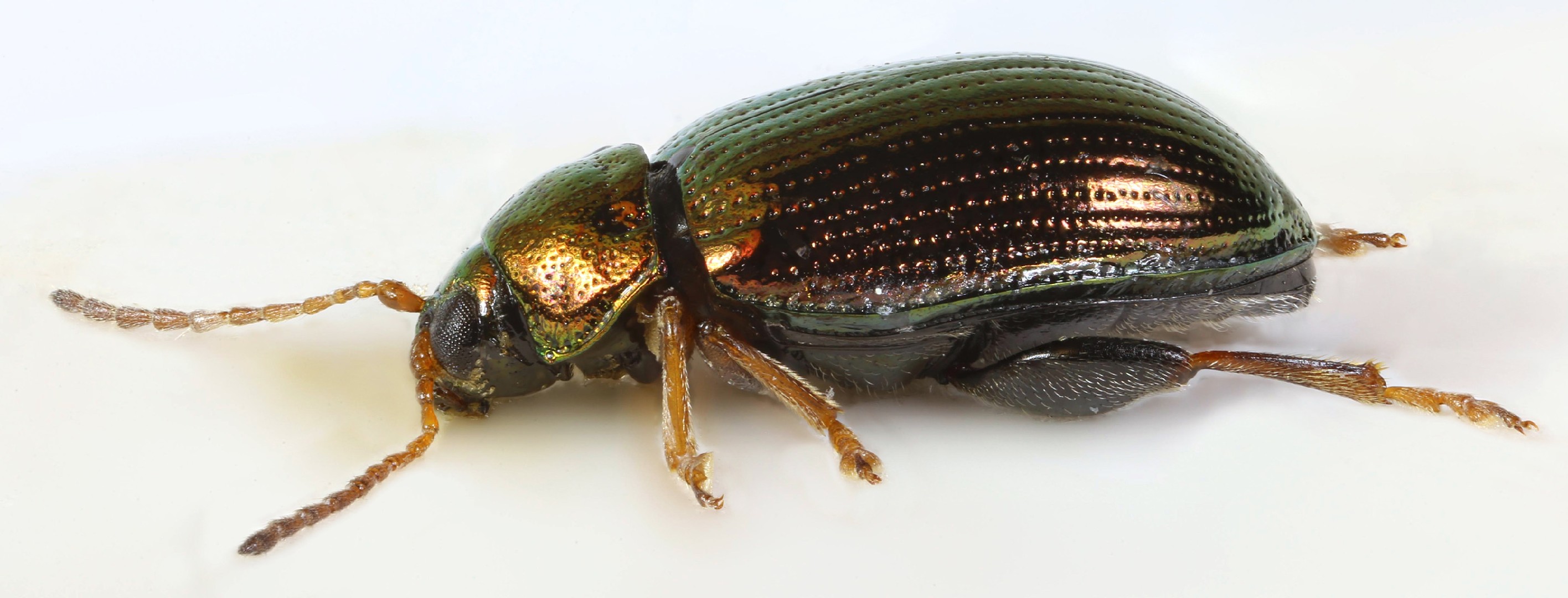
7. Crepidodera aurea
Crepidodera aurea is a species of flea beetles from Chrysomelidae family that can be found in everywhere in Europe, except for Albania, Andorra, Finland, Ireland, Latvia, Moldova, Monaco, Norway, San Marino, Sweden, Vatican City, and various European islands.
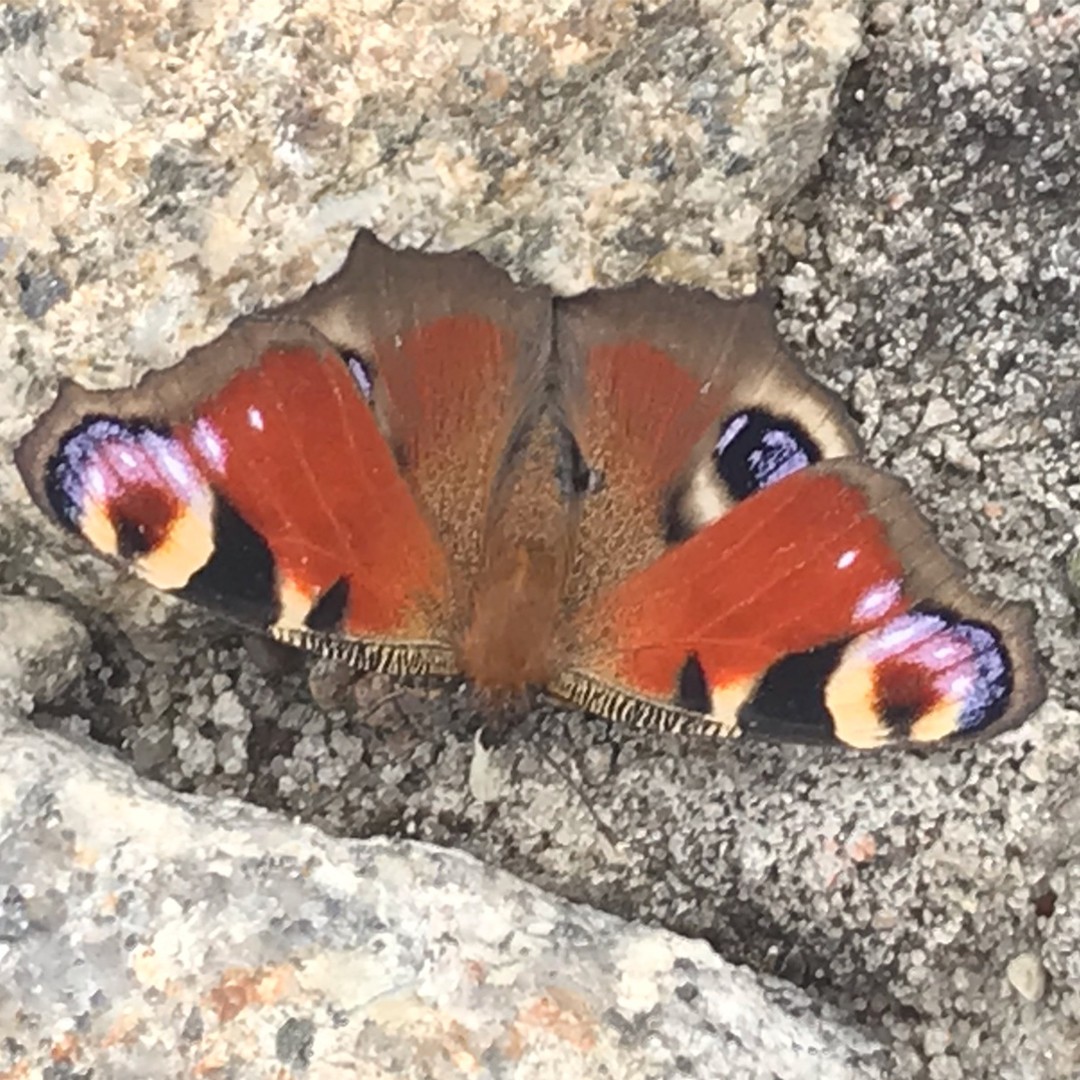
8. European peacock
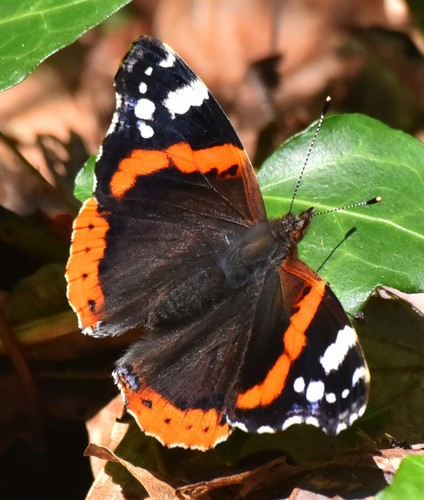
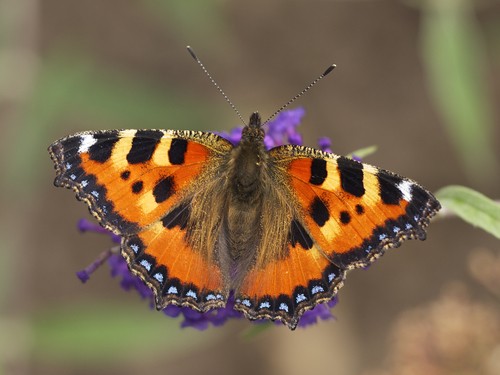
European peacock (Aglais io) is a colorful butterfly that resides in temperate Asia and Europe – hence its common name. Its prominent eyespots deter would-be predators, who mistake them for the eyes of a bigger, more dangerous species. In recent years, this species appears to be expanding its range into previously uncolonized territory.
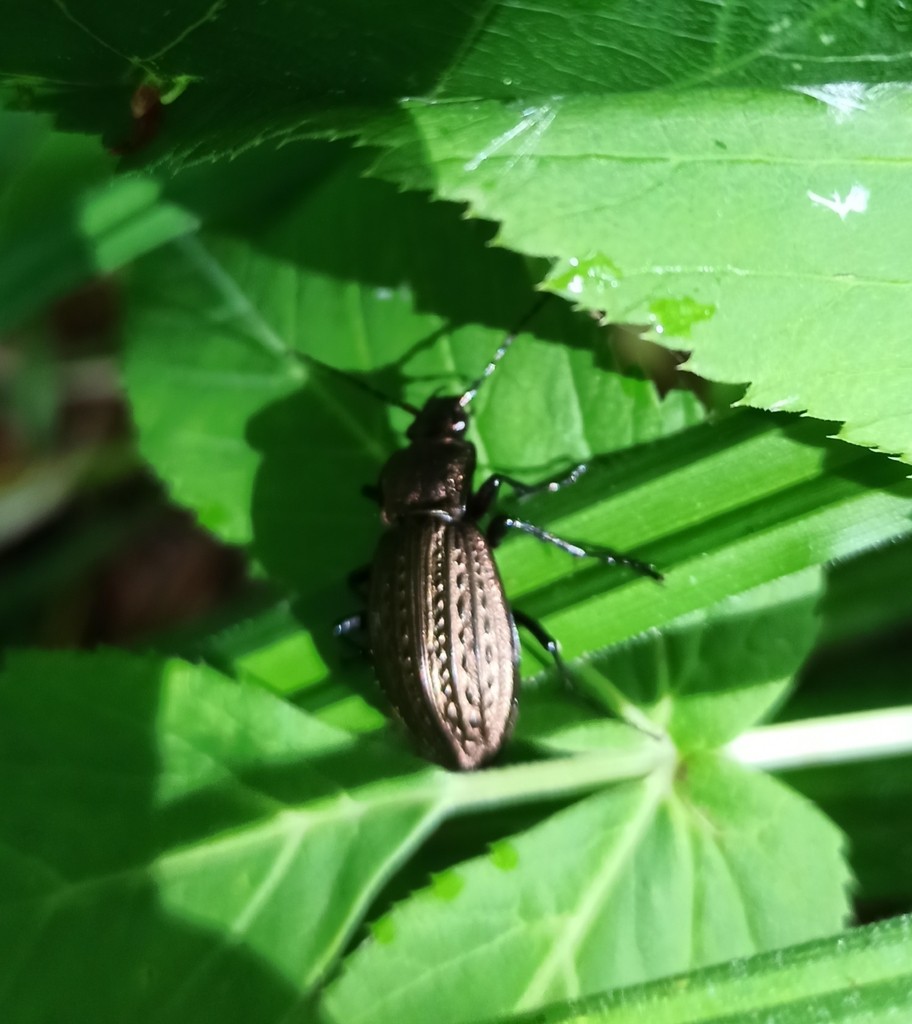
9. Granulated Carabid
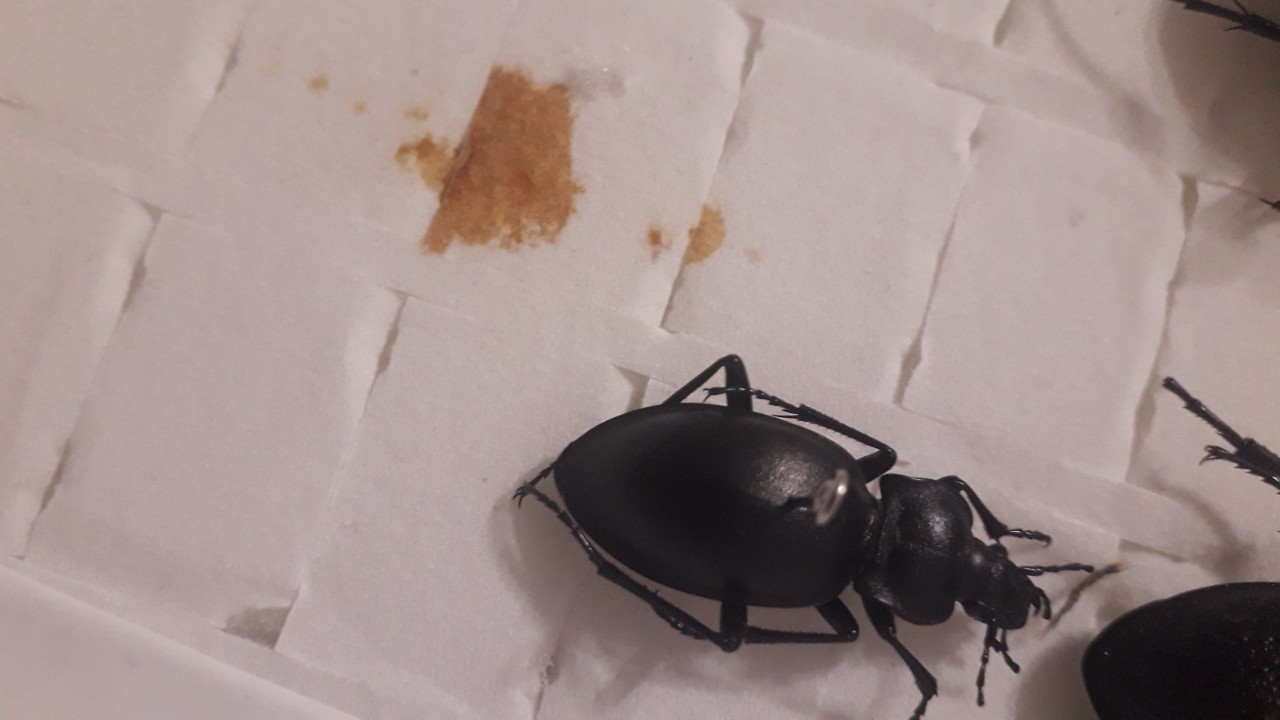
It is a small Carabus (length between 14 and 20 mm), winged and characterized by an elongated body which is not very convex and an enlarged thorax. The antennae and the legs are black, the upper part of the animal shiny, predominantly greenish bronze, green or occasionally black. The elytra are subparallel with "chain link" (longitudinal grooves with granules).
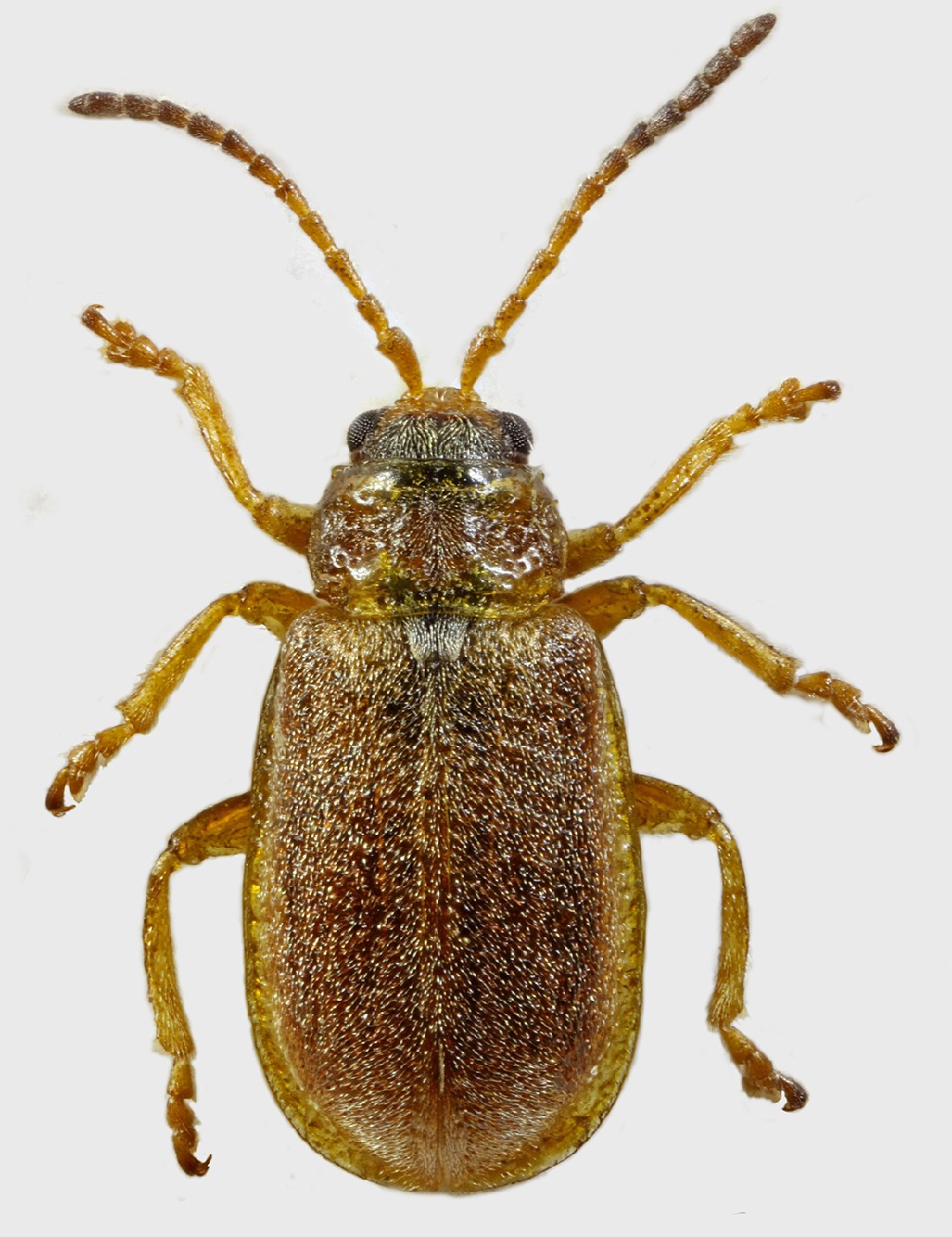
10. Galerucella tenella
More