




Top 18 Most Common Insects in Yakutsk
Insects, with their distinctive features and habitats, contribute significantly to Yakutsk's rich biodiversity. The various geographical facets of Yakutsk host a multitude of insects, creating a dynamic ecosystem. These tiny creatures play pivotal roles as both pests and beneficial aids, whilst reflecting the unique relationship with their surroundings. So, let's delve into our list of 18 most common insects in Yakutsk, celebrating nature's unnoticed, yet indispensable engineers.

Most Common Insects
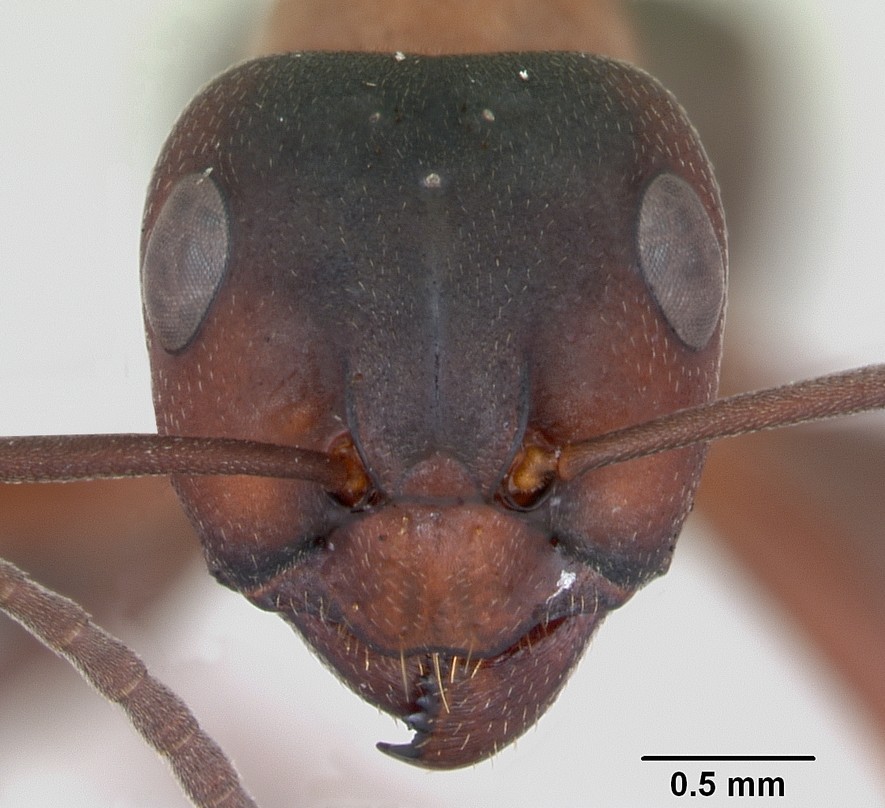
1. Slaver ant
Formica sanguinea, or blood-red ant, is a species of facultative slave-maker ant in the genus Formica characterized by the ability to secrete formic acid. It ranges from Central and Northern Europe through Russia to Japan, China, the Korean Peninsula, Africa and also the United States. This species is coloured red and black with workers up to 7 mm long. A colony of F. sanguinea can live either as a free colony or as a social parasite of Formica species, most commonly Formica fusca, Formica japonica, Formica hayashi and Formica rufibarbis. 
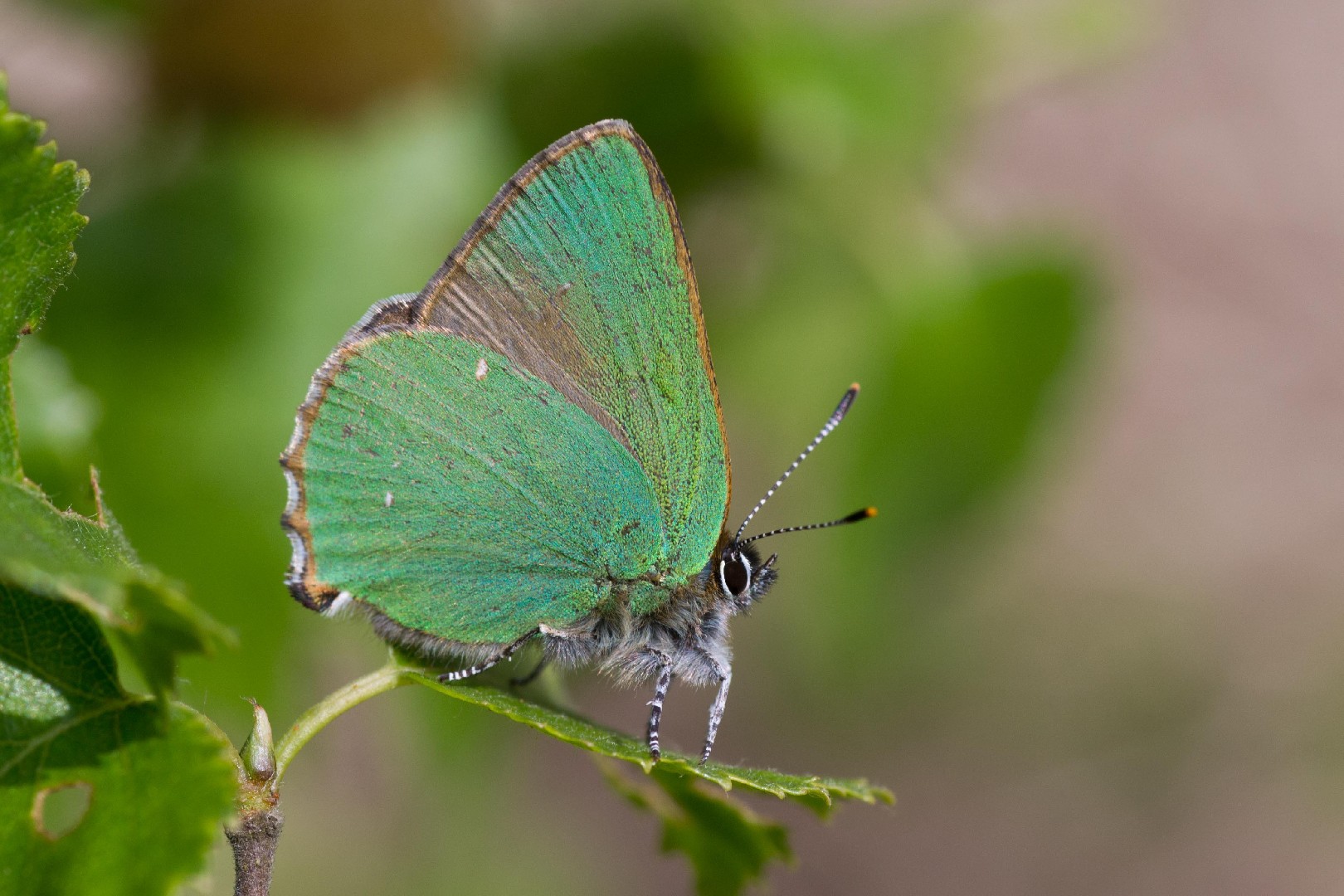
2. Green hairstreak
Callophrys rubi has a wingspan reaching about 1.0–1.2 in in length. The oversides of the wings are a uniform dull brown, with two paler patches on the male's forewings made up of scent scales. The undersides are a bright green with a thin white line, often reduced to a faint row of dots or even missing altogether. The iridescent green colour of the undersides is a structural colour caused by diffraction and interference of light by microscopic repeating structures forming a diffraction grating in the wing scales. The caterpillars are green with yellow markings along the back.
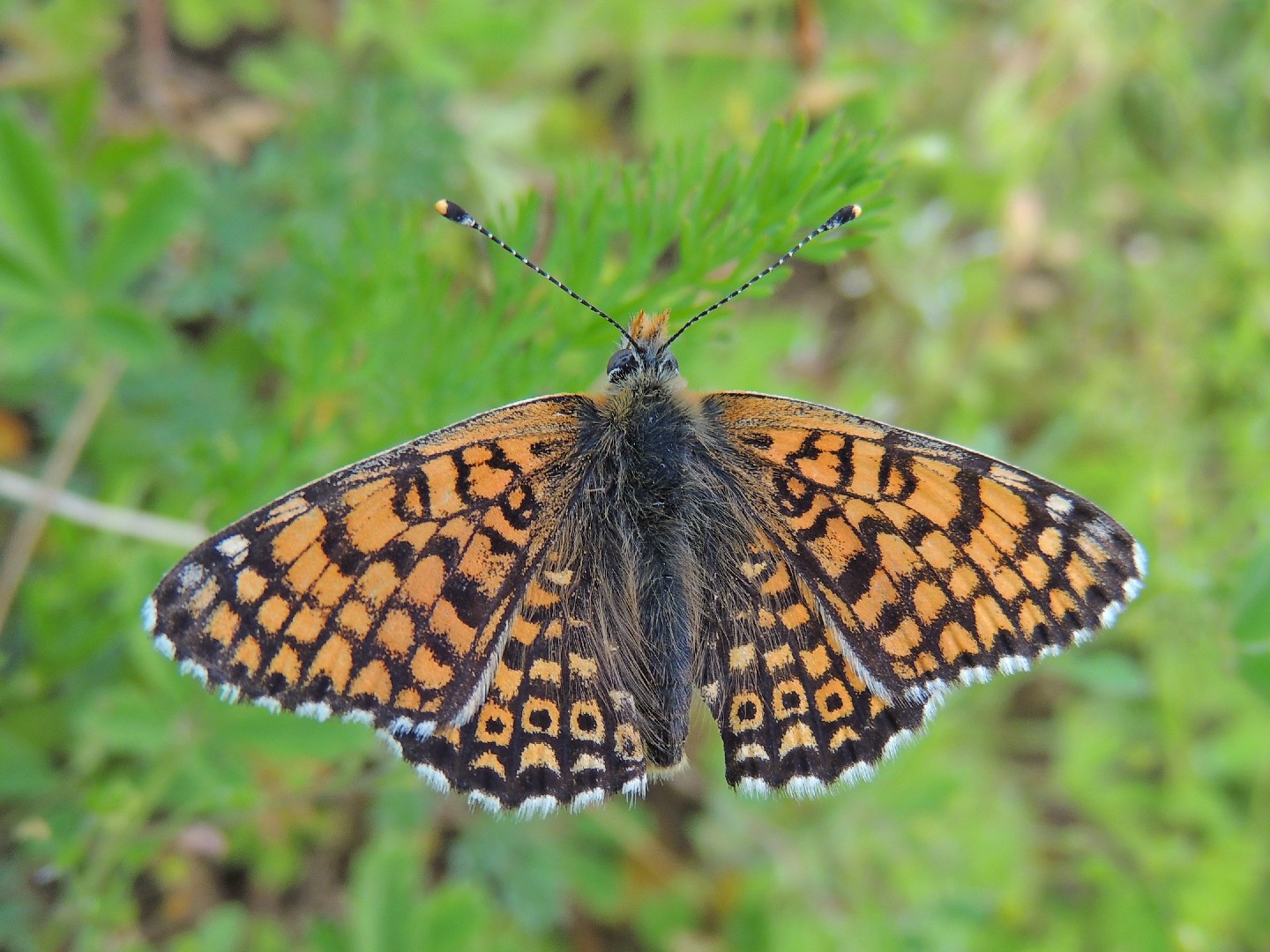
3. Glanville fritillary
Melitaea cinxia has a wingspan of about 1.3–1.6 in. These medium-sized butterflies have orange, black and white "checkerspot" forewings. On the upperside of the hindwings they have a row of black dots. The hindwings have white and orange bands and a series of black dots inside them, also clearly visible on the reverse. Females are usually more dull than males with more developed black dots. Caterpillars are about 25 mm long with a reddish-brown head and a spiny black body with small white dots.
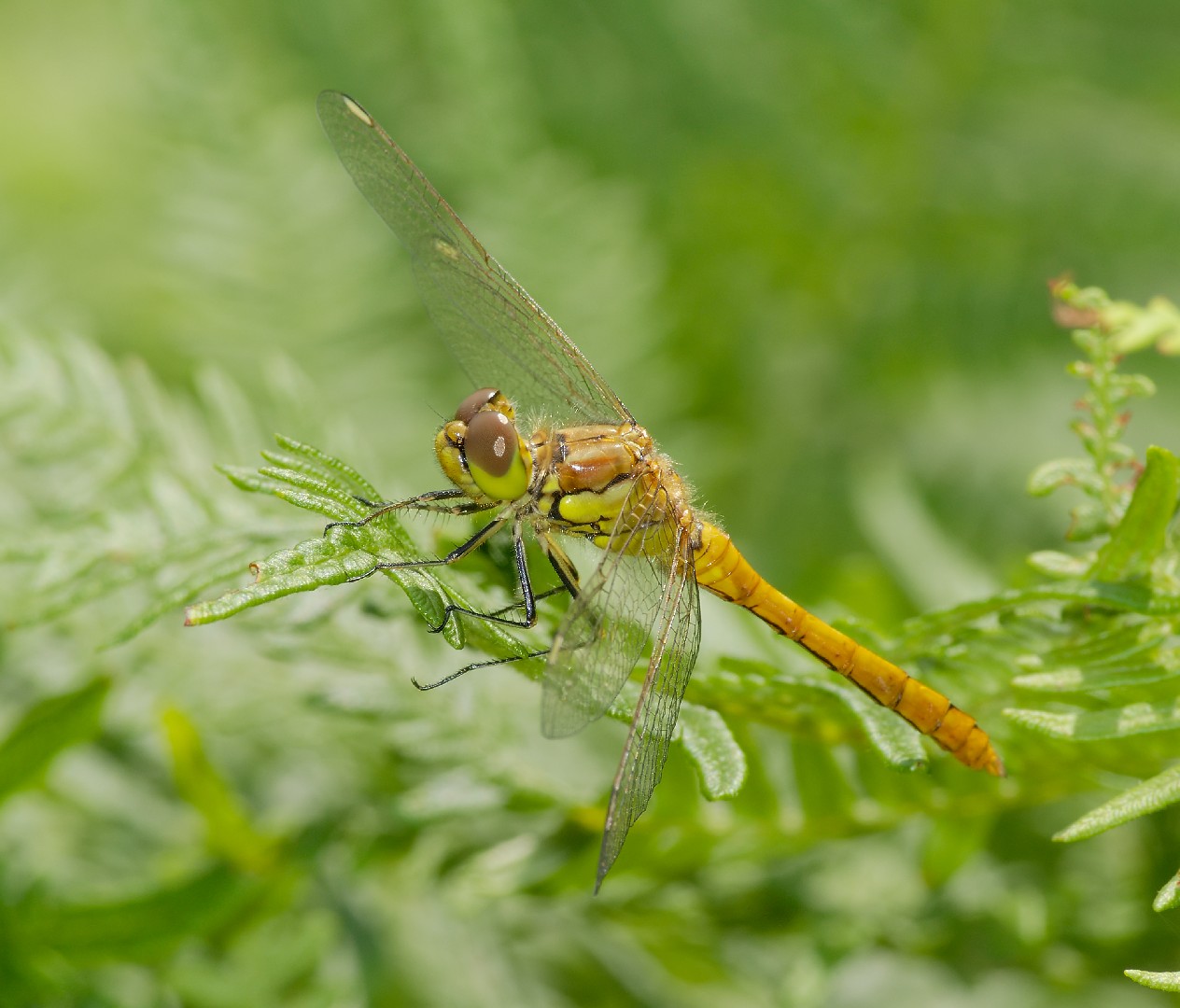
4. Vagrant darter
The Common Darter (Sympetrum vulgatum) is a species of dragonfly in the family of the leaflets (Libellulidae). These are a family of the great dragonfly (Anisoptera). It is a medium-sized dragonfly with a wingspan of 5 to a maximum of 6.5 centimeters.
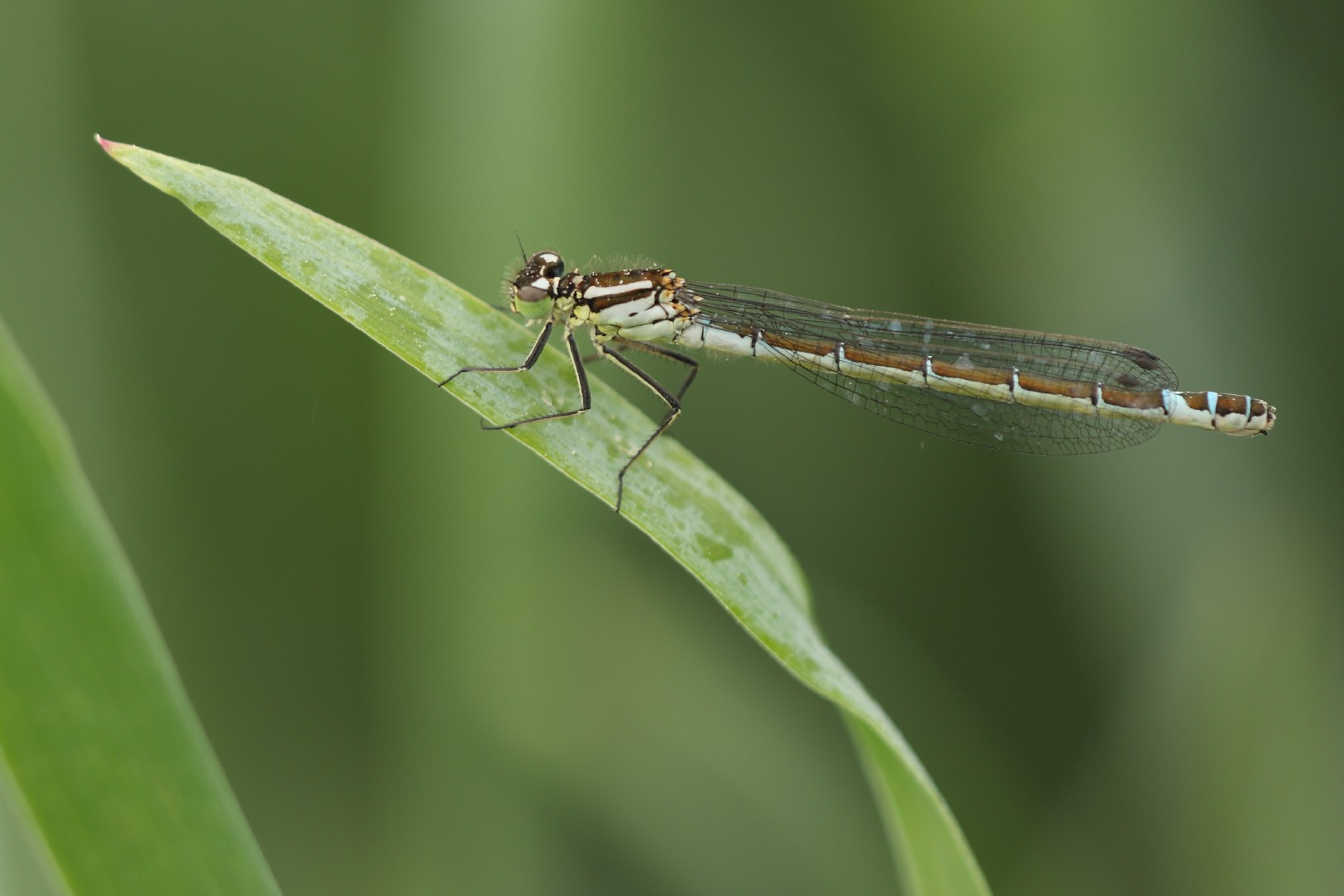
5. Irish damselfly
The Irish damselfly or crescent bluet (Coenagrion lunulatum) is a damselfly found in northern Europe and Asia to north-eastern China;. It is common and widespread in northern Finland, scarce and local in the Netherlands and Ireland and rare elsewhere. One of its English name comes from the fact that it is found in Ireland but not in Britain. The alternative name, crescent bluet, refers to the shape of the markings on segment two of the male and its scientific name.
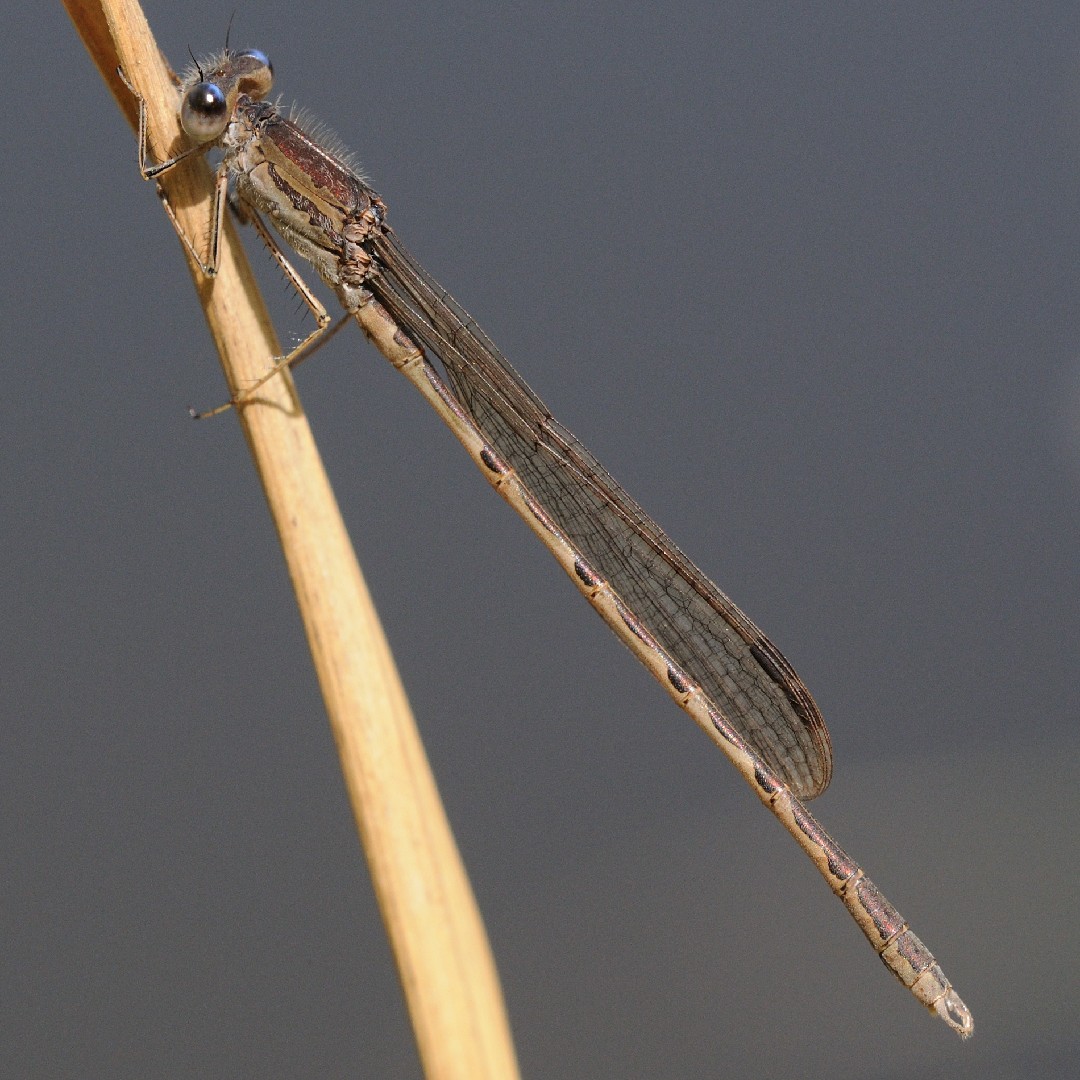
6. Siberian winter damsel
Sympecma paedisca, known generally as siberian winterdamsel, is a species of spreadwing in the damselfly family Lestidae. Other common names include the Leste enfant, Siberian Winter Damsel, feal winterhynderke, and noordse winterjuffer. It is found in Europe. The IUCN conservation status of Sympecma paedisca is "LC", least concern, with no immediate threat to the species' survival. The IUCN status was reviewed in 2014.
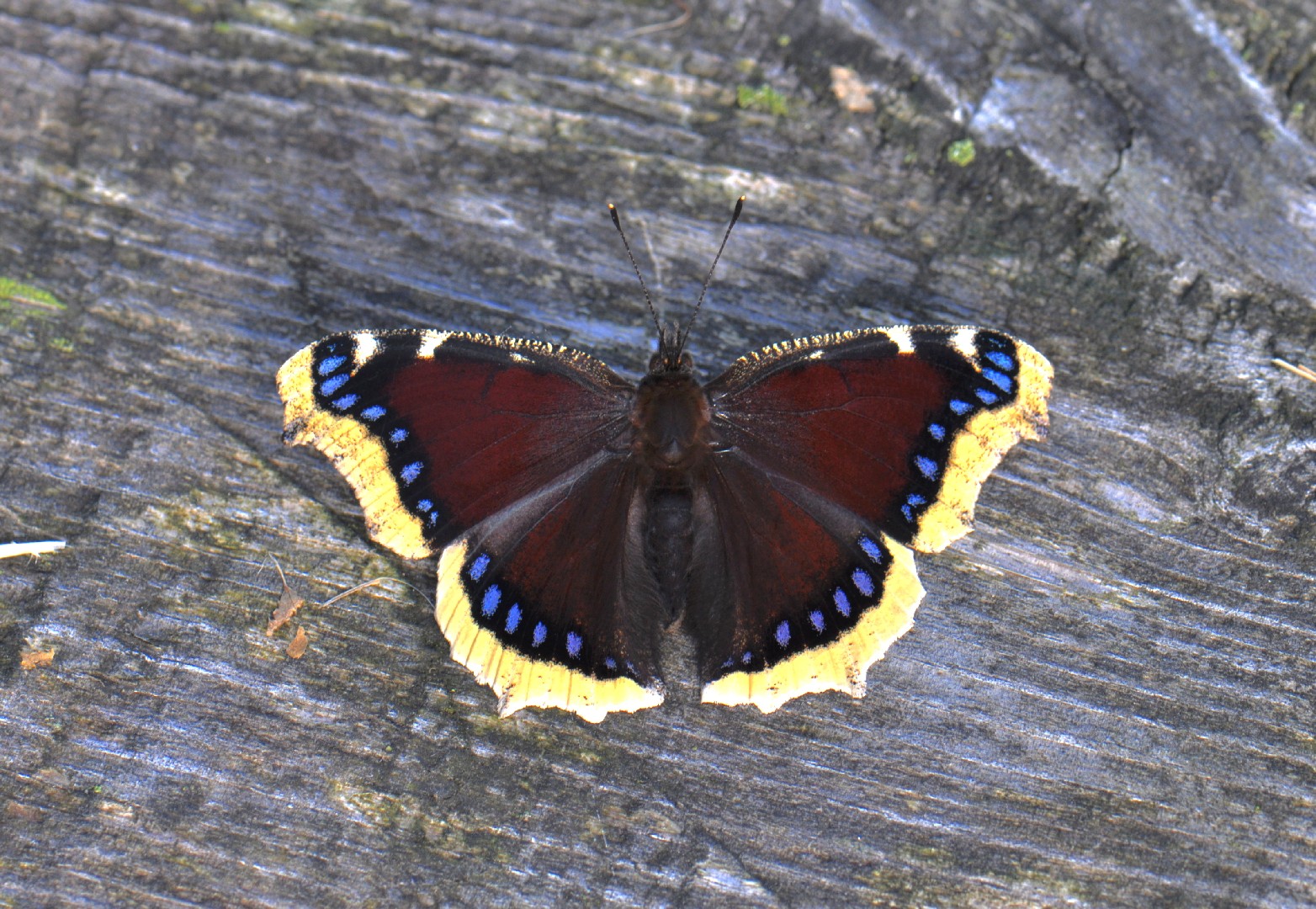
7. Mourning cloak
The state insect of Montana, mourning cloak (Nymphalis antiopa) owes its name to a visual comparison with a girl who, disliking mourning, allows a few inches of color to show from under her mourning garb. Among the longest-lived butterflies, individuals may persist for as long as eleven to twelve months. It is a powerful flier, with vagrants often found many miles from the usual migration paths.
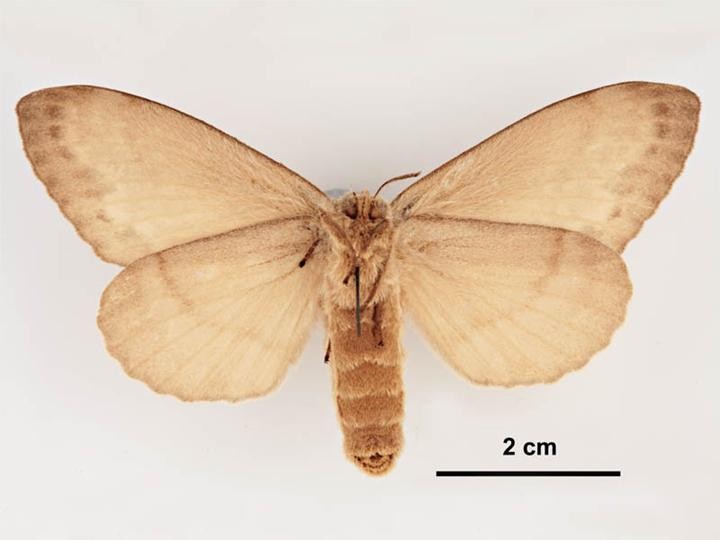
8. Japanese hemlock caterpillar
The wingspan is 60–102 mm. The colour ranges from light yellowish brown or light grey to dark brown or almost black. The forewings are crossed by two dark stripes and there is a white spot situated at the centre of the forewing.
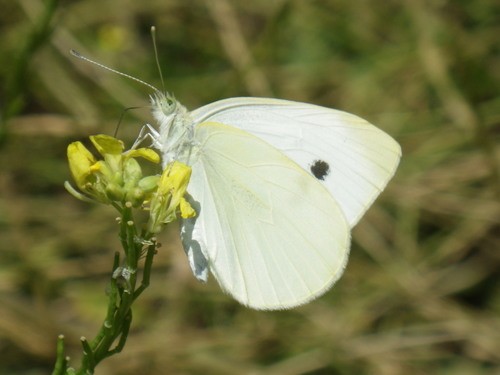
9. Cabbage white
Cabbage white (Pieris rapae) derives its common name from its habits as a caterpillar, which is a ferocious pest for cabbage, kale and broccoli farmers. In North America, it is one of the first butterflies to emerge in spring, heralding the beginning of the season.
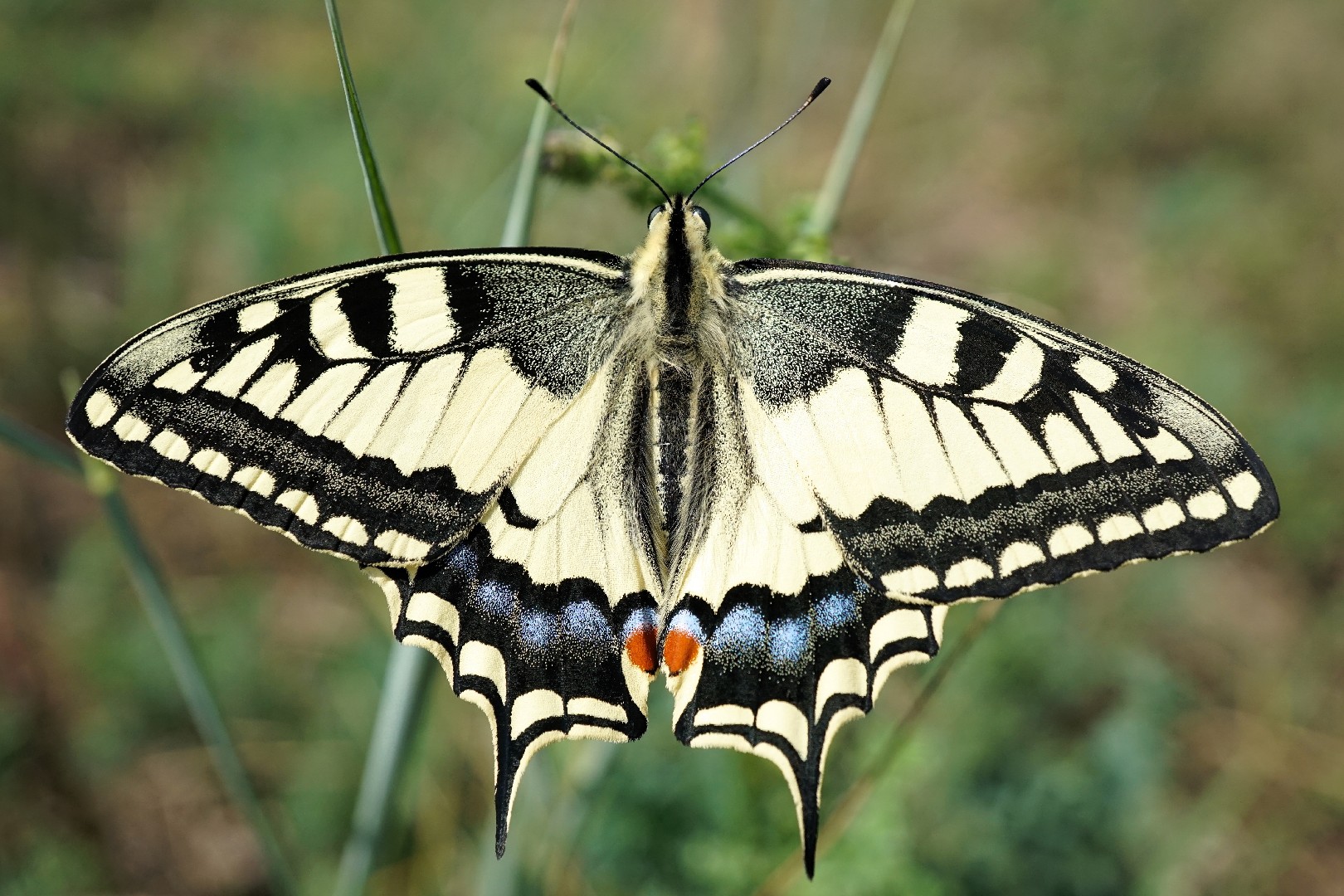
10. Old World swallowtail
The old World swallowtail (Papilio machaon) is commonly just called the "swallowtail," giving it the added title of "old world" to distinguish it and remind us that it comes from the "old world" (Asia, Africa, Europe). The upper side of them is a beautiful combination of pure white with black striping, the underside being a brownish version of the same thing. There is blue and two red dots on its back side.

More







