




Top 20 Most Common Insects in Ishim
Welcome to the fascinating world of insects in Ishim, a region of incredible insect diversity. These ubiquitous creatures, with their diverse shapes, sizes and habitat preferences, play fundamental roles in our ecosystems, from being nature's cleanup crew to important pollinators. The diverse environments from Ishim's forests, wetlands, and grasslands, contribute significantly to the variety of both pest and beneficial insect species in the region. Dive in with us as we explore the top 20 most common insects in Ishim.

Most Common Insects
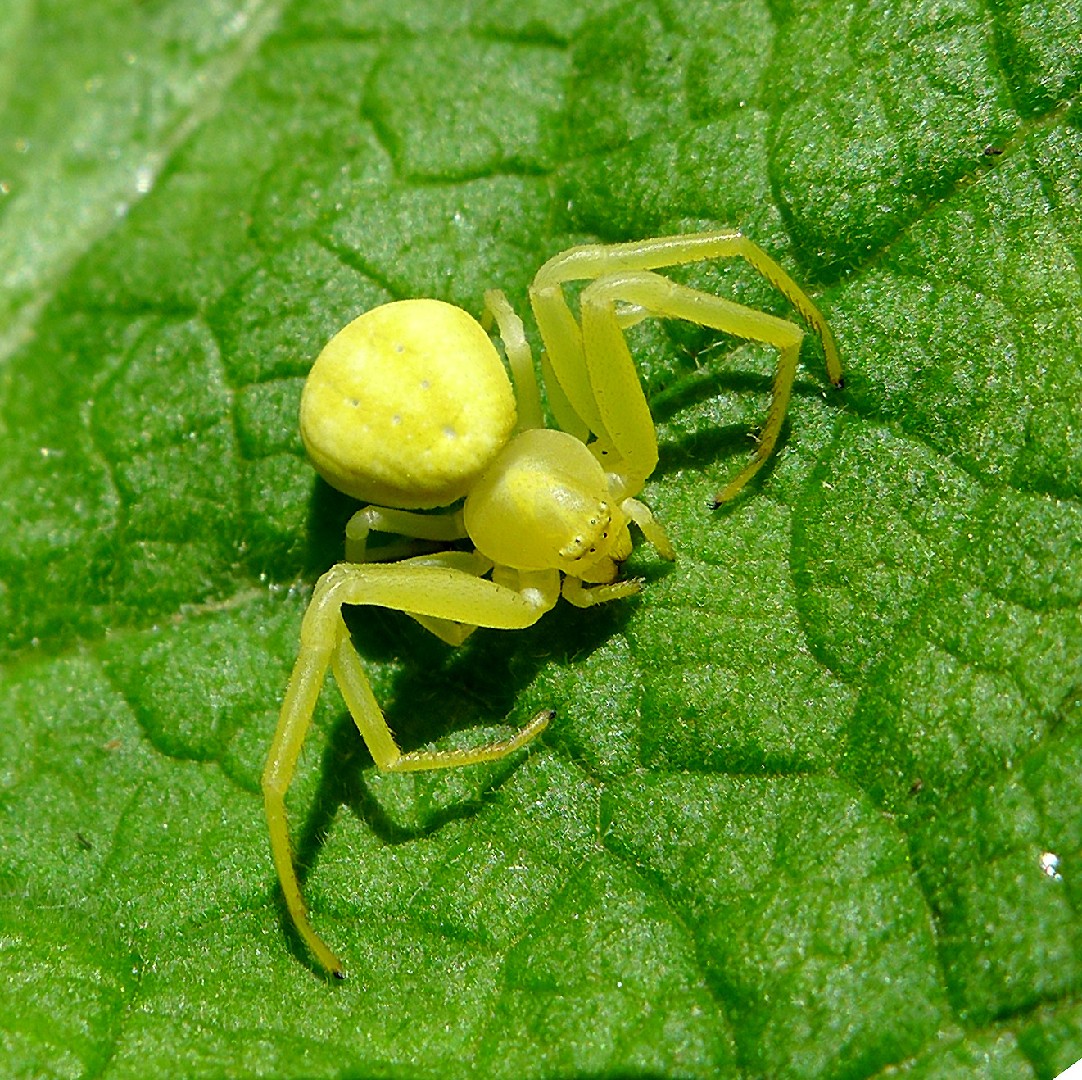
1. Goldenrod crab spider
Rather than for its coloring, goldenrod crab spider (Misumena vatia) is named for its tendency to hunt within sprays of goldenrod. This species is capable of catching and consuming prey several times larger than itself, such as dragonflies or grasshoppers. Loyal parents, the females will guard their eggs until they hatch and the tiny spiders disperse, after which the female will die.
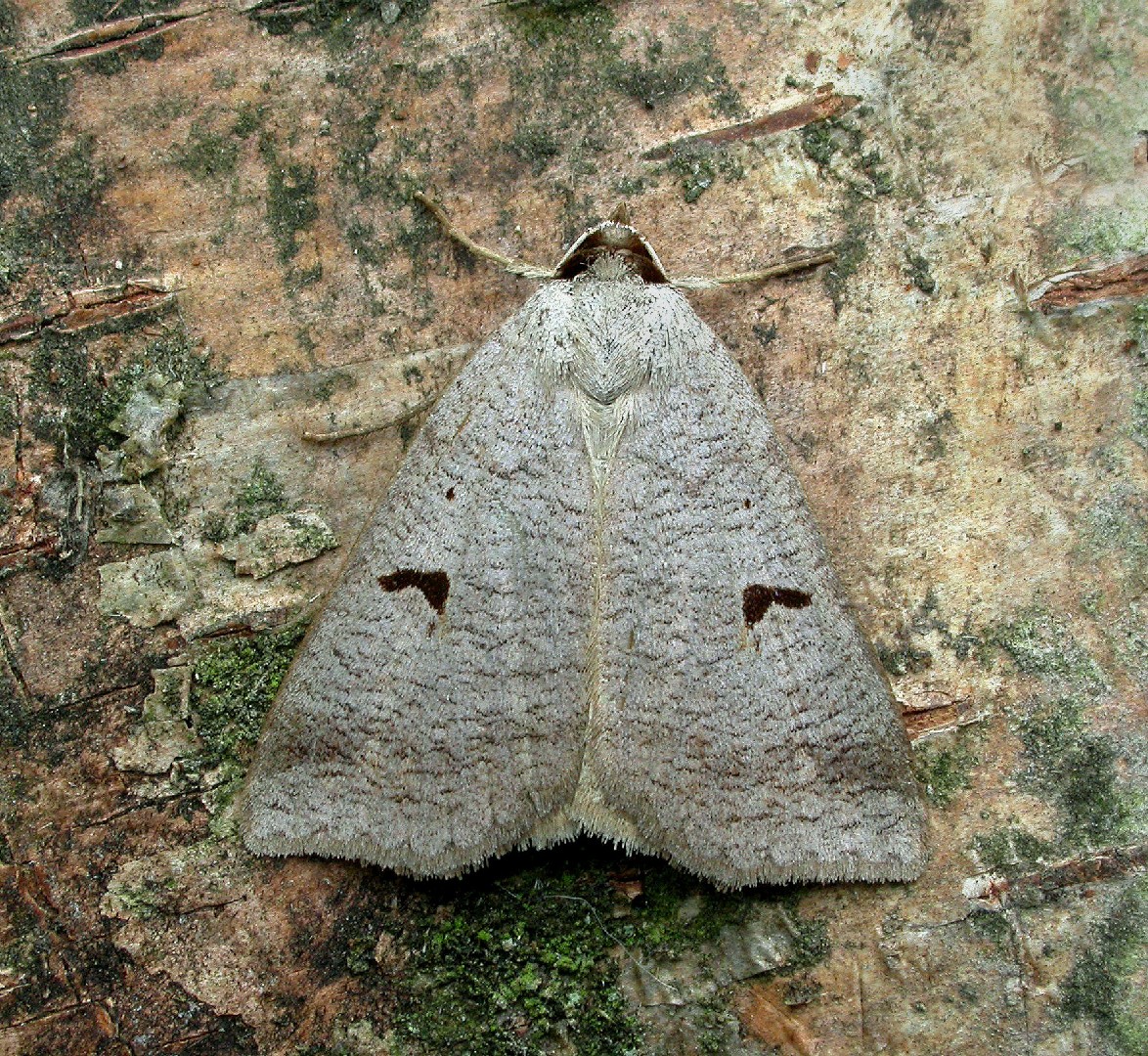
2. Blackneck
O. pastinum Tr. (= lusoria Hbn. nec L.) . Forewing pale luteous grey covered with dark vermiculations; the costa and terminal area brownish grey; inner line outwardly curved, greyish brown, often obscure; outer line dark edged with pale, outcurved above, indented on submedian fold, followed by a diffuse dark shade; the subterminal line hardly distinct; orbicular stigma a black dot; reniform a black lunule, its lower end produced outwards and followed by two black points; hindwing pale brownish grey, with an indistinct outer pale line; the form astragali Rmb., from Spain, is more densely covered with dark striae on the forewing, of which the terminal spots are hardly visible; on the other hand, dilutior Stgr., from the Kentei Mts., has paler, less marked, forewings; ab. decolor ab. nov. (68 f) is much paler and without any brown tinge: nearly a score of this form were taken in July and August 1901—1903 at Tarasp in the Engadine by Mr. Rothschild and Mr. Haktert; they may be identical with ab. dilutior Stgr. from Kentei. Larva pale yellowish grey, dotted with black, with a row of yellowr spots in the middle and a row of small yellow spots on each side of the back; laterally with a broad white grey-mottled black-dotted stripe above, and beneath an orange stripe dotted with white and edged below with yellow; also a black stripe above the feet.The wingspan is 37–42 mm. The length of the forewings is 18–21 mm. 
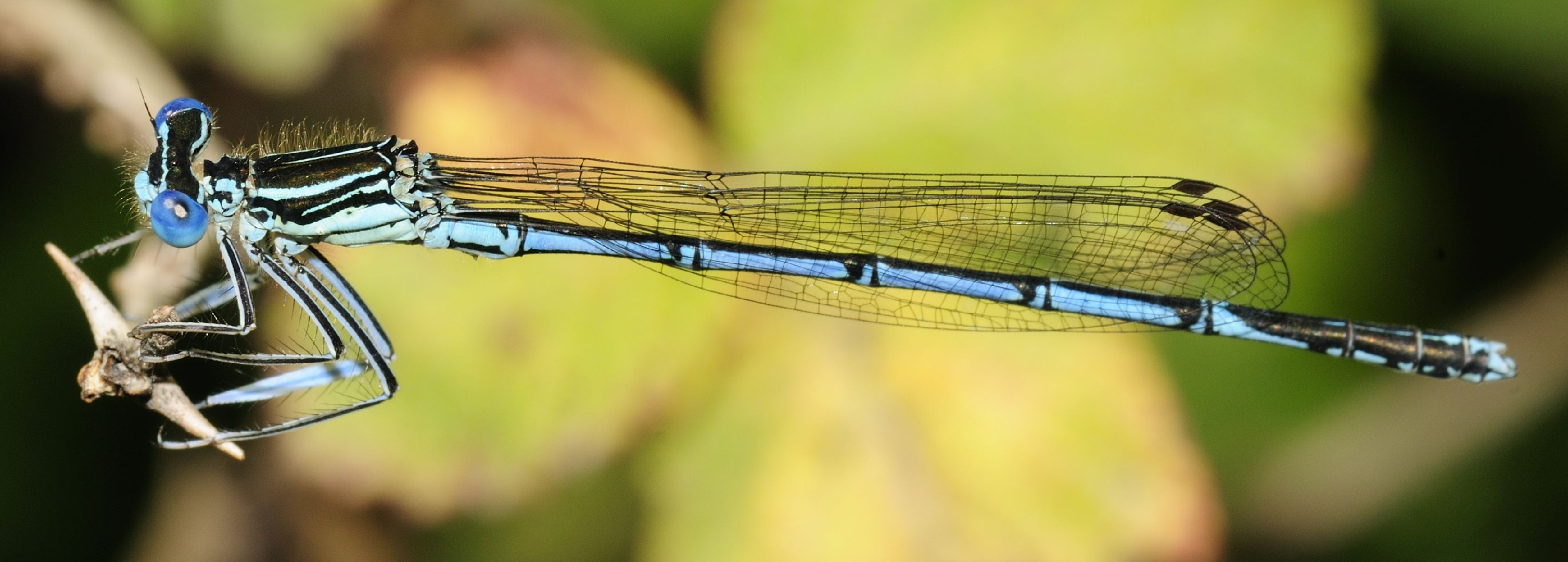
3. White-legged damselfly
The white-legged damselfly or blue featherleg (Platycnemis pennipes) is a damselfly of slow-flowing, muddy waters. It occurs from the Atlantic to Siberia and is often abundant throughout its range.
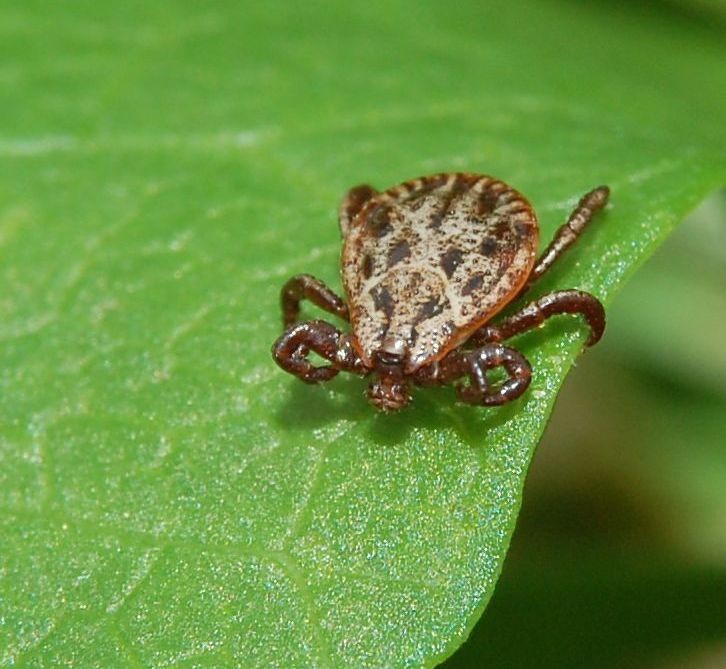
4. Ornate cow tick
Dermacentor reticulatus, also known as the ornate cow tick, ornate dog tick, meadow tick, and marsh tick, is a species of tick from the family Ixodidae. It is the type species for the genus Dermacentor. D. reticulatus is an ornate tick. The female varies in size from 3.8–4.2 mm (unfed) to 10 mm when engorged after feeding. The unfed male is 4.2–4.8 mm long. D. reticulatus is found in Europe and Western Asia, generally in wooded areas.
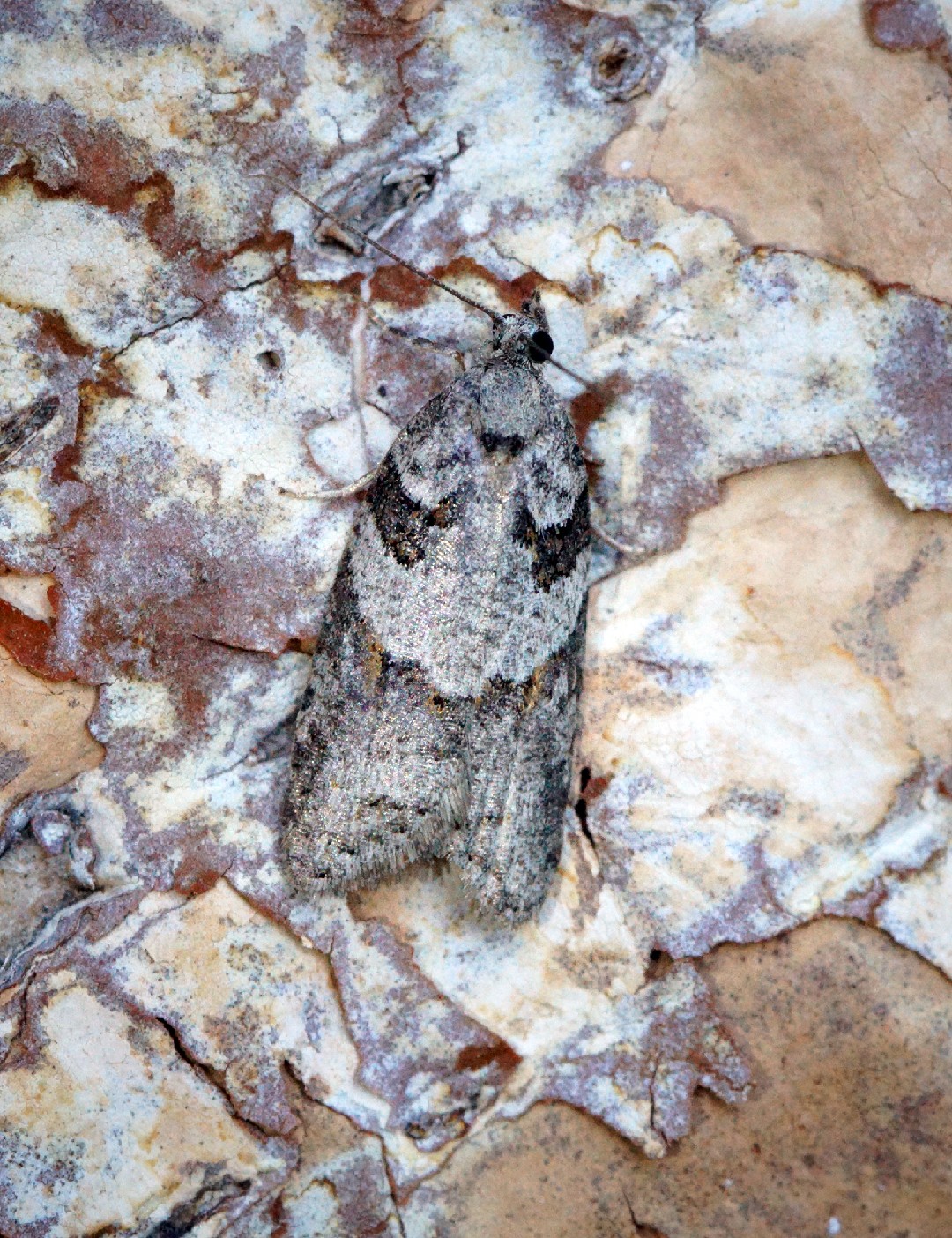
5. Bluebell shade
Eana incanana is a moth of the family Tortricidae. It is found in most of Europe (except Iceland, Ireland, Portugal and part of the Balkan Peninsula), east to the eastern Palearctic realm. The wingspan is 17–23 mm. Adults are on wing in July. The larvae feed on the flowers of Hyacinthoides non-scripta and Leucanthemum vulgare.
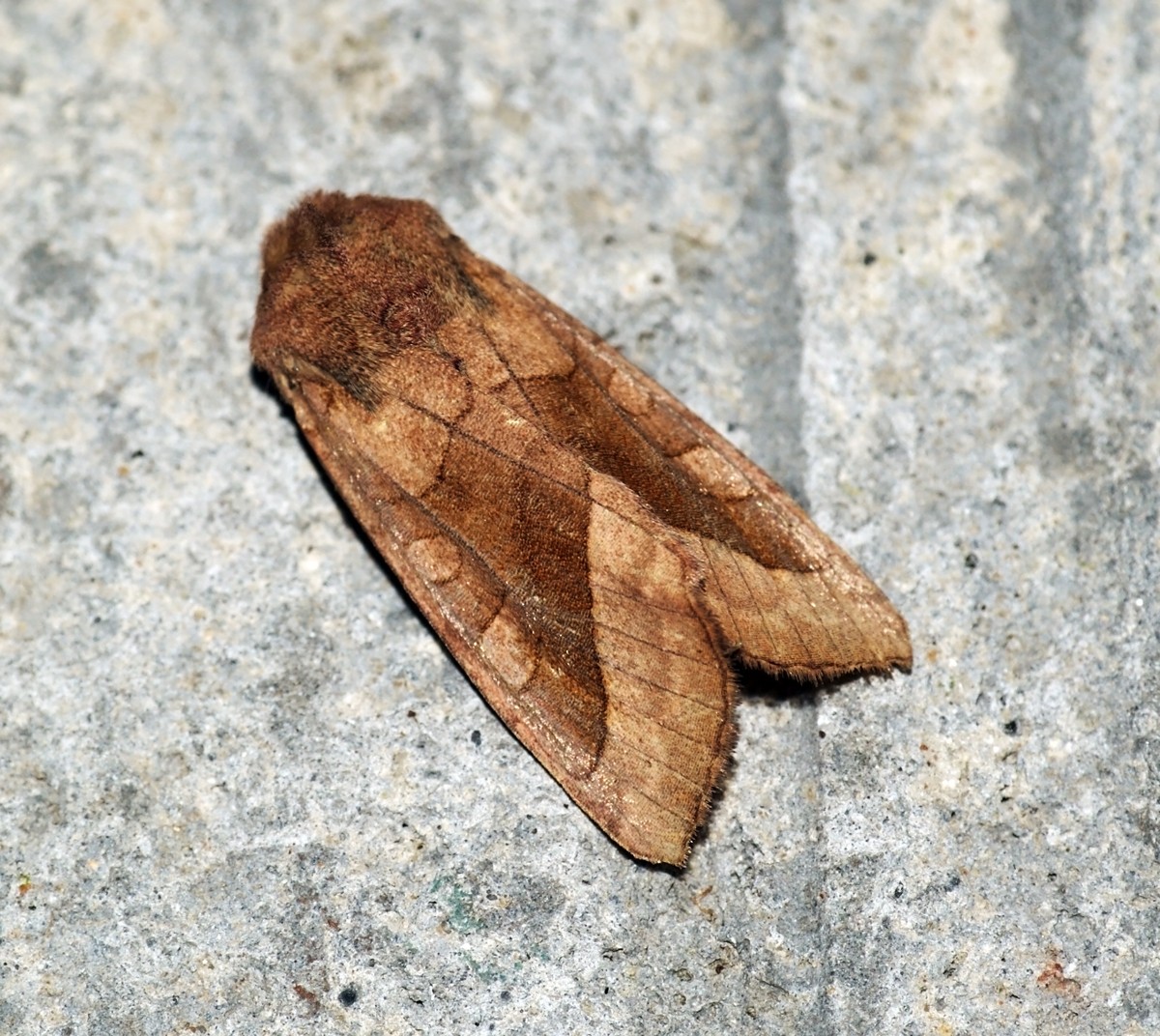
6. Rosy rustic
The Markeule (Hydraecia micacea), also called Uferstauden-Markeule or Ufersumpfhochstauden-Markeule or Hopfenmarkeule, is a butterfly (moth) from the family owl butterflies (Noctuidae). Basically, it is a complex of three very similar Central / Northern European species whose independence was only recognized in 1952 and 1965. The old trivial name Markeule could therefore designate copies of all three species, since the species have not been distinguished; in practice, however, it has been restricted to Hydracea micacea (see Lepiforum). A fourth very similar species has its main distribution in Siberia to the Far East. The three European species are very difficult to differentiate on the basis of the external characteristics of the moths.
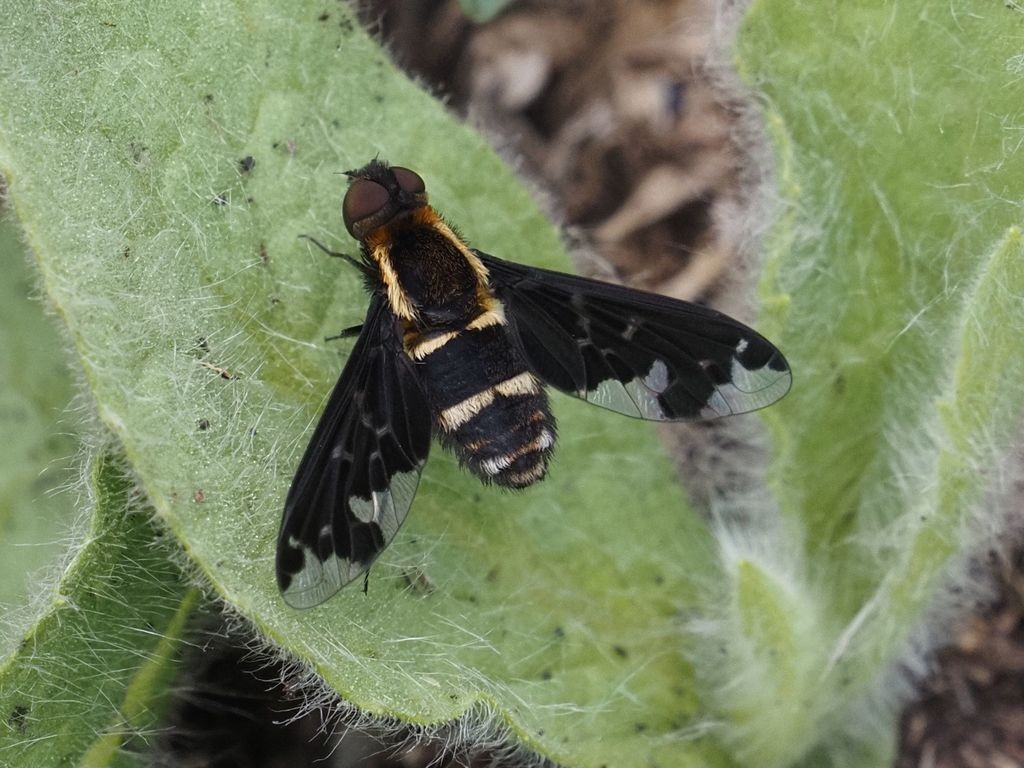
7. Hemipenthes maura
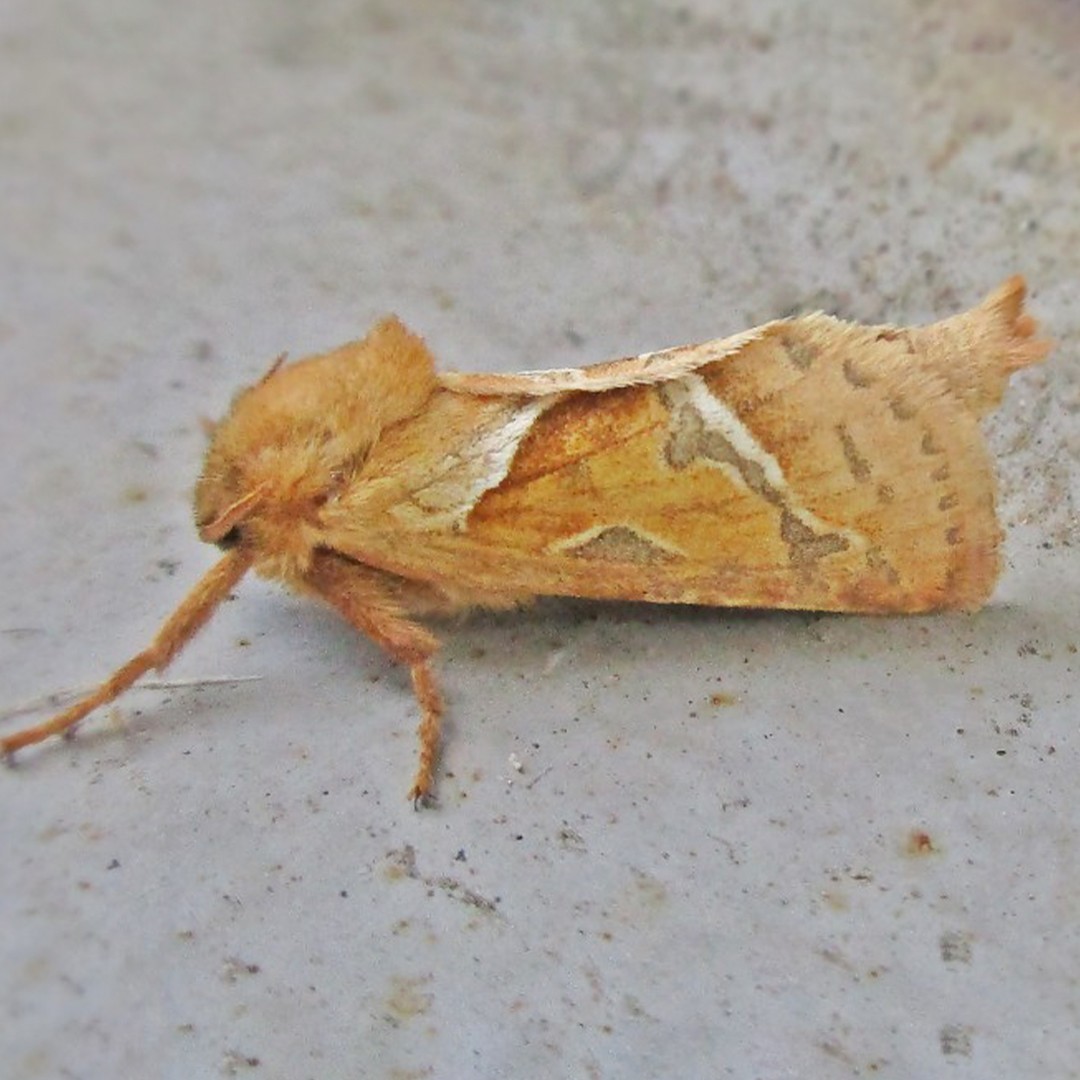
8. Orange swift
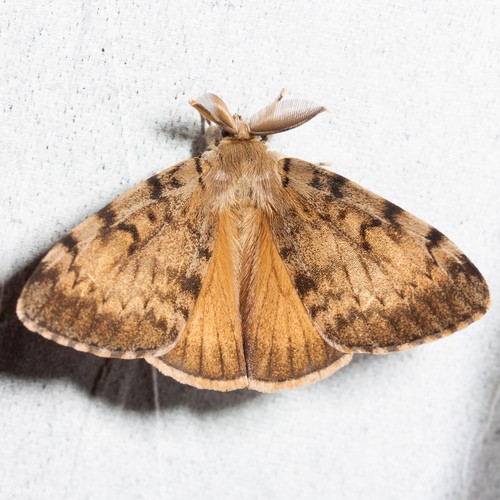
An adult orange swift has a short lifespan since it does not have working mouthparts, only the caterpillars feed. The moth is active from mid-summer to early fall and is often found in gardens, woodlands, and grassy areas. It is a night flier and is attracted to bright lights.
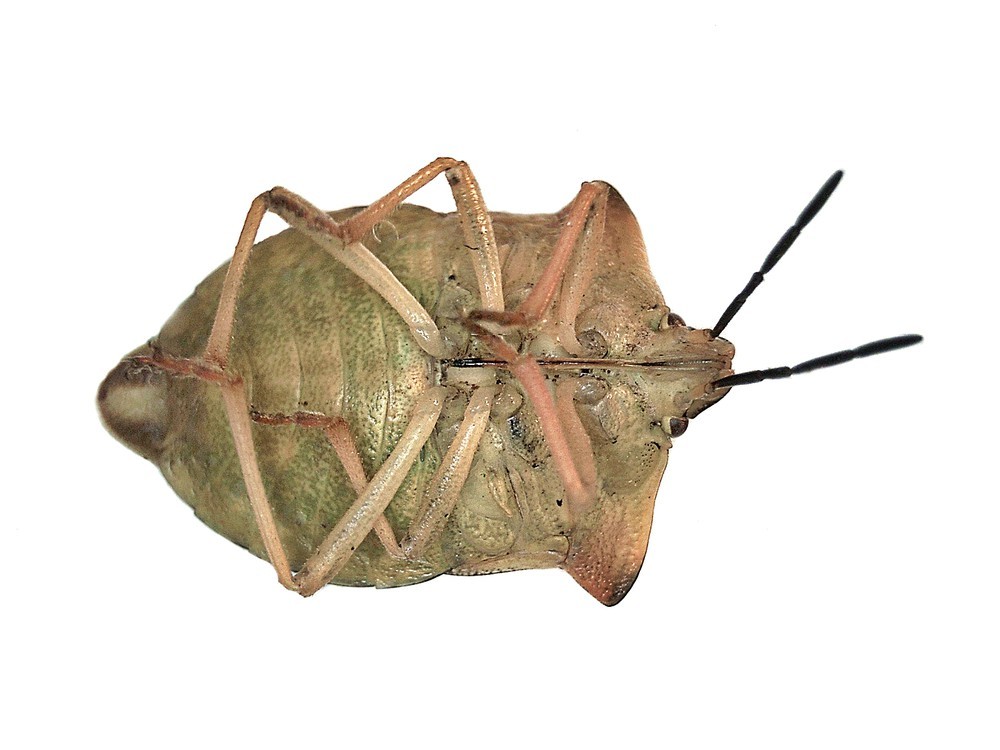
9. Northern fruit bug
Carpocoris fuscispinus can reach a length of 11–14 millimetres (0.43–0.55 in). The basic colour of the body is quite variable, ranging from greyish yellow to reddish brown, with tiny black dots. It has a sharp angled pronotum, most prominent in the summer than in autumn. Antennae are black.
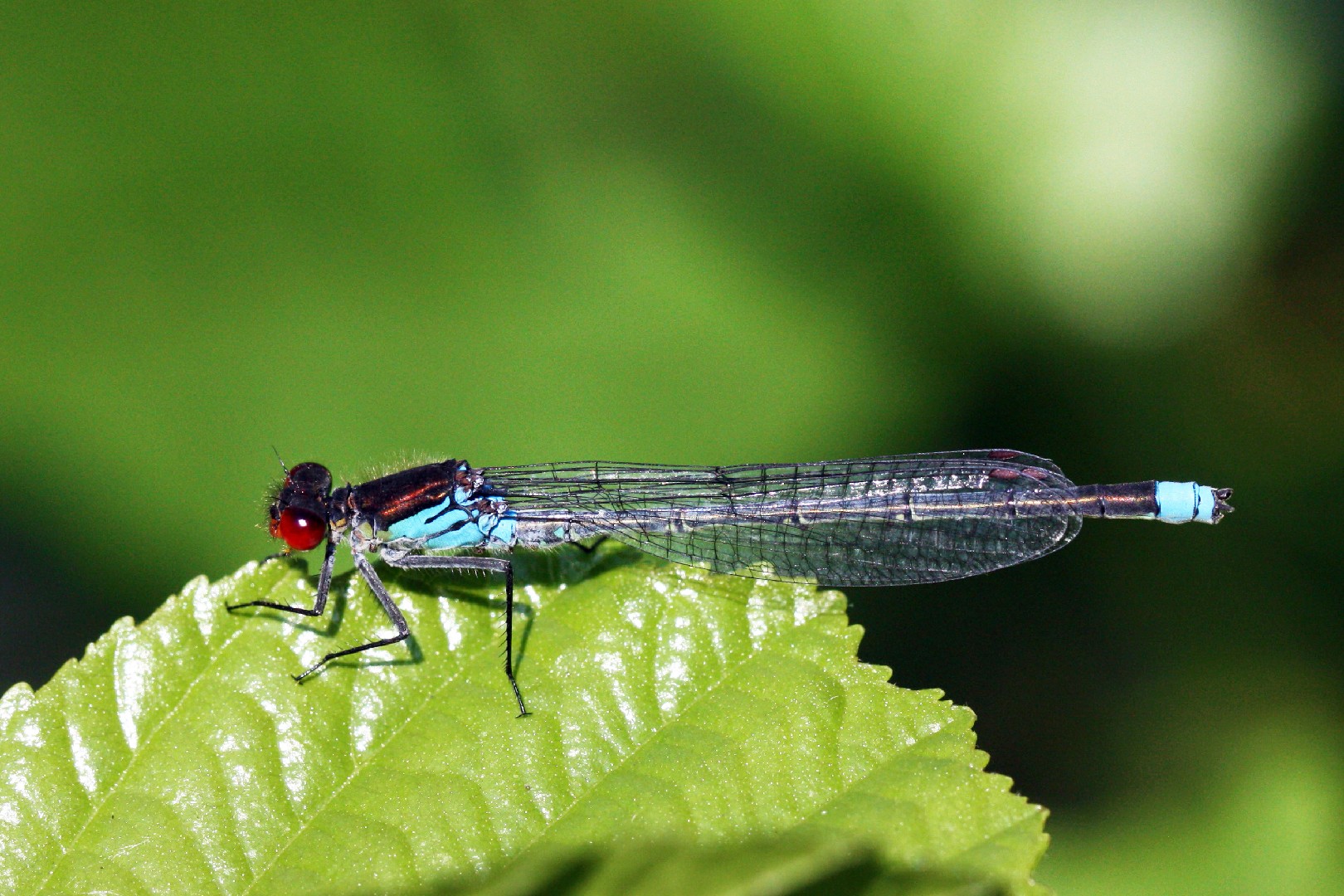
10. Red-eyed damselfly
The Great Pomegranate (Erythromma najas) is a dragonfly of the family of the Slate (Coenagrionidae). From its distribution, it is considered as a Euro-Siberian Faunenelement.

More







