




Top 18 Most Common Insects in Rwanda
Insects are a crucial component of the biosphere, playing diverse roles within ecosystems. In Rwanda, insect diversity is influenced by its varied geographical zones. The most common 18 insects vary due to factors like geography, climate and human activity. Understanding this relationship not only helps us manage pests but also conserve beneficial insects, thus maintaining the health of Rwanda's environment.

Most Common Insects
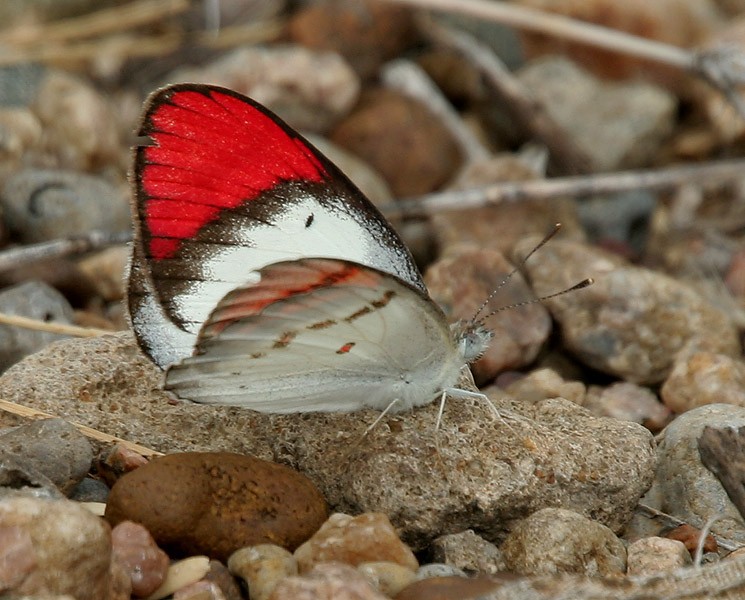
1. Crimson tip
Colotis danae, the crimson tip or scarlet tip, is a small butterfly of the family Pieridae, that is, the yellows and whites. It is found in Asia and Africa. 
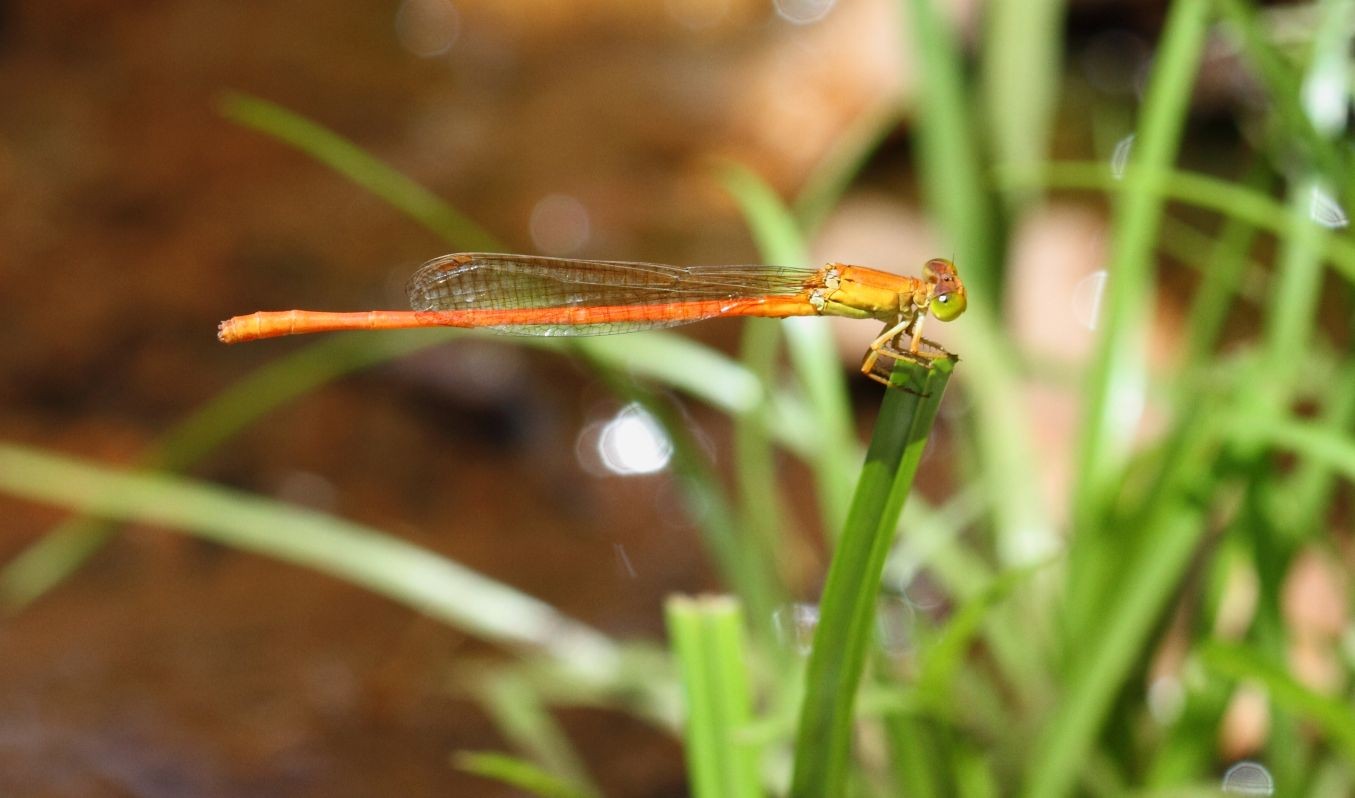
2. Common citril
Its natural habitats are rivers, intermittent rivers, marsh lands, shrub-dominated wetlands, swamps, freshwater lakes, intermittent freshwater lakes, freshwater marshes, intermittent freshwater marshes, and freshwater springs.
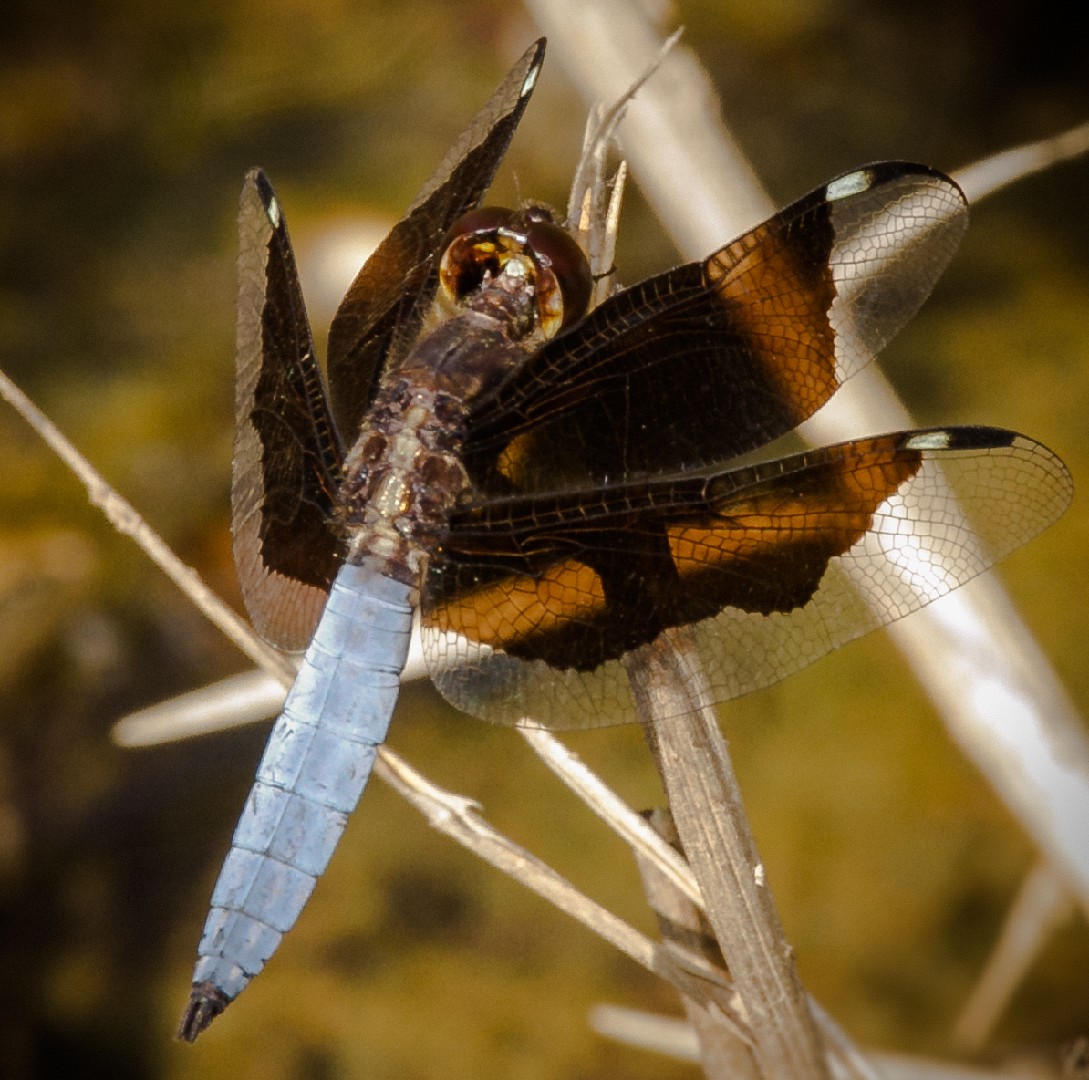
3. Lucia widow
The species is on the IUCN Red List as not endangered, year of assessment 2009.

4. Citrus swallowtail
Papilio demodocus , also known under the English name Citrus Swallowtail ("Citrus Swallowtail"), is a butterfly from the family of the knight butterflies (Papilionidae).
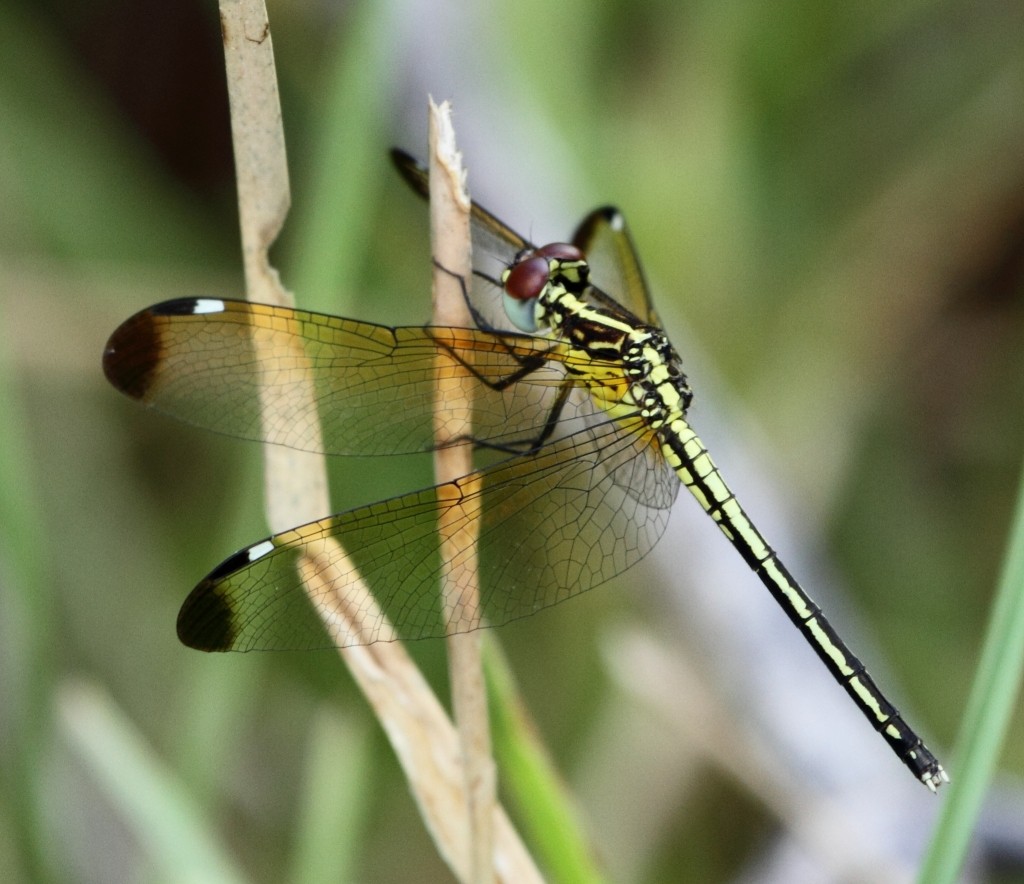
5. Pied-spot
It has a wingspan of 5 cm and is slender. There is a blue bloom on the body of the male, and a black streak across the front of the forewings. There are brown spots on the wingtips of females.
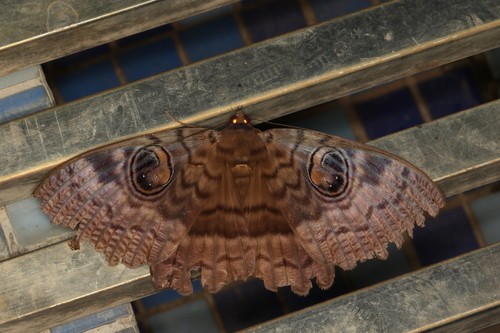
6. Walker's owl
Erebus walkeri is a moth of the family Erebidae. It is found in Angola, the Comoros, the Democratic Republic of Congo, Ghana, Kenya, La Réunion, Madagascar, Malawi, Mauritius, Mozambique, Nigeria, Rwanda, the Seychelles, South Africa (KwaZulu-Natal), São Tomé & Principe, Tanzania, Gambia, Uganda, Zambia and Zimbabwe.
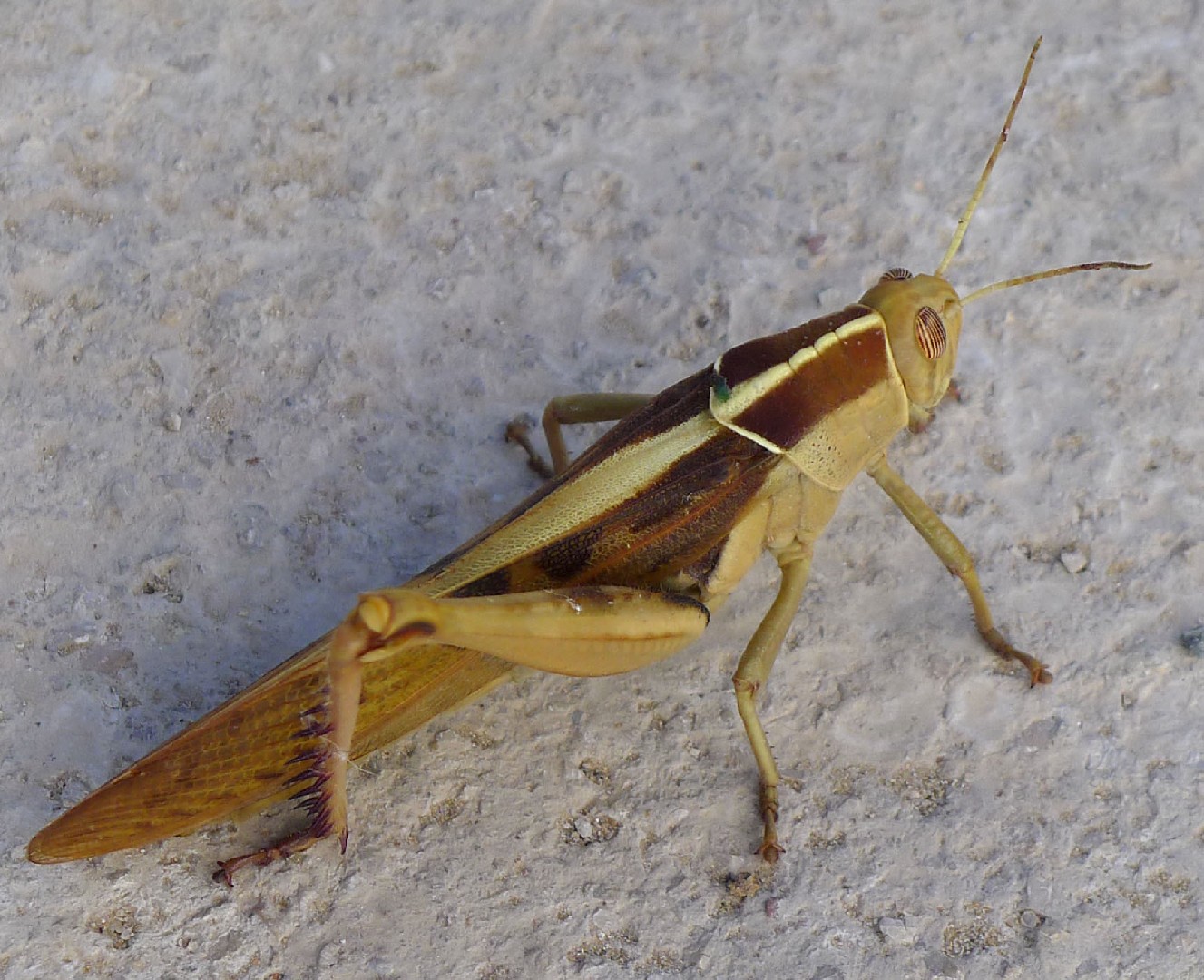
7. Weta
Acanthacris ruficornis is a right-winged insect from the field locust family (Acrididae). The scientific name of this species was first validly published in 1787 by Fabricius.
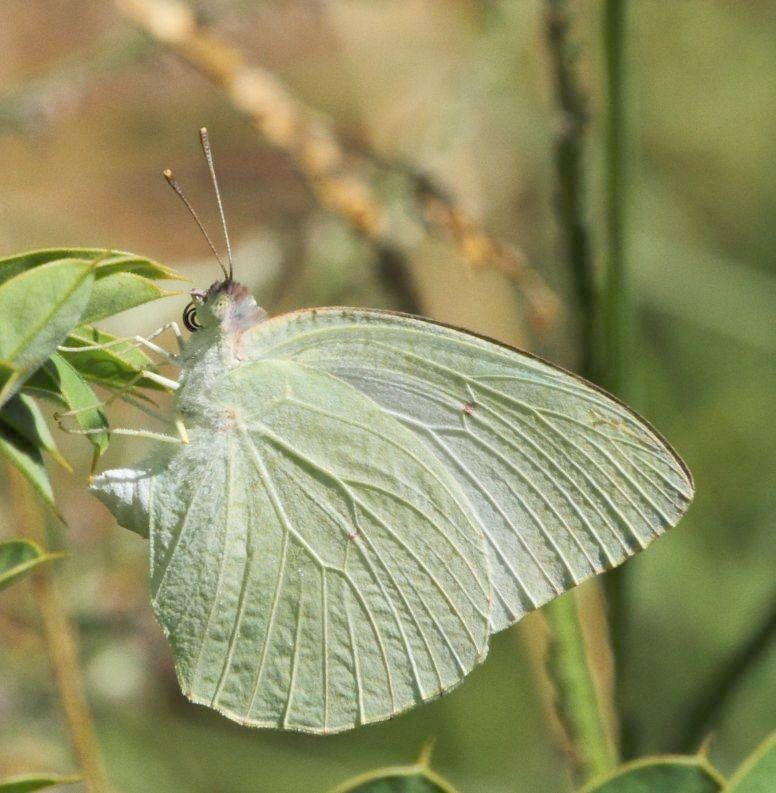
8. African emigrant
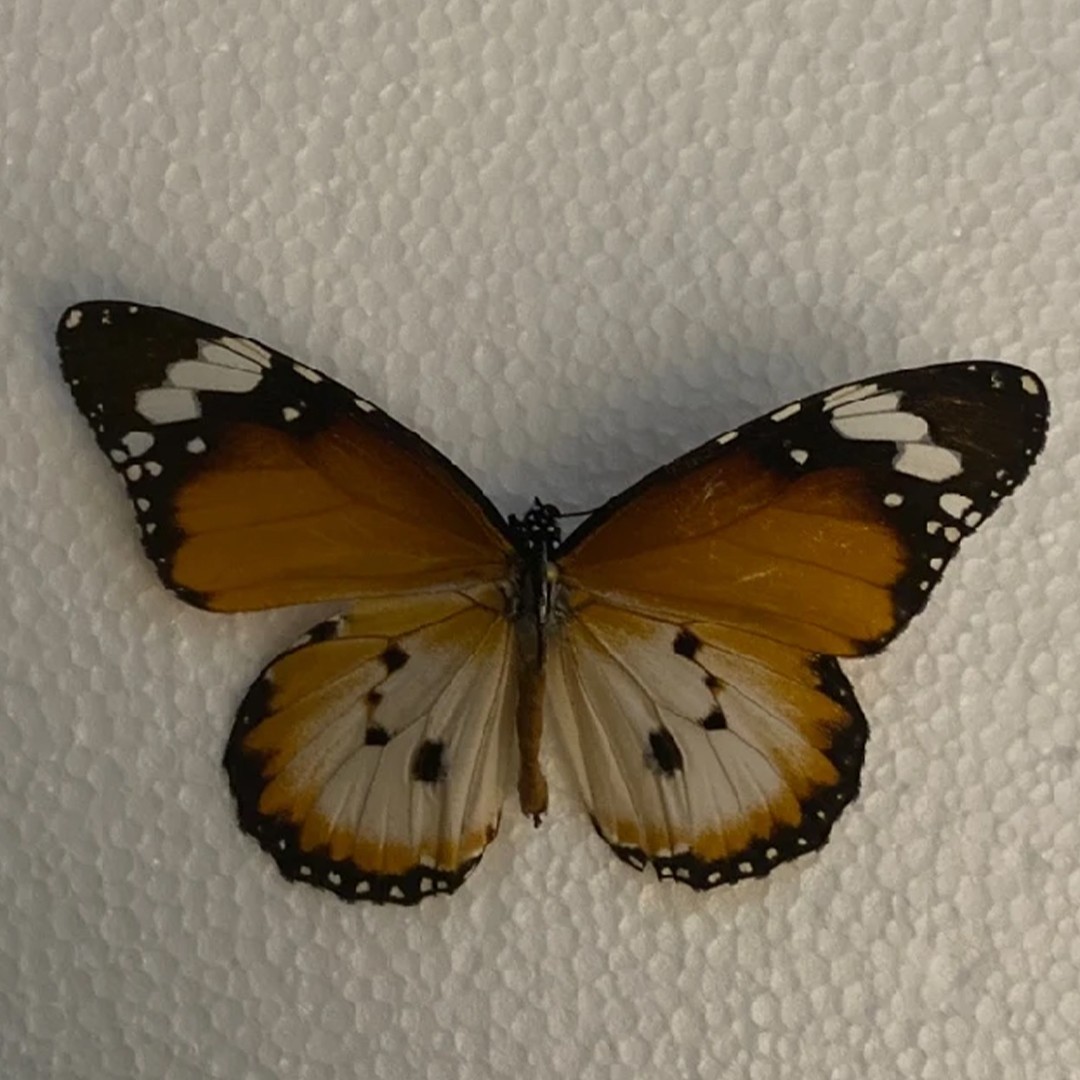
The wingspan is 5 - 6 cm for males and 6 - 7 cm for females.
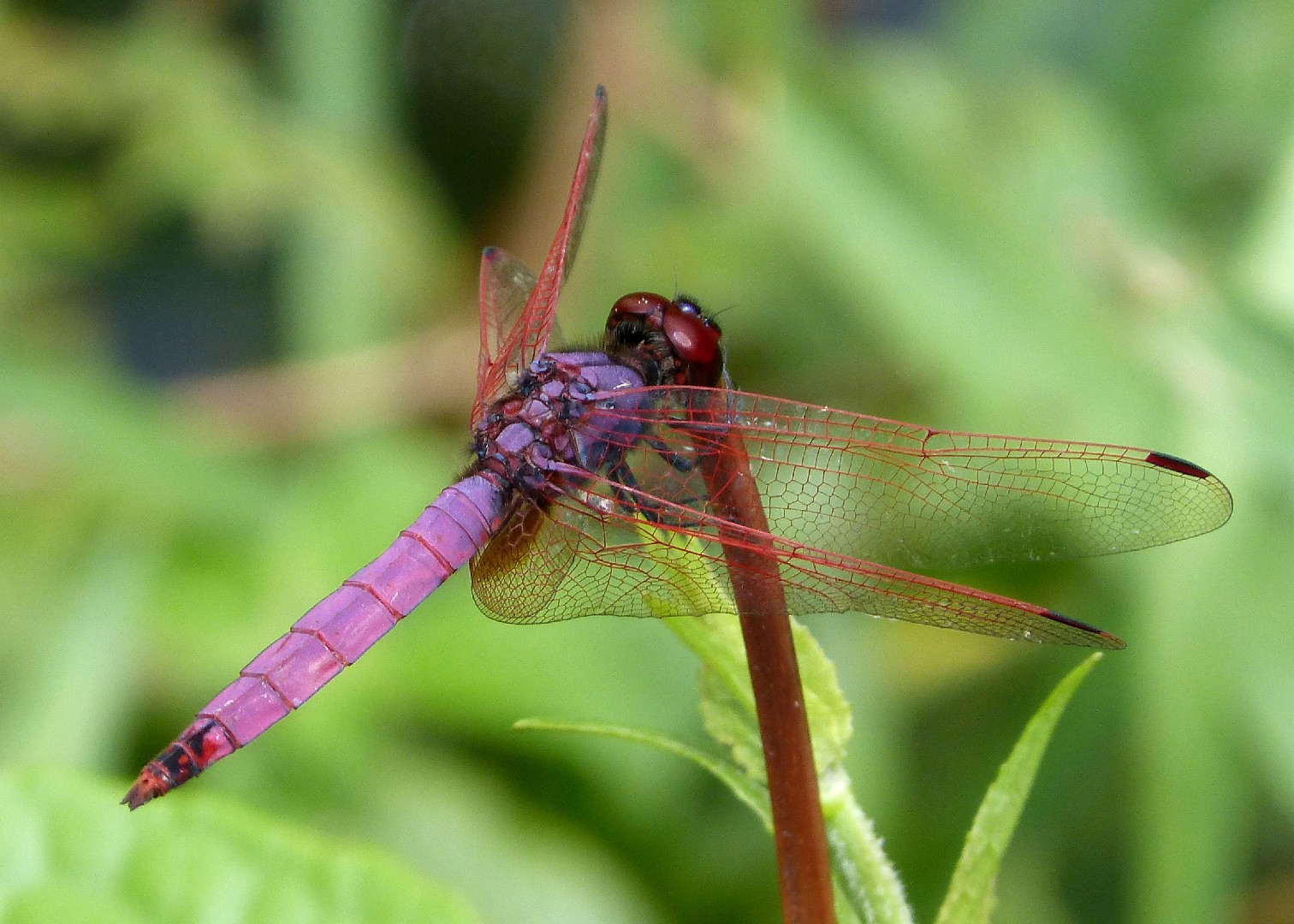
9. Violet dropwing
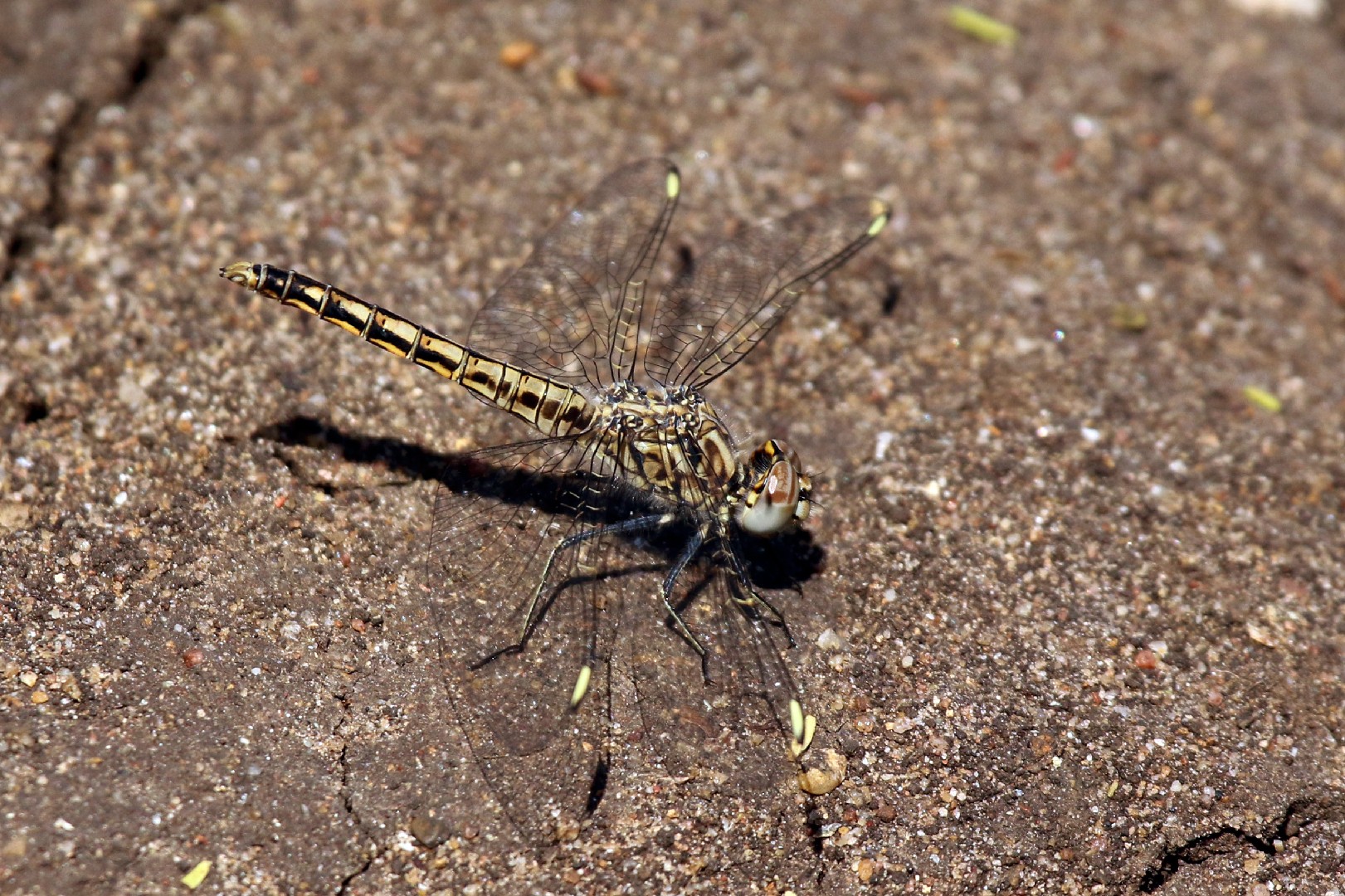
Trithemis annulata is a robust medium-sized species with a wingspan of 6 cm. The mature male has a dark red head and a yellow labium with brown central spot. The eyes are red with white spots on the rear edge, and the frons is dark metallic purplish-red. The prothorax is violet with slightly darker longitudinal stripes. The membranous wings have distinctive red veins, the pterostigma is orange-brown and there is a large orange-brown splash at the base of the hind wings. The abdomen is fairly broad and is pinkish-violet, with purple markings on the top of each segment and blackish markings on the terminal three segments. Females are a similar size to males but the thorax is brownish and the abdomen is yellow with dark brown markings. The wings of females lack the red veins of males but have similar orange-brown patches.
10. Yellow pansy butterfly
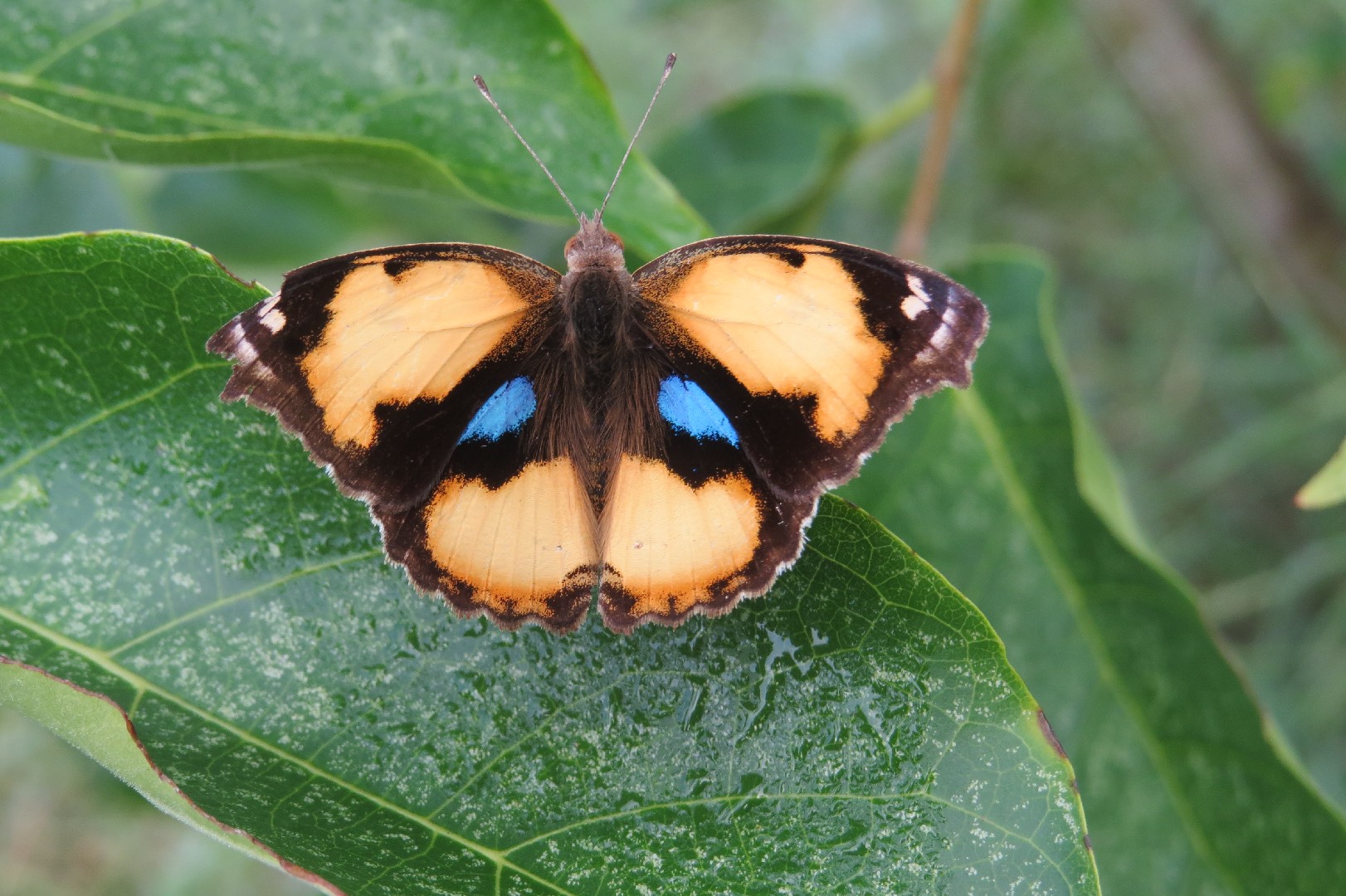
The male upperside is bright yellow. The costa of the forewing has a broad triangular jet-black projection downwards at the discocellulars, and the dorsum has a triangular projection upwards near the tornus; this black margin narrows near the middle of the termen and bears on the apex two short transverse preapical white streaks crossed by the black veins. Below these is an obscure ocellus that is sometimes absent. The anterior half and the terminal margin of the hindwing is black, and the dorsum is broadly shaded with brown while the anterior black area has a large brilliant blue spot. The cilia of both forewings and hindwings are white alternated with brown.The underside of the forewing is pale yellow. The cell is crossed by three laterally black-margined orange-yellow bars, beyond that is a short, broad, irregular jet-black oblique band from costa to base of vein 4. The hindwing is greyish yellow, and in the dry season its form is strongly irrorated (sprinkled) with dusky scales. With a prominent transverse brown discal fascia, its margins are highly sinuous. There is a brownish broad shade on the middle of the termen and some obscure lunular marks on the basal area. The antennae is pale, and the head, thorax and abdomen are dark brownish black; beneath that is a dull ochraceous white. The female is similar, although the colours are duller. The cell of the upperside forewing has a more or less complete transverse black fascia and another at the discocellulars. A blue-centred well-marked ocelli is in interspaces 2 and 5 on the disc of the forewing, and smaller ocelli in interspaces 2 and 5 on the disc of the hindwing. The forewings and hindwings have a fairly well-defined pale subterminal line, though the blue spot on the anterior black area on the hindwing is small and ill-defined; the rest is as the male. The underside is also as the male, but generally has heavier and more clearly defined markings.

More







