




Top 20 Most Common Insects in Ar Riyad
Welcome to a buzzing world of insects in Ar Riyad! These diverse creatures, adapted to its shifting landscapes from desert sands to verdant parks, play crucial eco-roles. From helpful pollinators to pesky invaders, they impact our flora and fauna dramatically. Today, we explore the 20 most common insects here, showcasing how each reflects Ar Riyad's complex ecosystems. Get ready for an entomological adventure!

Most Common Insects
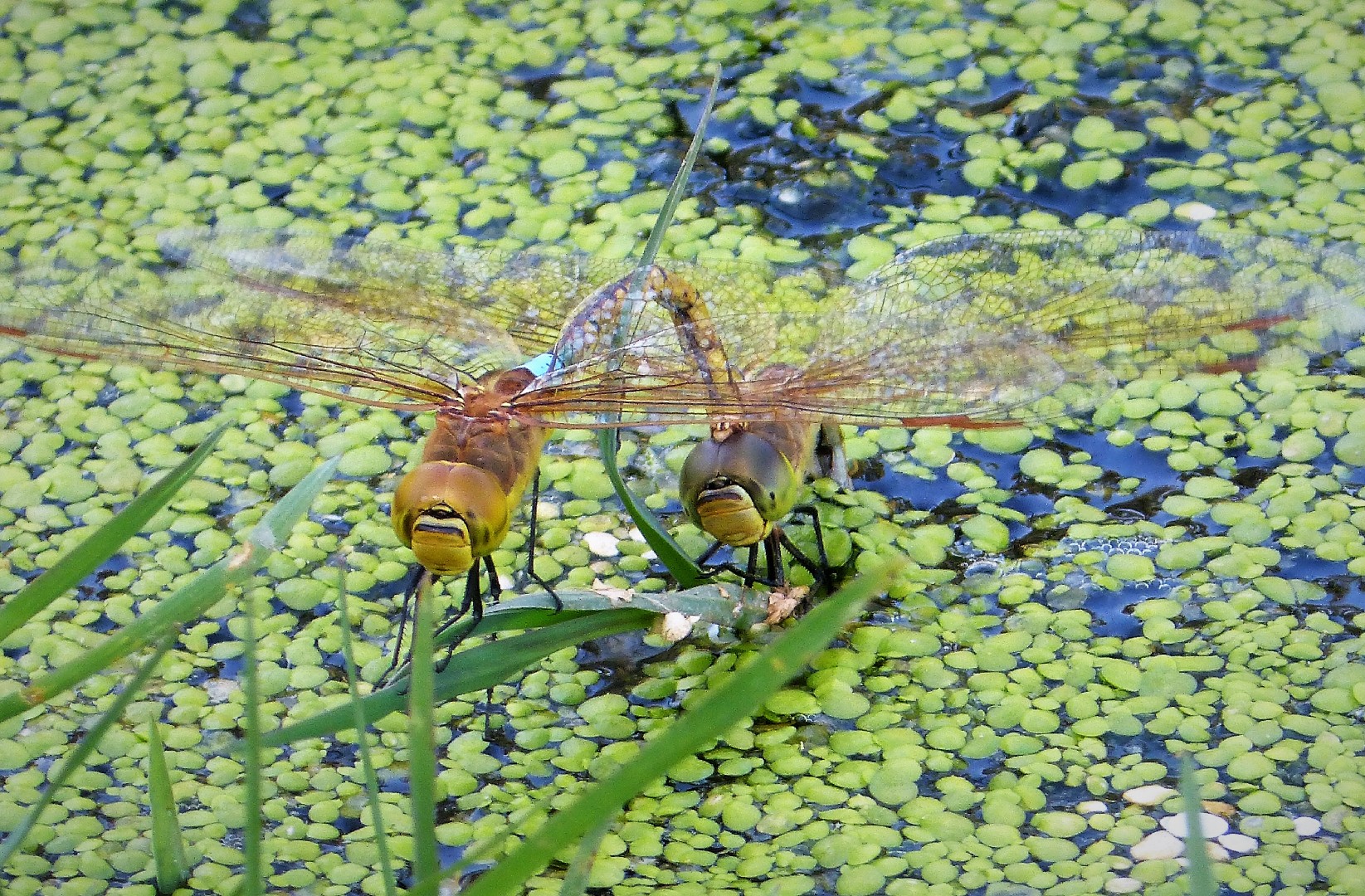
1. Vagrant Emperor
It is a large dragonfly with greenish-yellow eyes. Its thorax is olivaceous-brown, paler on sides. Wings are transparent with an amber-yellow patch. Abdomen is ochreous, marked with azure-blue and reddish-brown. Segment 2 is blue on dorsum and pale green on the sides. Segments 3 to 7 are olivaceous-yellow with irregular reddish-brown stripes on mid-dorsum and narrow black apical annules. There is a broad mid-dorsal blackish-brown stripe on segments 8 and 9, enclosing a pair of triangular yellow apical spots. Segment 10 is bright yellow, with its base and mid-dorsum broadly black. Female is similar to the male. Its natural habitats are shrub-dominated wetlands, swamps, freshwater lakes, intermittent freshwater lakes, freshwater marshes, intermittent freshwater marshes, and freshwater springs. It breeds in shallow tanks and marshes. A rare long-distance migrant to the British Isles, occasionally seen even in winter. 
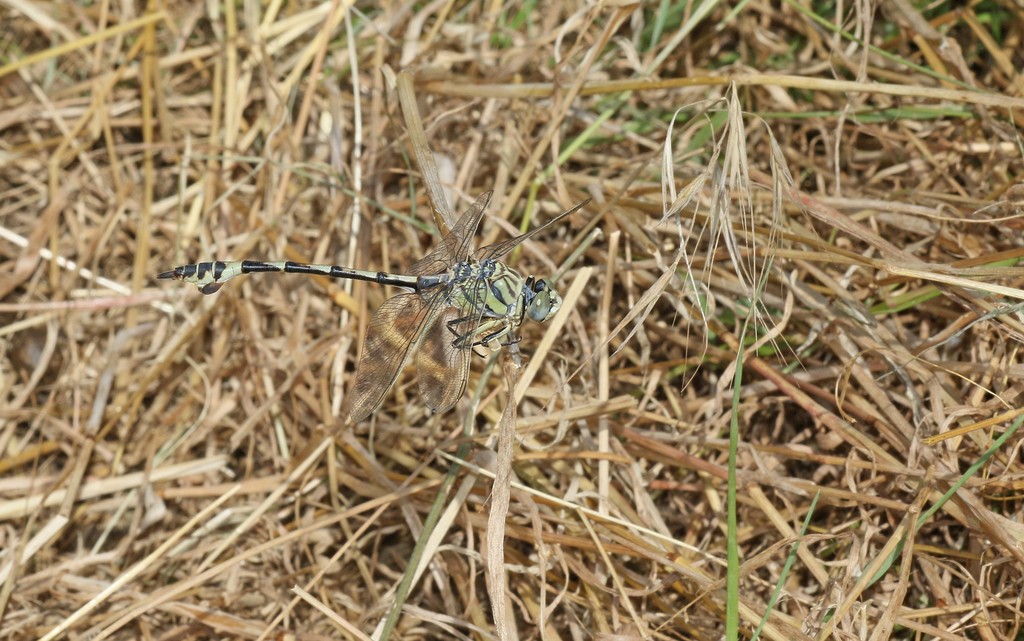
2. Bladetail
Adults are easily recognizable due to their impressive body size with 69–80 mm length, the leaf-shaped flaps on the bottom side of the abdomen tip which are unique in European species, and wing venation. The flaps give the narrow and long abdomen club-shaped appearance. Basic color is pale yellow with dark brown or black markings of variable size. The pterostigma is also similarly colored. In south Croatia and Montenegro, it is possible to observe completely black individuals, which is probably a consequence of them developing in cold springs. The adults fly in the summer, from the end of May until August.
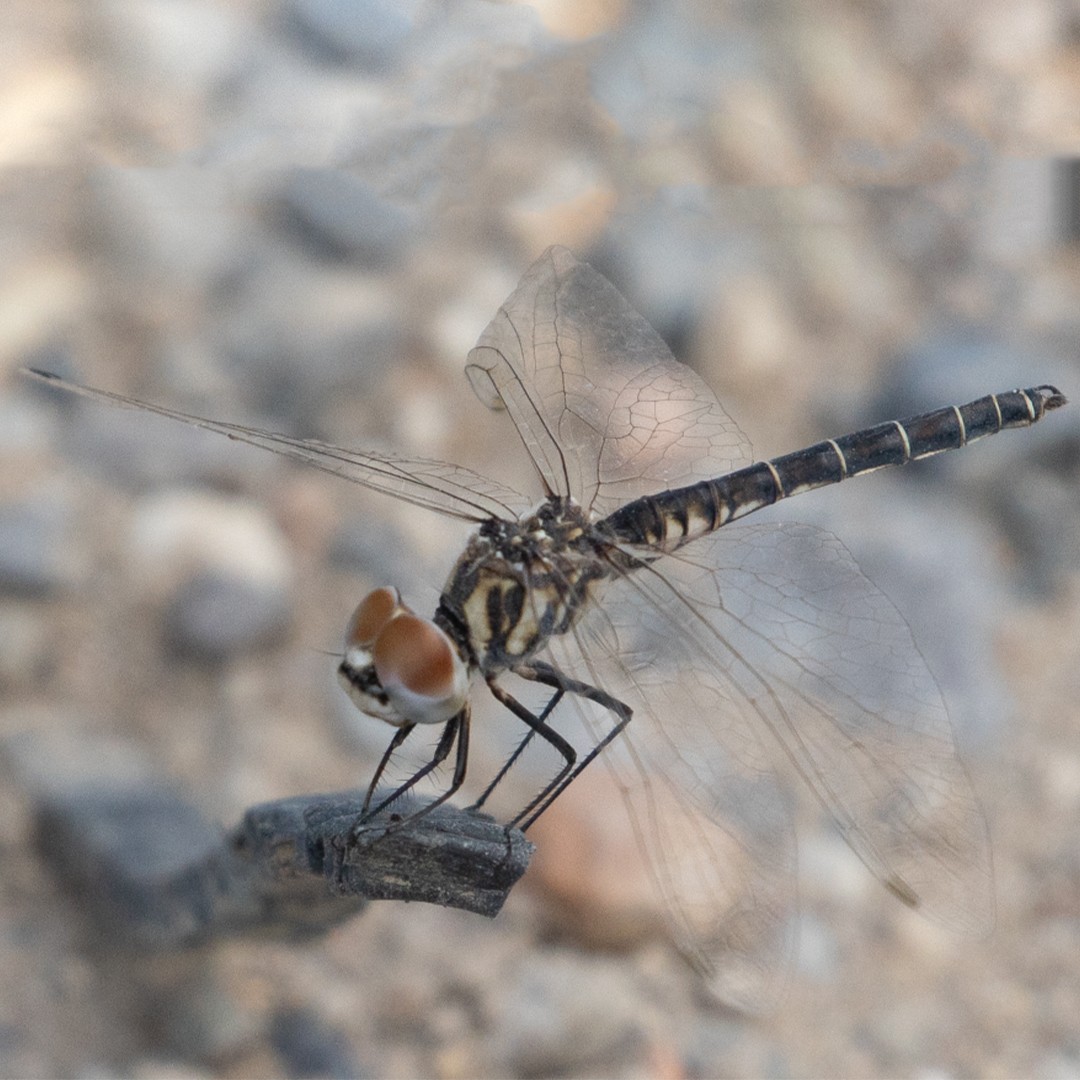
3. Black pennant
Selysiothemis nigra, the black pennant, is a monotypic species of dragonfly in the family Libellulidae. It occurs in Central Asia and the Middle East. In Europe it is mostly confined to the coastal areas of the Mediterranean and the Black Sea.
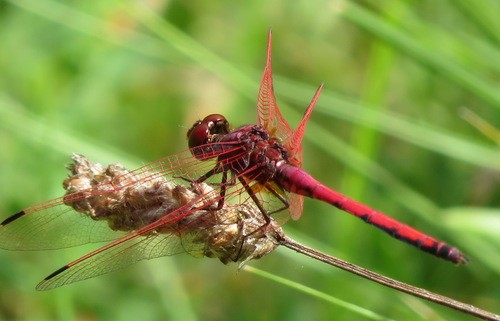
4. Red-veined dropwing
The face of the mature male is deep red, the vertex and top of the frons having a purple sheen. The eyes are deep red and the labium deep yellow with a dark brown stripe in the centre. The synthorax is red with black stripes; mature males often have a purple bloom on the upper thorax.The wings have bright red veins and orange makings at their bases. The pterostigmas are 2.5 - 2.5 mm long and dark brown. The slender abdomen is bright red; S6-S8 have black wedges on each side; S9 and S10 are black. Females have similar markings, but the abdomen and face are yellow to yellowish brown. The sides of the synthorax are pale yellow-brown, as are the lower sides of S1-S3.
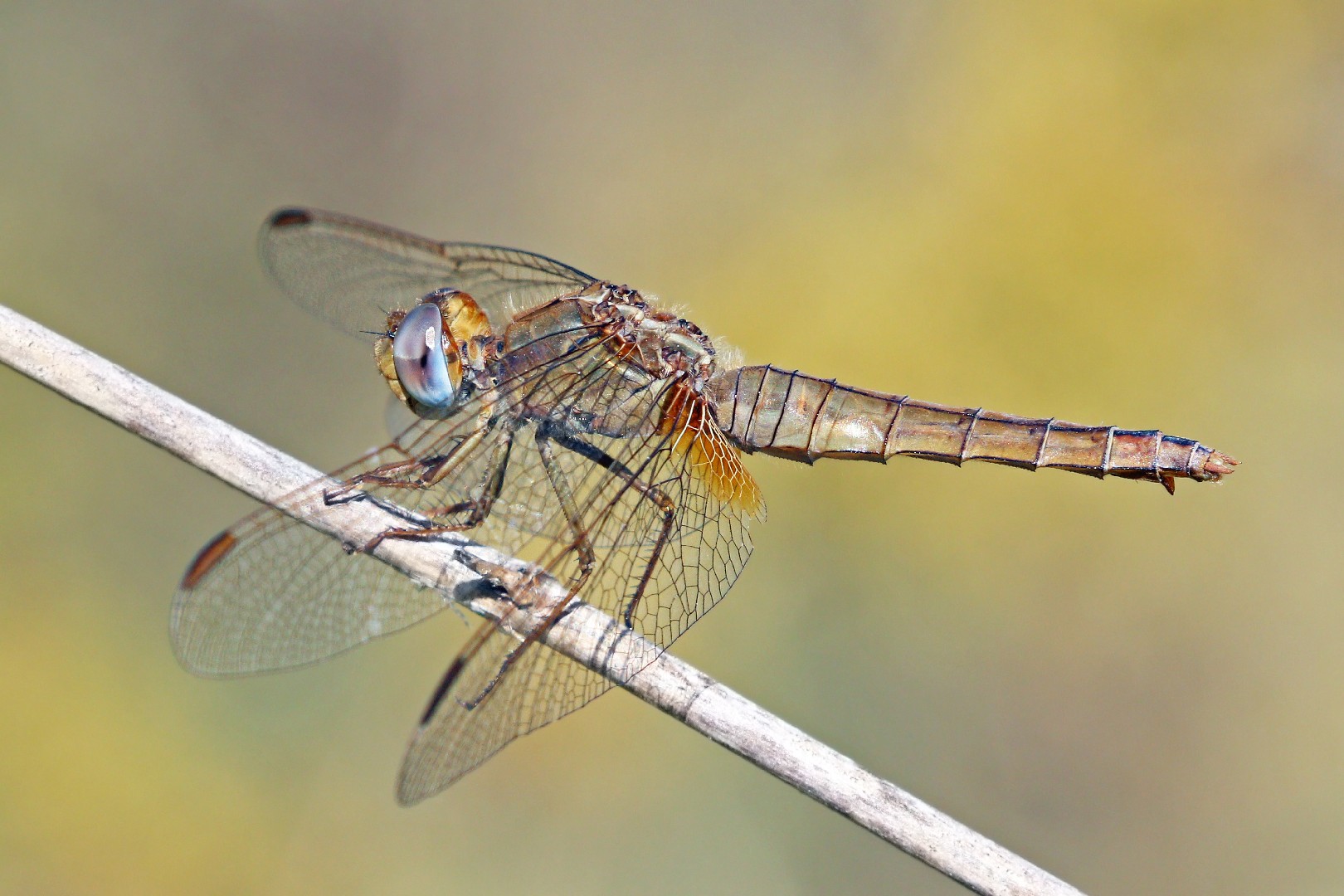
5. Scarlet dragonfly
Crocothemis erythraea can reach a length of 3.5 - 4.5 cm. These dragonflies haves a flattened and rather broad abdomen. The adult male scarlet dragonfly has a bright scarlet red, widened abdomen, with small amber patches at the bases of the hindwings. Also the veins on the leading edges of the wings are red. Females and immatures are yellow-brown and have a conspicuous pale stripe along the top of the thorax.
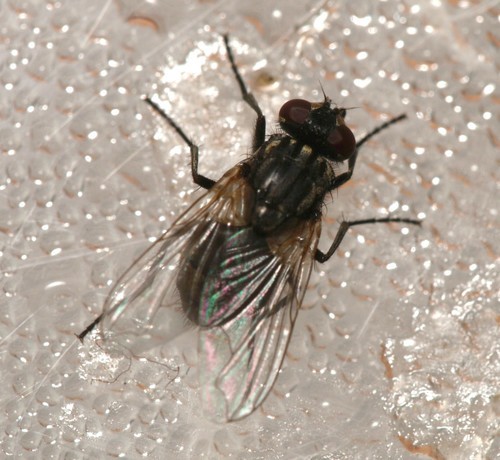
6. Common house fly
The female common house fly mates once and can store the sperm for multiple batches of eggs throughout her life. She will lay anywhere between 75 to 150 eggs at a time, usually in rotting organic matter, where the larvae will feed. The adults feed on feces and animal matter, making them important ecological composters. However, they can also transmit pathogens to human food and are considered pests and health hazards in human-occupied areas.
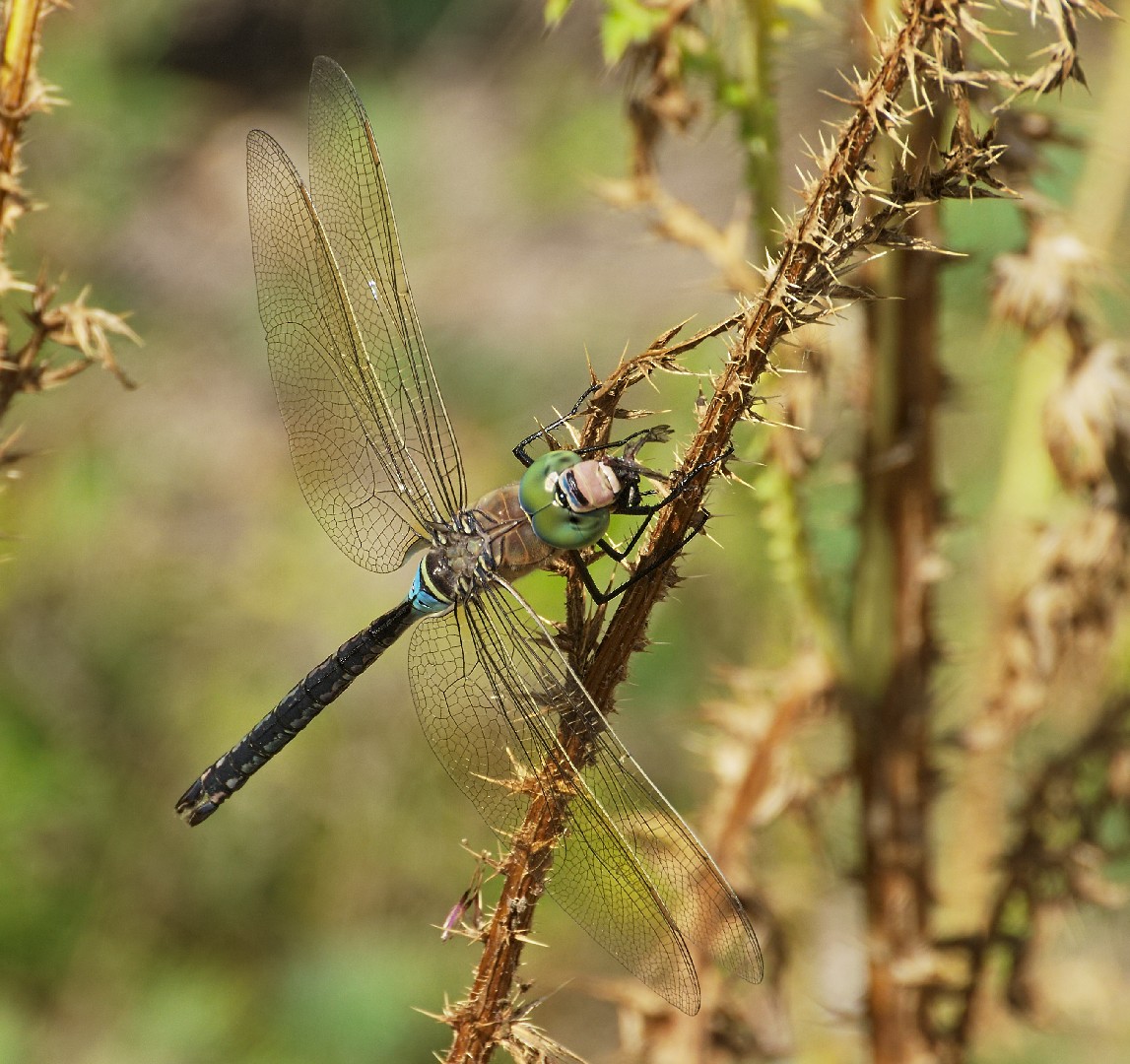
7. Lesser emperor
Its labium and labrum are golden-yellow and face and frons are greenish yellow and eyes are green, bluish when aged. Its thorax is pale olivaceous brown with dark brown sutures. Its segment two of the abdomen is turquoise blue. Segment three has a large blue patch at each side. Segments 4 to 9 have an irregular black middorsal stripe. Segment 10 is black.
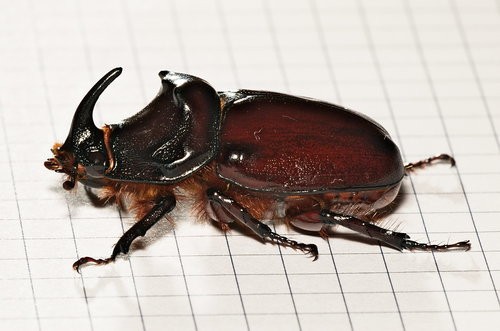
8. European rhinoceros beetle
The european rhinoceros beetle (Oryctes nasicornis), also called an "elephant beetle" and a "Hercules beetle", has a massive horn-like structure in the front. This bug is well-known because Dim from A Bug's Life is a european rhinoceros beetle. The males use their horns for fighting over food and over females. However, this species is actually harmless and only feeds on plants.
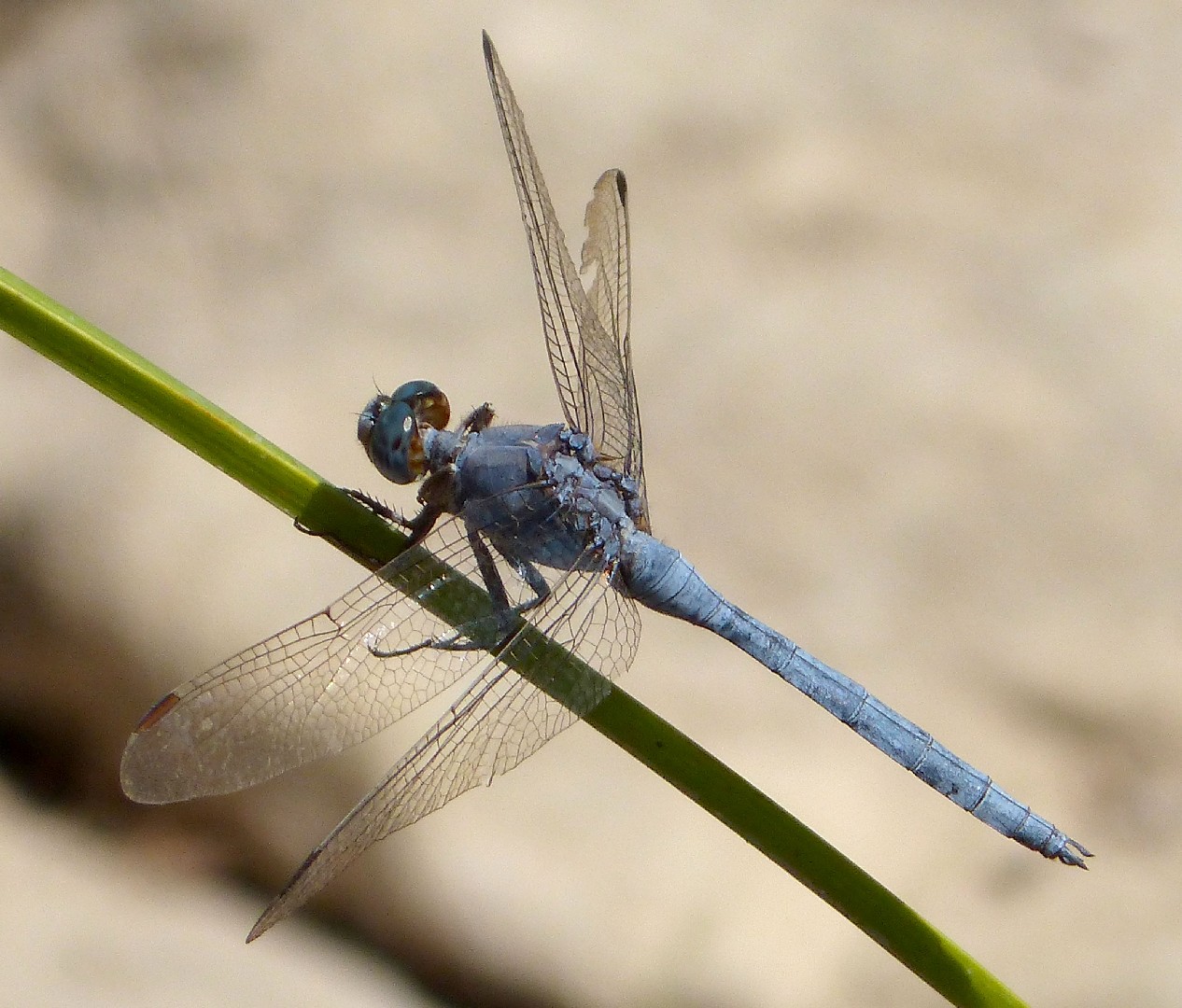
9. Epaulet skimmer
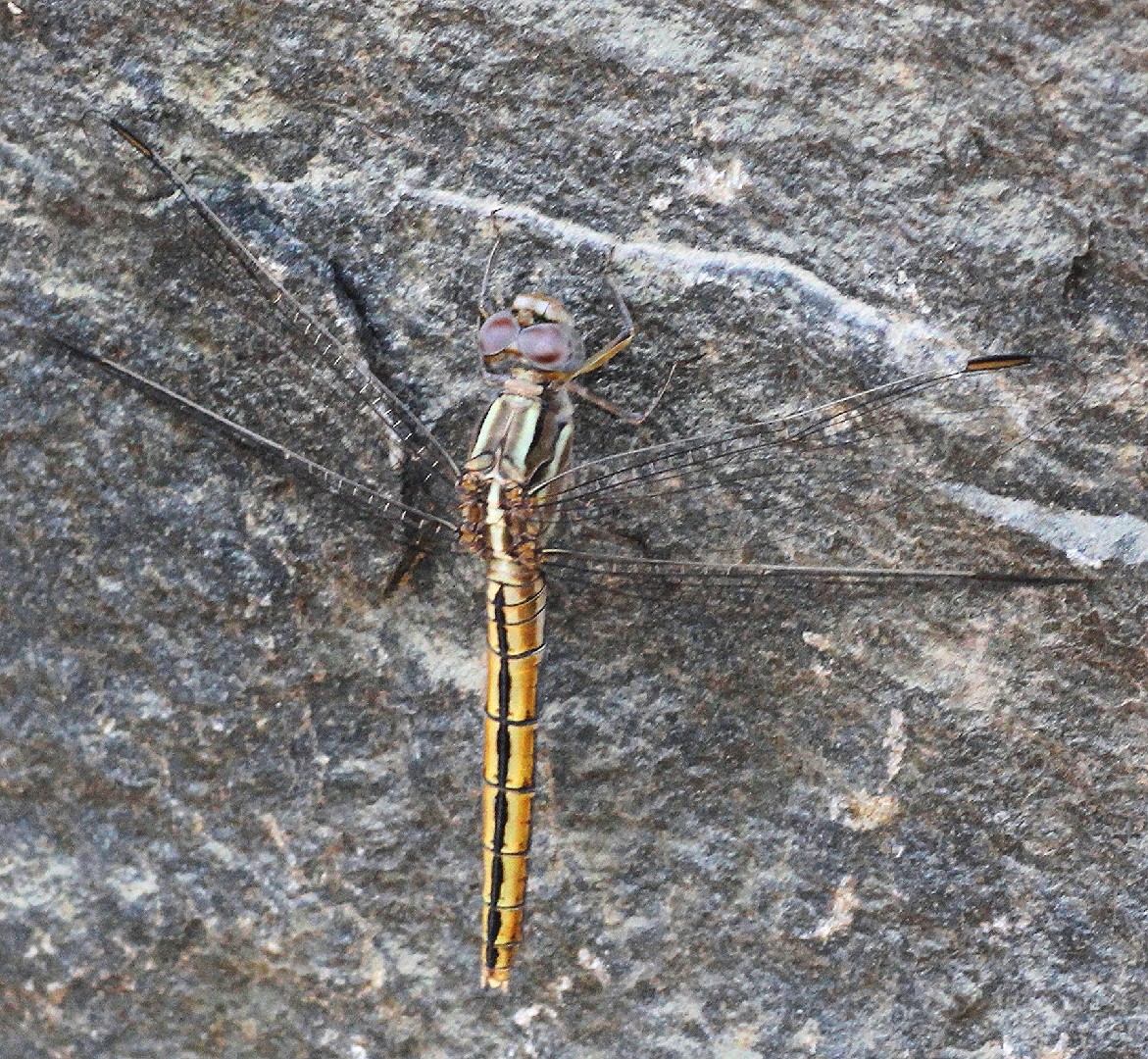
The bodies of adult males are blue, and those of young and females are yellow and brown.

10. Scarlet skimmer
The species is on the IUCN Red List as not endangered, year of assessment 2009.
More







